Artwork
Farewell of Hector and Andromache
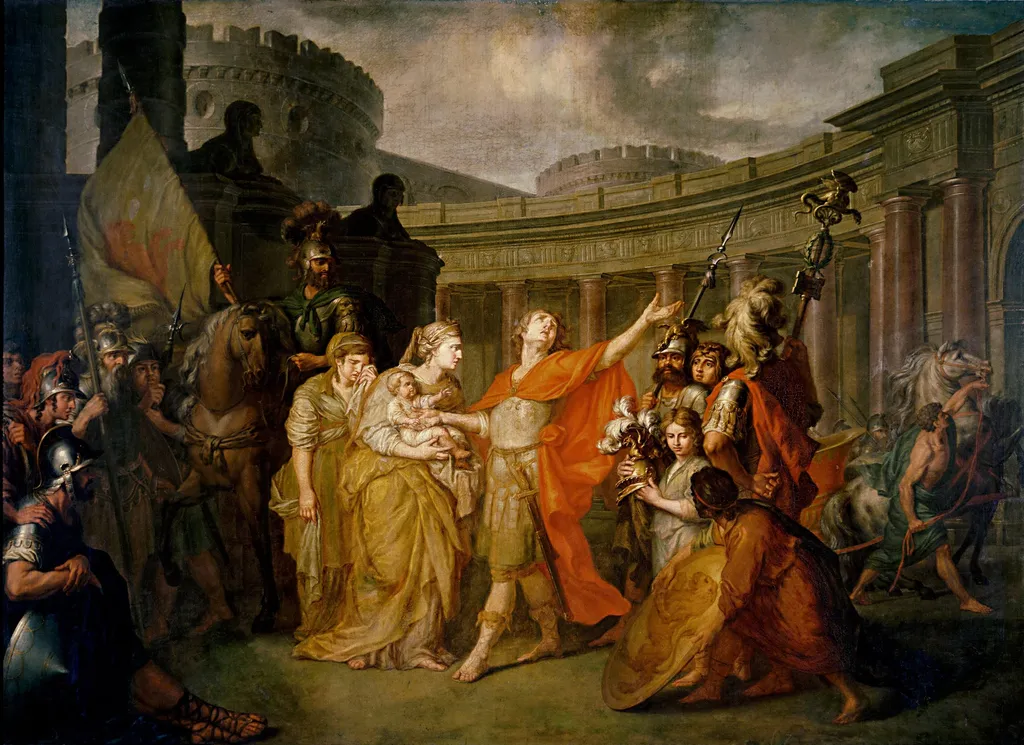
Farewell of Hector and Andromache is an oil painting by the Neoclassicist artist Anton Losenko. It dates from 1773 and is held in the collection of the Tretyakov Gallery.
About this work
Overview
Anton Losenko’s 1773 oil painting depicts the emotional departure of Hector, Trojan prince and warrior, from his wife Andromache and infant son Astyanax.
Anton Losenko’s 1773 oil painting depicts the emotional departure of Hector, Trojan prince and warrior, from his wife Andromache and infant son Astyanax. Commissioned by Empress Catherine II, the work was intended as a model of civic virtue and classical heroism. Losenko died before completing it, leaving certain areas unresolved. The painting measures 156.3 by 212.5 cm and has been held in the Tretyakov Gallery since 1925.
Subject & Meaning
The scene draws from Homer’s Iliad, portraying Hector’s last moments with his family before returning to battle. His stance conveys resolve, while Andromache’s posture and gaze express grief and foreboding. The inclusion of their child underscores the personal cost of war. Losenko frames this private moment as an act of public duty, aligning classical antiquity with Enlightenment ideals of sacrifice for the state.
Technique & Style
Losenko employs chiaroscuro to model the figures with sculptural weight, directing light toward Hector’s face and armor to emphasize his central role. The drapery of Andromache’s garment and the texture of Hector’s armor are rendered with careful attention to volume. The background, with its classical architecture and distant chariot, provides spatial depth without distracting from the emotional core of the composition.
History & Provenance
Created in the final year of Losenko’s life, the painting was left incomplete due to his death from dropsy at age 36. His students, trained in his studio, finished portions of the work and later disseminated his compositional methods. By the early 19th century, it became a reference point for Russian academic painters, shaping the visual language of historical subjects for decades.
Context
Commissioned during Catherine the Great’s push to establish a Russian classical tradition in art, the painting responded to imperial desires for morally elevated historical narratives. Losenko’s adaptation of Greek myth served political ends, linking Trojan heroism with Russian ideals of duty and sacrifice. The work emerged within a broader European revival of classical themes, but its reception in Russia was uniquely institutionalized.
Legacy
For over fifty years, the painting was regarded as the definitive example of Russian historical painting. Art historians noted its disciplined composition and emotional restraint as foundational to the academic style. Though later movements moved beyond its ideals, its influence persisted in the training of generations of Russian artists, embedding its structure into the pedagogy of historical art.
Own this work as a print
Artist & collection
Artist
Anton Pavlovich Losenko (Russian: Антон Павлович Лосенко; 10 August 1737 – 4 December 1773) was a Russian neoclassical painter and academician who specialized in historical subjects and portraits.

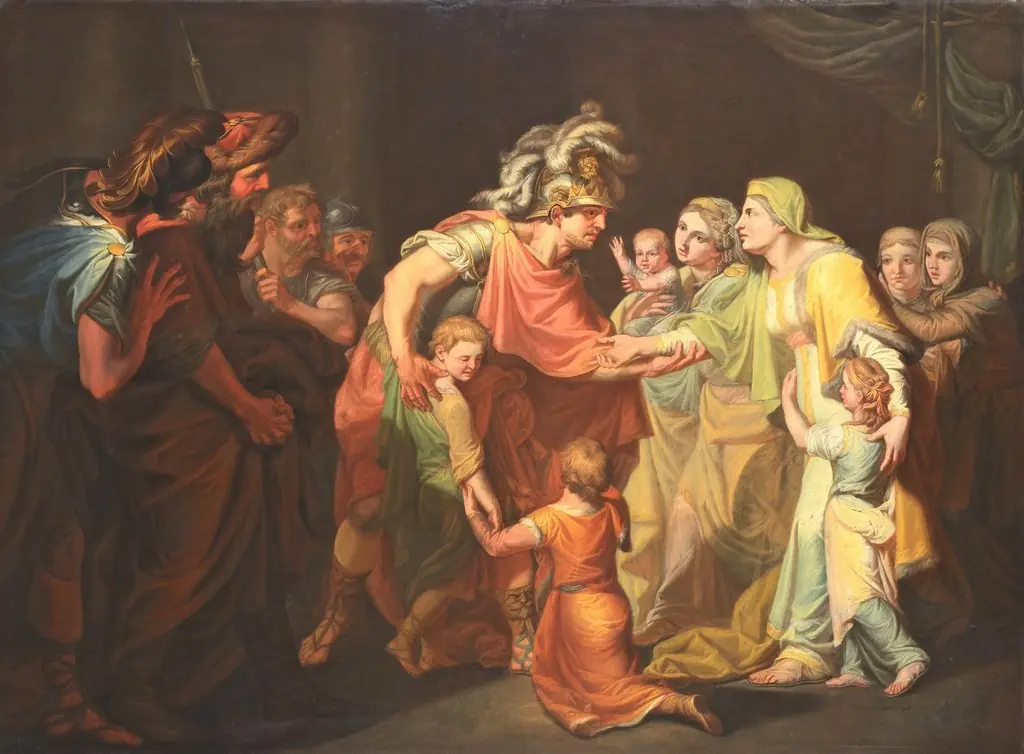 Svyatoslav's return from the Danube to his family in Kiev
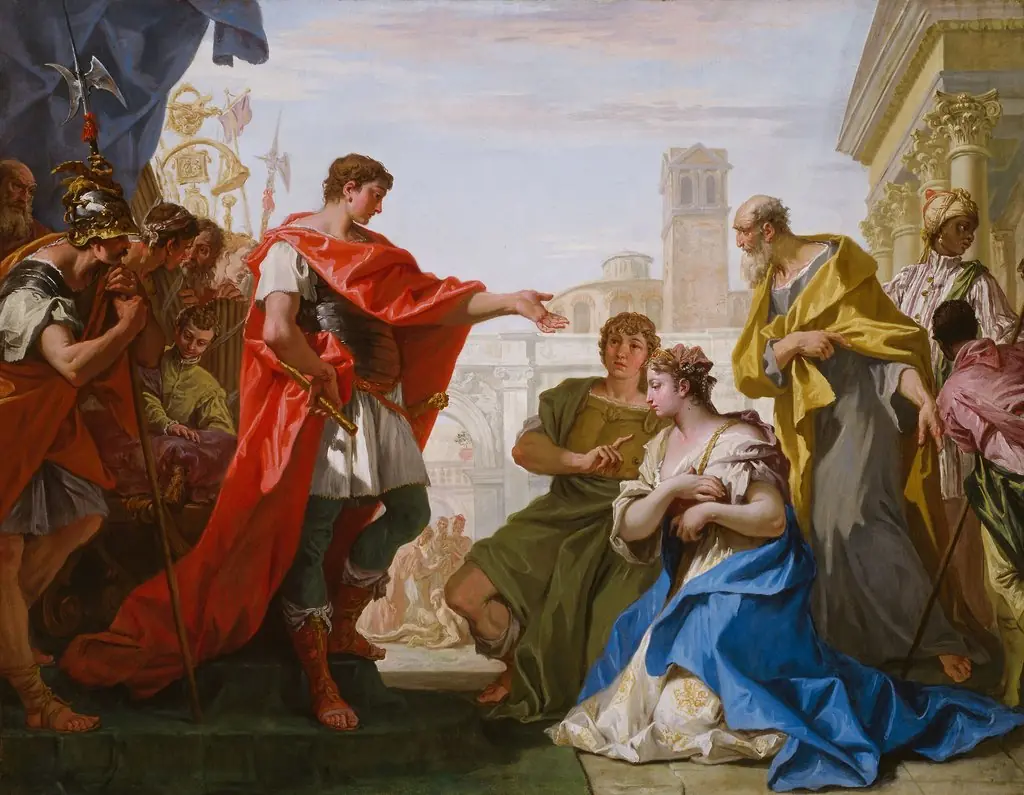 The Continence of Scipio
 The Continence of Scipio
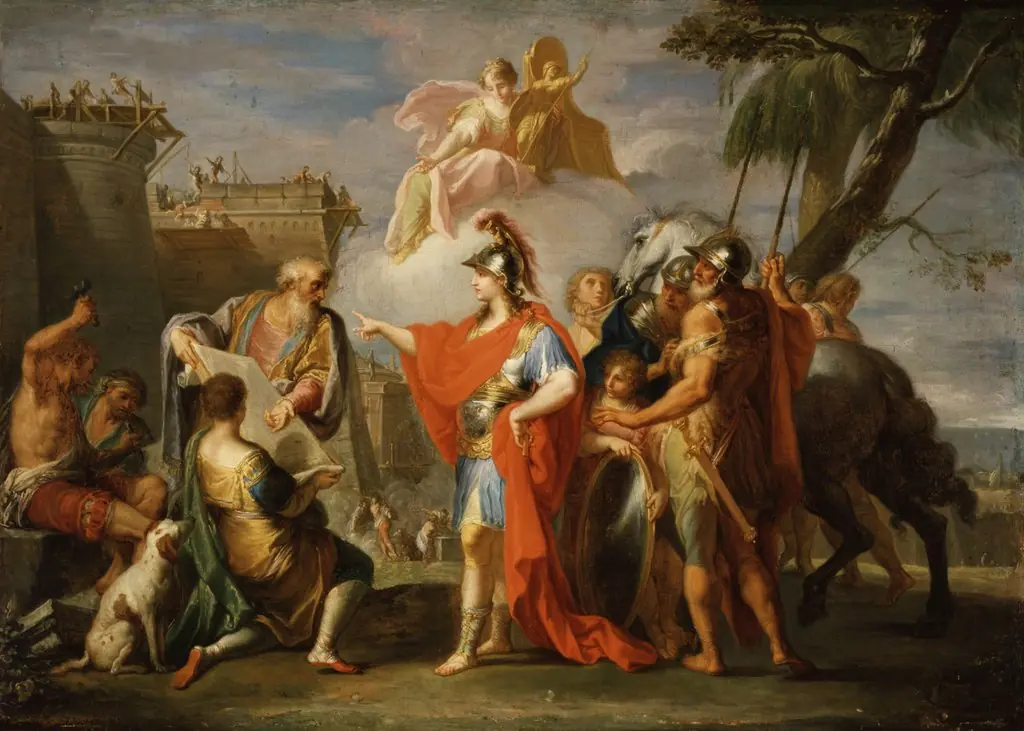 Alexander the Great Founding Alexandria
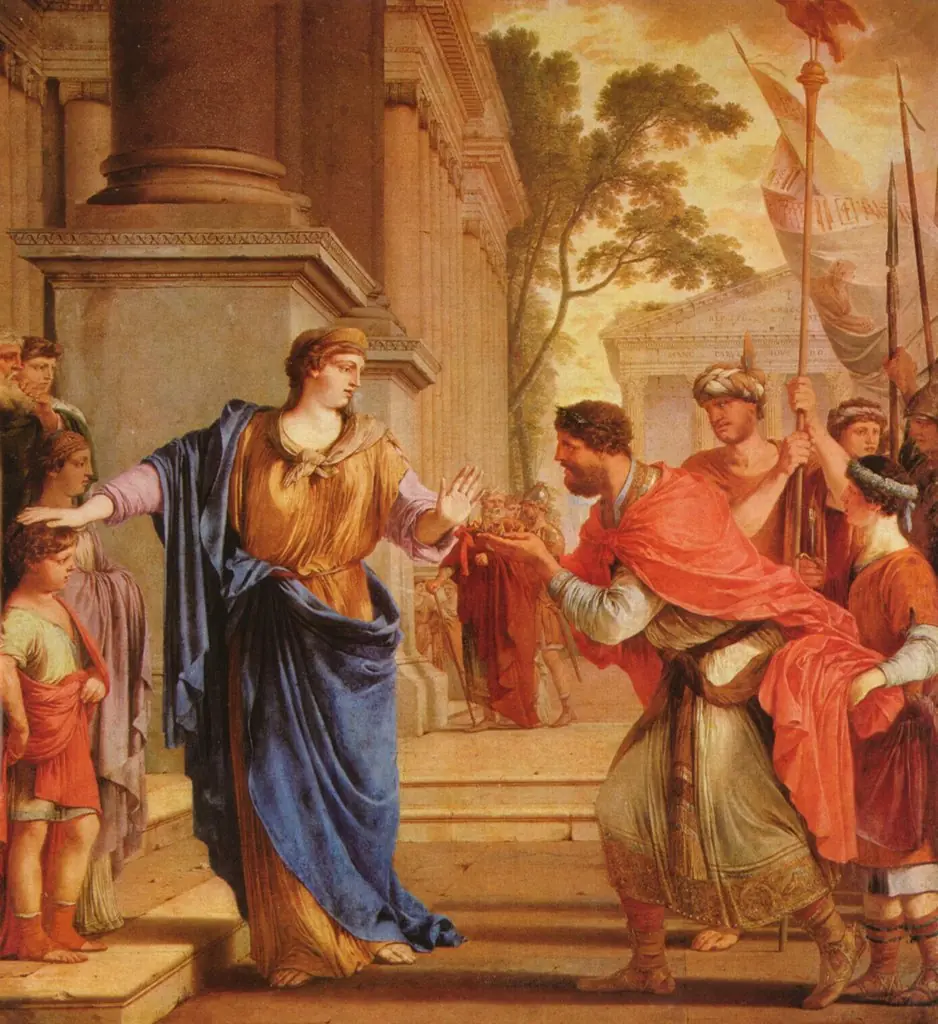 Cornelia rejects the crown of the Ptolemies
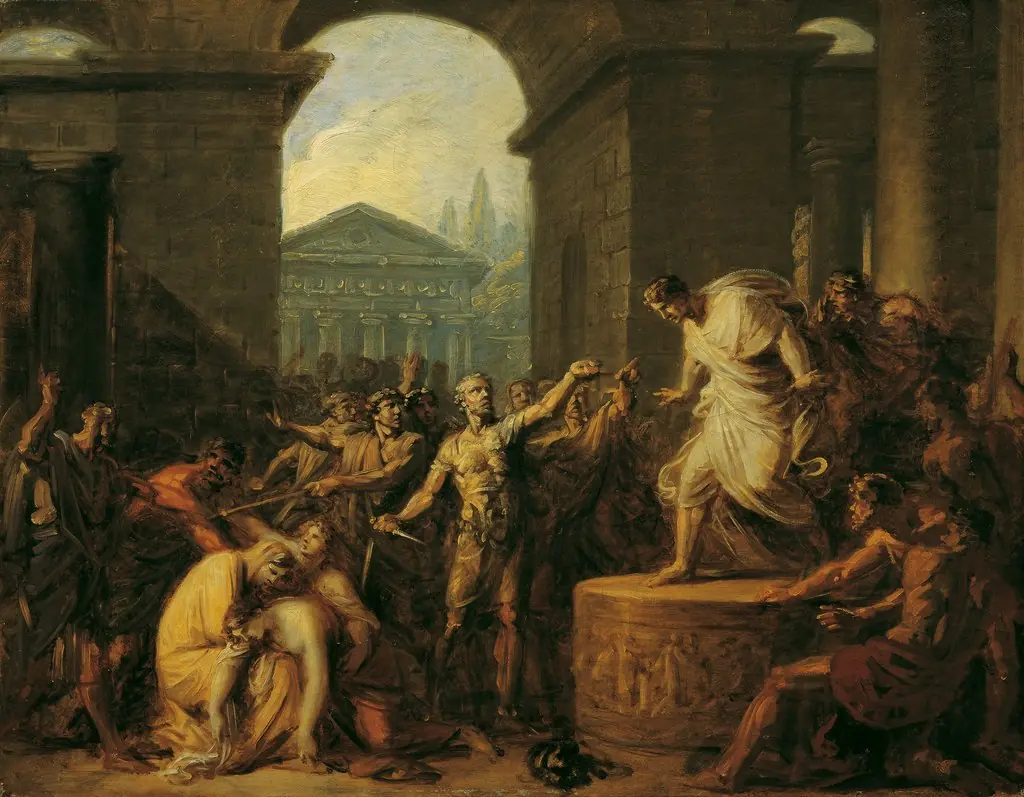 The Death of Virginia
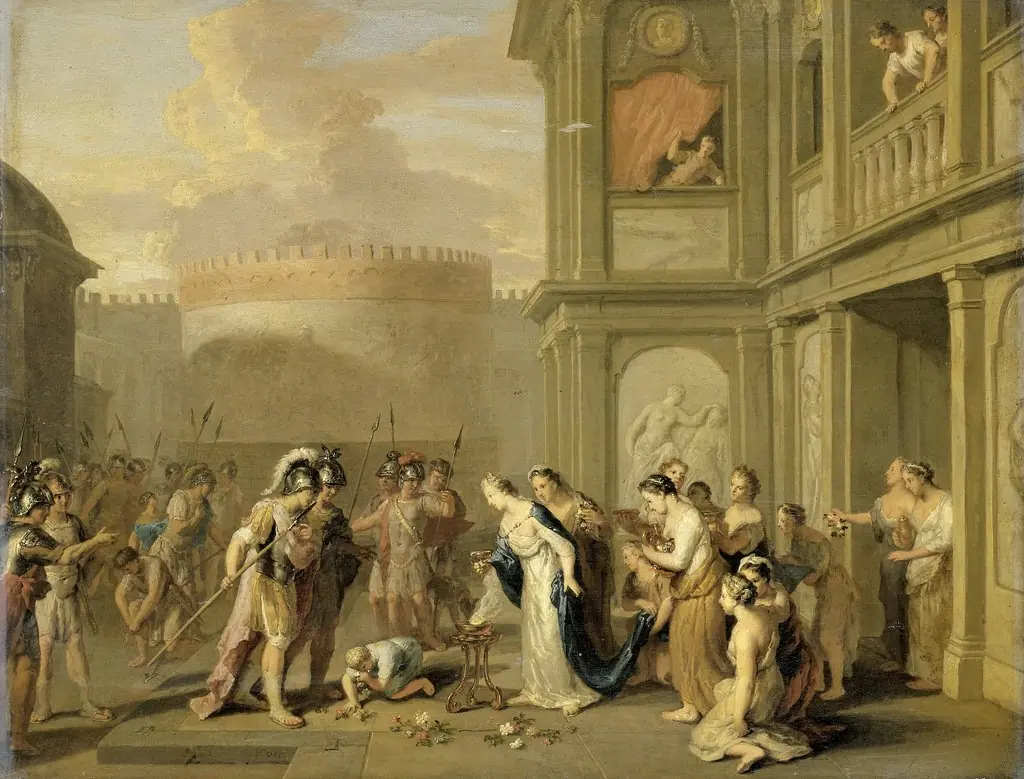 Queen Cleophis Offers Alexander the Great Wine after Conquering Massaga
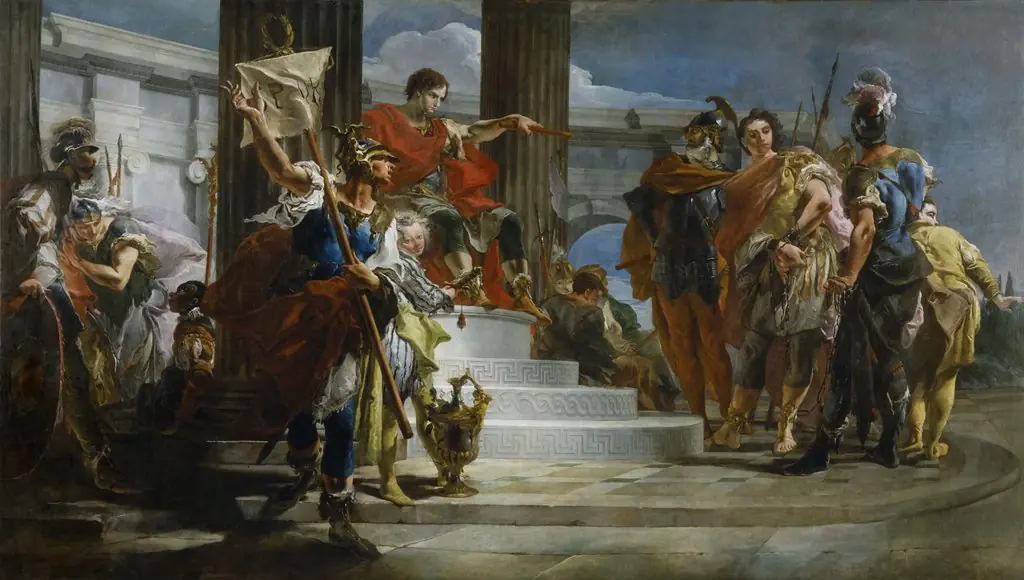 Scipio Africanus Freeing Massiva
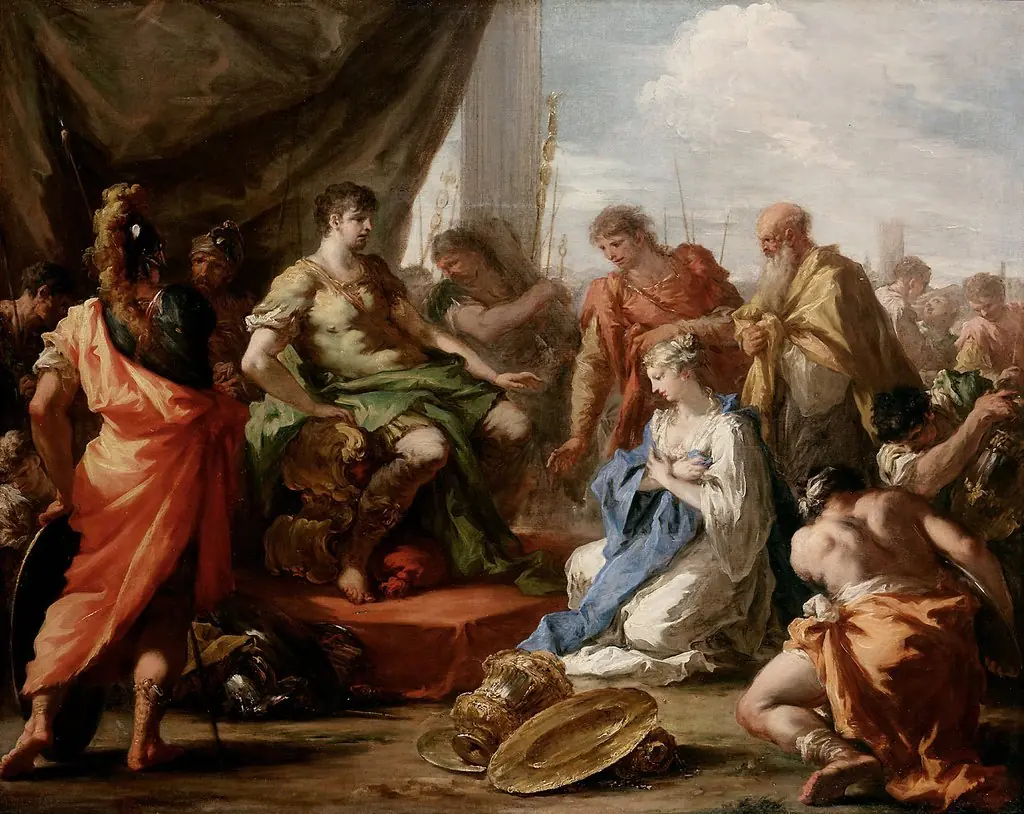 Enthaltsamkeit des Scipio
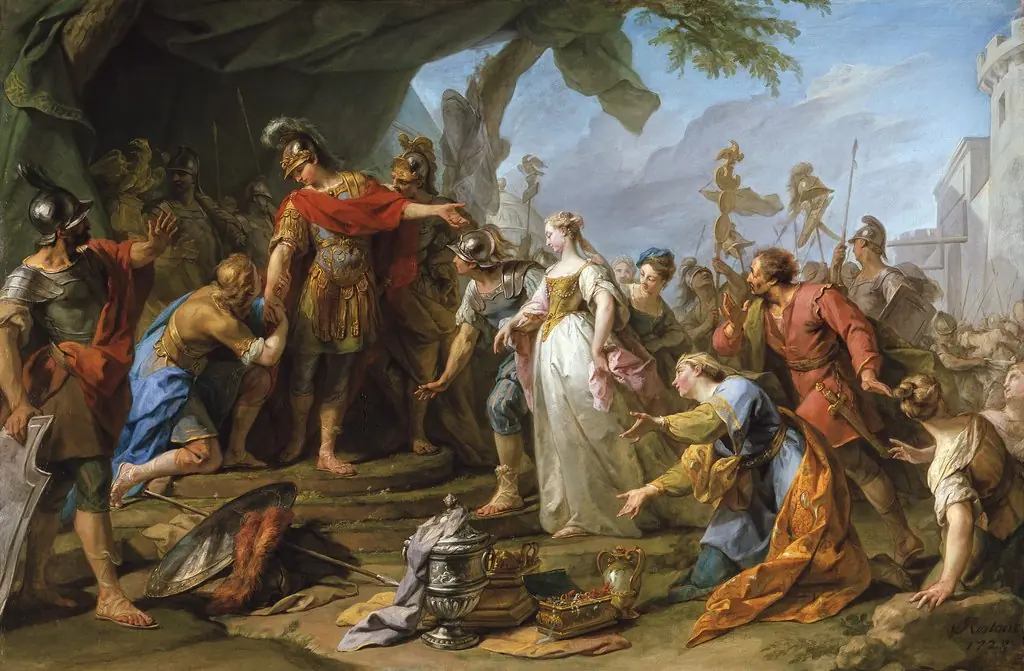 The Generosity of Scipio
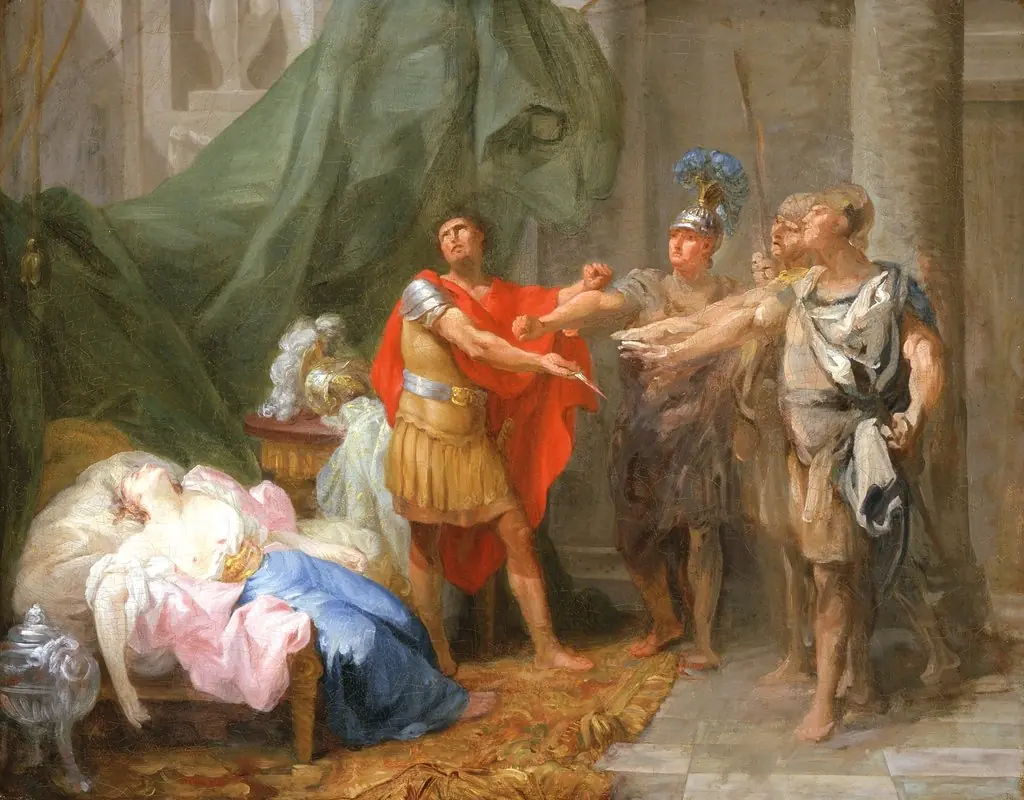 The Oath of Brutus
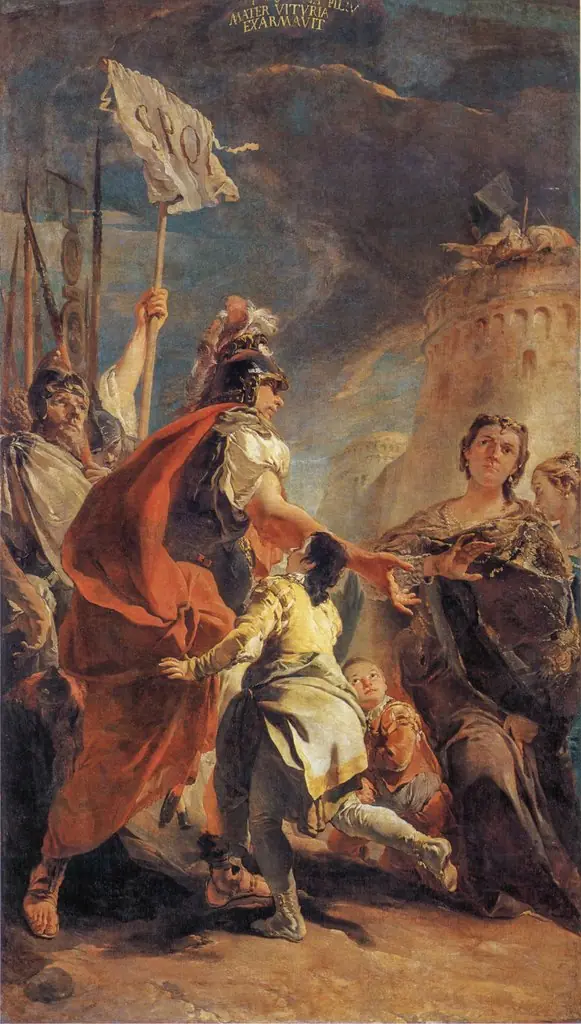 Coriolanus at the Walls of Rome