Artwork
Cornelia rejects the crown of the Ptolemies
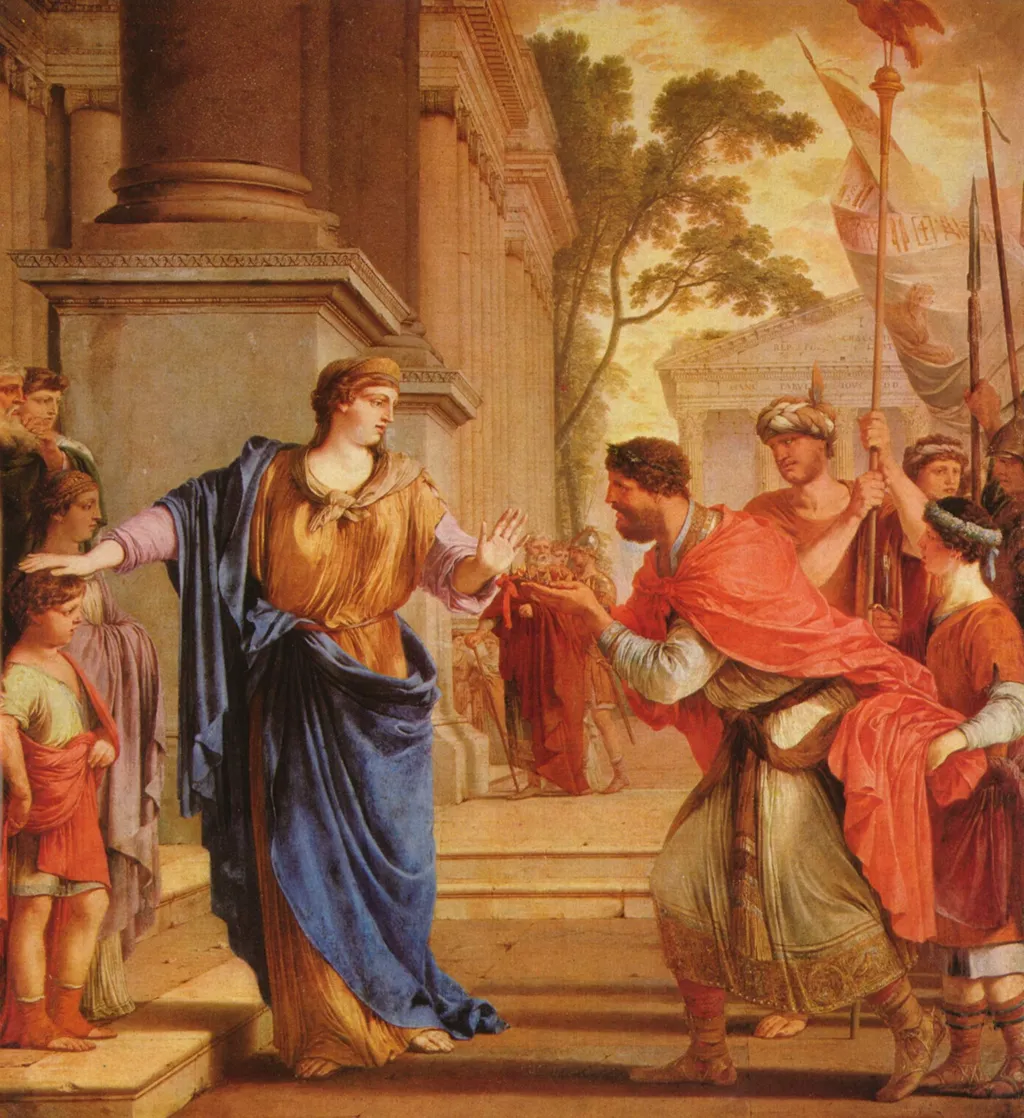
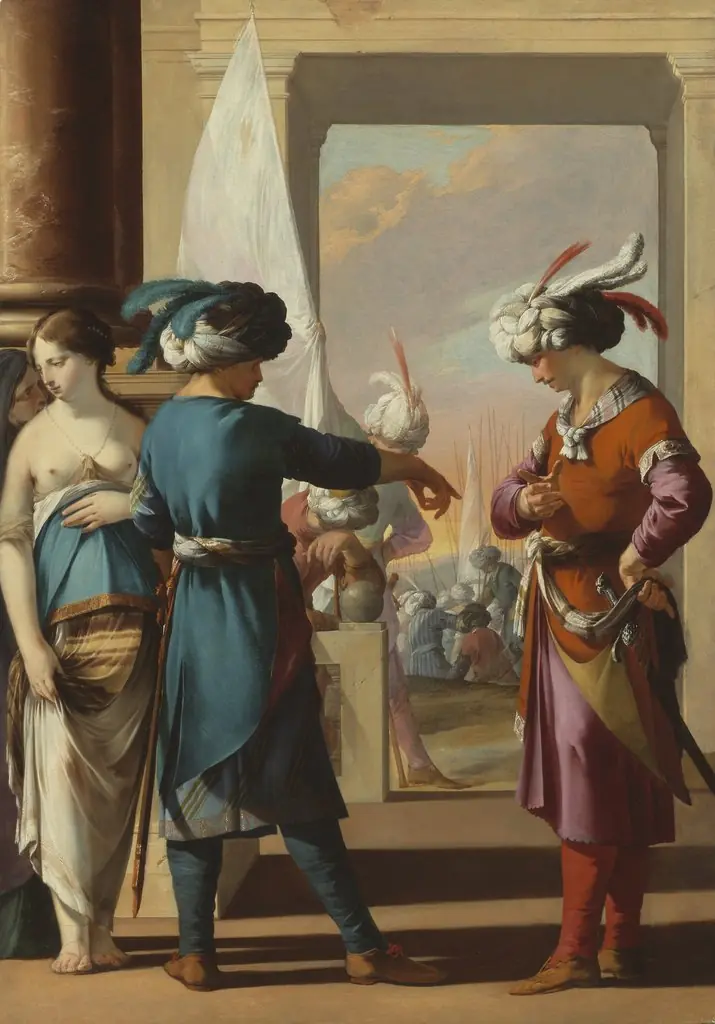
Cornelia rejects the crown of the Ptolemies is an oil painting by the French Classical Baroque artist Laurent de La Hyre. It dates from 1646 and is held in the collection of the Museum of Fine Arts, Budapest.
About this work
Overview
Laurent de La Hyre painted this oil work in 1646, during his mature period in Paris. A key figure in the French Classical Baroque tradition, he fused classical themes with restrained elegance. The painting is now part of the Museum of Fine Arts, Budapest’s collection, where it exemplifies the intellectual and moral tone favored by Parisian Atticism in the mid-seventeenth century.
Subject & Meaning
The scene illustrates Cornelia, mother of the Gracchi, declining a royal crown offered by emissaries of the Ptolemaic dynasty. Rather than accept material wealth, she gestures toward her sons, declaring them her true treasures. This moment, drawn from Roman historiography, celebrates civic virtue over dynastic power, aligning with republican ideals valued in early modern Europe.
Technique & Style
La Hyre employs chiaroscuro to isolate Cornelia’s figure, heightening emotional gravity. Her blue robe contrasts with the muted stone architecture behind her, while the surrounding figures are rendered with subtle variation in tone. The composition is balanced and deliberate, reflecting classical ideals of order and clarity, with minimal decorative excess.
History & Provenance
Commissioned during La Hyre’s peak influence in Parisian artistic circles, the painting entered the Hungarian collection in the late nineteenth century. Its journey from France to Budapest reflects broader patterns of European art acquisition, though its specific provenance prior to museum acquisition remains partially undocumented.
Context
In mid-seventeenth-century France, classical narratives were favored as moral allegories amid political instability. La Hyre’s choice of Cornelia’s refusal resonated with contemporary debates on leadership and virtue. His style, rooted in Poussin’s principles, countered the ornate tendencies of Italian Baroque, promoting restraint and intellectual clarity.
Legacy
Though less widely known today than his Italian contemporaries, La Hyre’s work contributed to the development of French neoclassical painting. This piece exemplifies how classical antiquity was reinterpreted to serve ethical and civic discourse, influencing later generations of artists who sought to align art with moral philosophy.
Own this work as a print
Artist & collection
Artist
Laurent de La Hyre (French pronunciation: ; 27 February 1606 – 28 December 1656) was a French Baroque painter, born in Paris. He was a leading exponent of the neoclassical style of Parisian Atticism.

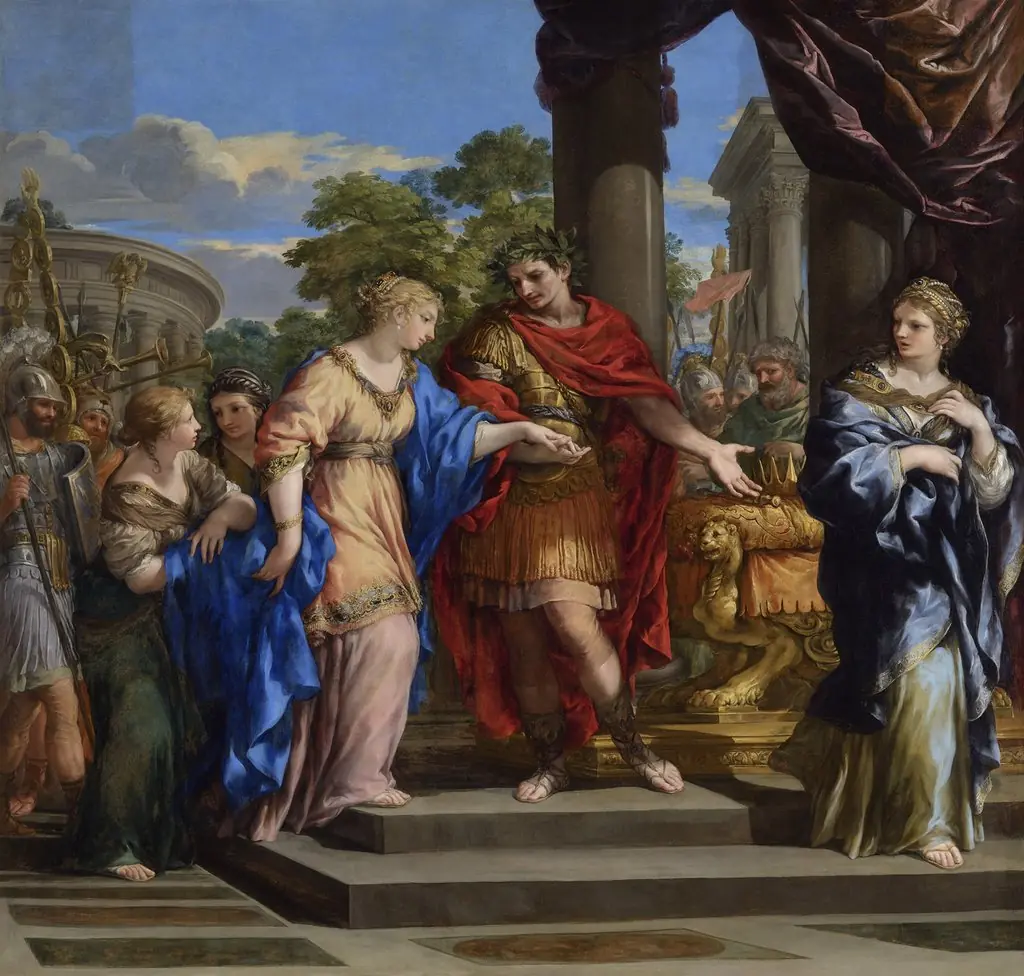 Caesar Giving Cleopatra the Throne of Egypt
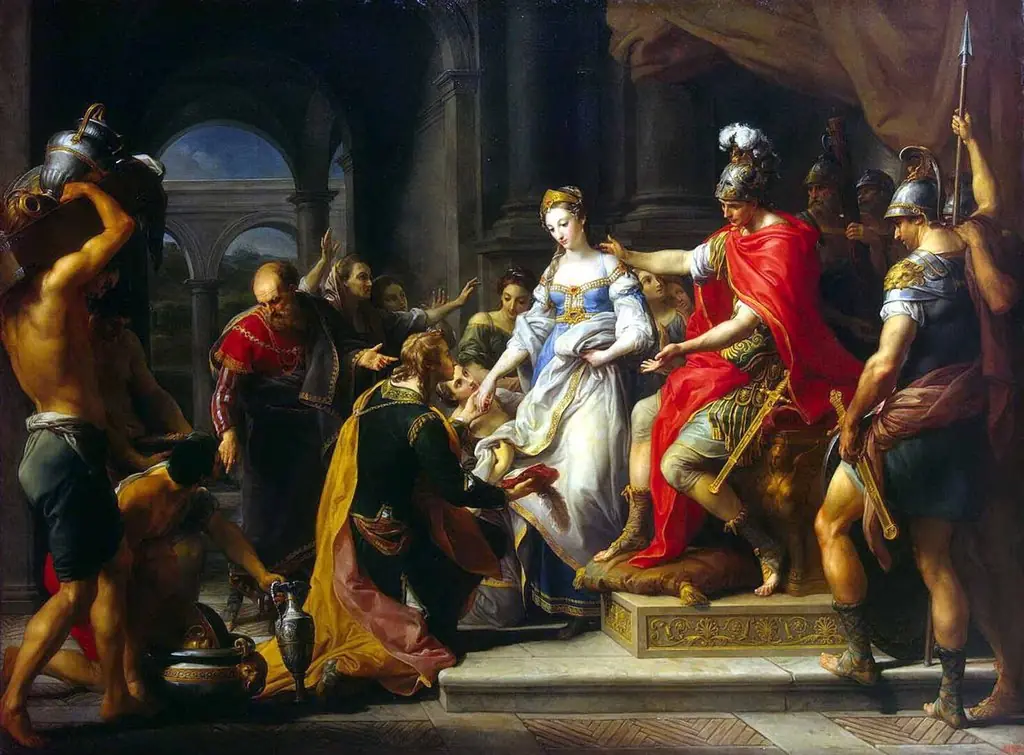 Continence of Scipio
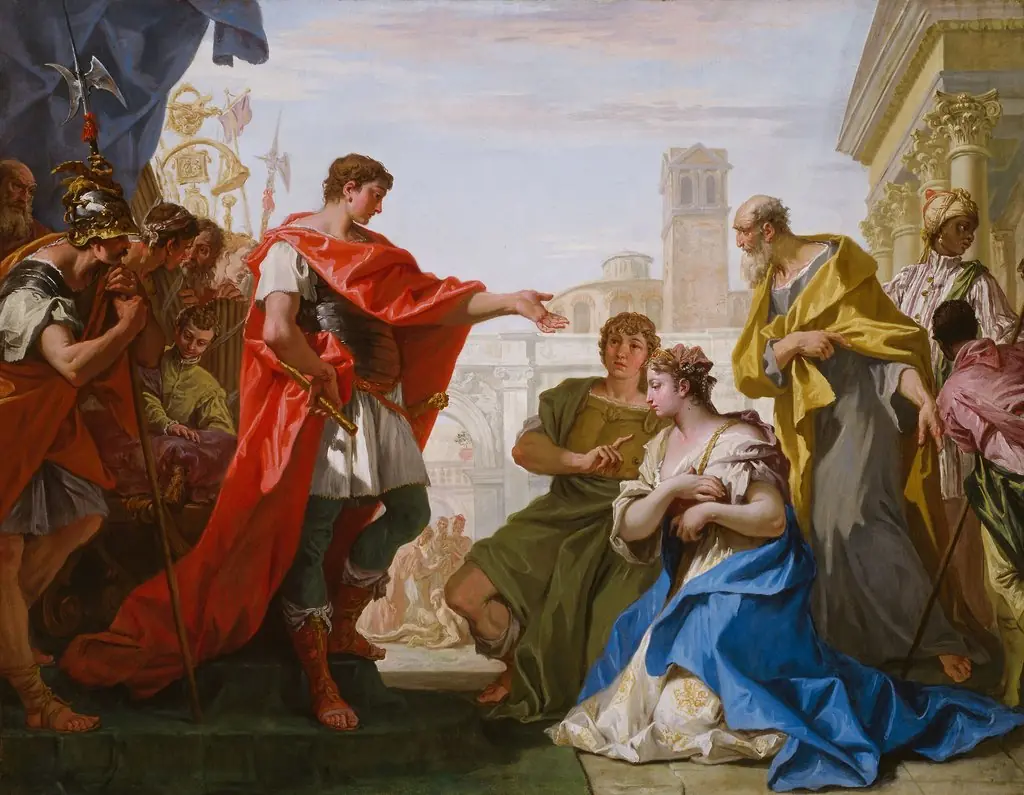 The Continence of Scipio
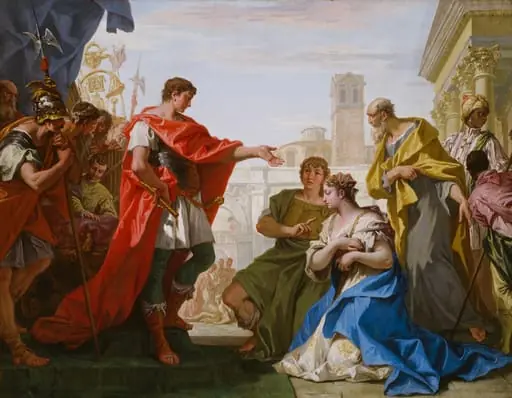 The Continence of Scipio
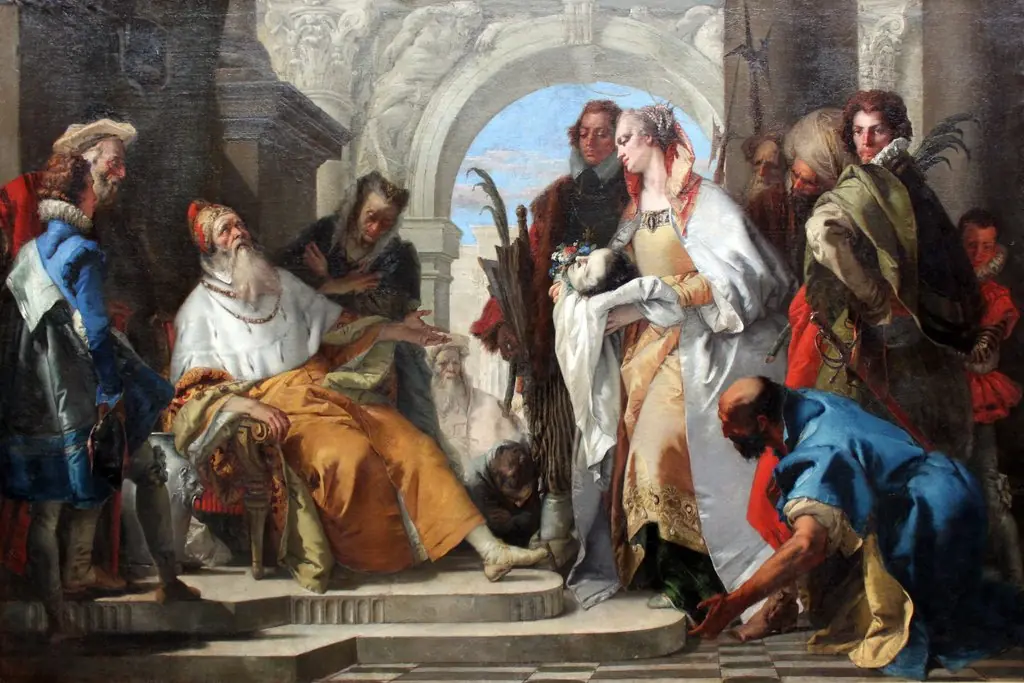 The Patron Saints of the Crotta Family
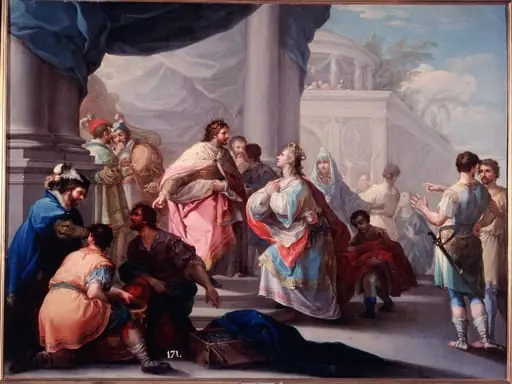 The Empress Marta de Constantinople before Alfonso X. Ramón Bayeu and Subías
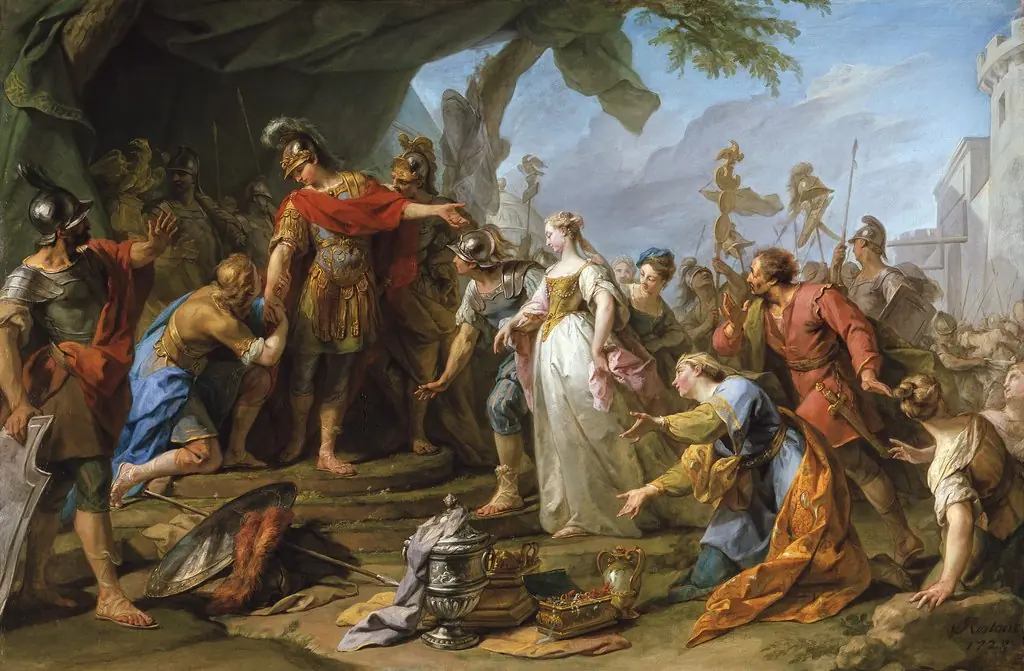 The Generosity of Scipio
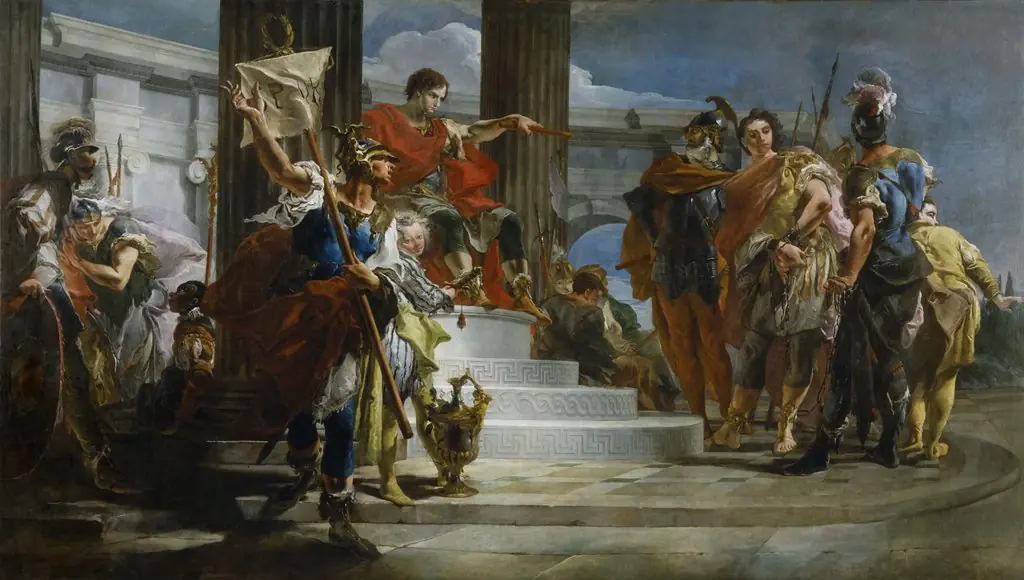 Scipio Africanus Freeing Massiva
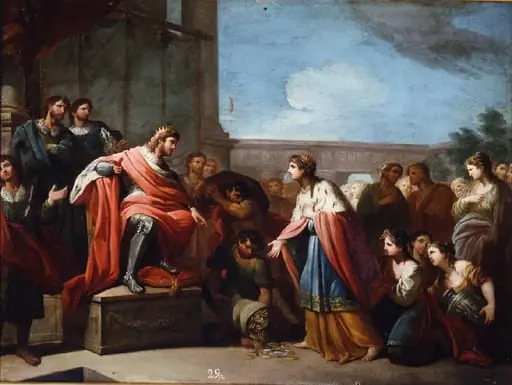 La Emperatriz Marta de Constantinopla ante Alfonso X el Sabio. óleo sobre lienzo
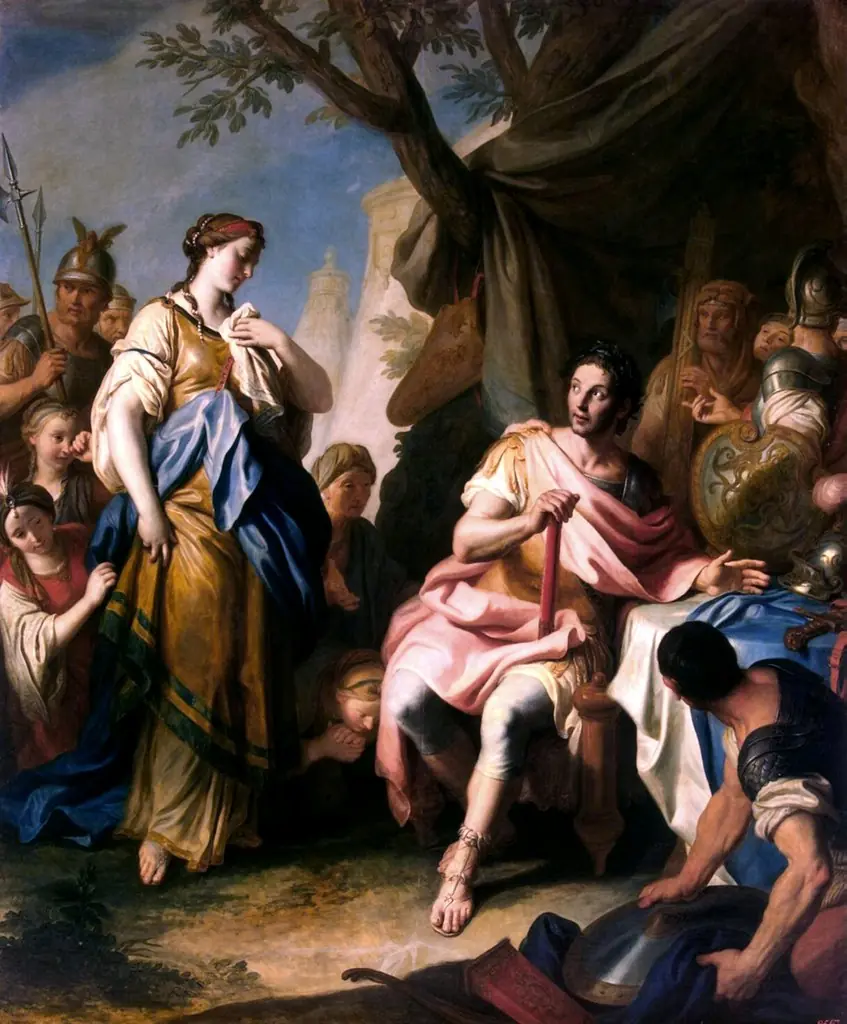 Alexander the Great and Roxana
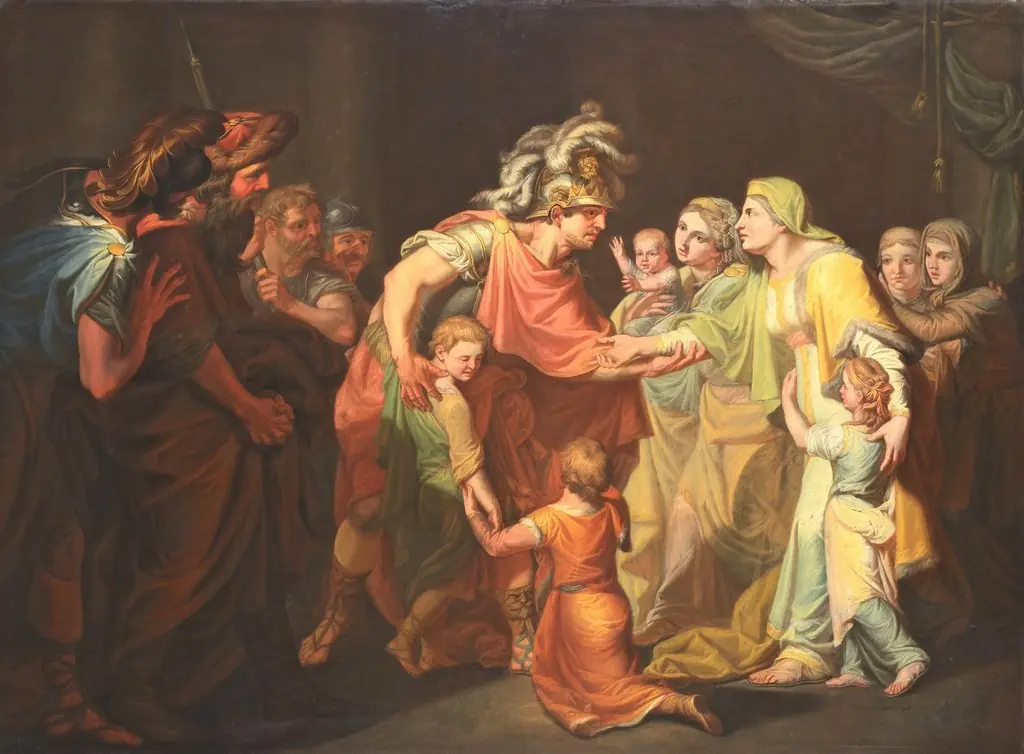 Svyatoslav's return from the Danube to his family in Kiev
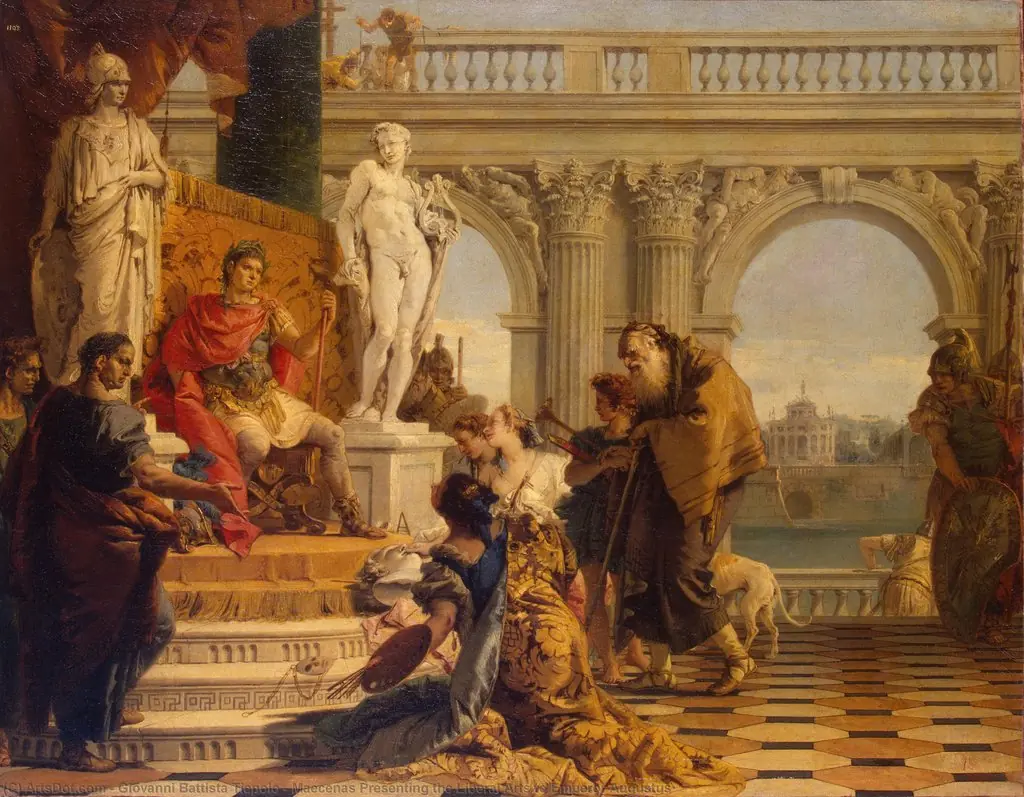 Maecenas Presenting the Liberal Arts to Emperor Augustus