Artwork
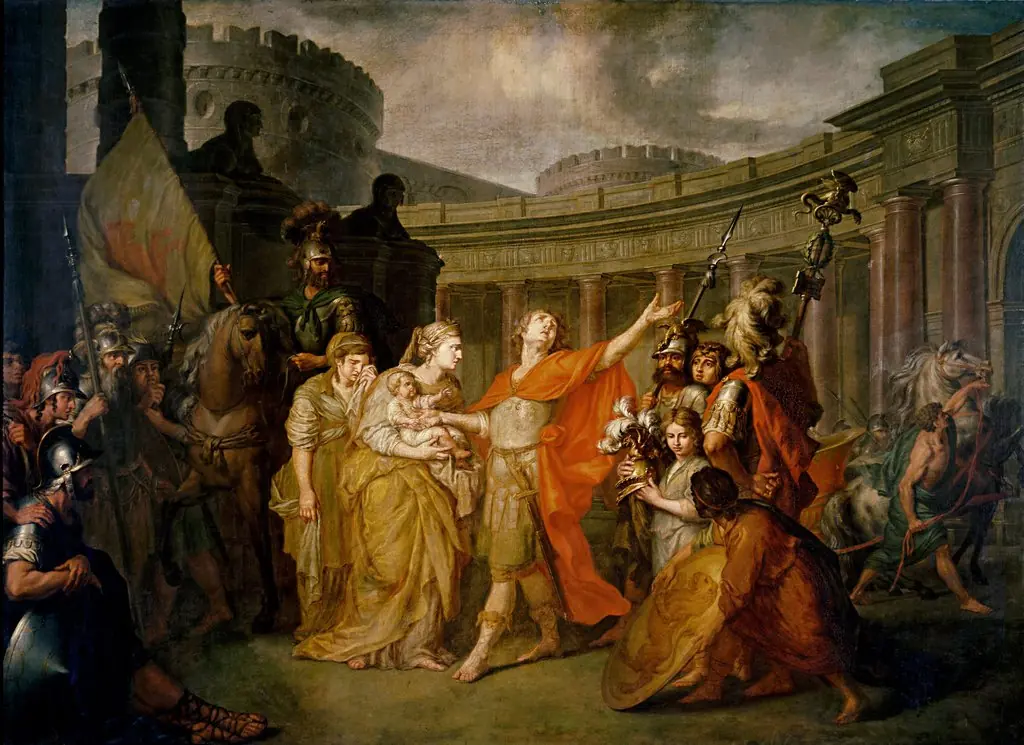
Svyatoslav's return from the Danube to his family in Kiev
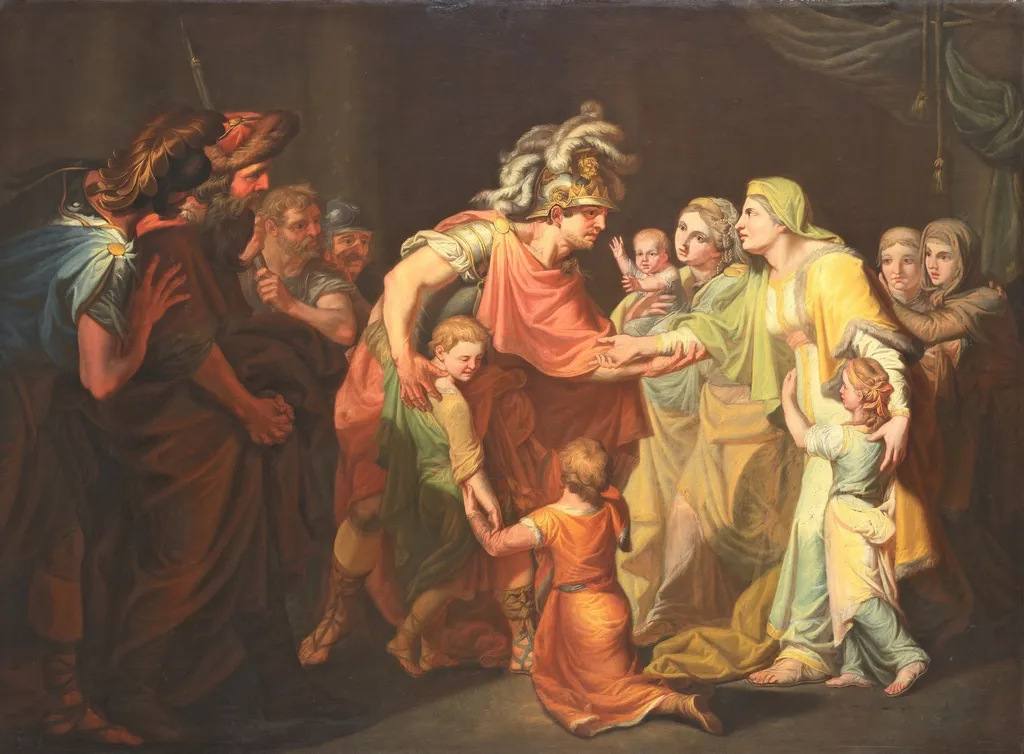
Svyatoslav's return from the Danube to his family in Kiev is an unspecified painting by the Rococo painting artist Ivan Akimov. It dates from 1773 and is held in the collection of the Tretyakov Gallery.
About this work
Overview
The painting resides in the Tretyakov Gallery, where it represents an early attempt to visualize Kievan Rus’ history through European artistic conventions.
Painted in 1773 by Ivan Akimov, this work captures a moment of familial reunion following a military campaign. Akimov, trained in the academic tradition, applied classical composition to a Russian historical subject, aligning with the decorative tendencies of late Rococo. The painting resides in the Tretyakov Gallery, where it represents an early attempt to visualize Kievan Rus’ history through European artistic conventions.
Subject & Meaning
The scene portrays Prince Svyatoslav of Kiev returning to his household after campaign on the Danube. He reaches toward his wife, who holds their infant, while children and attendants observe. The moment emphasizes loyalty, domestic continuity, and the ruler’s dual role as warrior and family head. The composition avoids grandeur, focusing instead on quiet emotional resonance within a private interior.
Technique & Style
Akimov employed precise draftsmanship and muted tonal contrasts, characteristic of academic training. The figures are rendered with soft modeling, and the armor and fabrics suggest texture without excessive ornamentation. The dark, undefined background isolates the group, directing attention to their gestures. Curtains frame the scene, adding depth while maintaining a restrained, intimate atmosphere.
History & Provenance
Commissioned during the reign of Catherine the Great, the painting reflects a growing interest in Russia’s medieval past as a source of national identity. It entered the Tretyakov Gallery’s collection in the 19th century, where it remains part of its historical painting sequence. Akimov’s work was relatively obscure outside imperial circles, but this piece exemplifies state-sponsored efforts to visualize early Russian history.
Context
In the late 18th century, Russian artists increasingly turned to native history for subject matter, moving beyond religious and mythological themes. Akimov’s painting aligns with this trend, though its Rococo sensibility—evident in its delicate lighting and interior setting—contrasts with the later, more monumental historicism of the 19th century. It bridges Western academic norms and emerging Russian cultural self-definition.
Legacy
Though not widely reproduced or celebrated in its time, the painting contributed to a developing visual language for early Russian rulers. It influenced later historical painters who sought to ground national narratives in tangible, human moments. Akimov’s restrained approach, avoiding theatricality, offered a model for depicting historical intimacy rather than heroism.
Own this work as a print
Artist & collection
Artist
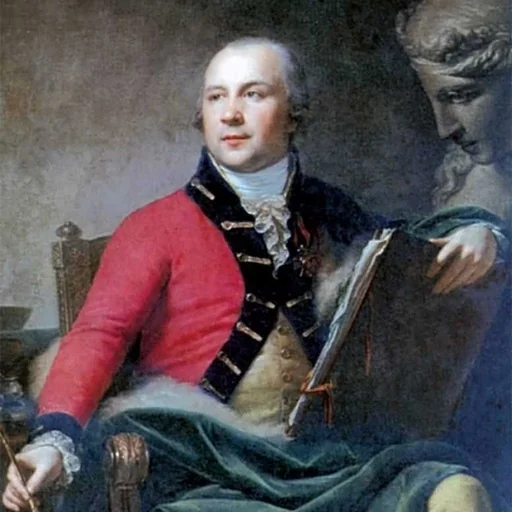
Ivan Akimovich Akimov (Russian: Иван Акимович Акимов; 22 May 1755 – 15 May 1814) was a Russian painter in the Classical style.

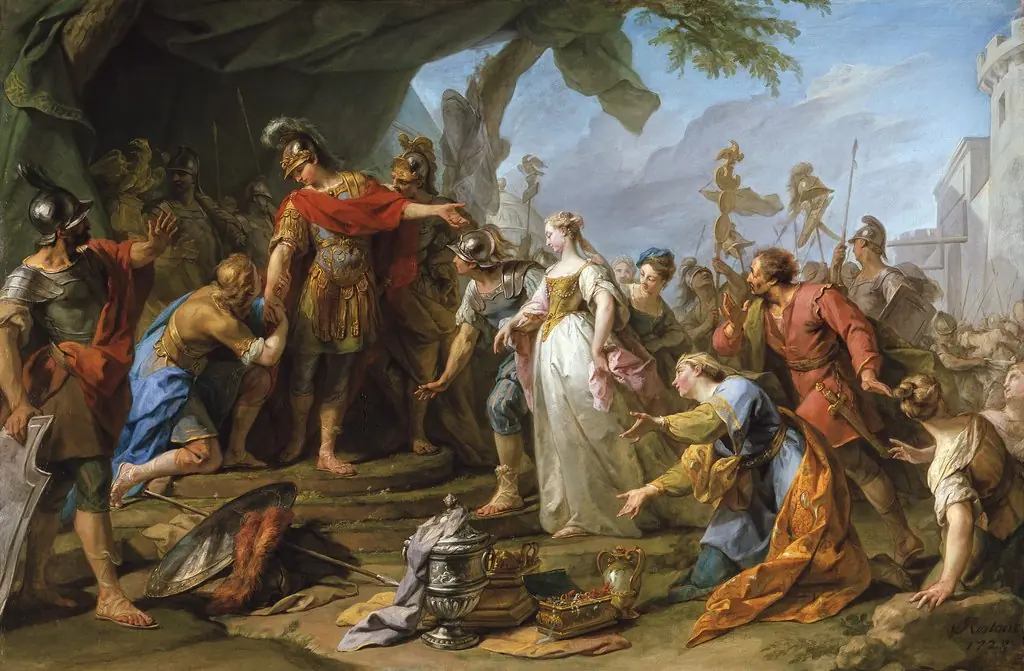 The Generosity of Scipio
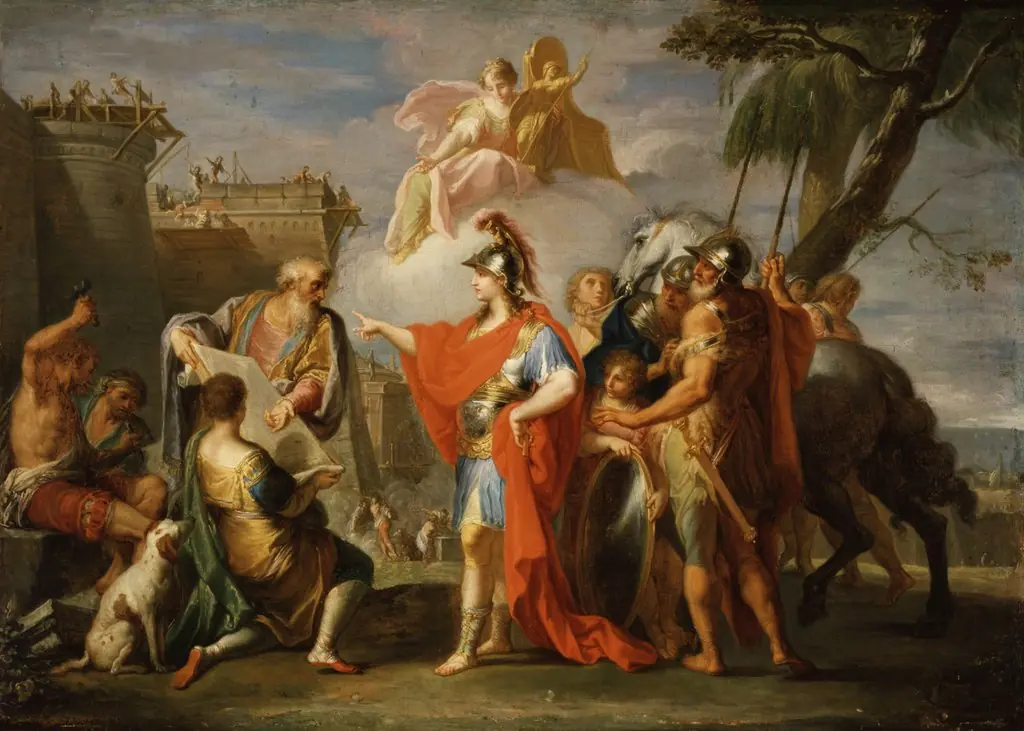 Alexander the Great Founding Alexandria
 The Continence of Scipio
 Het sterfbed van Epaminondas
 Farewell of Hector and Andromache
 Scipio Africanus Freeing Massiva
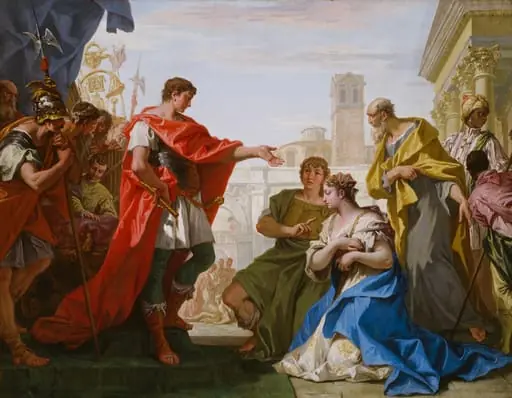 The Continence of Scipio
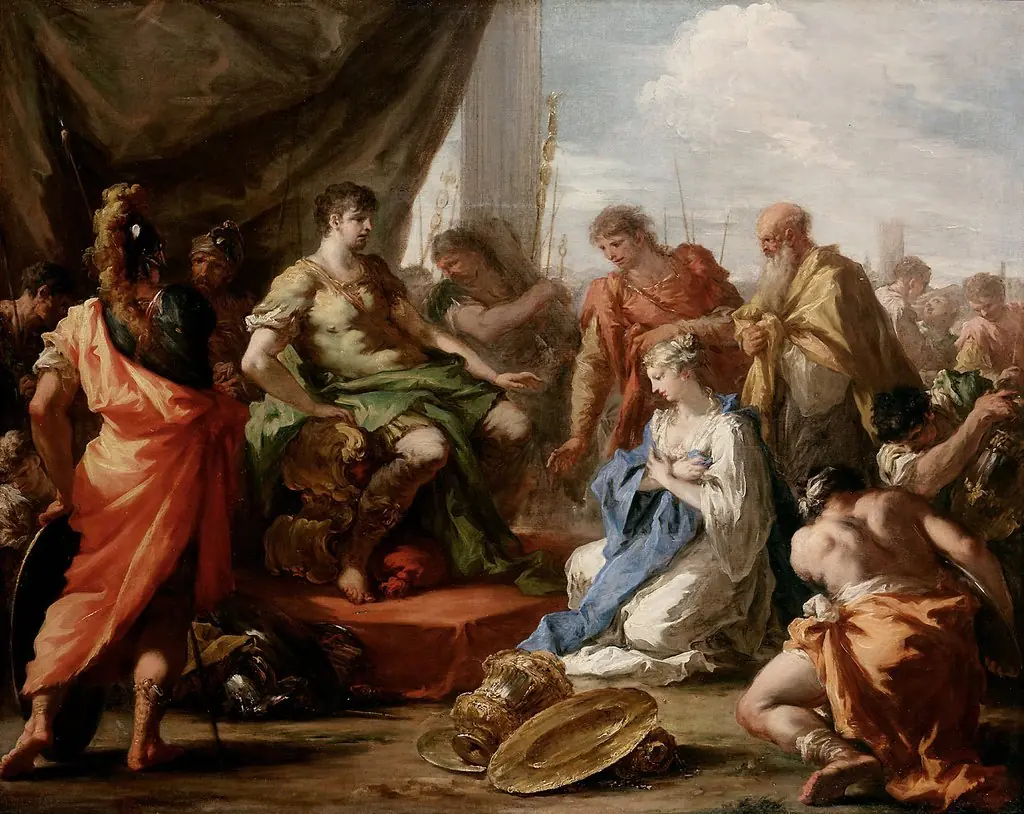 Enthaltsamkeit des Scipio
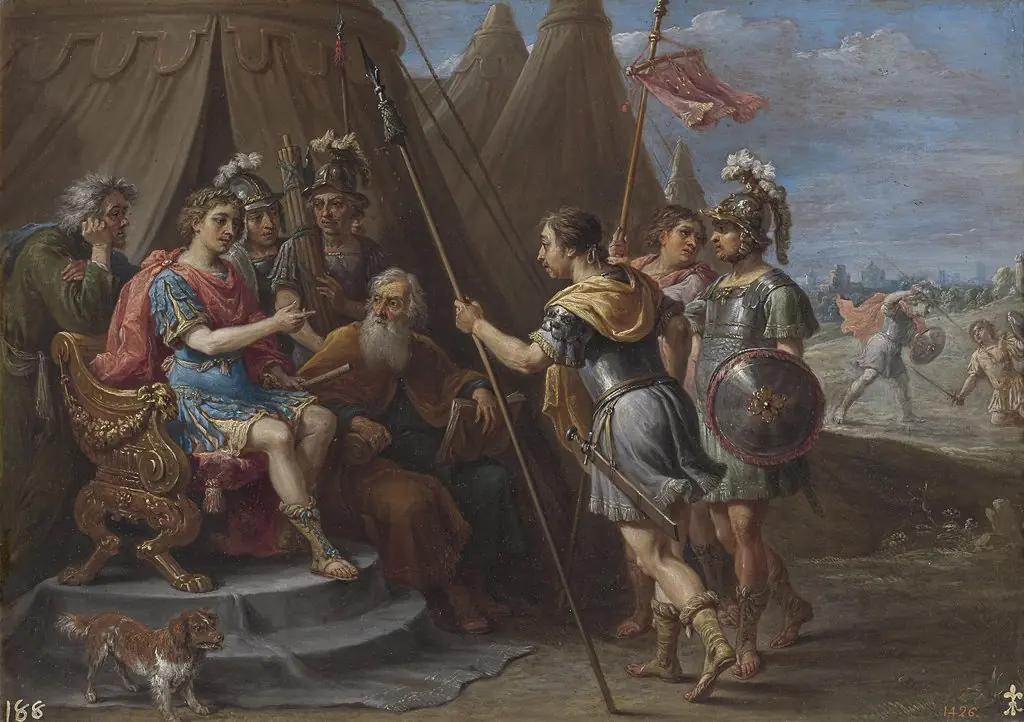 Godofredo y el Consejo escuchan la demanda de Armida
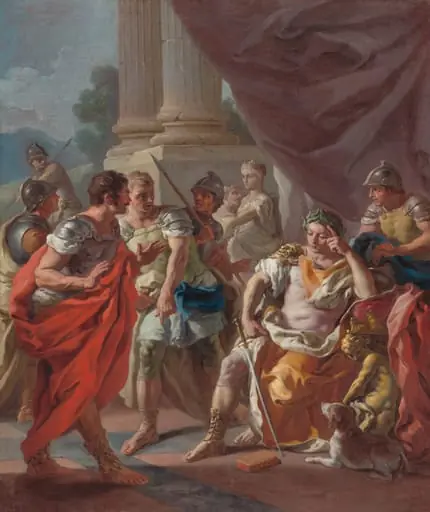 Alexander Condemning False Praise
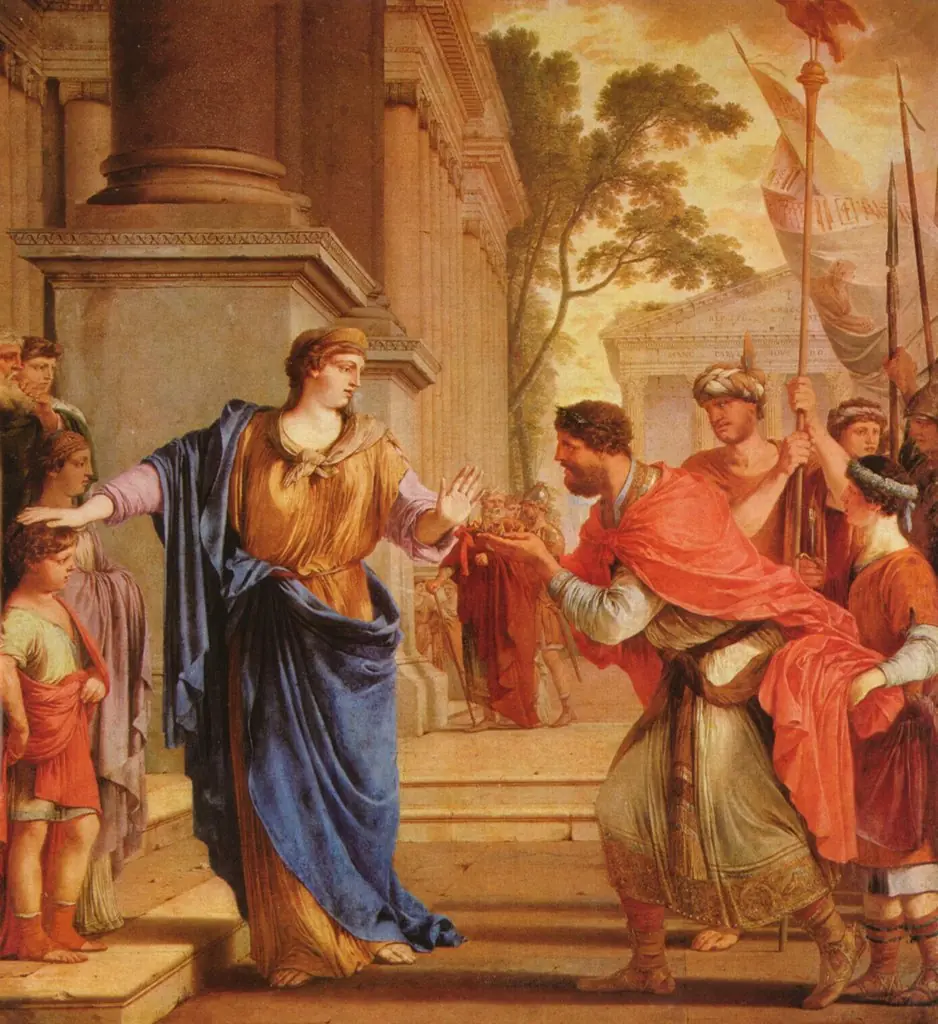 Cornelia rejects the crown of the Ptolemies
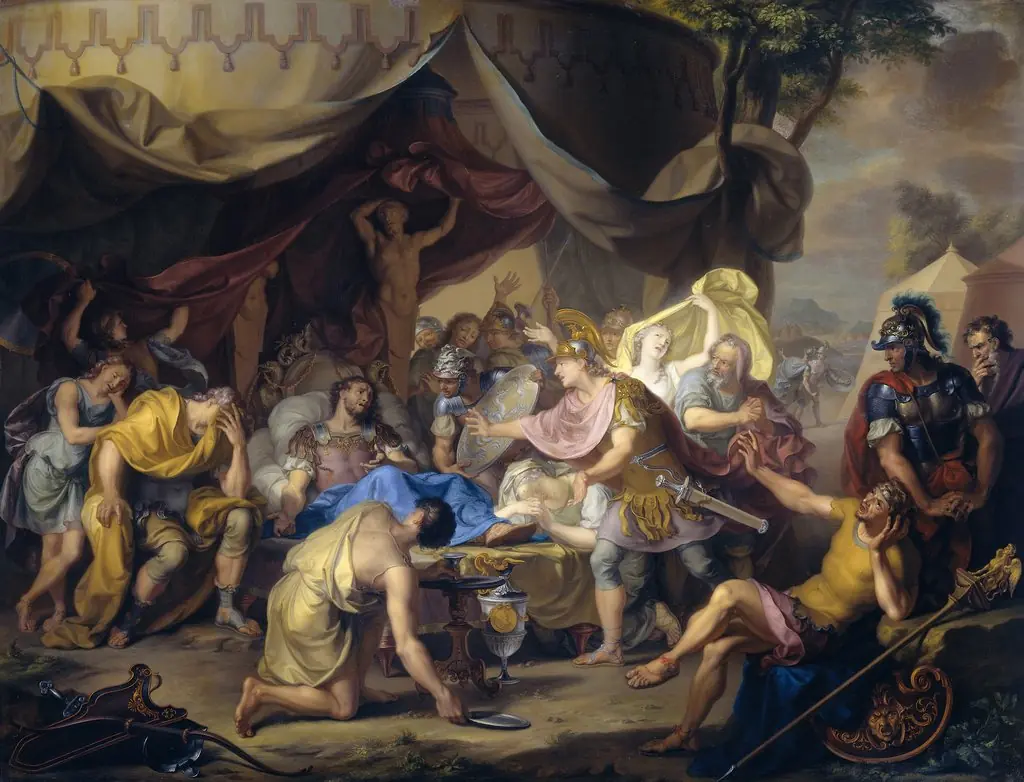 The Death of Epaminondas