Artwork
Landscape with Sheep
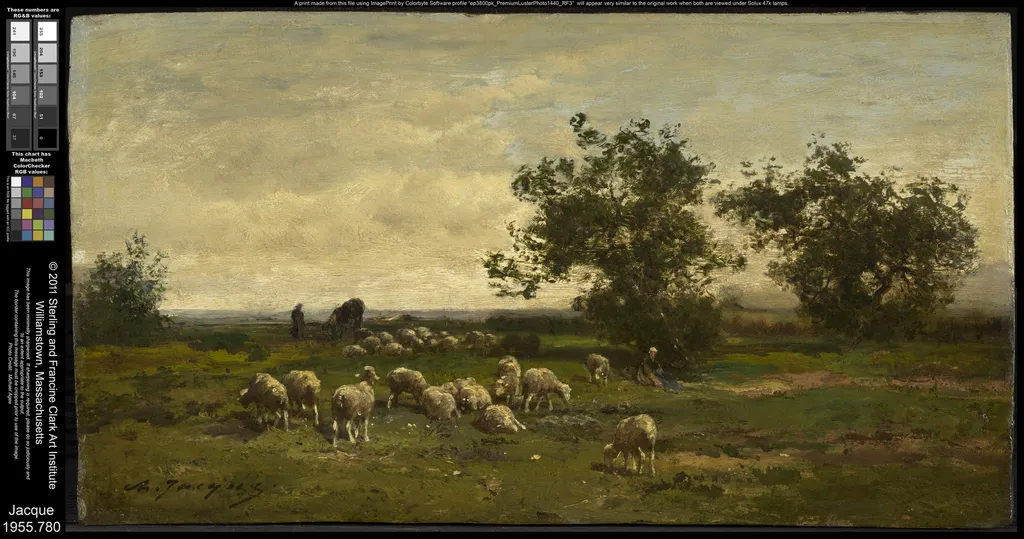
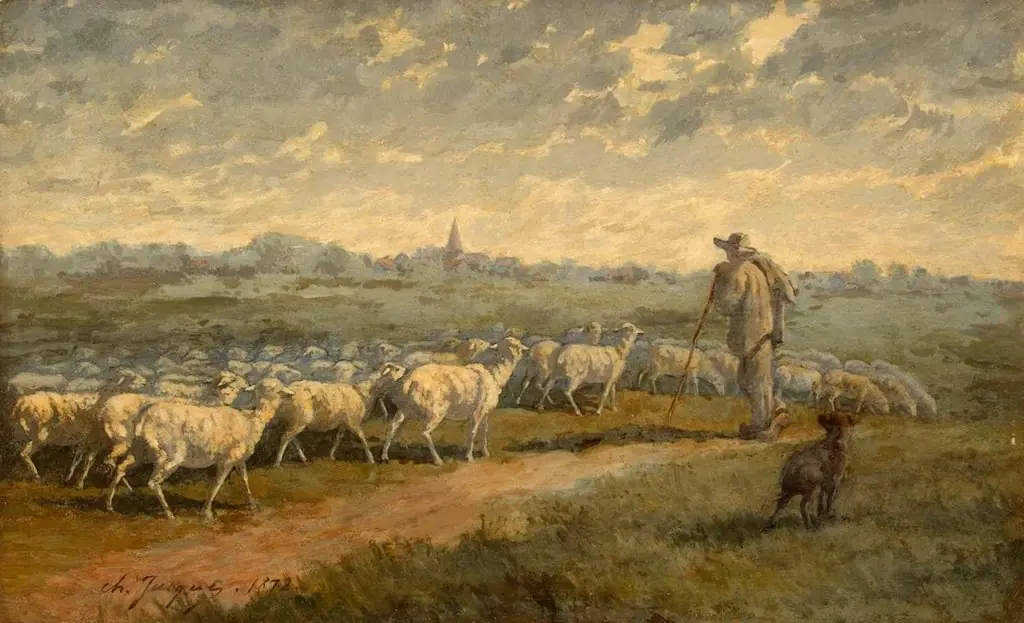
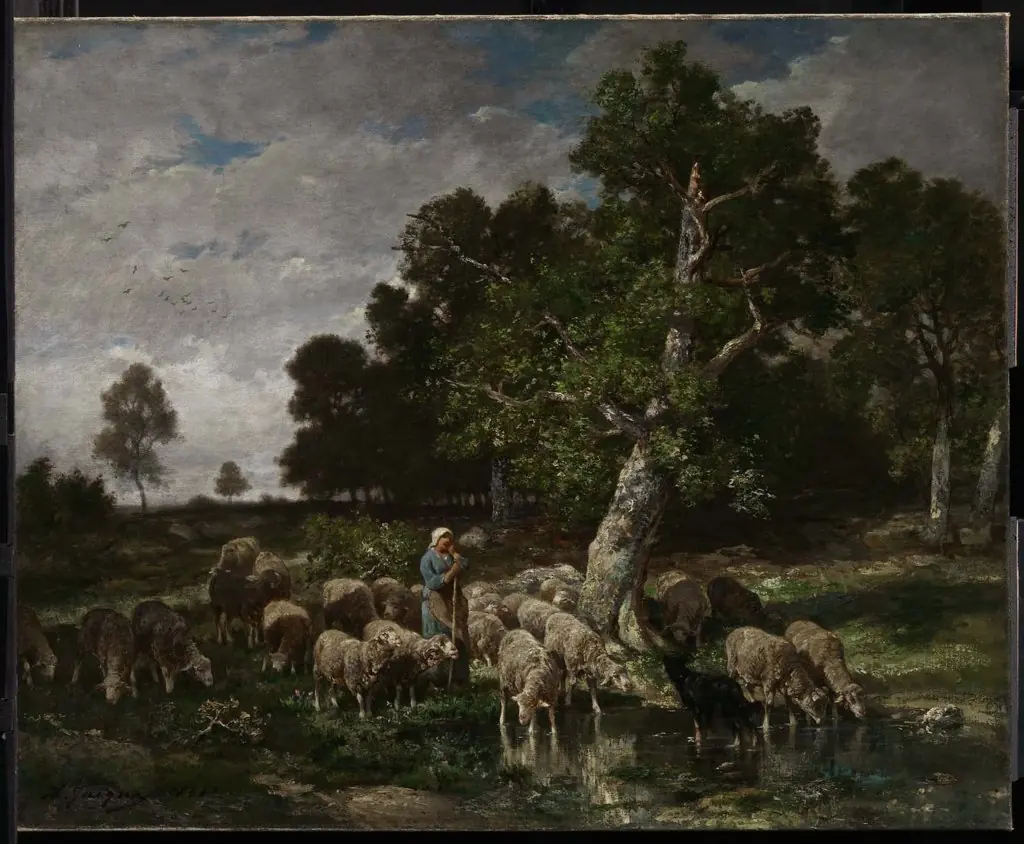
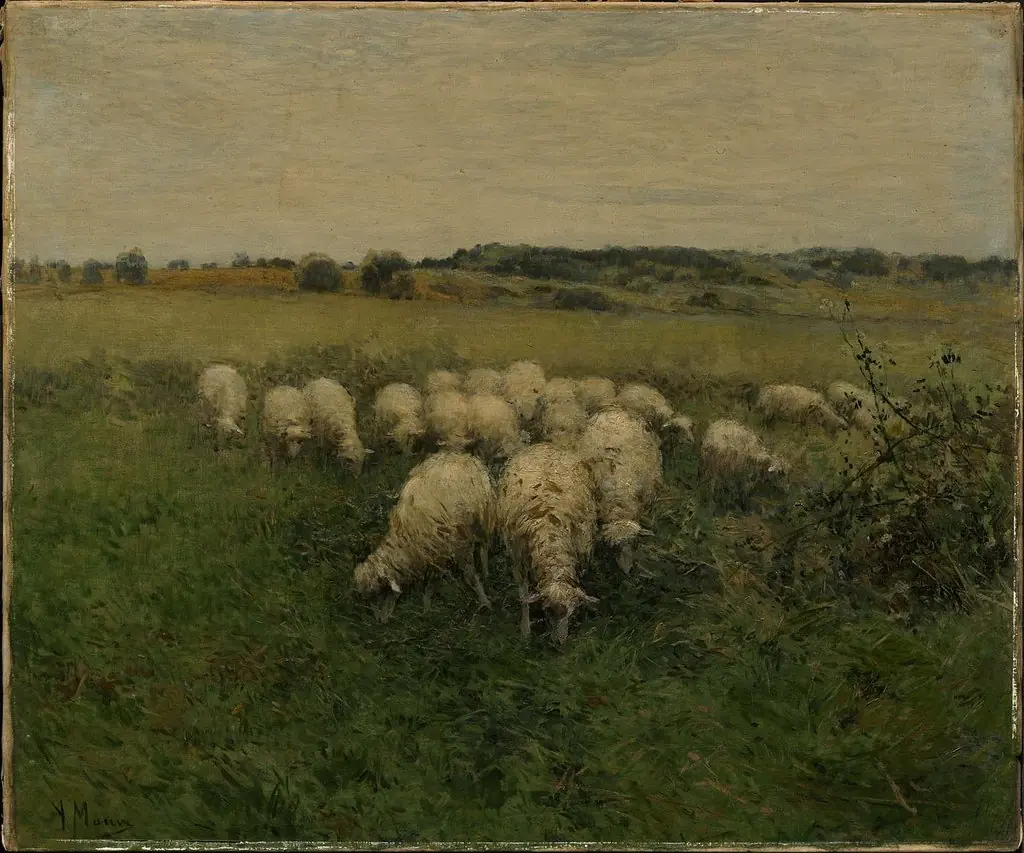
Landscape with Sheep is an oil painting by the Impressionist artist Charles Jacque. It dates from 1874 and is held in the collection of the Clark Art Institute.
About this work
Overview
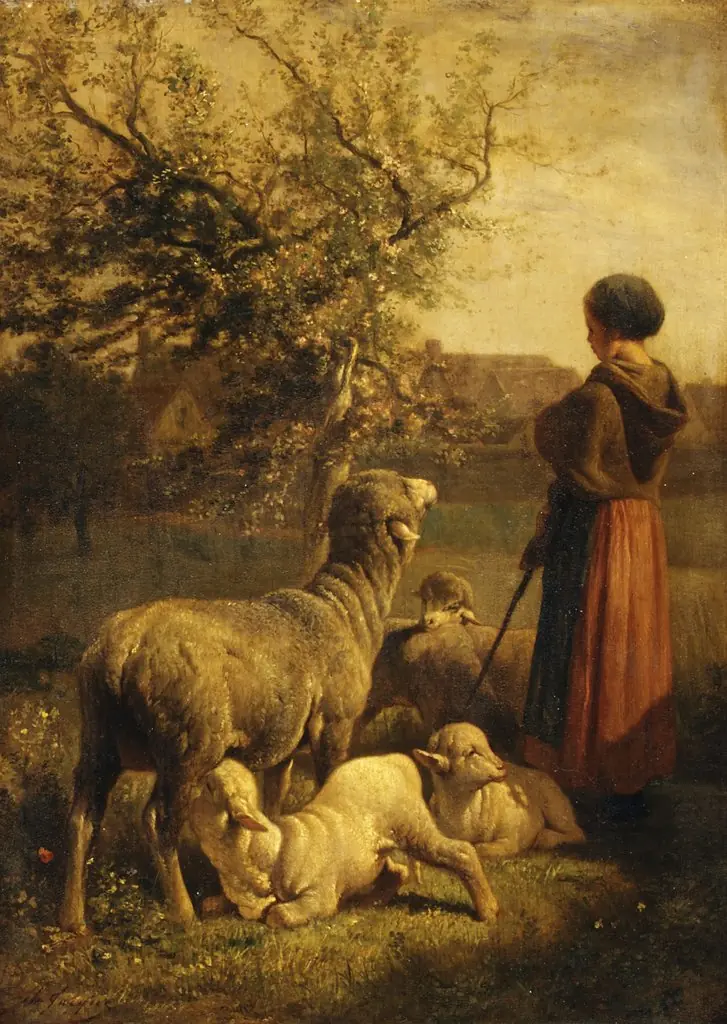
Charles‑Émile Jacque’s 1874 oil painting *Landscape with Sheep* presents a quiet rural tableau. A flock of sheep occupies the foreground, scattered across verdant grass, while a modest stand of trees recedes into a softly clouded sky. The composition balances the figures and the surrounding land, creating a calm, naturalistic scene characteristic of Jacque’s work.
Subject & Meaning
The work focuses on everyday pastoral life, emphasizing the relationship between livestock and the countryside. By depicting the sheep in various poses—standing, lying, grazing—the painting conveys a sense of ordinary activity and the tranquility of agrarian existence, reflecting the artist’s interest in the simple rhythms of rural France.
Technique & Style
Executed in oil, the painting displays visible brushwork that adds texture to the foliage and sky. Jacque’s palette of muted earth tones and soft greys aligns with the naturalistic approach of the Barbizon School, while the handling of light and atmosphere hints at contemporary Impressionist concerns.
History & Provenance
Created during the later phase of Jacque’s career, the canvas entered the collection of the Clark Art Institute, where it remains on view. The painting’s acquisition reflects the institute’s focus on 19th‑century French landscape painting and its commitment to preserving works of the Barbizon tradition.
Context
Jacque, trained as an engraver and a veteran of the French Army, was associated with the Barbizon School, a group that advocated painting directly from nature. *Landscape with Sheep* exemplifies the school’s shift toward realistic depictions of rural environments, a precursor to the broader Impressionist movement that followed.
Artist & collection
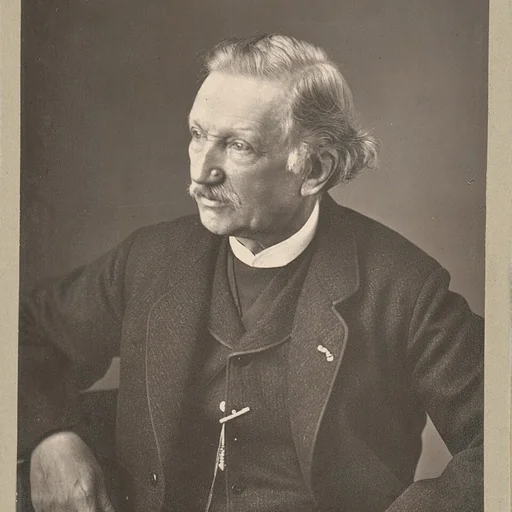
Artist
Charles-Émile Jacque (23 May 1813 – 7 May 1894) was a French painter of Pastoralism and engraver who was, with Jean-François Millet, part of the Barbizon School. He first learned to engrave maps when he spent seven years in the French Army.