Artwork
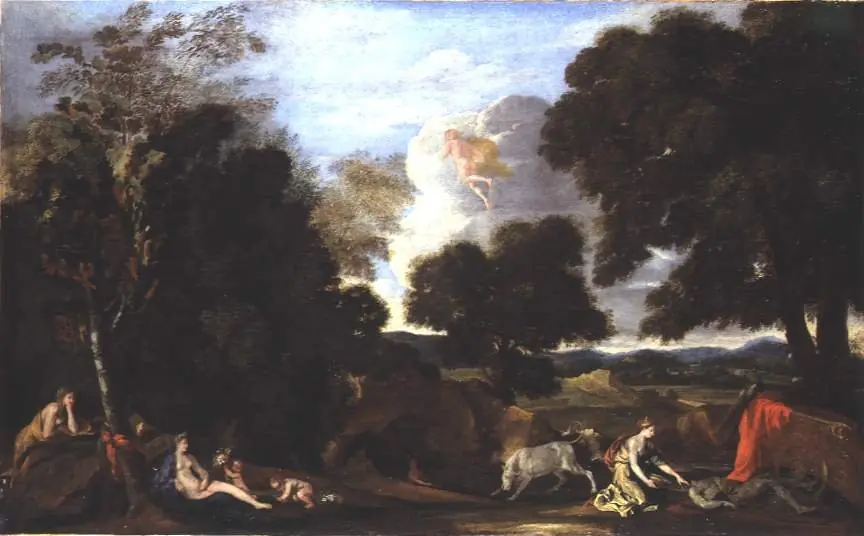
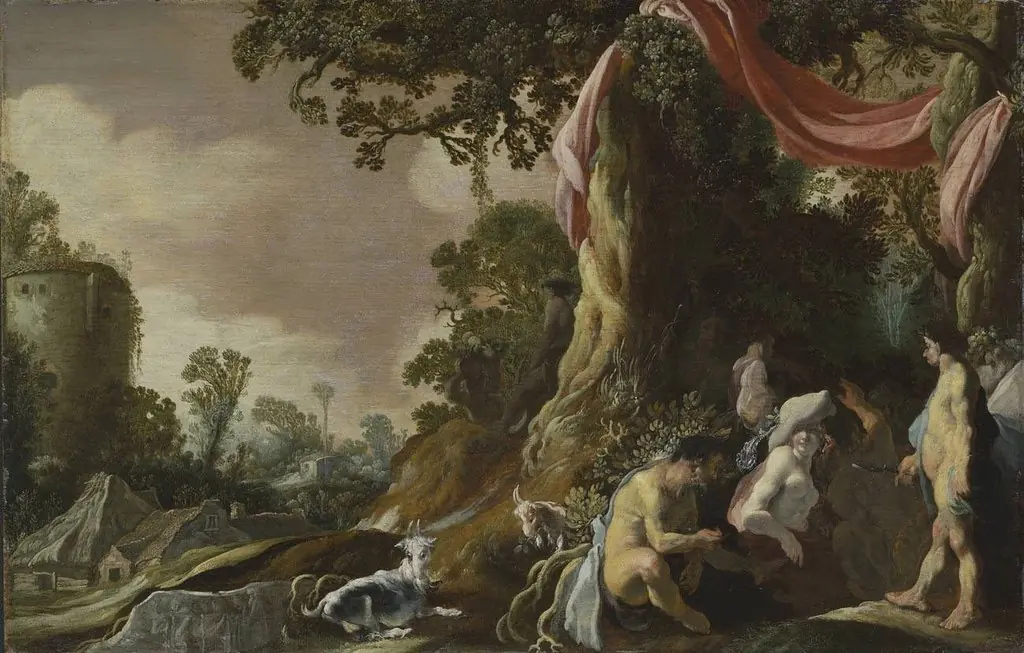
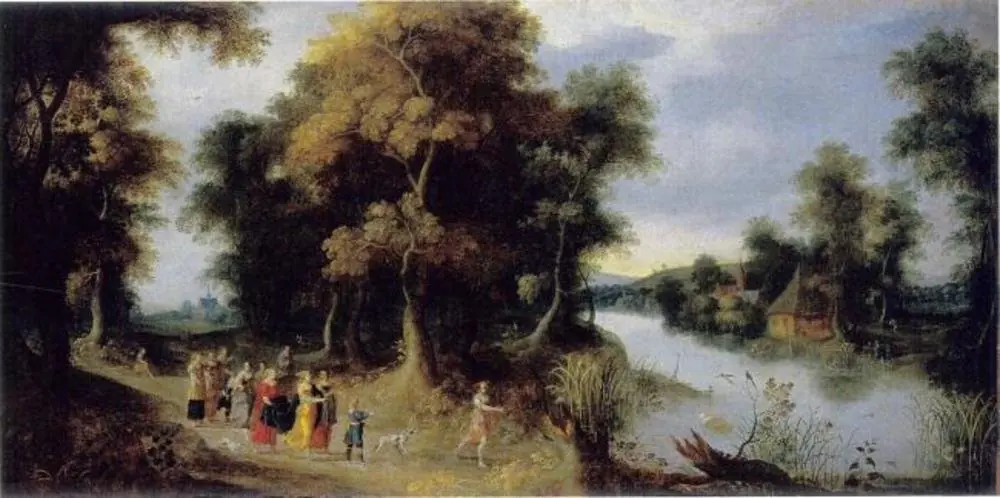
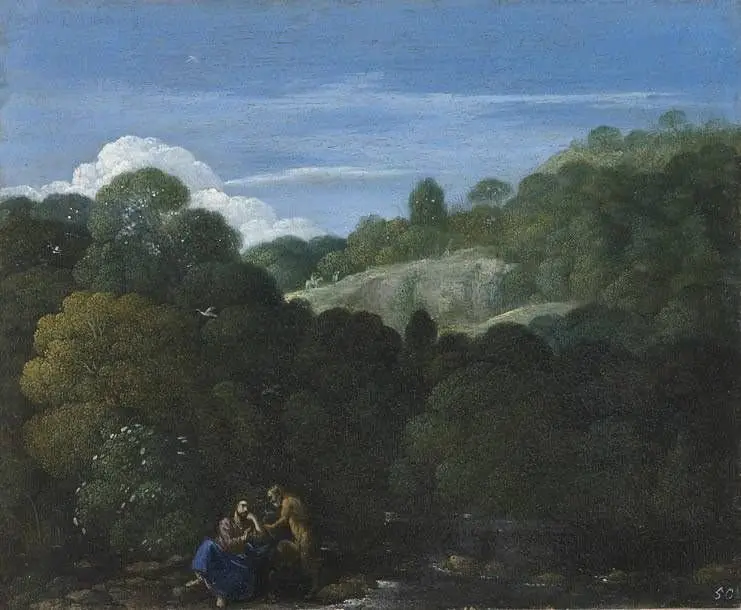
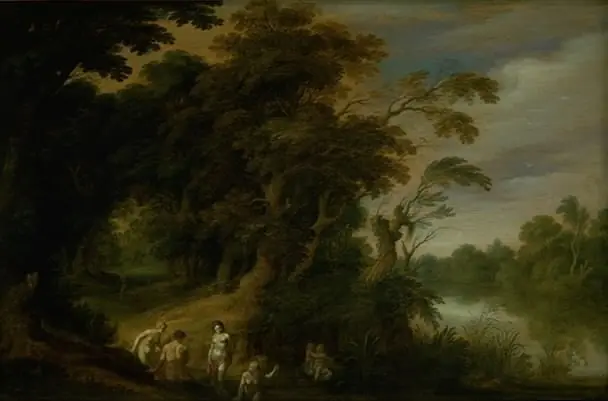
Landscape with Diana and Callisto
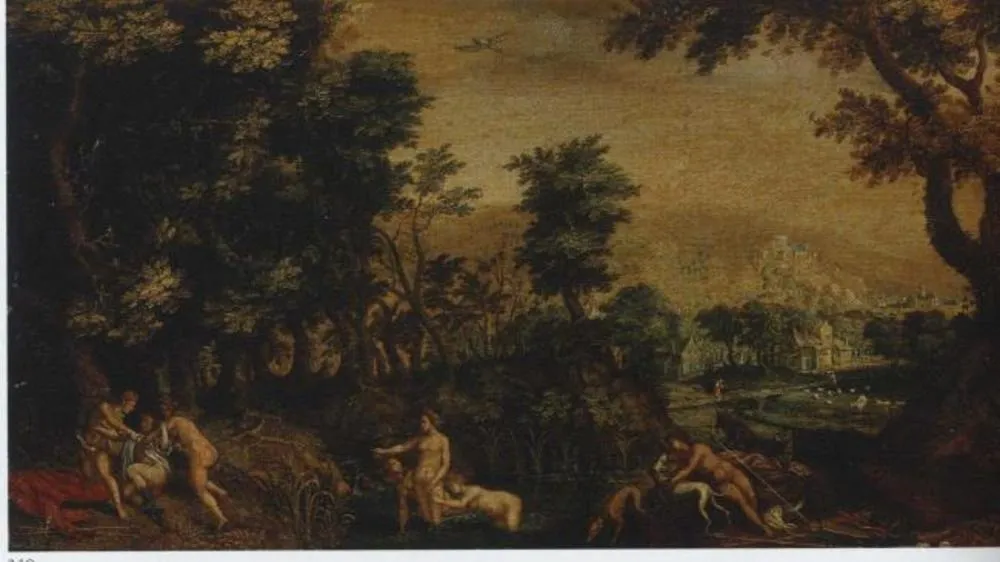
Landscape with Diana and Callisto is an oil painting by the Flemish Baroque painting artist Anton Mirou. It dates from 1655 and is held in the collection of the Hermitage Museum.
About this work
Overview
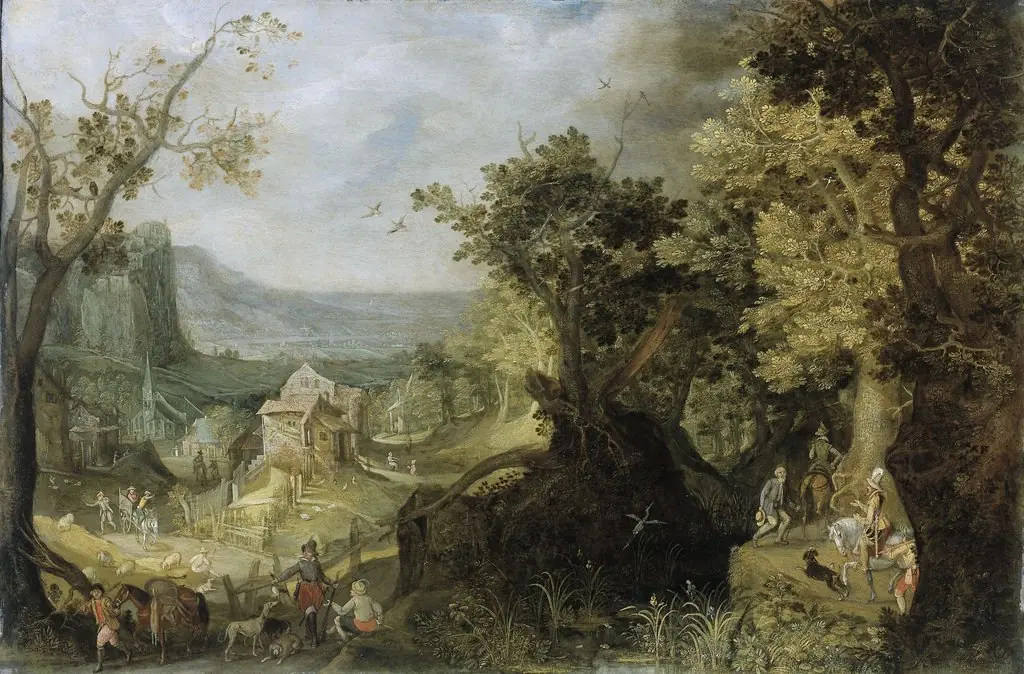
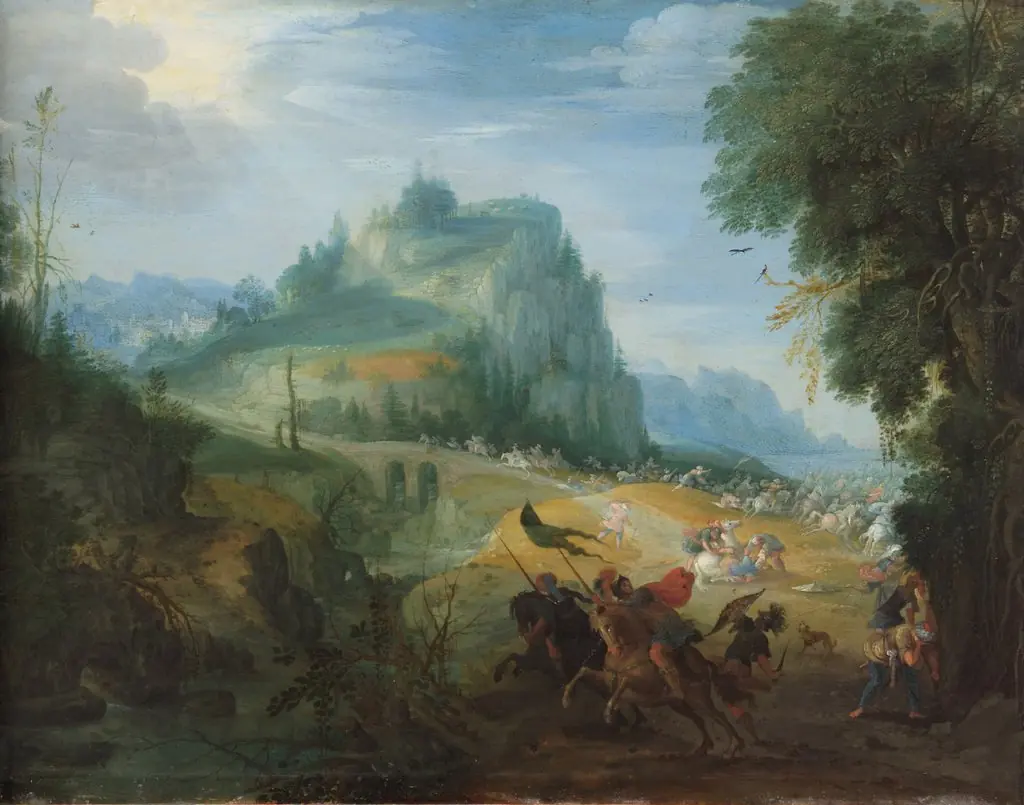
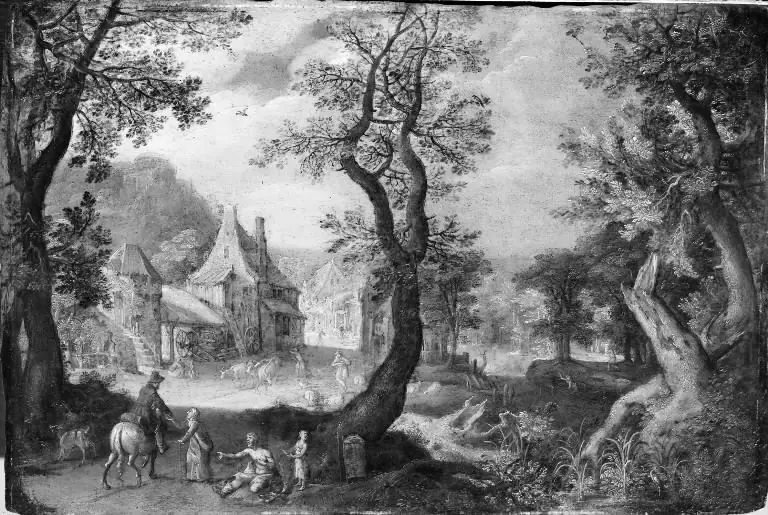
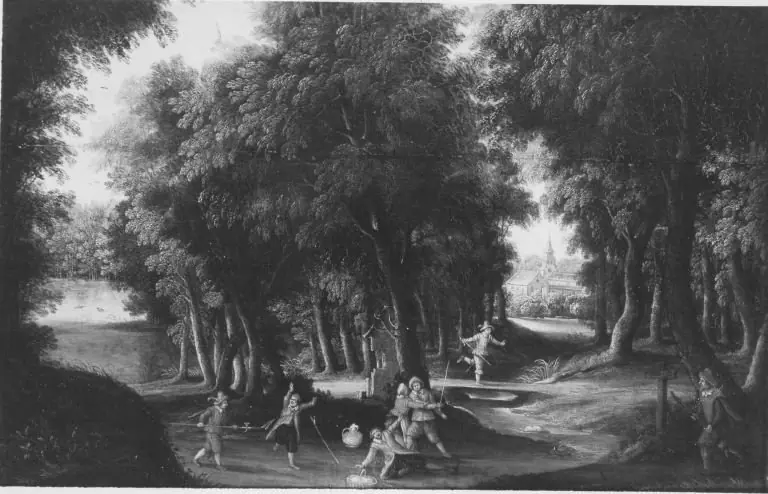
Created in 1655, this oil painting is attributed to Anton Mirou, a Flemish artist known for his detailed natural landscapes. Though often linked to the Frankenthal school, Mirou’s work reflects a quiet, observational approach to nature. The piece resides in the State Hermitage Museum and exemplifies the Flemish Baroque tendency to integrate mythological elements into serene, wooded settings.
Subject & Meaning
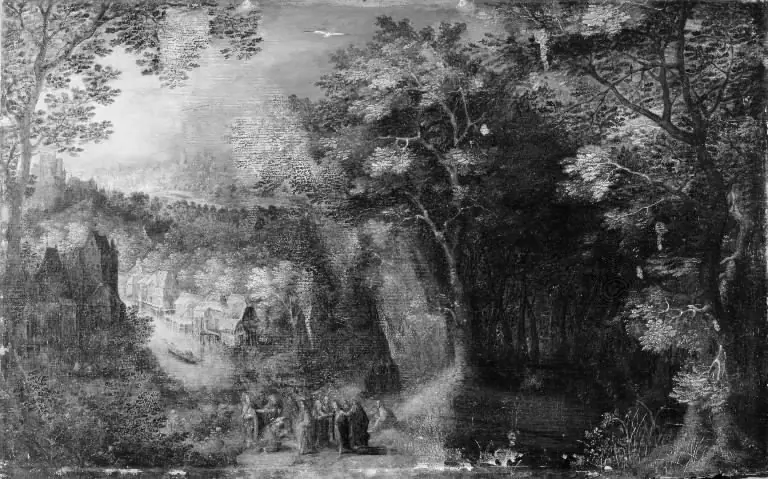
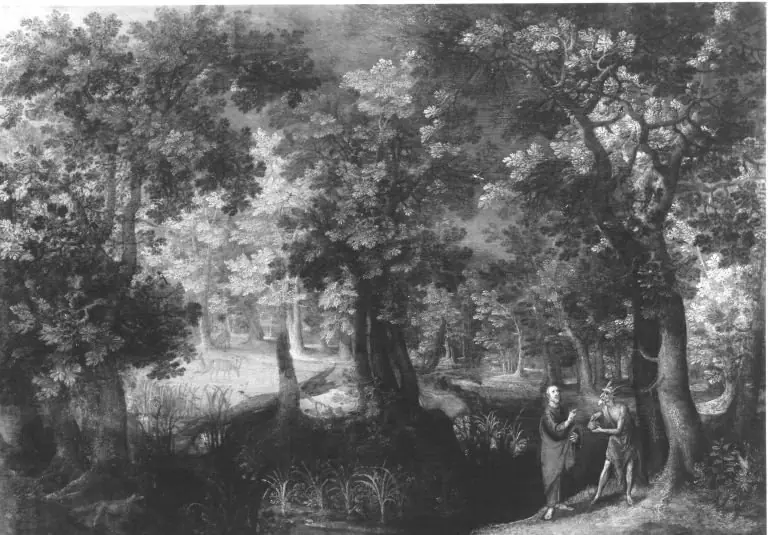
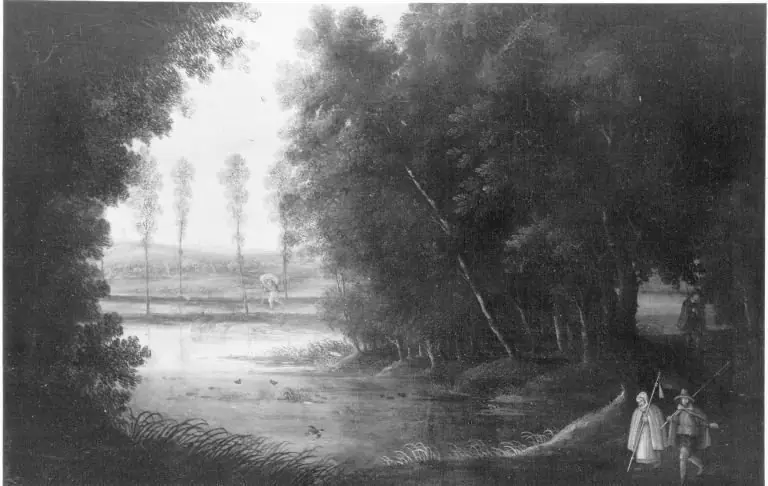
The scene depicts the myth of Diana and Callisto, where the nymph Callisto is discovered naked among Diana’s followers. Rather than emphasizing drama, Mirou renders the moment with restraint, placing the figures within a tranquil woodland. The narrative is subtly implied through posture and grouping, allowing the landscape to dominate and soften the myth’s tension.
Technique & Style
Mirou employed fine brushwork to render textures of bark, foliage, and water with quiet precision. The palette is dominated by muted greens, browns, and soft grays, creating a cohesive, earth-toned harmony. Light is diffused rather than sharply contrasted, avoiding dramatic chiaroscuro in favor of a gentle, atmospheric glow that enhances the painting’s calm mood.
History & Provenance
The painting entered the Hermitage collection in the 18th or 19th century, likely through imperial acquisitions of Northern European works. Its attribution to Mirou is based on stylistic comparison with his other known landscapes, though documentation from the 17th century is sparse. It has remained in the museum’s care since at least the early 1800s.
Context
In mid-17th century Flanders, landscape painting flourished as a genre independent of religious or courtly themes. Artists like Mirou catered to collectors who valued contemplative scenes blending nature with classical allusion. This work reflects a broader trend where mythological subjects served as subtle narrative anchors within expansive, realistic environments.
Legacy
Mirou’s work, though not widely celebrated in his time, contributed to the development of the Flemish landscape tradition. His integration of myth into natural settings influenced later artists who sought to balance storytelling with environmental realism. Today, the painting stands as a quiet example of how classical narratives were absorbed into the visual language of everyday nature.
Artist & collection
Artist
Antoine, or Anton Mirou (1578 – 1621/1627), was a Flemish Baroque landscape painter of the Frankenthal school.