Artwork
Der Einzug Kaiser Maximilians I. in Gent
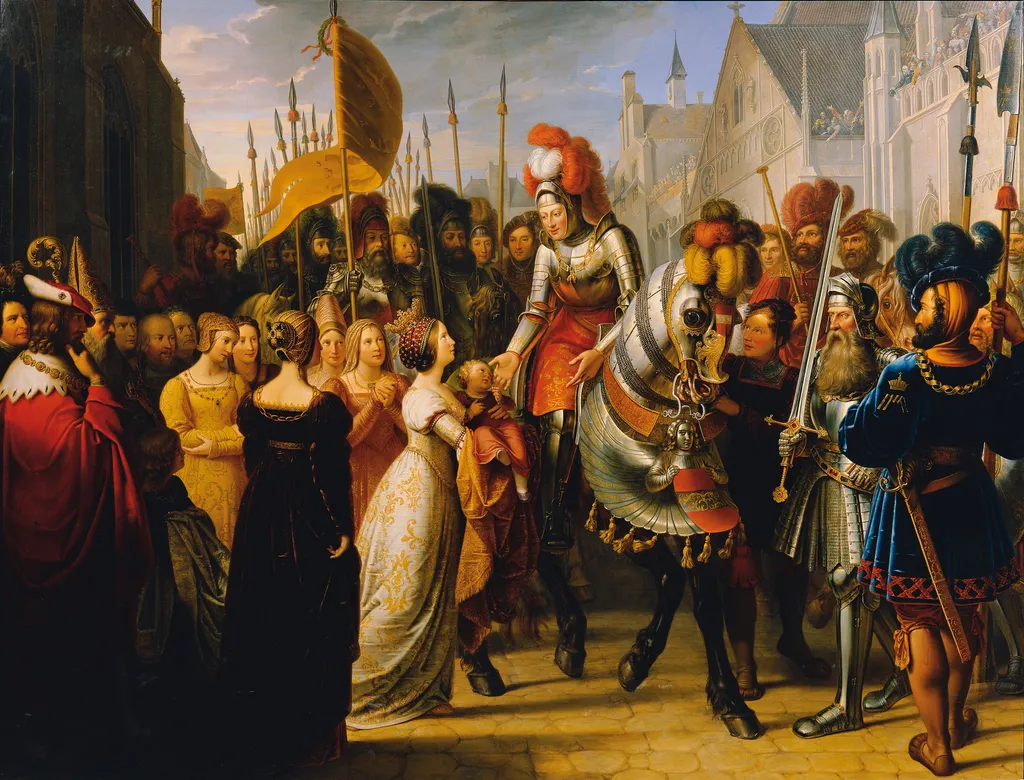
Der Einzug Kaiser Maximilians I. in Gent is an oil painting by the Biedermeier artist Anton Petter. It dates from 1822 and is held in the collection of the Kunsthistorisches Museum.
About this work
Overview
Anton Petter’s 1822 oil on canvas, titled *Der Einzug Kaiser Maximilians I. in Gent*, portrays a ceremonial entry of the Holy Roman Emperor into the Flemish city of Ghent. The composition centers on a mounted figure in ornate armor, flanked by a bustling procession of courtiers, soldiers, and townspeople, all rendered with a sense of formal grandeur.
Subject & Meaning
The work commemorates Maximilian I’s historic 1482 triumphal march, emphasizing his role as a unifying ruler. By placing the emperor at the forefront of a diverse crowd, Petter underscores themes of political authority, civic pride, and the ceremonial pageantry that reinforced imperial legitimacy in the late medieval Low Countries.
Technique & Style
Executed in oil, the painting balances vivid reds and metallic silvers with more subdued earth tones, creating depth through layered glazing. Petter employs a clear, academic composition, delineating figures with precise brushwork while using atmospheric perspective to suggest the city’s architecture receding into the background.
History & Provenance
Created in 1822, the canvas entered the collection of Vienna’s Kunsthistorisches Museum, where it remains on public display. Its acquisition reflects the 19th‑century Austrian interest in documenting imperial history through visual art, aligning with contemporary efforts to preserve national heritage.
Context
Petter’s depiction aligns with the Biedermeier era’s fascination with historical subjects rendered in a sober, narrative style. The painting resonates with the period’s broader artistic trend of revisiting medieval and early modern events to evoke a sense of continuity within the Habsburg Empire’s cultural memory.
Own this work as a print
Artist & collection

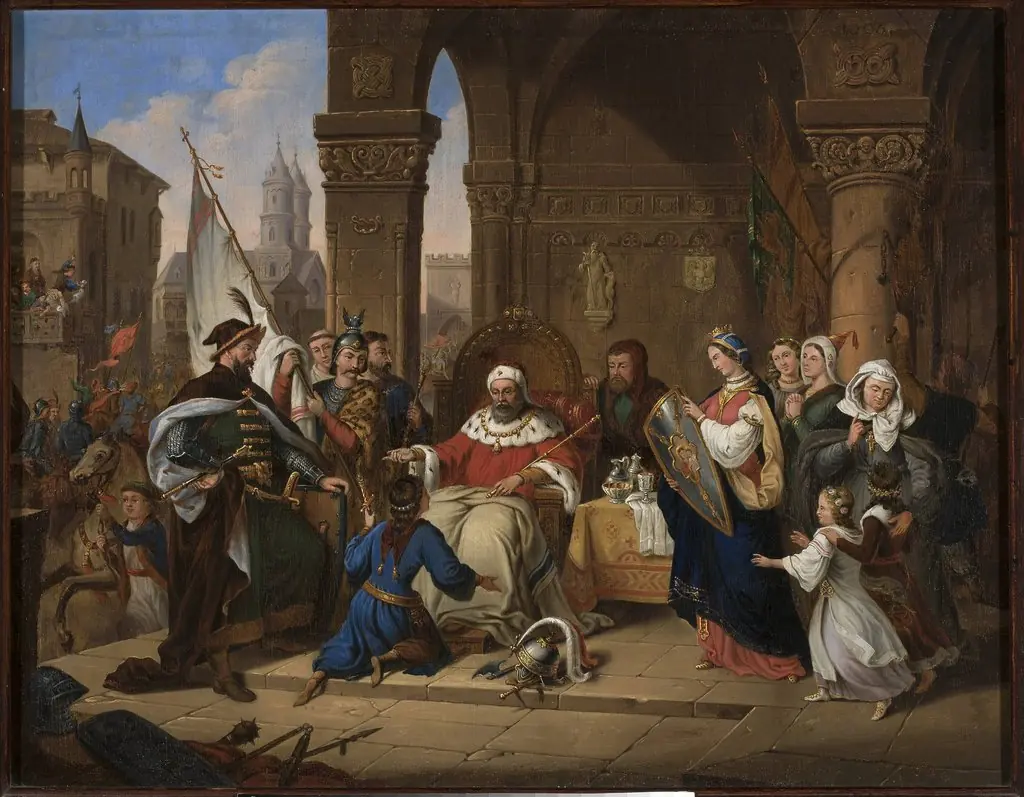 Youth of Bolesław the Wry-Mouthed
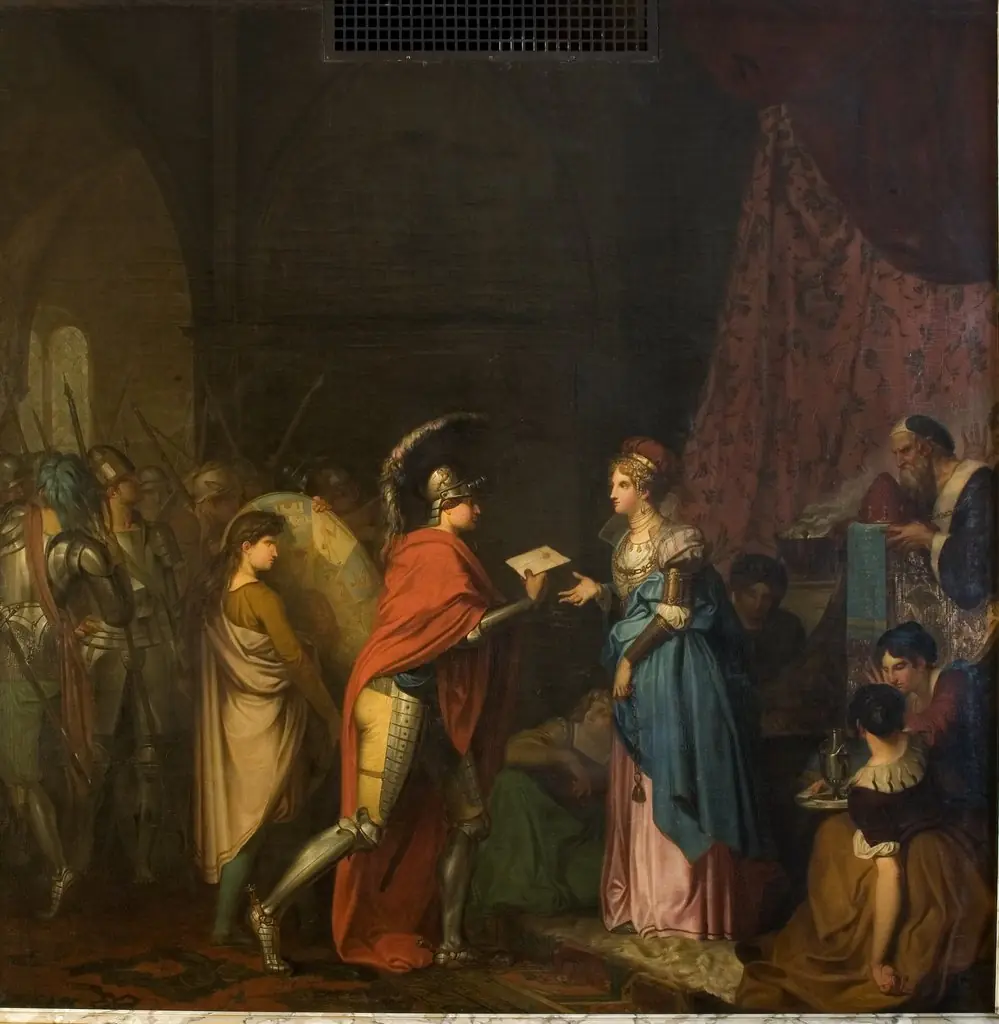 Hamlet Delivering a Letter Written by Himself to the Queen of Scotland
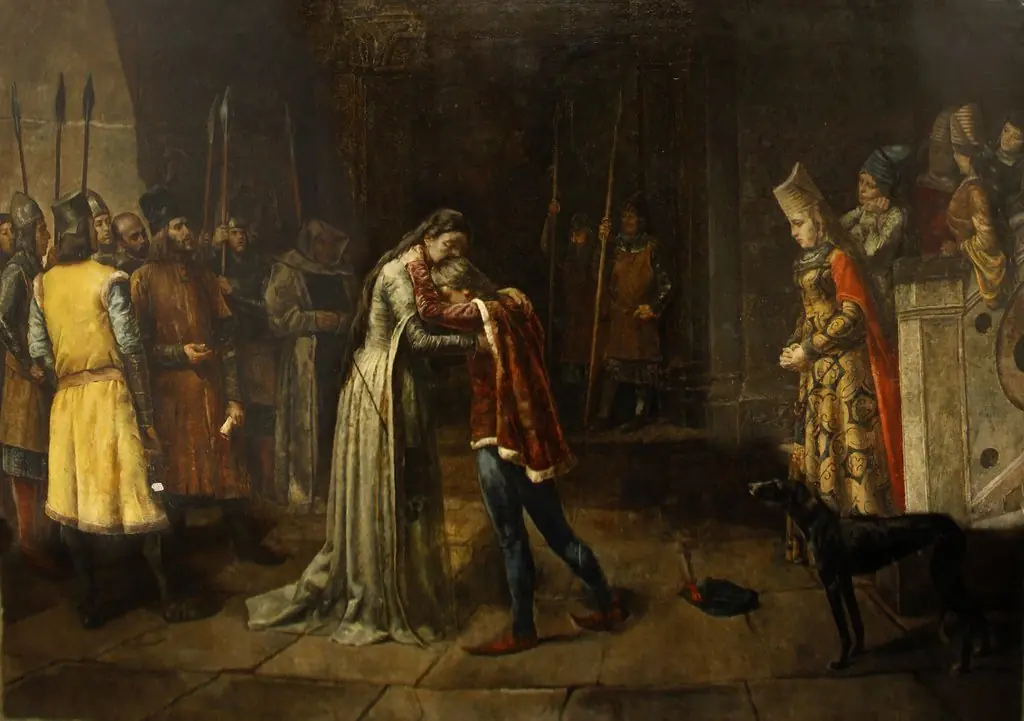 La última despedida
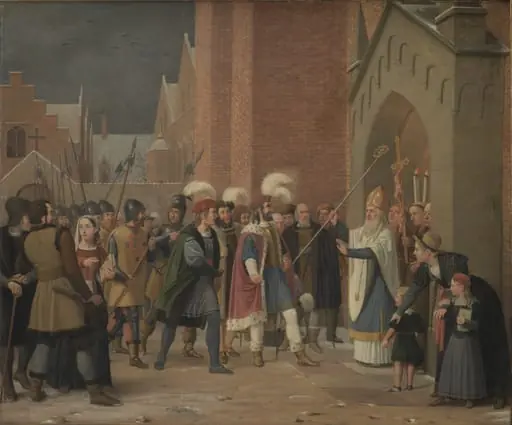 Svend Estridsen and Bishop Vilhelm
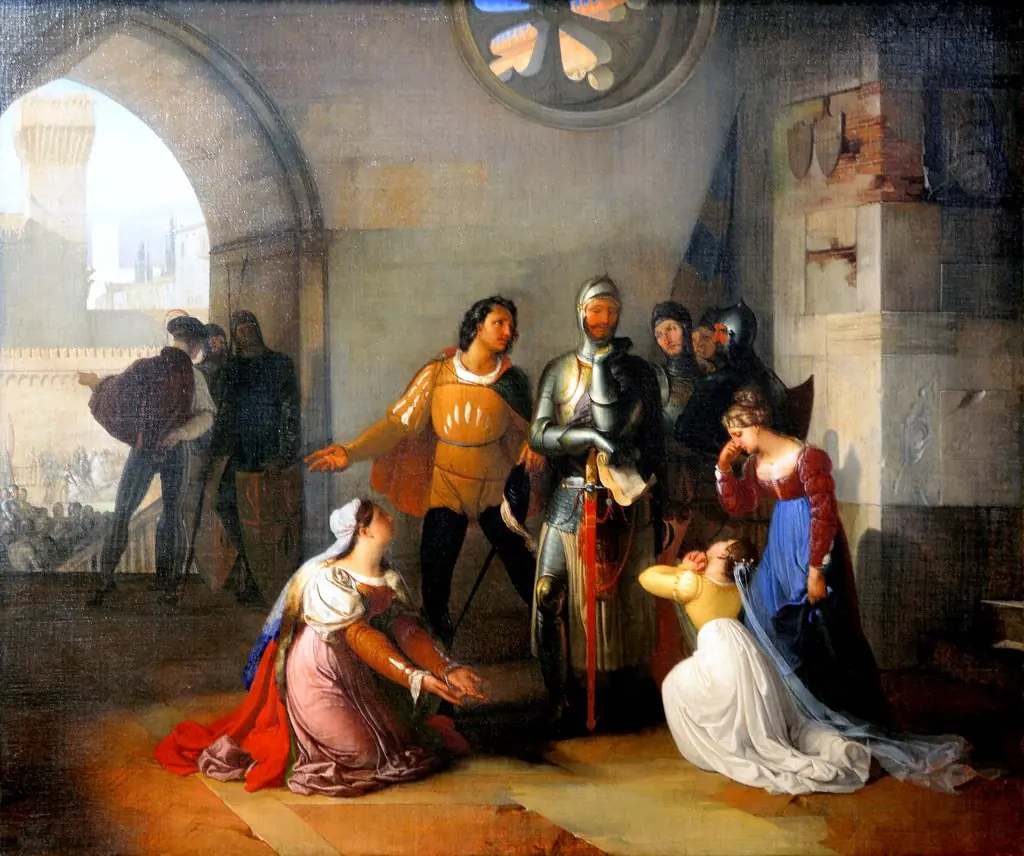 Pietro Rossi called to command the Venetian army
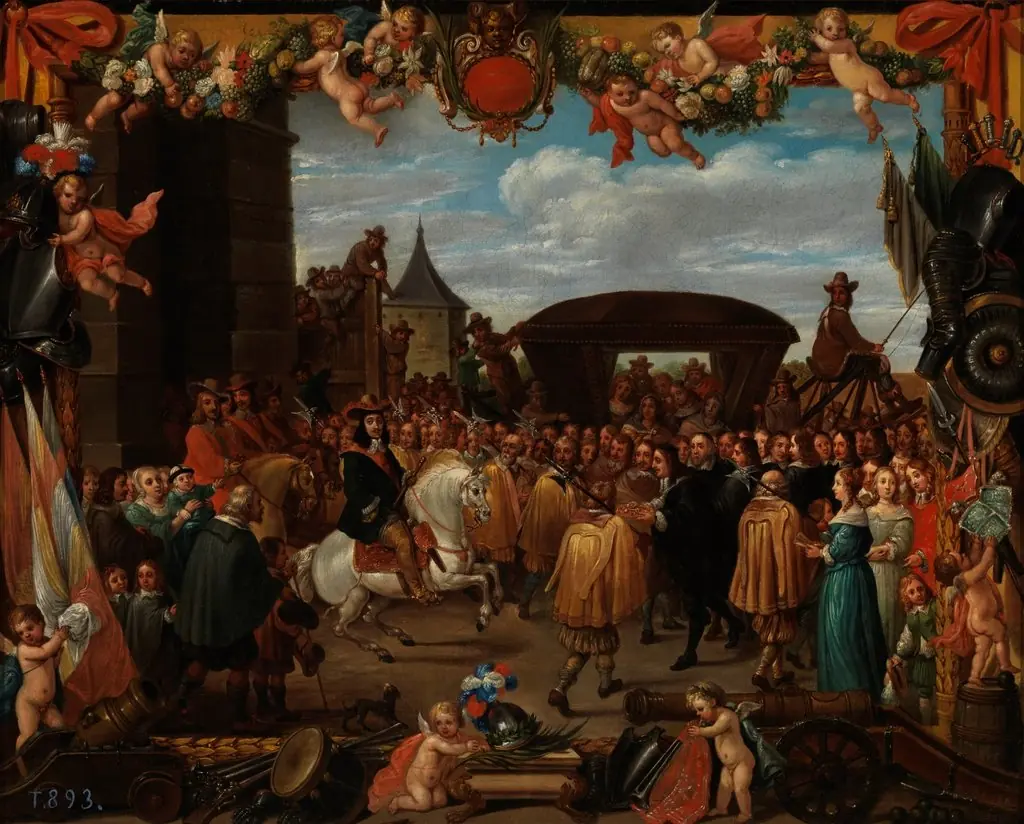 Entrada triunfal de don Juan José de Austria (?)
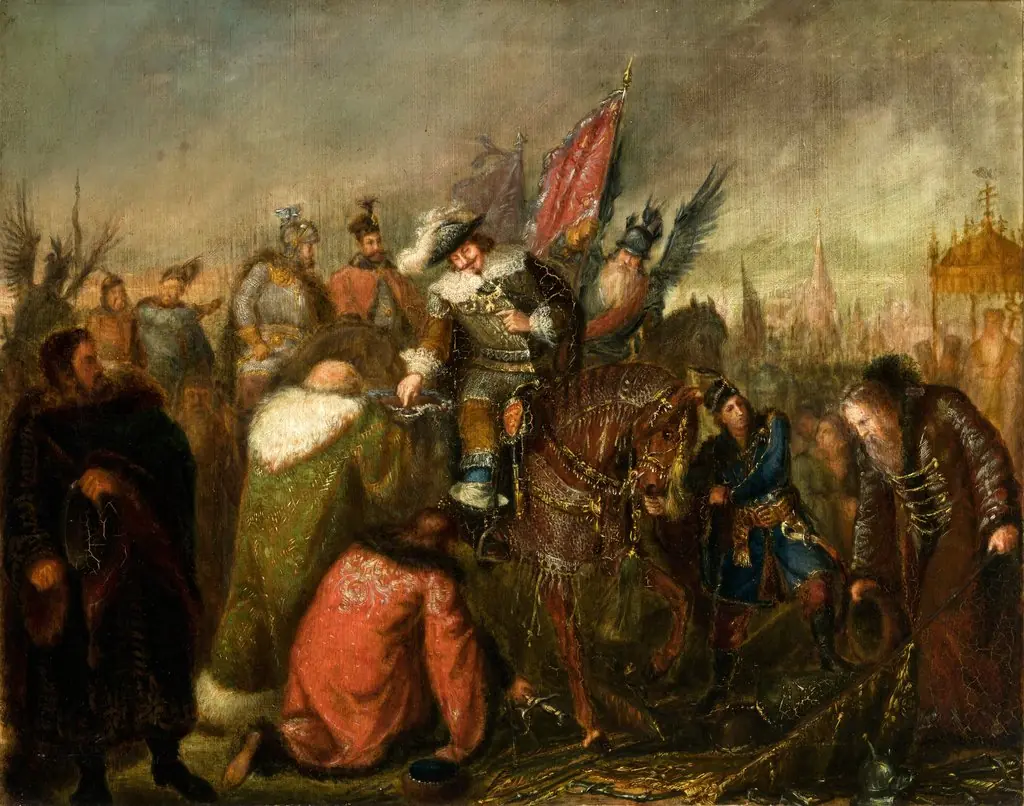 Władysław IV after the Battle of Smoleńsk
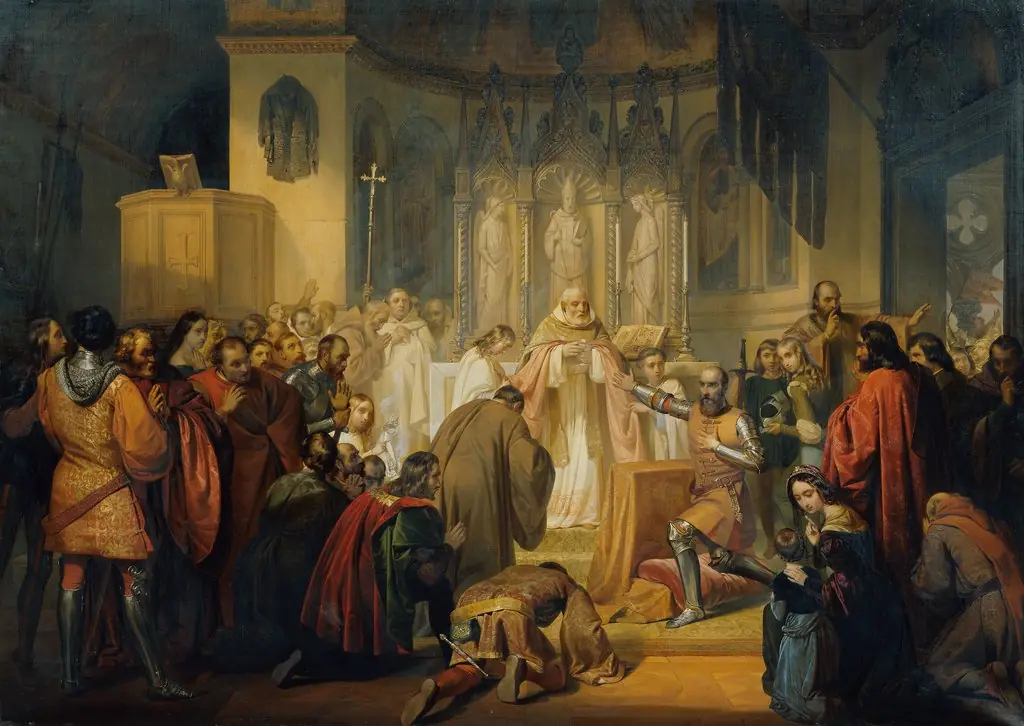 Vittore Pisani receives Holy Communion before taking command of an expedition against the Genoese
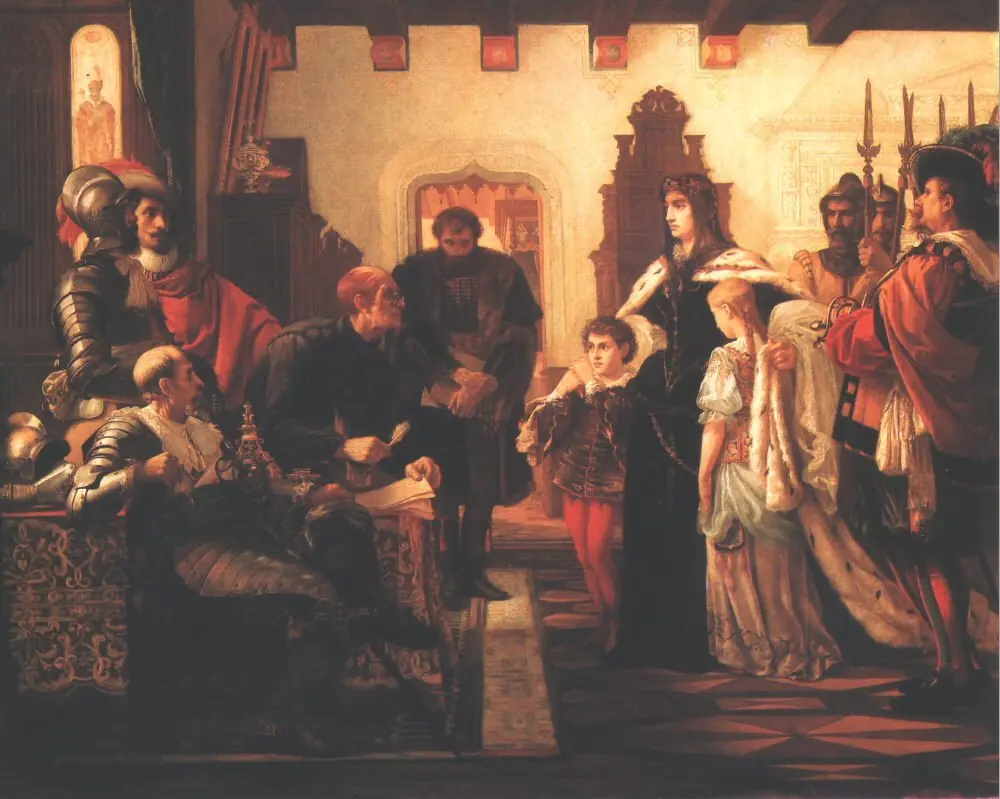 Ilona Zrínyi before the Investigating Judge
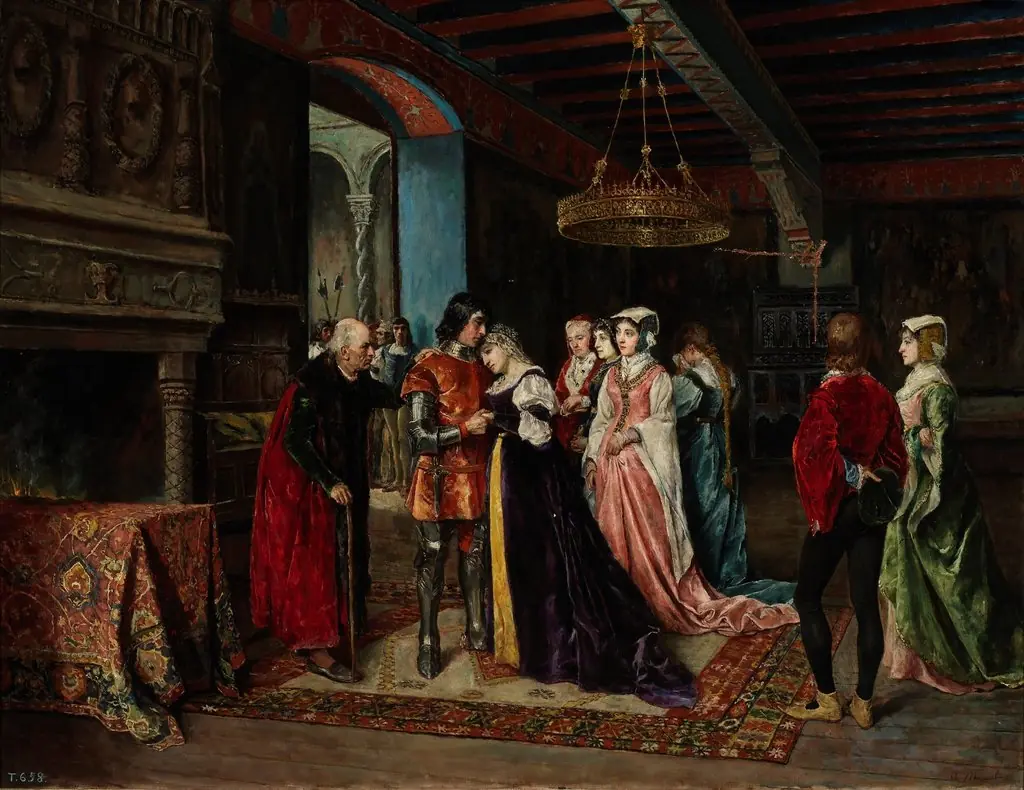 La despedida
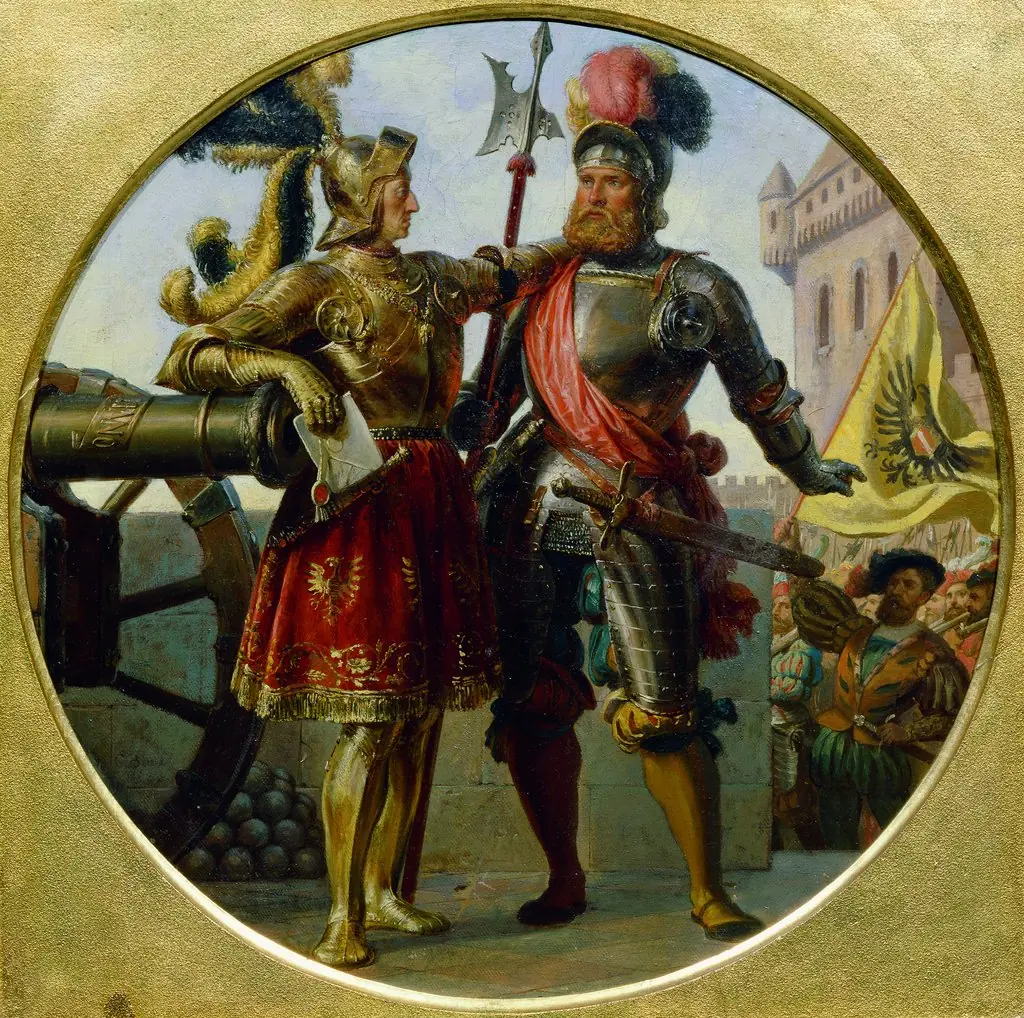 Emperor Maximilian I and Georg von Frundsberg
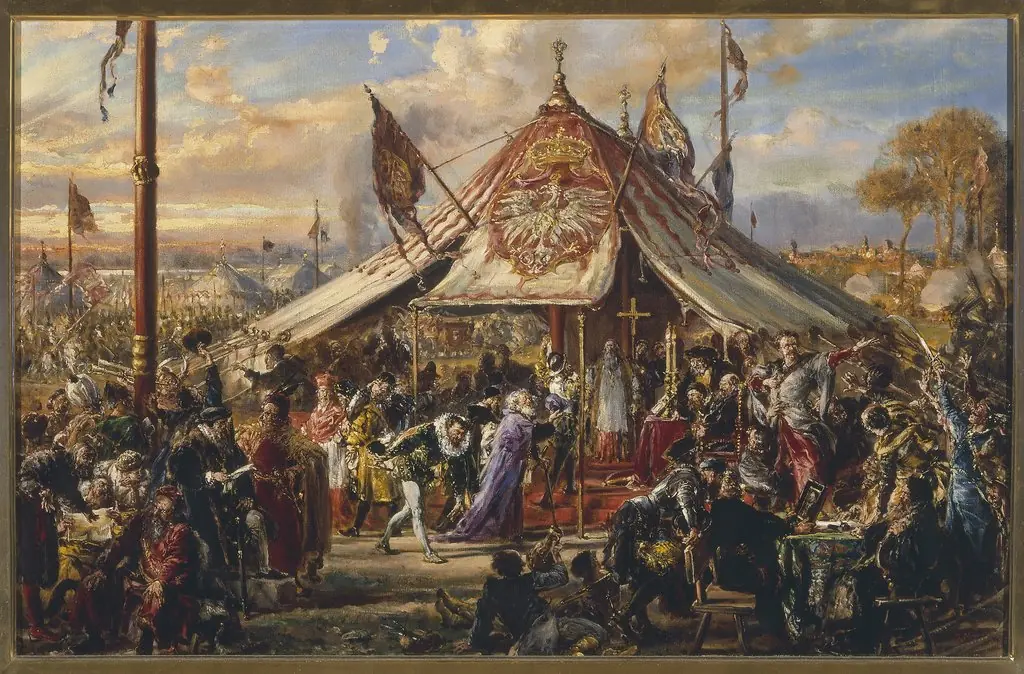 Power of Commonwealth at its Zenith, from the series “History of Civilization in Poland”