Artwork
Self-portrait
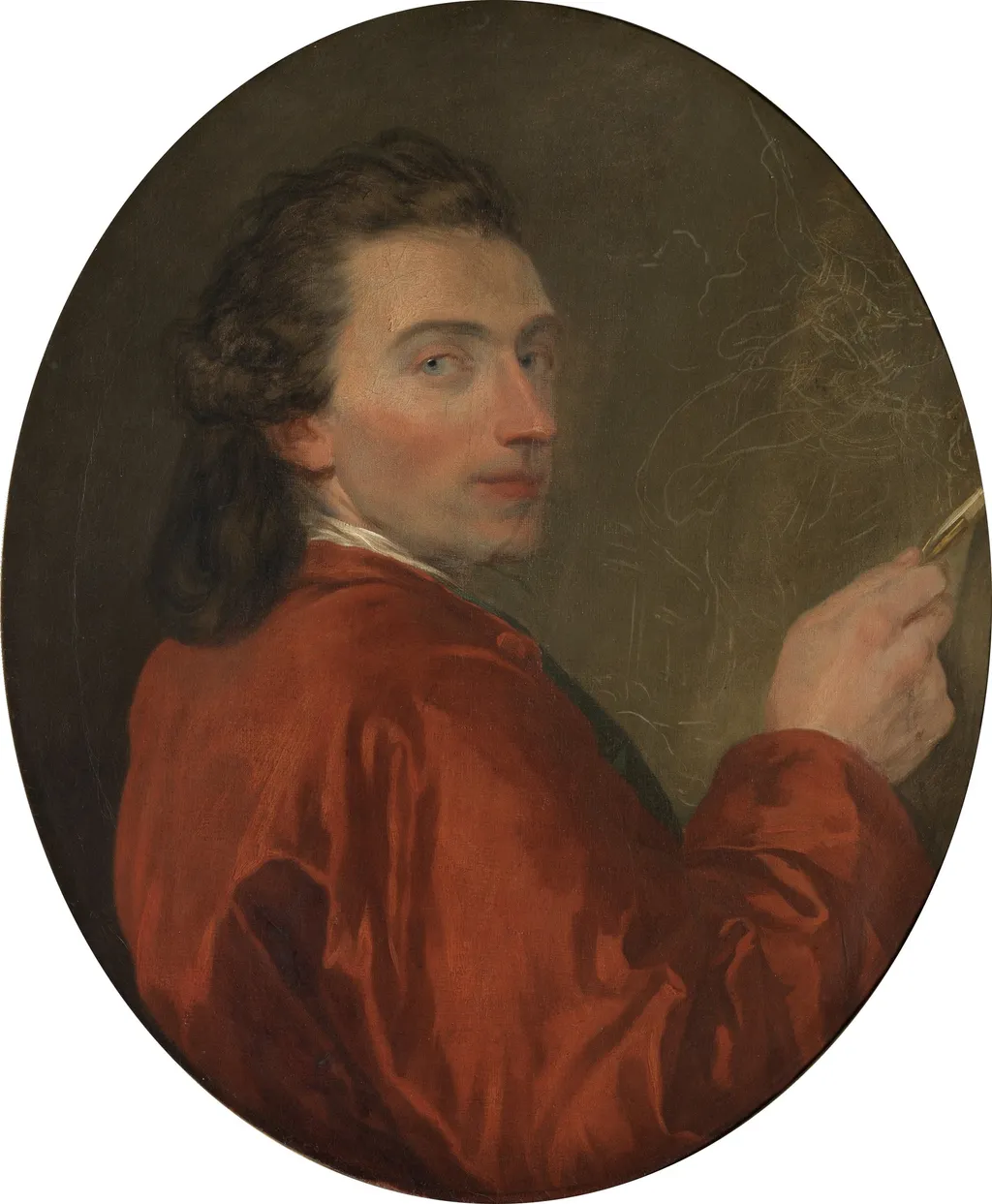
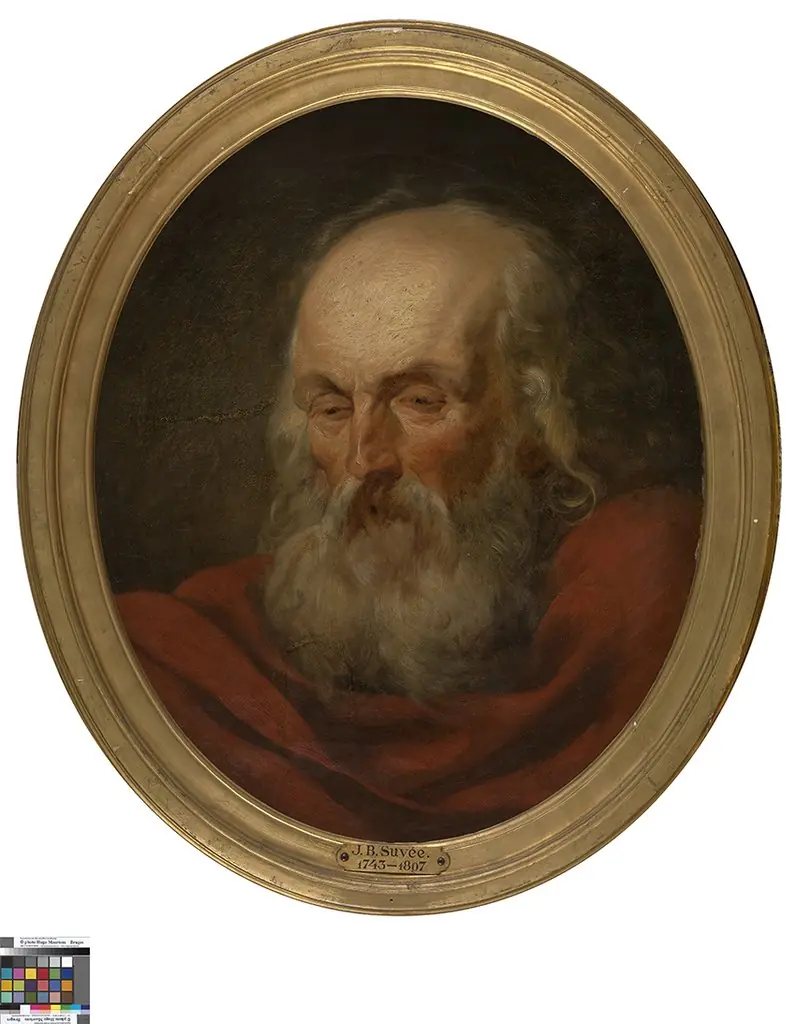
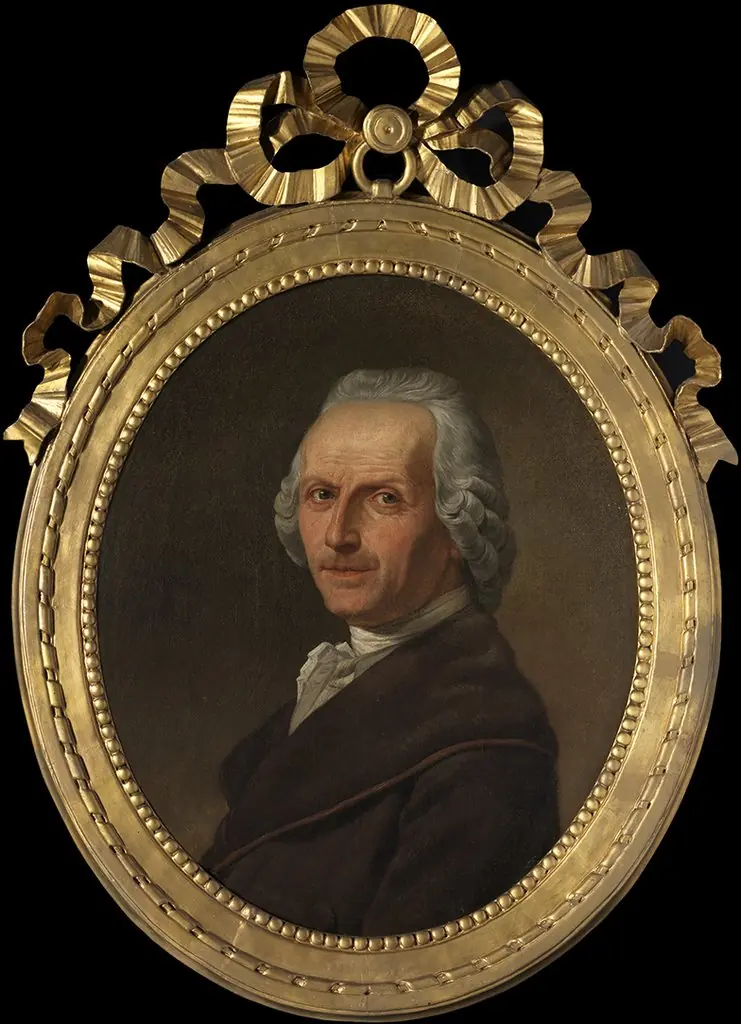
Self-portrait is an oil painting by the Rococo painting artist Joseph-Benoît Suvée. It dates from 1771 and is held in the collection of the Groeningemuseum.
About this work
If you're interested in learning more about this style of painting, you might want to explore the technique of chiaroscuro.
This painting is a self-portrait of the artist, Joseph-Benoît Suvée. It's an oil painting created in 1771. The artist is depicted wearing a red robe and holding a paintbrush in his right hand. He is facing to the right, with his head turned towards the viewer.
The background of the painting is dark, which helps to highlight the artist's face and clothing. The overall effect is one of quiet contemplation, as if the artist is lost in thought.
If you're interested in learning more about this style of painting, you might want to explore the technique of chiaroscuro.
Overview
Painted in 1771, this oil-on-canvas self-portrait by Joseph-Benoît Suvée presents the artist in a moment of quiet introspection. Executed during his early career, the work reflects his training in Flanders and his engagement with emerging classical ideals. It is held in the Groeningemuseum’s collection, where it serves as a personal record of the artist’s identity and professional demeanor at the time.
Subject & Meaning
Suvée depicts himself in a rich red robe, holding a paintbrush as both tool and symbol of his craft. His gaze meets the viewer directly, yet his expression remains subdued, suggesting contemplation rather than assertion. The pose and attire convey dignity and self-awareness, aligning with the artist’s desire to present himself not merely as a craftsman but as an intellectual engaged in the elevated pursuit of art.
Technique & Style
The painting employs a restrained palette and soft modeling to emphasize the artist’s face and garments. A dark, unmodeled background isolates the figure, drawing attention to texture and form. While the brushwork is precise, it avoids the ornamental excess of Rococo, instead favoring clarity and balance—traits aligned with early Neoclassical tendencies that would later dominate his work.
History & Provenance
Created in 1771, shortly before Suvée moved to Paris, the portrait likely served as a statement of artistic identity ahead of his institutional ambitions. It entered the Groeningemuseum’s holdings through documented acquisitions in the 19th century, preserving its connection to the artist’s Flemish roots. Its survival in a public collection underscores its value as a personal and historical document.
Context
In the early 1770s, Flemish artists were navigating shifting aesthetic currents between Rococo elegance and the rising influence of French Neoclassicism. Suvée’s self-portrait reflects this transition: the formal posture and sober tone anticipate his later adoption of classical themes, while the rich fabric and intimate scale retain traces of regional tradition.
Legacy
Though not widely reproduced, this portrait remains a key example of Suvée’s early style and self-representation. It offers insight into how artists of the period constructed their public personas through portraiture. As one of the few surviving self-images from his pre-Parisian years, it contributes to understanding the development of Neoclassical identity in Northern Europe.
Artist & collection
Artist
Joseph-Benoît Suvée (3 January 1743 – 9 February 1807) was a Flemish painter strongly influenced by French neo-classicism.

 Self-portrait
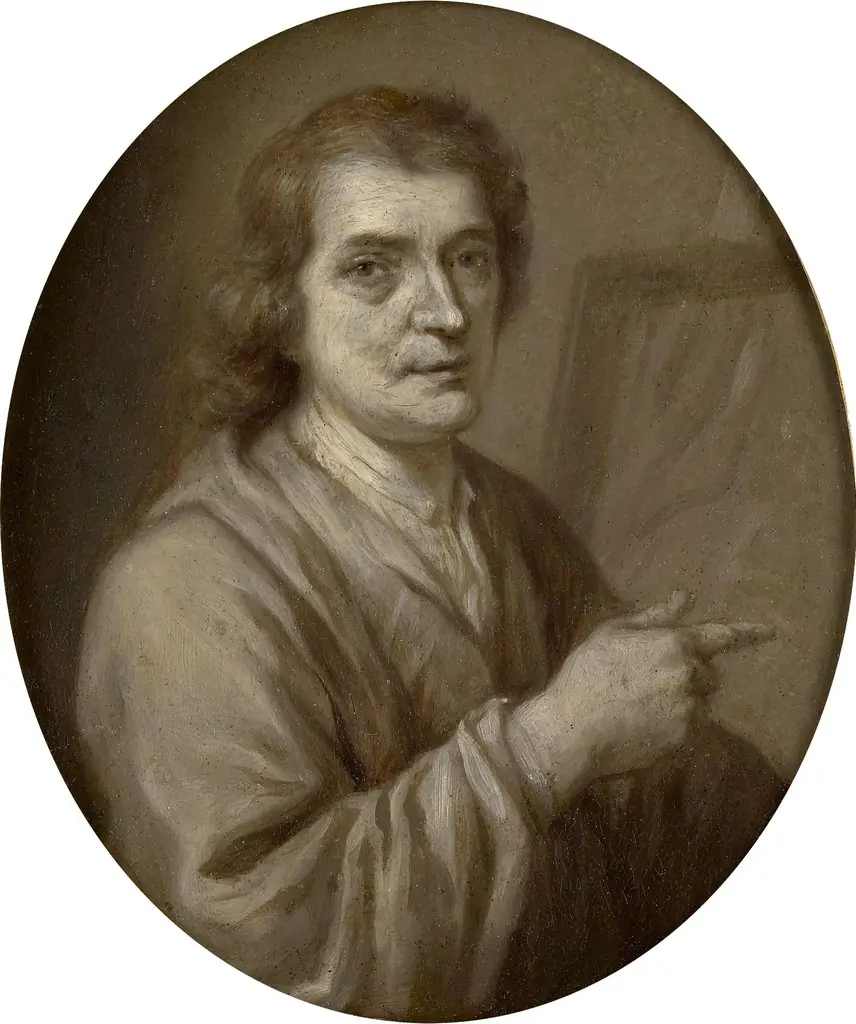 Portrait of Joost van Geel, Painter and Poet in Rotterdam
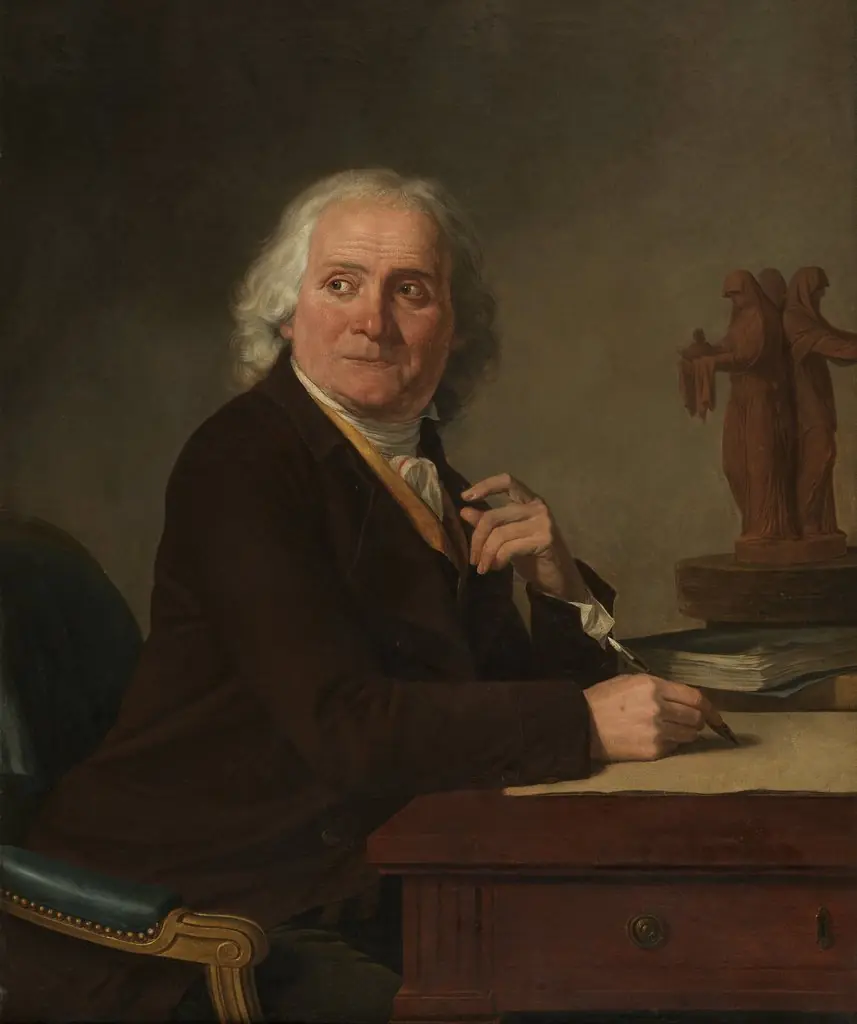
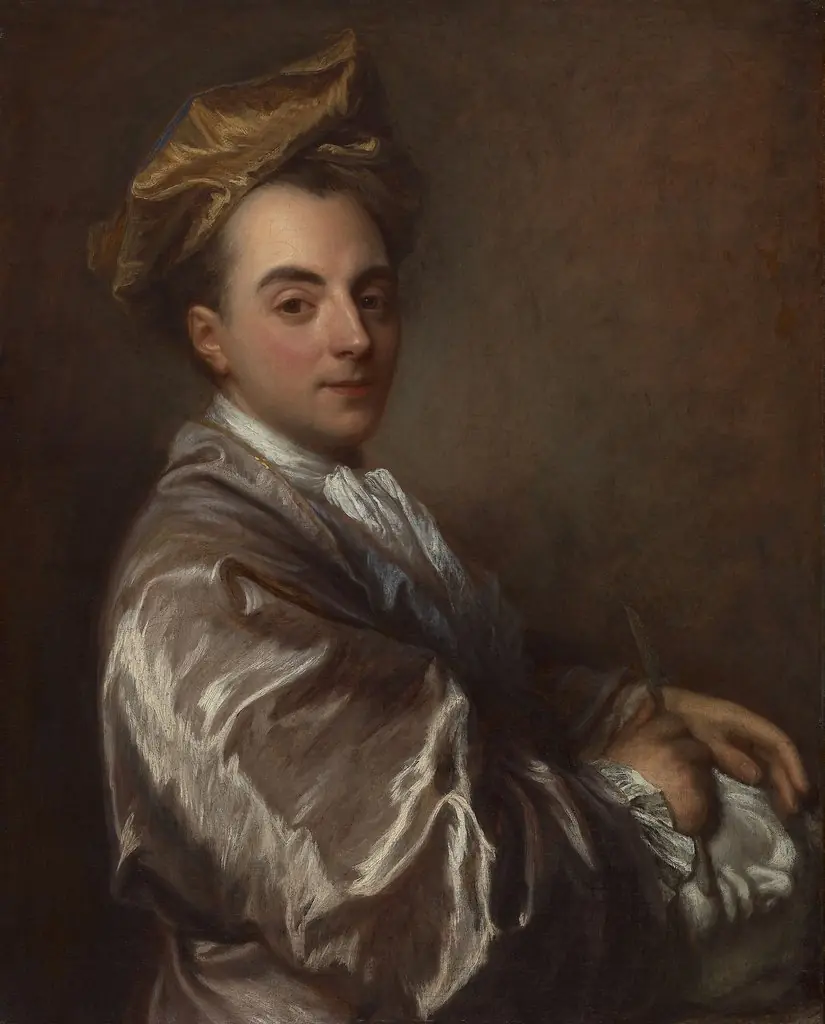 Portrait of a Sculptor
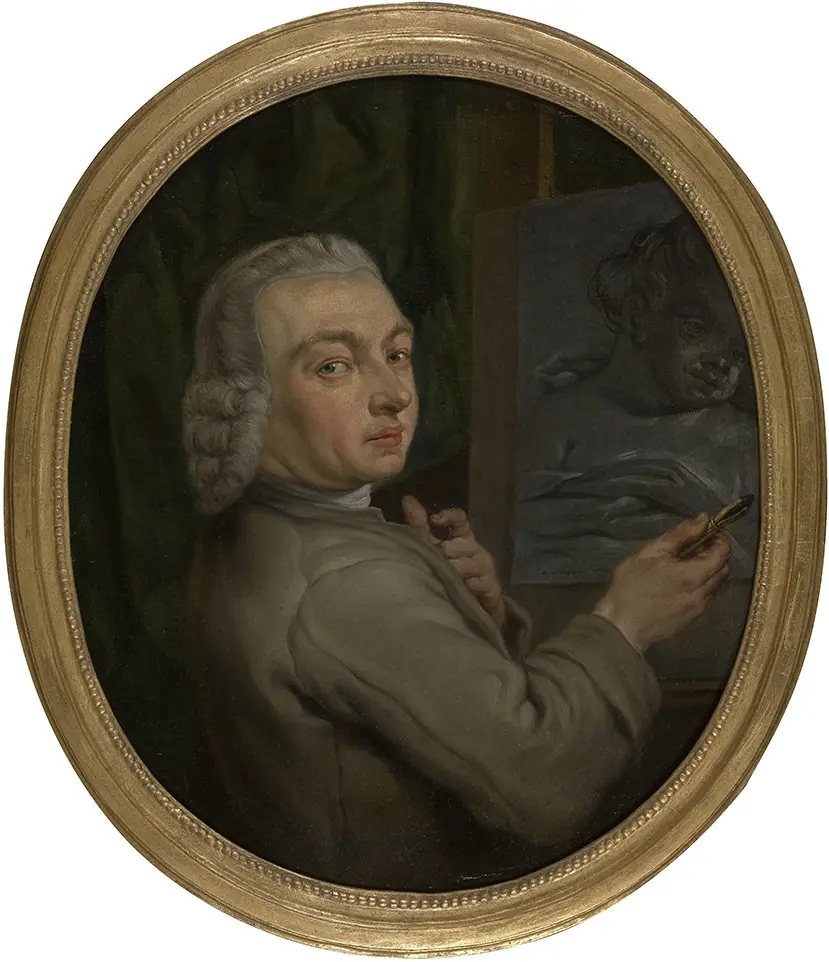 Zelfportret
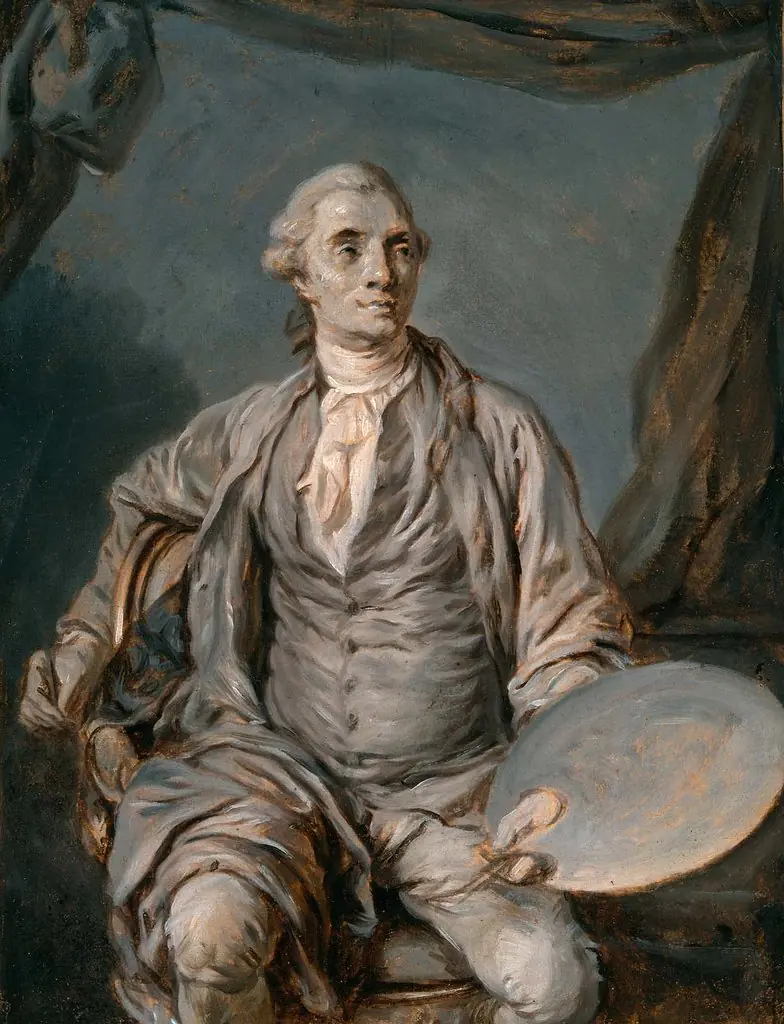 Joseph-Marie Vien with Palette
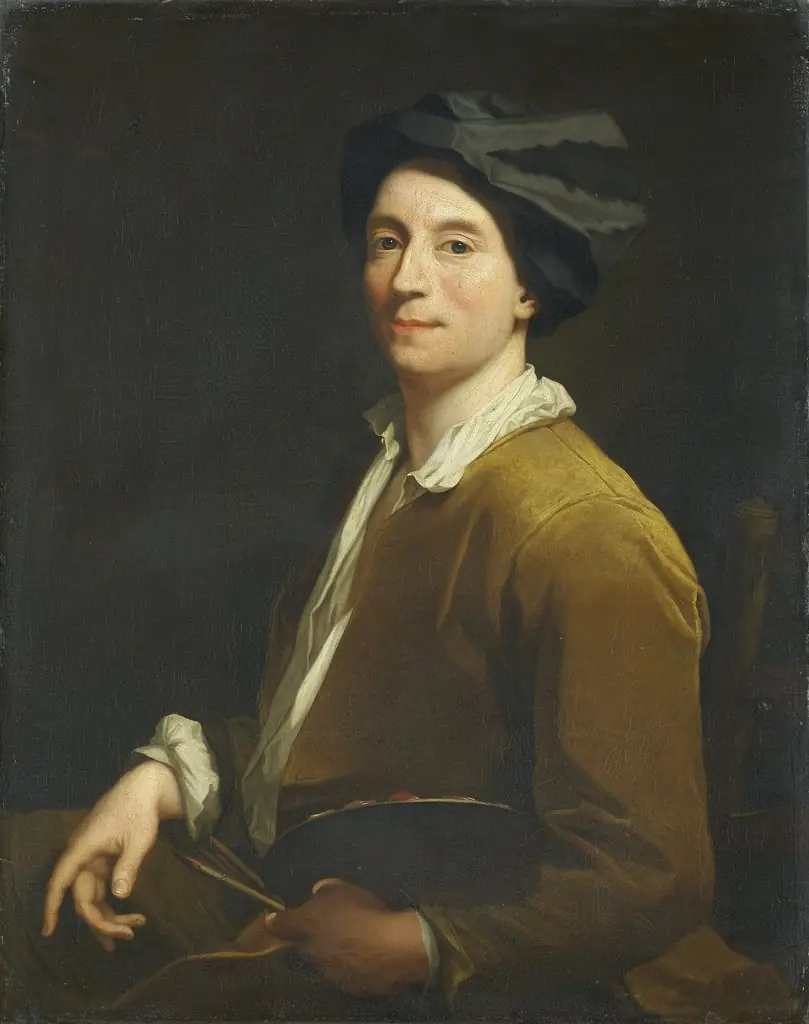 Portrait of a Painter, probably a Self Portrait
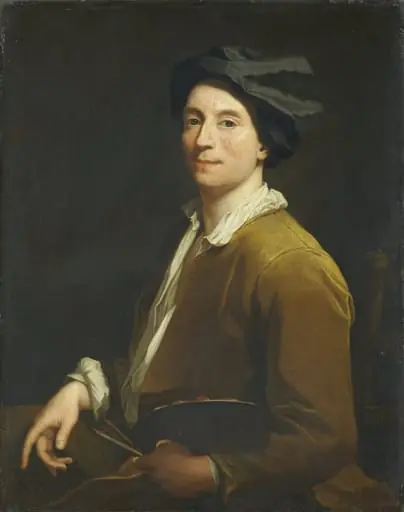 Portrait of a Painter, probably a Self Portrait
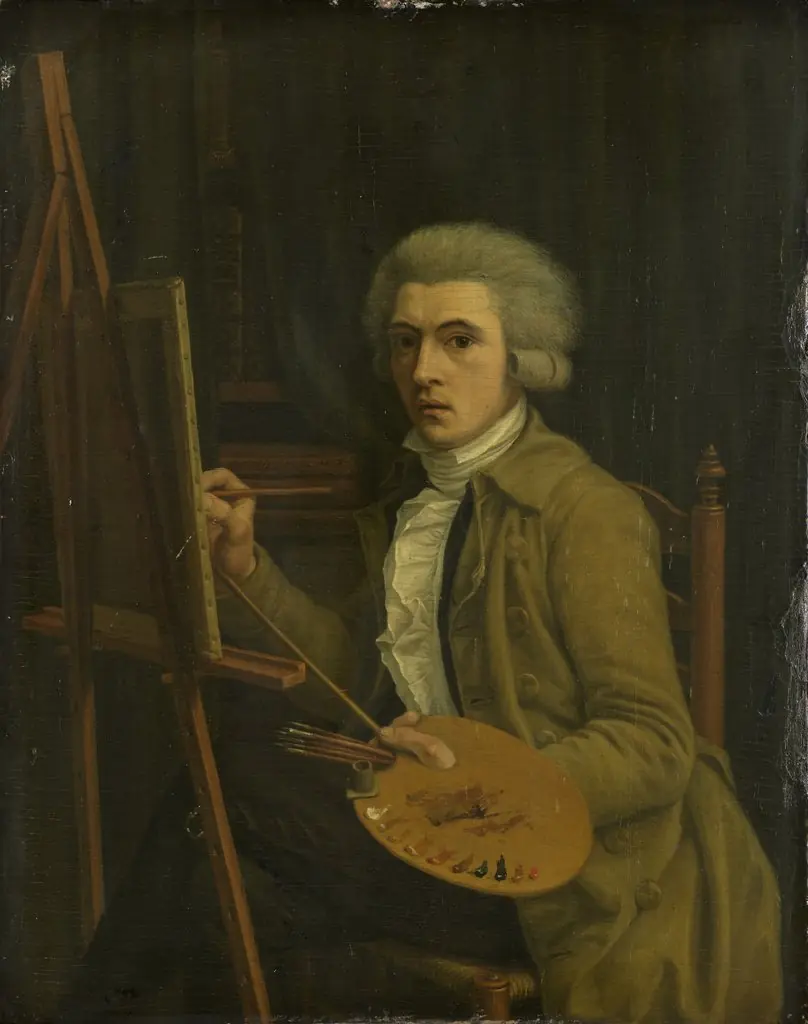 Portrait of a Painter, probably the Artist himself
 Portrait of a Painter, probably the Artist himself
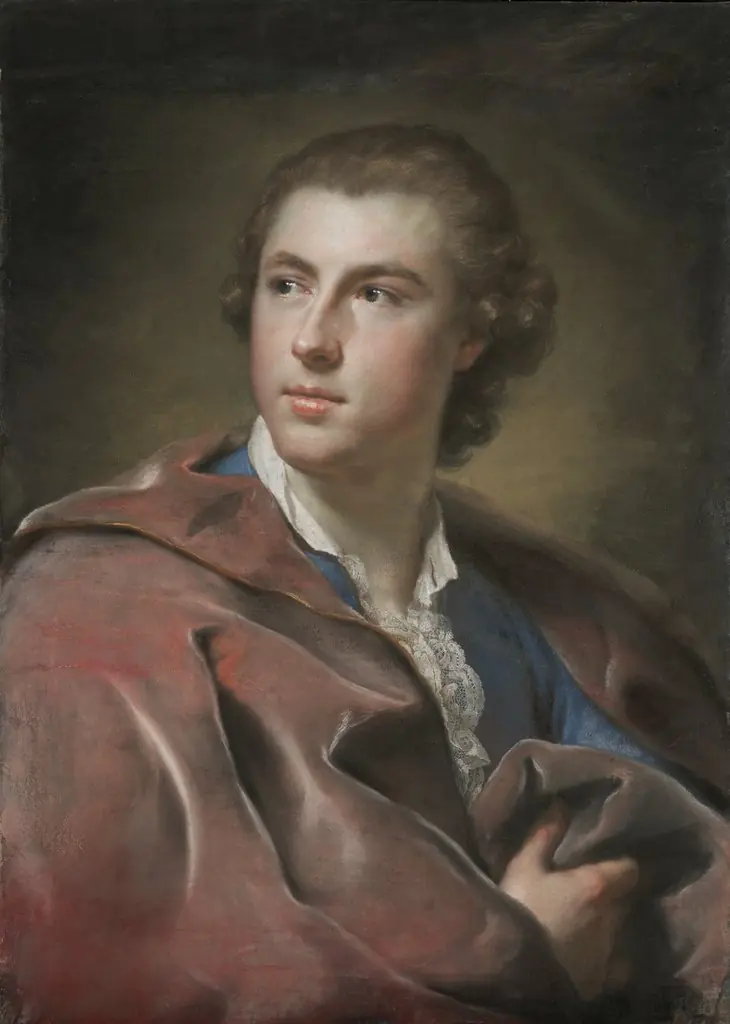 Portrait of William Burton Conyngham
 Portrait of the battle-painter Ignace-Jacques Parrocel
 Self-Portrait in the Studio