Artwork
Saul’s anger at David
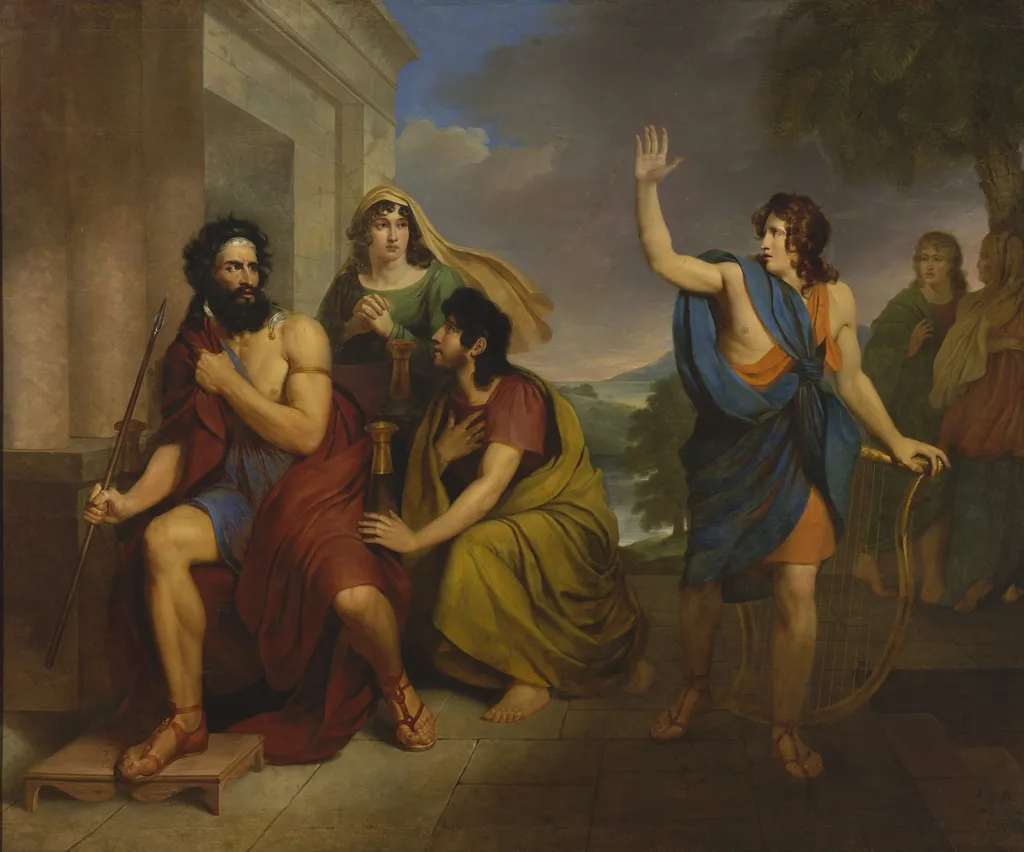
Saul’s anger at David is an oil painting by Antoni Brodowski. It dates from 1815 and is held in the collection of the National Museum in Warsaw.
About this work
Overview
Antoni Brodowski, a Polish artist trained in the Classical tradition, completed this oil painting in 1815.
Antoni Brodowski, a Polish artist trained in the Classical tradition, completed this oil painting in 1815. It illustrates a moment from the biblical narrative of King Saul and David, rendered with formal composition and restrained emotion typical of early 19th-century academic style. The work remains part of the National Museum in Warsaw’s permanent collection, reflecting Brodowski’s role in shaping Polish national art during the post-partition era.
Subject & Meaning
The scene captures King Saul’s fury as he confronts David, whose rising favor threatens his rule. Saul, seated and gripping a spear, embodies volatile authority, while David is implied through the gestures of others—likely his attendants or courtiers reacting to his presence. The tension is conveyed not through direct conflict but through the psychological distance between figures, emphasizing inner turmoil over physical action.
Technique & Style
Brodowski employed oil paint with smooth, controlled brushwork and a muted palette dominated by earth tones and rich drapery colors. Figures are arranged in a shallow stage-like space, with careful attention to anatomical precision and draped fabric. The background landscape, softly rendered, provides depth without distracting from the psychological focus, aligning with Classical ideals of order and narrative clarity.
History & Provenance
Painted in 1815, the work was created during Brodowski’s return to Warsaw after studies in Paris and Rome. It entered the National Museum’s collection in the 19th century, likely through state acquisition or donation. Its preservation reflects its significance as an early example of Polish historical painting, rooted in biblical themes but framed within contemporary national artistic aspirations.
Context
In early 19th-century Poland, under foreign partition, artists turned to biblical and historical subjects to express moral and political themes indirectly. Brodowski’s depiction of Saul’s jealousy resonated with contemporary anxieties about power, loyalty, and legitimacy. His Classical style lent gravitas to these narratives, offering a visual language of dignity amid political fragmentation.
Legacy
Though not widely exhibited outside Poland, the painting remains a key example of Brodowski’s contribution to Polish academic art. It exemplifies how national artists used classical forms to explore universal human conflicts, influencing later generations who sought to define Polish identity through historical and religious imagery during a period of diminished sovereignty.
Own this work as a print
Artist & collection
Artist
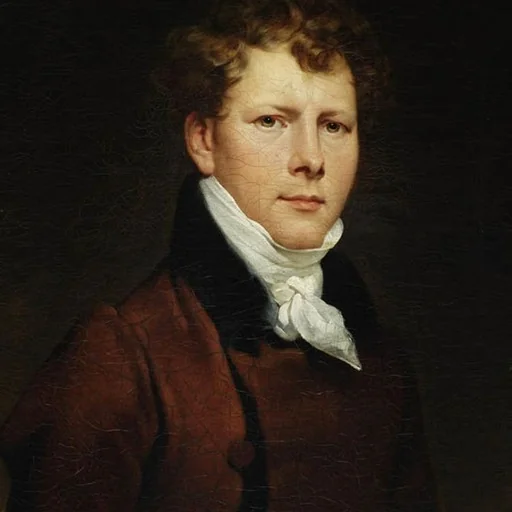
Antoni Stanisław Brodowski (26 December 1784, Warsaw – 31 March 1832, Warsaw) was a Polish painter in the Classical style.

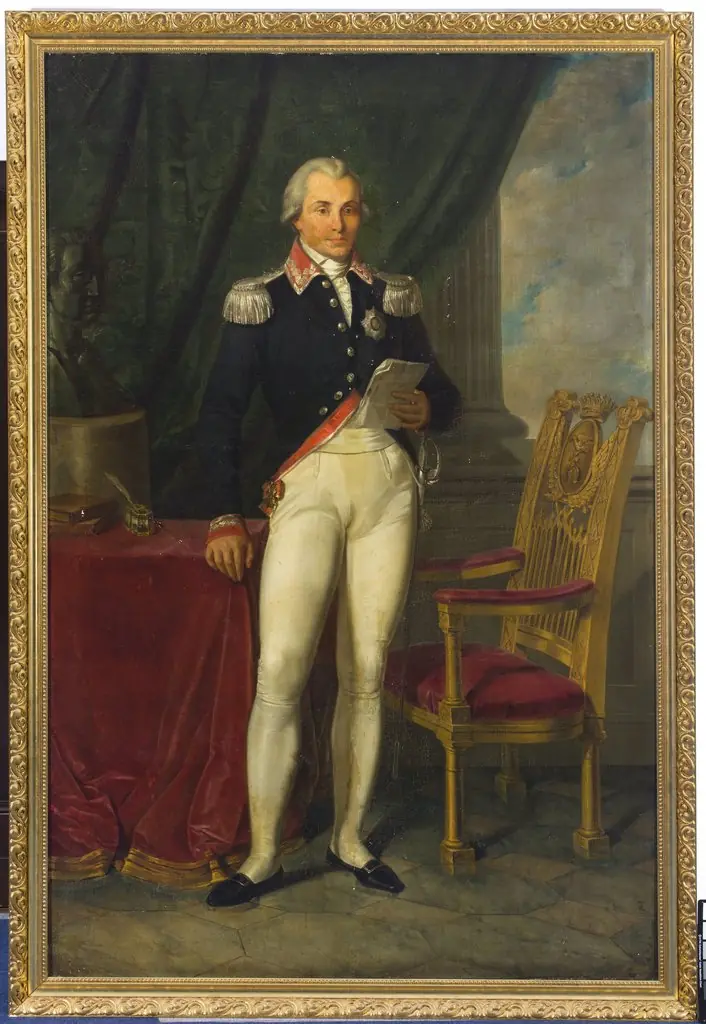 Portrait of Jan Krasiński (1756–1790), starosta of Opinogóra
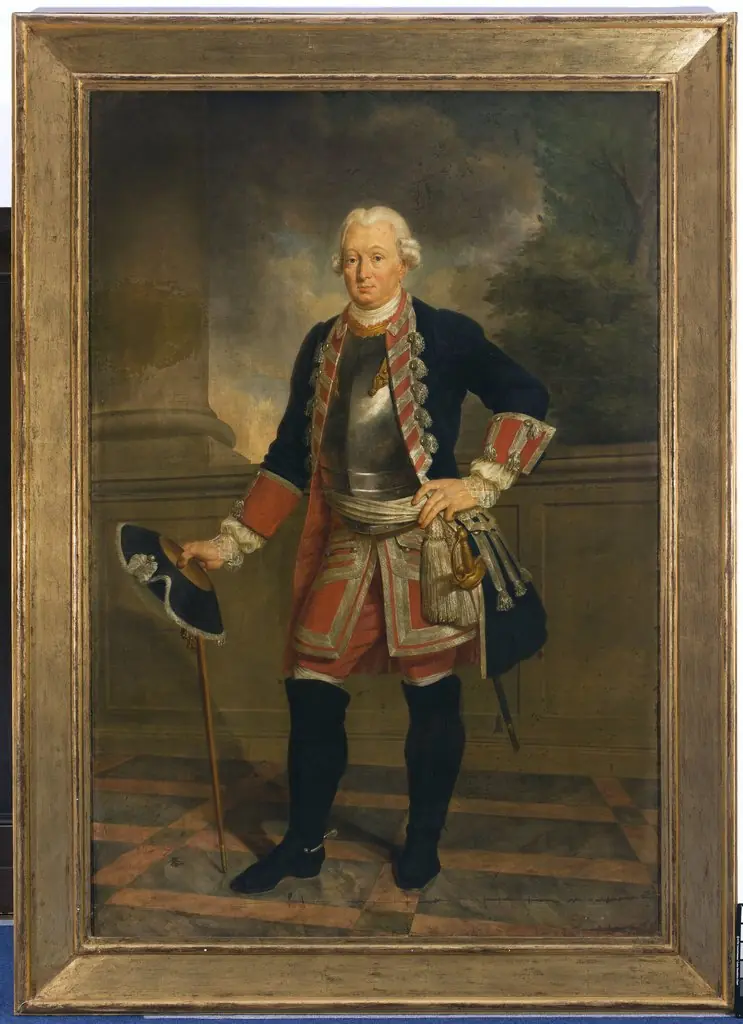 Portrait of Michał Krasiński (1712–1784), marshal general of Bar Confederation
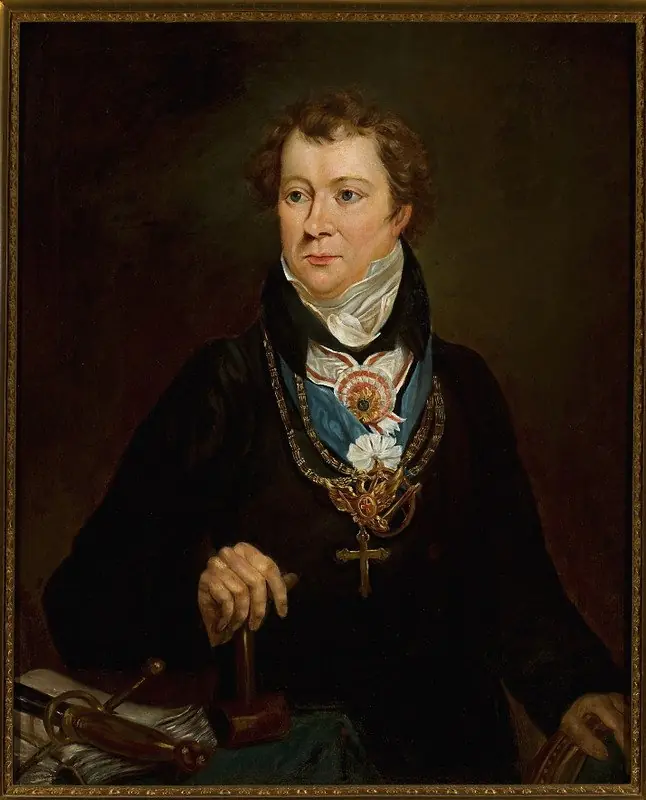 Portrait of Ludwik Osiński in Freemason's dress
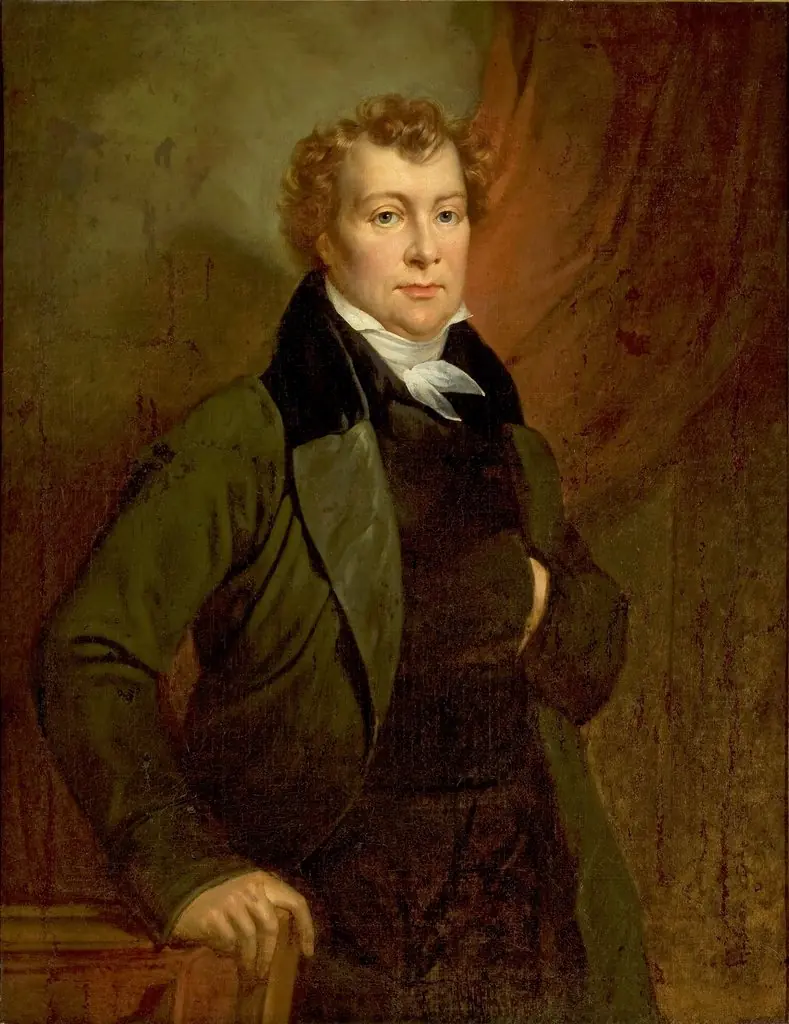 Portrait of Ludwik Osiński
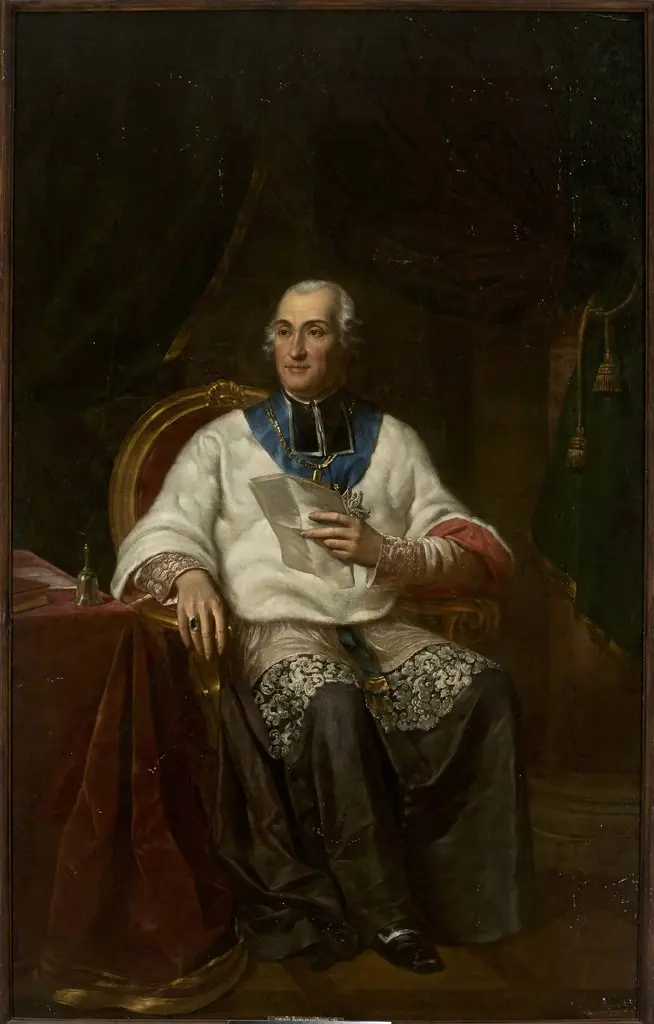 Portrait of Adam Krasiński (1714–1800), bishop of Kamieniec
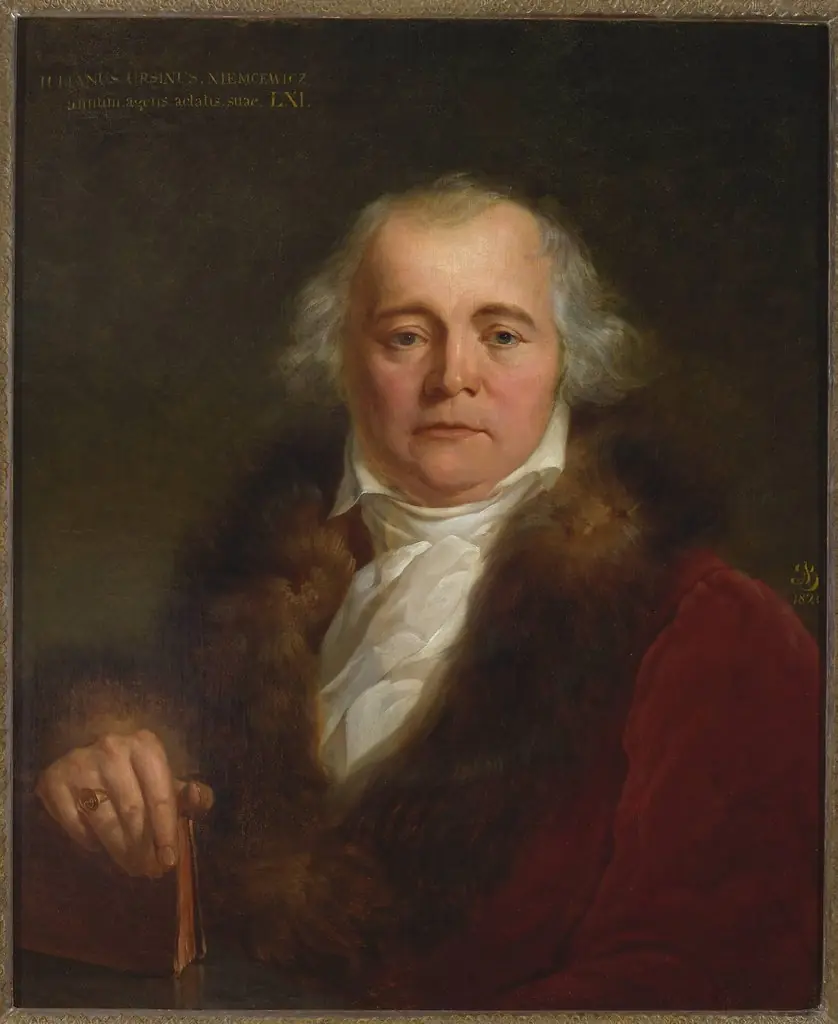 Portrait of Julian Ursyn Niemcewicz
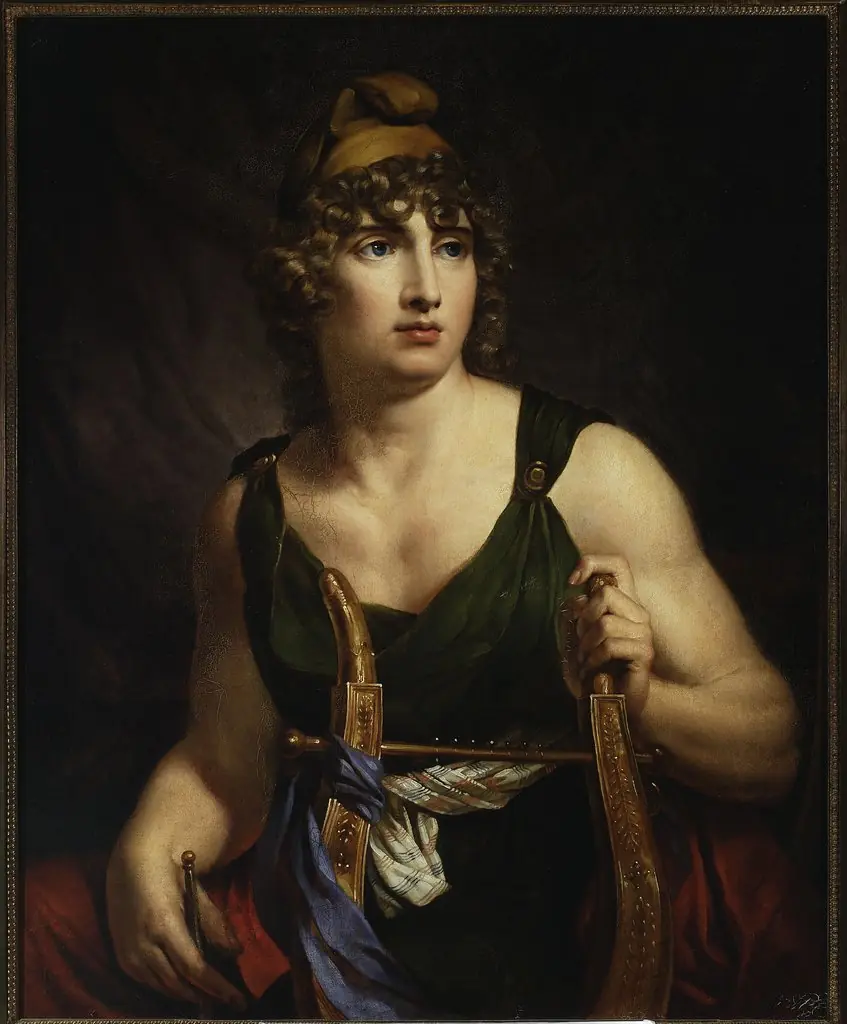 Paris in the Phrygian cap
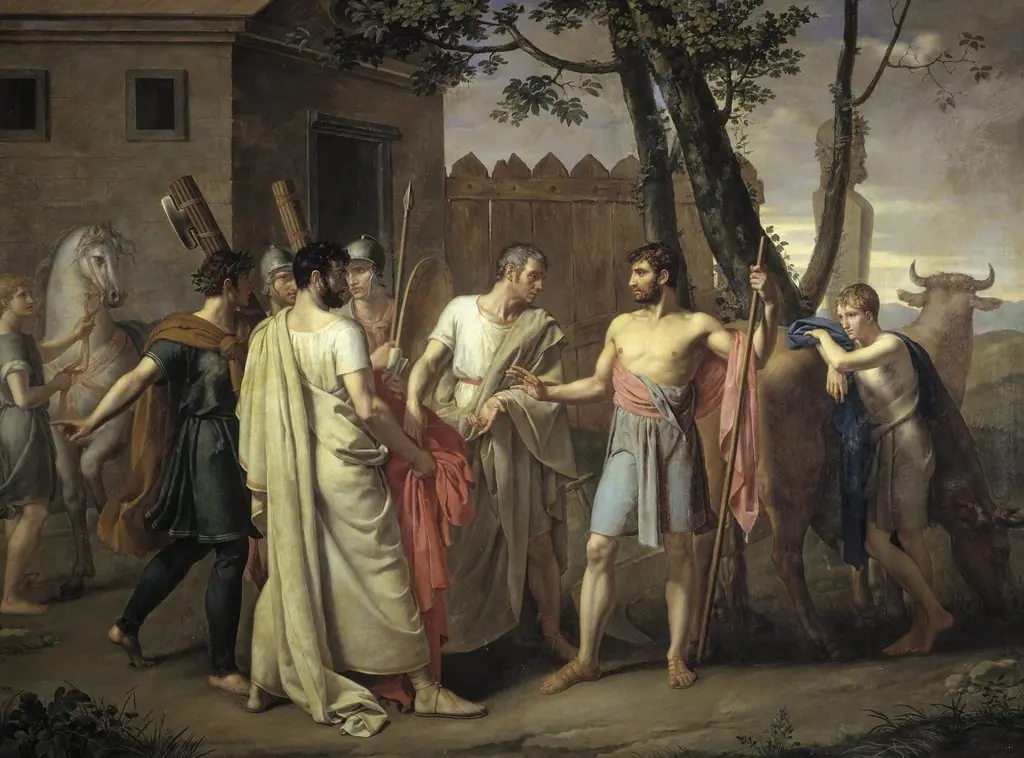 Cincinnatus abandons the Plough to dictate Laws to Rome
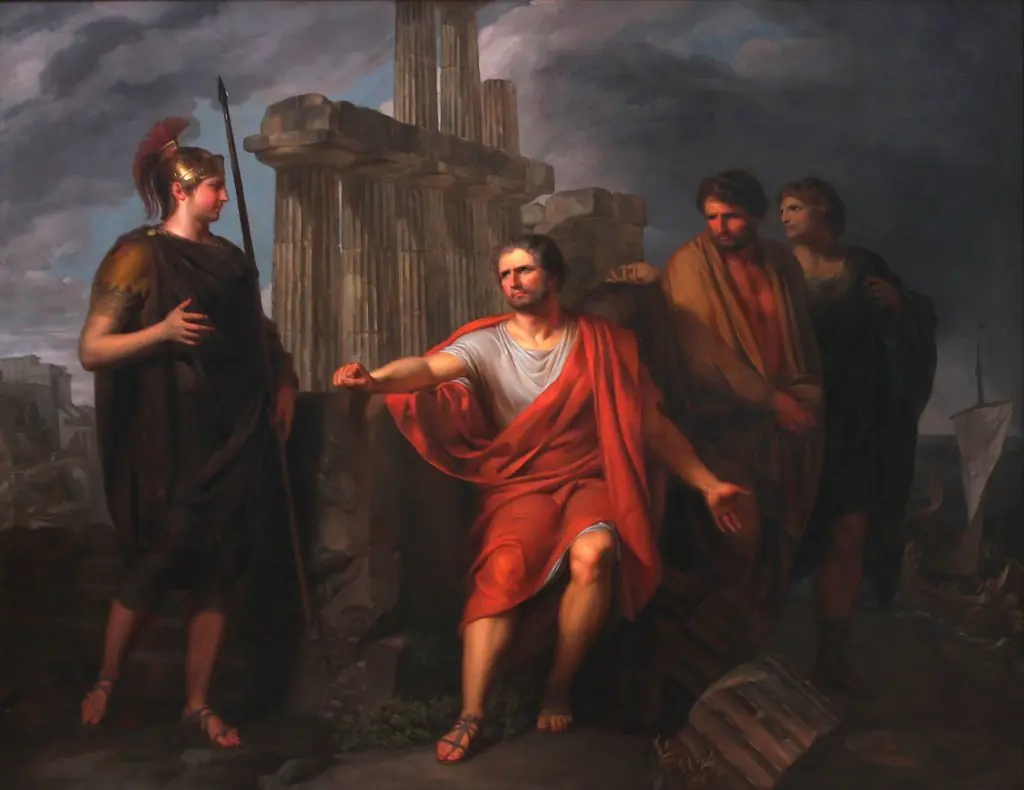 Marius on the ruins of Carthage
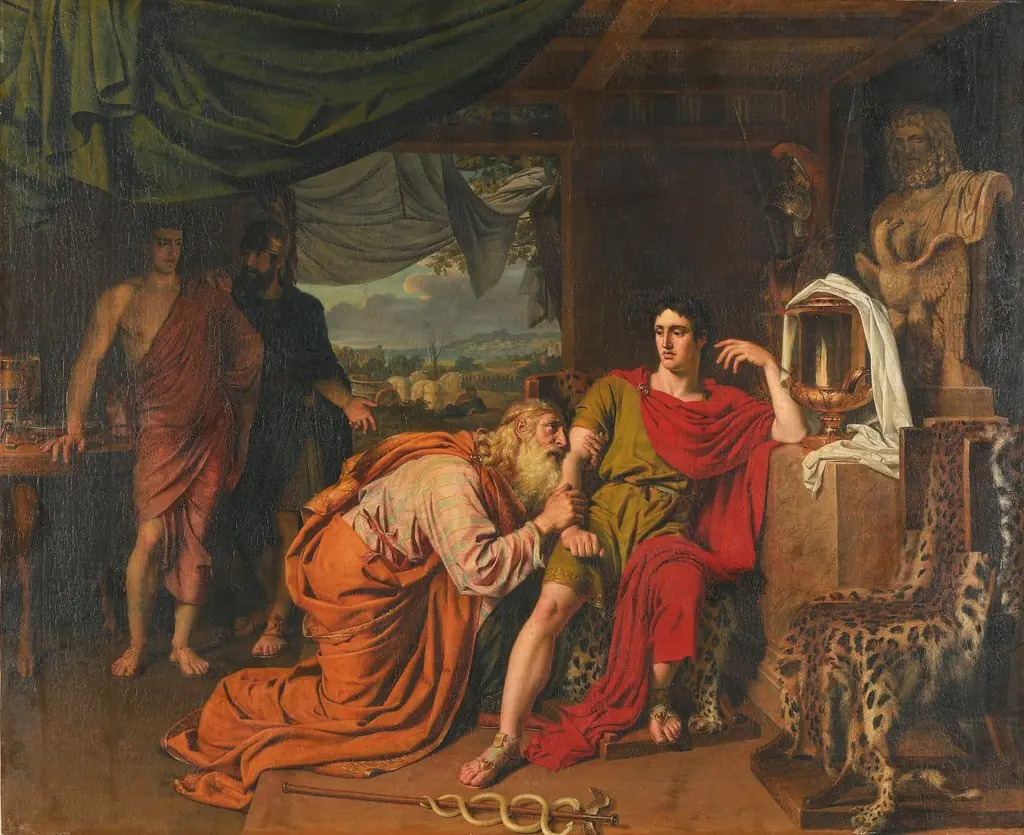 Priam asks Achilles to return Hector's body
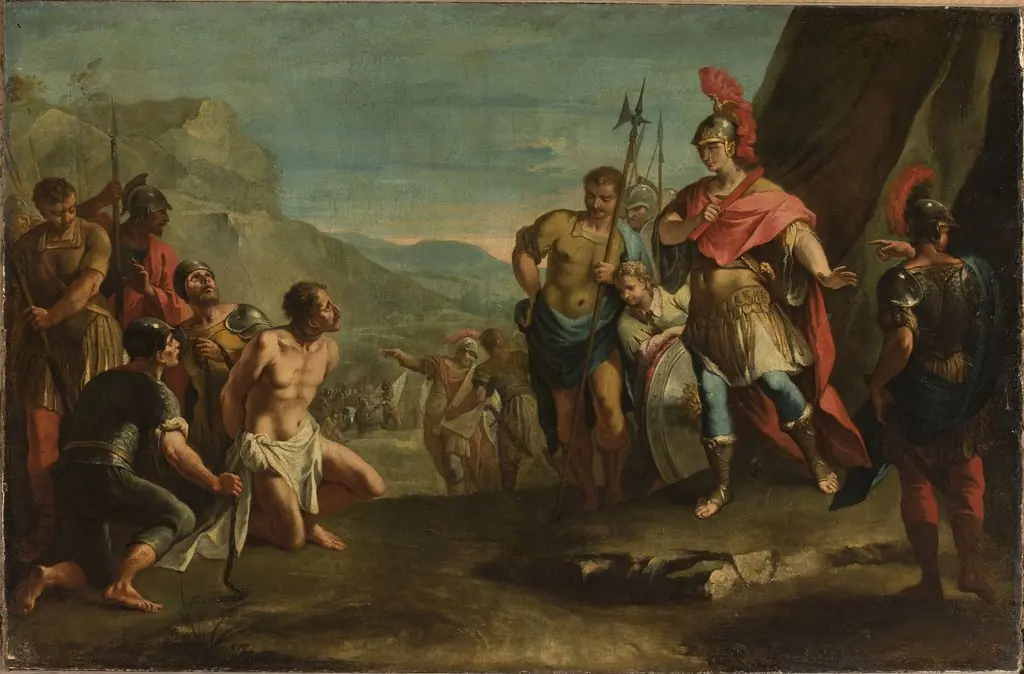 Killer of Darius before Alexander (King Porus and Alexander the Great)
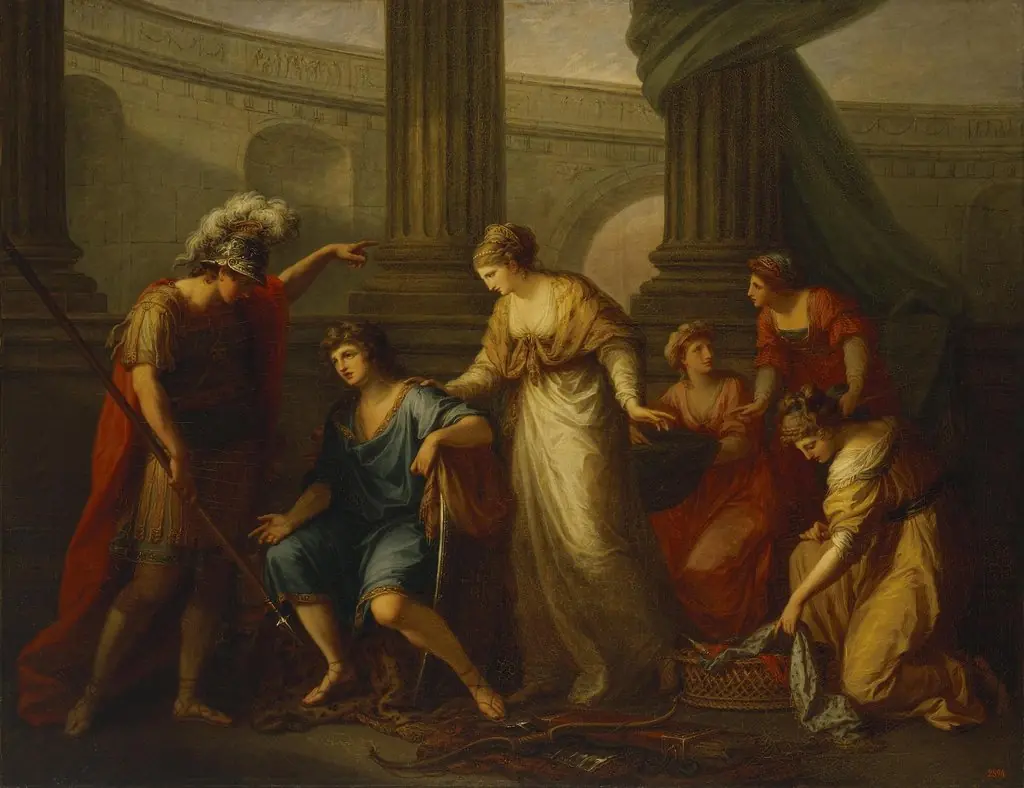 Hector Calling Up Paris to a Battle
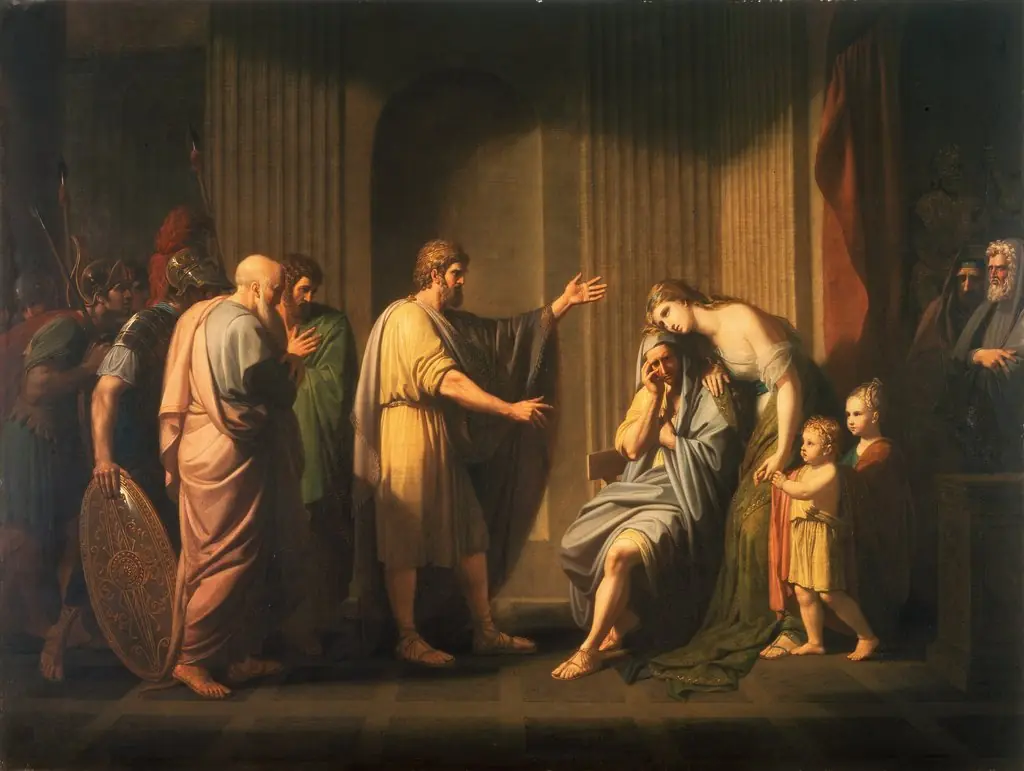 Cleombrotus Ordered into Banishment by Leonidas II, King of Sparta
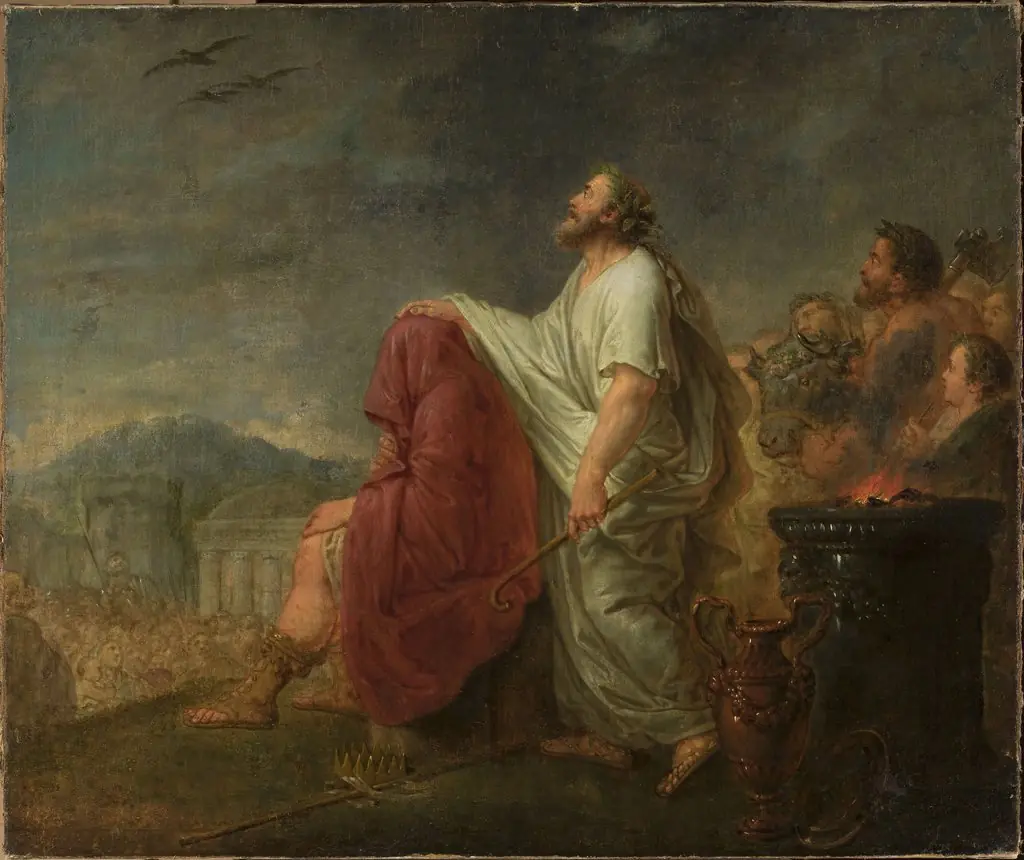 Ancient scene of sacrifice
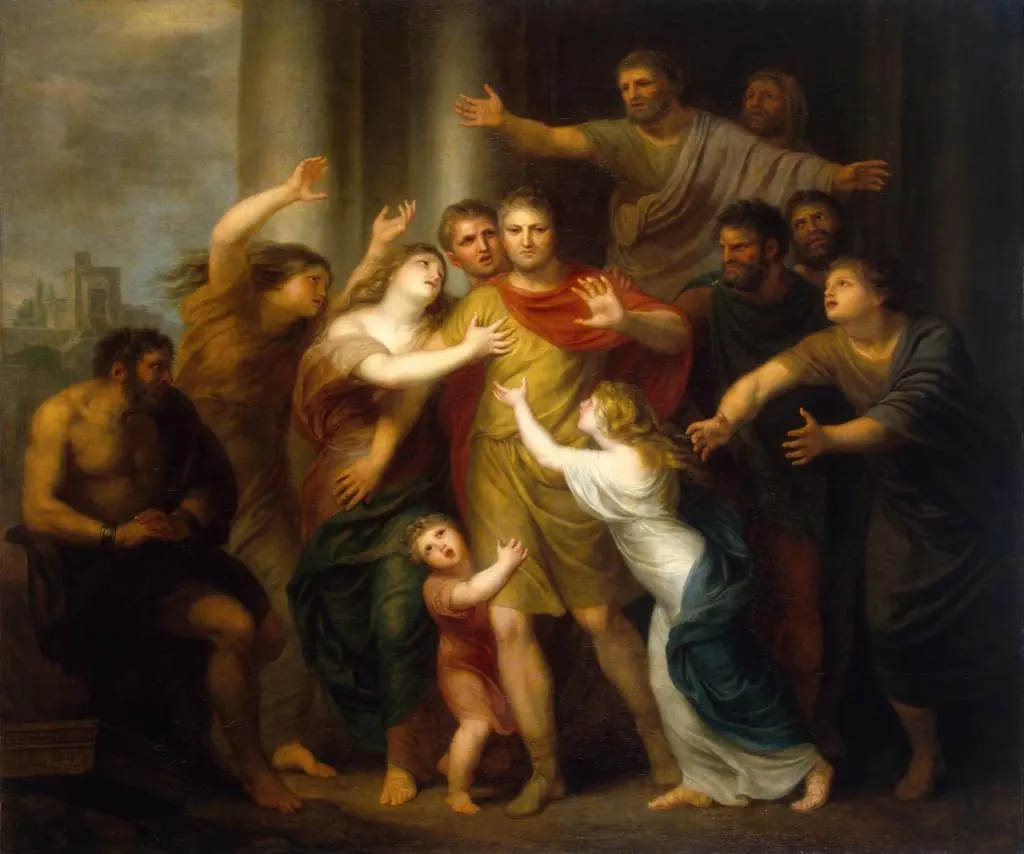 Regulus Returning to Carthage
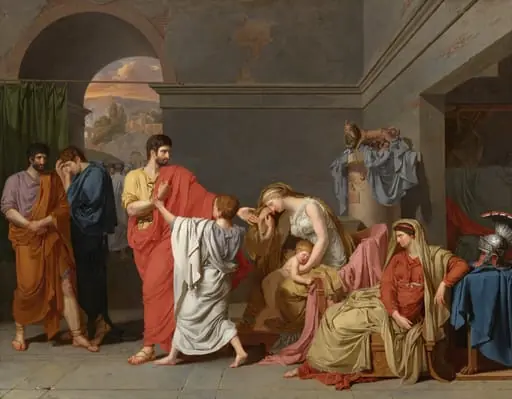 Coriolanus Taking Leave of his Family
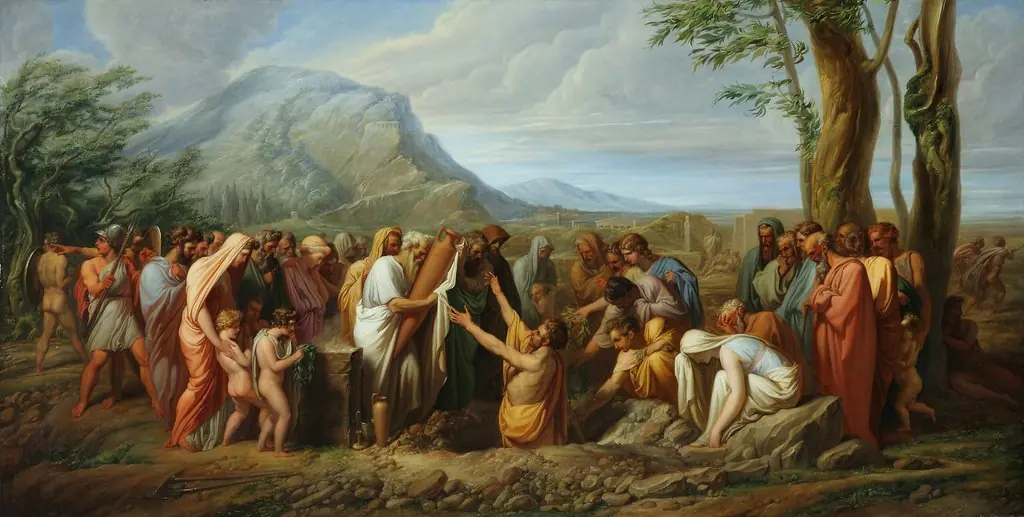 Sepoltura delle ceneri di Temistocle nella terra attica
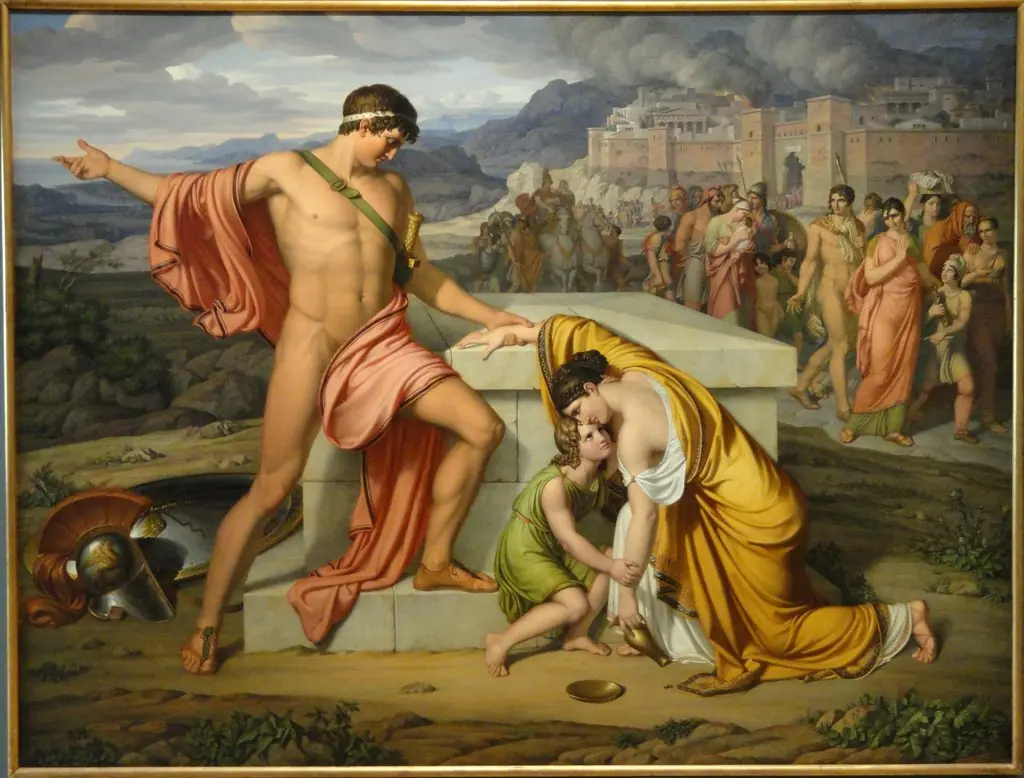 Pyrrhus and Andromache at Hector's Tomb
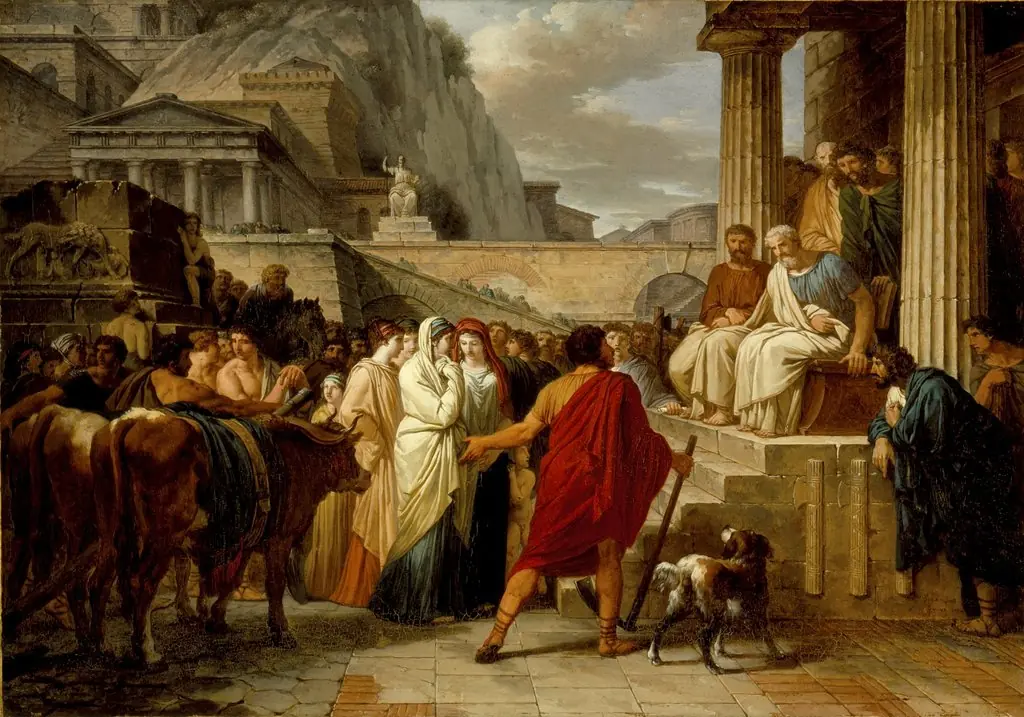 Caius Furius Cressinus Accused of Sorcery