Artwork
Marius on the ruins of Carthage
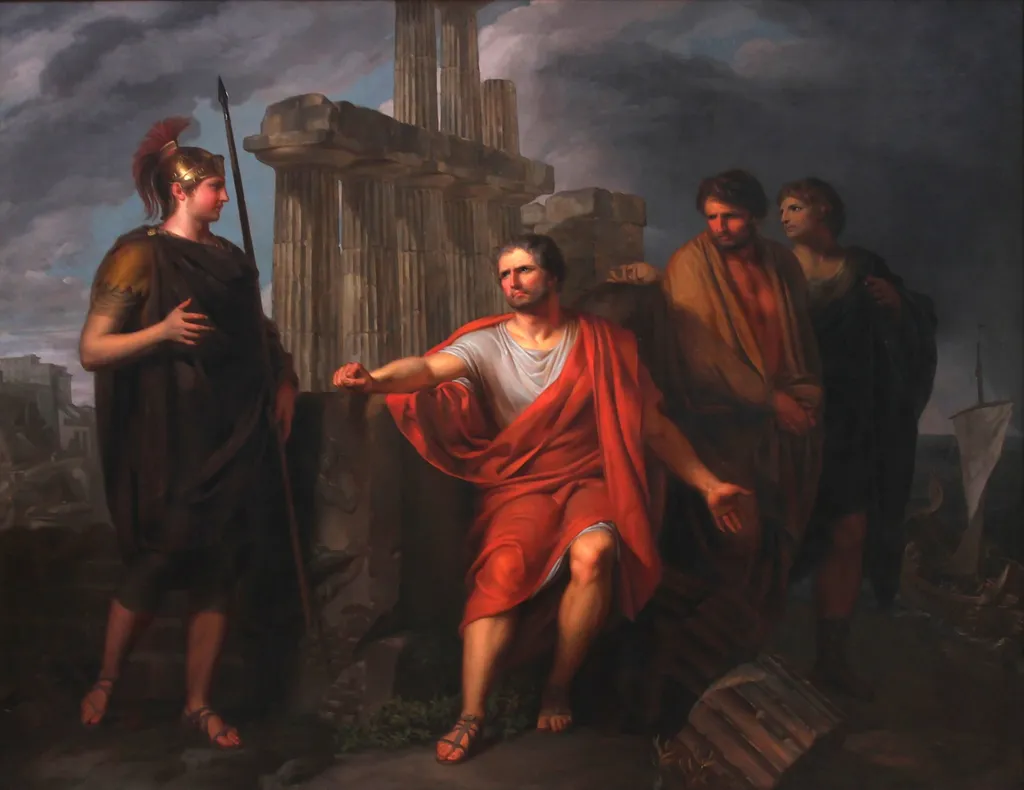
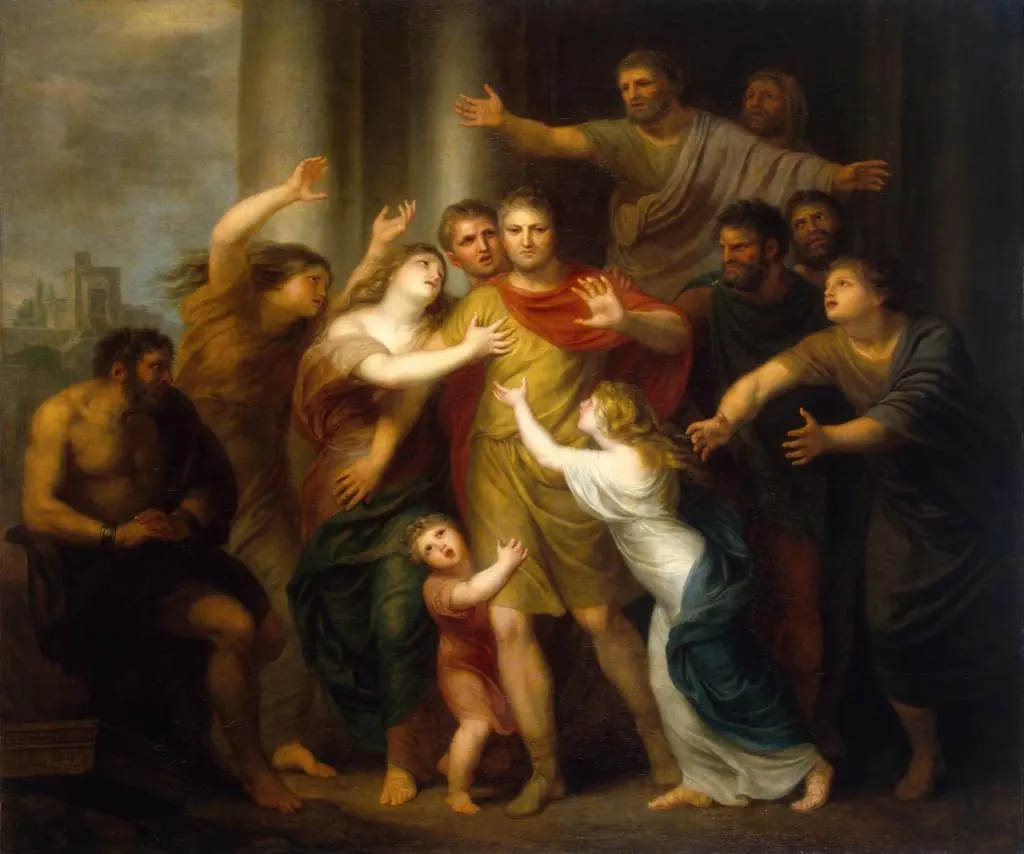
Marius on the ruins of Carthage is an oil painting by the Neoclassicist artist Pierre Joseph Célestin François. It dates from 1796 and is held in the collection of the Royal Museums of Fine Arts of Belgium.
About this work
Overview
It shows the exiled Roman general Gaius Marius seated among the ruins of Carthage, surrounded by companions.
Painted in 1796 by Pierre Joseph Célestin François, a Belgian artist known for historical and miniature subjects, this oil on canvas work depicts a moment from Roman history. It shows the exiled Roman general Gaius Marius seated among the ruins of Carthage, surrounded by companions. The painting is part of the Royal Museums of Fine Arts of Belgium’s collection and reflects the Neoclassical interest in moral and historical narratives from antiquity.
Subject & Meaning
The scene captures Marius, a Roman consul driven into exile after political defeat, contemplating the fallen city of Carthage. His gesture toward the ruins suggests reflection on the impermanence of power and the fate of empires. The figures around him, including a soldier in armor, appear attentive, reinforcing the moment as one of solemn contemplation rather than action. The subject aligns with Enlightenment-era themes of virtue, loss, and the cyclical nature of history.
Technique & Style
François employed Neoclassical conventions: clear forms, restrained emotion, and architectural precision. Chiaroscuro models the central figure, isolating him against the dim ruins and overcast sky. The red robe of Marius draws visual focus, contrasting with muted tones in the background. Figures are arranged in a stable, sculptural composition, emphasizing dignity and gravity over movement. The brushwork is controlled, favoring clarity over expressive texture.
History & Provenance
Created in 1796 during the height of Neoclassicism’s influence in Europe, the painting entered the collection of the Royal Museums of Fine Arts of Belgium, where it remains today. François, active in the Southern Netherlands, produced works for public and private patrons interested in classical themes. While not widely exhibited beyond institutional circles, the painting reflects the cultural appetite for historical allegory in the post-Revolutionary era.
Context
The painting emerged during a period when European intellectuals and artists turned to ancient Rome as a model for civic virtue and political reflection. The fall of Carthage, a symbol of total defeat, resonated with contemporary anxieties about revolution and the fragility of power. François’s choice of Marius—a figure who endured exile yet retained dignity—offered a quiet meditation on resilience amid collapse.
Legacy
Though François is not among the most widely recognized Neoclassical painters, this work exemplifies the movement’s engagement with moral history through restrained composition and symbolic setting. The painting contributes to a broader 18th-century discourse on empire, memory, and the lessons of antiquity. It endures as a quiet, thoughtful artifact of its time, valued more for its historical resonance than for public fame.
Own this work as a print
Artist & collection
Artist
Pierre Joseph Célestin François
Pierre Joseph Célestin François or Joseph François (29 March 1759 - 13 March 1851) was a history, genre and miniature painter and etcher from the Southern Netherlands.

Museum
Royal Museums of Fine Arts of Belgium
Continue through works from the same source collection.
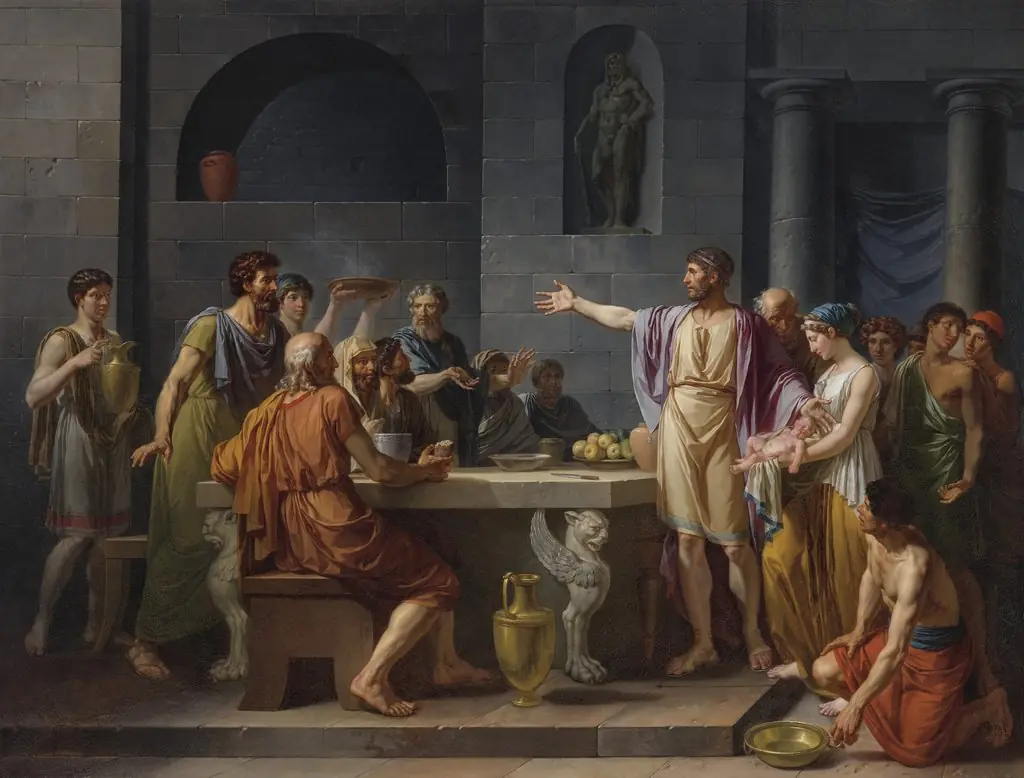 The Magnanimity of Lycurgus
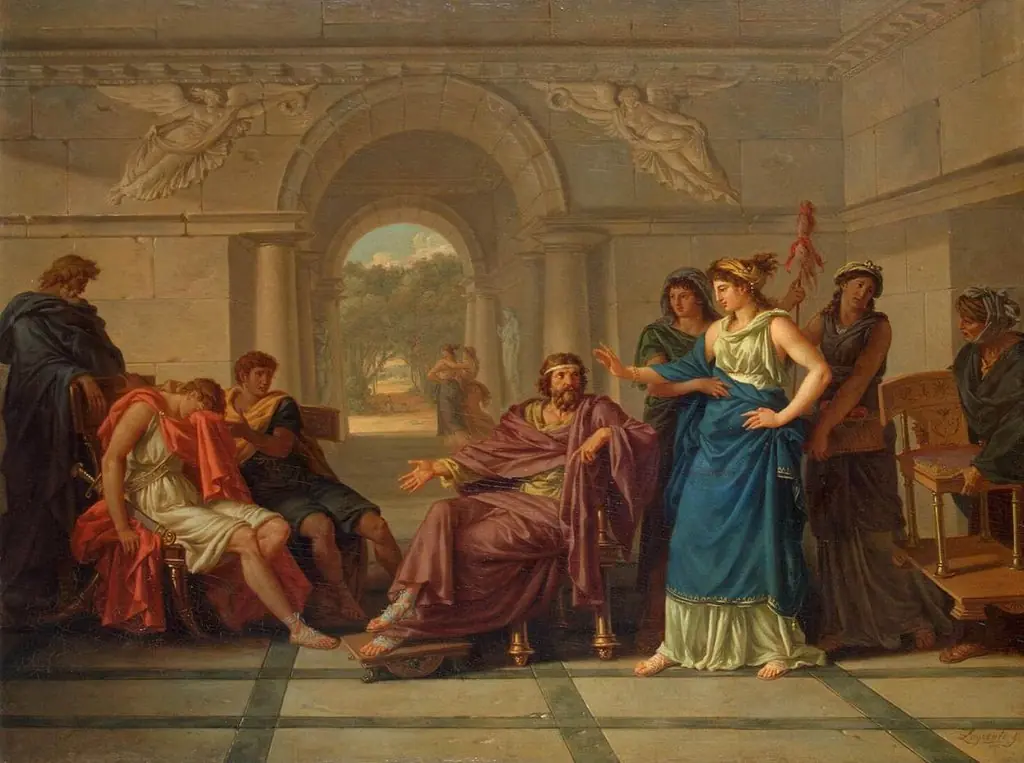 Helen Recognising Telemachus, Son of Odysseus
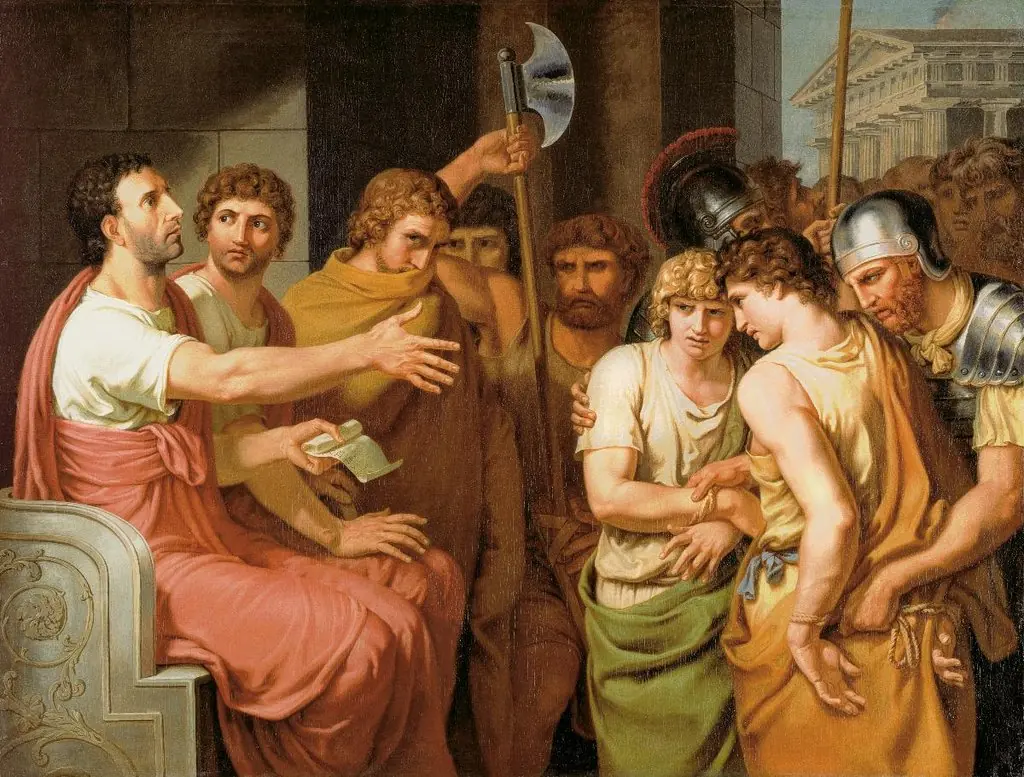 Brutus entdeckt die Namen seiner Söhne auf der Liste der Verschwörer und verurteilt sie zum Tode
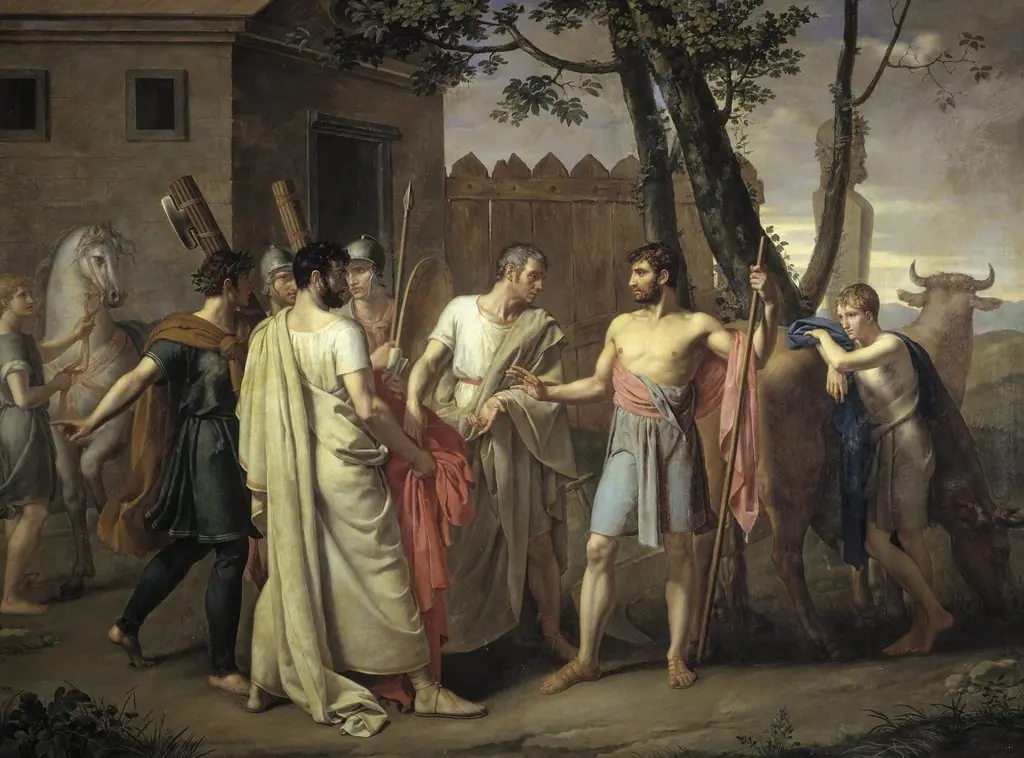 Cincinnatus abandons the Plough to dictate Laws to Rome
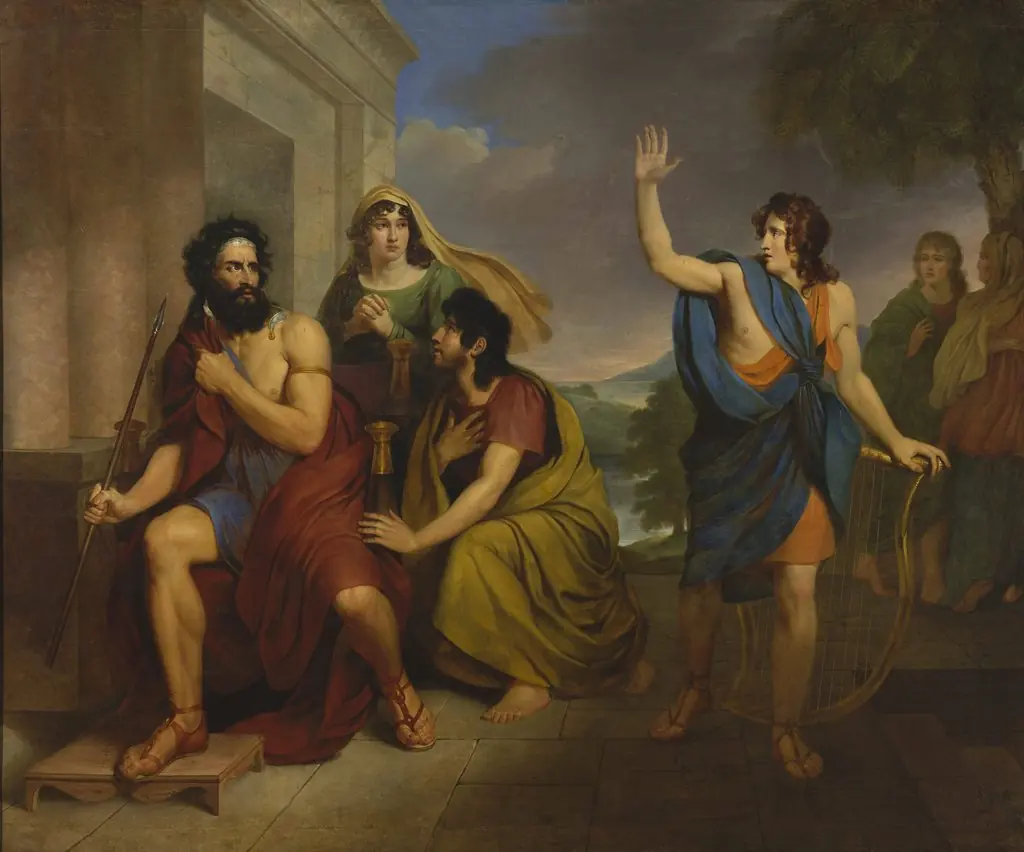 Saul’s anger at David
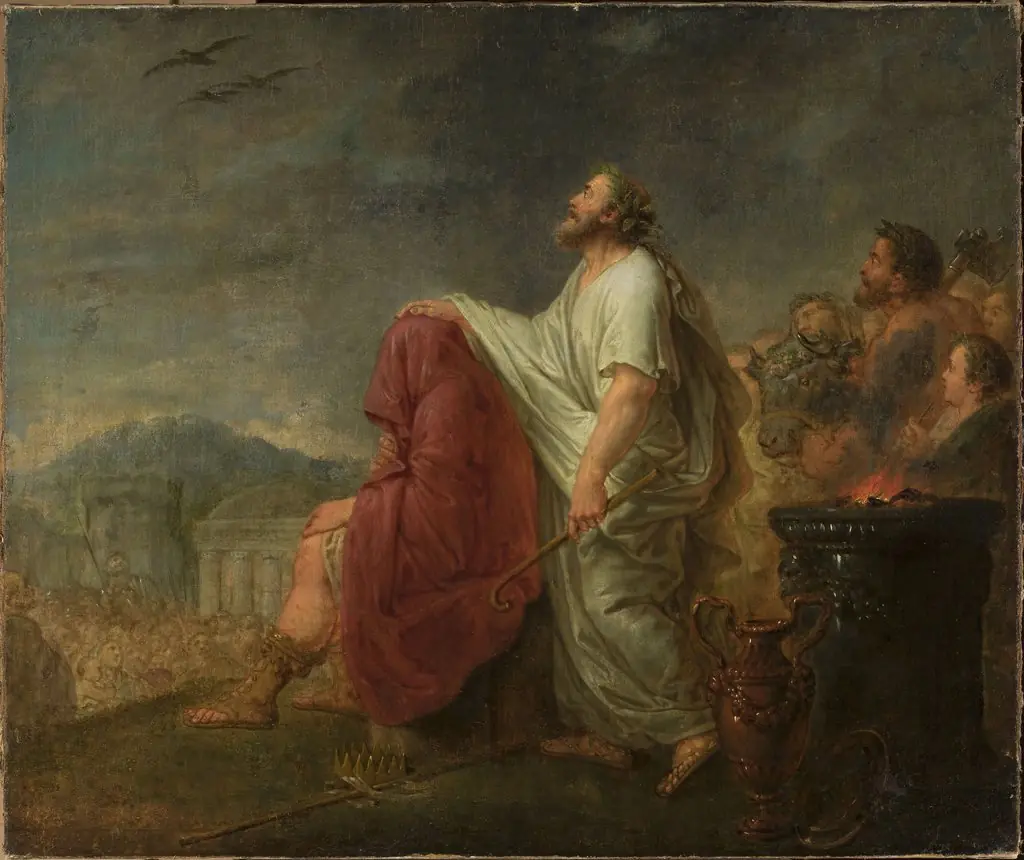 Ancient scene of sacrifice
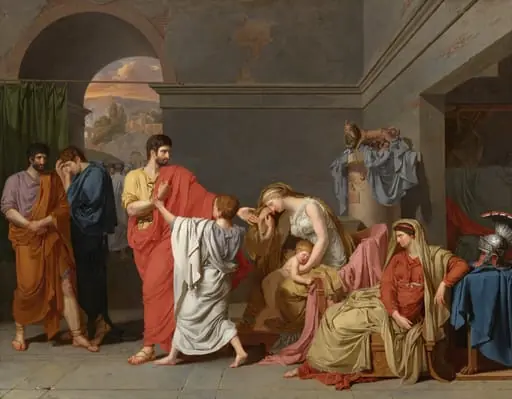 Coriolanus Taking Leave of his Family
 Caius Furius Cressinus Accused of Sorcery
 Pyrrhus and Andromache at Hector's Tomb
 Alexander den Store på sygelejet
 Virgil Reading the "Aeneid" to Augustus, Octavia, and Livia
 Regulus Returning to Carthage