Artwork
The Death of St Anthony the Hermit
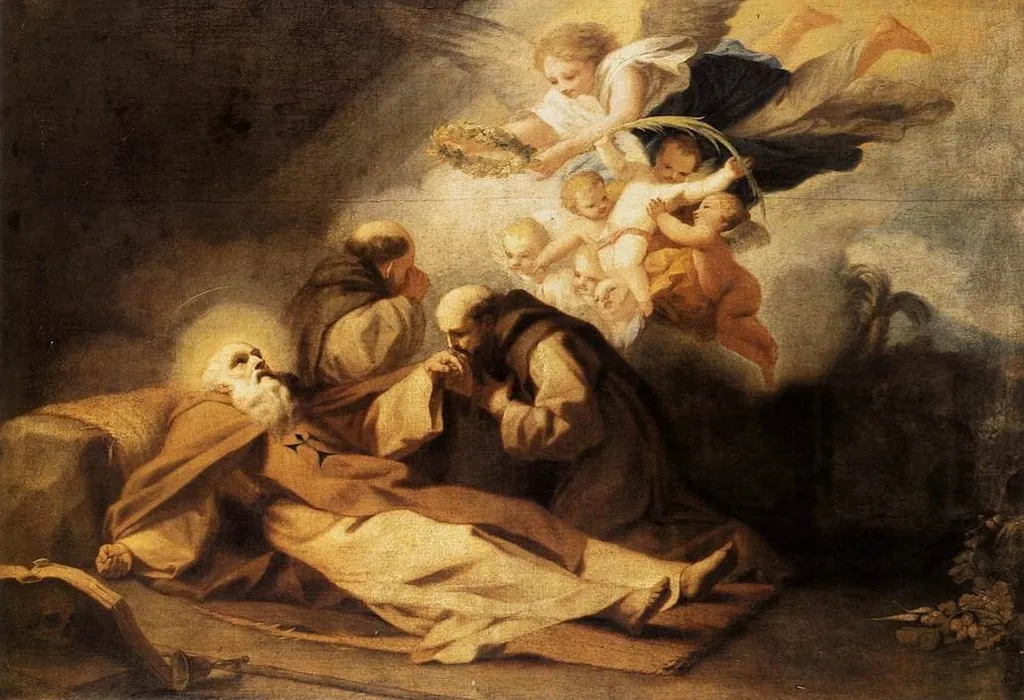
The Death of St Anthony the Hermit is an oil painting by the Rococo painting artist Antoni Viladomat i Manalt. It dates from 1750 and is held in the collection of the Museum of Fine Arts, Budapest.
About this work
Overview
Painted around 1750 by the Spanish artist Antoni Viladomat i Manalt, this oil-on-canvas work portrays the passing of Saint Anthony the Hermit.
Painted around 1750 by the Spanish artist Antoni Viladomat i Manalt, this oil-on-canvas work portrays the passing of Saint Anthony the Hermit. Executed in the late Baroque period with Rococo sensibilities, the painting is part of the Museum of Fine Arts, Budapest’s collection. It reflects a devotional tradition common in monastic communities, emphasizing spiritual transition over dramatic spectacle.
Subject & Meaning
The scene captures the death of Saint Anthony, a foundational Christian ascetic whose life exemplified solitude and piety. His reclining form, haloed and book-clad, signifies the culmination of a life devoted to prayer and scripture. Surrounding figures—monks in quiet mourning and celestial beings bearing palm fronds—underscore his sanctity and the hope of heavenly reward, aligning with hagiographic accounts of his peaceful end.
Technique & Style
Viladomat employs soft, diffused lighting and a restrained palette of earth tones to cultivate a hushed, reverent mood. The composition directs attention to the saint’s still form through balanced groupings of figures and a warm, luminous background. Delicate brushwork renders fabric and skin with subtle texture, while the floating angels are rendered with lightness, contrasting the grounded solemnity of the monks below.
History & Provenance
The painting was likely commissioned for a religious institution in Catalonia, where Viladomat was active. It entered the Budapest collection in the 19th century, possibly through European art transfers or ecclesiastical sales following secularization. Its survival intact suggests it was valued as a devotional object before becoming part of a public museum’s historical holdings.
Context
In mid-18th century Spain, religious imagery remained central to artistic production, even as stylistic trends shifted toward lighter, more decorative forms. Viladomat’s work bridges the solemnity of Baroque piety with the gentler aesthetics of Rococo, reflecting a broader trend in Catalan monastic art where emotional restraint and spiritual serenity were prioritized over theatricality.
Legacy
Though not widely known outside regional collections, the painting exemplifies the quiet devotional mode practiced by Catalan artists in the decades before Enlightenment reforms. Its preservation in Budapest highlights the transnational circulation of religious art in Europe, offering insight into how local spiritual traditions were visually codified and transmitted across borders.
Artist & collection
Artist
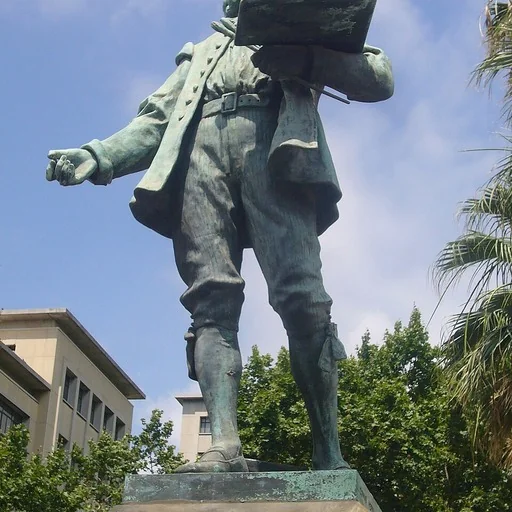
Antoni Viladomat i Manalt (20 March 1678 in Barcelona, Spain – 22 January 1755 in Barcelona, Spain) was a Spanish painter in the Baroque style.

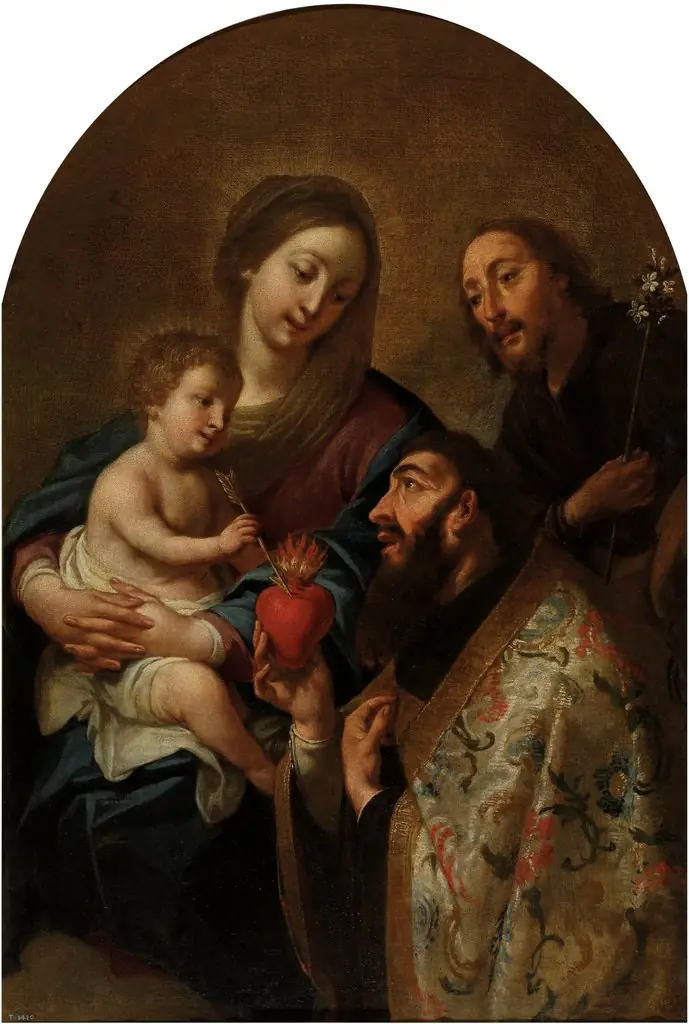 The Holy Family with Saint Augustine
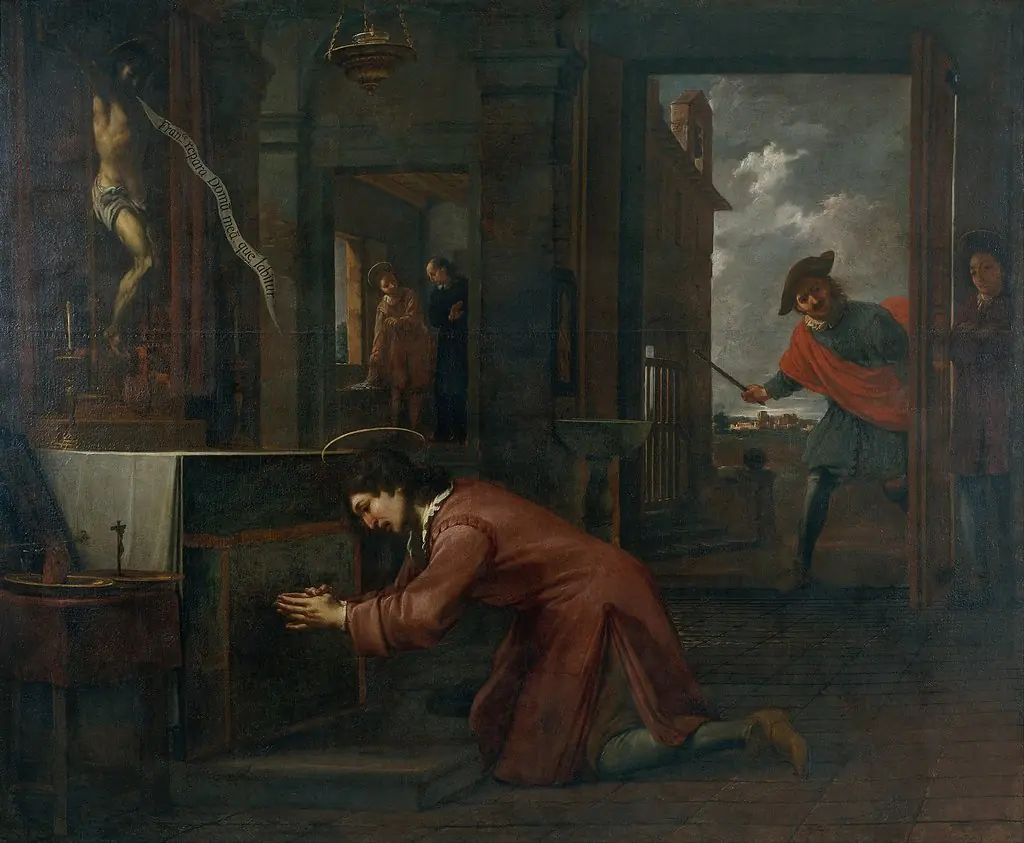 Saint Francis Receives the Order from the Crucifix at Saint Damian to Repair the House of God
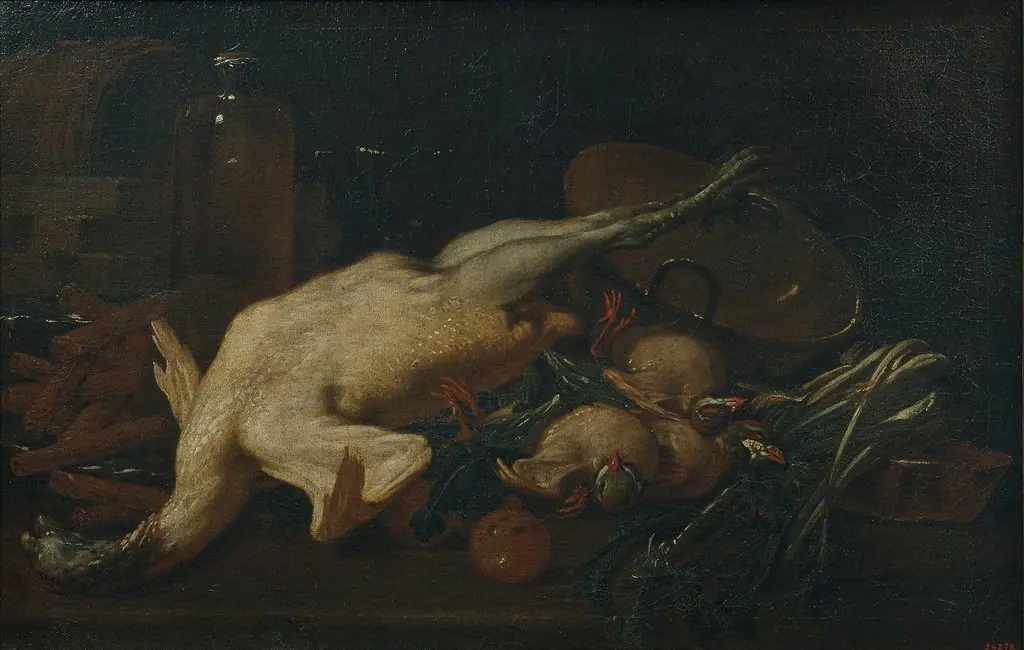 Still Life with Vegetables, Turkey, other Fowl and Wafers
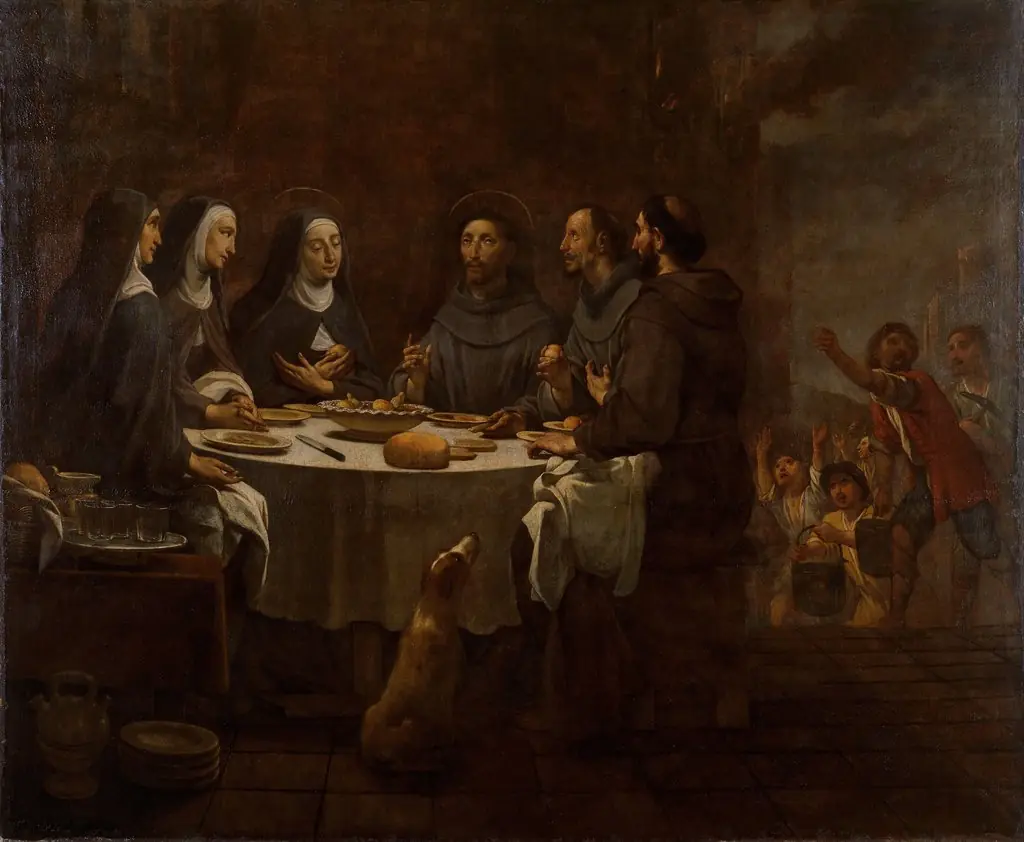 Saint Francis and Saint Clare at Supper in the Convent of Saint Damian
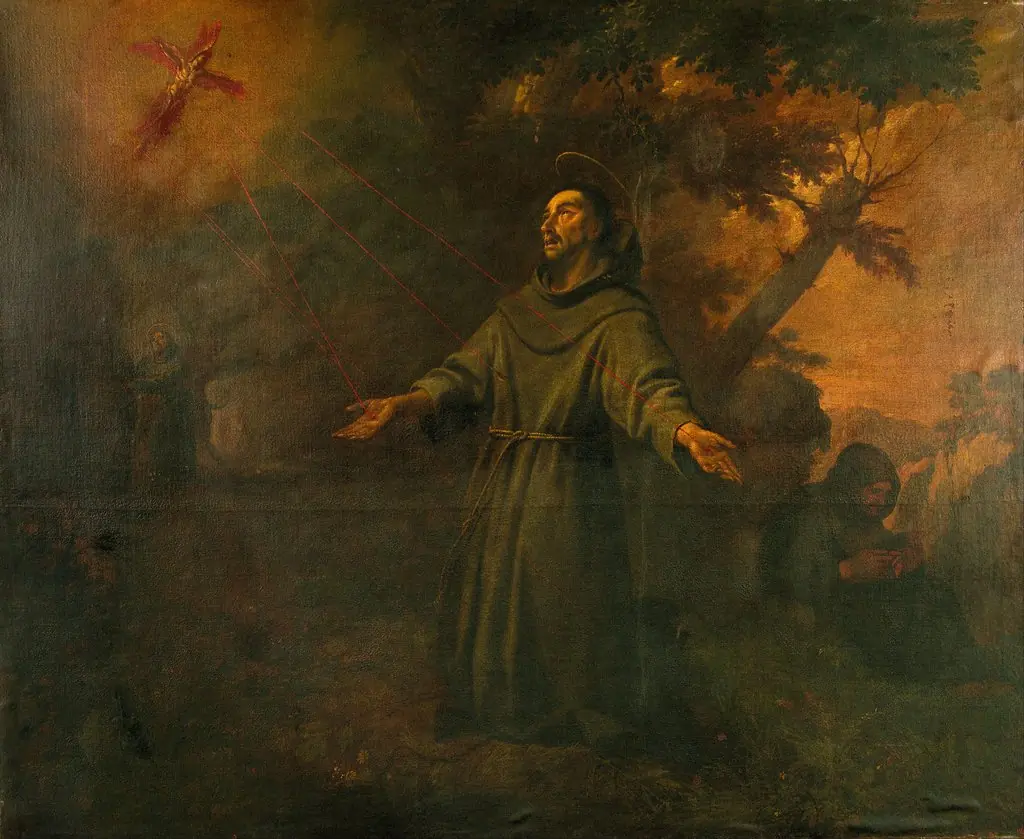 Saint Francis Receives the Stigmata
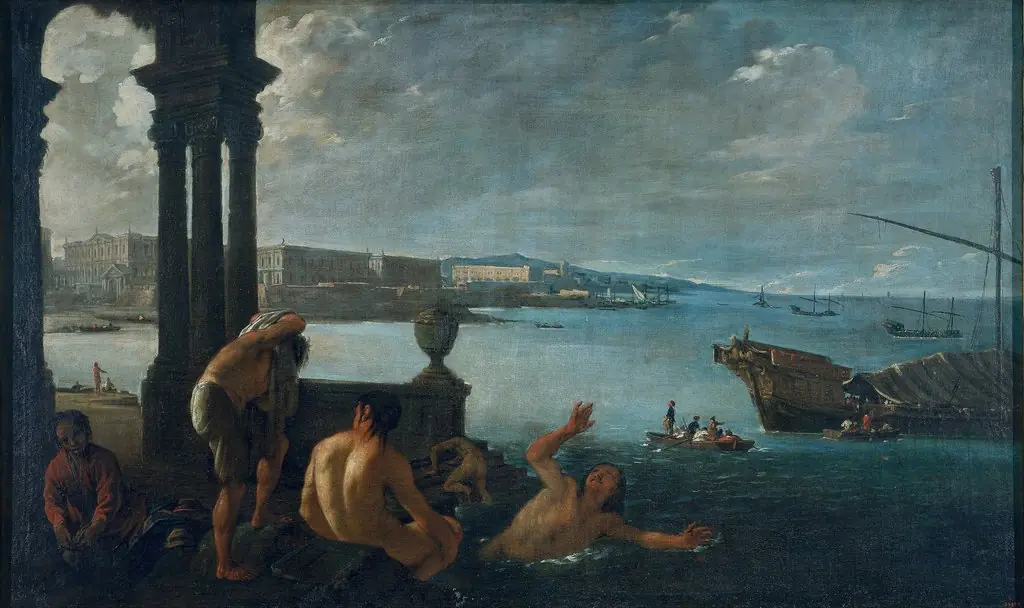 Summer
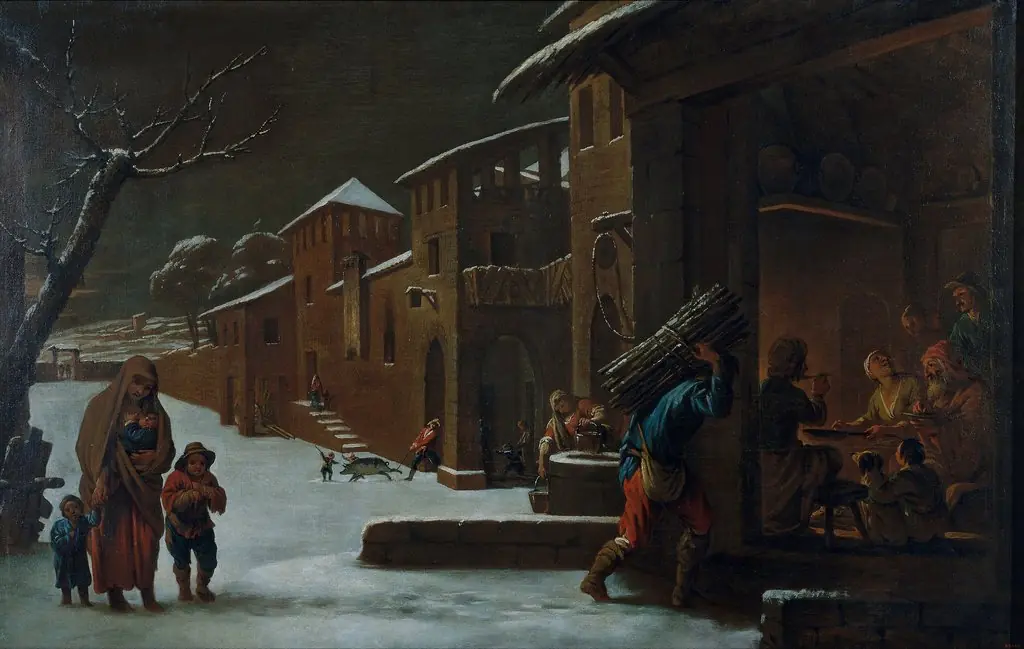 Winter
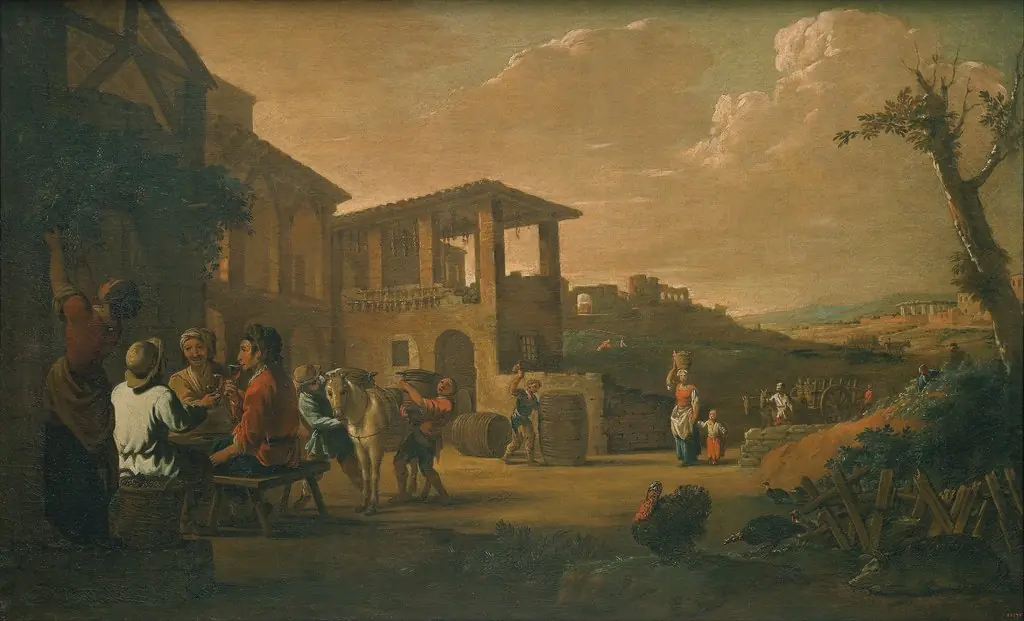 Autumn
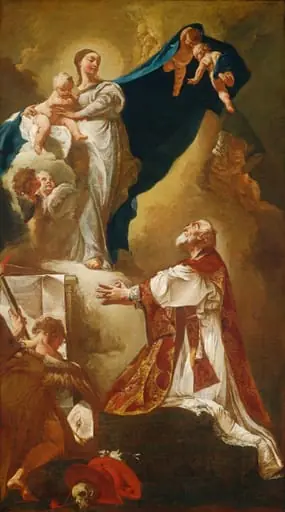 Madonna and Child Appearing to Saint Philip Neri
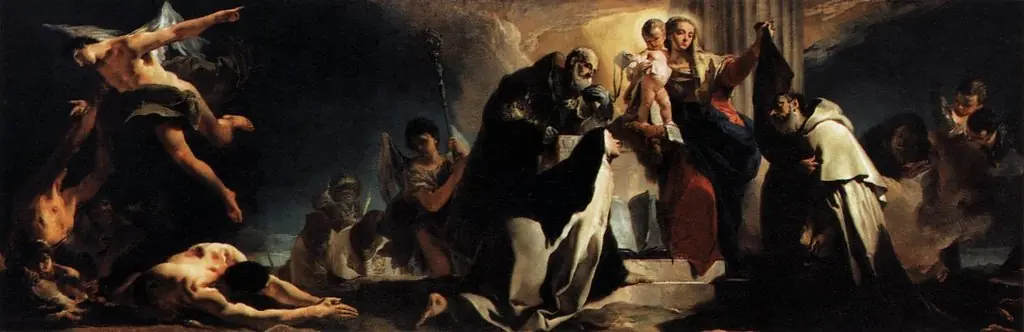 The Madonna of Carmel and the Souls of the Purgatory
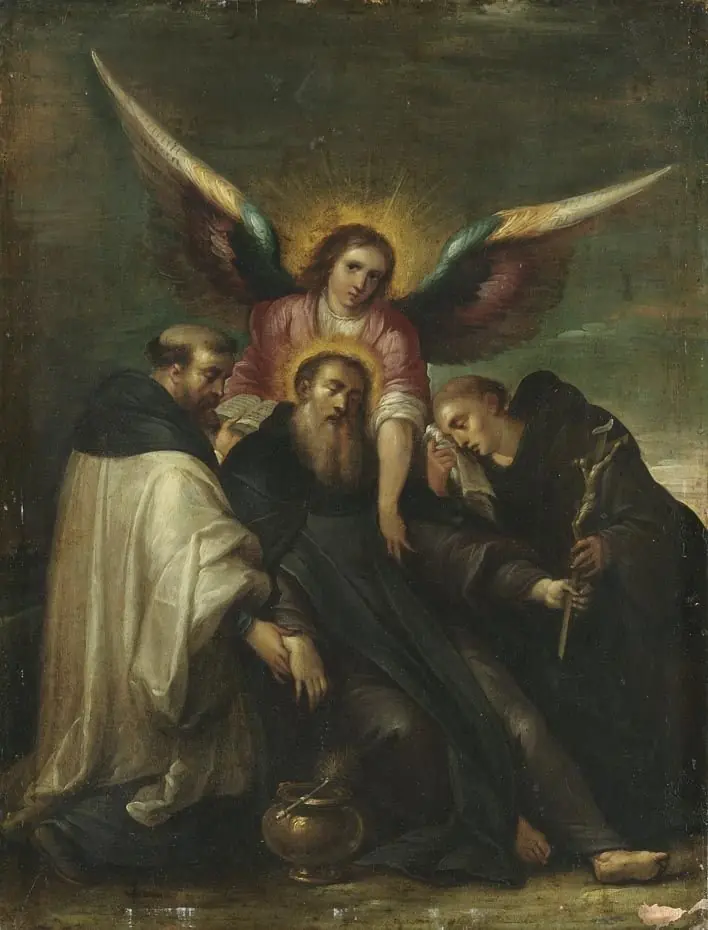 Tod des hl. Benedikt (zugeschrieben)
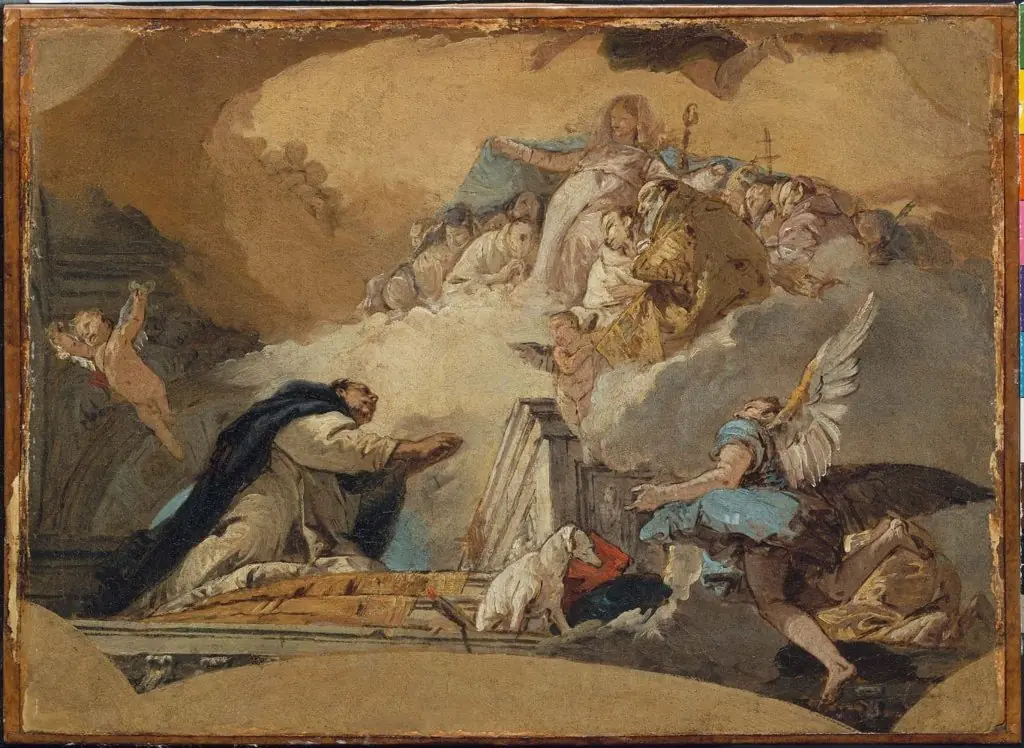 The Virgin Receiving the Prayers of Saint Dominic
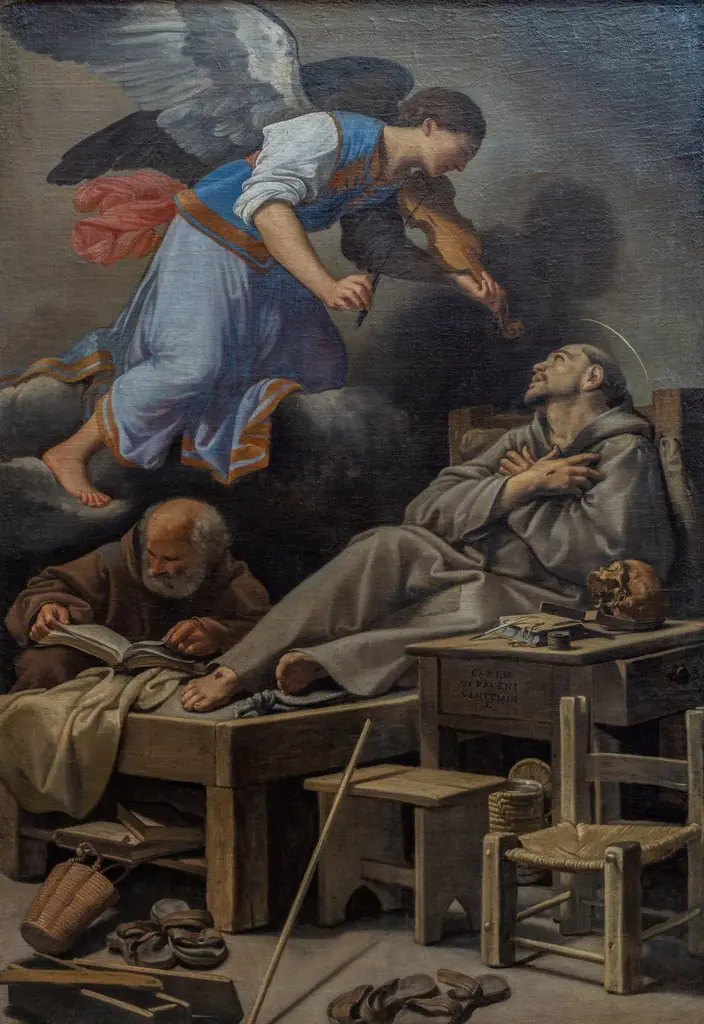 Vision of Saint Francis
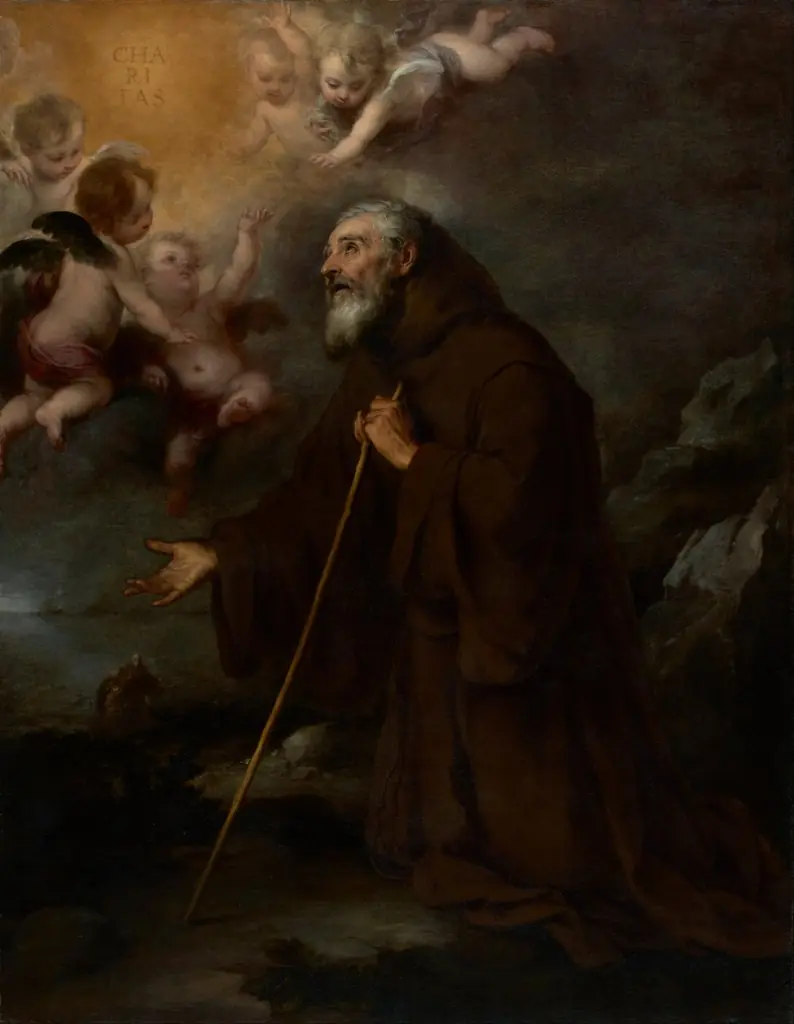 The Vision of Saint Francis of Paola
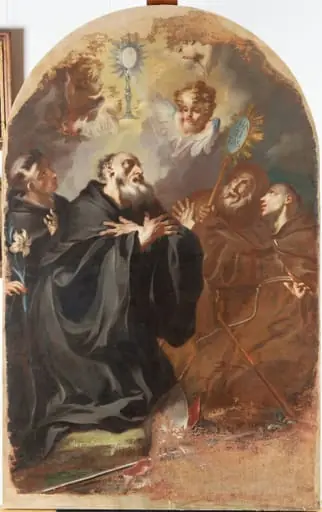 Heilige, die eine Monstranz anbeten
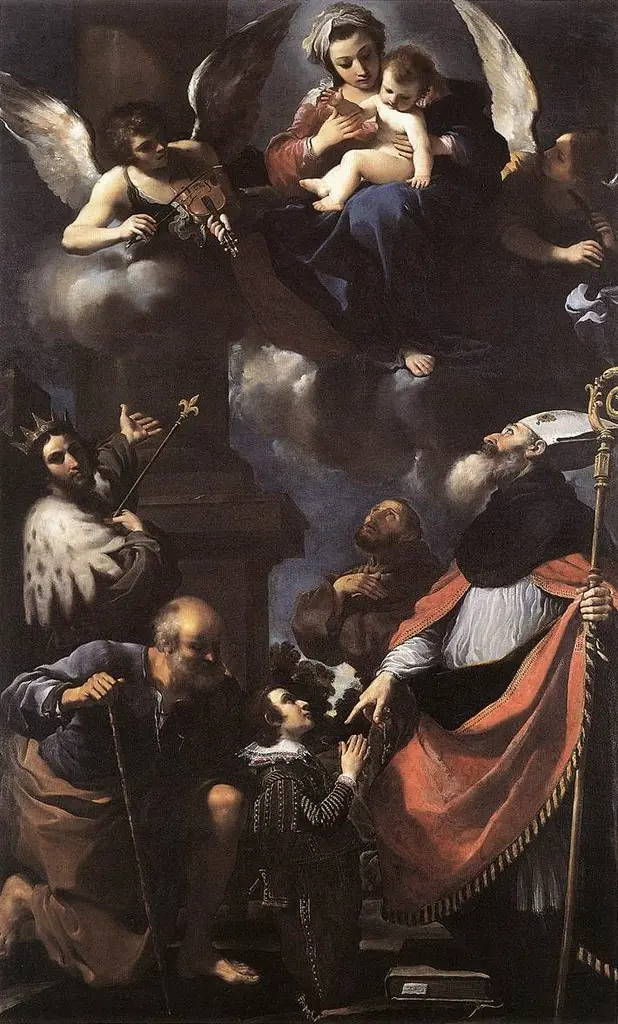 A Donor Presented to the Virgin
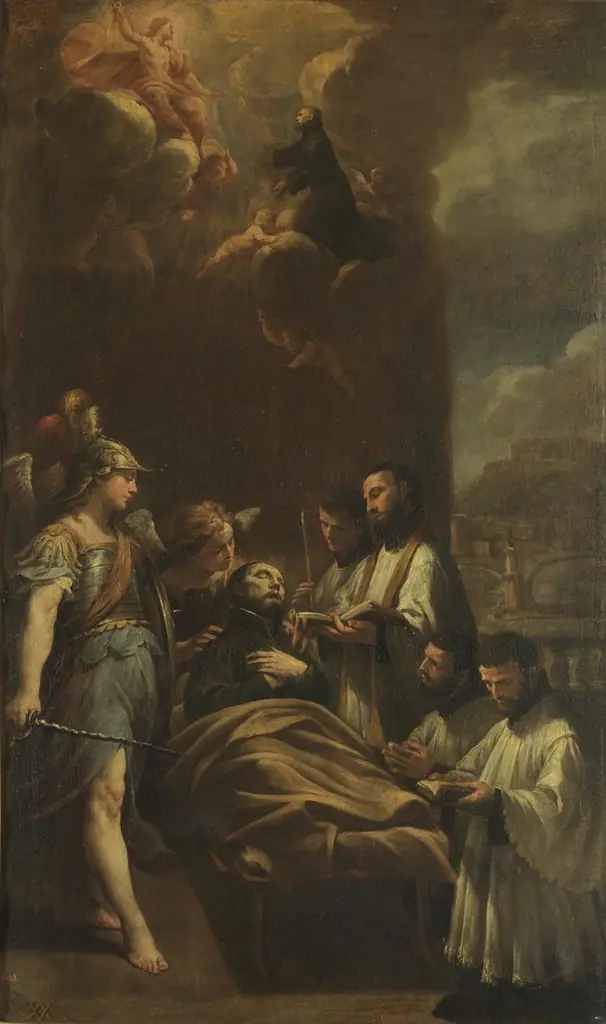 La muerte de San Cayetano
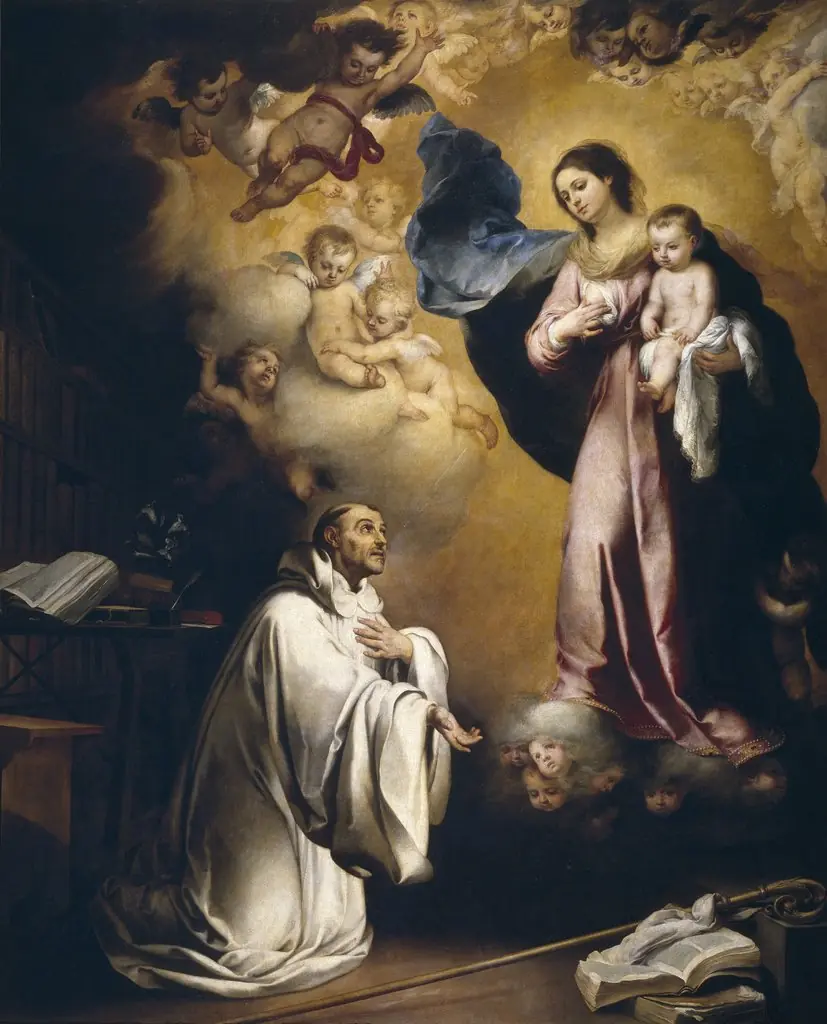 The Apparition of the Virgin to Saint Bernard