Artwork
Saint Francis Receives the Order from the Crucifix at Saint Damian to Repair the House of God
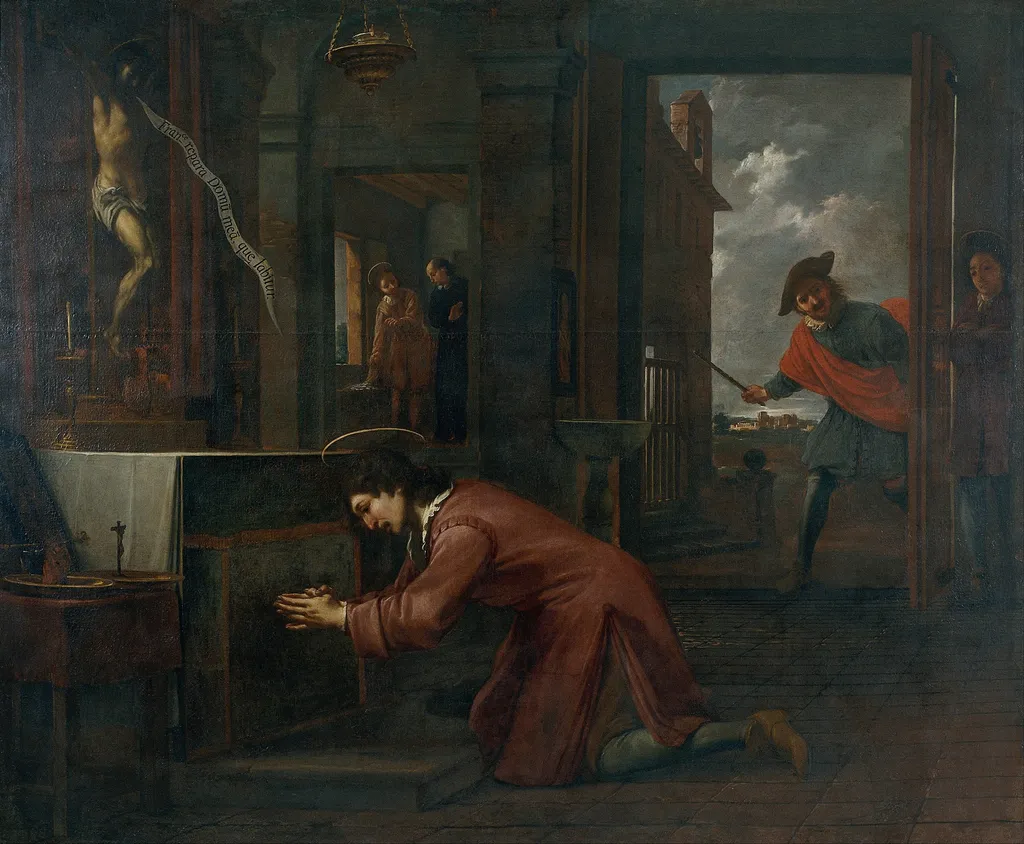
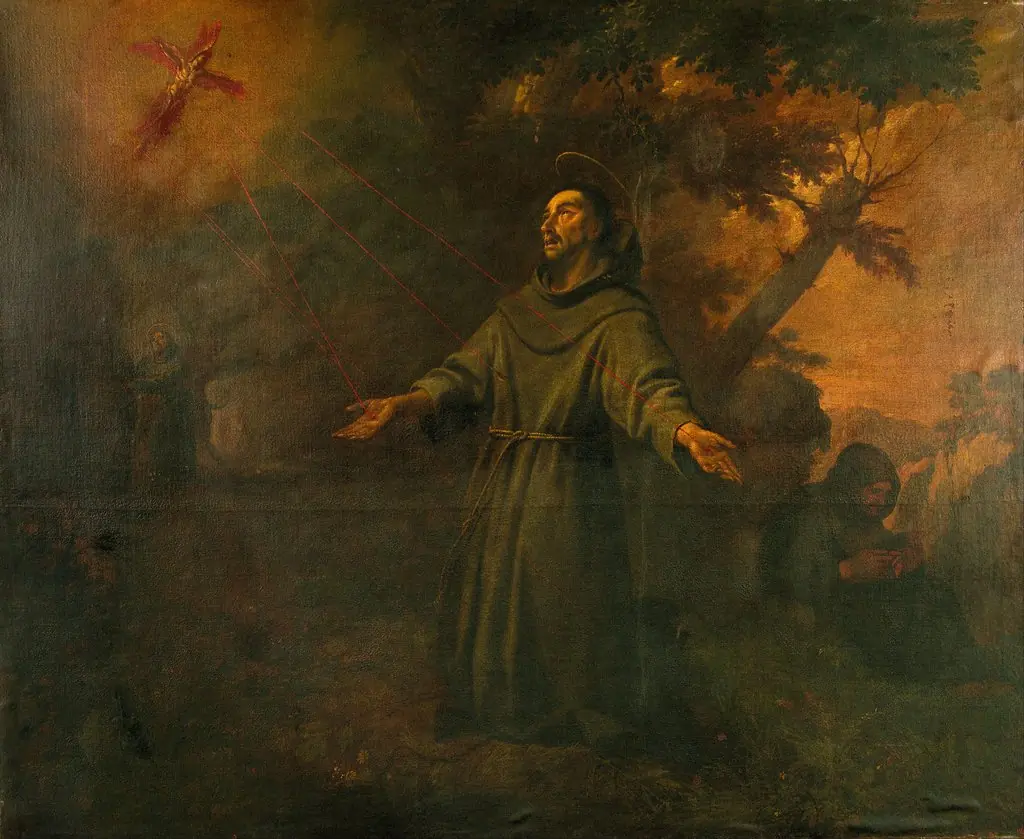
Saint Francis Receives the Order from the Crucifix at Saint Damian to Repair the House of God is an oil painting by the Rococo painting artist Antoni Viladomat i Manalt. It dates from 1750 and is held in the collection of the Museu Nacional d'Art de Catalunya.
About this work
Overview
Painted around 1750 by Antoni Viladomat i Manalt, this oil-on-canvas work captures a pivotal moment in Franciscan spirituality.
Painted around 1750 by Antoni Viladomat i Manalt, this oil-on-canvas work captures a pivotal moment in Franciscan spirituality. Viladomat, active in Barcelona during the transition from Baroque to Rococo, rendered the scene with quiet solemnity. The painting is part of the permanent collection at the Museu Nacional d'Art de Catalunya, where it reflects the devotional priorities of early 18th-century Catalan religious art.
Subject & Meaning
The scene illustrates Saint Francis of Assisi kneeling before a crucifix at the dilapidated church of San Damiano, where he reportedly heard Christ instruct him to 'repair my house.' This moment marked the spiritual origin of the Franciscan order. The painting emphasizes inner revelation over spectacle: Francis’s bowed posture and clasped hands convey humility, while the crucifix, slightly elevated, becomes the source of divine command.
Technique & Style
Viladomat employed chiaroscuro to model form and direct attention toward the central figures. Warm, muted tones—ochres, burnt siennas, and deep reds—anchor the composition, while subtle lighting isolates Francis and the crucifix from the dimly lit background. The figures in the doorway are rendered with restrained detail, serving as witnesses rather than participants, enhancing the intimacy of the sacred encounter.
History & Provenance
The painting was created during Viladomat’s mature period in Barcelona, a time when religious commissions remained central to artistic production. It entered the Museu Nacional d'Art de Catalunya’s collection through institutional acquisitions of Catalan ecclesiastical art, likely from a monastery or church in the region. Its preservation reflects its enduring role in local devotional culture.
Context
In mid-18th-century Catalonia, religious imagery continued to serve both spiritual and didactic functions. Viladomat’s approach, though influenced by Baroque drama, leans toward the gentler aesthetics of Rococo, favoring emotional restraint over theatricality. This painting aligns with broader trends in Catalan art that emphasized personal piety and quiet contemplation amid a changing artistic landscape.
Legacy
Though not widely known beyond regional collections, Viladomat’s work contributes to the understanding of how Franciscan themes were visualized in Catalonia. The painting’s restrained composition and devotional focus offer insight into the evolution of religious painting in the early modern Iberian Peninsula, where narrative clarity and spiritual sincerity often outweighed ornamental flourish.
Artist & collection
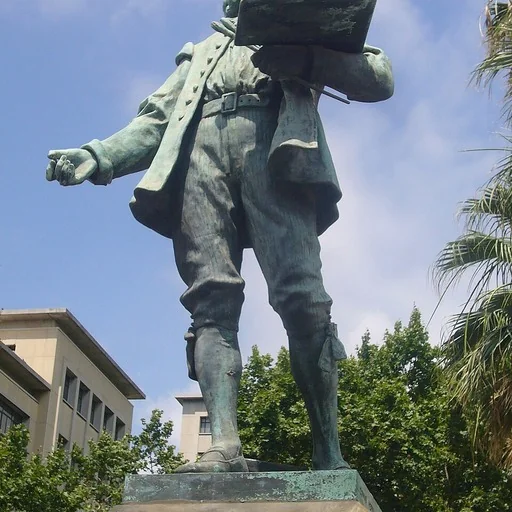
Artist
Antoni Viladomat i Manalt (20 March 1678 in Barcelona, Spain – 22 January 1755 in Barcelona, Spain) was a Spanish painter in the Baroque style.

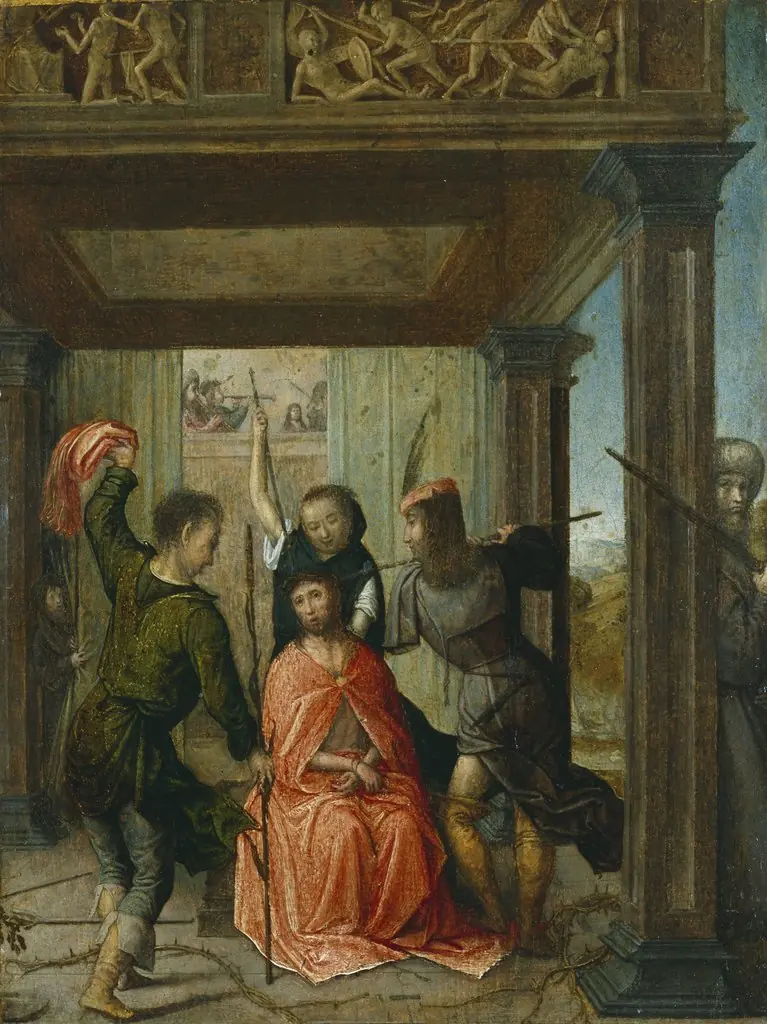 Christ Crowned with Thorns
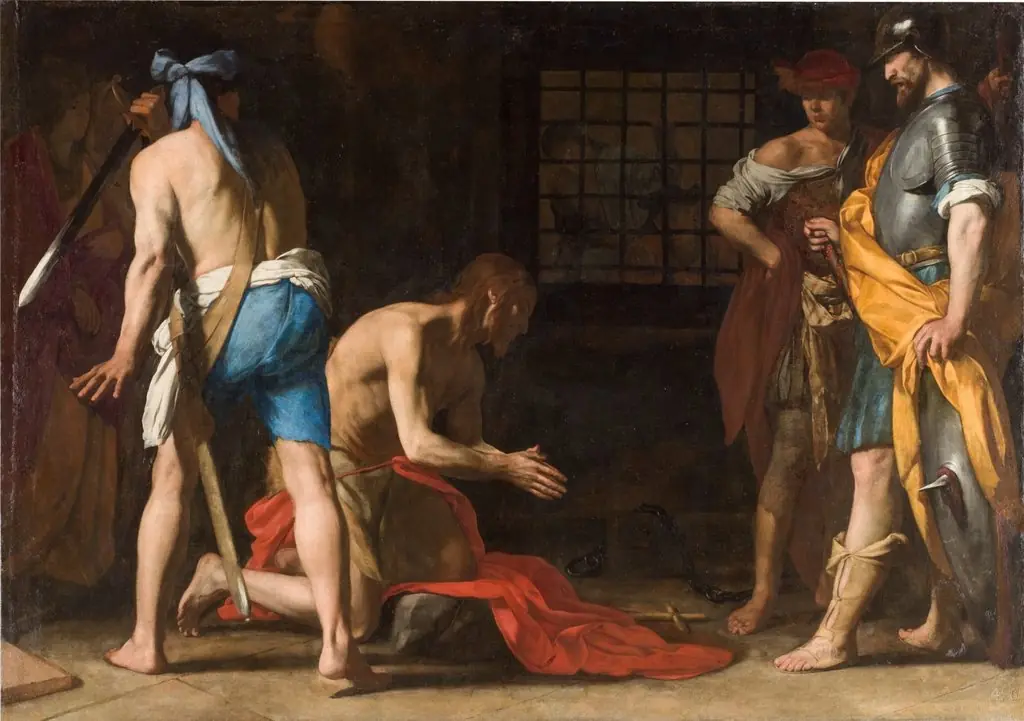 The Beheading of Saint John the Baptist
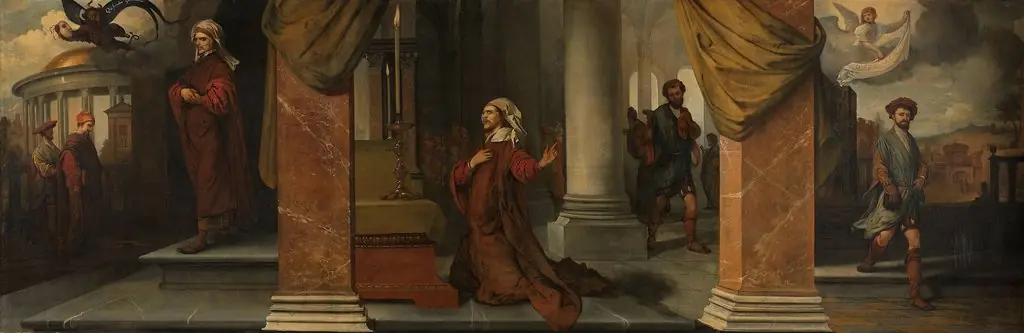 The Pharisee and the publican
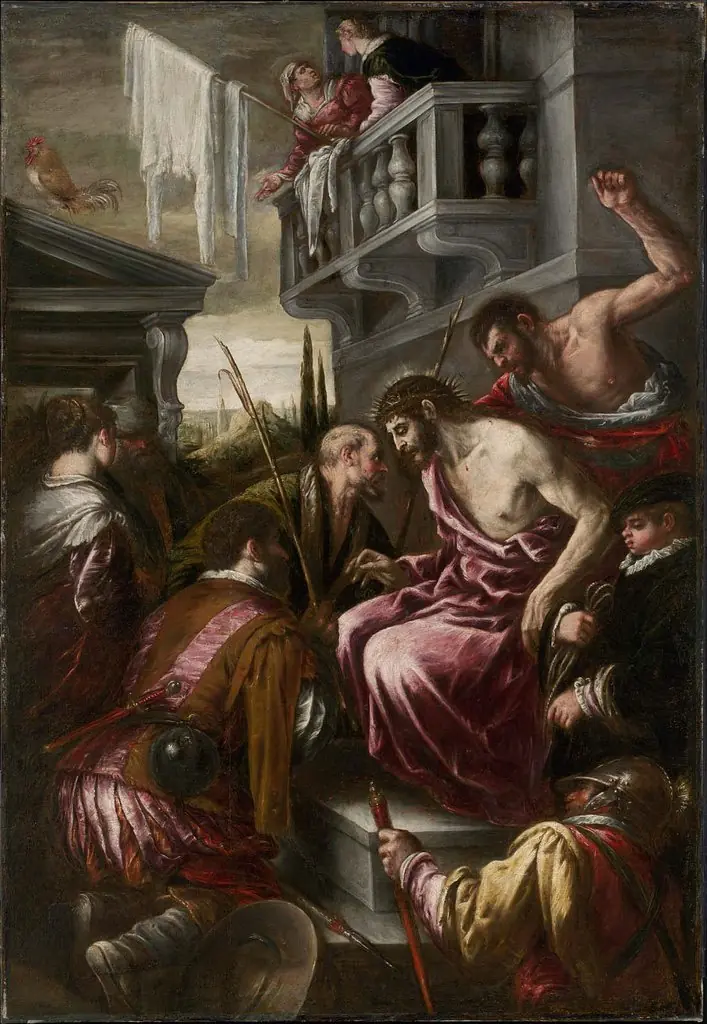 The Mocking of Christ
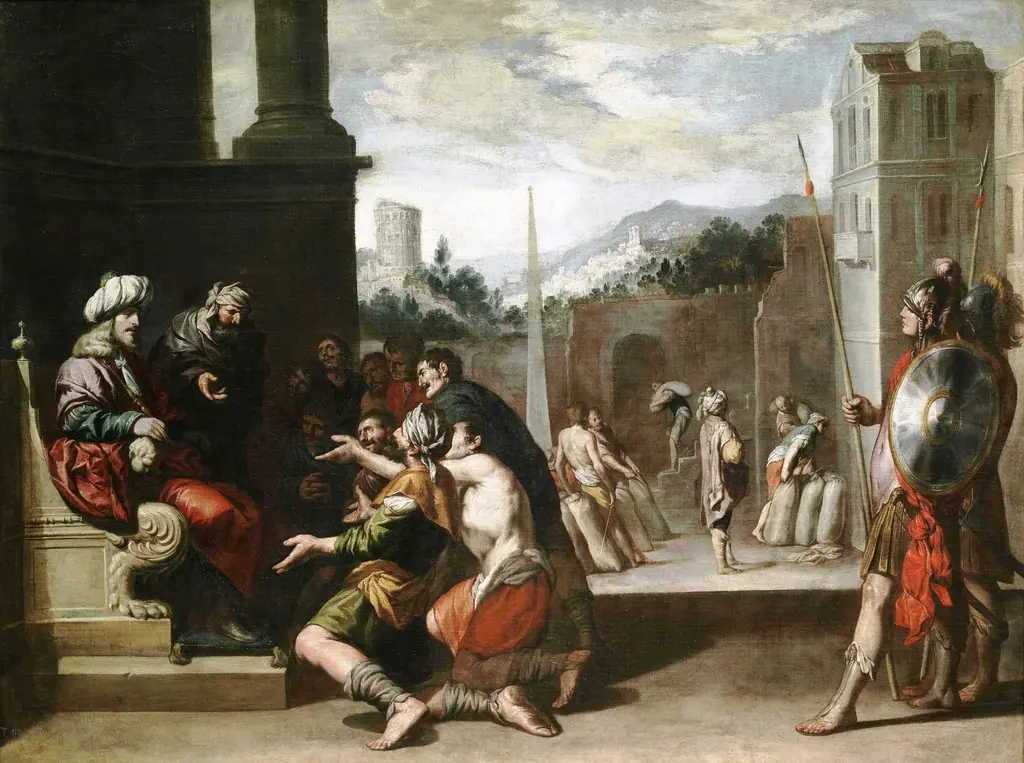 Joseph orders Simeon’s Imprisonment
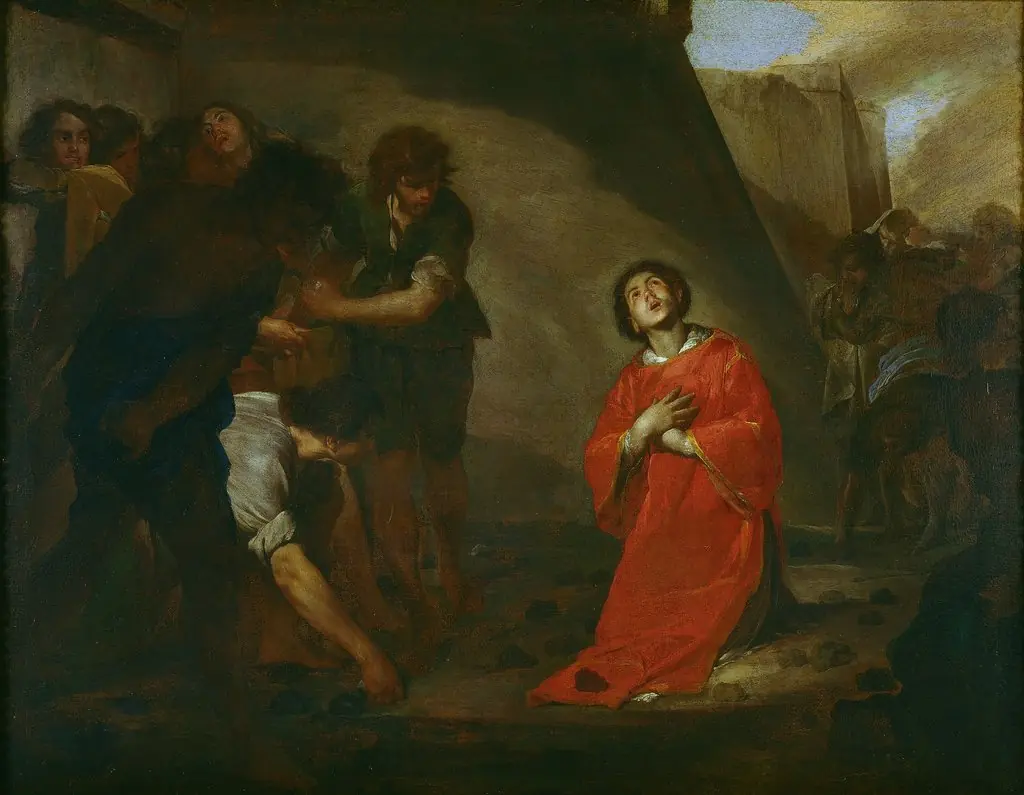 The Martyrdom of Saint Stephen
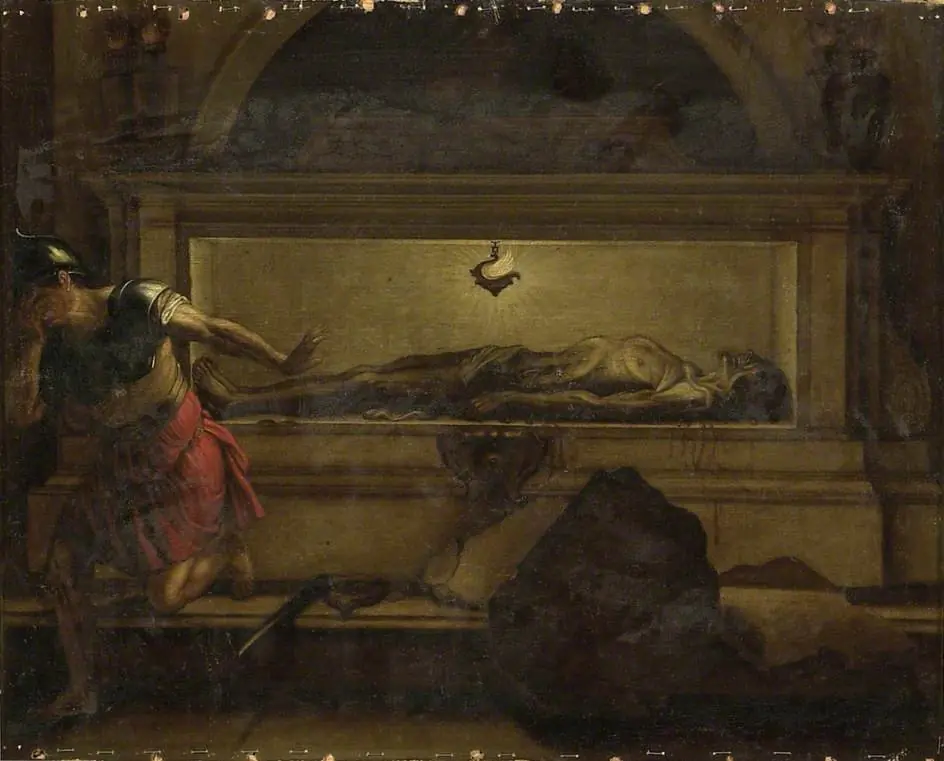 The Opening of the Tomb of Nitocris by Darius (?)
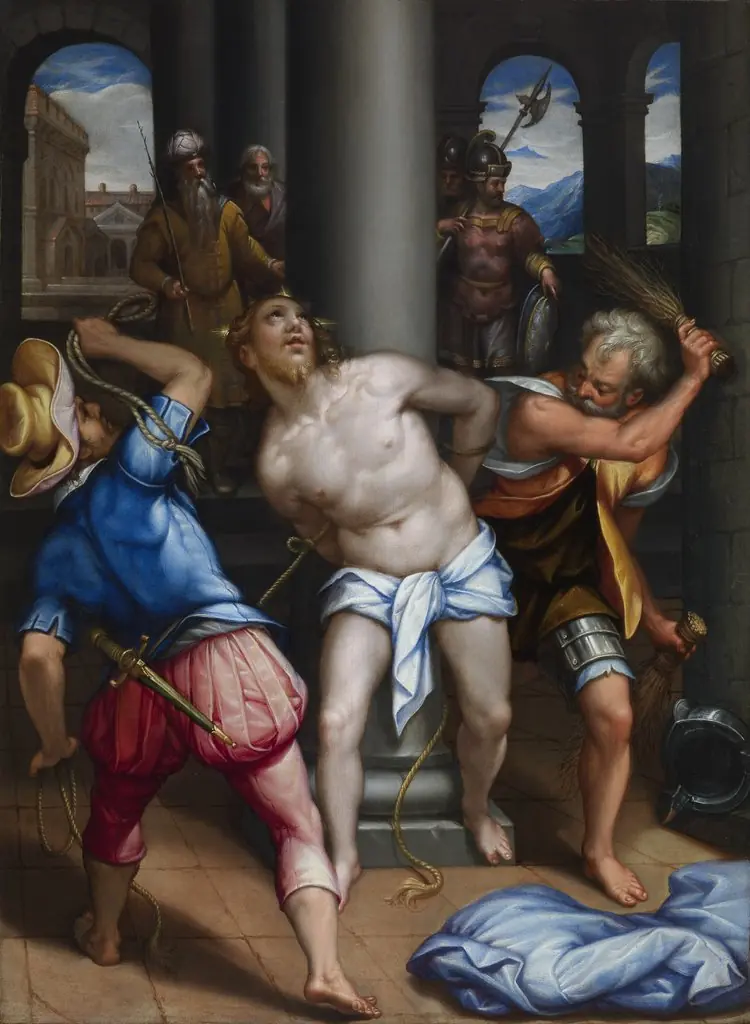 Christ at the Column
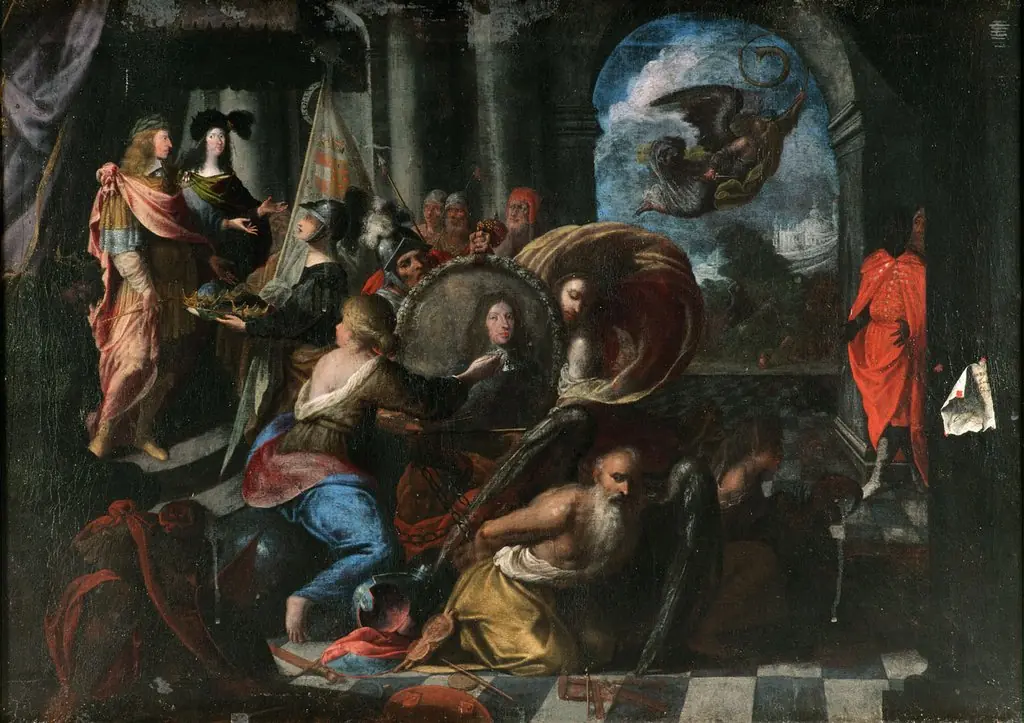 Allegory of the wedding of Archduke Ferdinand Karl and Anna de' Medici
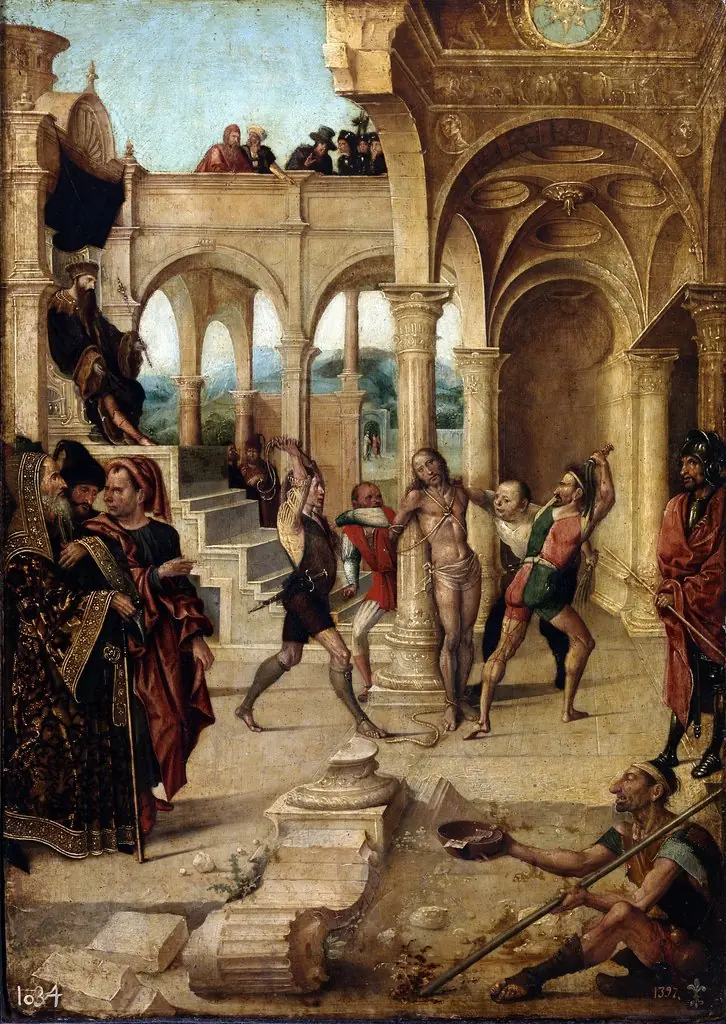 The Flagellation
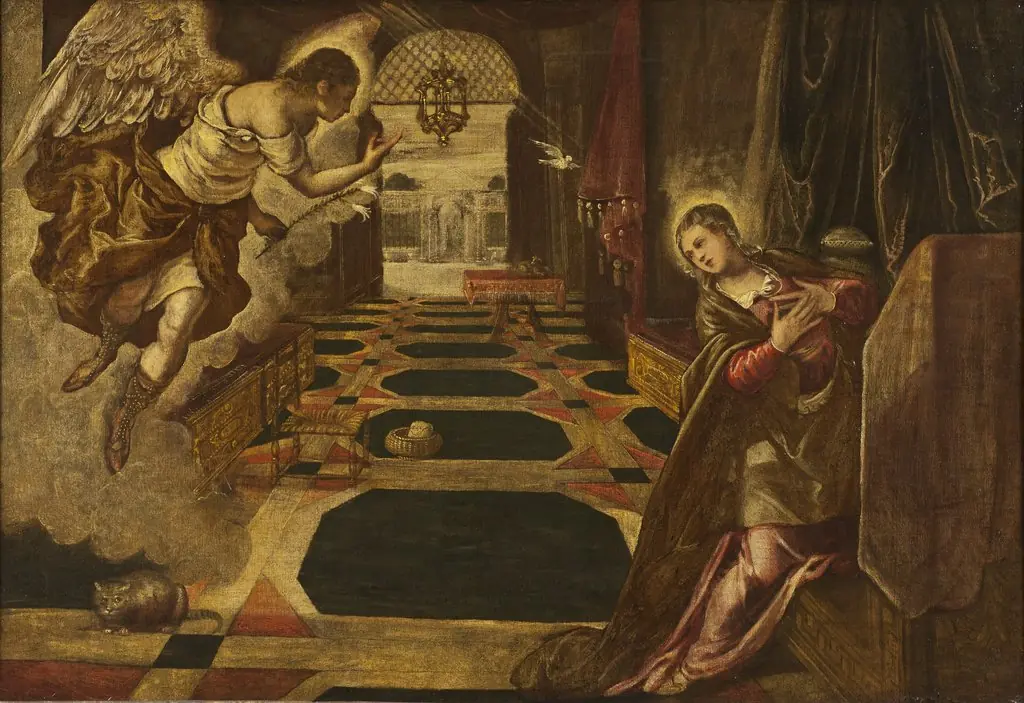 The Annunciation
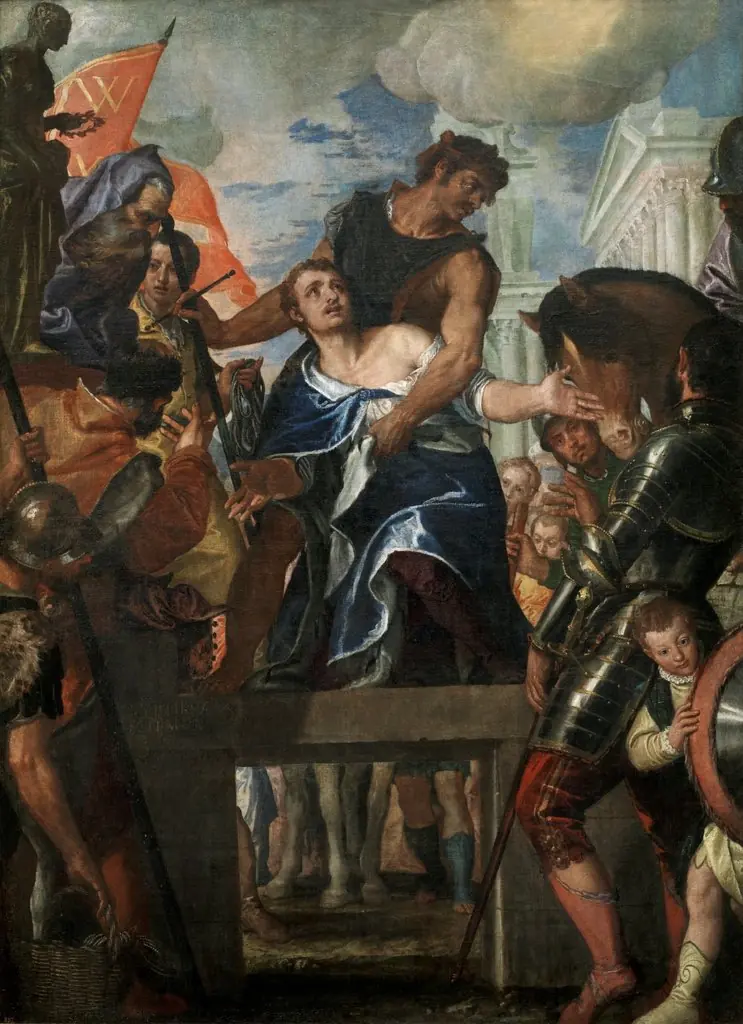 The Martyrdom of Saint Mennas