Artwork
Untitled
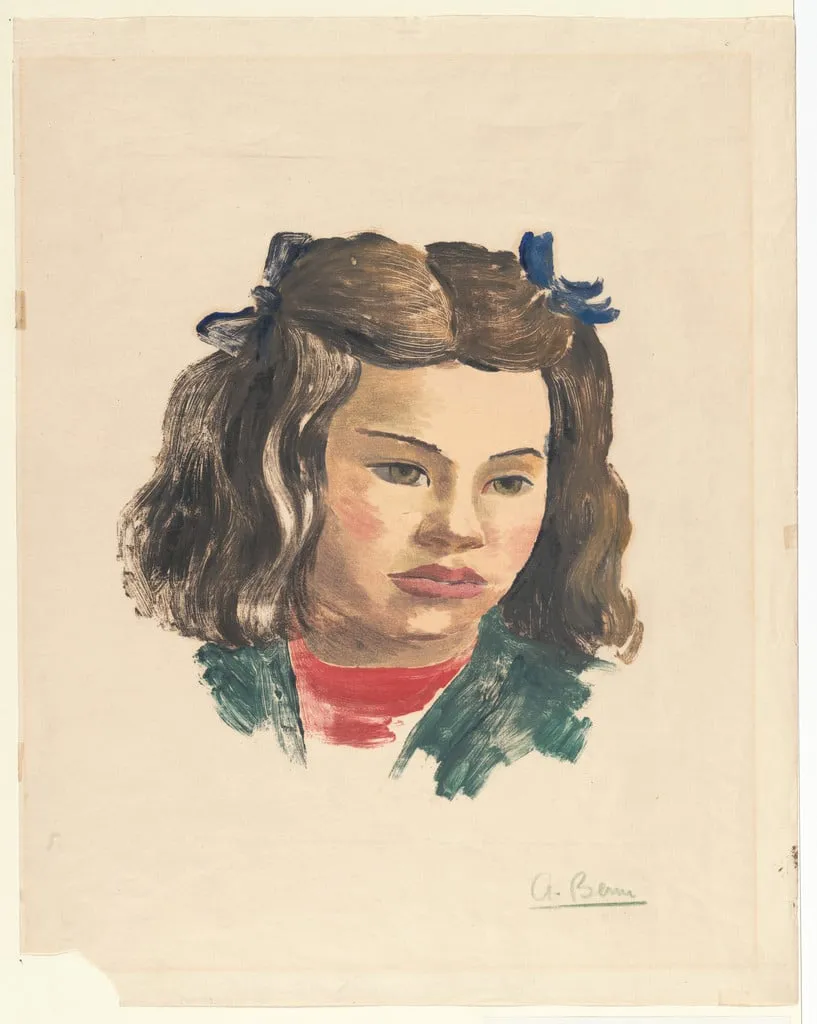
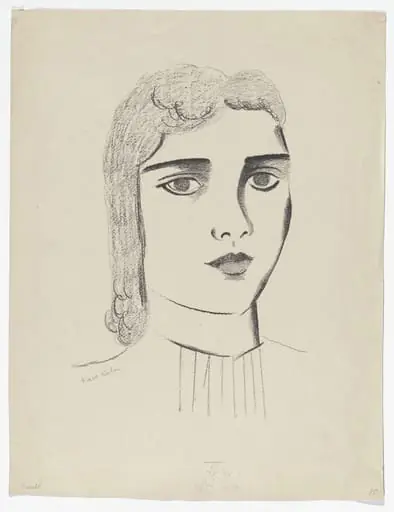
Untitled is a print by Antonio Berni. It dates from 1942 and is held in the collection of the Museum of Modern Art.
About this work
Overview
Berni’s choice of monotype—unique, non-reproducible—aligns with his interest in capturing fleeting, personal moments amid broader societal shifts.
Antonio Berni produced this monotype in 1942, part of his engagement with Nuevo Realismo, a Latin American current that deepened social realism through intimate, human-centered imagery. The work is held in The Museum of Modern Art’s collection, reflecting its significance in mid-century Argentine printmaking. Berni’s choice of monotype—unique, non-reproducible—aligns with his interest in capturing fleeting, personal moments amid broader societal shifts.
Subject & Meaning
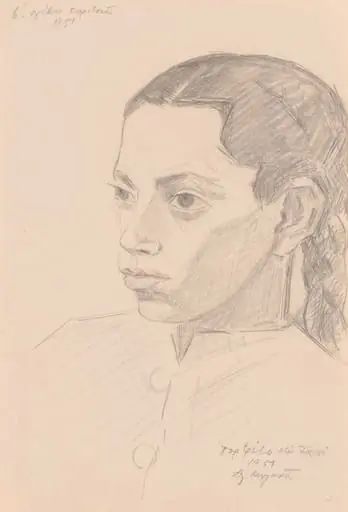
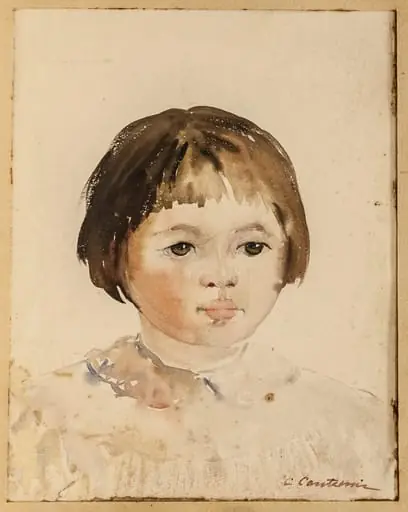
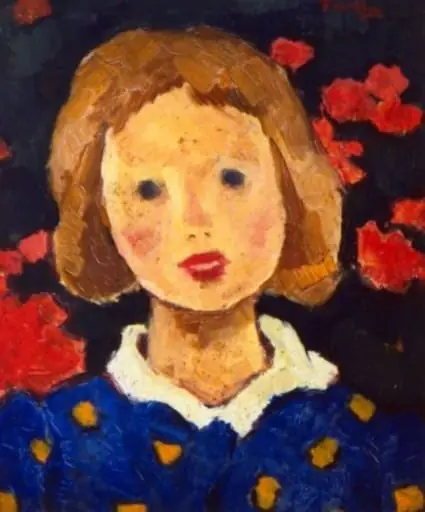
The portrait depicts a young woman with dark, wavy hair and a blue ribbon, dressed in a red turtleneck and green jacket. Her neutral expression and averted gaze suggest quiet contemplation rather than performance. The absence of narrative context invites focus on her presence alone, framing her as an emblem of everyday life under economic and social strain. Berni avoids melodrama, instead emphasizing dignity in stillness.
Technique & Style
Berni employed monotype, a process involving ink applied to a plate and transferred once to paper, yielding a singular image with rich, uneven textures. The layered pigments create subtle tonal variations, especially in the fabric and hair, lending a tactile depth. The light beige background isolates the figure, enhancing the sense of solitude. The technique’s spontaneity supports the work’s introspective tone, avoiding the polish of traditional portraiture.
History & Provenance
Created in 1942, this monotype emerged during Berni’s early period of social engagement, before his later series on marginalized figures like Juanito Laguna. It entered The Museum of Modern Art’s collection as part of broader institutional interest in Latin American modernism during the mid-20th century. Its preservation reflects its role as a representative example of Argentine printmaking’s humanist trajectory.
Context
In early 1940s Argentina, artists like Berni responded to industrialization and urban inequality by turning to the individual as a site of social commentary. Nuevo Realismo rejected idealized forms, favoring unadorned depictions of ordinary people. This work aligns with that ethos—neither heroic nor tragic, but quietly present, embodying the quiet resilience of those often unseen in public discourse.
Legacy
Though less known than Berni’s later narrative series, this monotype exemplifies his early commitment to figurative intimacy as a form of social witness. Its inclusion in MoMA’s collection helped establish Argentine printmaking within international modernist discourse. The work continues to inform discussions on how quiet, personal imagery can carry collective weight without overt political messaging.
Artist & collection
Artist
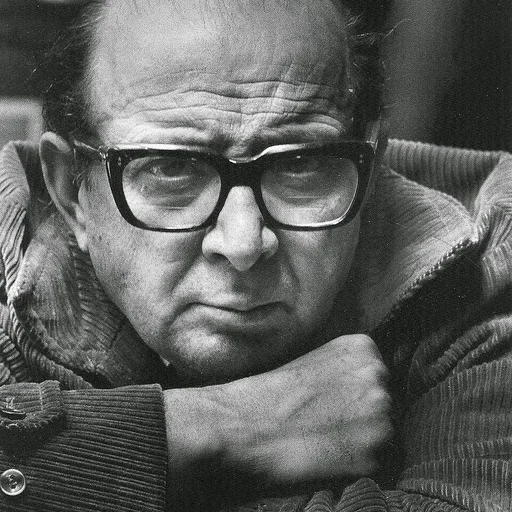
Delesio Antonio Berni (14 May 1905 – 13 October 1981) was an Argentine figurative artist.