Artwork
Head of a Cherub
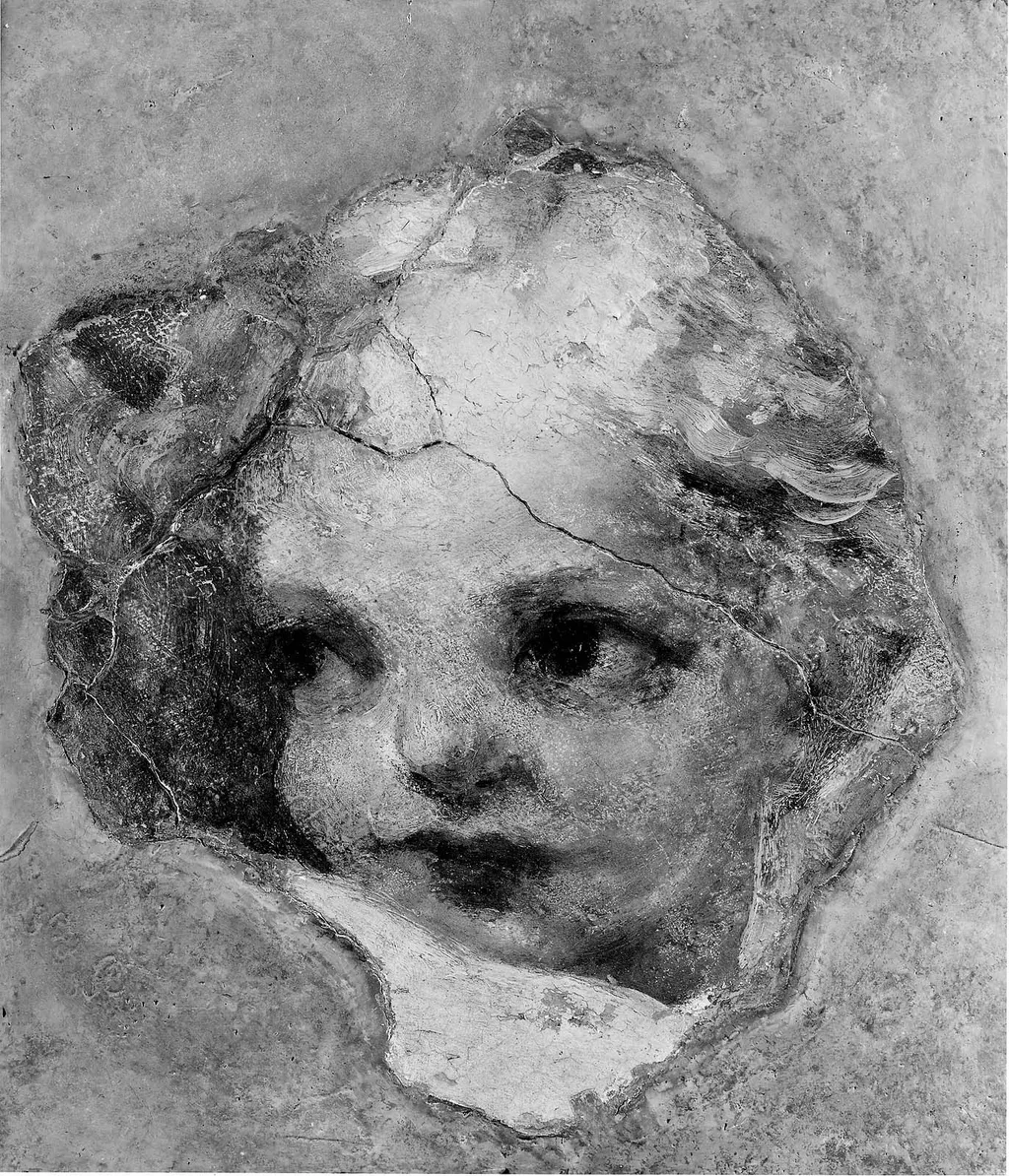
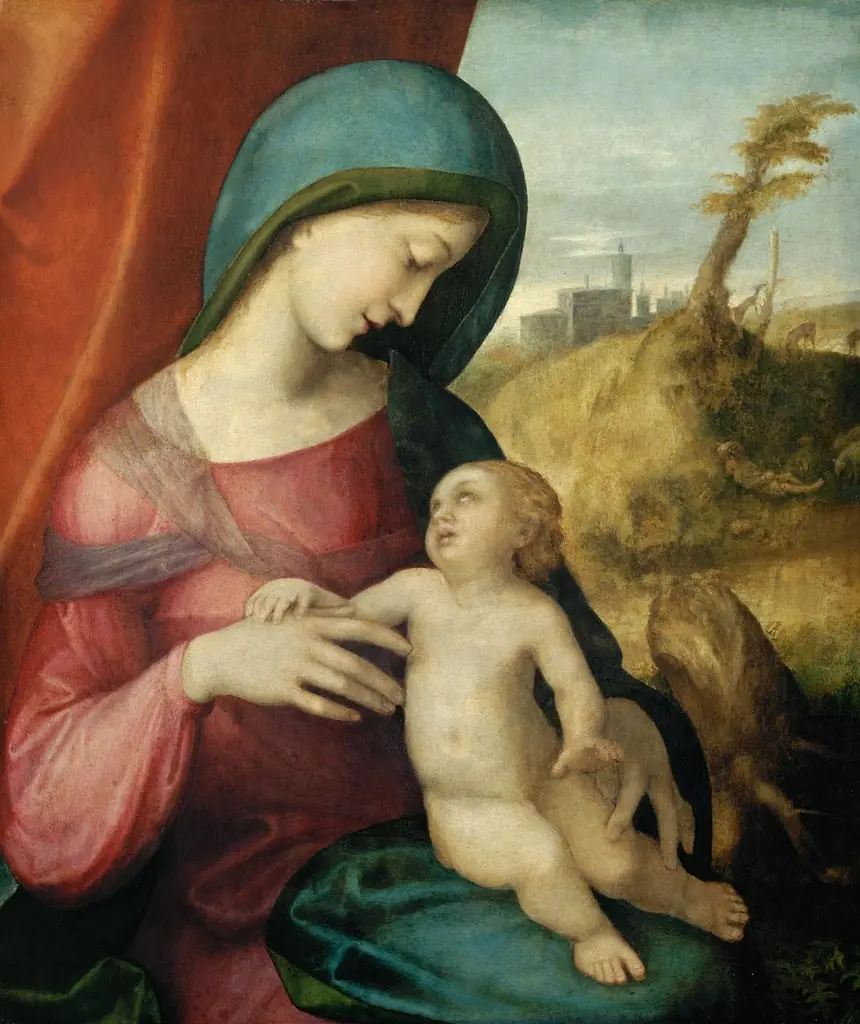
Head of a Cherub is an unspecified painting by Correggio. It dates from 1521 and is held in the collection of the Museum of Fine Arts Boston.
About this work
Overview
Created around 1521, this small oil painting by Antonio da Correggio depicts a close-up of a cherub’s face. Executed in monochrome, it lacks a background, focusing entirely on the figure’s head. The work is part of the collection at the Museum of Fine Arts, Boston, and exemplifies Correggio’s interest in intimate, psychologically nuanced portraiture within religious iconography.
Subject & Meaning
The cherub, a celestial being from biblical tradition, is rendered without overt emotion or narrative context. Its direct gaze and calm expression suggest contemplation rather than celebration, aligning with Renaissance ideals of inner serenity. The absence of wings or other attributes emphasizes the humanity of the divine, inviting quiet reflection rather than devotional spectacle.
Technique & Style
Correggio employs subtle gradations of tone to model the cherub’s features, using chiaroscuro to suggest volume and sfumato to soften transitions between light and shadow. Fine brushwork captures the texture of skin and delicate contours of the face, while the monochromatic palette enhances the sculptural quality of the form, distancing it from color-based ornamentation.
History & Provenance
The painting entered the Museum of Fine Arts, Boston, in the early 20th century, though its earlier ownership remains undocumented. Its small scale and intimate nature suggest it may have been a preparatory study or devotional object, possibly linked to larger religious compositions Correggio produced during his Parma period.
Context
In early 16th-century Italy, artists increasingly turned to individualized expressions of sacred figures, moving beyond rigid iconography. Correggio’s focus on a single cherub’s face reflects this trend, aligning with humanist interests in emotional subtlety and naturalism. The work’s monochrome execution may also relate to contemporary drawings or studies valued for their formal clarity.
Legacy
Though not widely exhibited, this painting exemplifies Correggio’s influence on later artists who prioritized psychological depth and tactile realism in religious subjects. Its restrained palette and intimate scale anticipate the quiet intensity found in 17th-century chiaroscuro studies, reinforcing its role as a quiet but significant example of Renaissance experimentation.
Artist & collection

Artist
Antonio Allegri da Correggio (August 1489 – 5 March 1534), usually known as just Correggio (, also UK: , US: , Italian: ), was an Italian Renaissance painter who was the foremost painter of the Parma school of the High…

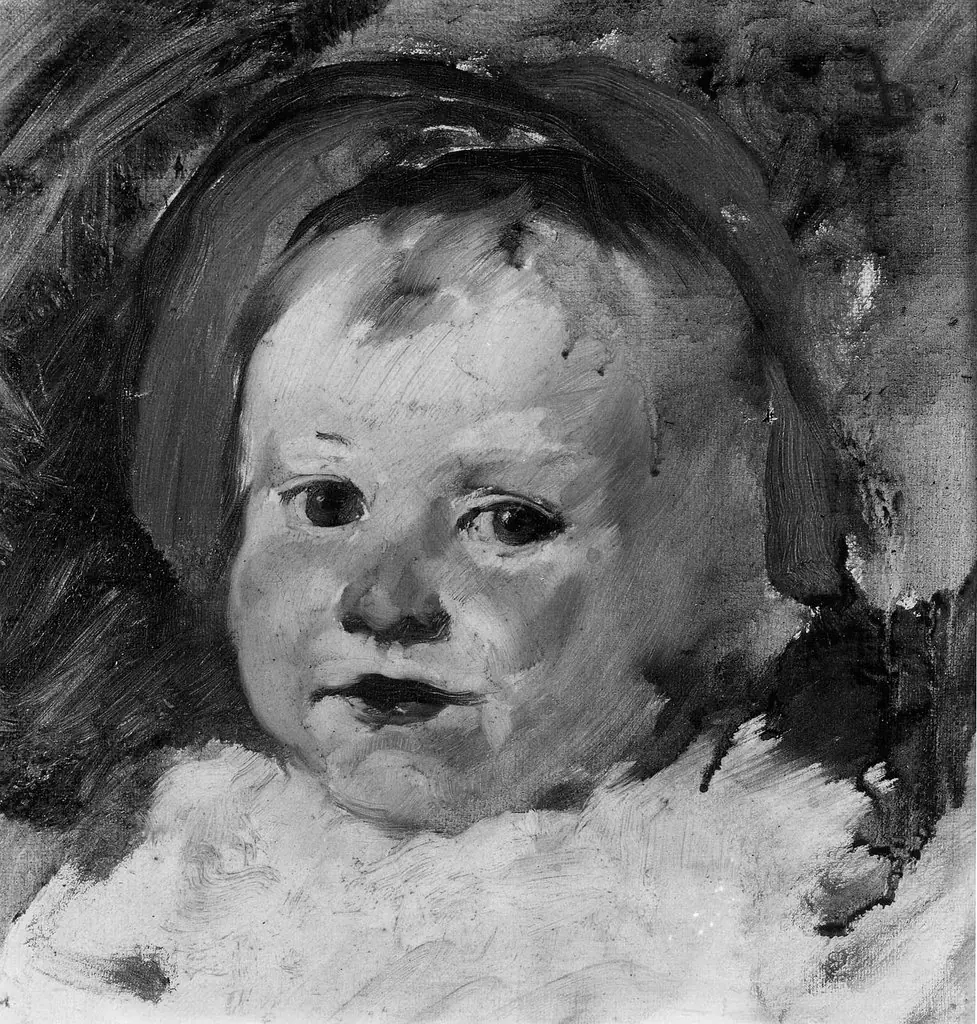 Head of a Child
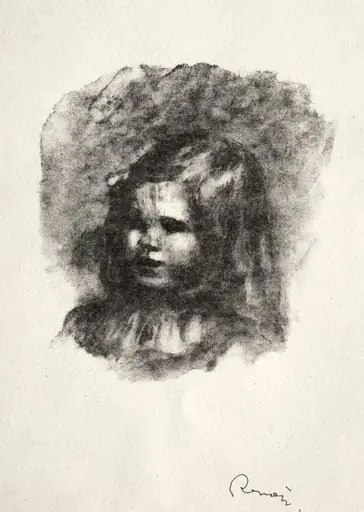 Claude Renoir, Turned to the Left
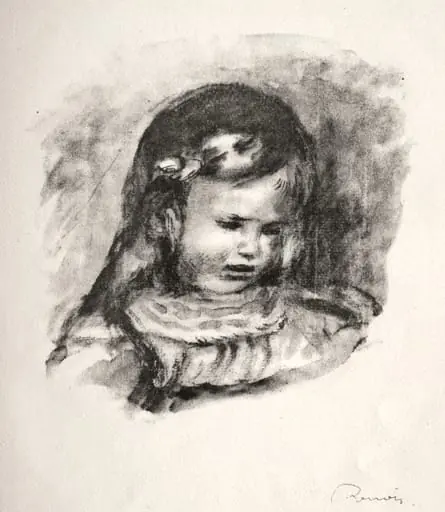 Claude Renoir, la tête baissée
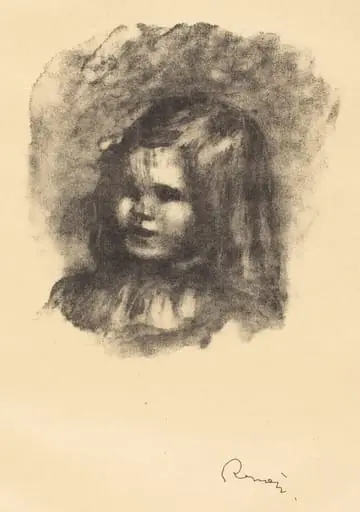 Claude Renoir, turned left (Claude Renoir, tourne a gauche)
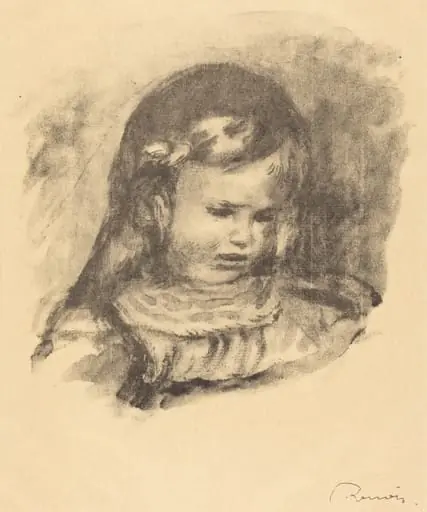 Claude Renoir, head lowered (Claude Renoir, la tete baissee)
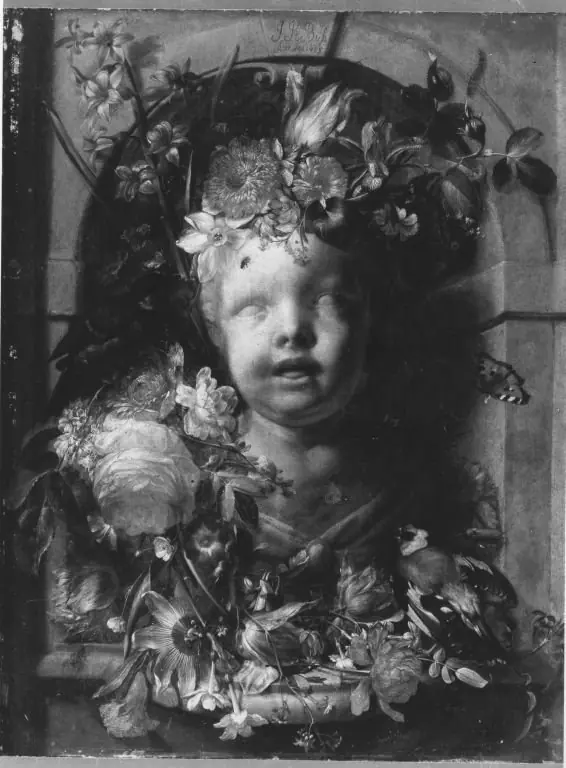 Bust of a child in a flower-decorated niche
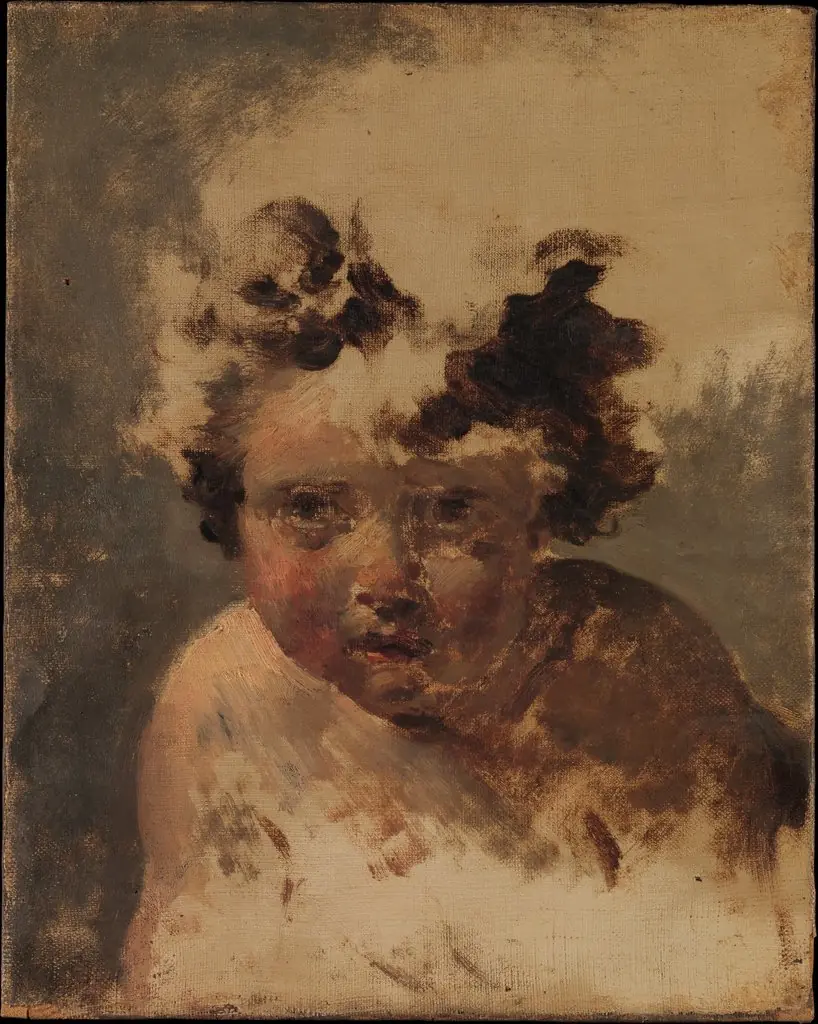 Head of a Child
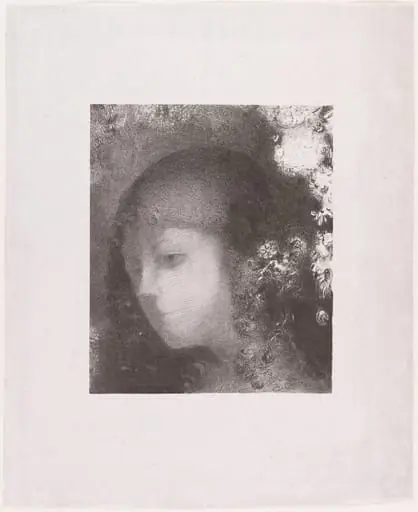 Untitled
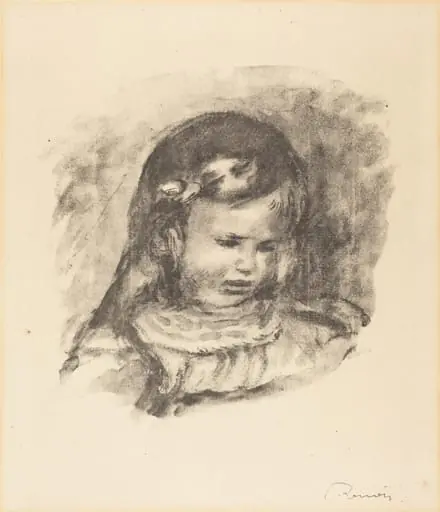 Claude Renoir, with Lowered Head
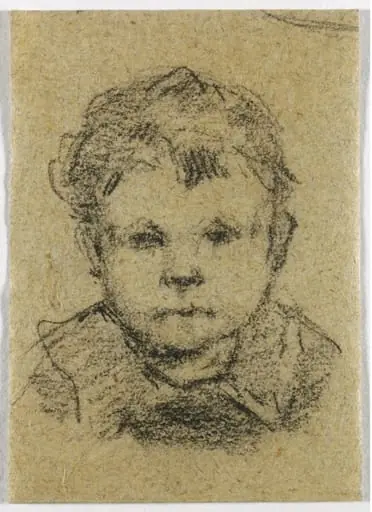 Emil Gauguin as a Child, Wearing a Collared Shirt
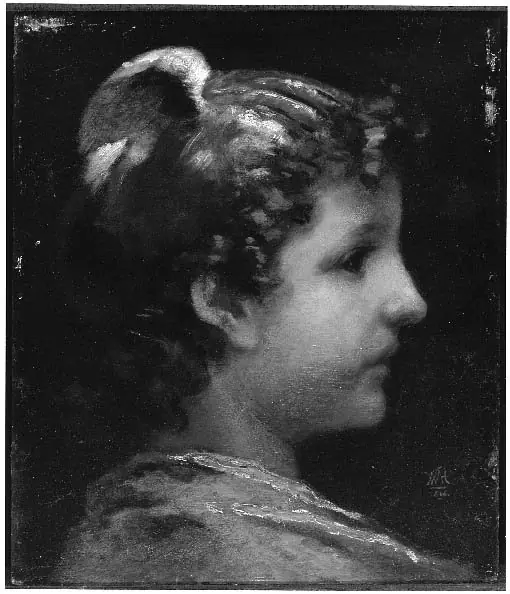 Enid
Enid Portrait of a Baby