Artwork
Enid
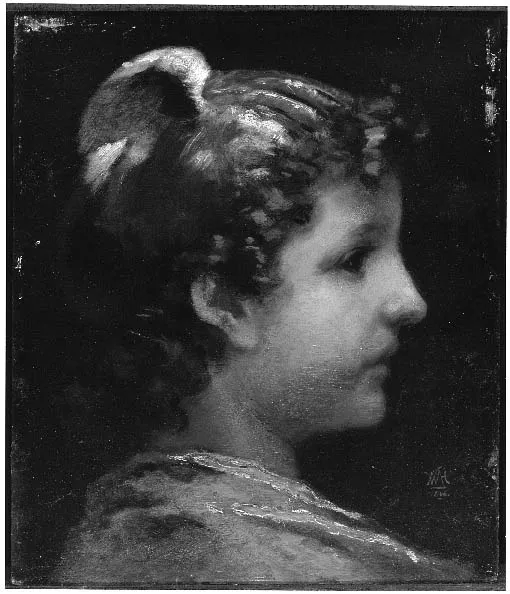
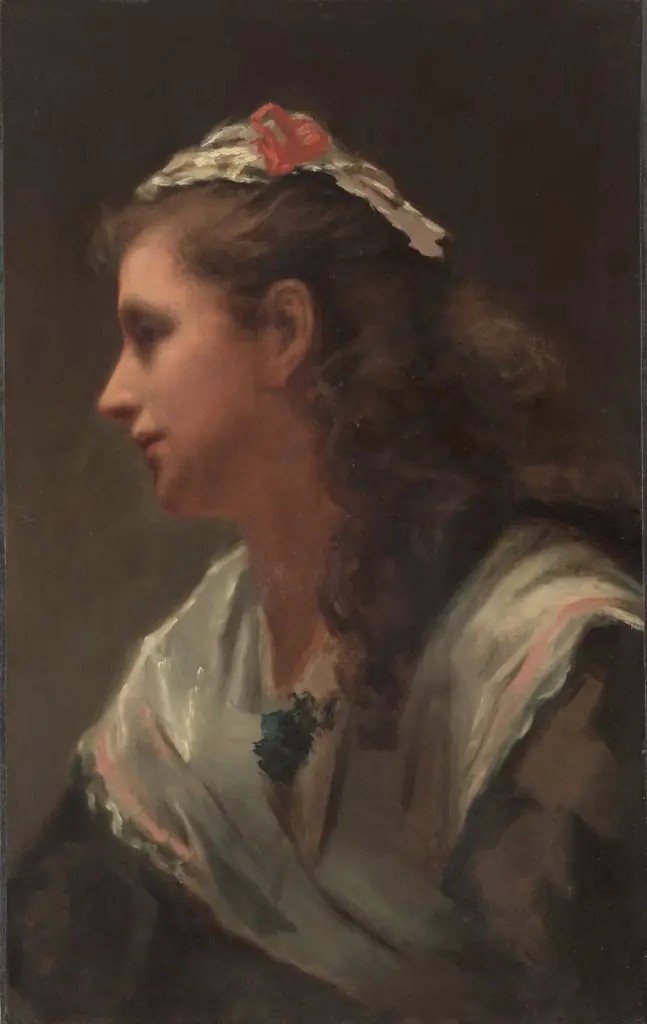
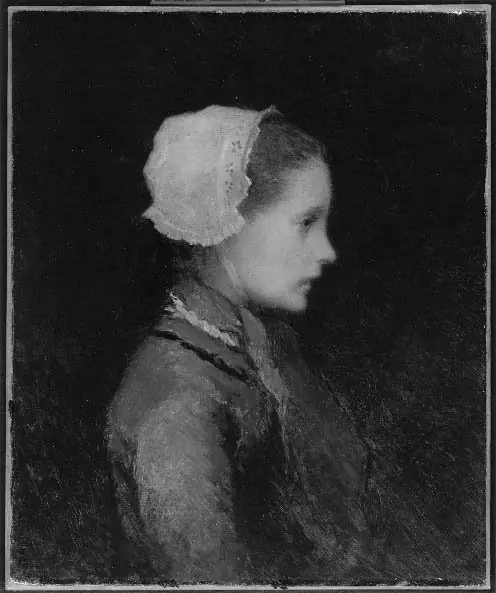
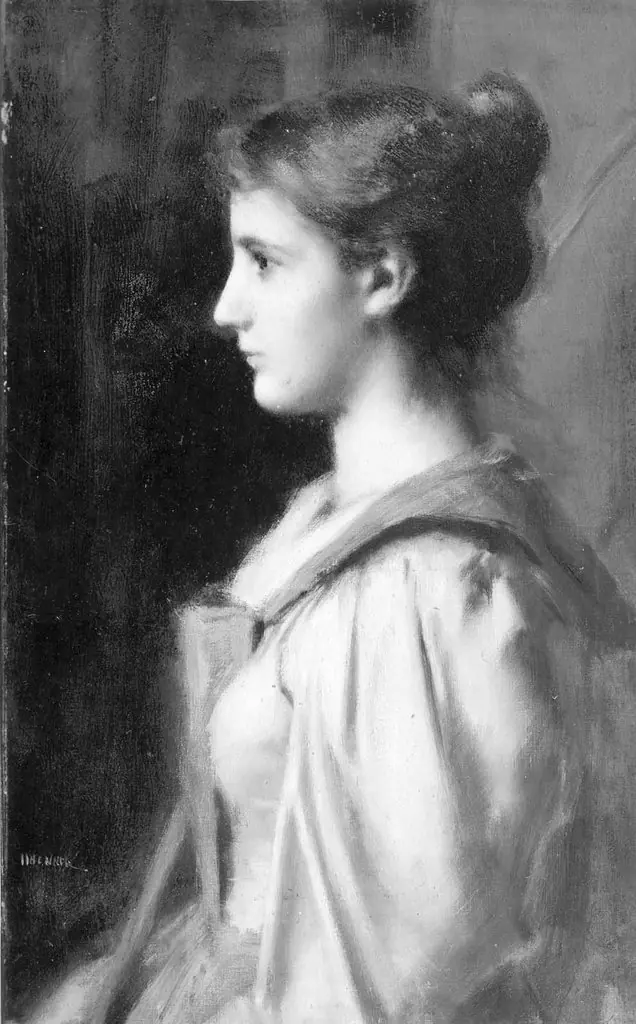
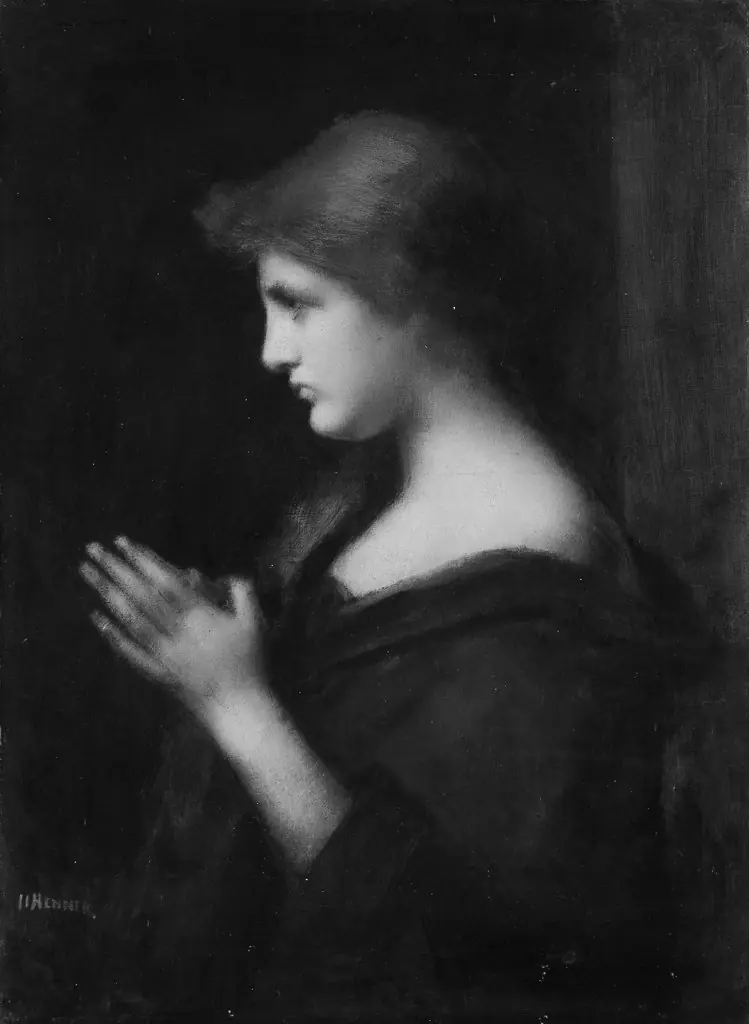
Enid is an unspecified painting by the American Impressionist artist William Morris Hunt. It dates from 1861 and is held in the collection of the Museum of Fine Arts Boston.
About this work
Overview
Trained in Paris under Jean-François Millet, Hunt became a pivotal figure in American art, introducing Barbizon-inspired realism to New England.
William Morris Hunt’s *Enid* is a portrait dating to approximately 1861, produced during his tenure in Boston. Trained in Paris under Jean-François Millet, Hunt became a pivotal figure in American art, introducing Barbizon-inspired realism to New England. The painting exemplifies his engagement with portraiture, characterized by subdued tonalities and an emphasis on naturalistic representation. It remains part of the Museum of Fine Arts, Boston, collection.
Subject & Meaning
The portrait depicts a woman in a quiet, introspective pose, her gaze averted and expression composed. Her pulled-back hair and unadorned neckline suggest modesty, while the softened contours of her face and neck convey a sense of intimacy. The work prioritizes the sitter’s presence over narrative, capturing a fleeting moment through subtle gesture and restrained detail.
Technique & Style
Hunt employs a muted palette and diffuse lighting to model the subject’s features, drawing on techniques associated with the Barbizon school. The dark background heightens the contrast, directing attention to the delicate play of light across the woman’s face and hair. Brushwork remains understated, emphasizing form and atmosphere over decorative effect. This approach reflects Hunt’s commitment to realism tempered by poetic restraint.
History & Provenance
Created during Hunt’s prolific period in Boston, *Enid* reflects his efforts to transplant European artistic innovations into American practice. The painting entered the Museum of Fine Arts, Boston, where it has been conserved as part of the institution’s holdings of nineteenth-century American art. Its early exhibition history remains undocumented, though it aligns with Hunt’s broader output of portraits and landscapes from the era.
Context
Hunt’s work emerged amid a transitional moment in American art, as artists sought alternatives to academic idealism. His exposure to Millet and the Barbizon painters informed a shift toward direct observation and tonal harmony. *Enid* exemplifies this influence, positioning Hunt as a bridge between European realism and the developing aesthetic currents in Boston’s cultural circles during the 1860s.
Artist & collection
Artist
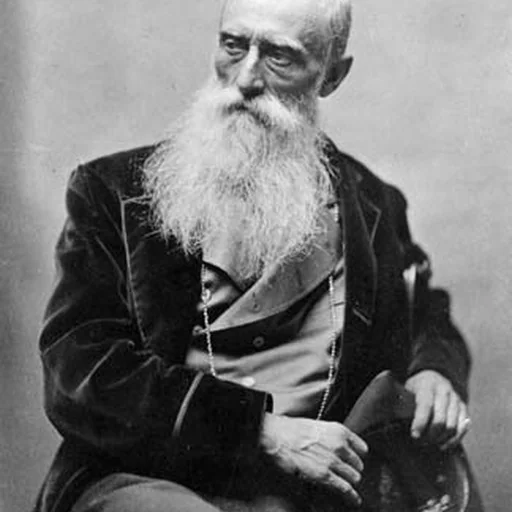
William Morris Hunt (March 31, 1824 – September 8, 1879) was an American painter.