Artwork
Untitled
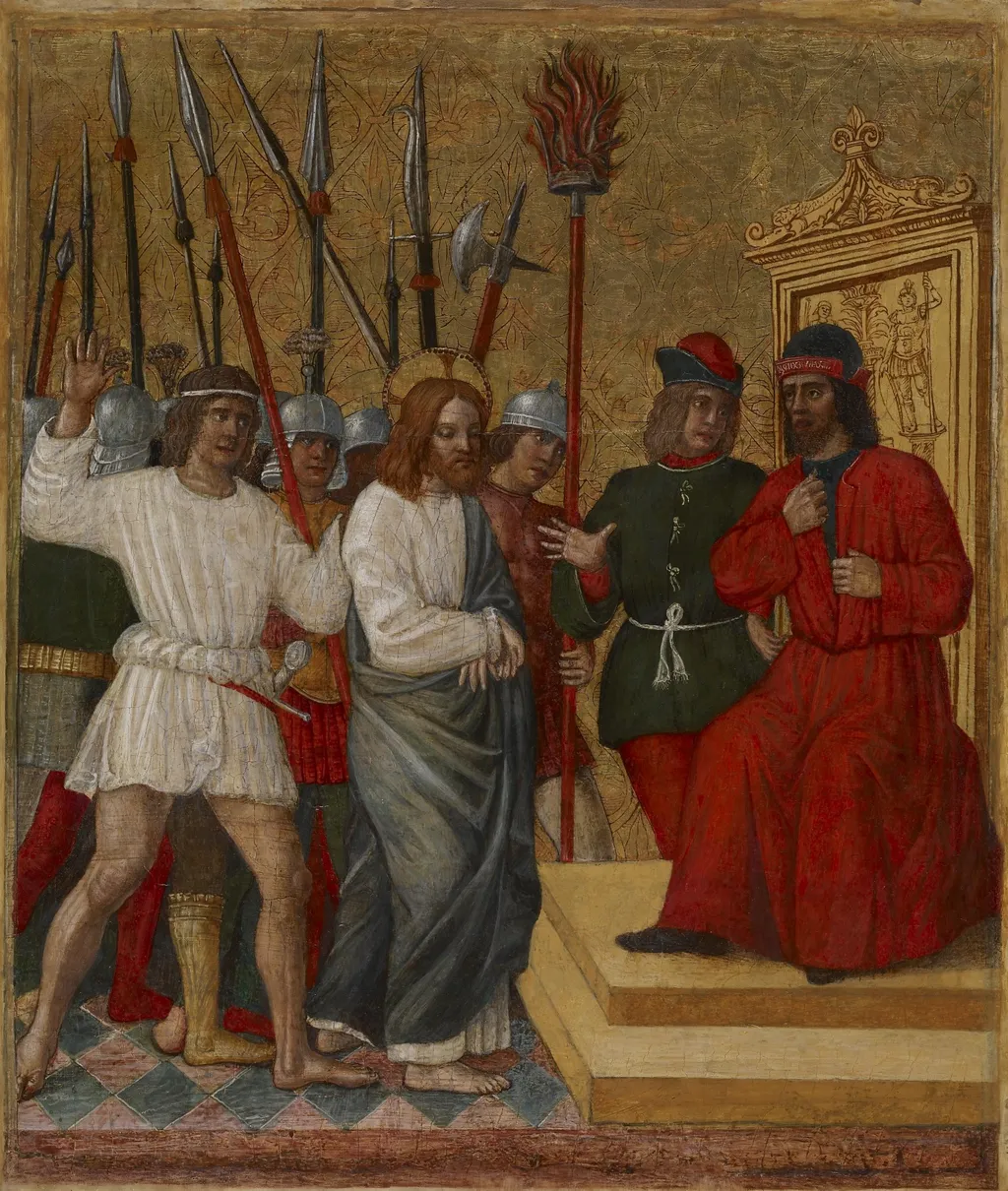
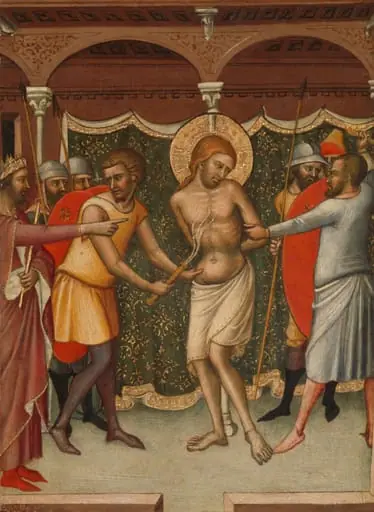
Untitled is an unspecified painting by the Early Renaissance artist Antonio della Corna. It dates from 1470 and is held in the collection of the Walters Art Museum. Created around 1470, this small tempera panel presents a dramatic religious tableau centered on the figure of Christ.
About this work
Overview
Created around 1470, this small tempera panel presents a dramatic religious tableau centered on the figure of Christ. He stands in a white tunic beneath a muted gray mantle, encircled by a group of armed men whose varied dress and weapons suggest a narrative moment of tension. The composition is set against a patterned wall that includes a framed image, adding depth to the scene.
Subject & Meaning
The central figure of Jesus, rendered in calm yet luminous tones, is juxtaposed with a gathering of soldiers or attendants, some bearing spears and torches. The contrast between the serene Christ and the aggressive posture of the surrounding men evokes themes of martyrdom and the struggle between spiritual authority and earthly power, a common motif in late‑medieval devotional art.
Technique & Style
The patterned background wall, rendered with a decorative frame, demonstrates an interest in architectural space characteristic of the period.
Executed in the early Renaissance idiom, the work reflects the influence of Andrea Mantegna’s sculptural modeling and Giovanni Bellini’s delicate color handling. The figures are delineated with precise linear contours, while the drapery displays subtle chiaroscuro. The patterned background wall, rendered with a decorative frame, demonstrates an interest in architectural space characteristic of the period.
History & Provenance
The painting is attributed to Antonio della Corna, a fifteenth‑century Italian painter whose documented career includes commissions for the court of Lodovico Sforza in Milan. Though the artist’s birth and death dates remain uncertain, this panel entered the Walters Art Museum collection in the early twentieth century, where it has been conserved and displayed as part of the museum’s Renaissance holdings.
Context
During the 1470s, Italian art was transitioning from Gothic conventions toward a more naturalistic representation of figures and space. Della Corna’s work reflects this shift, integrating classical compositional balance with emotive narrative content. The painting’s martial elements may reference contemporary conflicts or biblical episodes such as the Passion, aligning it with the devotional practices of its original patrons.
Own this work as a print
Artist & collection
Artist
Antonio della Corna, who lived in the 15th and 16th centuries, was one of the artists called by Lodovico Sforza to decorate the Porta Giovia Palace at Milan in 1490.

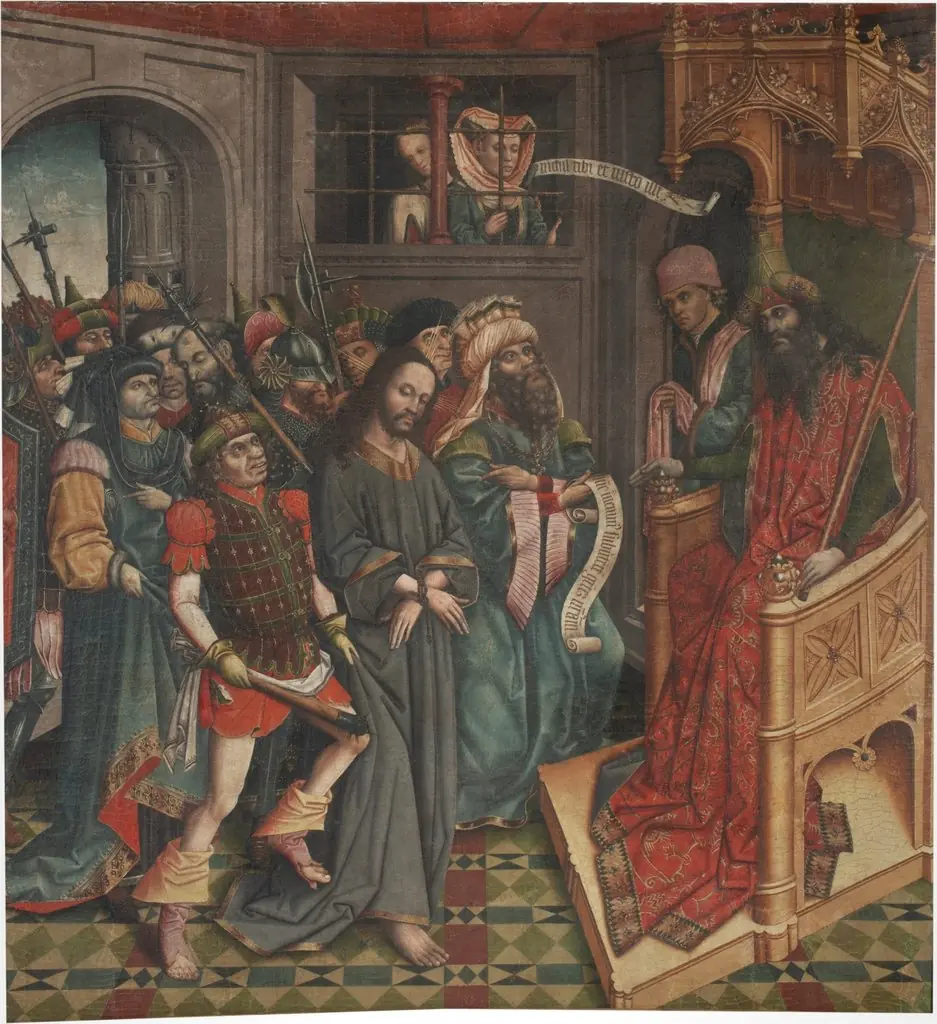 Christ before Pilate
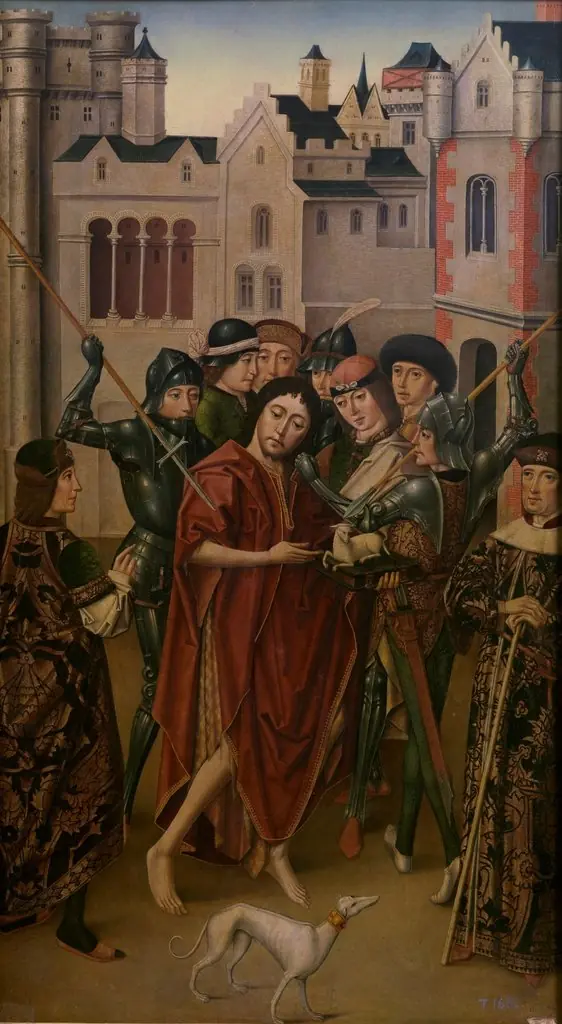 The Arrest of Saint John the Baptist
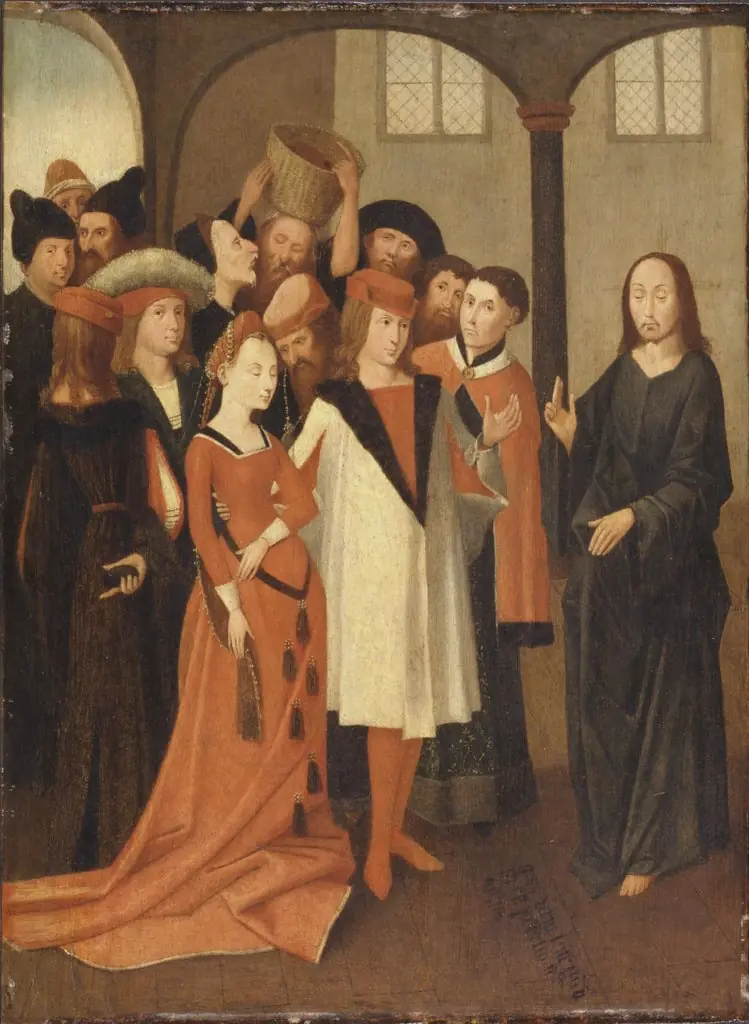 Christ and the Woman Taken in Adultery
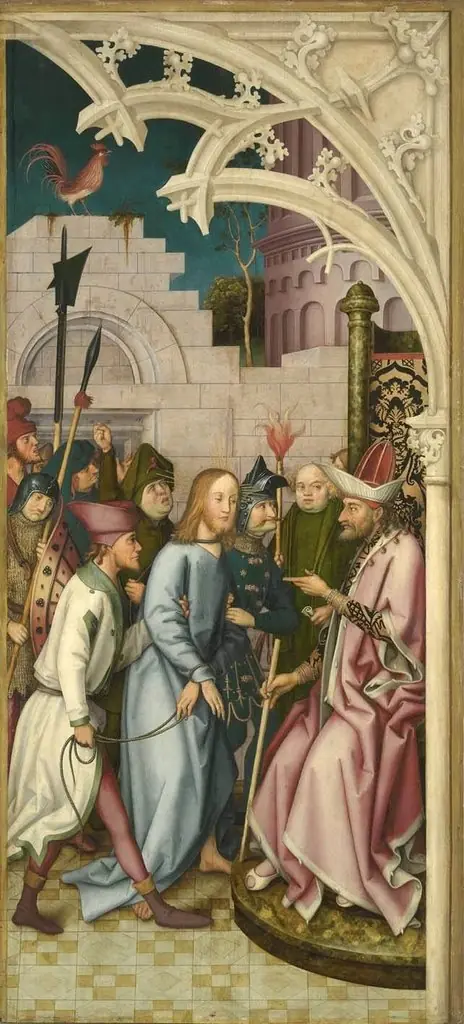 Kaisheimer Altar: Christus vor Pilatus
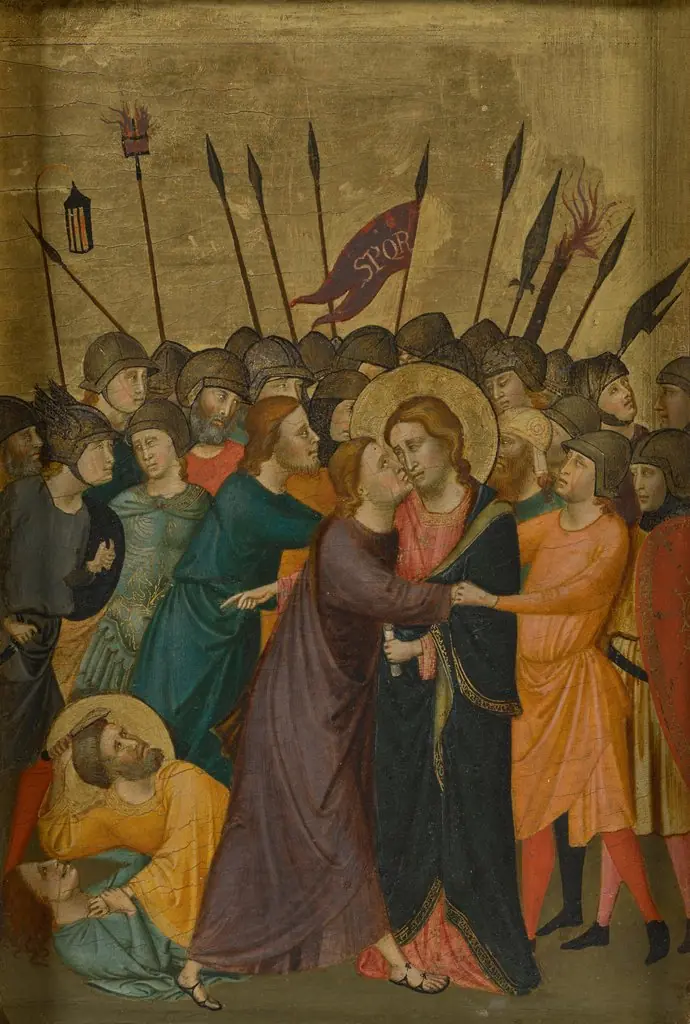 The Arrest of Jesus
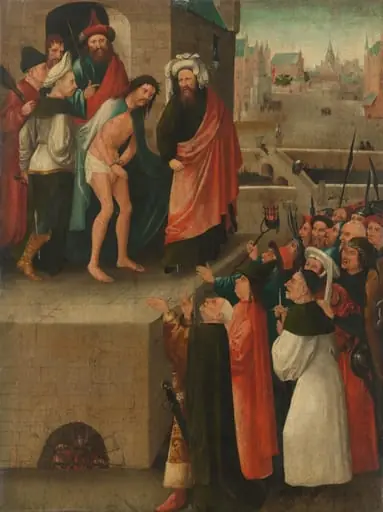 Ecce Homo
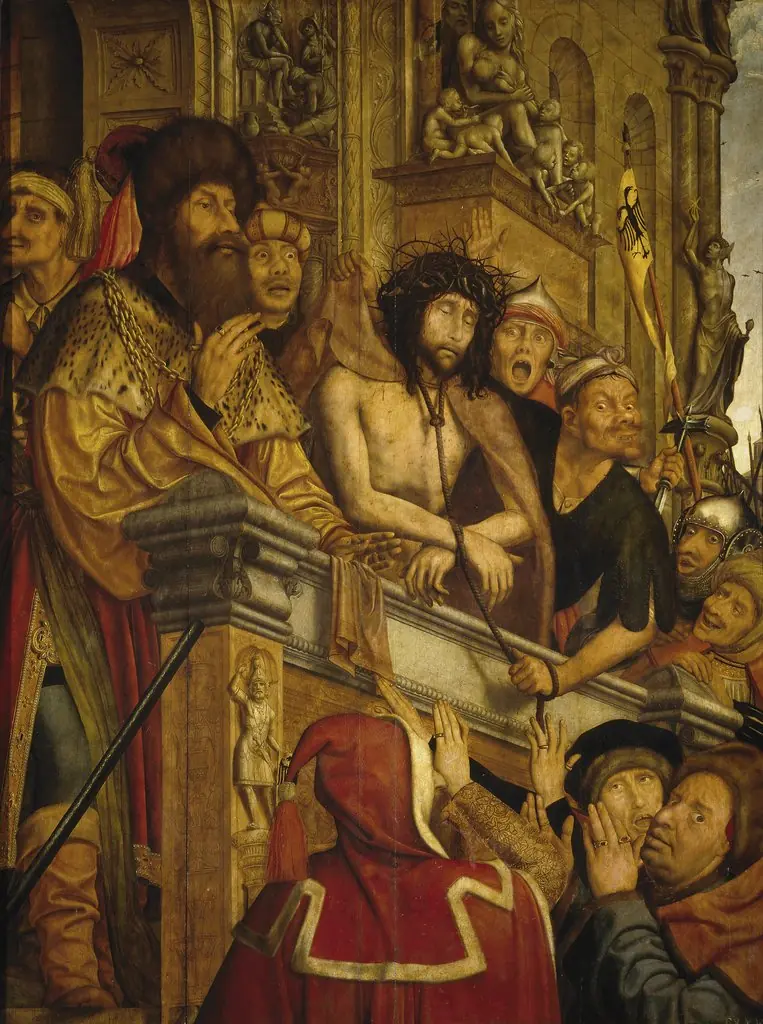 Christ presented to the People
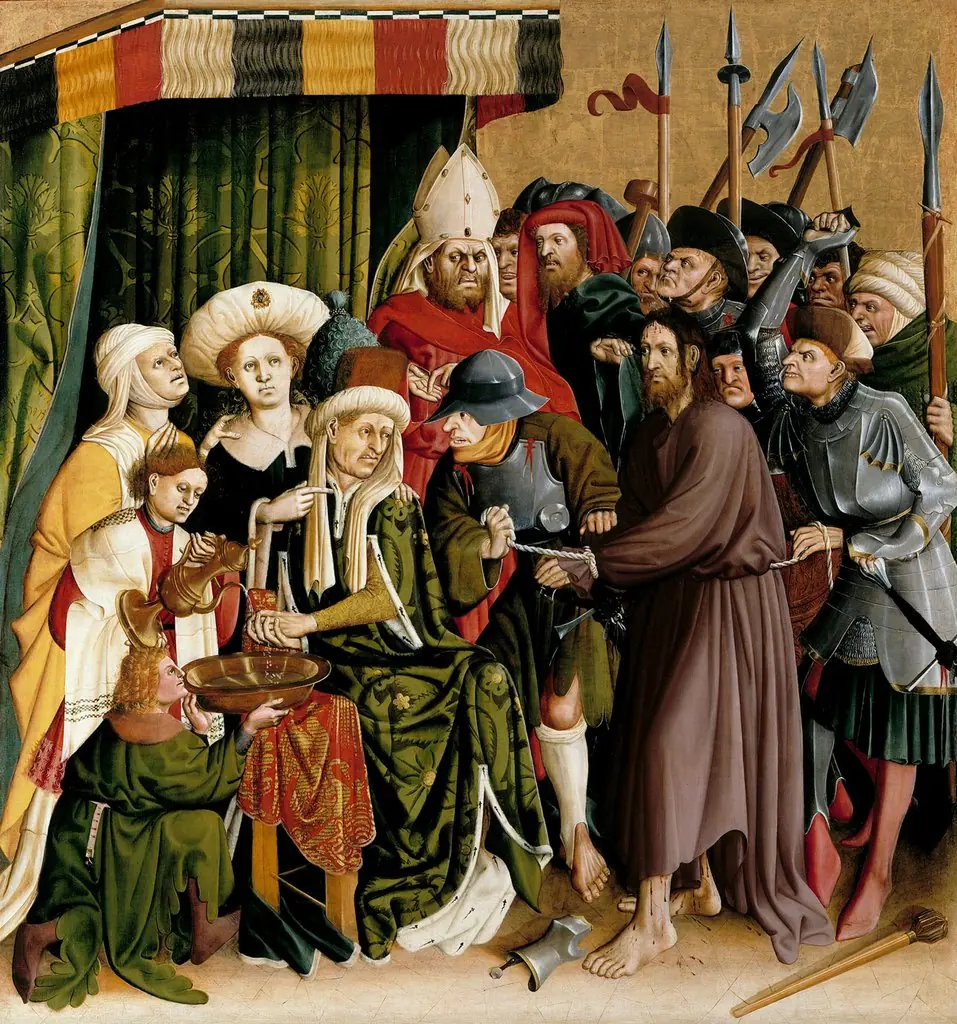 Christ before Pilate
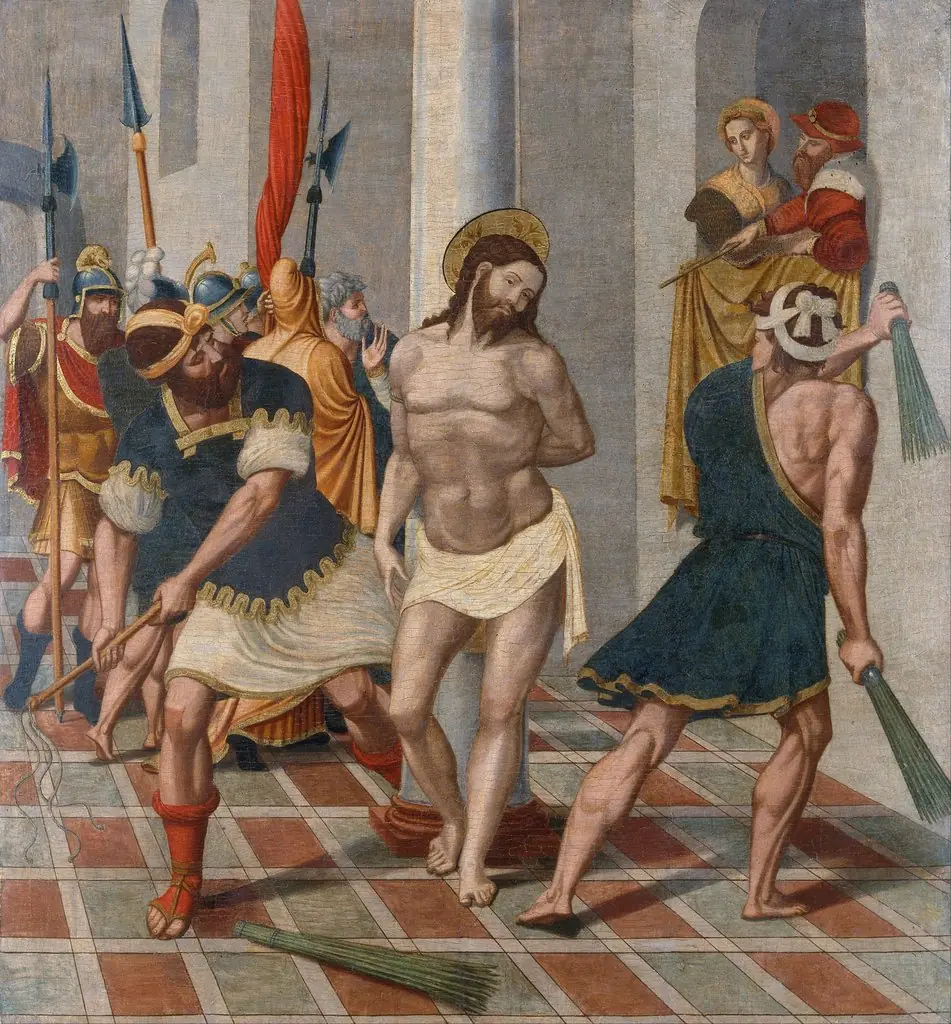 Flagellation of Christ
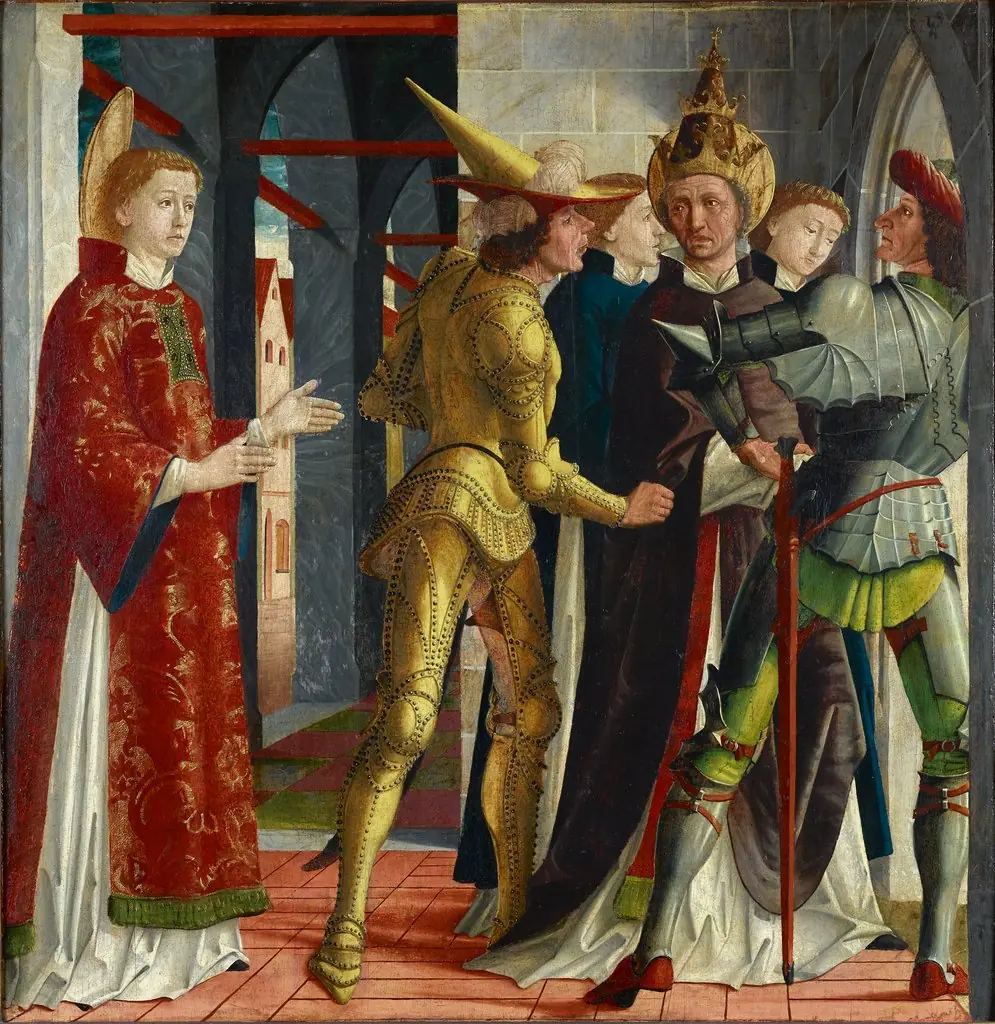 Pope Sixtus II. bids farewell to St. Lawrence
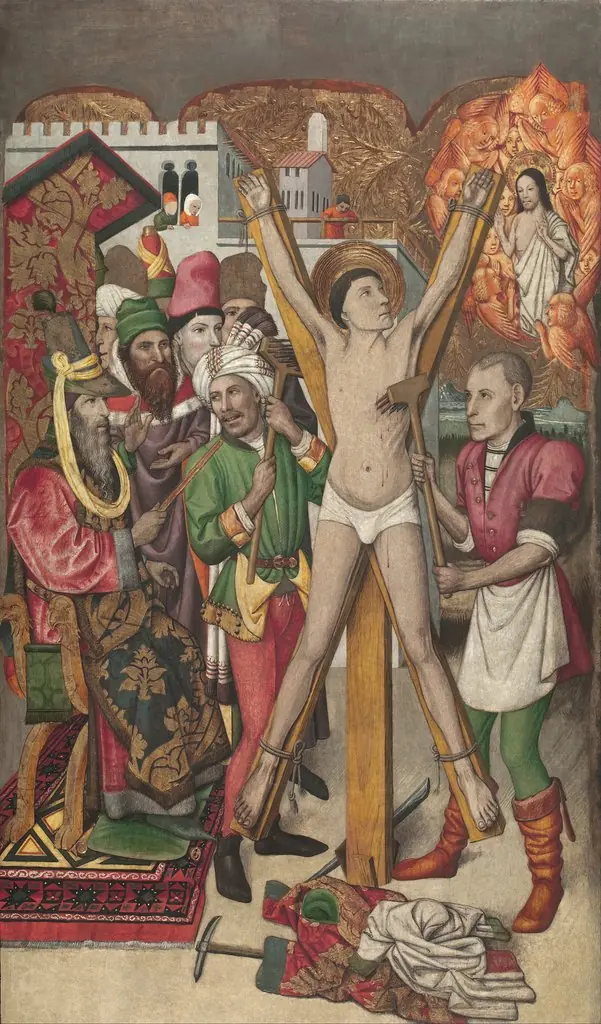 Saint Vincent on the Rack
 De geseling van Christus