Artwork
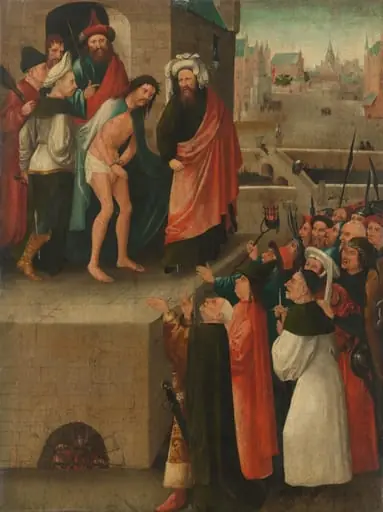
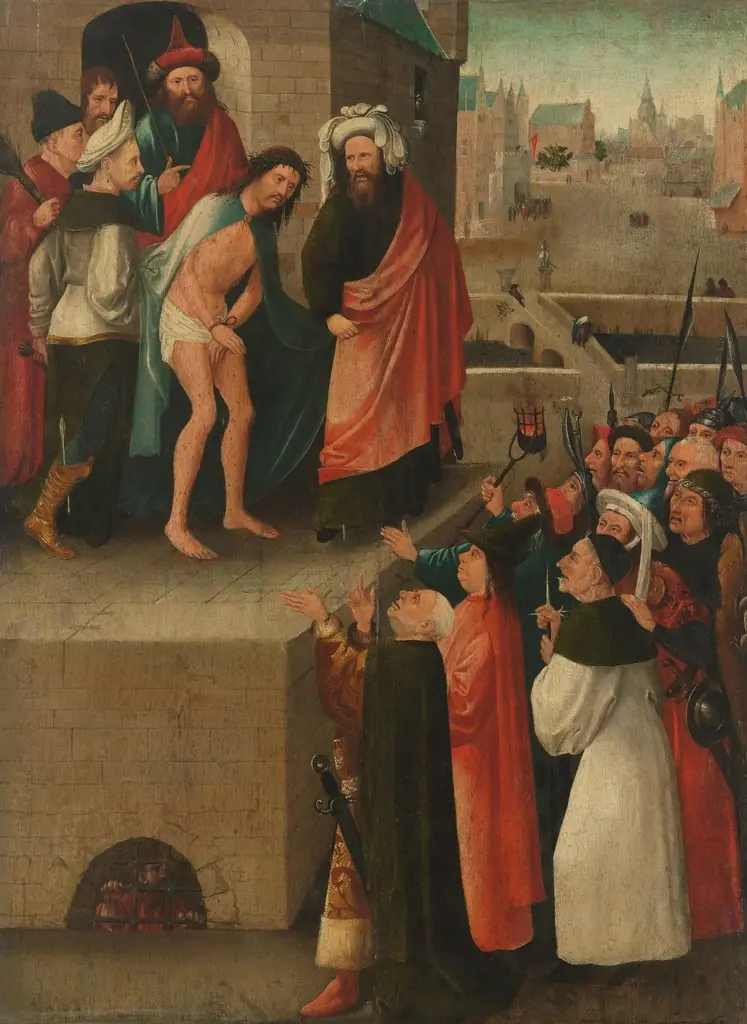
Christ presented to the People
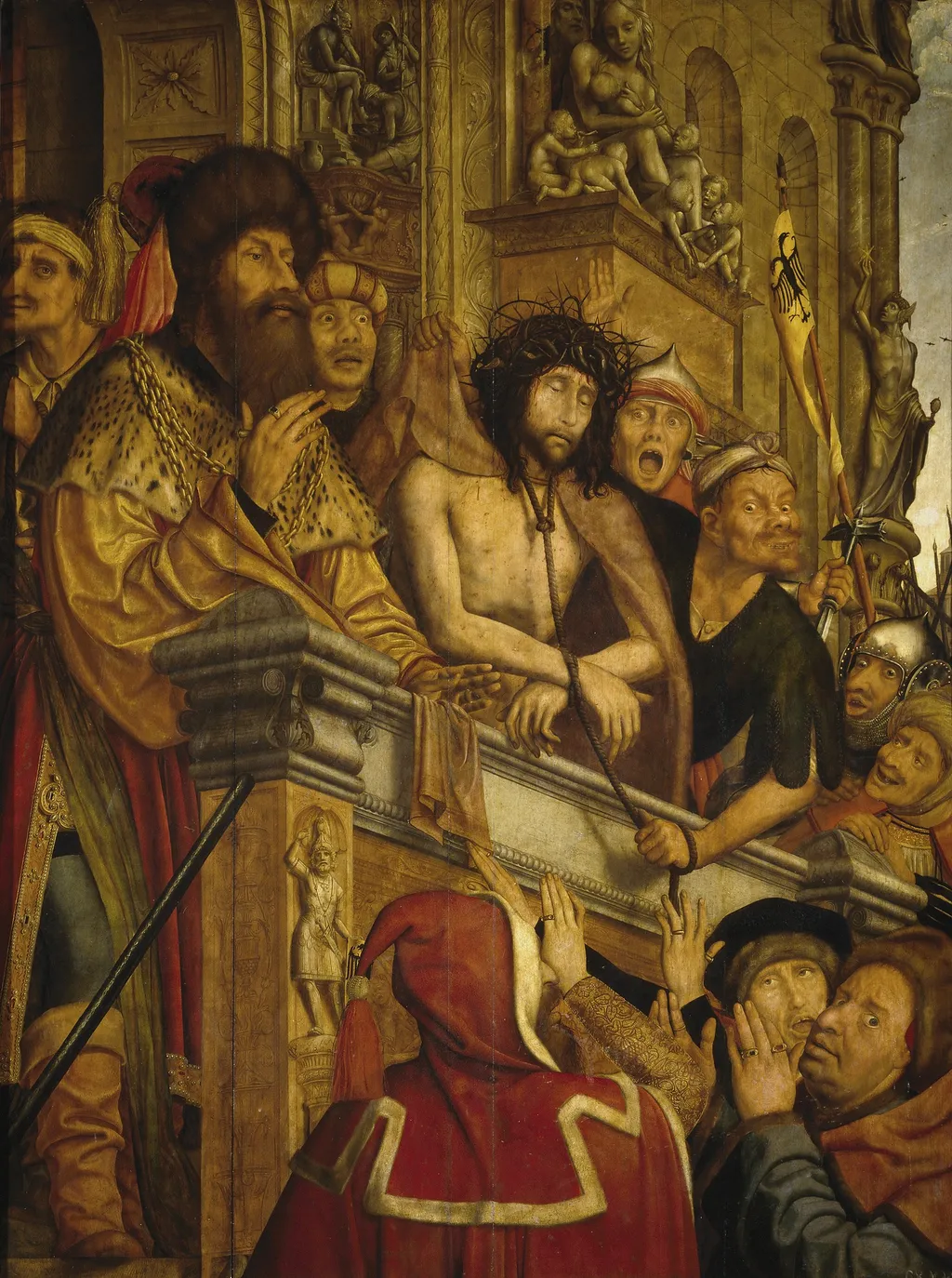
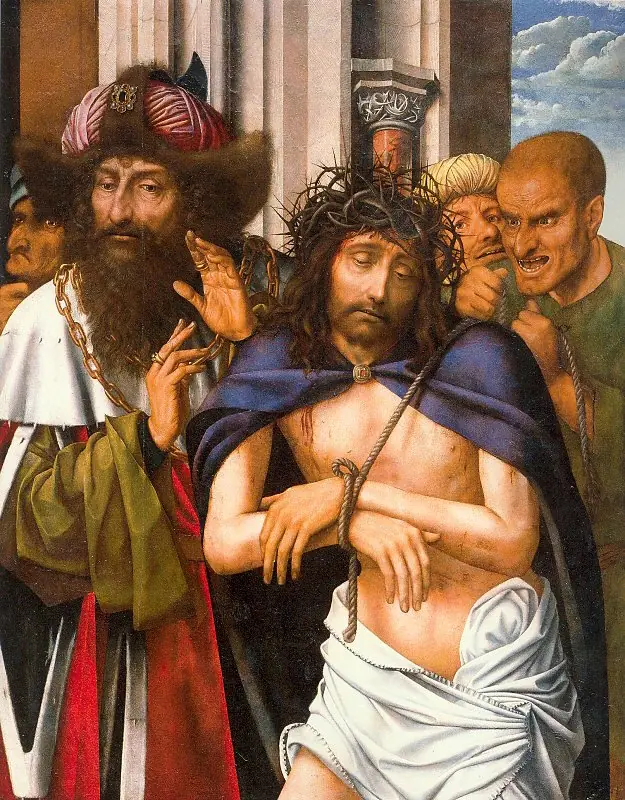
Christ presented to the People is an oil painting by the Northern Renaissance artist Quinten Metsys. It dates from 1515 and is held in the collection of the Museo del Prado.
About this work
Overview
Quentin Matsys painted *Christ Presented to the People* in 1515, employing oil on canvas. The work is part of the Prado Museum’s collection and exemplifies the Northern Renaissance’s engagement with biblical narratives.
Subject & Meaning
The composition portrays a crowd gathered around a central figure—Christ—who is held up by two attendants and crowned with thorns. The surrounding onlookers display a range of reactions, from shock to anger, underscoring the tension of the Passion scene and inviting contemplation of human judgment.
Technique & Style
Matsys renders the figures with meticulous attention to texture, using rich pigments and subtle chiaroscuro to model faces and garments. The contrast between the richly dressed spectators and the minimally clothed Christ highlights the artist’s skill in differentiating status through colour and light.
History & Provenance
Born in Leuven and originally trained as an ironsmith, Matsys settled in Antwerp, where he emerged as a leading painter of the early sixteenth century. His religious works, including this piece, contributed to the rise of the Antwerp school, which dominated Flemish art during the period.
Context
The painting reflects the moralizing tone common in Matsys’s oeuvre, aligning with contemporary devotional practices that emphasized the humanity of Christ and the moral responsibility of the viewer. Its narrative aligns with other Northern Renaissance depictions of the Passion, which often combined detailed realism with symbolic content.
Artist & collection
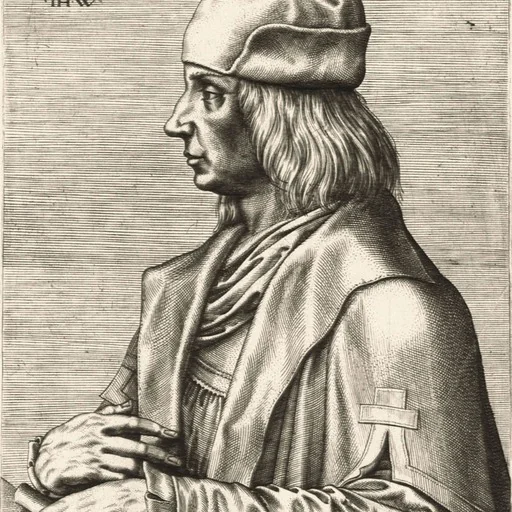
Artist
Quentin Matsys (UK: MAT-sysse, US: MAHT-sysse; also Massys or Metsys; Flemish: Quinten Matsijs ; 1466–1530) was a Flemish painter in the Early Netherlandish tradition.