Artwork
Multada quitandeira
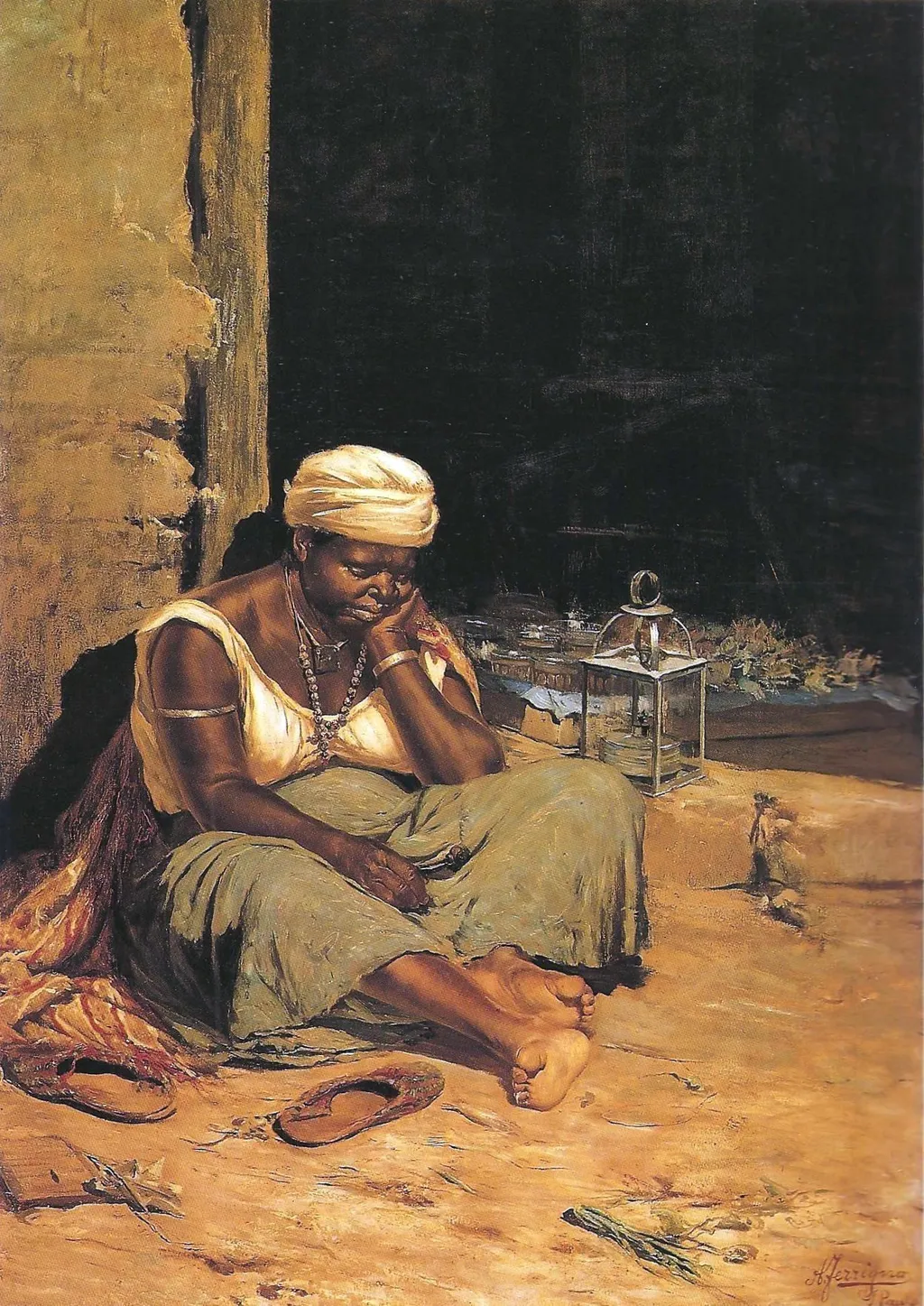
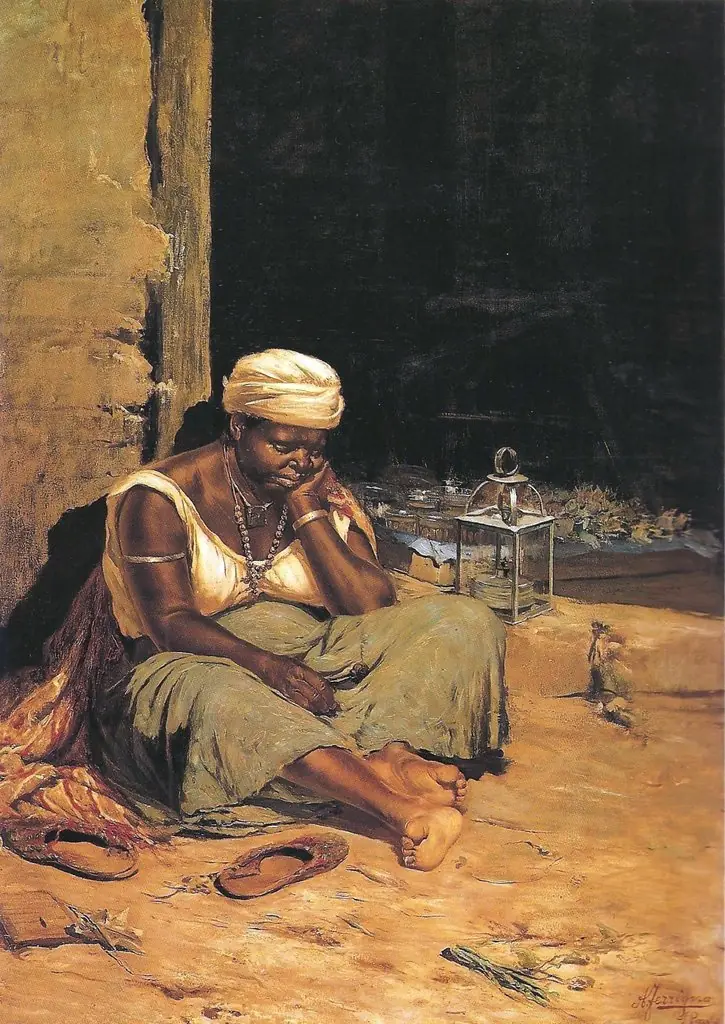
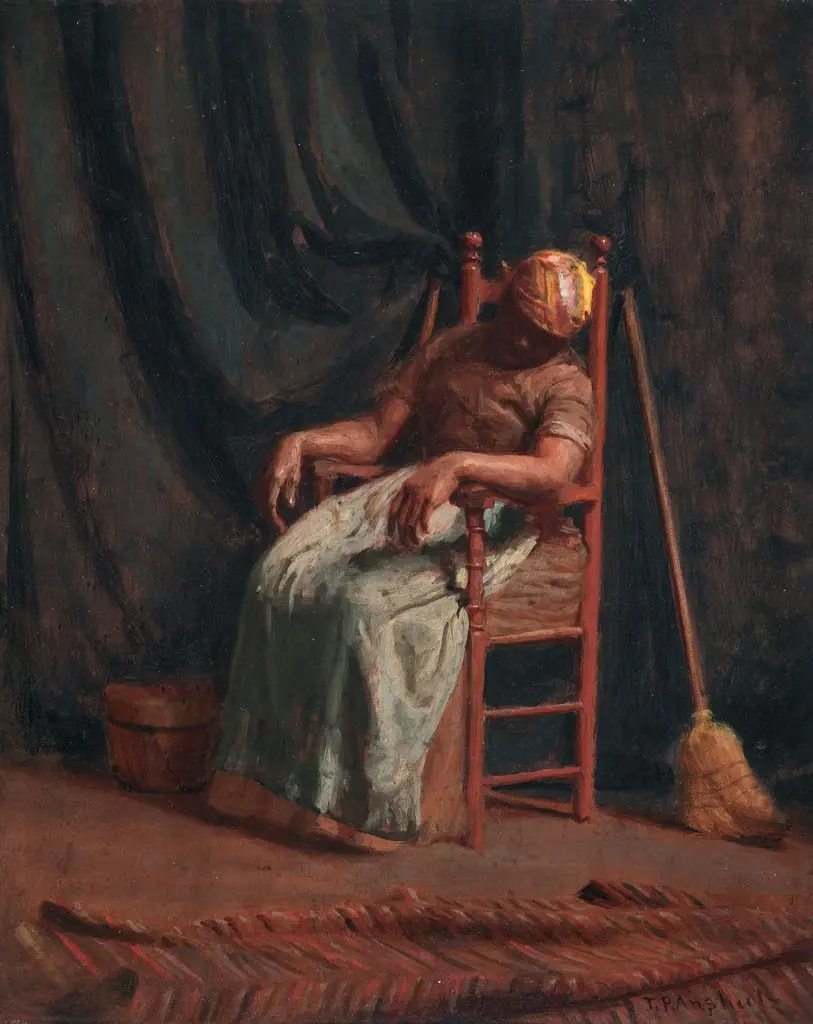
Multada quitandeira is an oil painting by Antonio Ferrigno. It dates from 1500 and is held in the collection of the Pinacoteca de São Paulo.
About this work
Overview
The work is held in the Pinacoteca do Estado de São Paulo’s collection.
Antonio Ferrigno, an Italian artist active in Brazil during the late 19th and early 20th centuries, painted *Multada quitandeira* around 1900 using oil on canvas. The work is held in the Pinacoteca do Estado de São Paulo’s collection. Ferrigno focused on everyday scenes of Brazilian life, particularly in São Paulo, capturing the quiet dignity of its working-class subjects with a realism rooted in European academic traditions.
Subject & Meaning
The painting portrays a woman seated on the ground, her head supported by her hand, suggesting introspection or weariness. Dressed in simple white garments and minimal jewelry, she appears as a quitandeira—a street vendor of fruits and food—resting between transactions. Her bare feet and the plain interior setting ground her in a specific social context, evoking solitude and the physical toll of labor without overt sentimentality.
Technique & Style
Ferrigno employs chiaroscuro to model the woman’s form, using strong contrasts between light and shadow to define her contours and enhance emotional weight. The dark, unadorned background isolates her figure, directing focus to her posture and expression. Brushwork is restrained, favoring smooth transitions over texture, aligning with academic conventions of the period while emphasizing psychological presence over narrative detail.
History & Provenance
Created during Ferrigno’s years in Brazil, the painting reflects his engagement with local subjects after relocating from Italy in the 1890s. It entered the Pinacoteca do Estado de São Paulo’s collection in the early 20th century, where it remains part of its historical Brazilian art holdings. The work’s documentation is limited, but its inclusion in the museum’s permanent display signals its recognized role in representing regional life.
Context
Ferrigno’s work emerged amid Brazil’s efforts to define a national artistic identity following abolition and the rise of the republic. While European-trained, he turned from idealized landscapes to intimate portrayals of Afro-Brazilian and working-class women, offering a quiet counterpoint to grand historical narratives. His depictions, though not overtly political, contribute to a visual record of marginalized lives in urban Brazil.
Legacy
Though not widely known outside Brazil, *Multada quitandeira* exemplifies a shift in late 19th-century Brazilian art toward social realism. Ferrigno’s focus on ordinary individuals, rendered with empathy and technical precision, influenced later generations of painters interested in everyday life. The painting endures as a subtle yet resonant document of labor, gender, and presence in a rapidly changing society.
Own this work as a print
Artist & collection
Artist
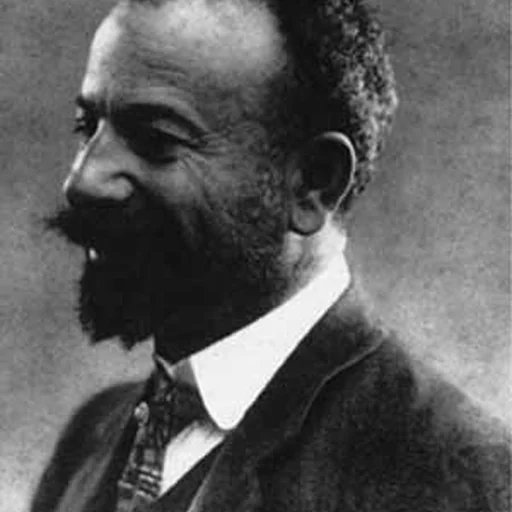
Antonio Ferrigno (22 December 1863 – 12 December 1940) was an Italian painter best known for his landscapes and genre scenes created during a stay in Brazil.