Artwork
An Egyptian Baker and His Assistant at the Door of a Cake-Shop
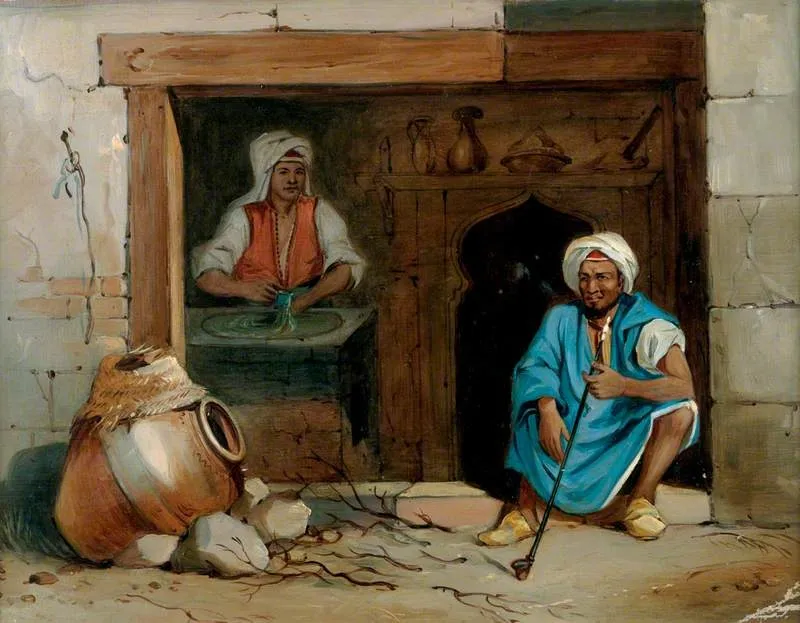
An Egyptian Baker and His Assistant at the Door of a Cake-Shop is an oil painting by the Orientalist artist Émile Prisse d'Avennes. It dates from 1835 and is held in the collection of the Victoria and Albert Museum.
About this work
Overview
Émile Prisse d'Avennes painted An Egyptian Baker and His Assistant at the Door of a Cake‑Shop in 1835 using oil on canvas. The work is part of the collection of the Victoria and Albert Museum in London.
Subject & Meaning
The crouching assistant, clad in a blue robe and also wearing a white head covering, holds a long staff in his left hand.
The scene depicts two figures positioned before a doorway of a stone structure. The seated figure, dressed in an orange vest over a white shirt and a white head covering, gazes toward his companion. The crouching assistant, clad in a blue robe and also wearing a white head covering, holds a long staff in his left hand. A large, overturned clay pot rests on the ground between them, suggesting a moment of daily trade.
Technique & Style
Rendered in oil, the painting balances muted earth tones with brighter accents on the clothing, creating a modest contrast that emphasizes the figures against the dark interior. The handling of light highlights the textures of stone, fabric, and the ceramic vessel, while the shallow depth of field focuses attention on the two men.
History & Provenance
Created during Prisse d'Avennes’s early career, the work entered the Victoria and Albert Museum’s holdings in the 20th century, where it remains on display as part of the museum’s Egyptian genre‑painting collection.
Context
Prisse d'Avennes, a French archaeologist and painter, traveled extensively in Egypt in the 1830s, documenting local customs and architecture. This painting reflects his interest in everyday Egyptian life, portraying a bakery setting that would have been familiar to contemporary observers of Egyptian urban culture.
Artist & collection
Artist
Émile Prisse d’Avennes painted scenes of daily life in Egypt in the 1830s, using oil paint to capture people and places.

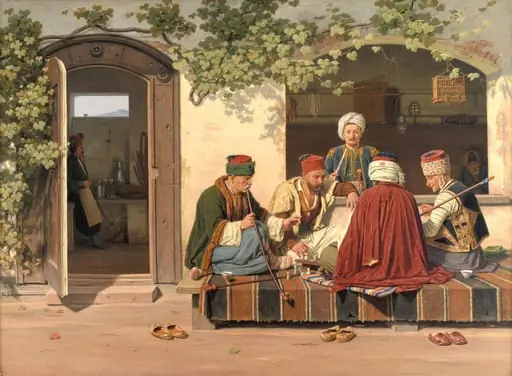 A party of chess players outside a Turkish coffeehouse and barbershop
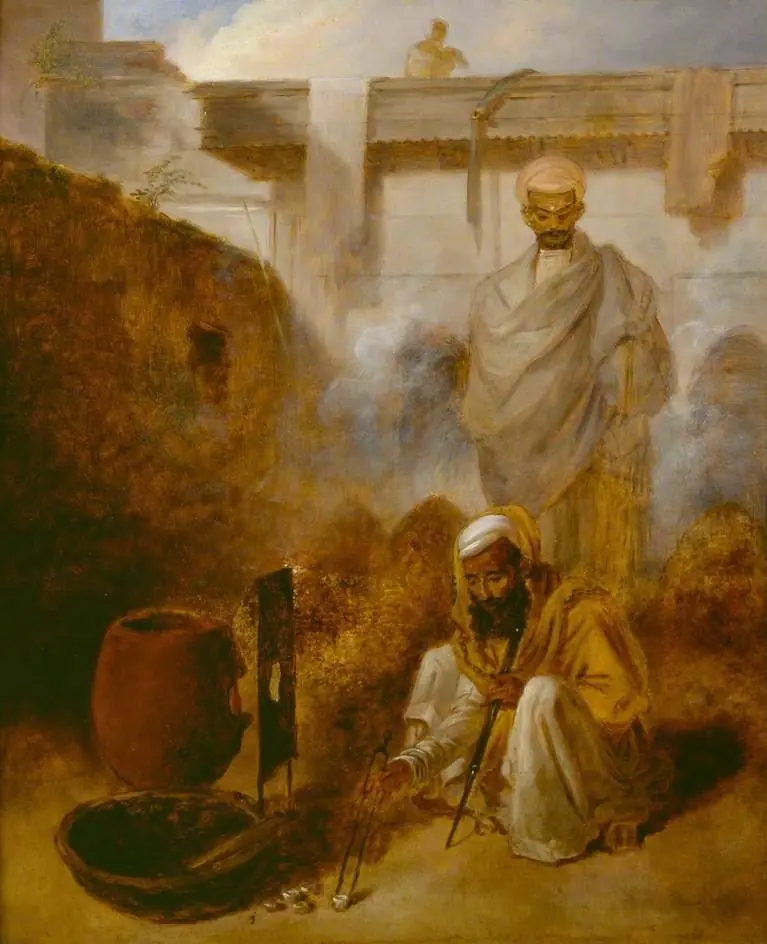 Assayer at Work in the Mint, Calcutta
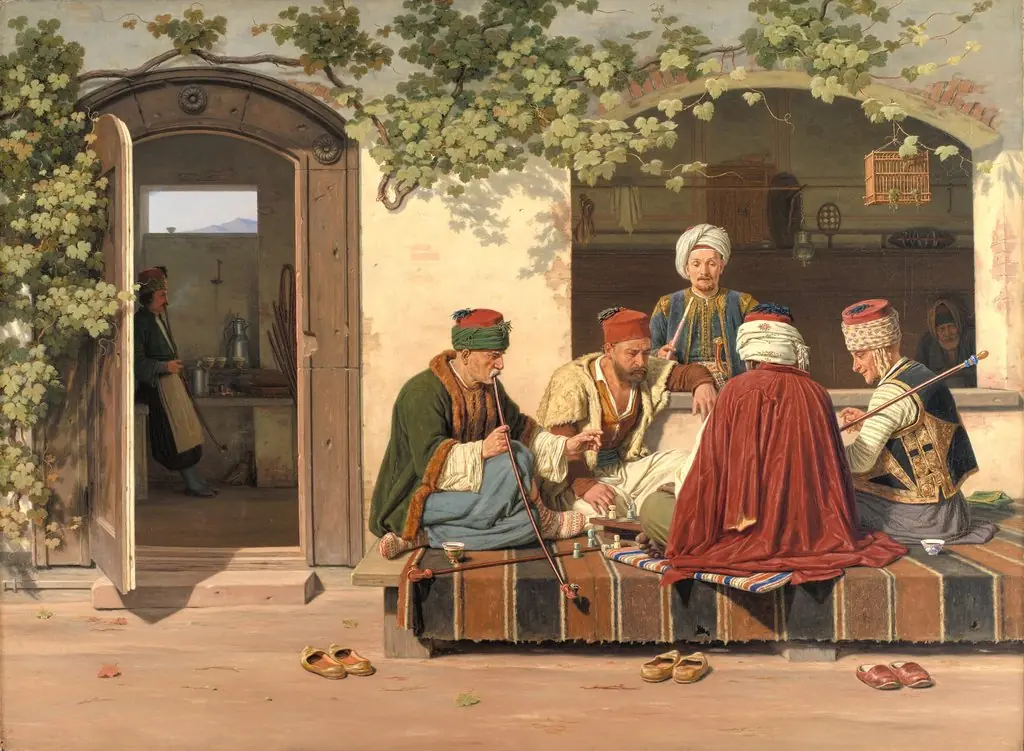 A party of chess players outside a Turkish coffeehouse and barbershop
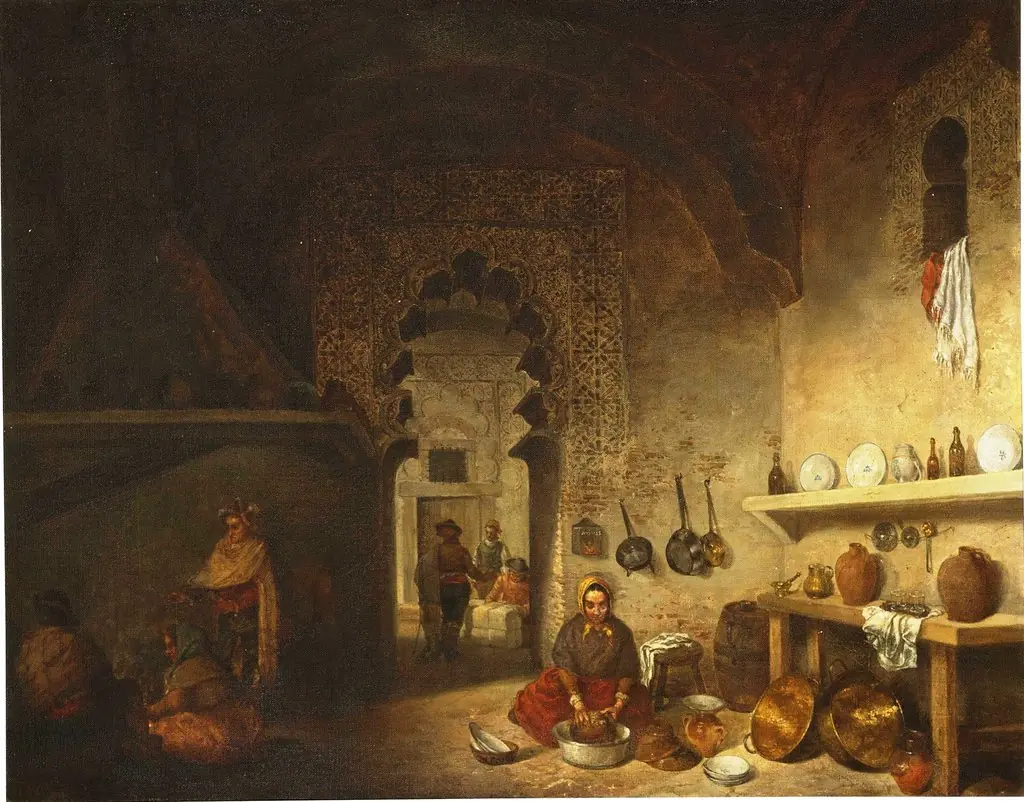 Interior de la cocina de una posada del pueblo de Maqueda
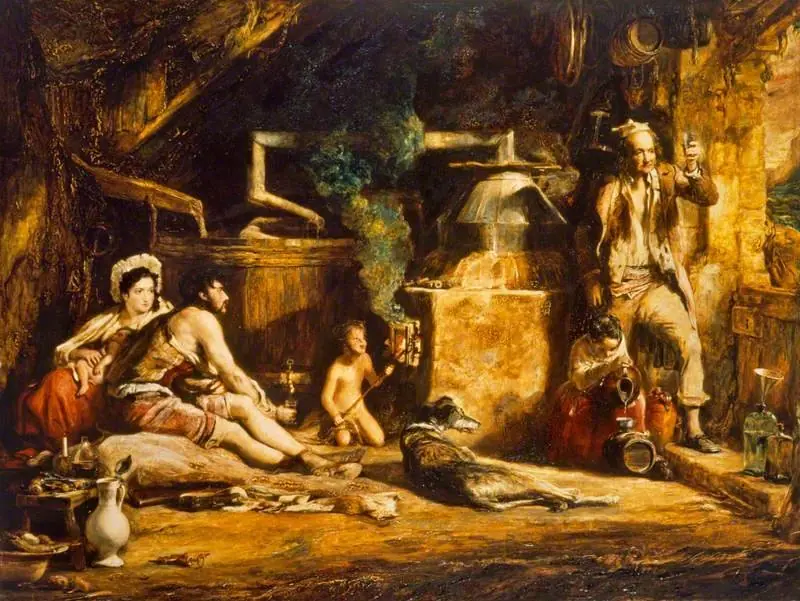 The Irish Whiskey Still
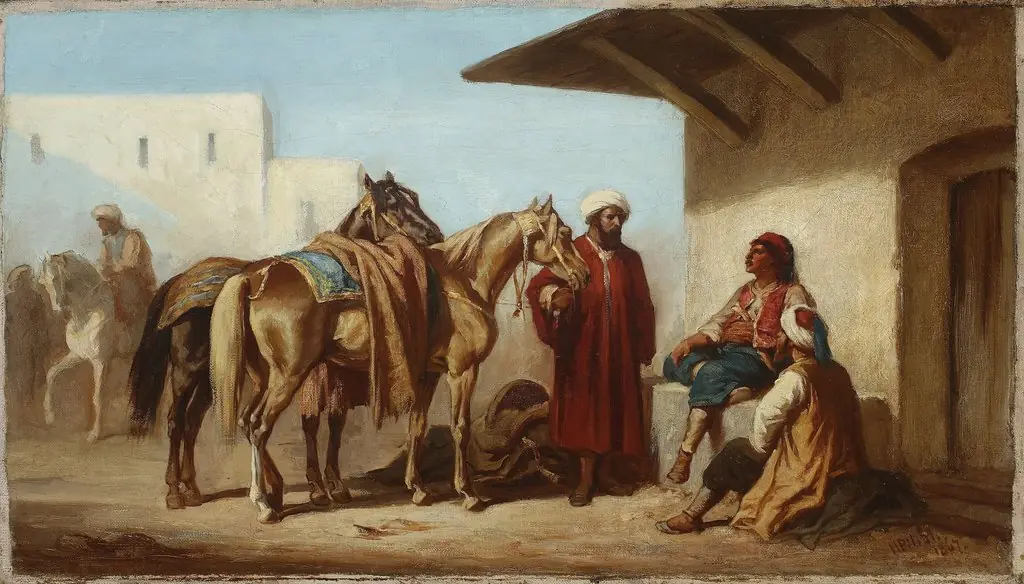 Eastern scene – Selling horses
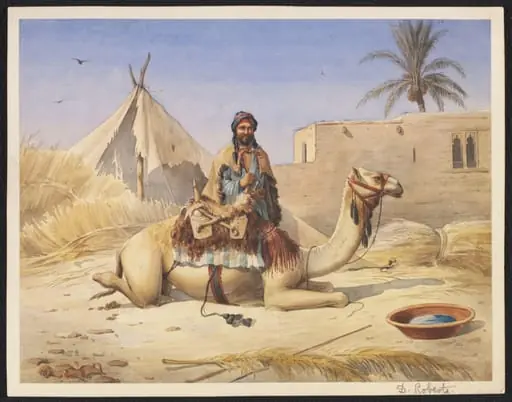 A Bedouin beside his Camel, probably in Egypt
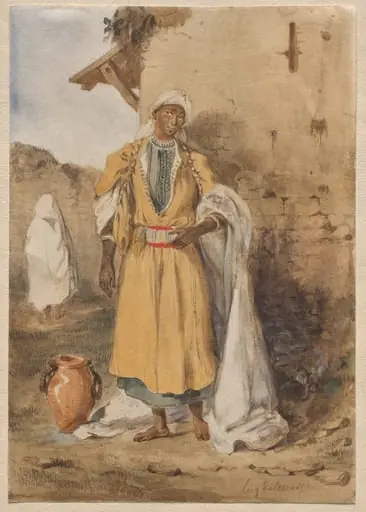 A Young Black Woman Fetching Water
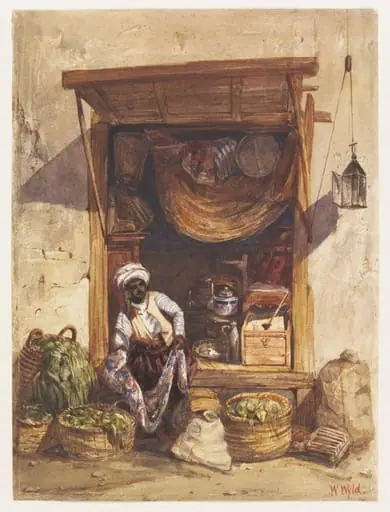 Marchand de Legumes à Alger
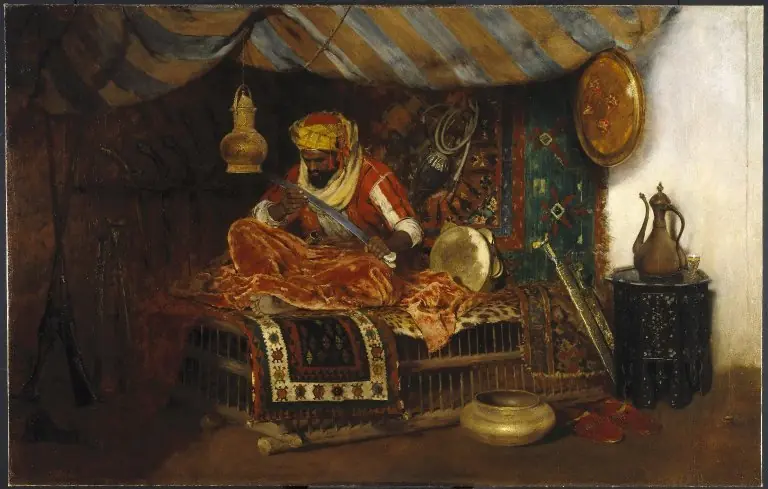 The Moorish Warrior
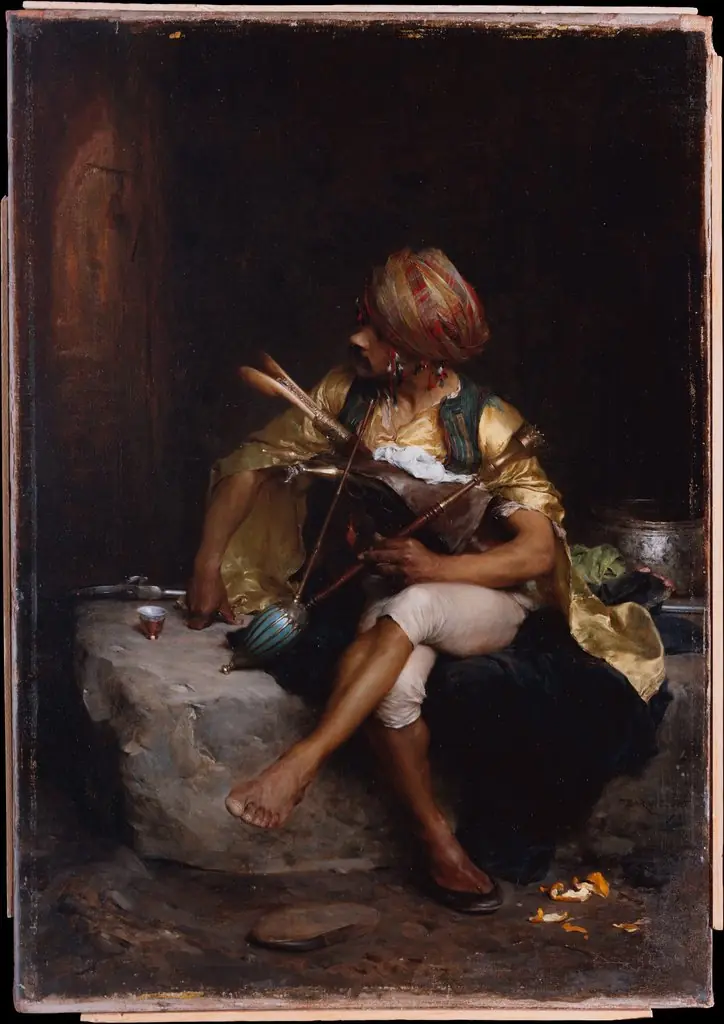 A Bashi-Bazouk
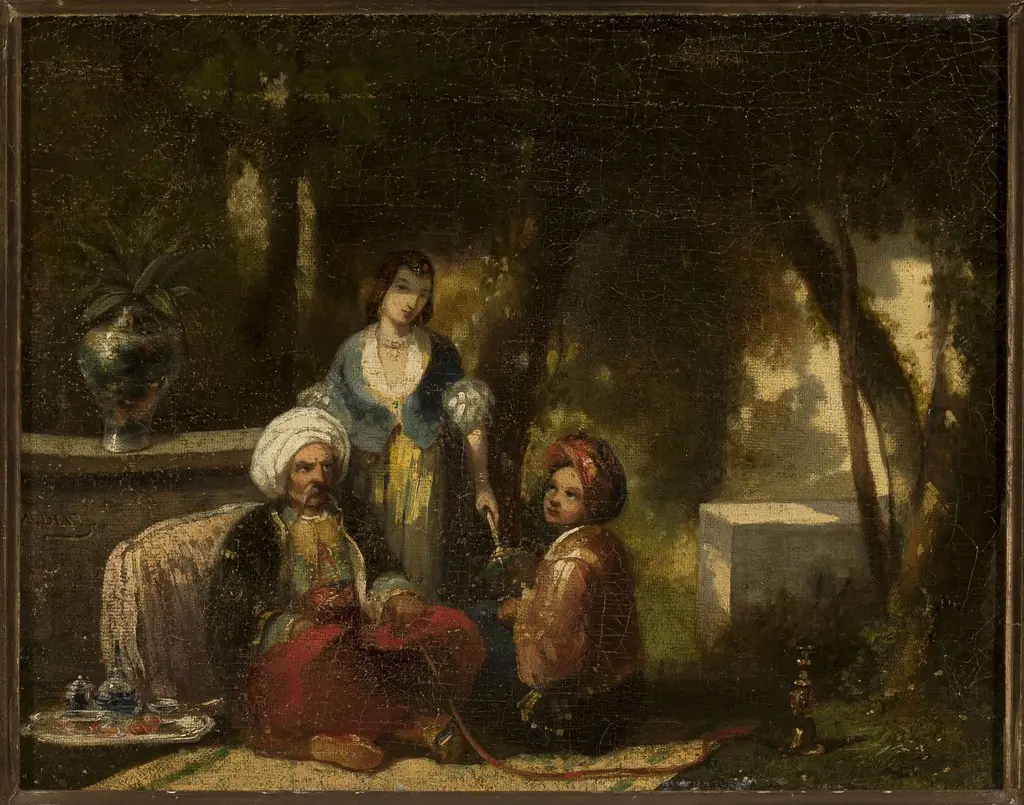 Man with a narghile against forest landscape