Artwork
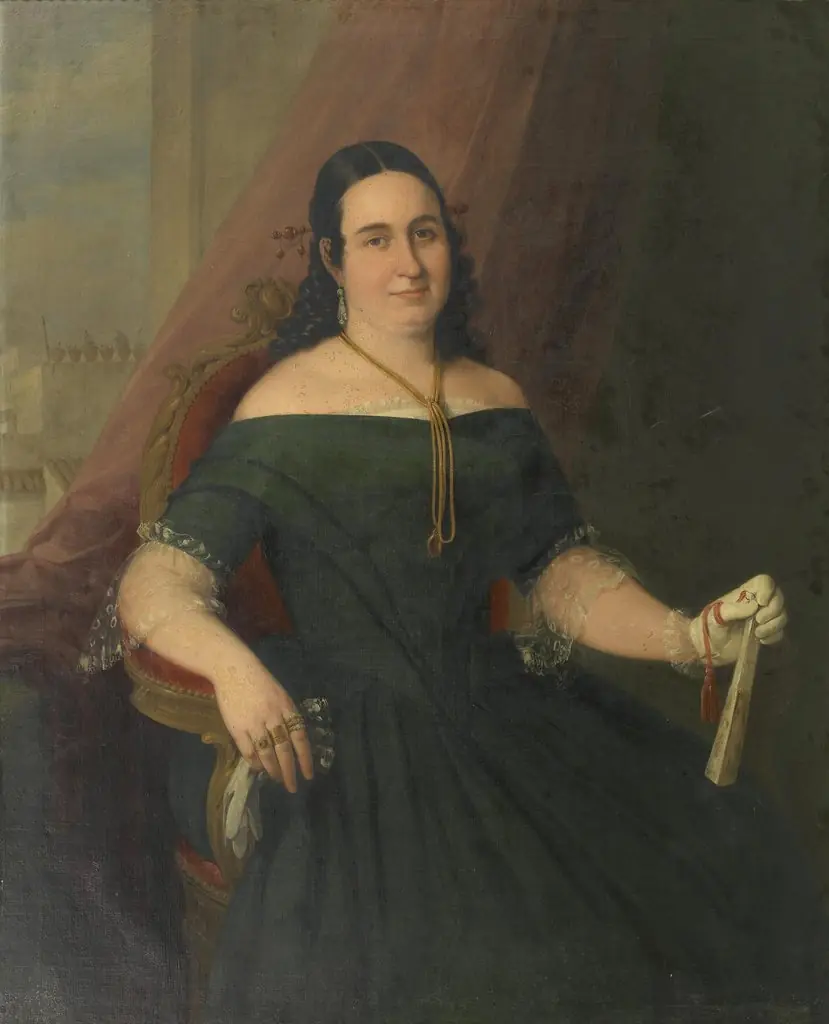
Portrait of Josefa García Solís
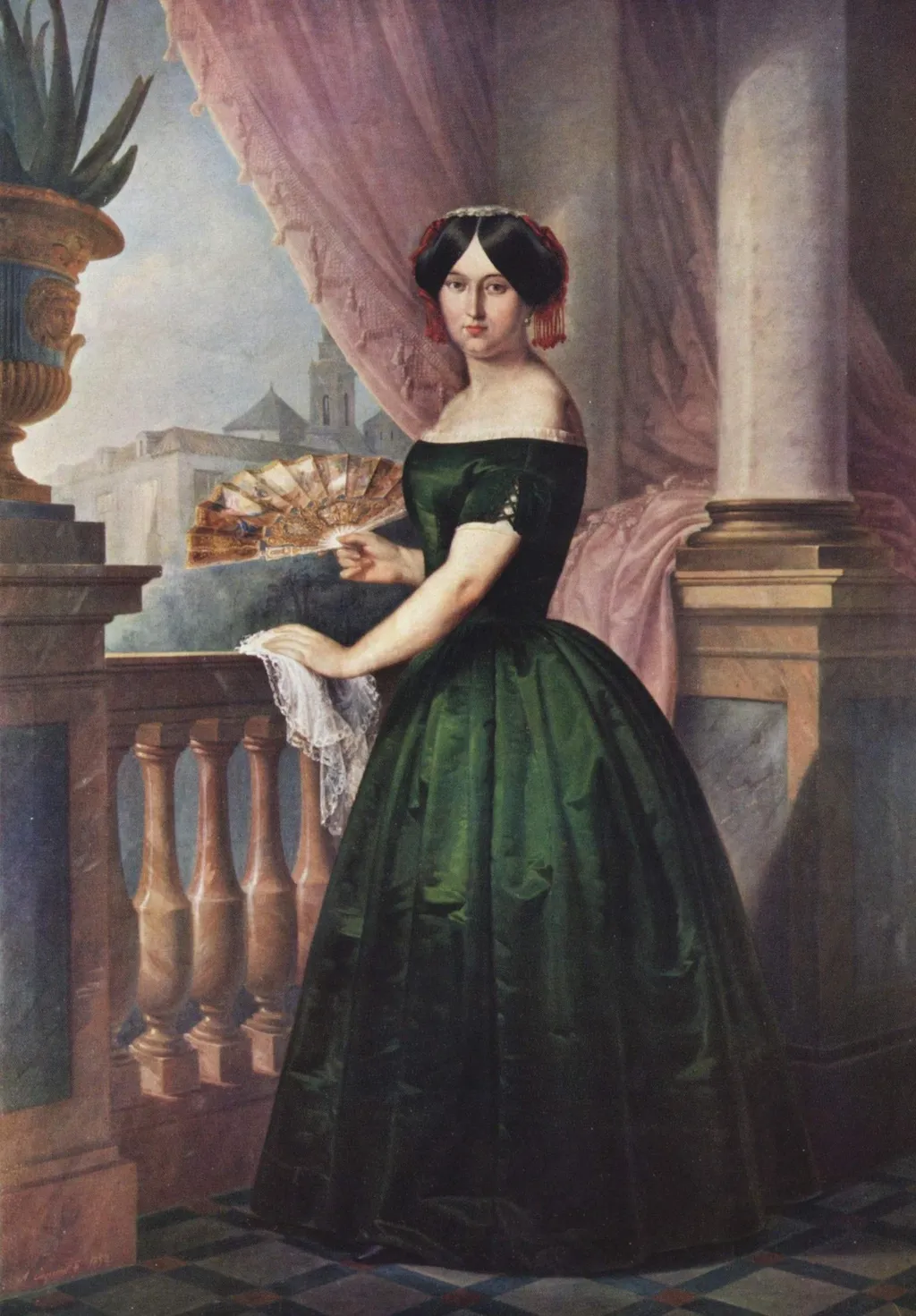
Portrait of Josefa García Solís is an oil painting by Antonio María Esquivel. It dates from 1852 and is held in the collection of the Museo del Prado.
About this work
Overview
Painted in 1852 by Spanish artist Antonio María Esquivel, this oil portrait captures Josefa García Solís in a poised, intimate setting. Executed during the height of Romanticism in Spain, the work reflects Esquivel’s focus on individual character through subtle expression and refined detail. It resides in the Museo del Prado, Madrid, as part of its 19th-century Spanish portraiture collection.
Subject & Meaning
Her formal attire—a dark green dress and white lace shawl—suggests social standing, while the hand fan implies grace and restraint.
Josefa García Solís is depicted standing on a balcony, gazing directly at the viewer with composed dignity. Her formal attire—a dark green dress and white lace shawl—suggests social standing, while the hand fan implies grace and restraint. The urban backdrop, featuring a church steeple, situates her within a cultivated, metropolitan environment, reinforcing themes of refinement and private identity over public spectacle.
Technique & Style
Esquivel employs chiaroscuro to model the figure with soft, directional light, enhancing the three-dimensionality of her face and hands. The brushwork is precise yet fluid, particularly in the rendering of lace and fabric folds. The background is rendered with looser strokes, creating atmospheric depth without distracting from the subject. This balance reflects Romanticism’s blend of emotional presence and technical control.
History & Provenance
The painting entered the Museo del Prado’s collection shortly after its completion, likely through acquisition or donation by a private patron connected to Esquivel’s circle. Its continuous presence in the museum since the mid-19th century underscores its early recognition as a representative example of Spanish portraiture during a period of artistic transition.
Context
Created during a time when Spanish art was shifting from Neoclassical rigidity toward Romantic individualism, the portrait aligns with broader trends favoring psychological nuance and personal expression. Esquivel, active in Madrid’s artistic circles, contributed to this evolution by prioritizing the inner life of his sitters over idealized forms, distinguishing his work from earlier courtly traditions.
Legacy
Though not widely known outside Spain, the portrait remains a significant example of mid-19th-century Spanish portraiture. It illustrates how Romantic ideals were adapted locally, emphasizing quiet dignity over dramatic gesture. The work continues to inform scholarly understanding of how private identity was visually constructed in bourgeois Spanish society during this era.
Own this work as a print
Artist & collection
Artist
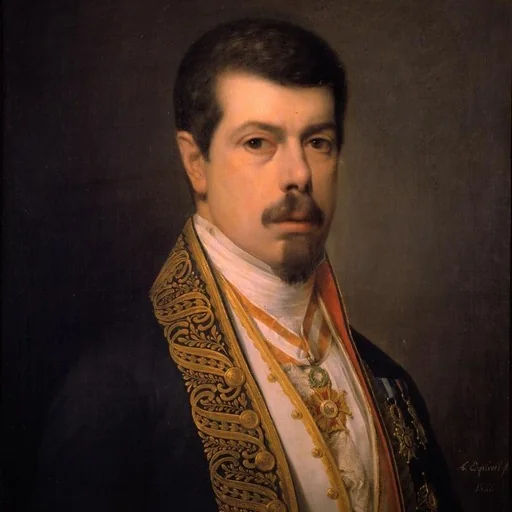
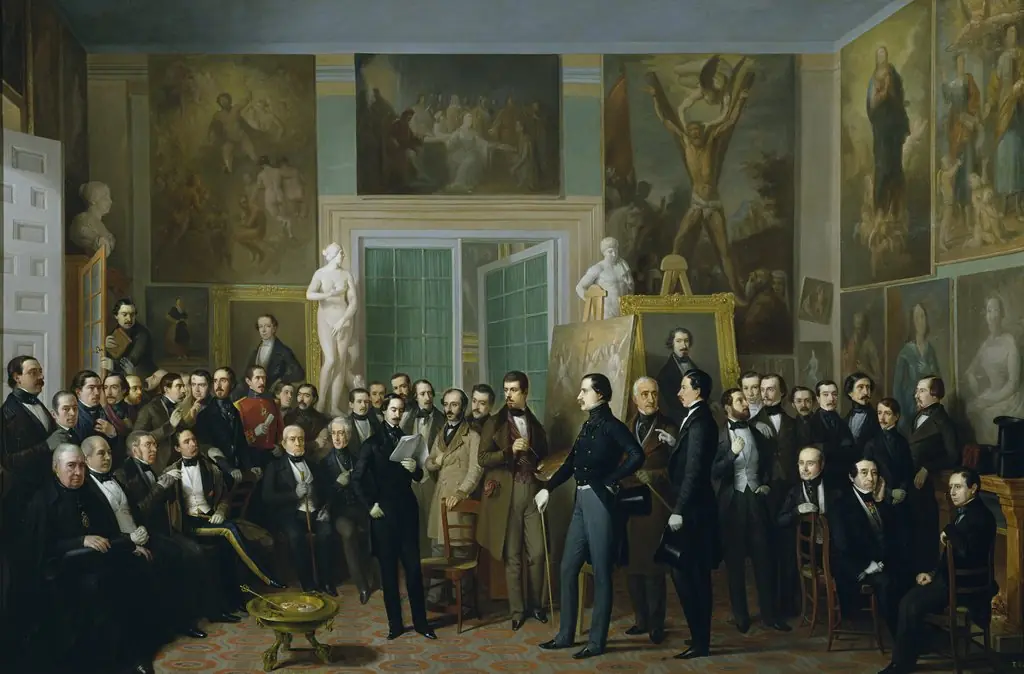
Antonio María Esquivel y Suárez de Urbina (8 March 1806 – 9 April 1857) was a Spanish painter in the Romantic style who specialized in portraits.

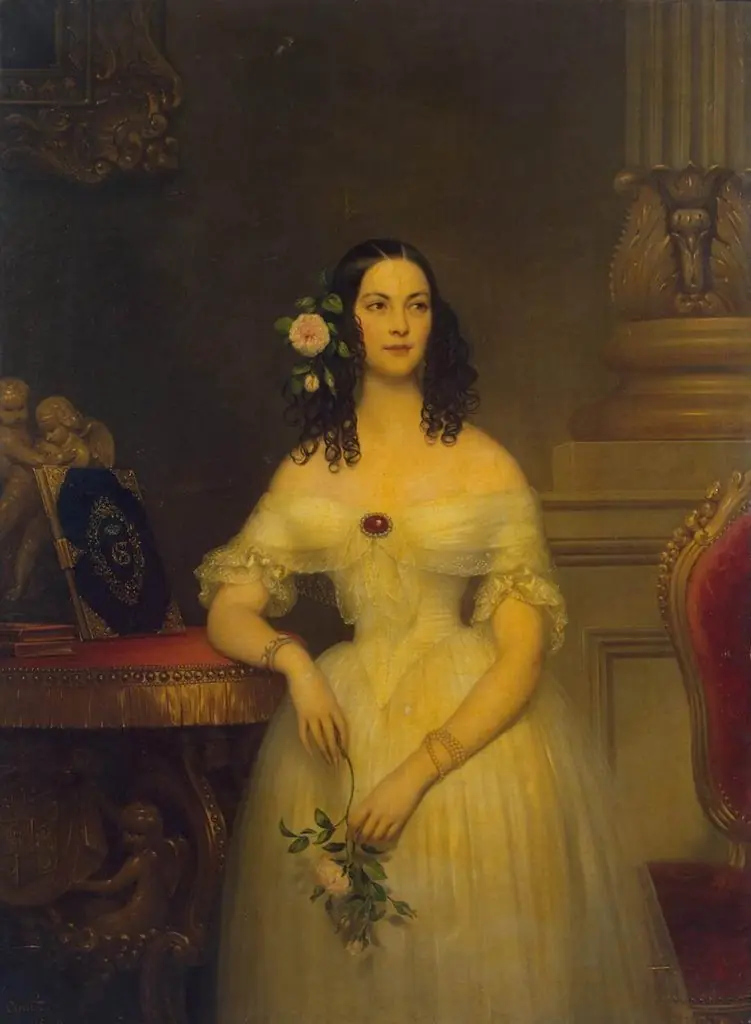 Portrait of Yekaterina Scherbatova
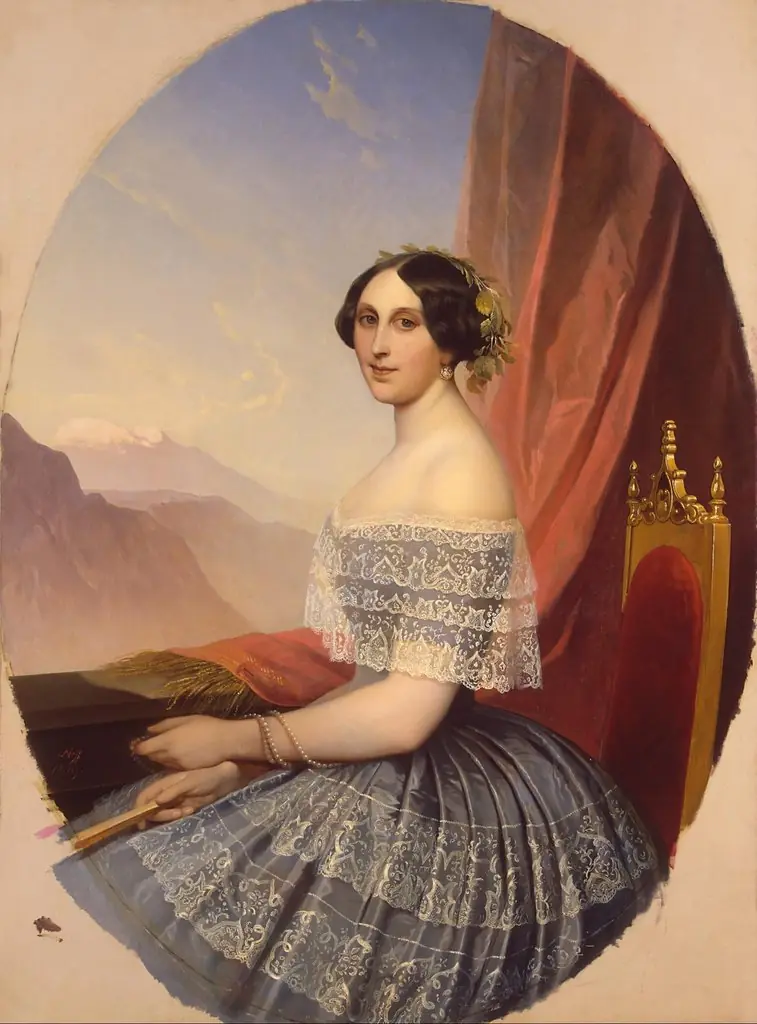 Portrait of a Young Woman
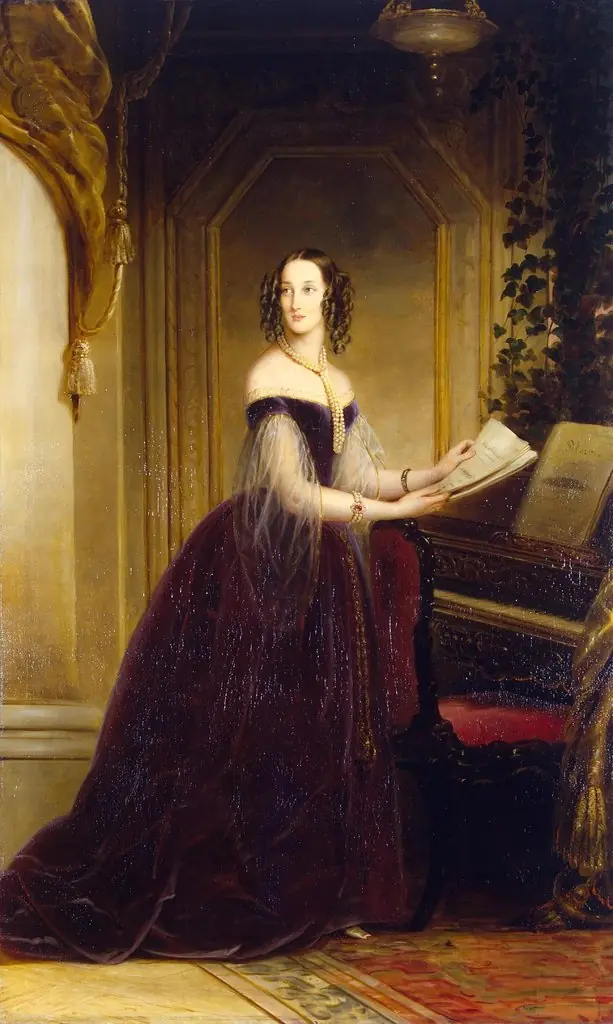 Portrait of Grand Princess Maria Nikolayevna (1819-1876)
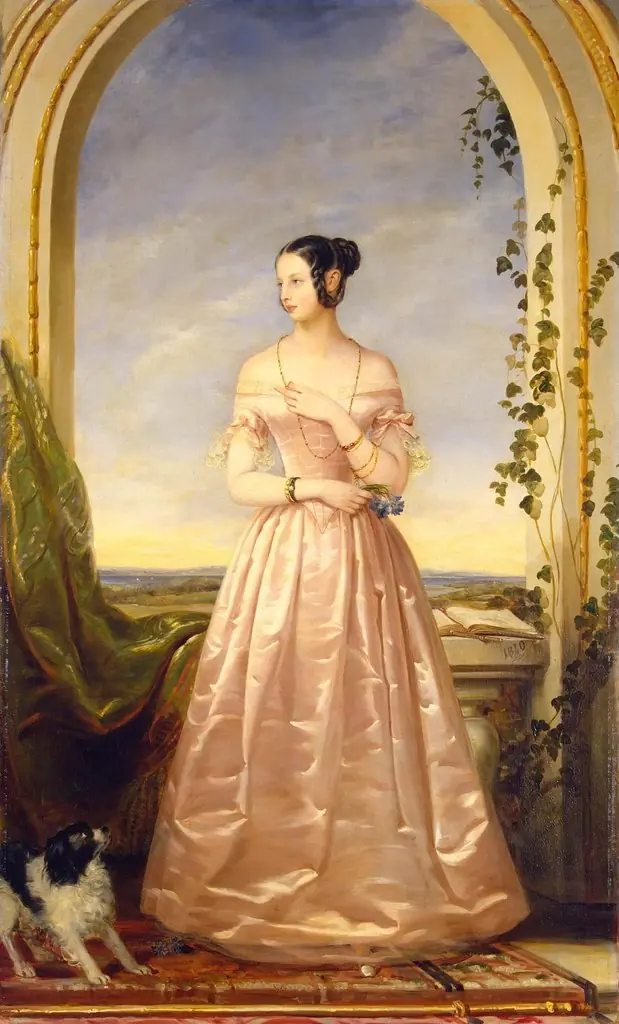 Portrait of Grand Princess Alexandra Nikolayevna
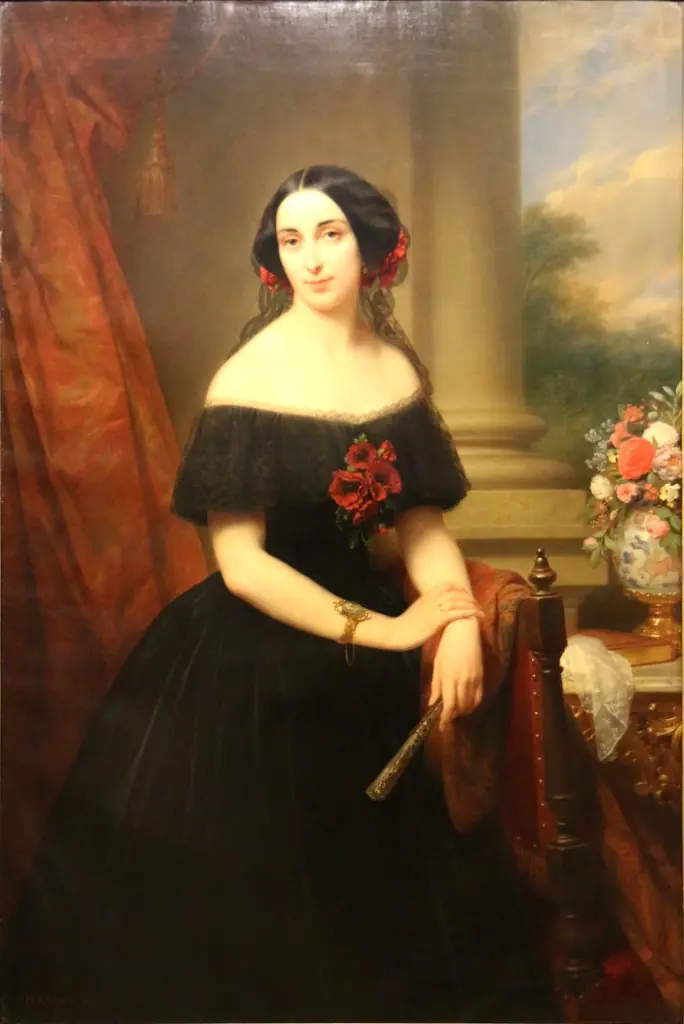 portrait of Louise van Campenhout (Louise-Caroline-Françoise van Campenhout)
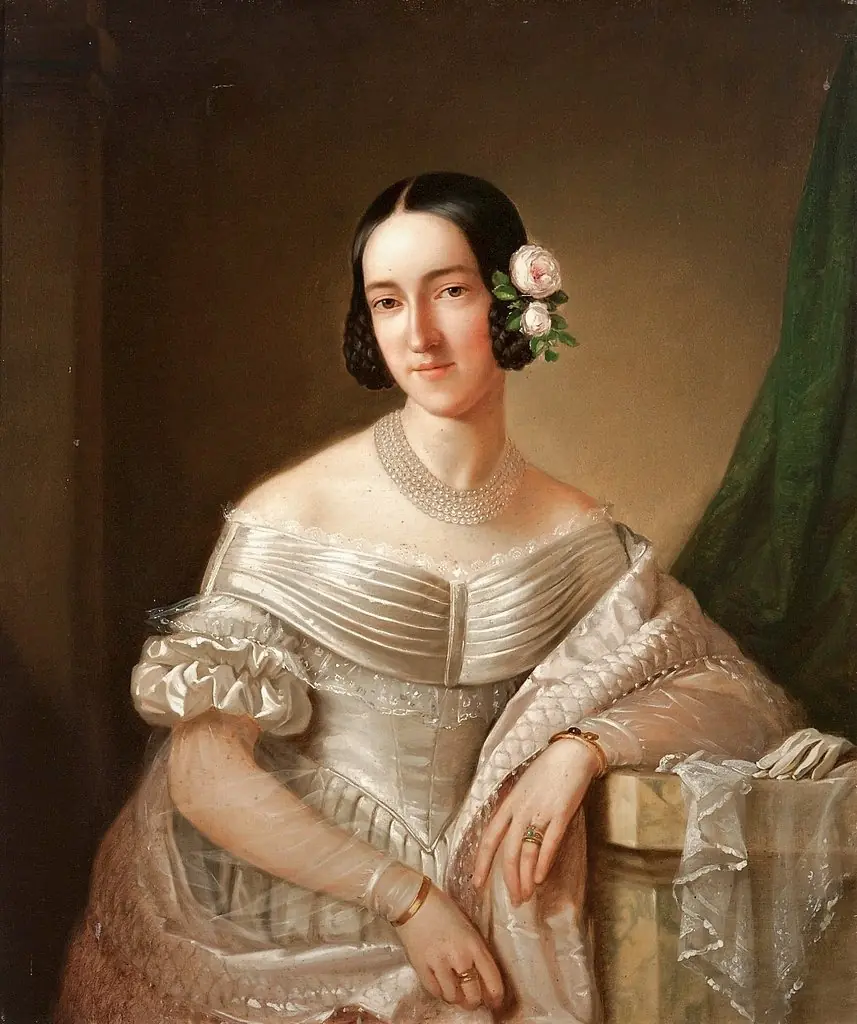 Portrait of Archduchess Hermine of Austria
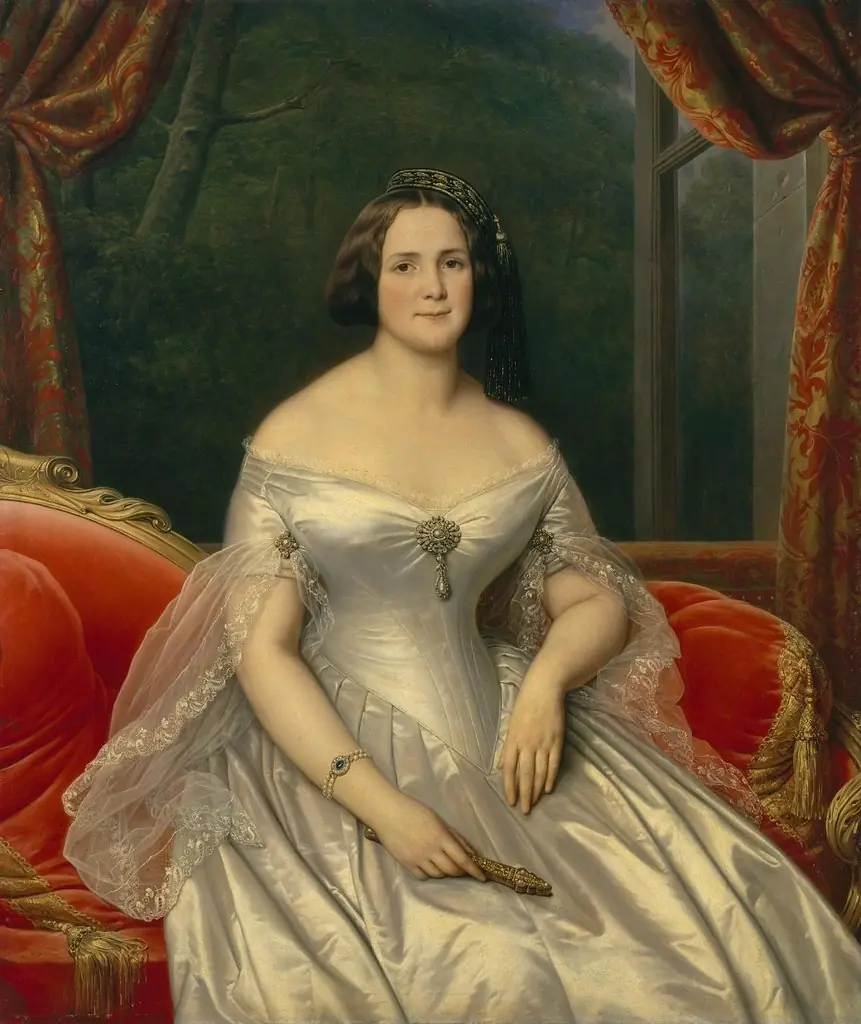 Portrait of Anna Benardaki
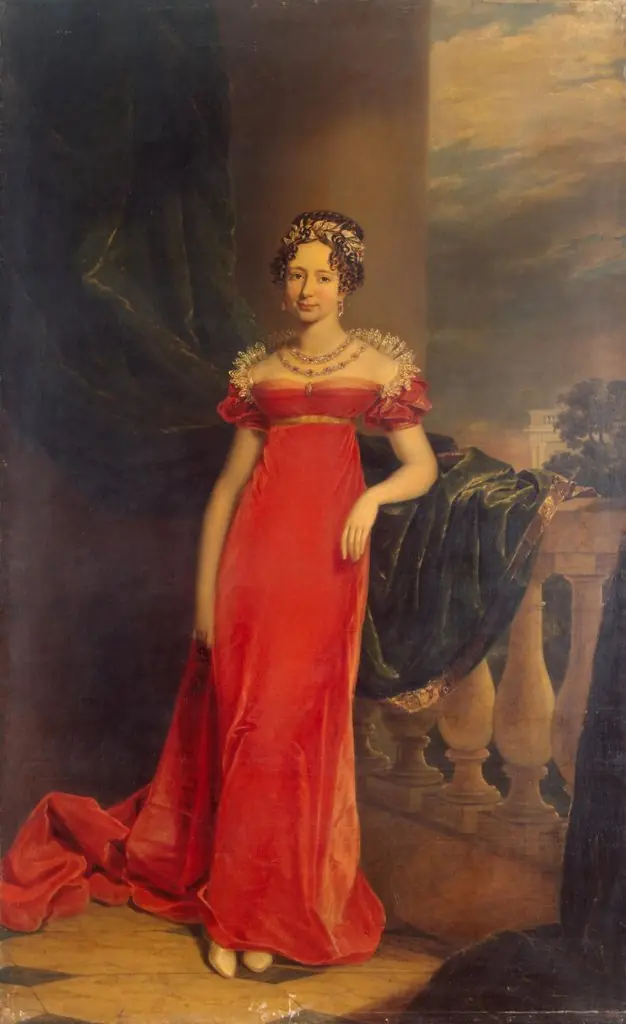 Portrait of Grand Duchess Maria Pavlovna
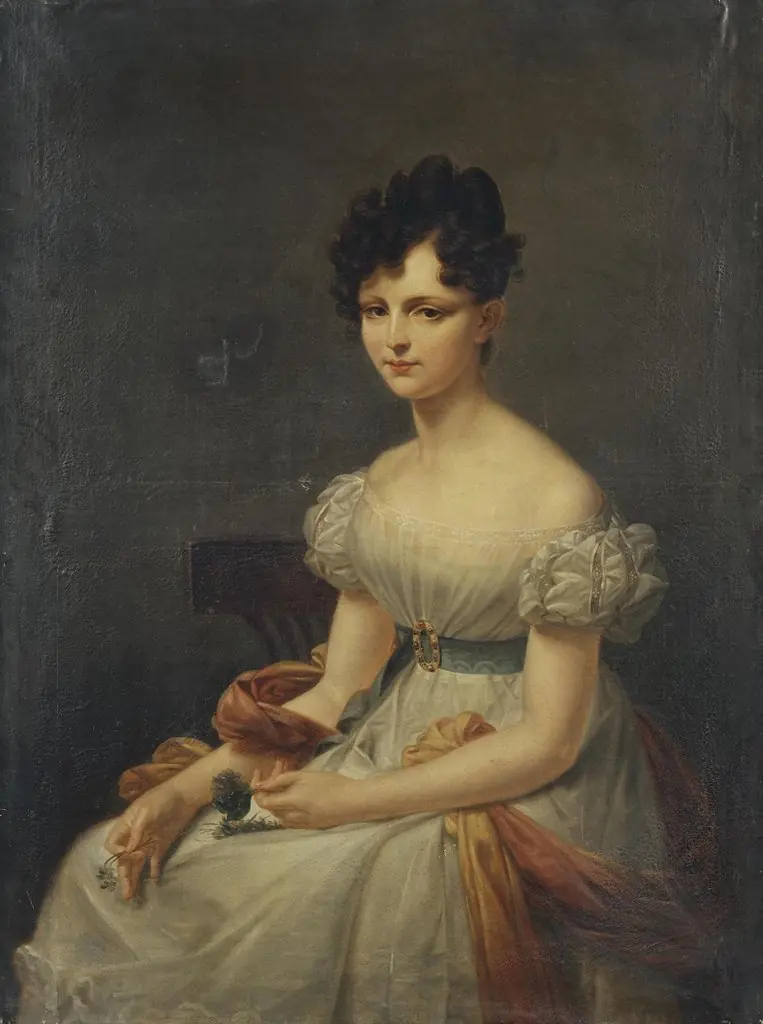 Portrait of Princess Anna Nikolayevna Golitsyna (?)
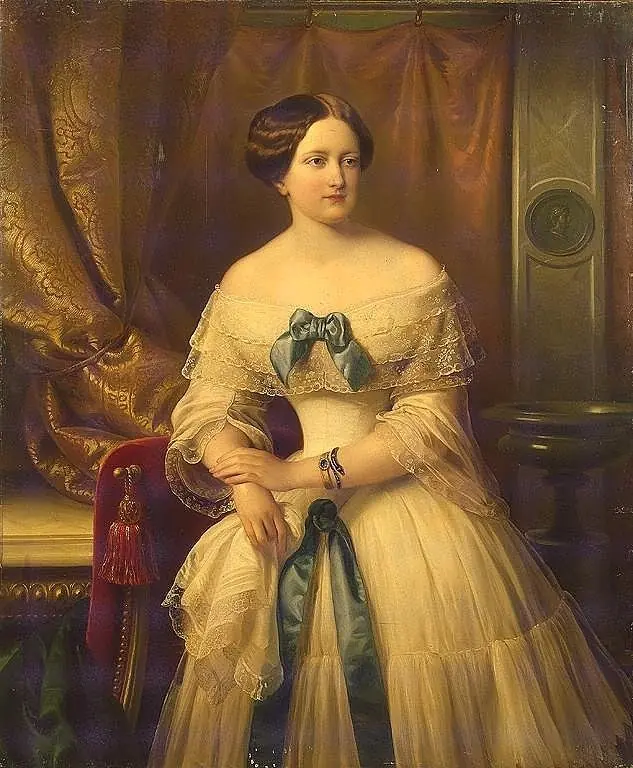 Portrait of Grand Princess Maria Mikhailovna
 Madame Mols-de Brialmont
 Portrait of Maria Ludwika Blumenfeld née Kobyłecka