Artwork
¡Que pasa Dios!
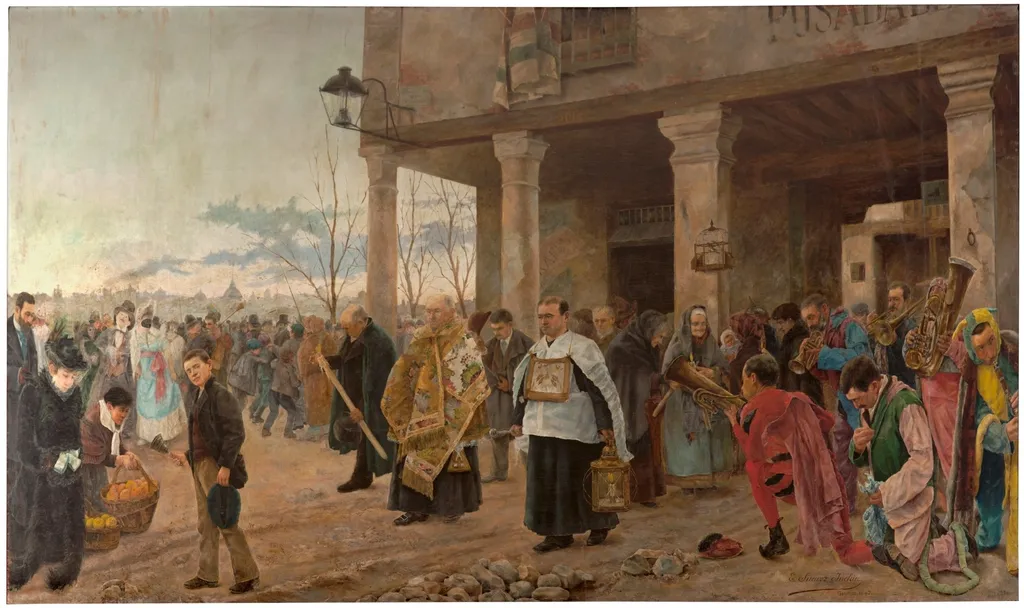
¡Que pasa Dios! is an oil painting by the Post-Impressionist artist Estanislao Suárez Inclán. It dates from 1896 and is held in the collection of the Museo del Prado.
About this work
Overview
Though once cataloged under a misleading title referencing a clarinet, the scene reveals a lively religious or civic parade.
Painted in 1896 by Estanislao Suárez Inclán, this oil work captures a vibrant street procession in Spain. Though once cataloged under a misleading title referencing a clarinet, the scene reveals a lively religious or civic parade. The painting resides in the Museo del Prado, where it stands as an example of late 19th-century Spanish genre painting, notable for its energetic composition and tactile brushwork.
Subject & Meaning
The scene portrays a communal procession winding through a narrow urban alley. Two figures in robes lead the way—one bearing a floral banner, the other a small chest, possibly containing a relic or sacred object. Surrounding them, townspeople engage in daily activities: playing instruments, carrying fruit, and conversing. The atmosphere suggests a local festival blending devotion with everyday life, reflecting popular traditions rather than formal liturgy.
Technique & Style
Suárez Inclán employed thick, textured brushstrokes to render fabrics, baskets, and architectural surfaces, emphasizing material presence through impasto. Light falls sharply across the scene, carving out highlights on robes and fruit while plunging corners into deep shadow. This contrast enhances the sense of depth and movement, anchoring the bustling activity in a tangible, physical space without idealizing it.
History & Provenance
The painting entered the Museo del Prado’s collection shortly after its completion in 1896. It was initially misidentified by its title, which referenced a single instrument visible in the composition. Over time, curators recognized the broader narrative and corrected the focus to the procession itself. Its preservation in a major national museum reflects its value as a document of regional customs during a period of artistic transition in Spain.
Context
Created during a time when Spanish artists increasingly turned to everyday life for subject matter, the work aligns with broader European trends in realism and naturalism. Unlike grand historical or religious scenes, this painting finds significance in the ordinary rhythms of community rituals. It captures a moment before industrialization reshaped urban life, preserving the visual texture of a vanishing social fabric.
Legacy
Though not widely exhibited outside Spain, the painting remains a quiet reference point in studies of regional Spanish painting. Its unembellished portrayal of public ritual distinguishes it from more theatrical contemporaries. Scholars value it for its honest depiction of local customs and its technical approach to light and texture, offering insight into how ordinary life was rendered with dignity in late 19th-century art.
Artist & collection
Artist
Estanislao Suárez Inclán liked to paint the quiet corners of daily life—empty chairs by a window, a half-folded tablecloth, morning light on a wooden floor.

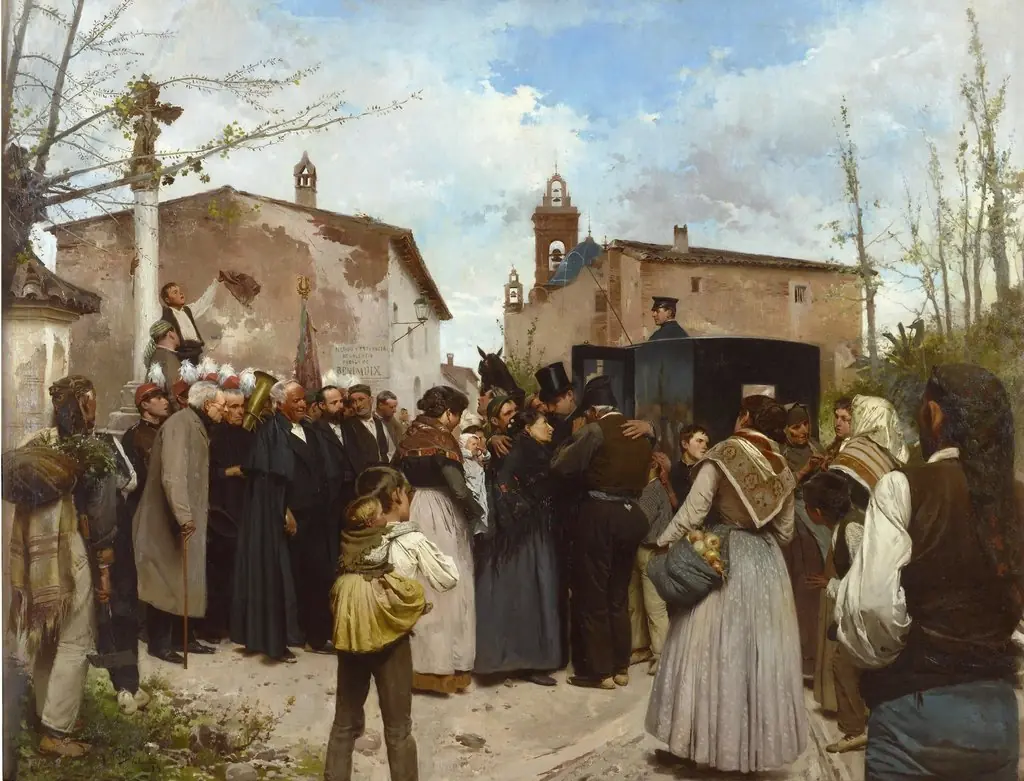 La gloria del pueblo
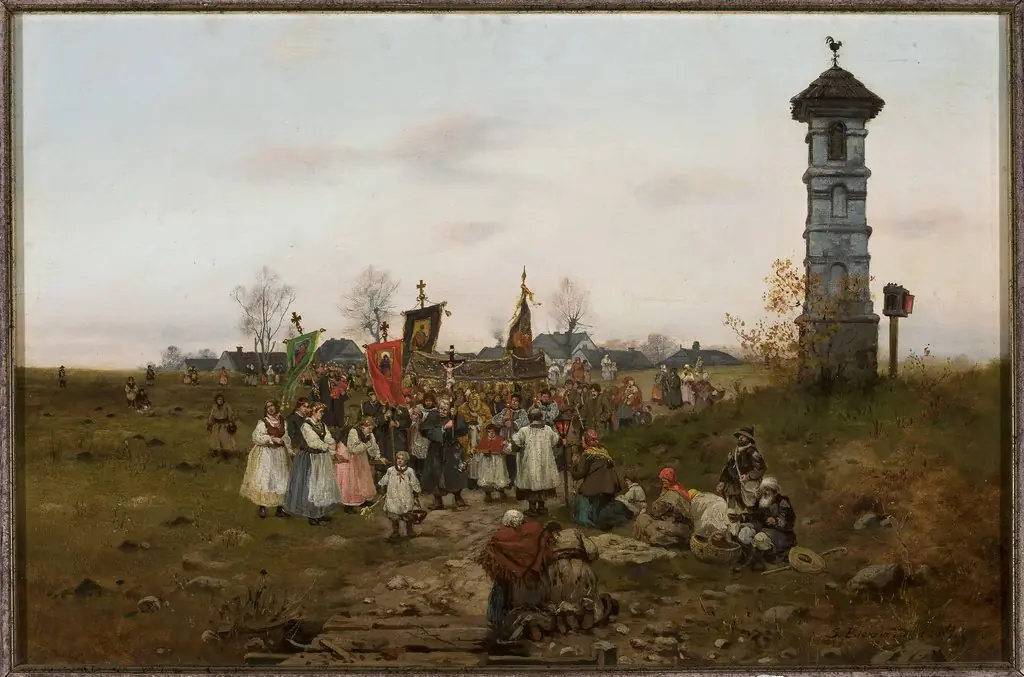 Great procession
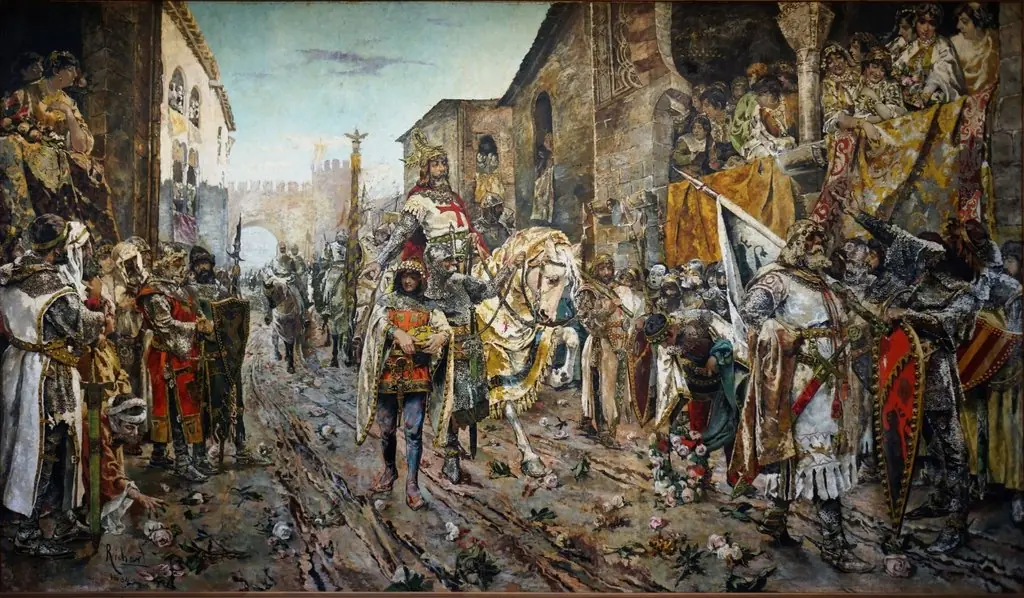 Entrada triunfal en Valencia del rey don Jaime el Conquistador (año 1238)
 Pilger in den Abruzzen
 La promesa después del temporal Asturias
 Pilgrimage in Diegem
 Penitents in the Lower Basilica of Assisi
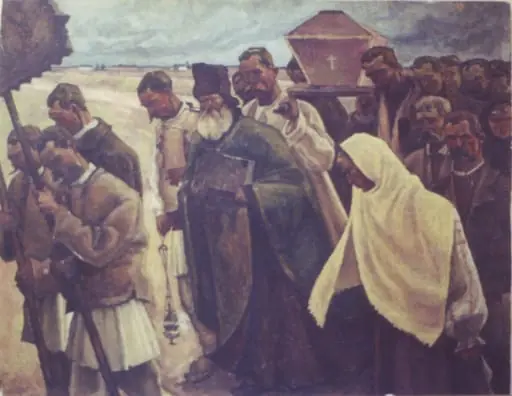 Inmormantare la tara
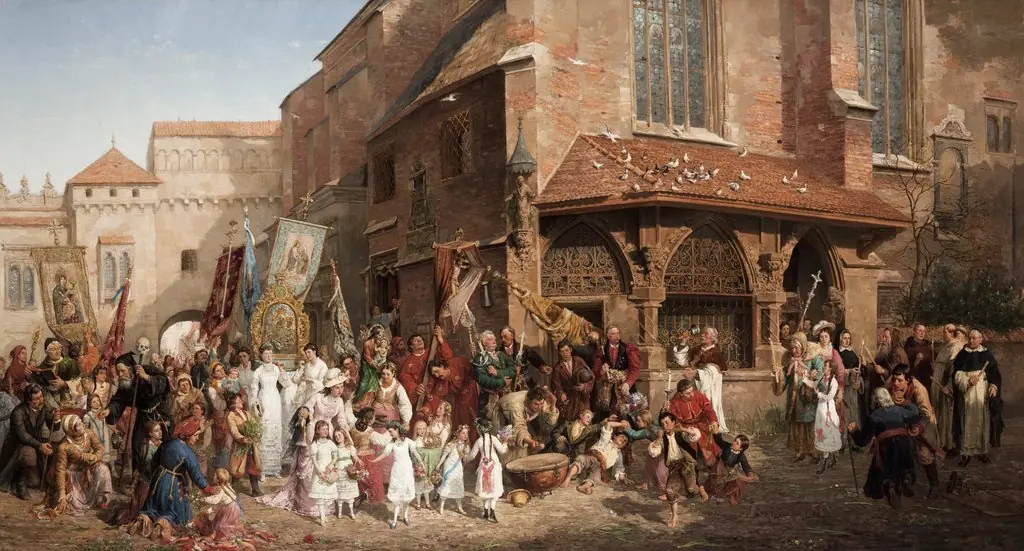 The Corpus Christi Procession
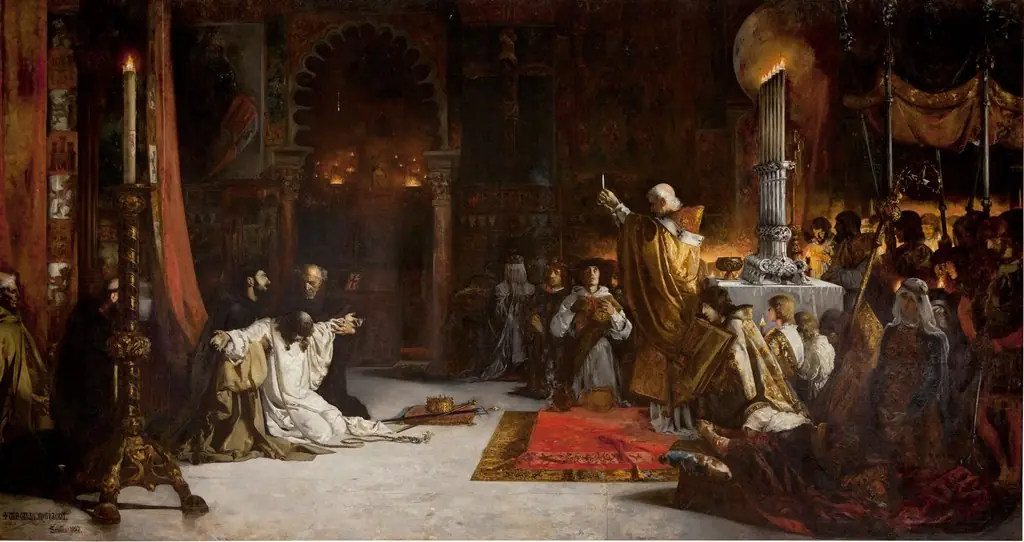 Las postrimerías de Fernando III el Santo
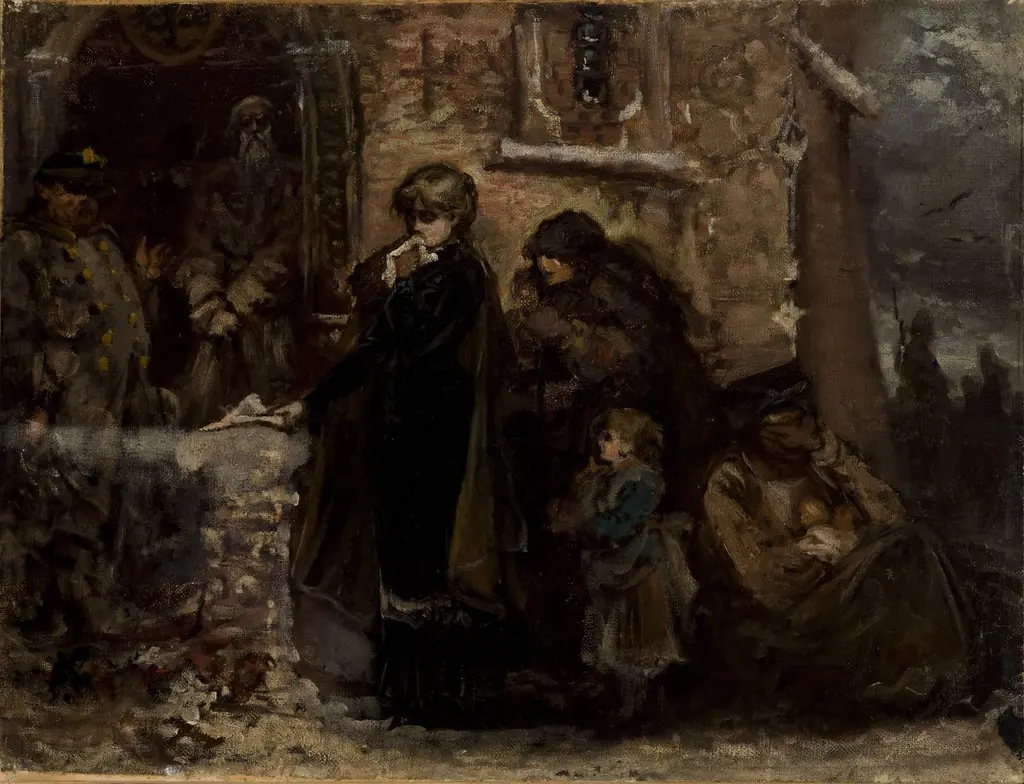 In Front of a Church
 Students Leaving Krakow in 1549