Artwork
Allegorie auf die Geduld
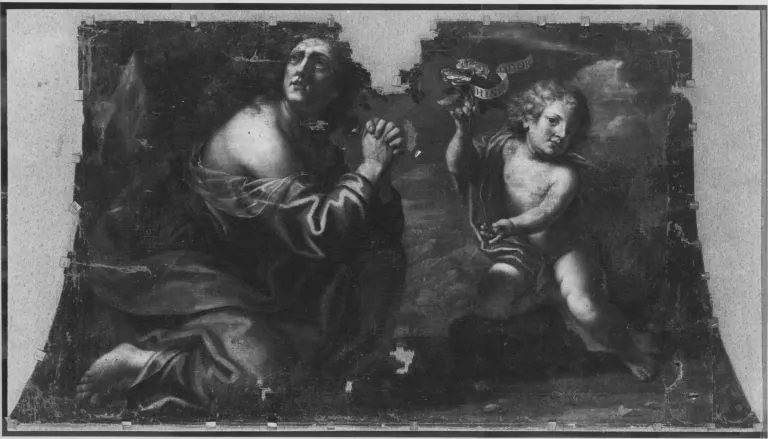
Allegorie auf die Geduld is an unspecified painting by the Early Baroque Italian artist Antonio Triva. It dates from 1662 and is held in the collection of the Bavarian State Painting Collections.
About this work
Overview
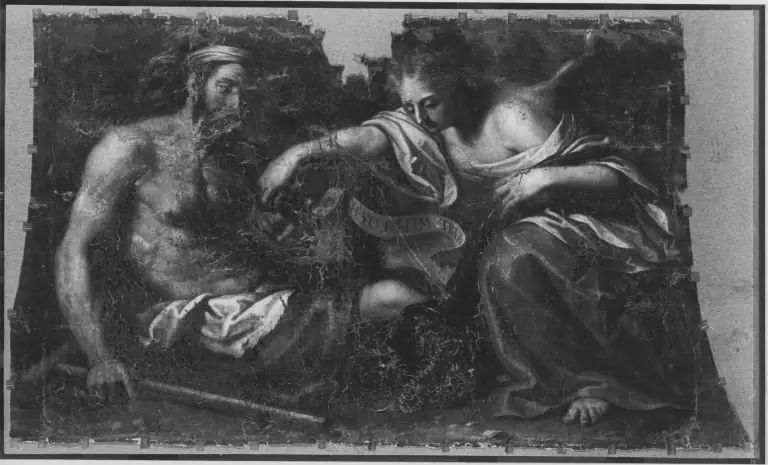
The composition is tightly focused, with minimal background detail, directing attention to the interaction between the kneeling man and the winged messenger.
Painted in 1662 by Antonio Triva, this allegorical work depicts the virtue of patience through two symbolic figures. Executed in oil on canvas, it resides in the Alte Pinakothek in Munich. The composition is tightly focused, with minimal background detail, directing attention to the interaction between the kneeling man and the winged messenger. The painting’s dramatic lighting and restrained setting reflect Baroque sensibilities centered on moral contemplation.
Subject & Meaning
The kneeling bearded figure represents a human soul in prayer, embodying endurance amid suffering. The winged youth, holding a scroll, likely symbolizes divine patience or an angelic messenger conveying spiritual reassurance. Their positioning suggests a moment of quiet revelation—human humility met by celestial stillness. The absence of narrative context invites reflection on inner resilience rather than external events, aligning with Counter-Reformation ideals of quiet devotion.
Technique & Style
Triva employs chiaroscuro to heighten emotional intensity, carving the figures from deep shadow with sharp, directional light. The contrast illuminates the prayerful hands and the angel’s face, emphasizing their spiritual significance. Brushwork is precise yet unobtrusive, favoring clarity over ornamentation. The muted palette—dominated by browns and grays—enhances the somber mood, while the faint glow around the winged figure suggests an otherworldly presence without overt supernaturalism.
History & Provenance
The painting entered the collection of the Alte Pinakothek in the early 19th century, likely as part of the Bavarian royal acquisitions of Baroque works. Its attribution to Triva, a lesser-known Italian painter active in the mid-17th century, was confirmed through stylistic analysis and archival records. No significant alterations or restorations are documented, preserving its original tonal balance and compositional integrity.
Context
Created during the height of the Counter-Reformation, the painting reflects Catholic emphasis on personal piety and the virtue of patience as a spiritual discipline. Similar allegories were common in devotional art across Italy and southern Germany, often commissioned for private chapels or monastic settings. Triva’s work aligns with a broader trend of using restrained, psychologically nuanced imagery to convey theological concepts without theatricality.
Legacy
Though not widely exhibited outside Germany, the painting remains a quiet example of Baroque allegory that prioritizes introspection over spectacle. It contributes to scholarly understanding of how religious themes were rendered in intimate, non-narrative forms during the 17th century. Its preservation in a major public collection ensures continued study of regional interpretations of virtue in early modern European art.
Artist & collection

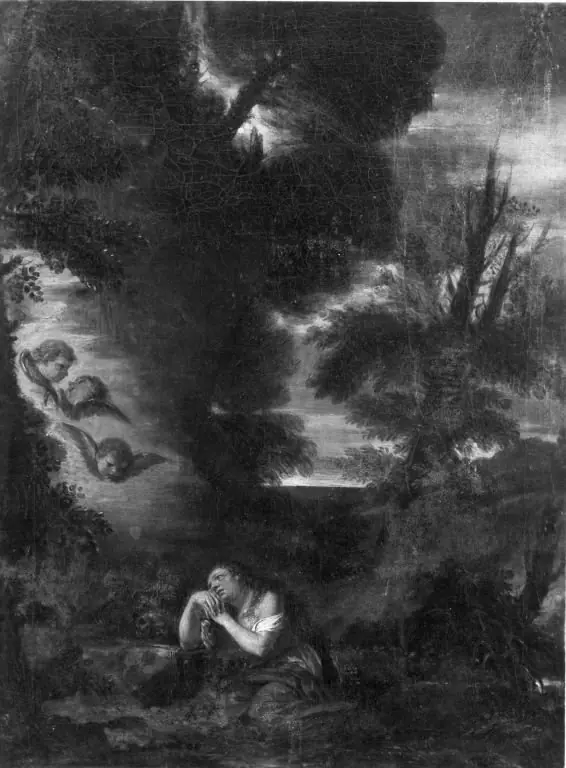 Hl. Magdalena
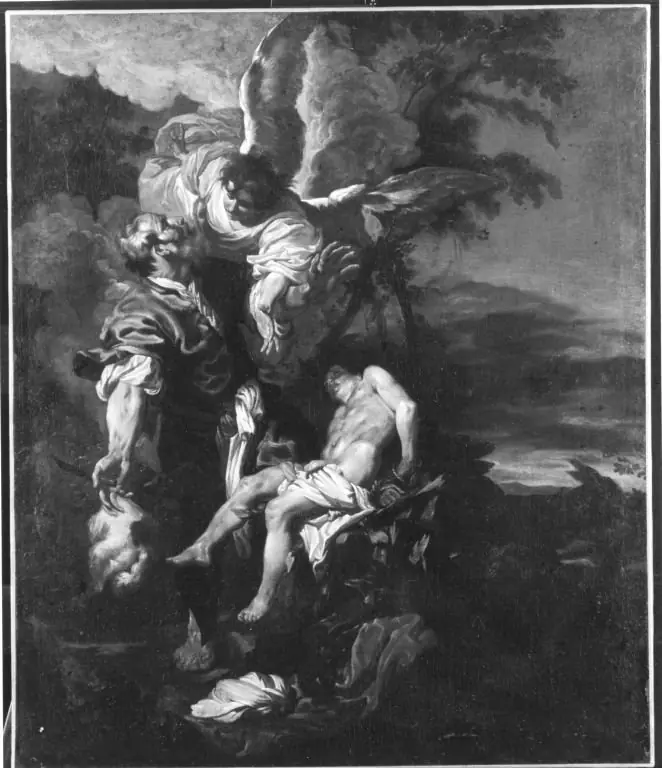 Abrahamsopfer
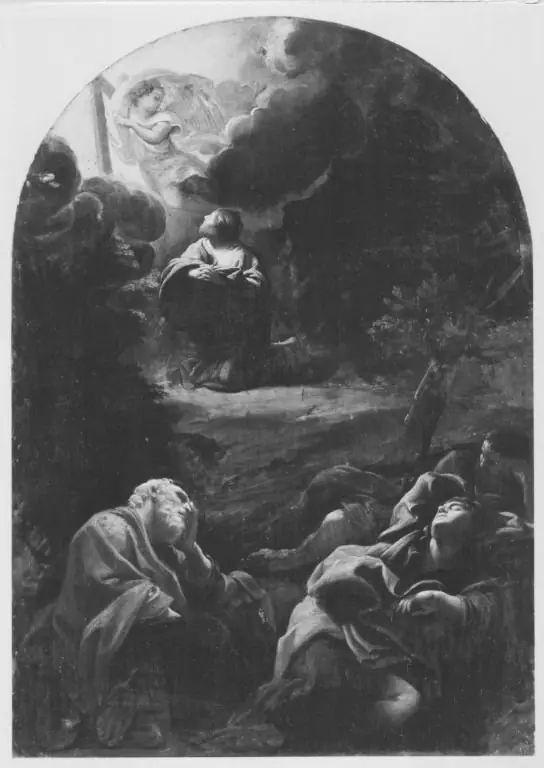 Christus am Ölberg
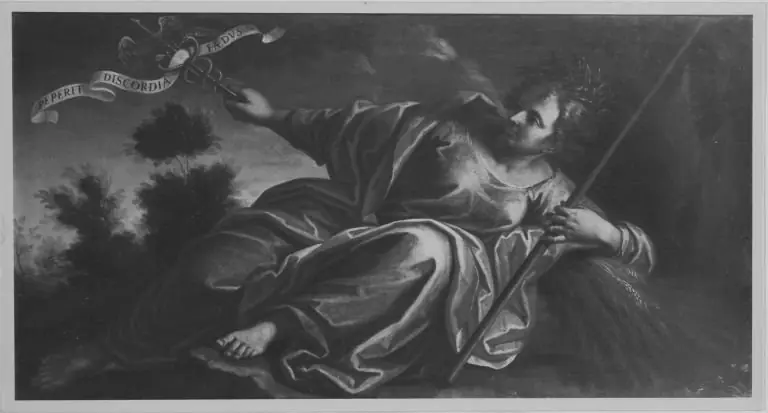 Allegorie des Handels (Peperit discordia Foedus)
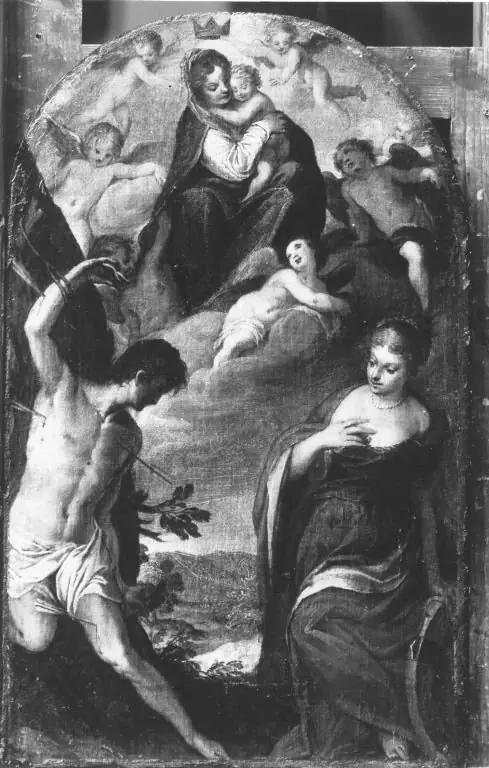 Maria mit Kind und den hll. Sebastian und Katharina (zugeschrieben)
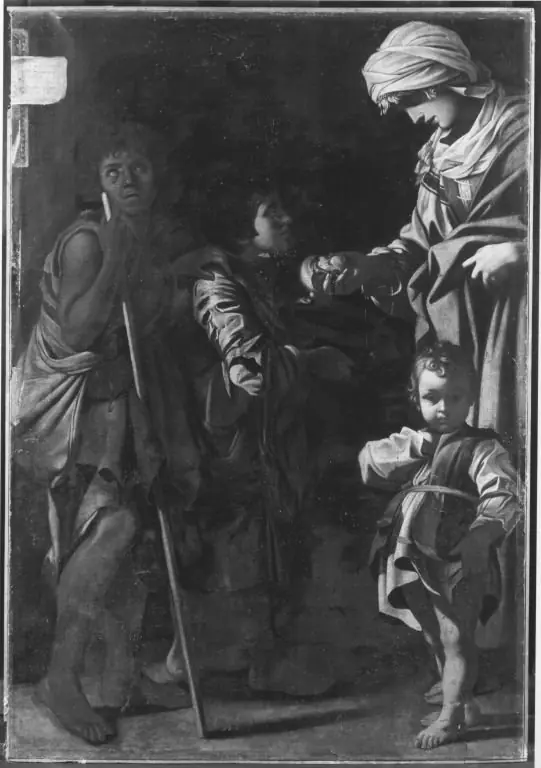 L´elemosina (Das Almosen) (Kopie nach)
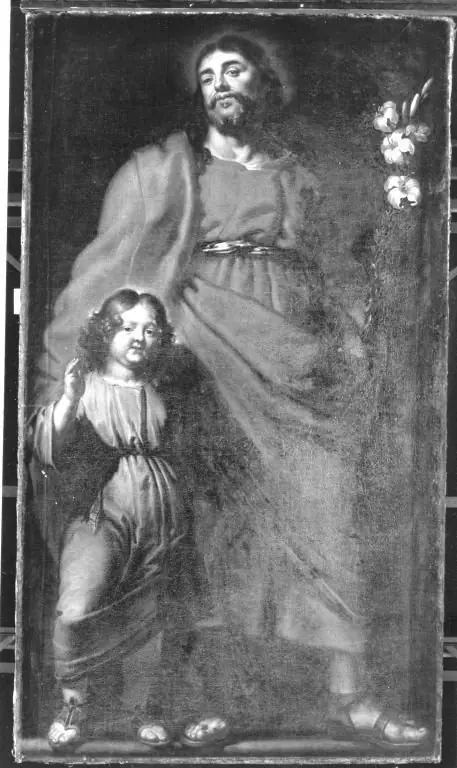 Hl. Joseph mit dem Kinde
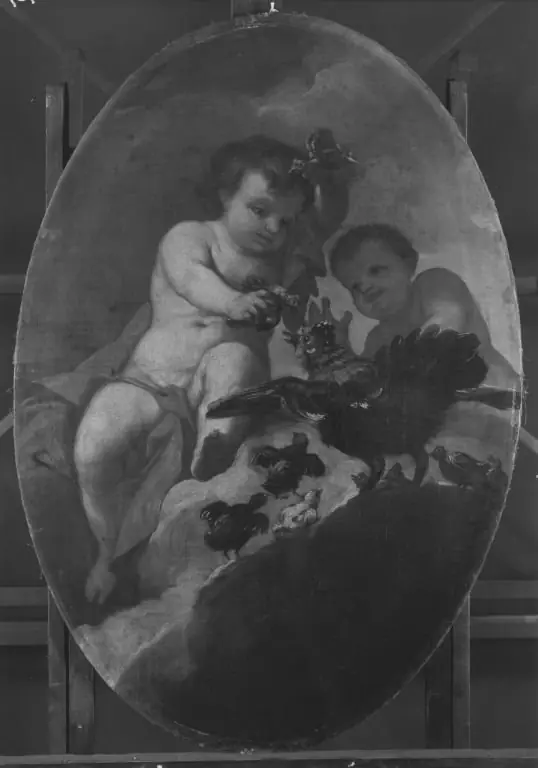 Zwei Genien mit Bruthenne
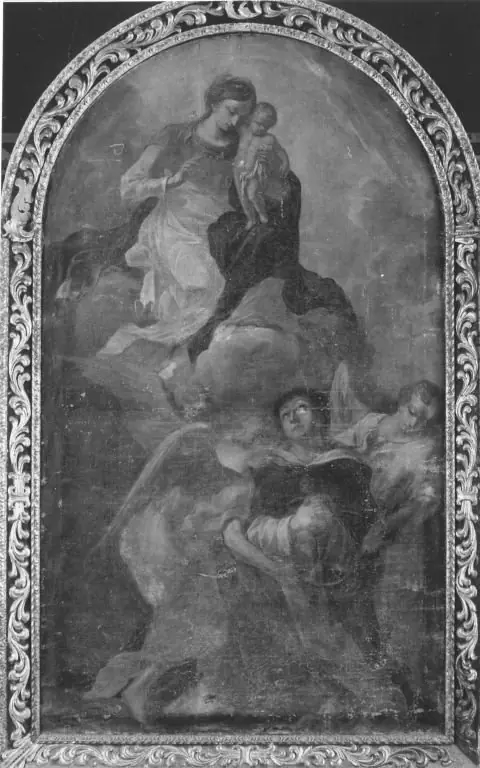 Schutzengelbild (?)
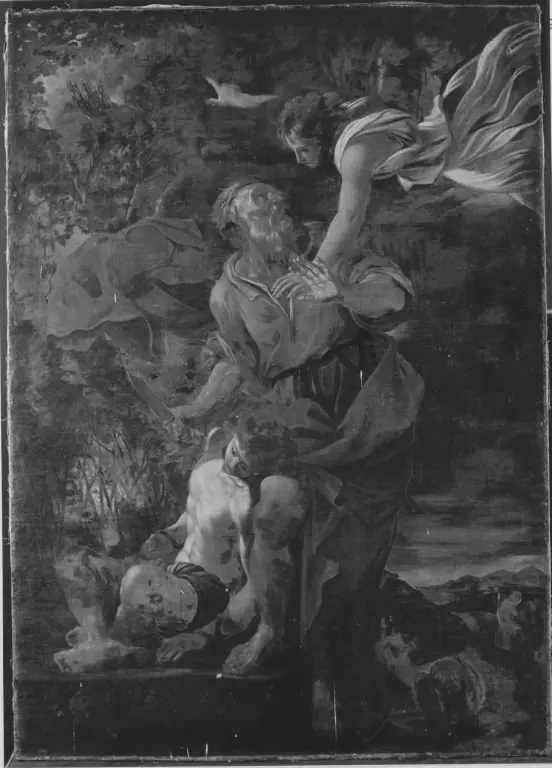 Abrahams Opfer (zugeschrieben)
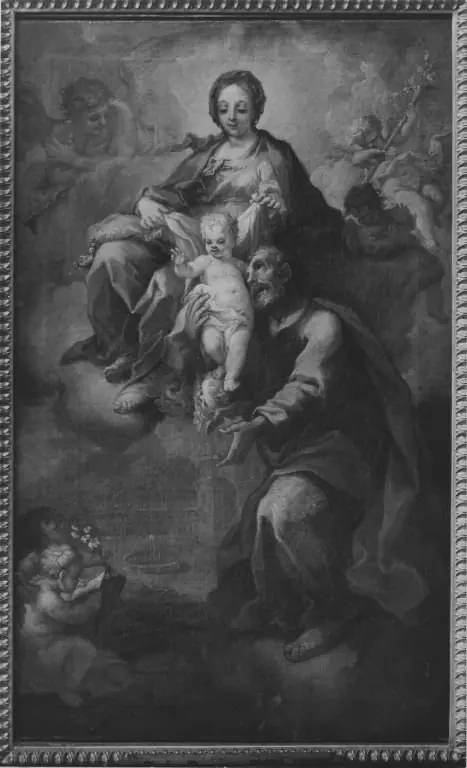 Madonna mit Josef