Artwork
Freigebigkeit gegenüber der Kirche
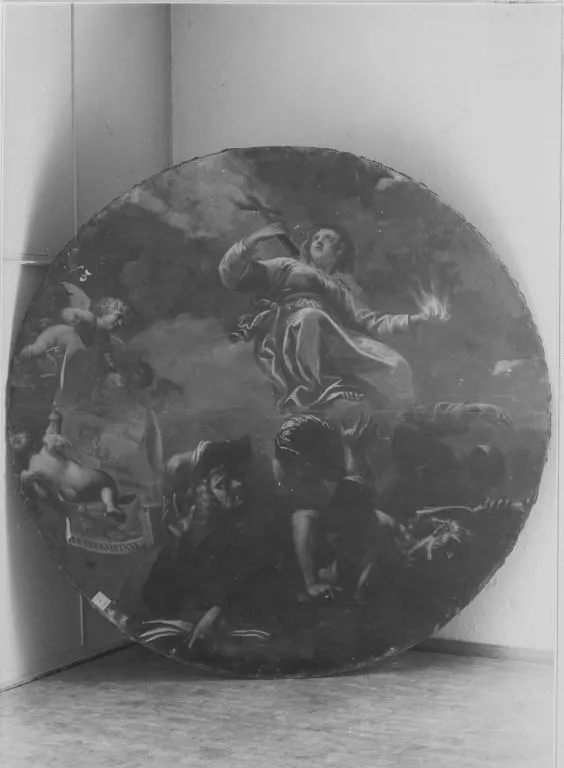
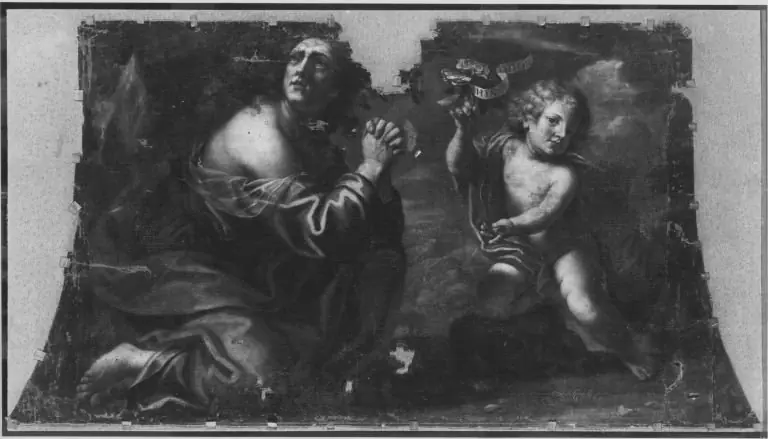
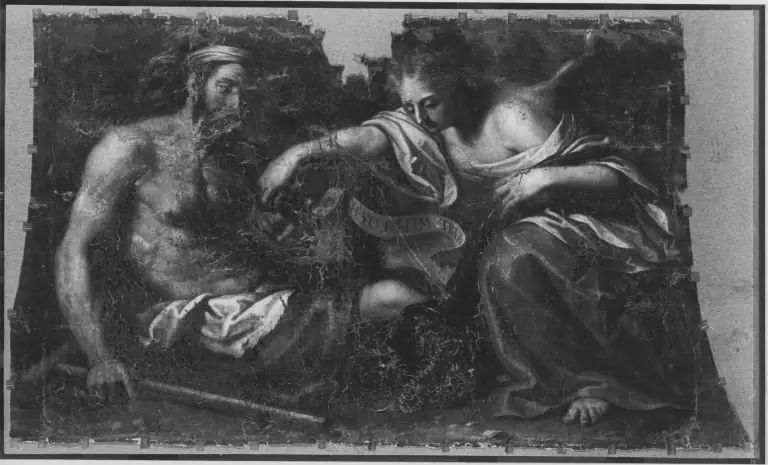
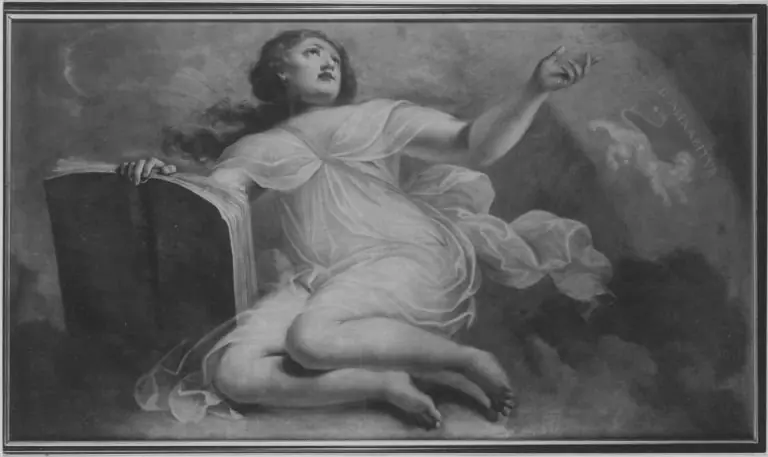
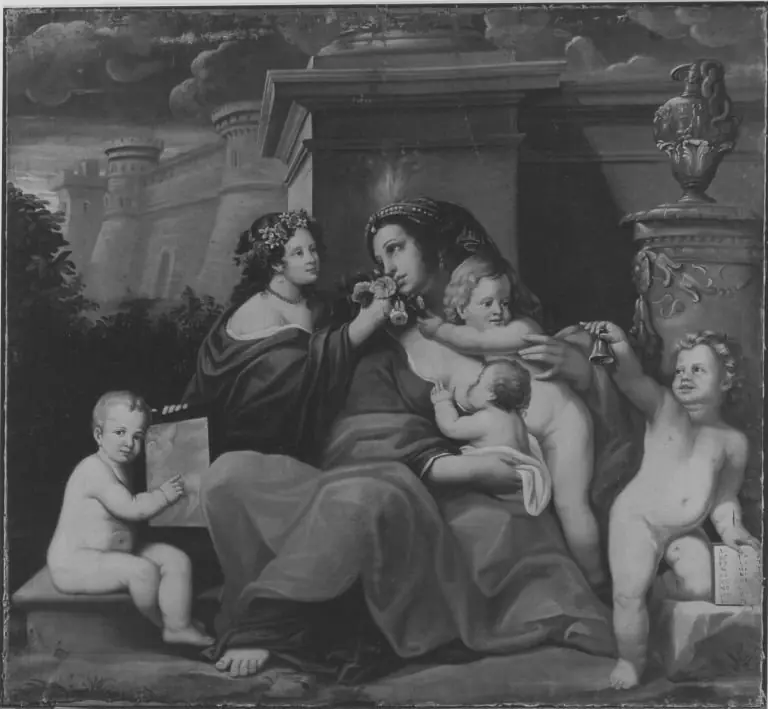
Freigebigkeit gegenüber der Kirche is an unspecified painting by the Early Baroque Italian artist Antonio Triva. It dates from 1662 and is held in the collection of the Bavarian State Painting Collections.
About this work
Overview
Painted in 1662 by Antonio Triva, this work depicts a scene of generous donation to the Church. It resides in the Alte Pinakothek in Munich, where it is part of a collection focused on European Old Master paintings from the 16th and 17th centuries. The piece reflects the devotional and civic values of its time through its narrative subject.
Subject & Meaning
The painting illustrates a moment of charitable giving, likely a patron offering wealth or property to ecclesiastical authorities. The composition emphasizes piety and social responsibility, aligning with Counter-Reformation ideals that encouraged visible acts of faith through material support of the Church. Figures are arranged to highlight reverence and hierarchical order.
Technique & Style
Triva employs a restrained Baroque style, with soft modeling of forms and muted tonalities. The figures are rendered with careful attention to drapery and gesture, while the background remains subdued to focus attention on the central interaction. Light is used subtly to define volume without dramatic contrast.
History & Provenance
The painting entered the Alte Pinakothek’s collection in the early 19th century, likely through the Bavarian royal acquisitions of ecclesiastical and noble artworks. Its provenance before that is undocumented, but its subject suggests it may have been commissioned by a local donor or religious institution in northern Italy or the Holy Roman Empire.
Context
Created during the height of the Counter-Reformation, the work responds to a cultural climate that valued public demonstrations of faith. Donations to the Church were not only spiritual acts but also assertions of social standing. Triva’s depiction aligns with broader trends in religious art that sought to reinforce institutional authority through visual narrative.
Legacy
Though not widely exhibited outside Germany, the painting remains a representative example of regional Baroque religious art. It contributes to scholarly understanding of how devotional themes were visualized in smaller-scale commissions, offering insight into the intersection of piety, patronage, and visual culture in 17th-century Europe.
Artist & collection

 Allegorie auf das Beilager des Kurfürsten Johann Wilhelm
 Anbetung der Hirten
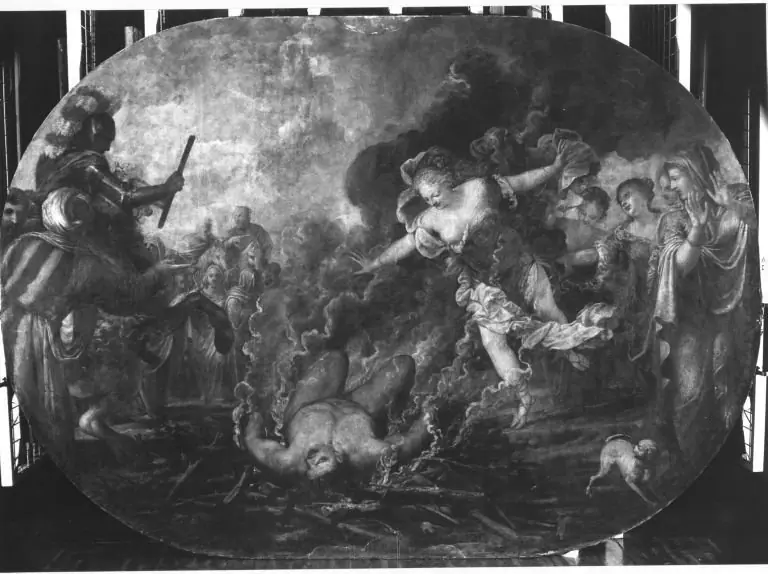 Evadne und Kapaneus
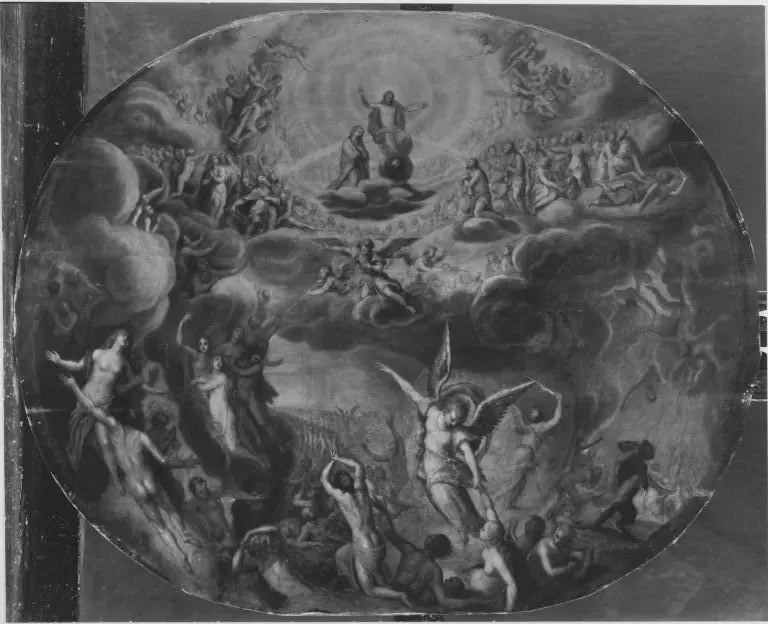 Jüngstes Gericht (Kopie nach)
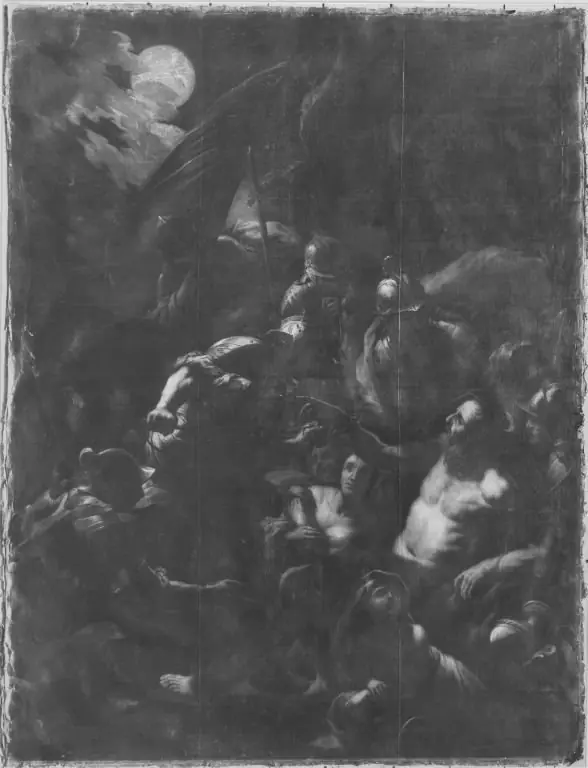 Arrest of Simson
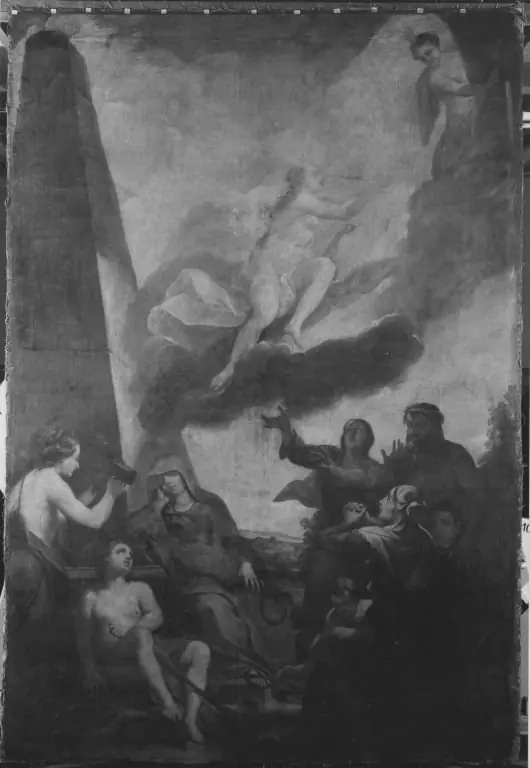 Allegorie auf den Tod einer Fürstin
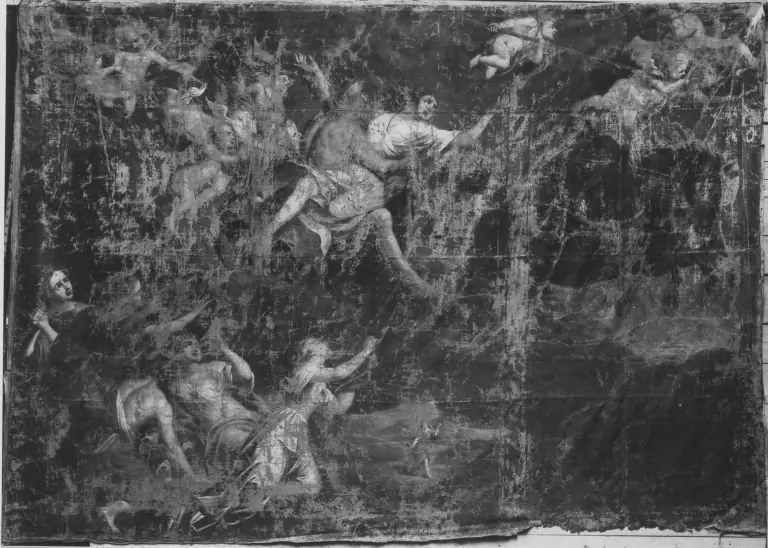 Pluto entführt Proserpina (zugeschrieben)
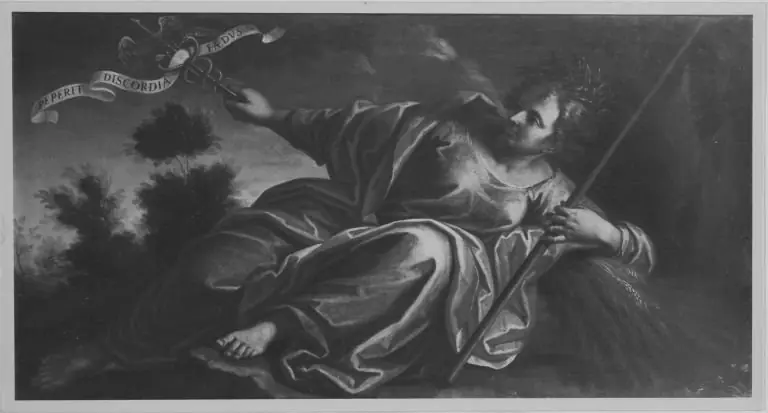 Allegorie des Handels (Peperit discordia Foedus)
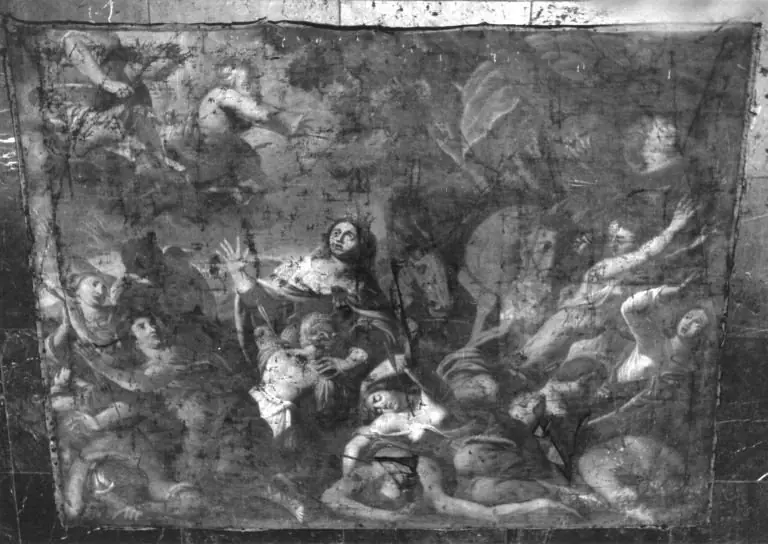 Die Kinder der Niobe
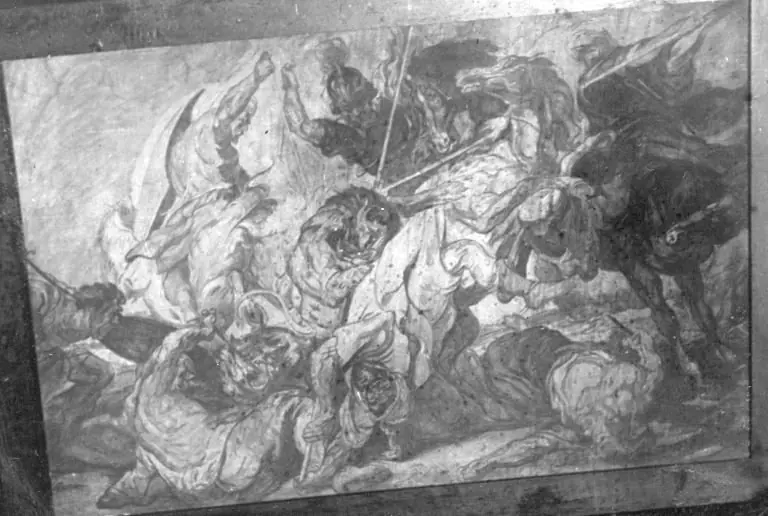 Löwenjagd (Kopie nach)
 Jagdstillleben