Artwork
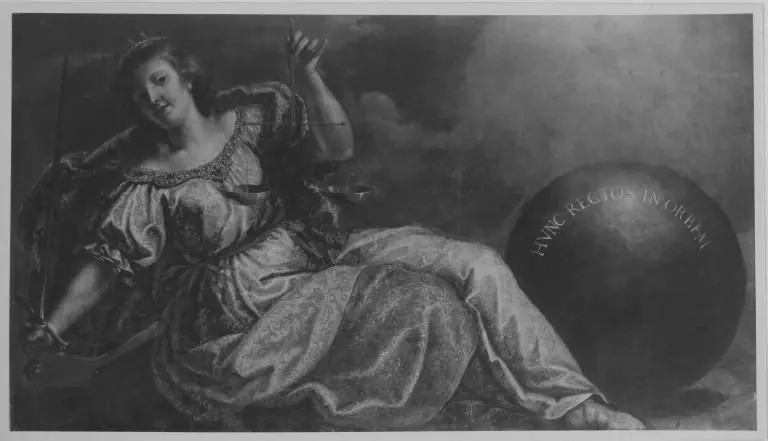
Allegorie der Weisheit
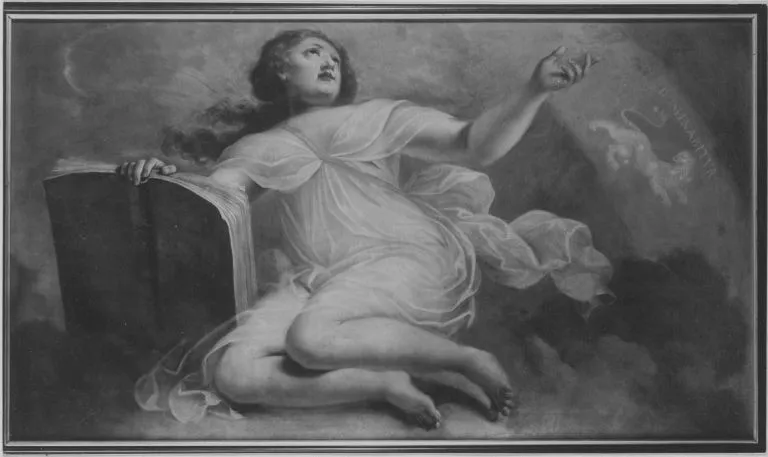
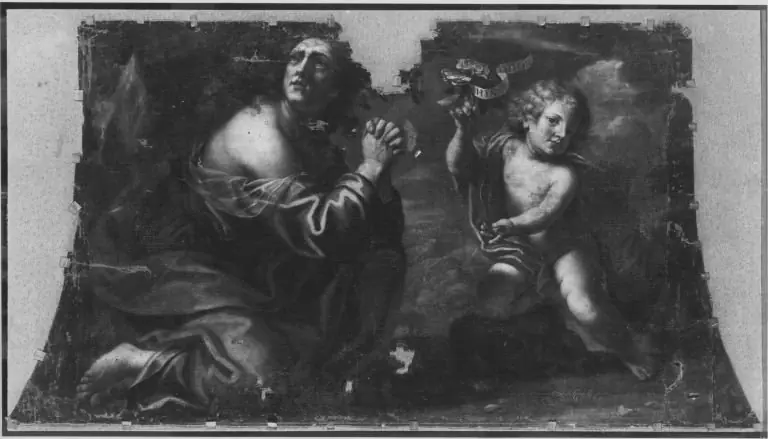
Allegorie der Weisheit is an unspecified painting by the Early Baroque Italian artist Antonio Triva. It dates from 1662 and is held in the collection of the Bavarian State Painting Collections.
About this work
Overview
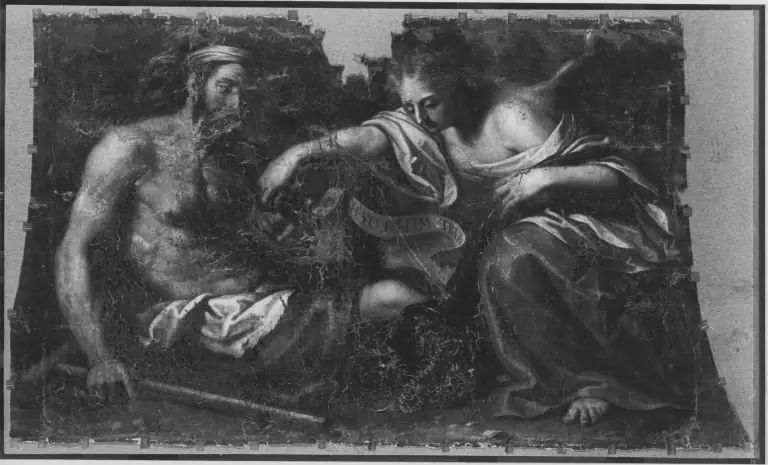
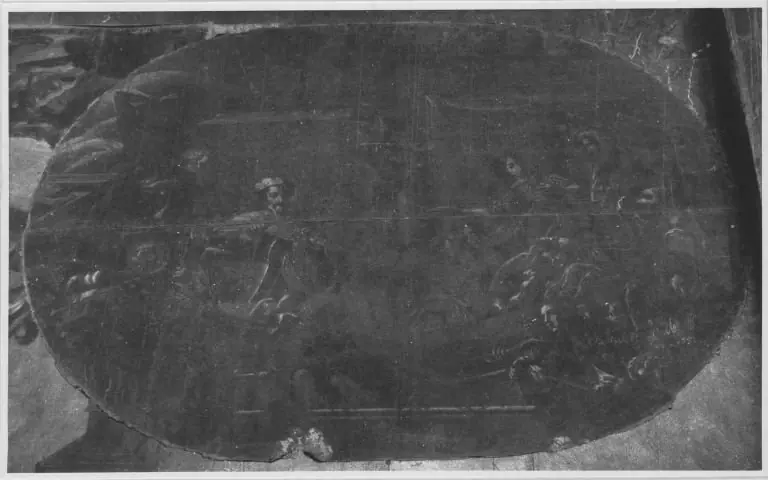
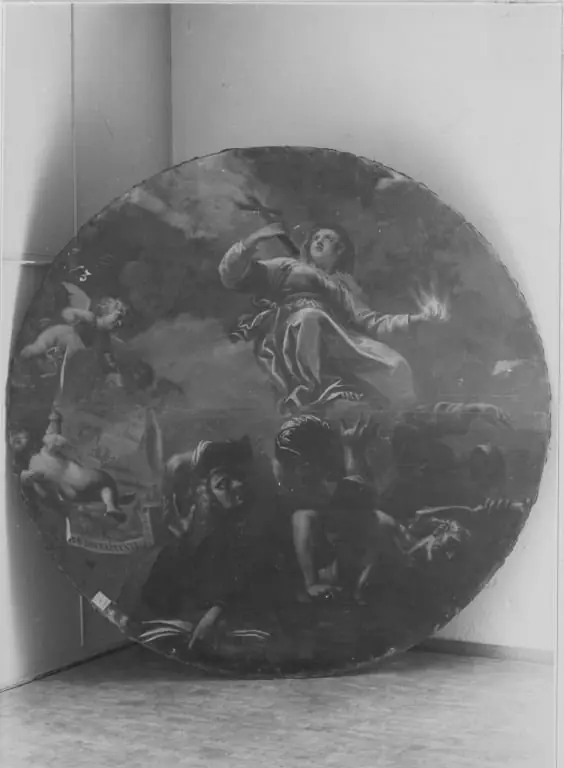
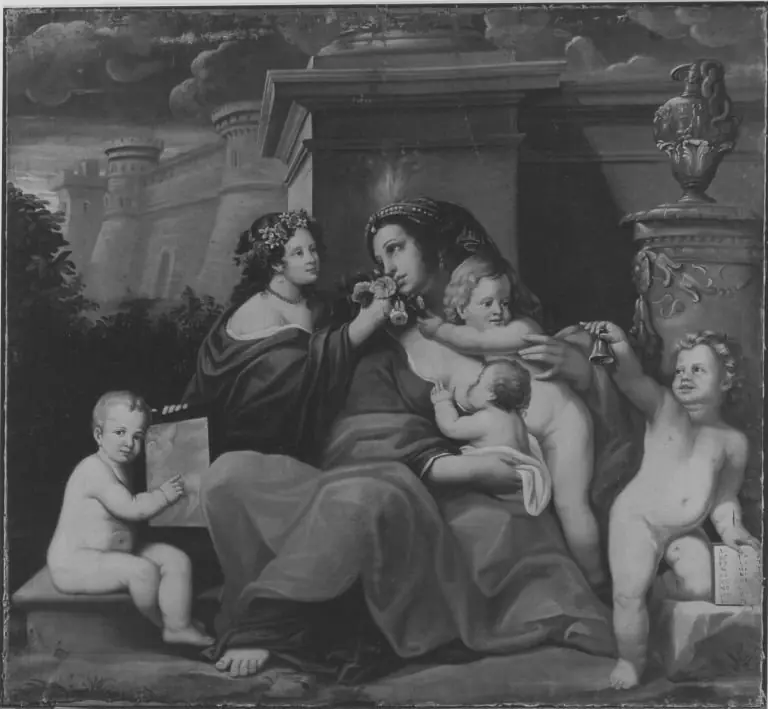
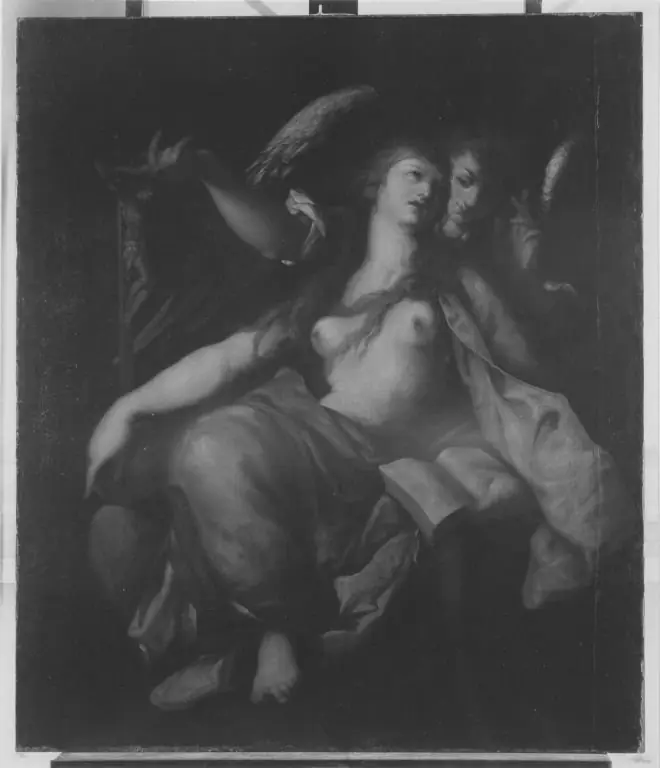
Created in 1662, the work titled "Allegorie der Weisheit" is an oil painting by the Italian artist Antonio Triva. It is part of the collection of Munich’s Alte Pinakothek. The composition centers on a solitary female figure rendered in muted tones, inviting a quiet, reflective atmosphere.
Subject & Meaning
The central figure is a dark‑haired woman clothed in a flowing white dress, holding an open book and extending her right hand in a gentle gesture. The iconography suggests an embodiment of wisdom, with the book symbolising knowledge and the poised hand indicating the transmission of insight.
Technique & Style
Triva employs a restrained palette, contrasting the luminous white of the gown against a subdued, darkened backdrop that may be a wall or curtain. The figure is seated on the floor, her left leg bent and right leg extended, rendered with soft modeling that emphasizes calm contemplation over dramatic movement.
History & Provenance
The painting entered the Alte Pinakothek’s holdings, where it remains on display. Its provenance prior to acquisition by the museum is not extensively documented, but its attribution to Triva and its dating to the early 1660s are supported by stylistic analysis.
Context
Executed during the late Baroque period, the work reflects the era’s interest in allegorical personifications. Triva, active in the mid‑17th century, often combined religious and moral themes with a restrained, intimate approach, as seen in this quiet depiction of wisdom.
Artist & collection