Artwork
Portrait of a Man
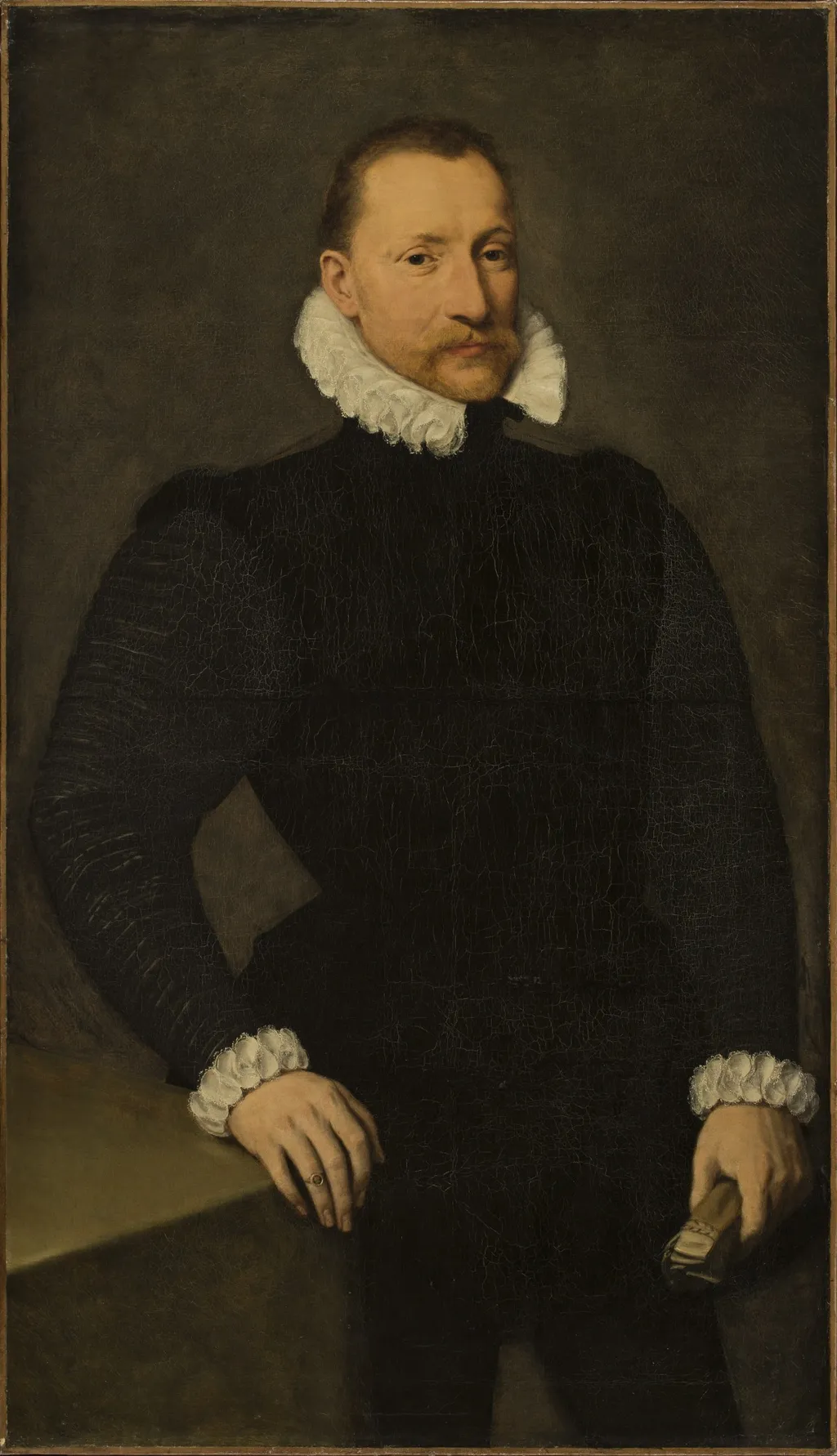
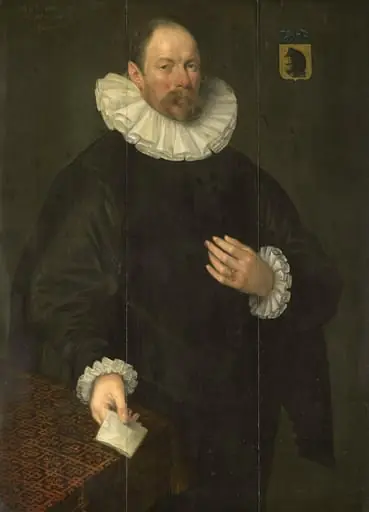
Portrait of a Man is an oil painting by the Flemish Baroque painting artist Antonis Mor. It is held in the collection of the Detroit Institute of Arts. Created in 1600, this oil painting presents a solitary male figure rendered with meticulous realism.
About this work
The level of detail and realism in the painting is quite high, indicating that the artist was skilled in their craft.
This portrait depicts a man dressed in black attire, complemented by a white ruffled collar and cuffs. His right hand rests on a table, while his left hand grasps a book. The background of the painting is a dark, muted color.
The man's attire and the style of the painting suggest that it may be a formal portrait from the 17th century. The level of detail and realism in the painting is quite high, indicating that the artist was skilled in their craft.
If you're interested in learning more about this style of painting, you might want to look up the artist Antonis Mor.
Overview
Created in 1600, this oil painting presents a solitary male figure rendered with meticulous realism. The sitter is clothed in dark garments accented by a crisp white ruff, his right hand placed on a table and his left holding a book. The composition is set against a subdued, almost monochrome background, emphasizing the subject’s presence and the painter’s attention to texture and detail.
Subject & Meaning
The work depicts an unidentified gentleman, likely of some social standing, as suggested by his refined black attire and the inclusion of a book, a common symbol of education or scholarly pursuits in early modern portraiture. The restrained pose and neutral backdrop focus attention on the individual’s demeanor, inviting viewers to consider his status, intellect, and the conventions of formal portraiture of the period.
Technique & Style
Executed in oil on canvas, the painting showcases a smooth, polished finish characteristic of mid‑16th‑century Netherlandish portraiture. Fine brushwork captures the sheen of the fabric, the delicate folds of the ruff, and the subtle modeling of the face. The subdued palette and controlled lighting reflect the influence of Titian’s courtly style, while the overall composition adheres to the conventions of formal, life‑size portraiture.
History & Provenance
The canvas is part of the Detroit Institute of Arts’ collection, where it has been displayed as an example of Northern European portraiture. Though the sitter remains unidentified, the painting’s attribution to Antonis Mor aligns it with the artist’s extensive body of work for European courts, underscoring his reputation as a leading portraitist of his era.
Context
Mor’s career spanned several royal courts, and his approach to portraiture helped shape visual conventions across Europe, especially in Spain. This painting reflects the transnational exchange of artistic ideas in the late Renaissance, where Netherlandish techniques merged with Italian influences to produce a dignified, courtly aesthetic that would inform later generations of portrait painters.
Artist & collection
Artist
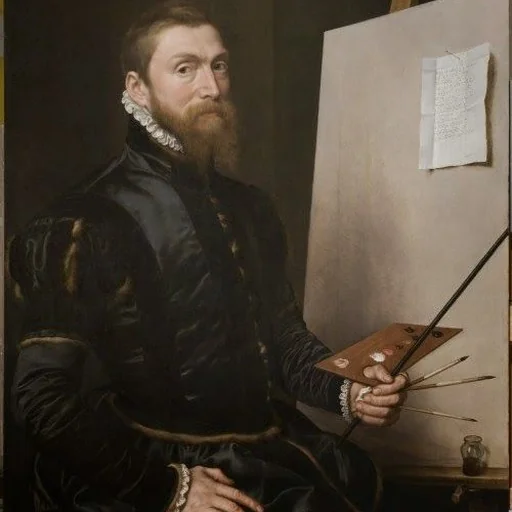
Anthonis Mor, also known as Anthonis Mor van Dashorst and Antonio Moro (c. 1517 – 1577), was a Netherlandish portrait painter, much in demand by the courts of Europe. He has also been referred to as Antoon, Anthonius,…

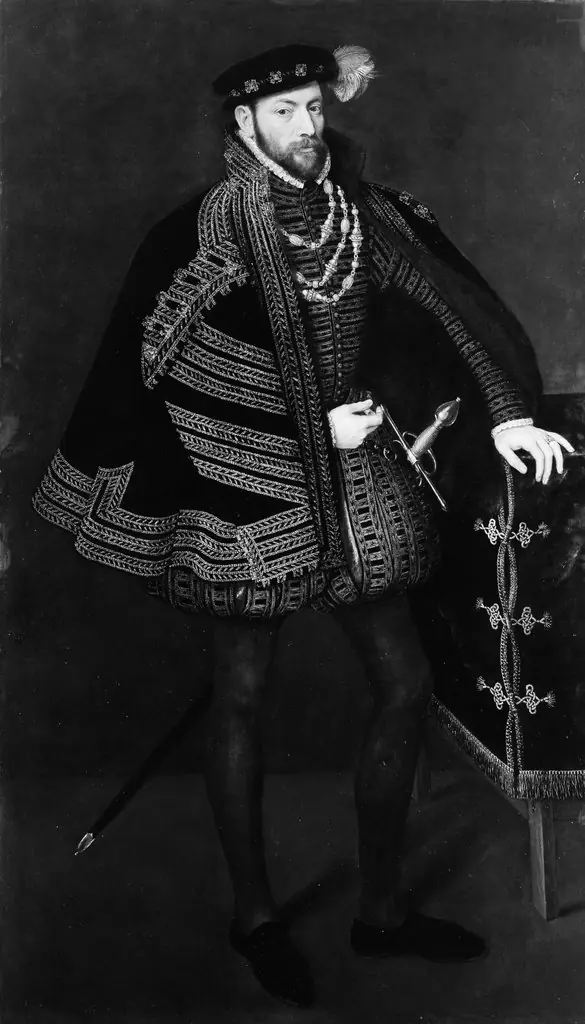 Portrait of a Man, Possibly Ottavio Farnese (1524–1586), Duke of Parma and Piacenza
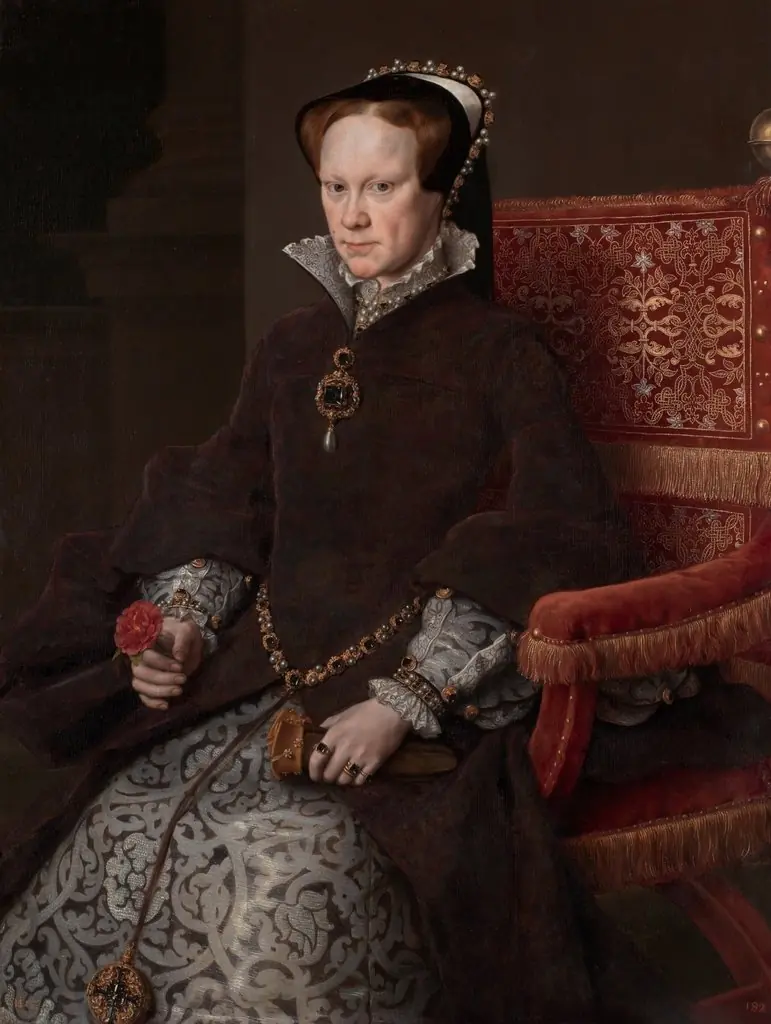 Portrait of Mary Tudor
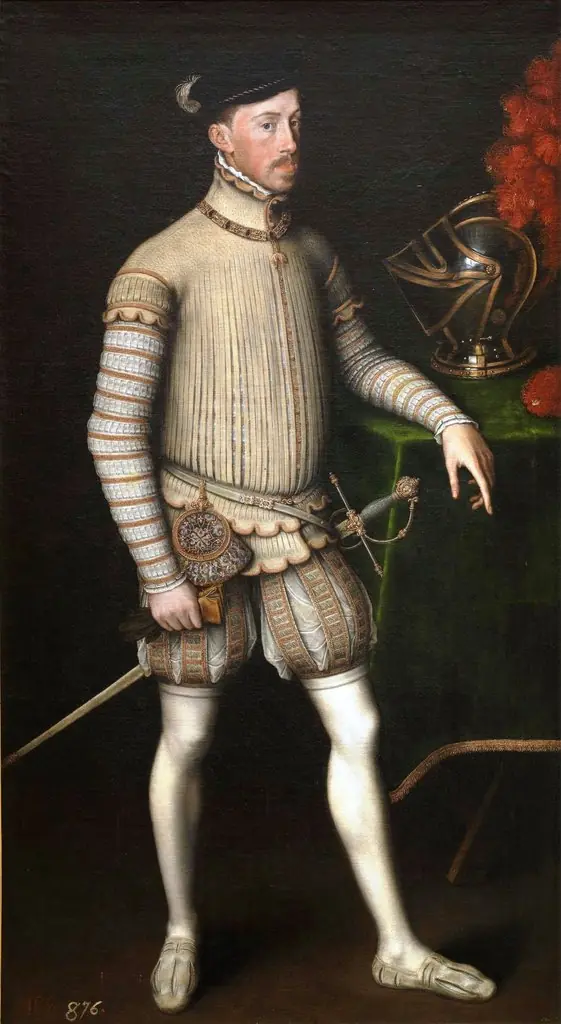 Emperor Maximilian II
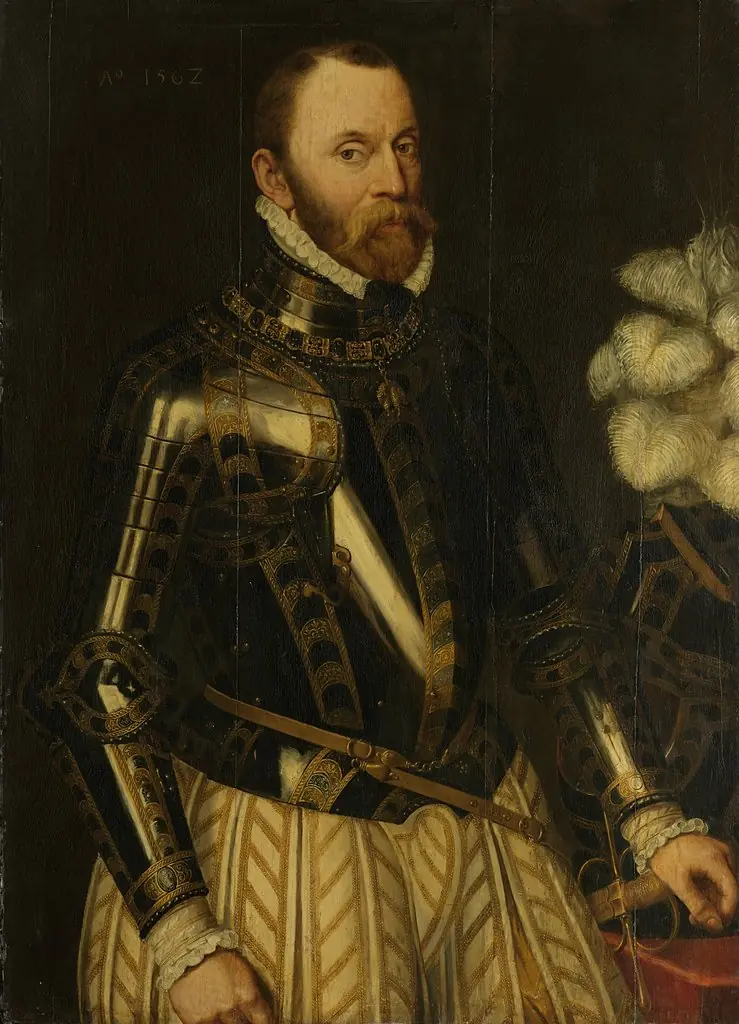 Philippe de Montmorency
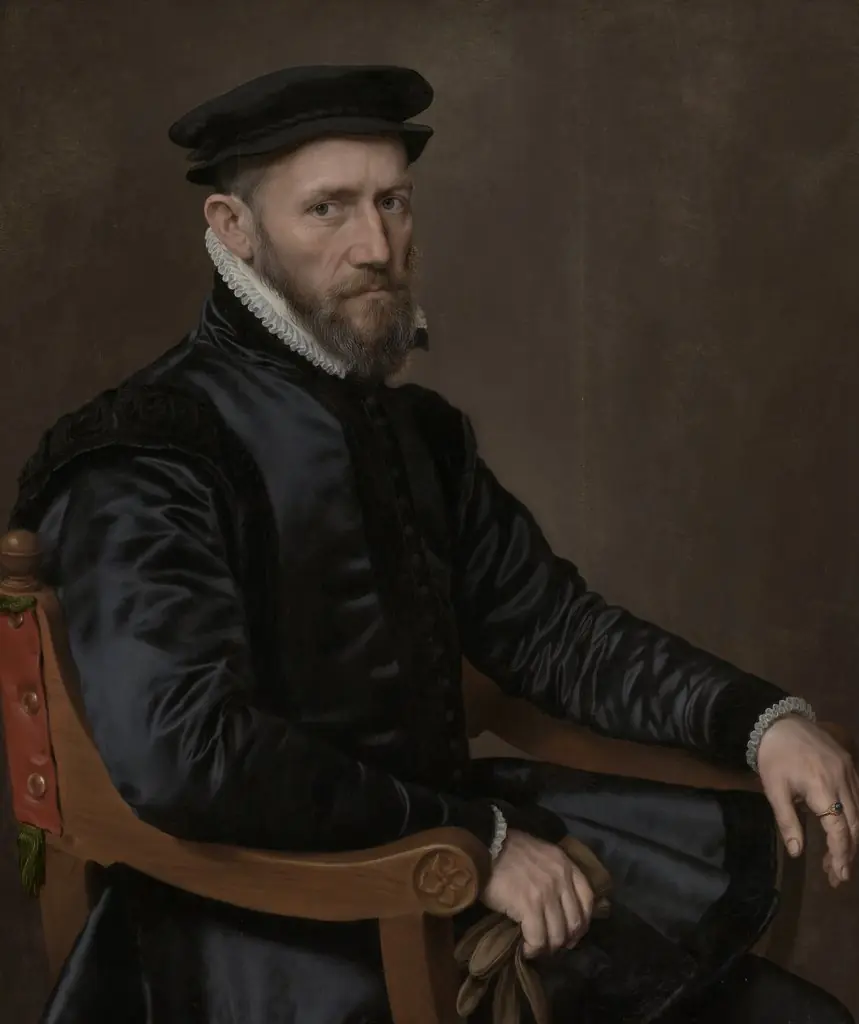 Portrait of Sir Thomas Gresham, pendant to portrait of Anne Fernely
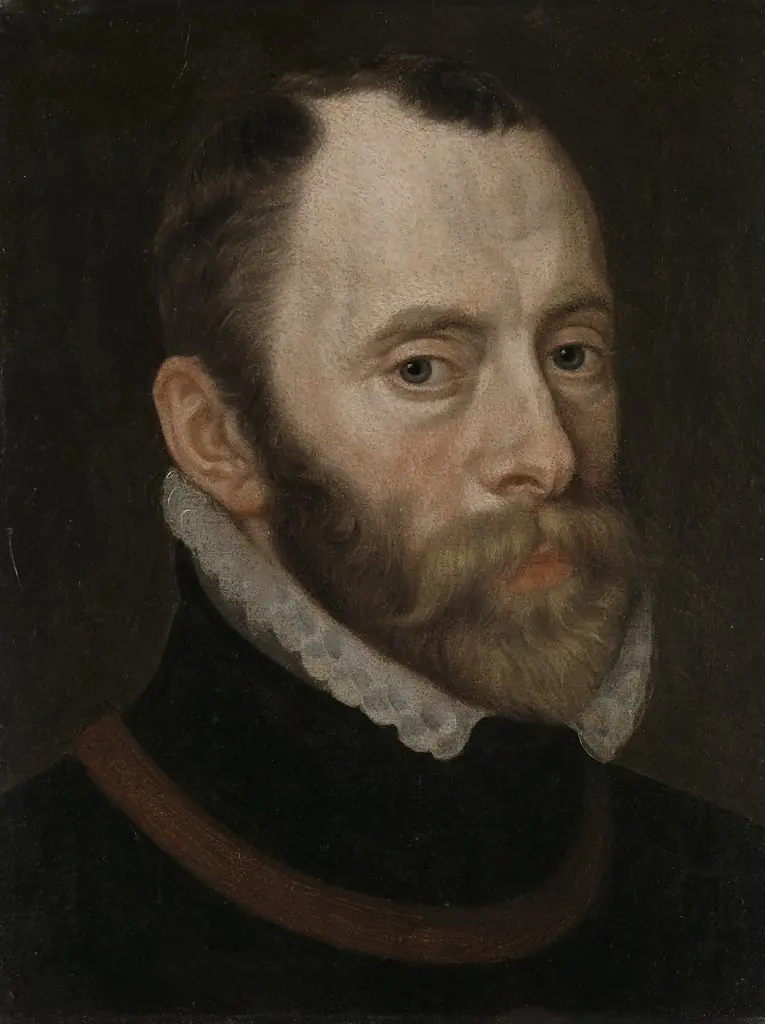 Portrait of Philippe de Montmorency, Count of Hoorne, Admiral of the Netherlands, Member of the Council of State
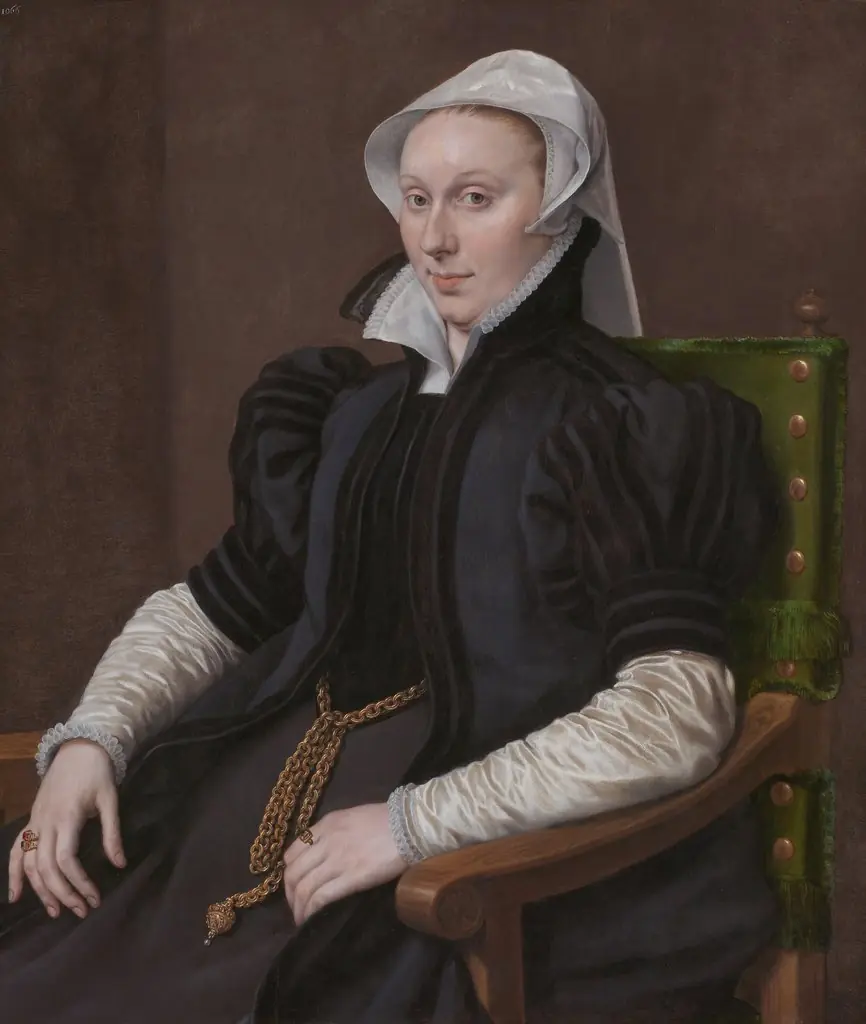 Portrait of Anne Fernely, pendant to Sir Thomas Gresham
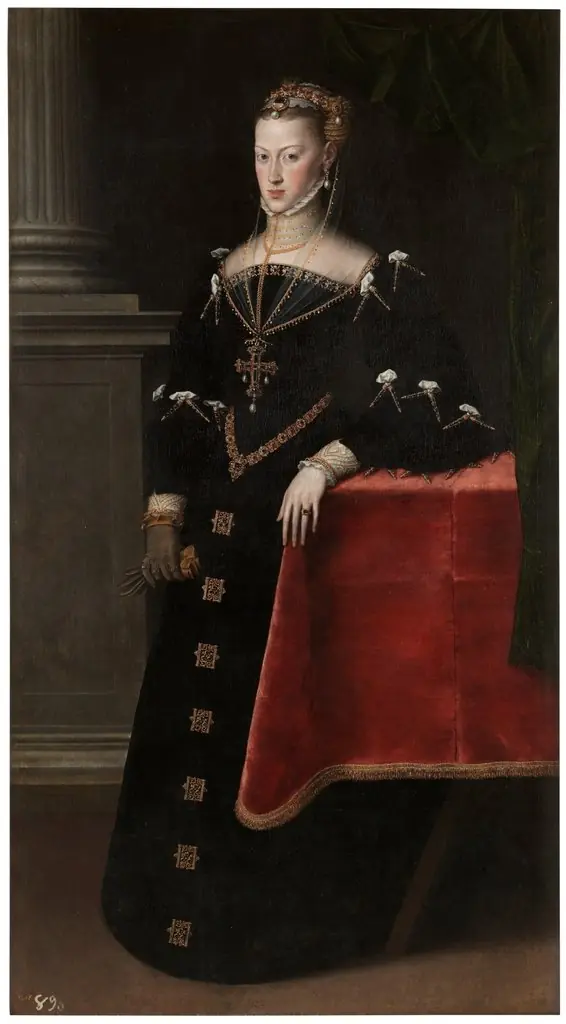 Empress Maria of Austria, Wife of Maximilian II
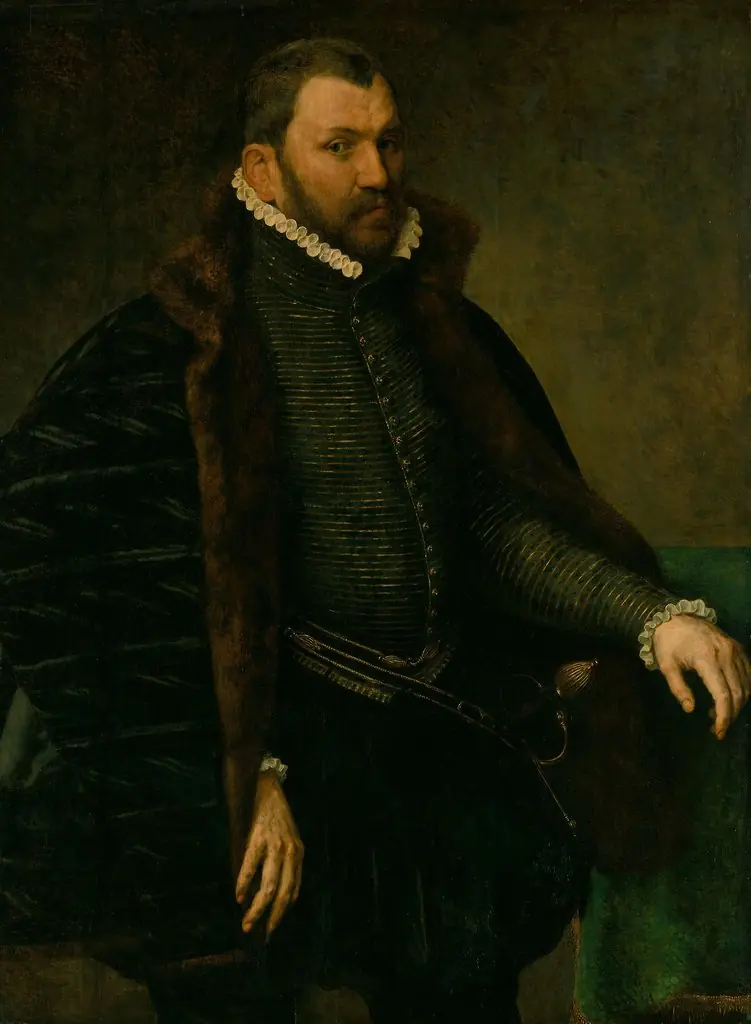 Portrait of a Man
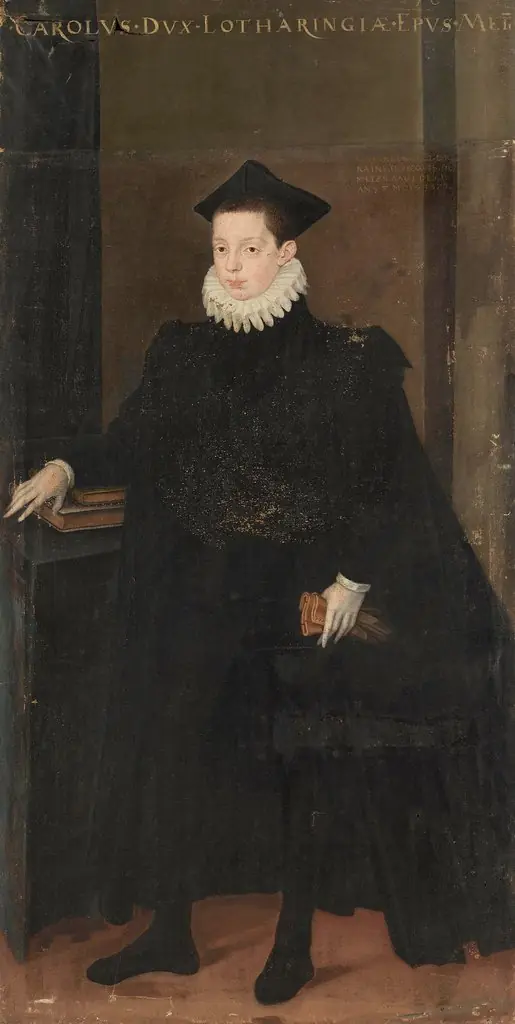 Karl von Lothringen (1567-1607)
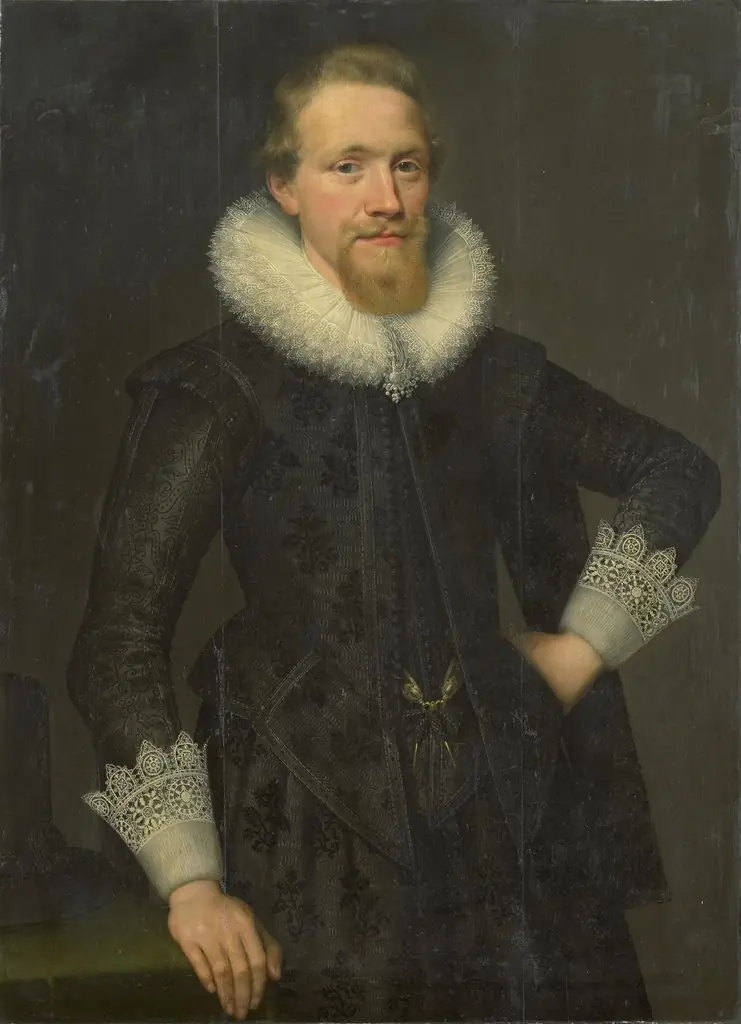 Portrait of Jacob Pergens (?-1681)
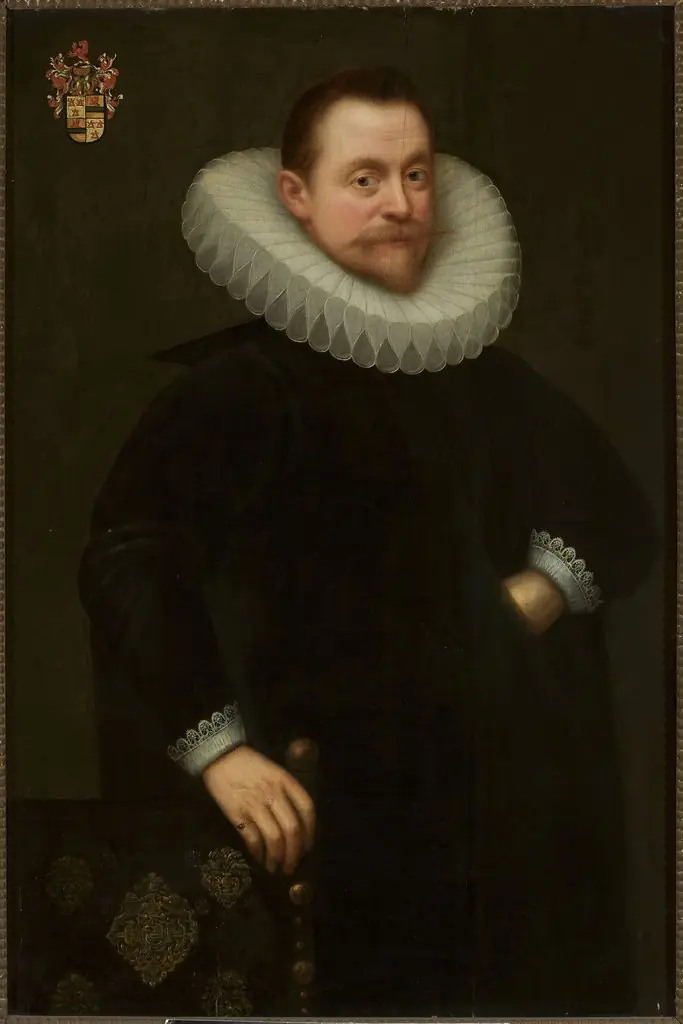 Portrait of Jacques du Mont
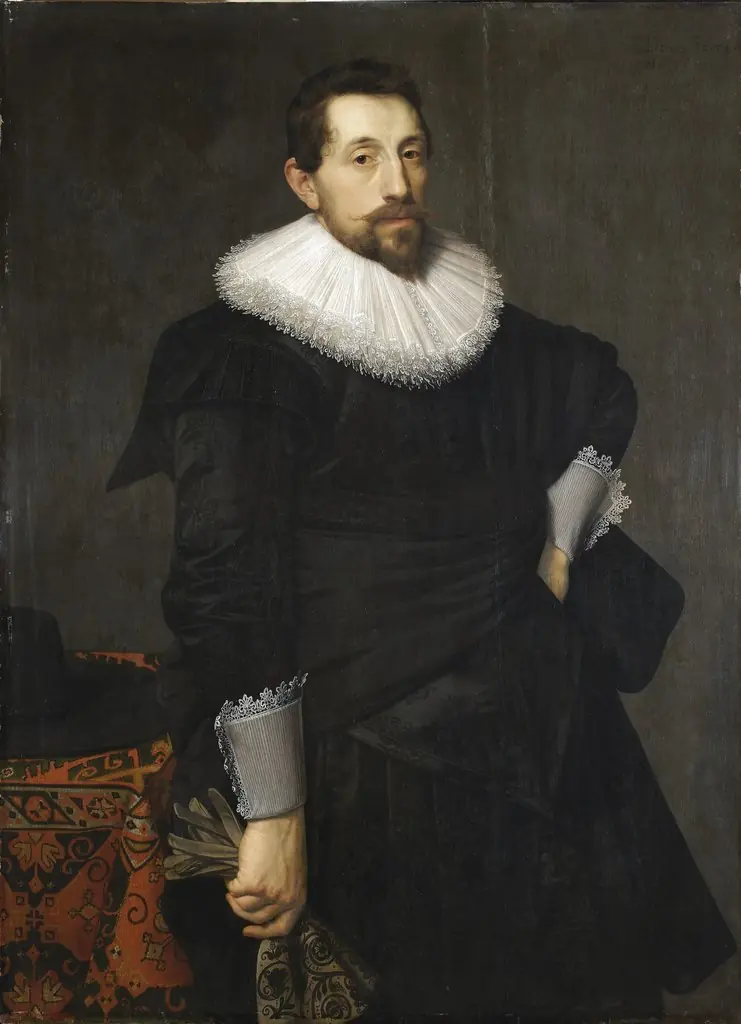 Portrait of a Man with Gloves
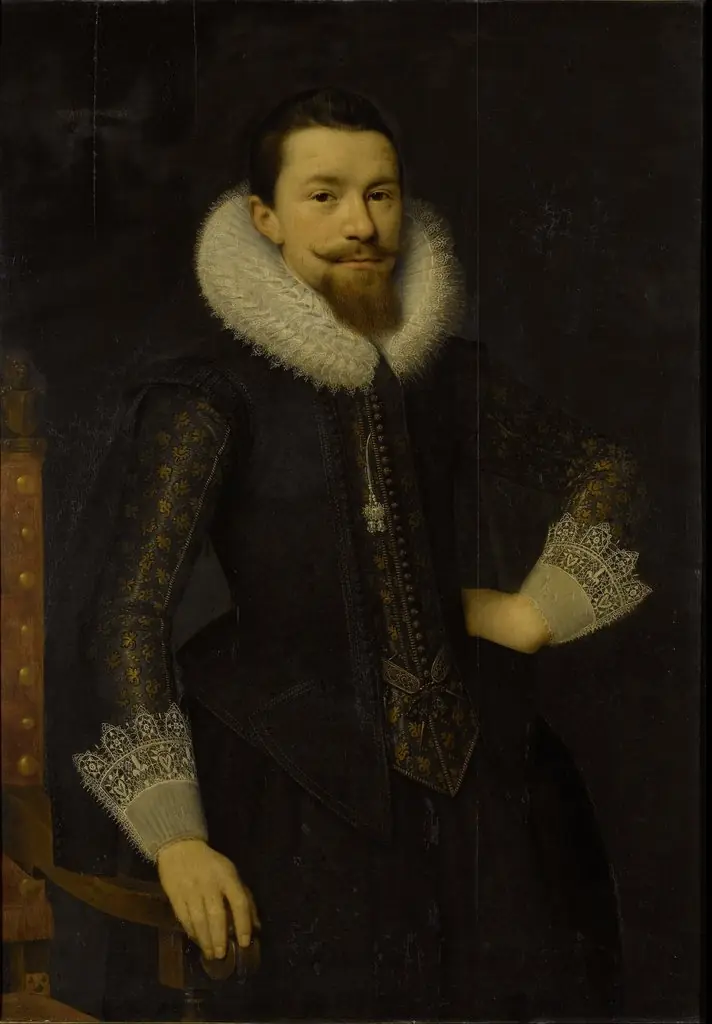 Portrait of Pieter Boudaen Courten (1594-1668)
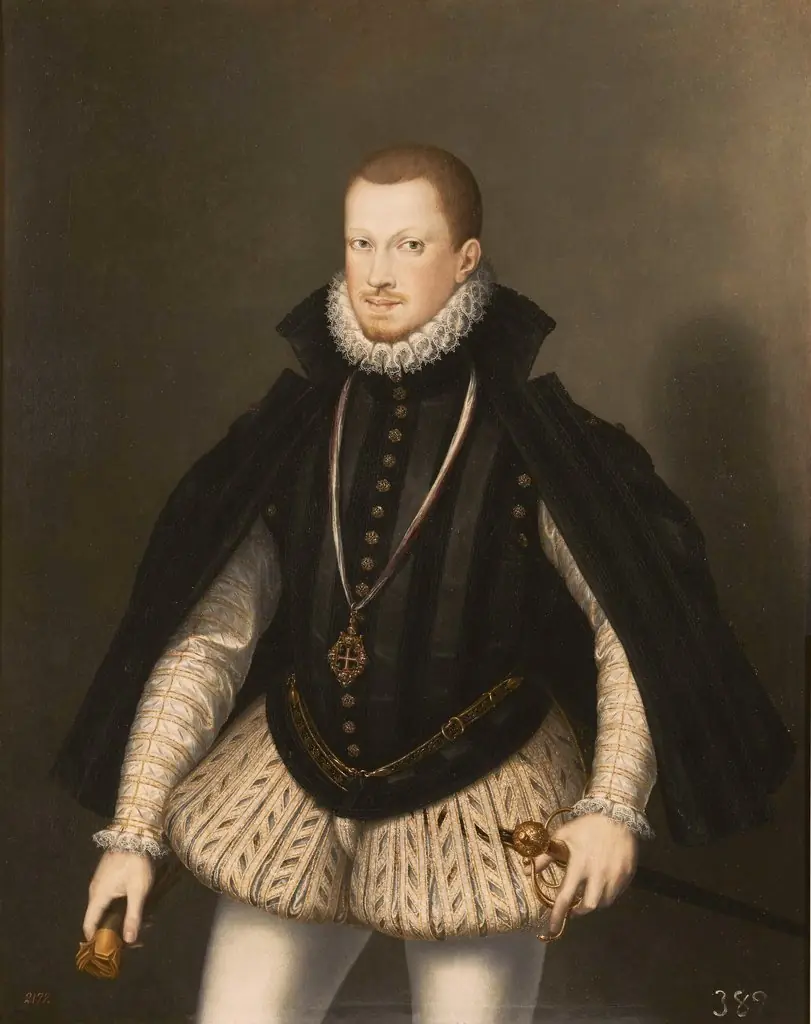 Don Sebastián rey de Portugal
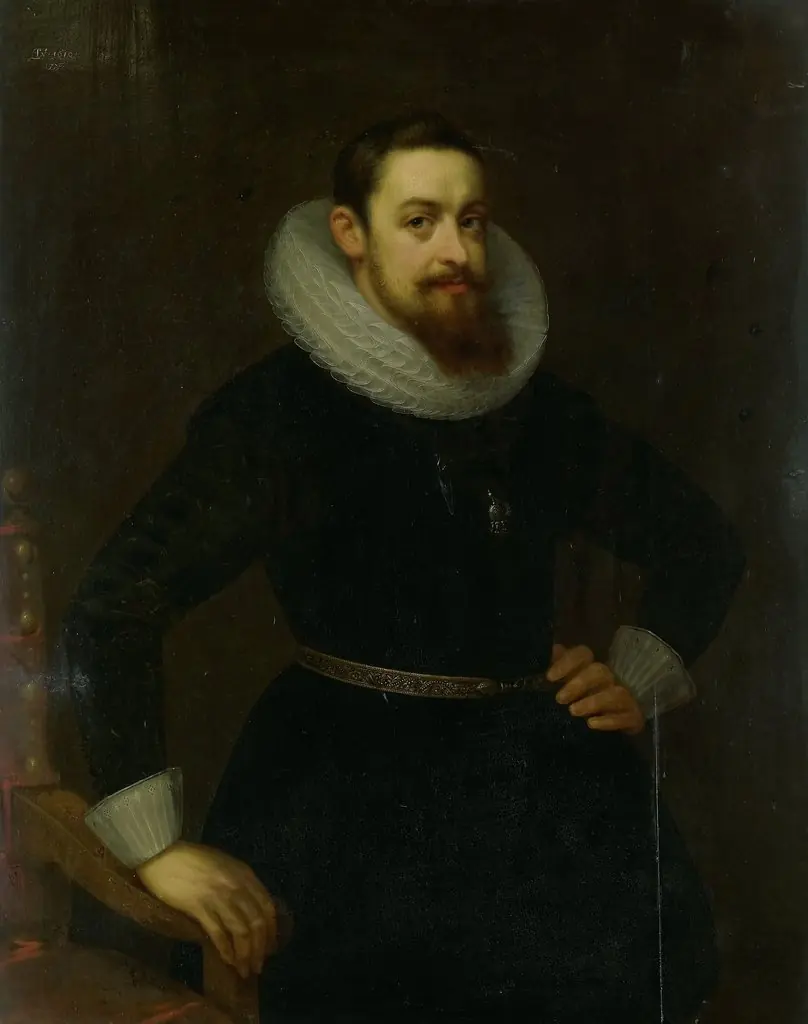 Portrait of Jeremias Boudinois
 Portrait of Laurens Reael
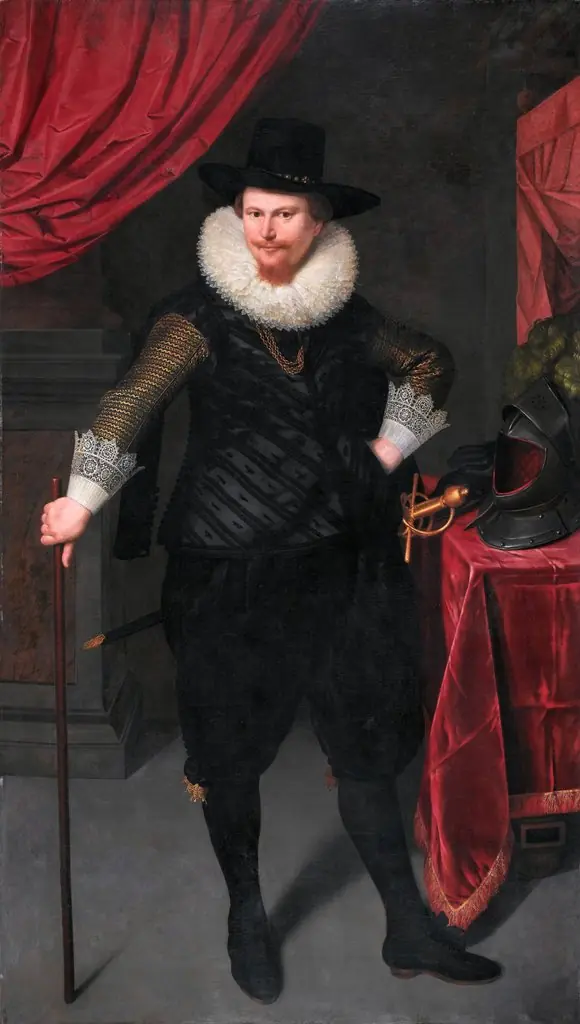 Portrait of Laurens Reael
 Portrait of Paulus Cornelisz van Beresteyn (1548-1625), Burgomaster of Delft
 Portrait of a Gentleman of the order of Saint James