Artwork
Portrait of Jacob Pergens (?-1681)
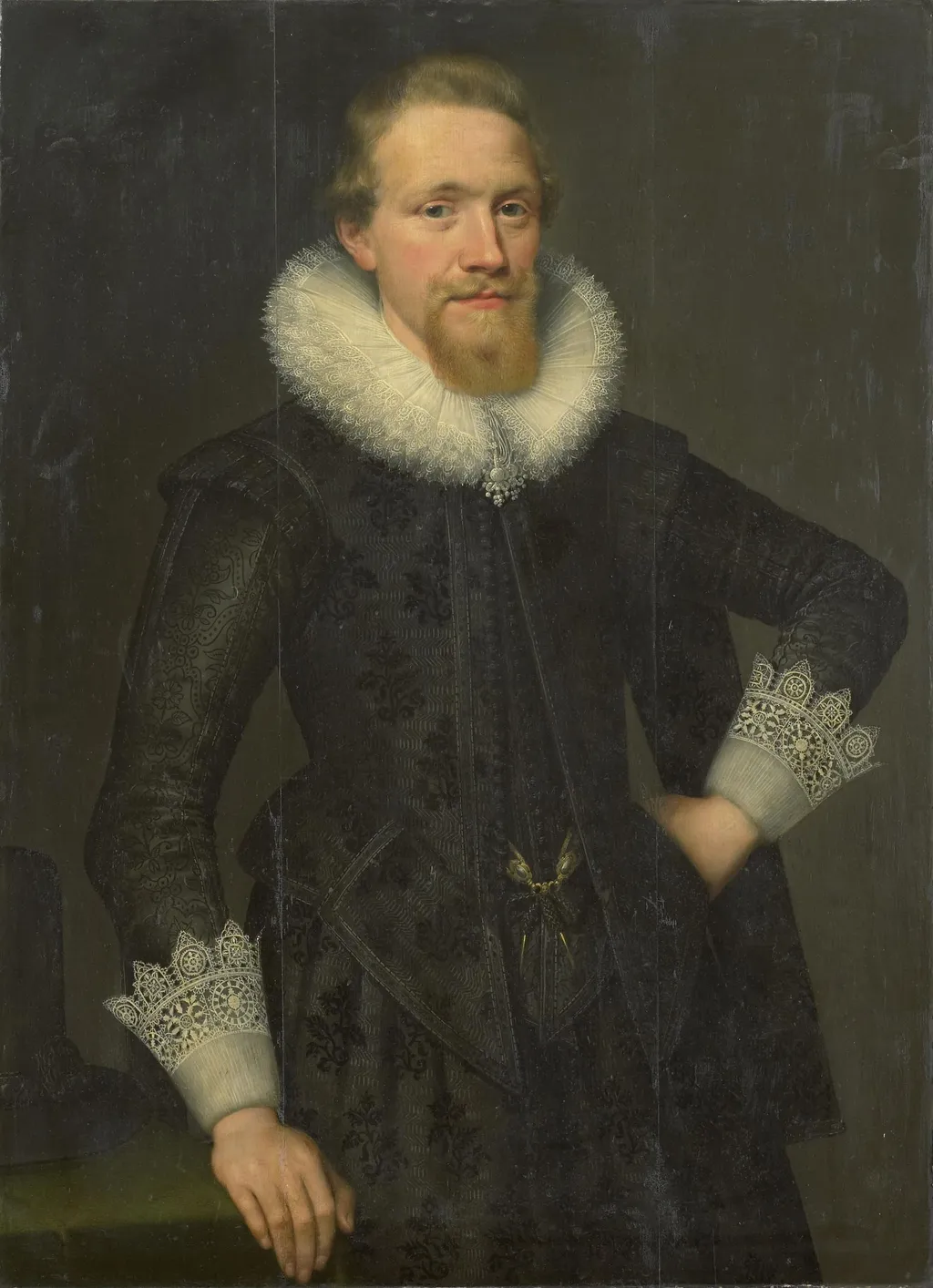
Portrait of Jacob Pergens (?-1681) is an oil painting by the Dutch Golden Age artist Salomon Mesdach. It dates from 1619 and is held in the collection of the Rijksmuseum.
About this work
Overview
The work is an oil portrait executed in 1619 by Dutch painter Salomon Mesdach. It depicts Jacob Pergens, whose death is recorded in 1681, and is part of the collection of the Rijksmuseum. The composition presents the sitter in a three‑quarter view against an unadorned, dark backdrop, emphasizing his attire and expression.
Subject & Meaning
Jacob Pergens is shown wearing a dark, patterned doublet trimmed with light lace at the collar and cuffs, a small ornamental brooch fastened to his chest, and a neatly trimmed beard. His posture and solemn gaze suggest a dignified, perhaps civic, standing, typical of early‑17th‑century portraiture that aimed to convey personal status and moral seriousness.
Technique & Style
Mesdach employs a restrained chiaroscuro, allowing soft, diffused light to illuminate the sitter’s face and hands while the surrounding darkness recedes.
Mesdach employs a restrained chiaroscuro, allowing soft, diffused light to illuminate the sitter’s face and hands while the surrounding darkness recedes. This handling of light creates a subtle modelling of the flesh and fabric, highlighting the texture of the lace and the sheen of the brooch. The brushwork is smooth, with careful attention to the folds of the doublet and the delicate rendering of the beard.
History & Provenance
Created in the Dutch Golden Age, the portrait entered the Rijksmuseum’s holdings through the museum’s acquisition program for early modern Dutch art. The painting has remained in public collections since the 19th century, providing scholars with a reliable visual record of Jacob Pergens and of Mesdach’s portrait practice.
Context
The portrait belongs to a broader tradition of Dutch civic portraiture in which merchants and officials commissioned likenesses to affirm their social rank. In 1619, the Netherlands was experiencing economic growth, and the use of luxurious fabrics and lace in the sitter’s dress reflects contemporary fashions among the prosperous middle class.
Own this work as a print
Artist & collection

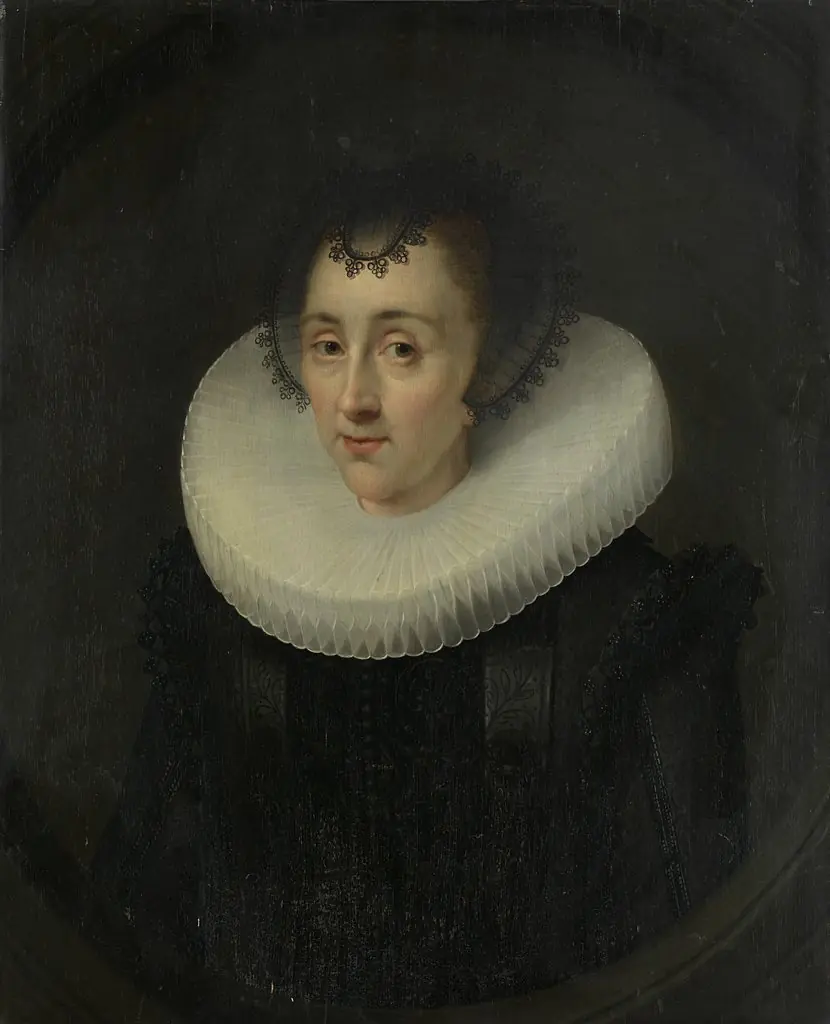 Portrait of Hortensia del Prado (?-1627)
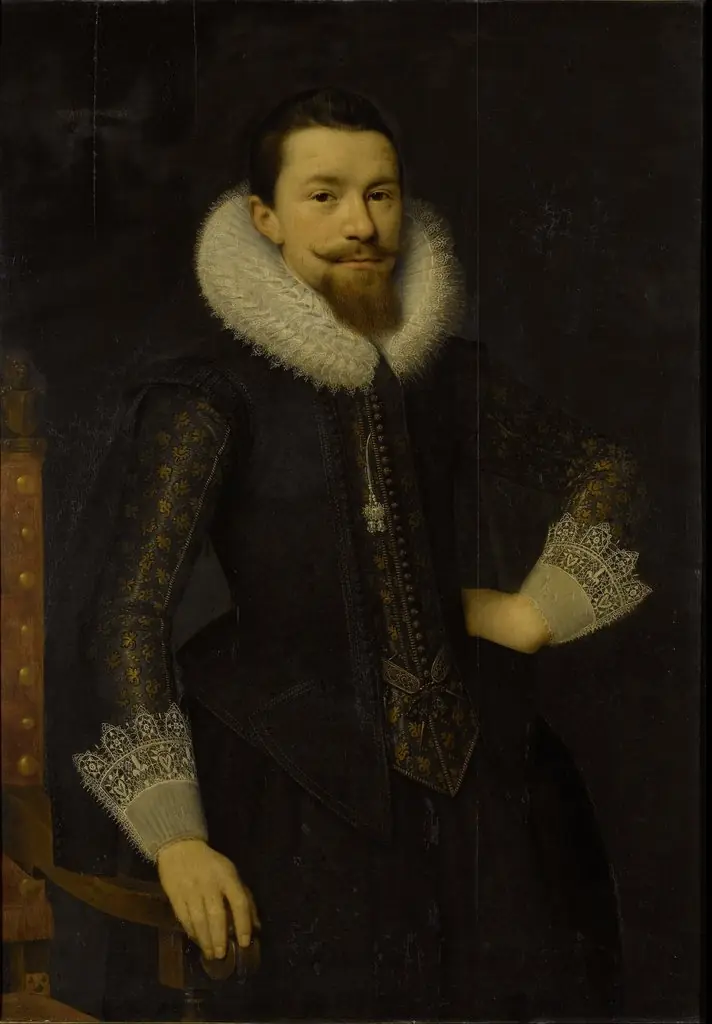 Portrait of Pieter Boudaen Courten (1594-1668)
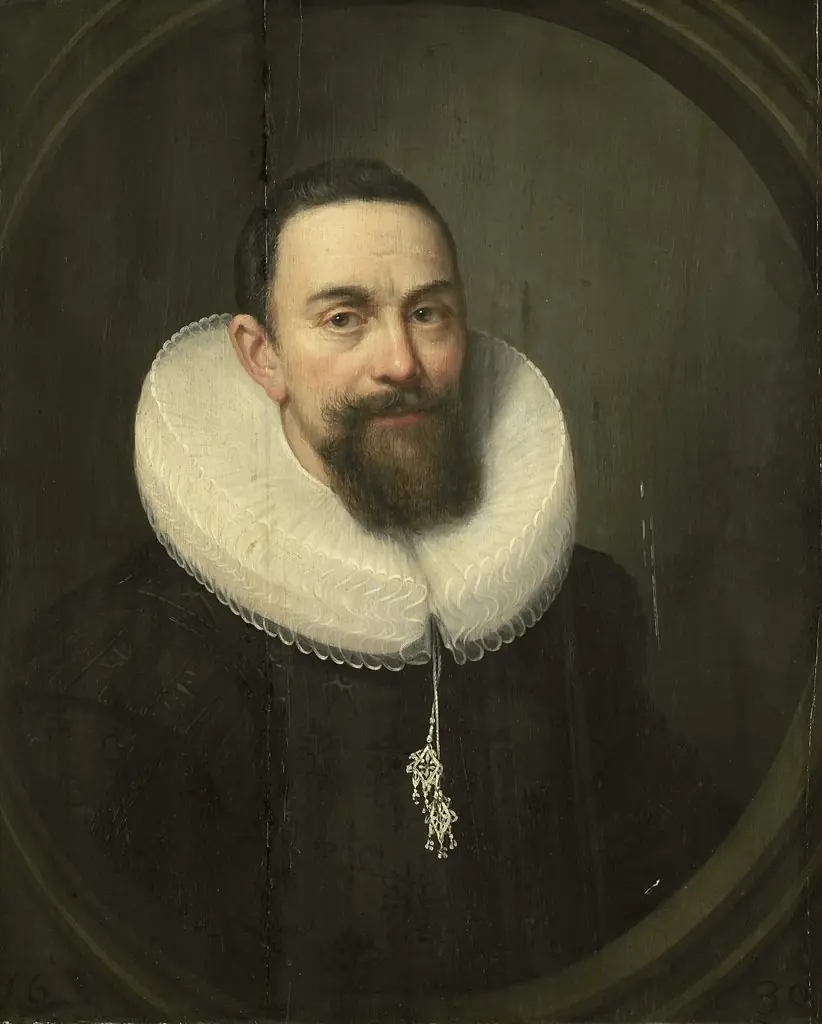 Portrait of Sir Pieter Courten (1581-1630)
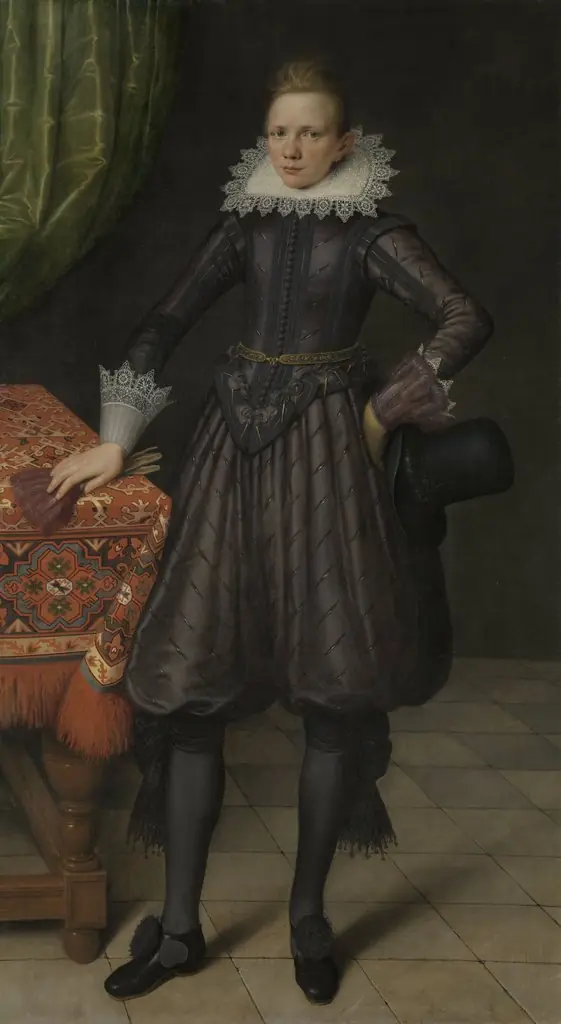 Portrait of Peter Courten
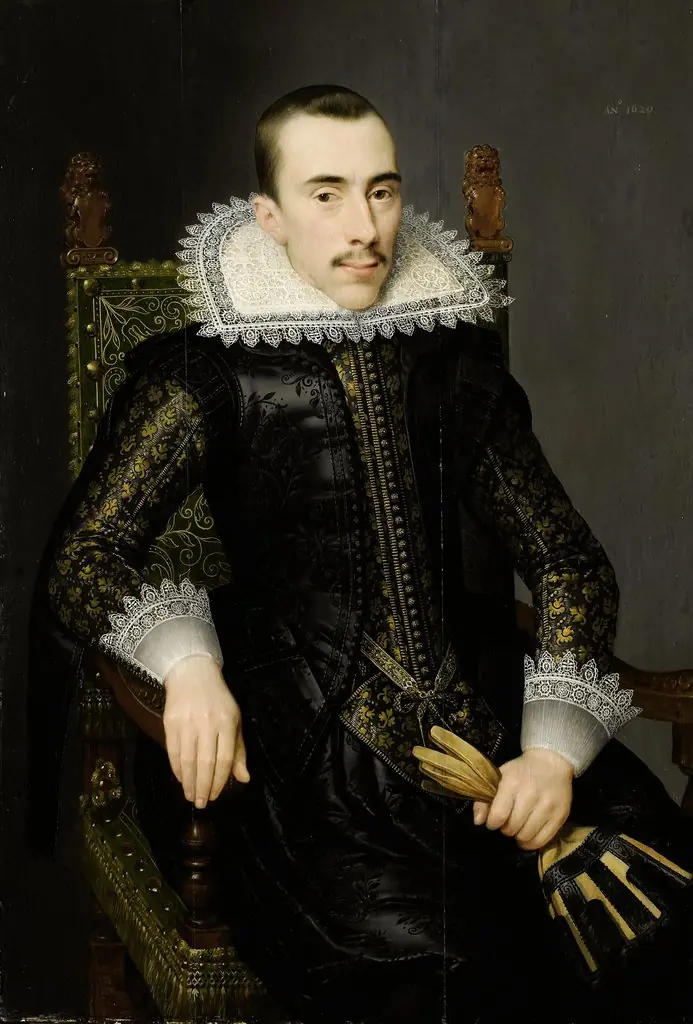 Portrait of a man, possibly Walterus Fourmenois (1596-1653)
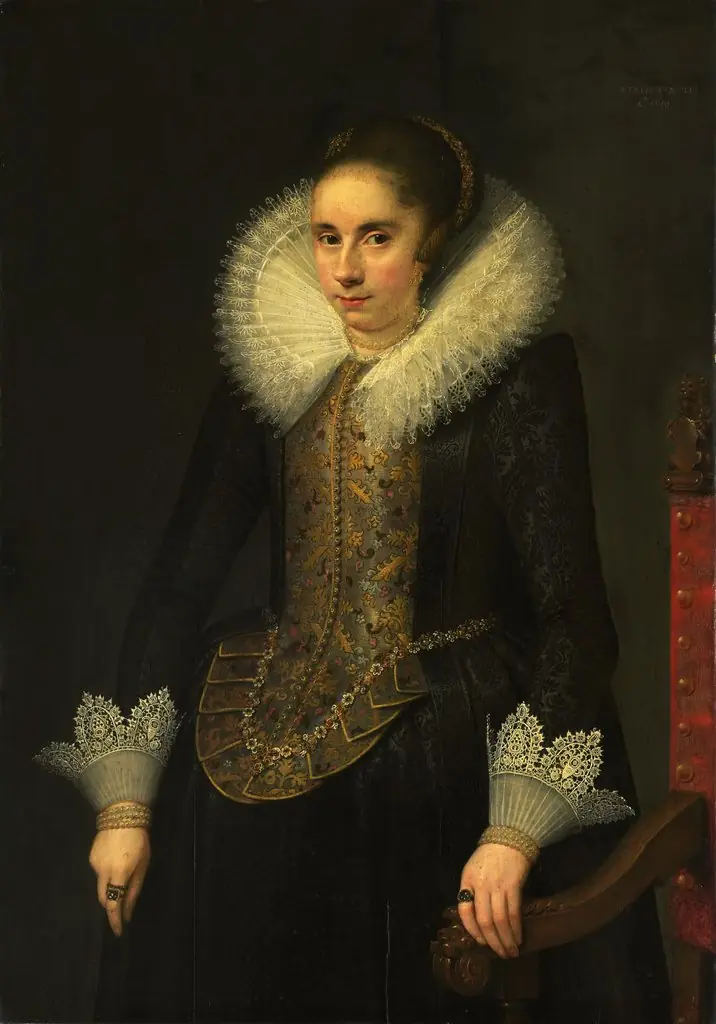 Portrait of Catharina Fourmenois (1598-1665)
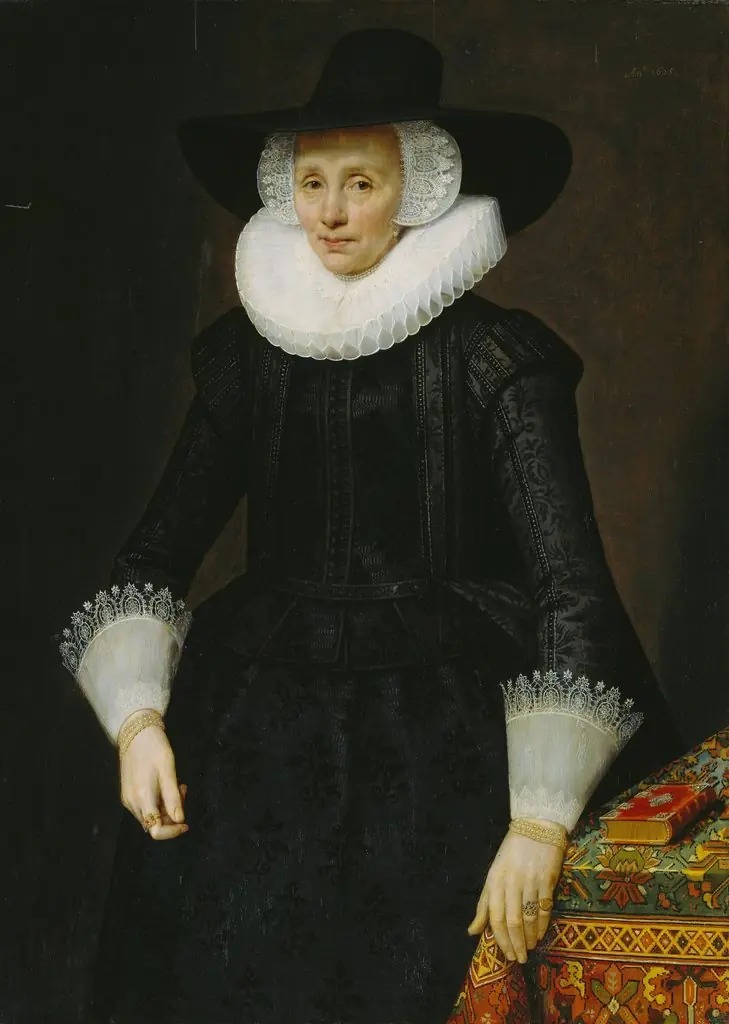 Portrait of Margarita Courten (1564-1640)
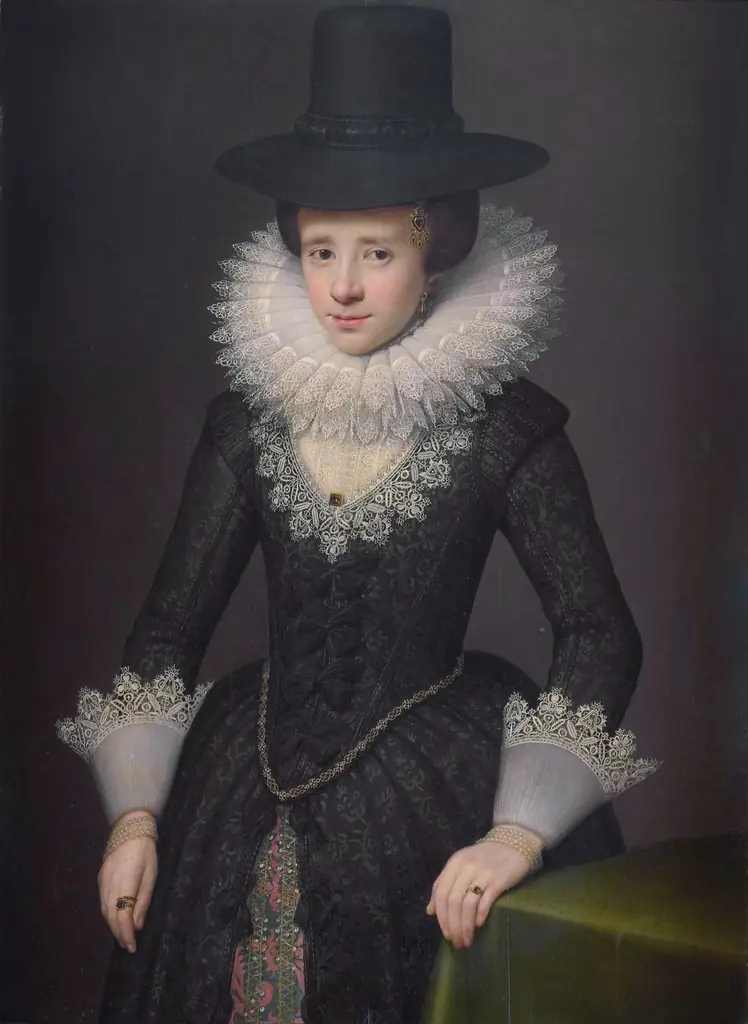 Portrait of Anna Boudaen Courten (1599-1622)
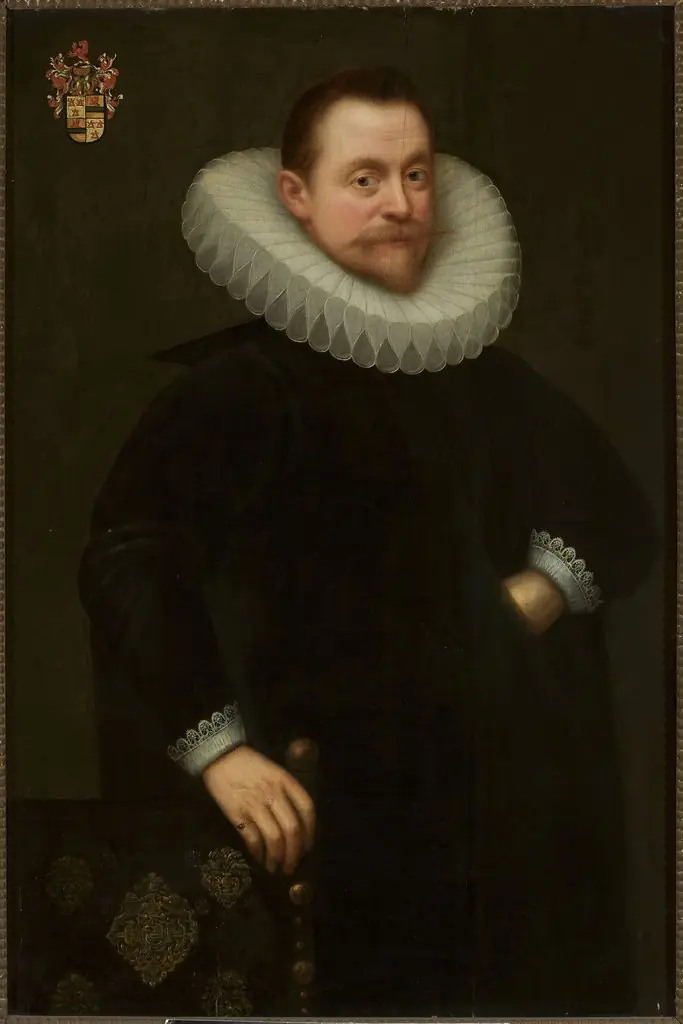 Portrait of Jacques du Mont
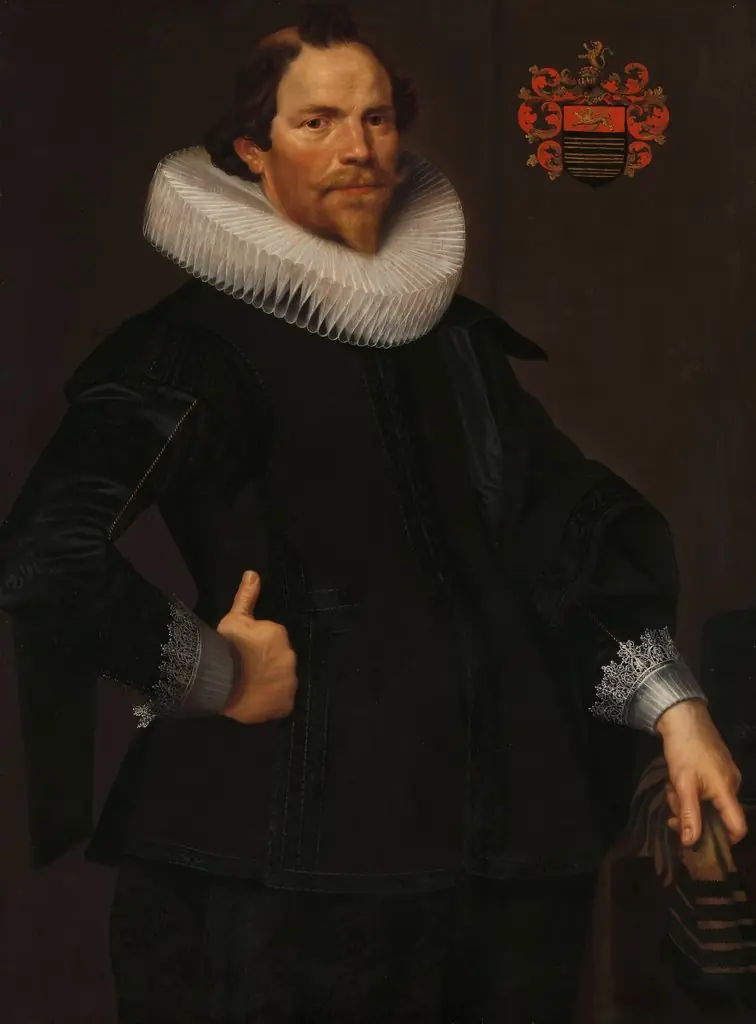 Portrait of Pieter van Son (c. 1590-1654)
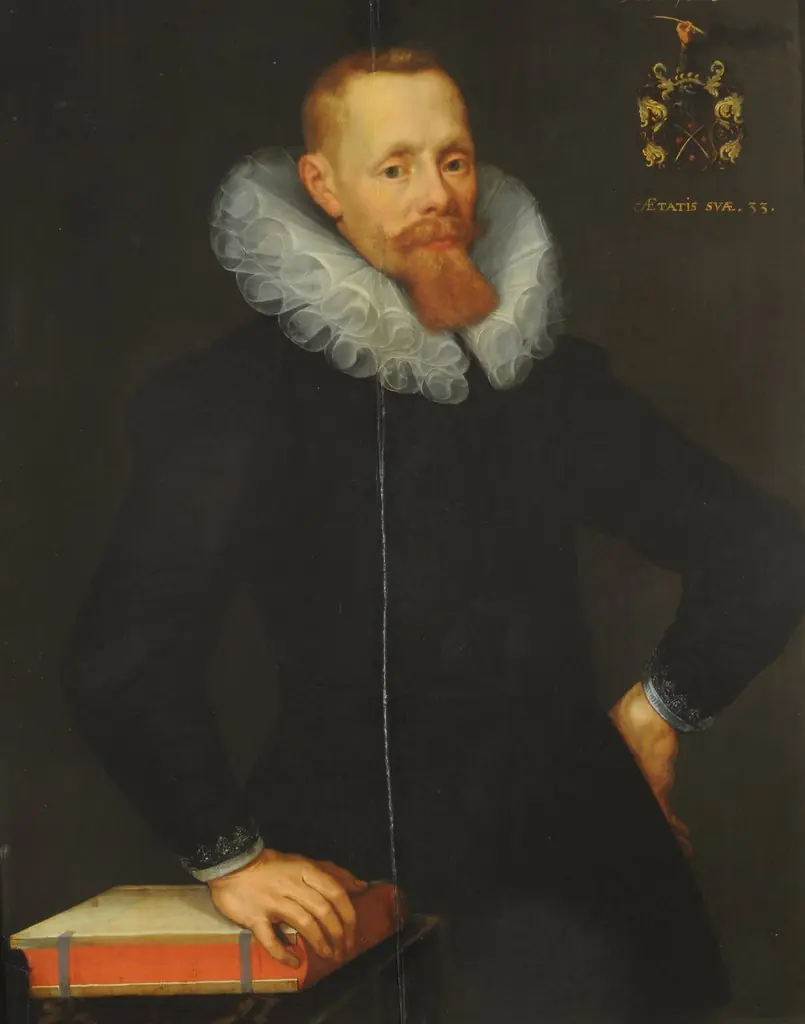 Male portrait
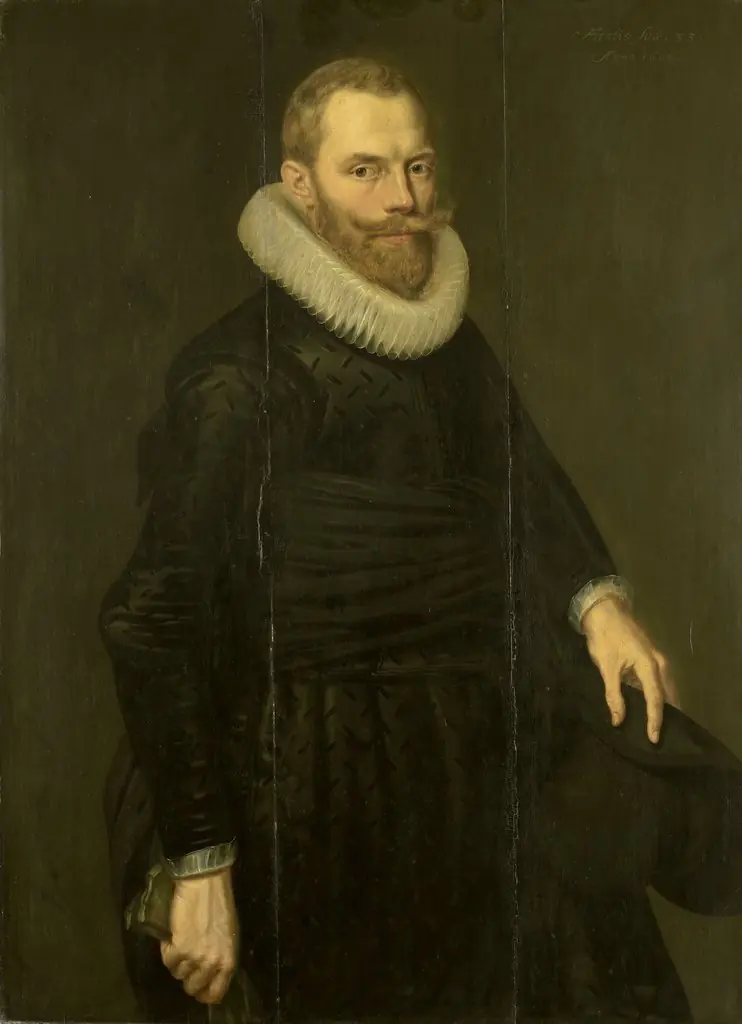 Portrait of Dirck Hasselaer (1581-1645)
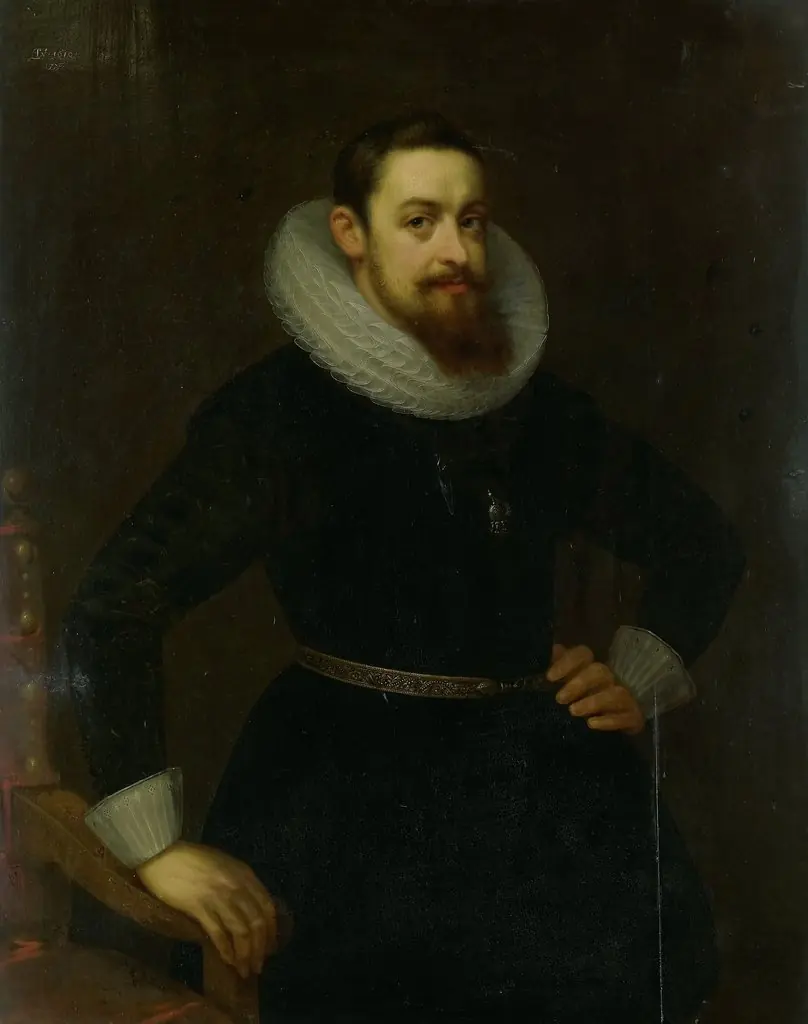 Portrait of Jeremias Boudinois
 Self-Portrait
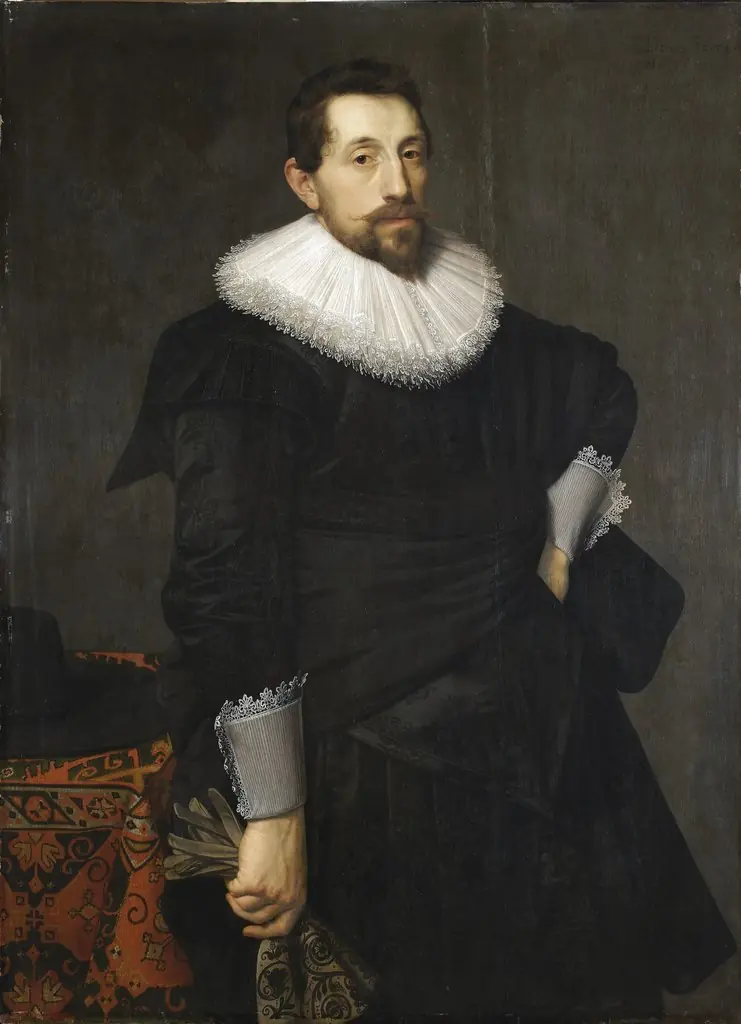 Portrait of a Man with Gloves
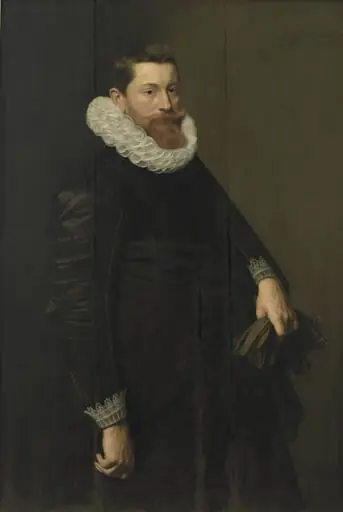 Portrait of a Gentleman
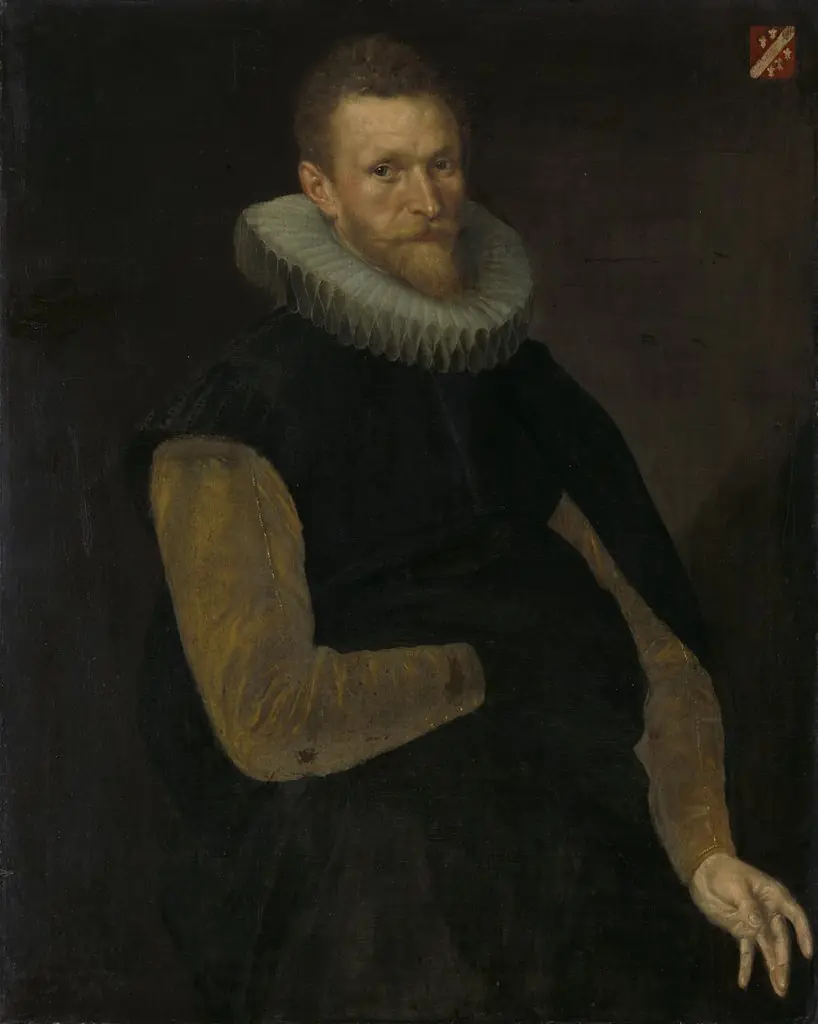 Portrait of Jacob Cornelisz Banjaert, called van Neck (1564-1638). Admiral & mayor of Amsterdam
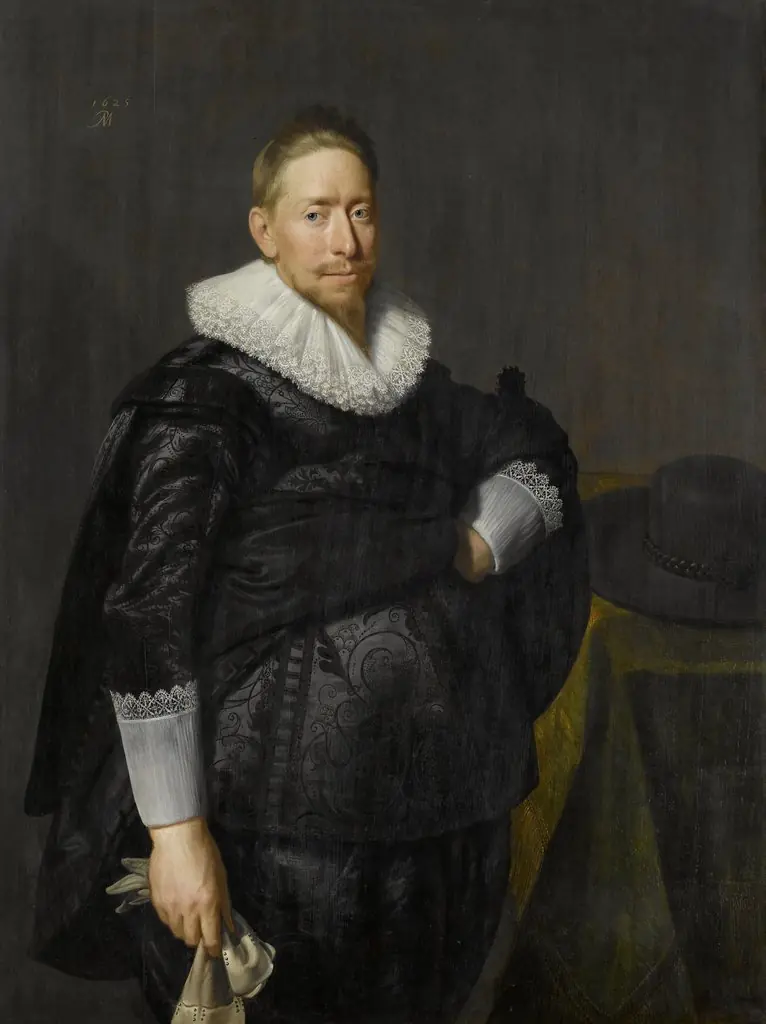 Portrait of a Man, Probably from the Pauw Family
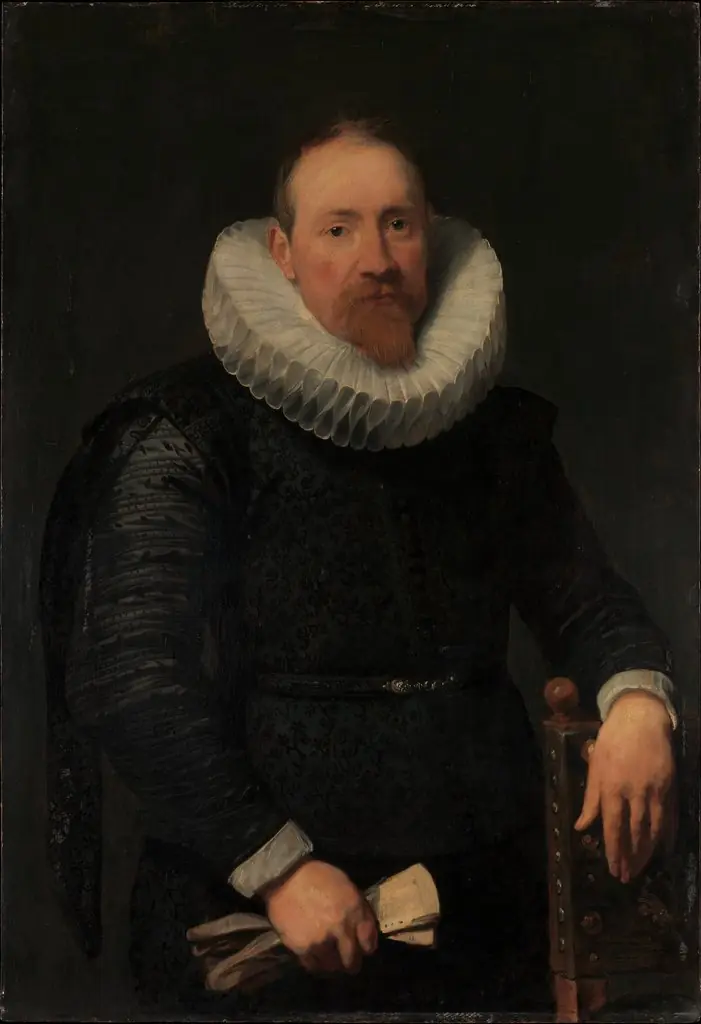 Portrait of a Man