Artwork
Portrait of Jacques du Mont
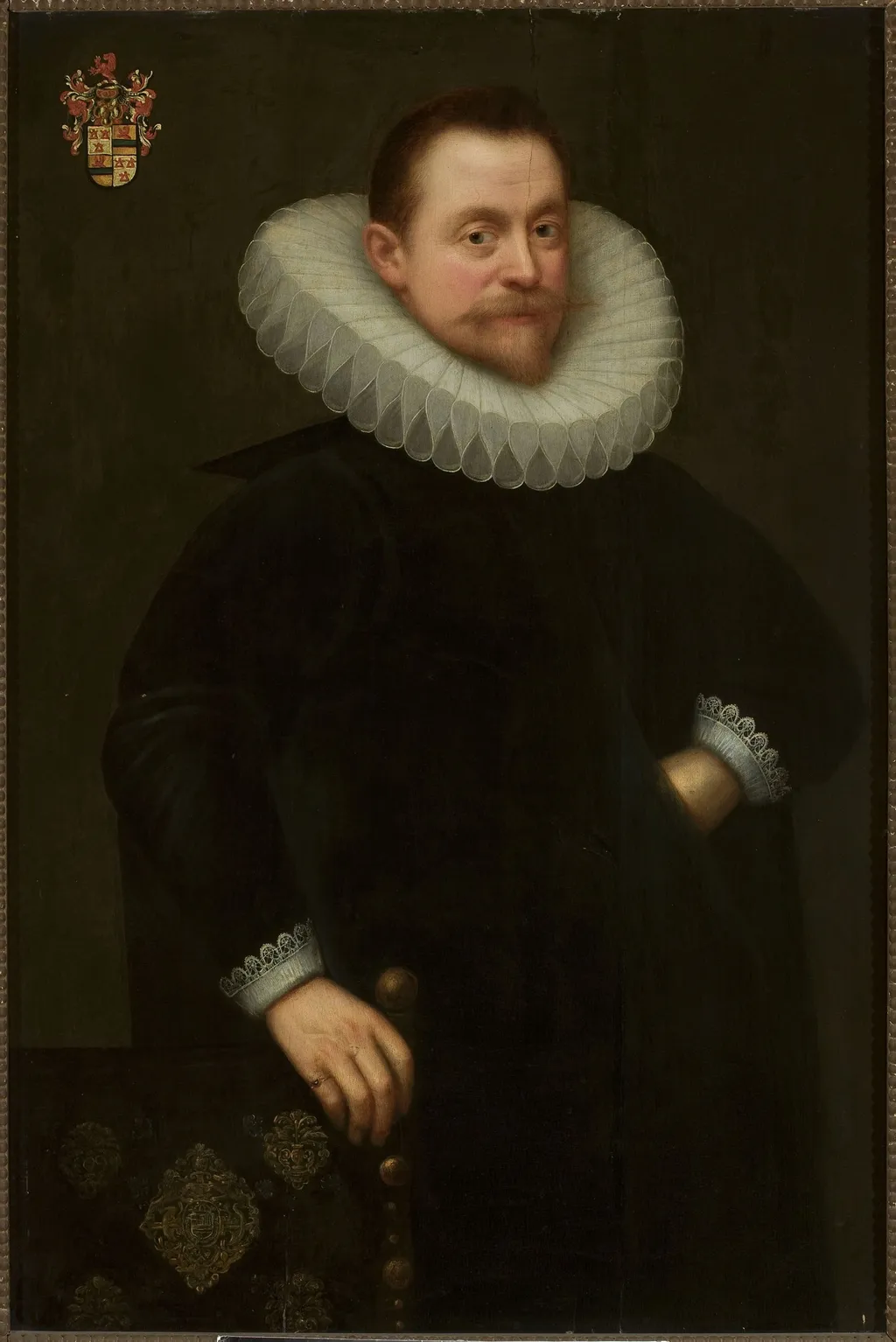
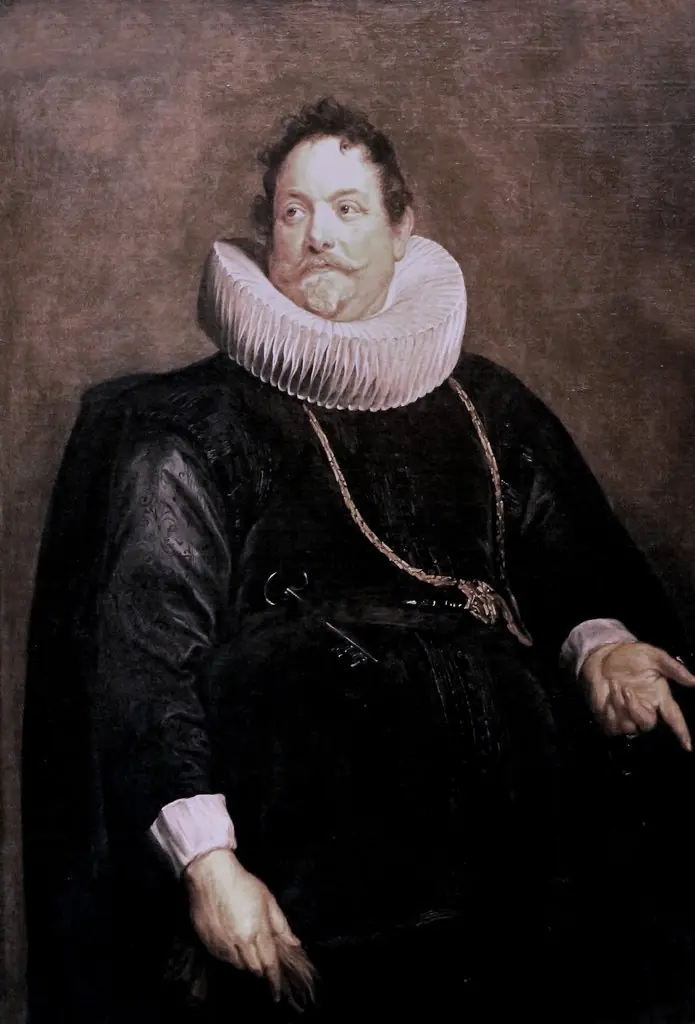
Portrait of Jacques du Mont is an oil painting by the Northern Renaissance artist Geldorp Gortzius. It dates from 1594 and is held in the collection of the National Museum in Warsaw.
About this work
Overview
Painted around 1594 by the Flemish artist Geldorp Gortzius, this oil portrait depicts Jacques du Mont, a figure of probable social standing. The work exemplifies Northern Renaissance portraiture, emphasizing quiet dignity through restrained composition. It resides today in the National Museum in Warsaw, where it is valued for its technical precision and atmospheric depth.
Subject & Meaning
Jacques du Mont is portrayed with solemn composure, his trimmed beard and formal attire suggesting status and restraint. The inclusion of a small family crest in the upper left signals lineage or official recognition, common in portraits of the era. The absence of elaborate props or settings focuses attention on the sitter’s presence, conveying identity through demeanor rather than circumstance.
Technique & Style
Brushwork is controlled, with fine detail in the collar and skin tones, reflecting the Northern tradition of meticulous observation and surface texture.
Gortzius employed soft chiaroscuro to model the sitter’s face, using subtle gradations of light to define features against a deep, unbroken background. The white ruff catches ambient glow, contrasting with the dark robe and enhancing three-dimensionality. Brushwork is controlled, with fine detail in the collar and skin tones, reflecting the Northern tradition of meticulous observation and surface texture.
History & Provenance
The painting was created during Gortzius’s time working in Germany, where he gained recognition for his portraits of local elites. It entered the National Museum in Warsaw’s collection in the 20th century, though its earlier ownership history remains partially undocumented. Its preservation suggests consistent appreciation for its formal qualities and historical significance.
Context
In late 16th-century Northern Europe, portraiture served both personal and social functions, often affirming identity among merchant and noble classes. Artists like Gortzius adapted Italianate techniques such as chiaroscuro to local tastes, favoring understated elegance over grandeur. This portrait reflects a broader trend toward psychological realism and symbolic restraint in secular imagery.
Legacy
Though not widely exhibited outside Poland, the portrait remains a representative example of Flemish-influenced German portraiture of the period. Its quiet intensity and technical discipline contribute to scholarly understanding of regional artistic exchange. It continues to inform studies of identity representation in early modern visual culture.
Artist & collection
Artist
Gortzius Geldorp (1553–1618) was a Flemish Renaissance artist who was active in Germany where he distinguished himself through his portrait paintings.

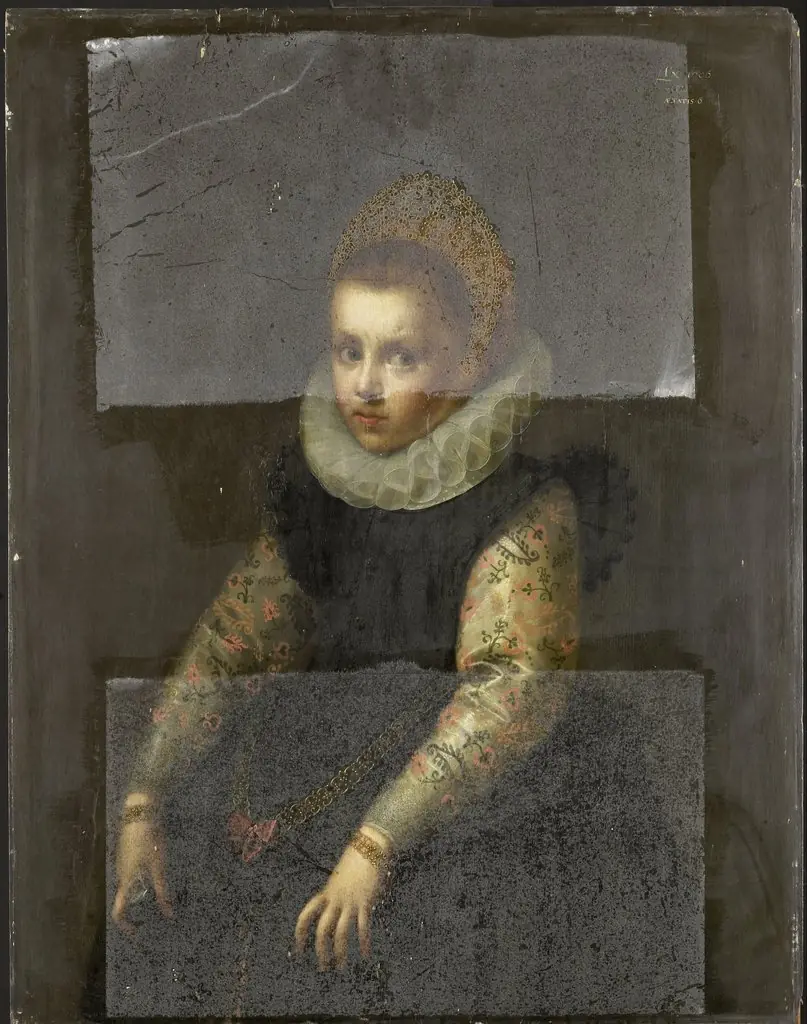 Portrait of a Sister of Catharina Fourmenois
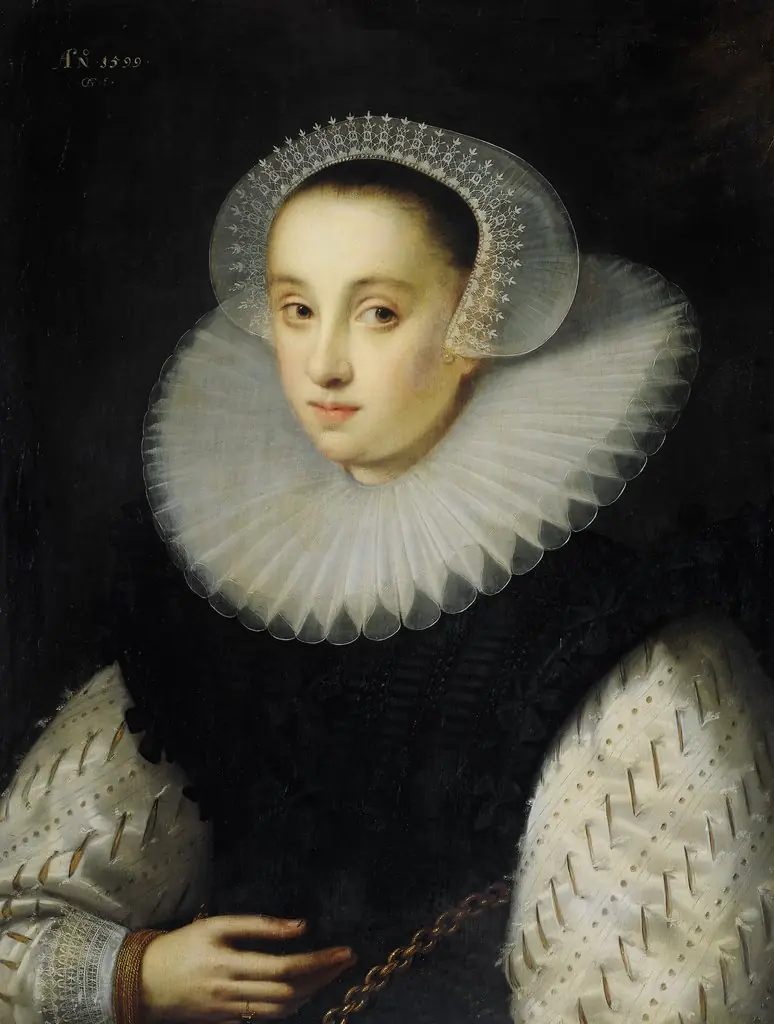 Portrait of Hortensia del Prado (died 1627)
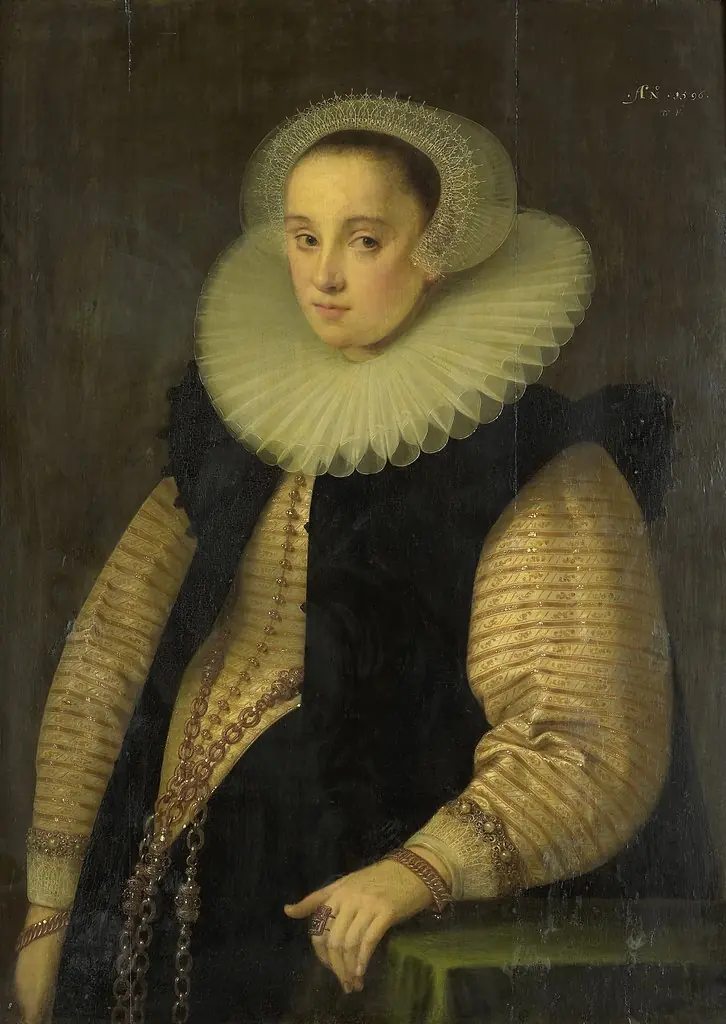 Portrait of Hortensia del Prado (died 1627), Wife of Jean Fourmenois
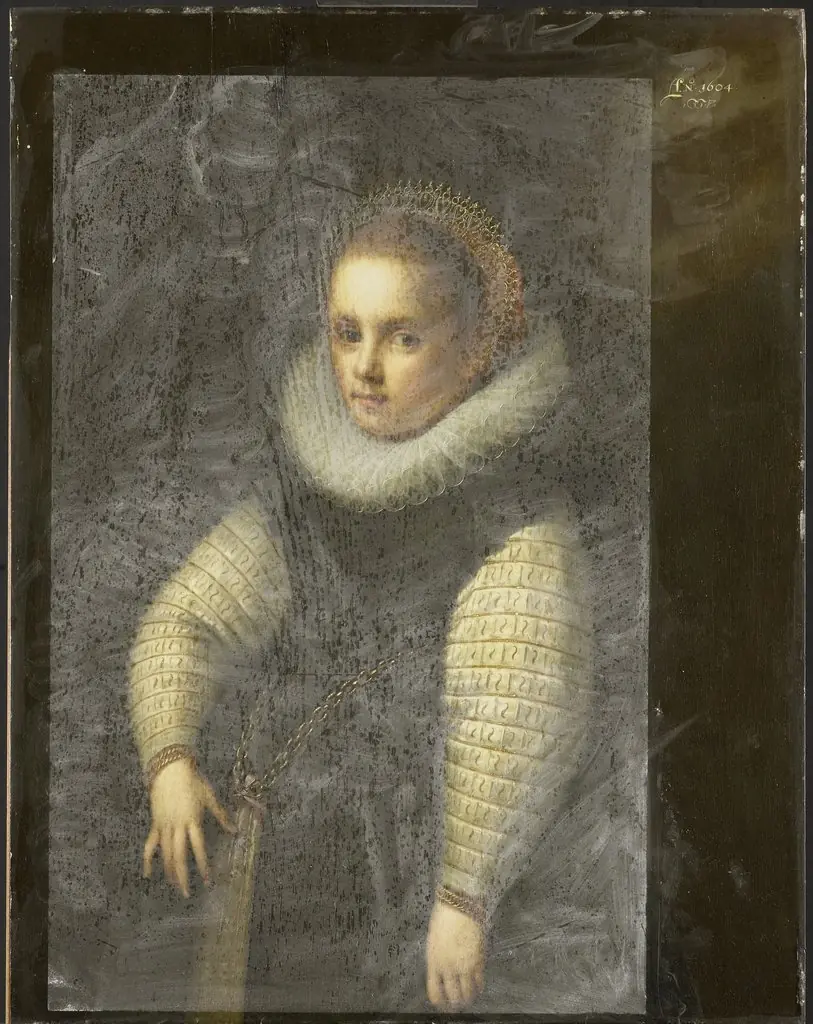 Portrait of Catharina Fourmenois as a Child, later Wife of Pieter Boudaen Courten
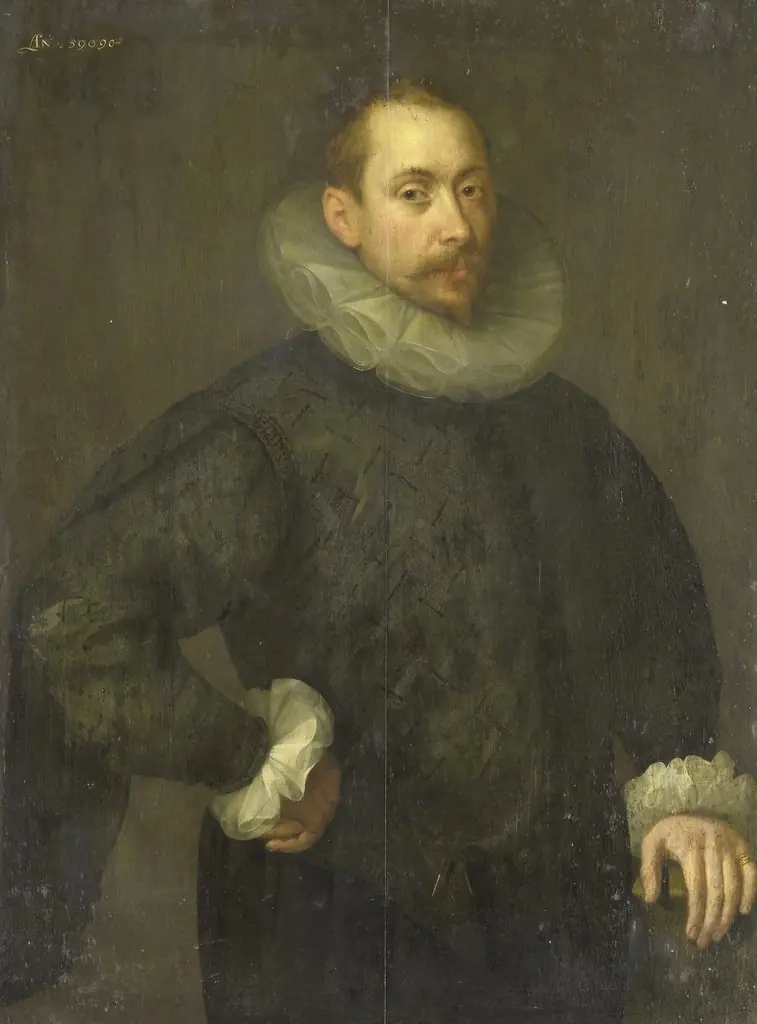 Portrait of Jean Fourmenois
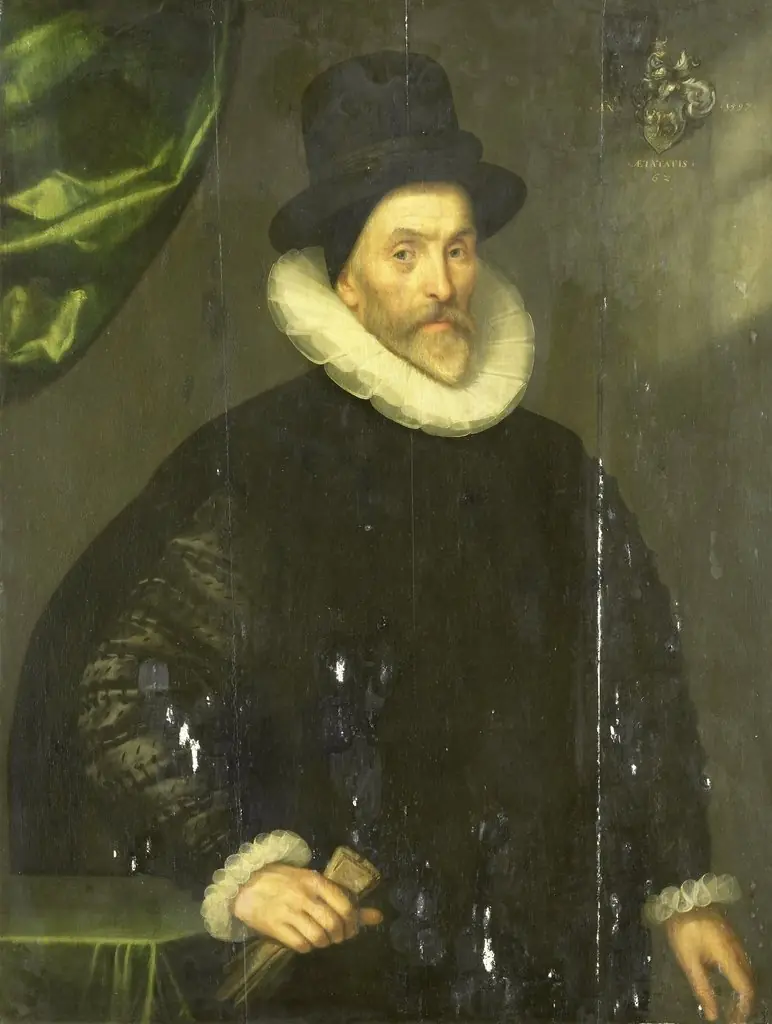 Portrait of Gualtero del Prado
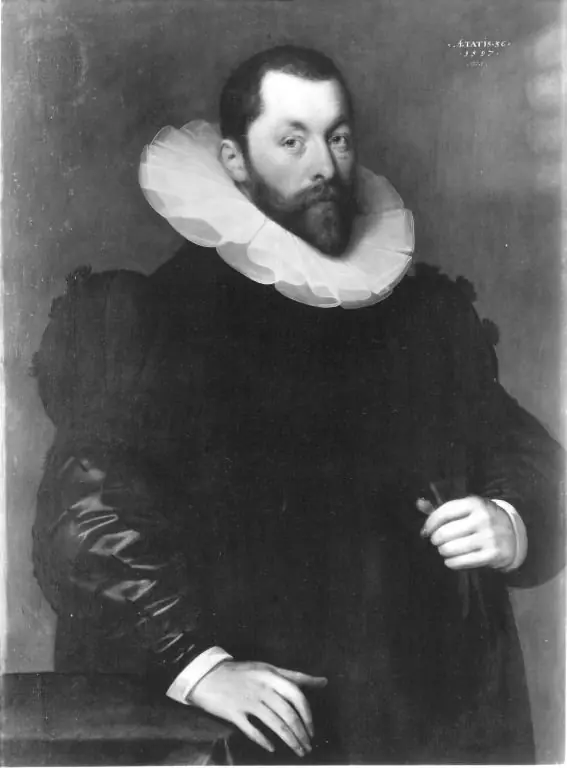 Bildnis eines Mannes
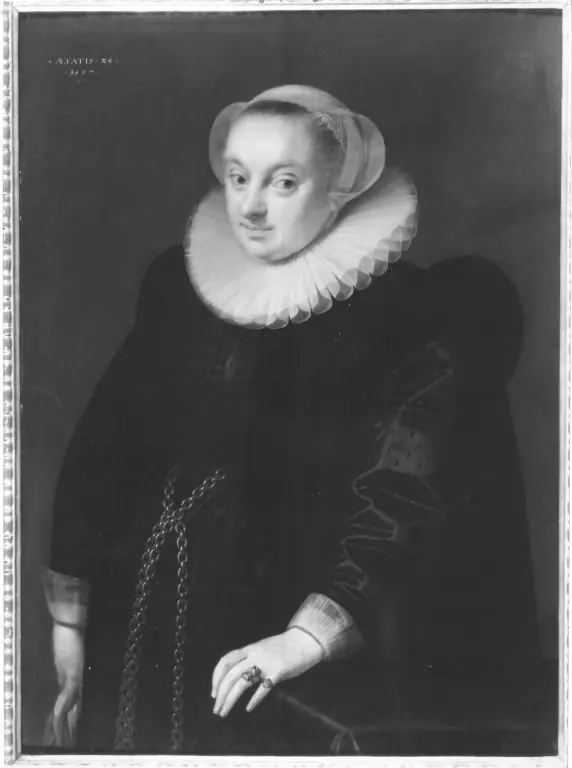 Portrait of a woman
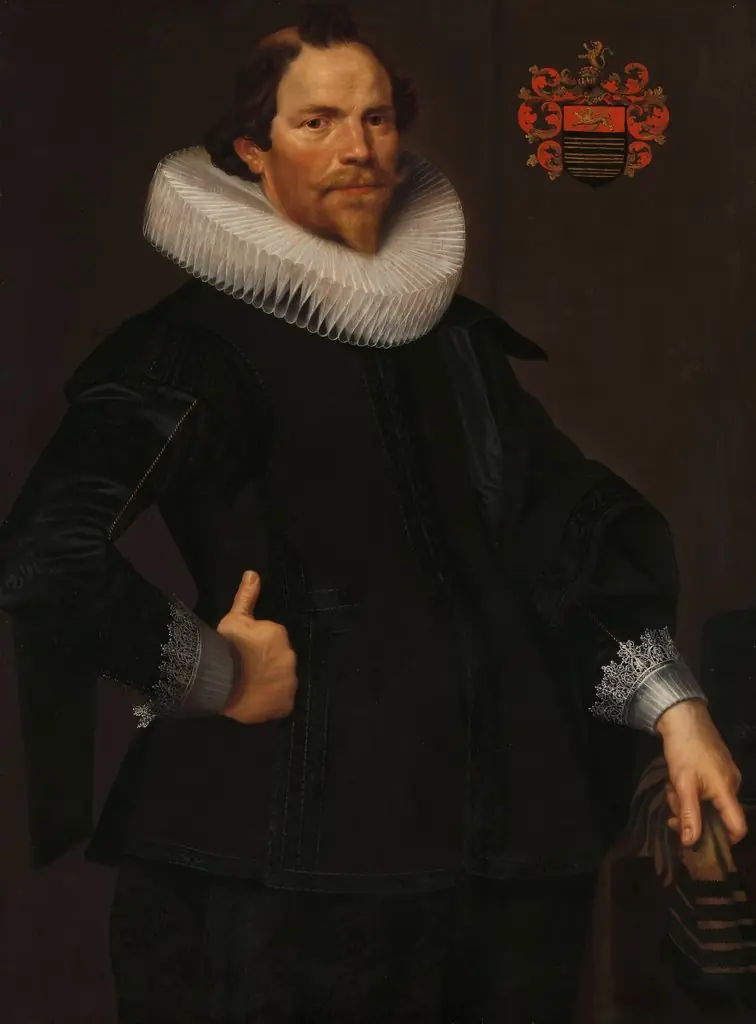 Portrait of Pieter van Son (c. 1590-1654)
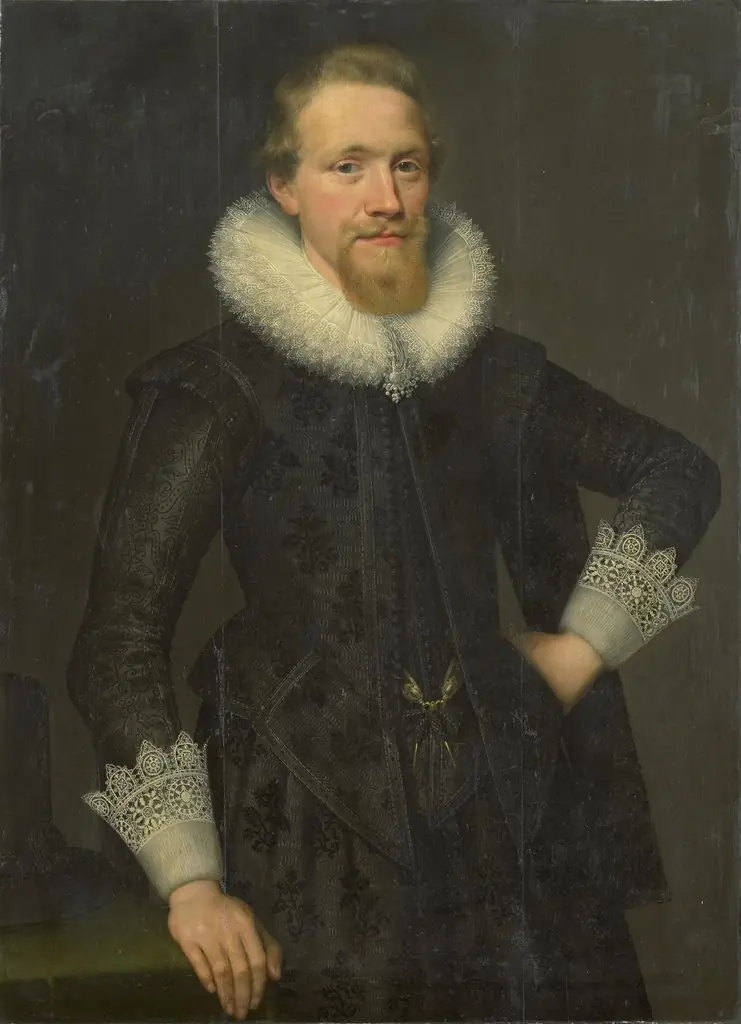 Portrait of Jacob Pergens (?-1681)
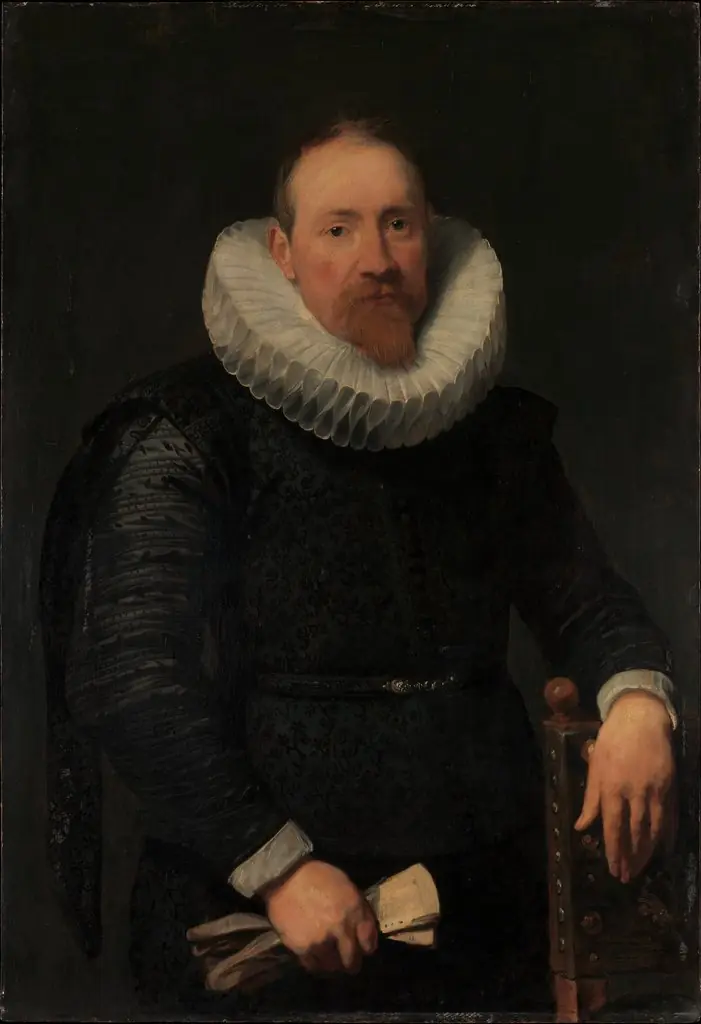 Portrait of a Man
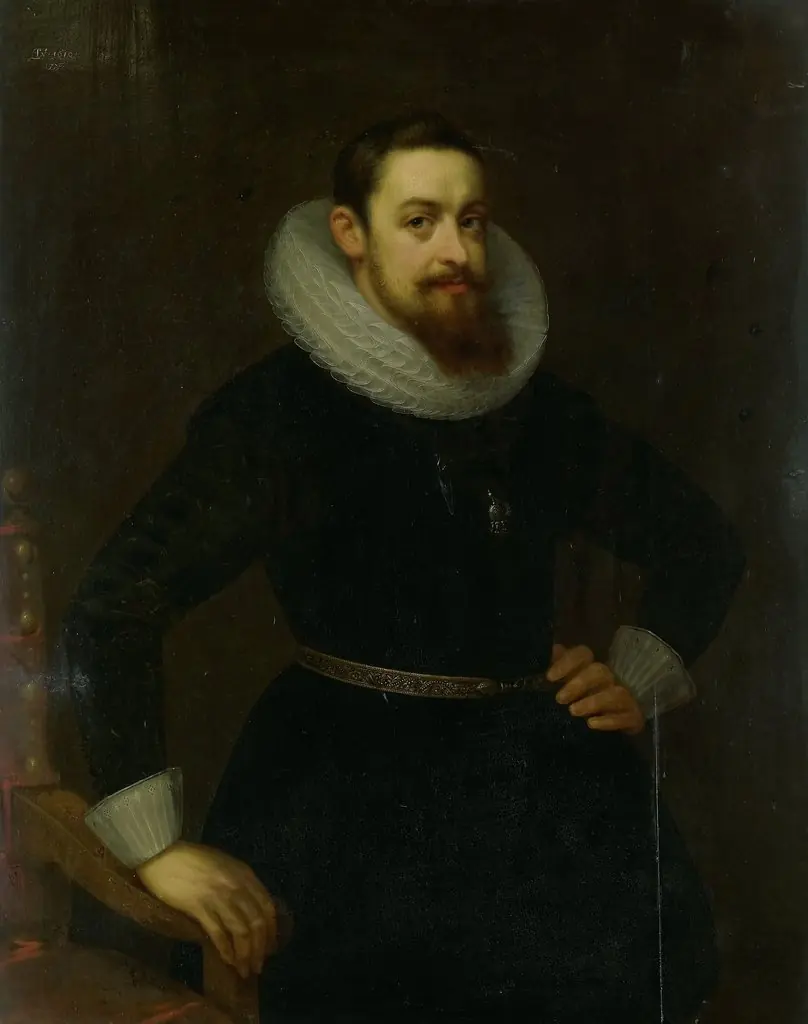 Portrait of Jeremias Boudinois
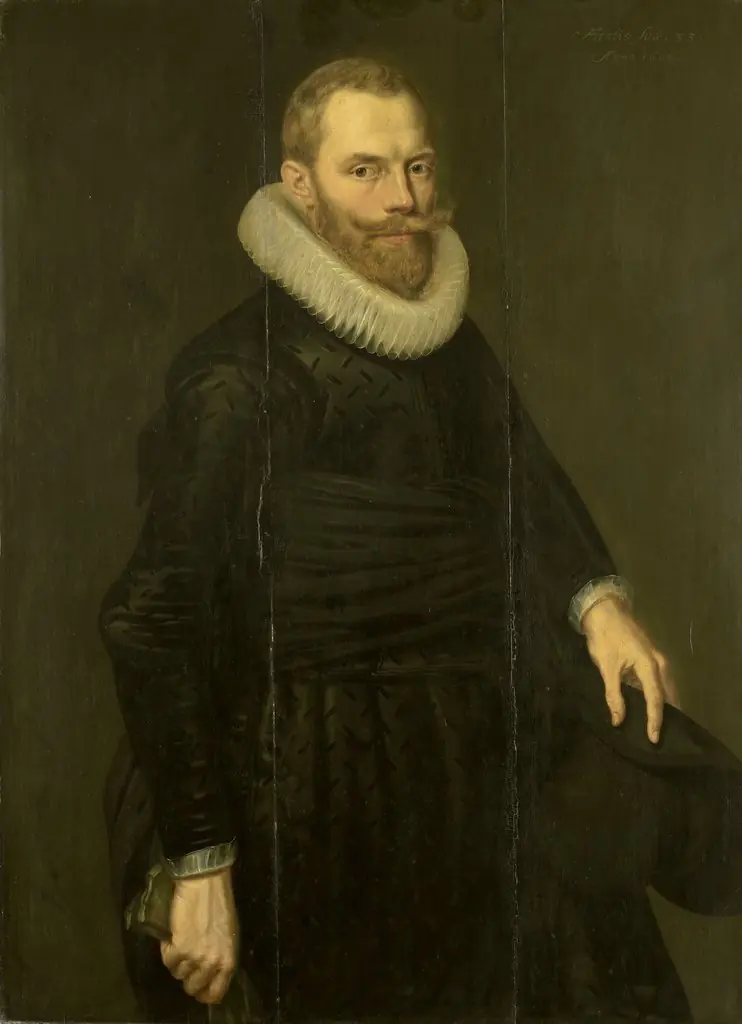 Portrait of Dirck Hasselaer (1581-1645)
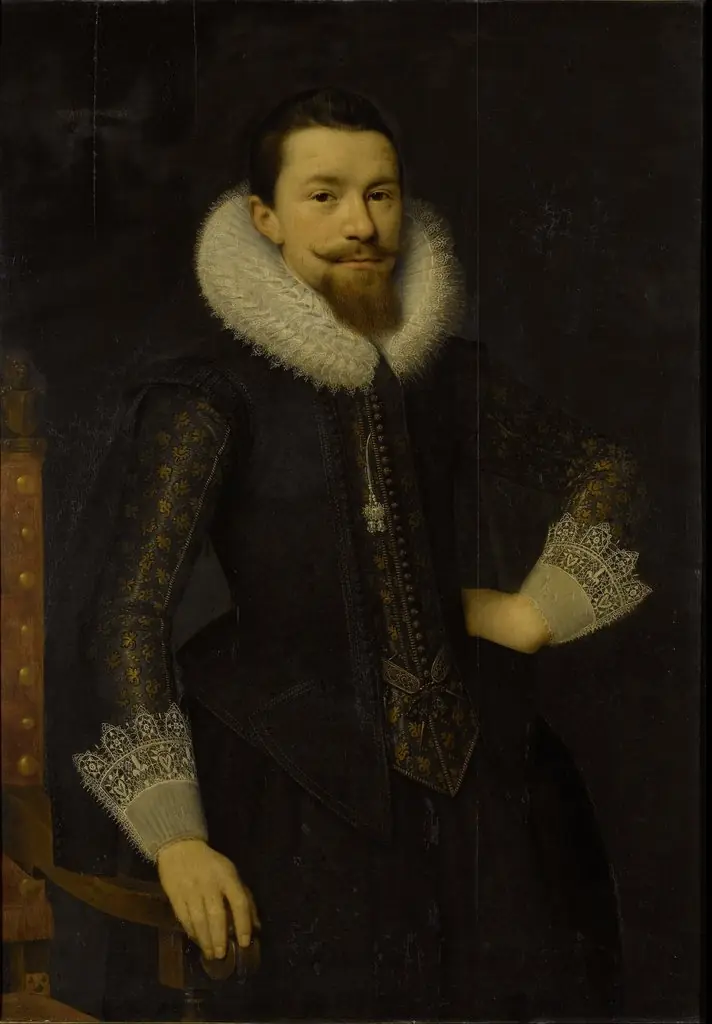 Portrait of Pieter Boudaen Courten (1594-1668)
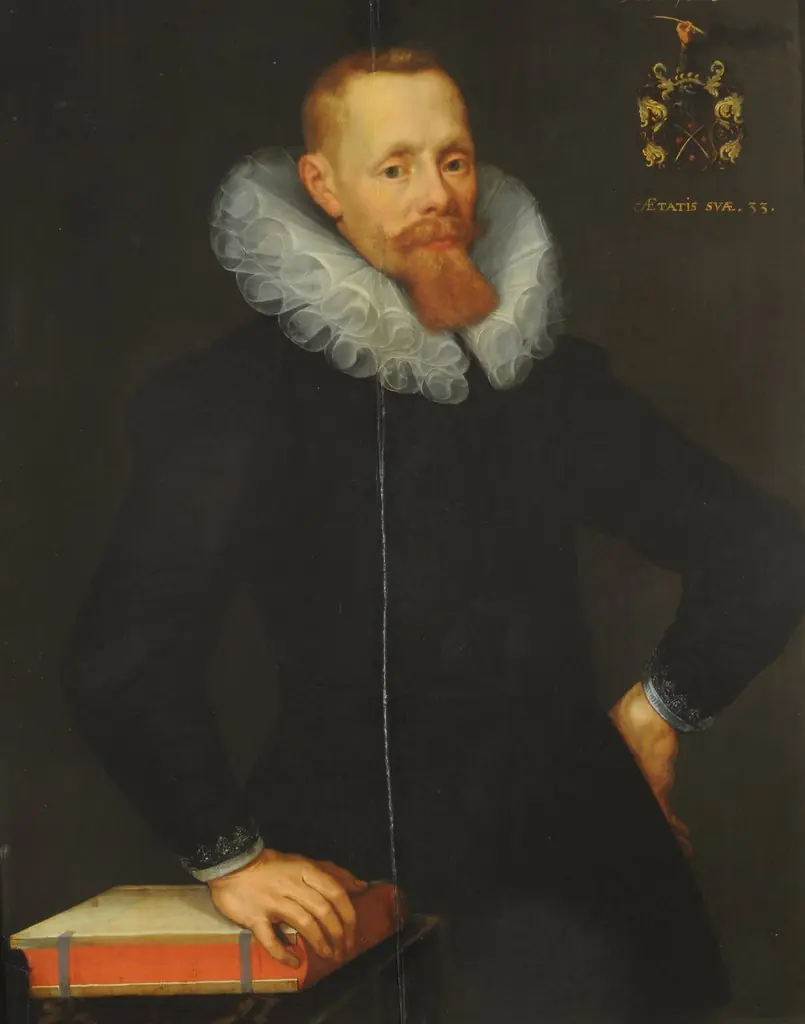 Male portrait
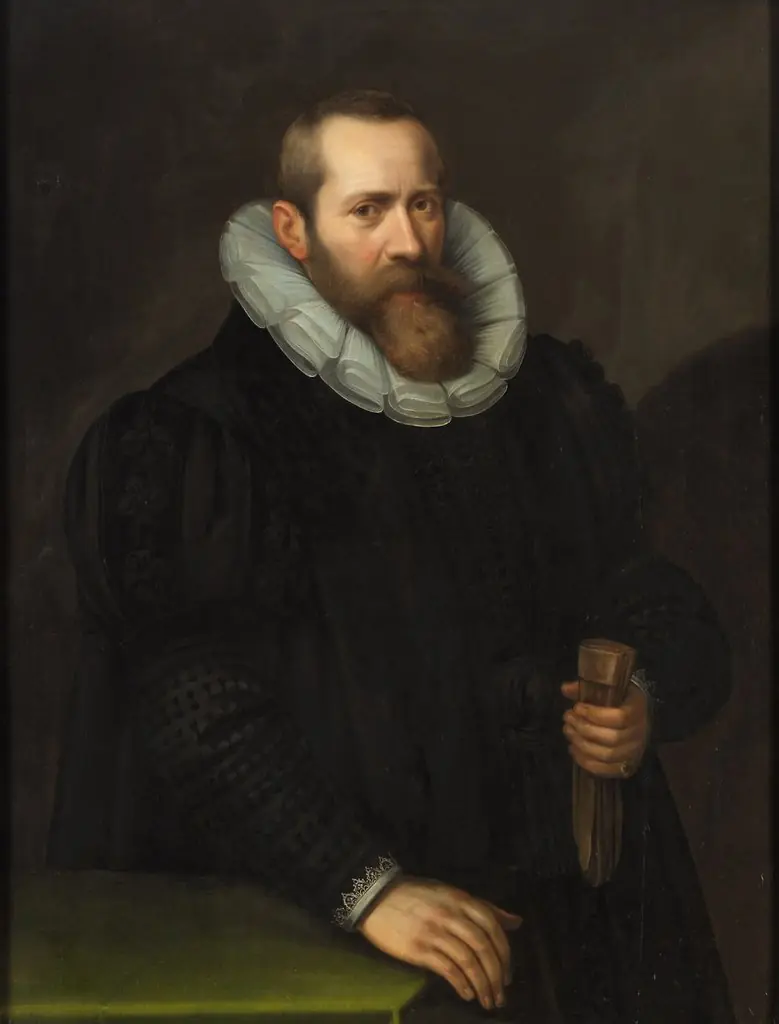 Portrait of a man
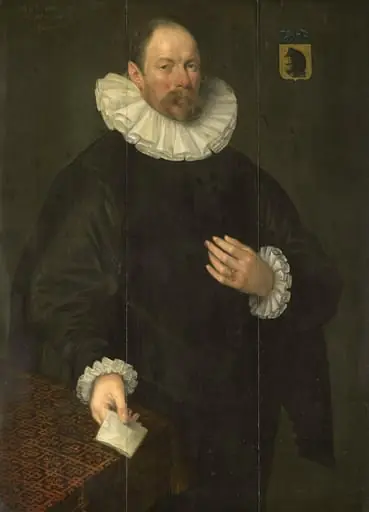 Portrait of Paulus Cornelisz van Beresteyn (1548-1625), Burgomaster of Delft
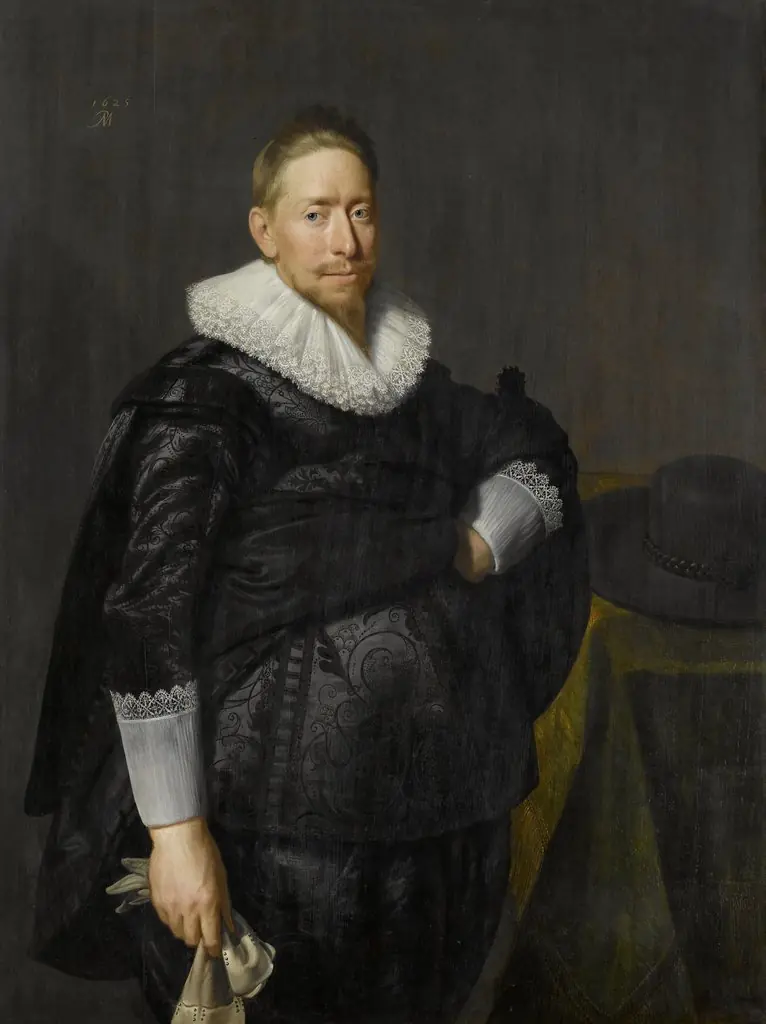 Portrait of a Man, Probably from the Pauw Family
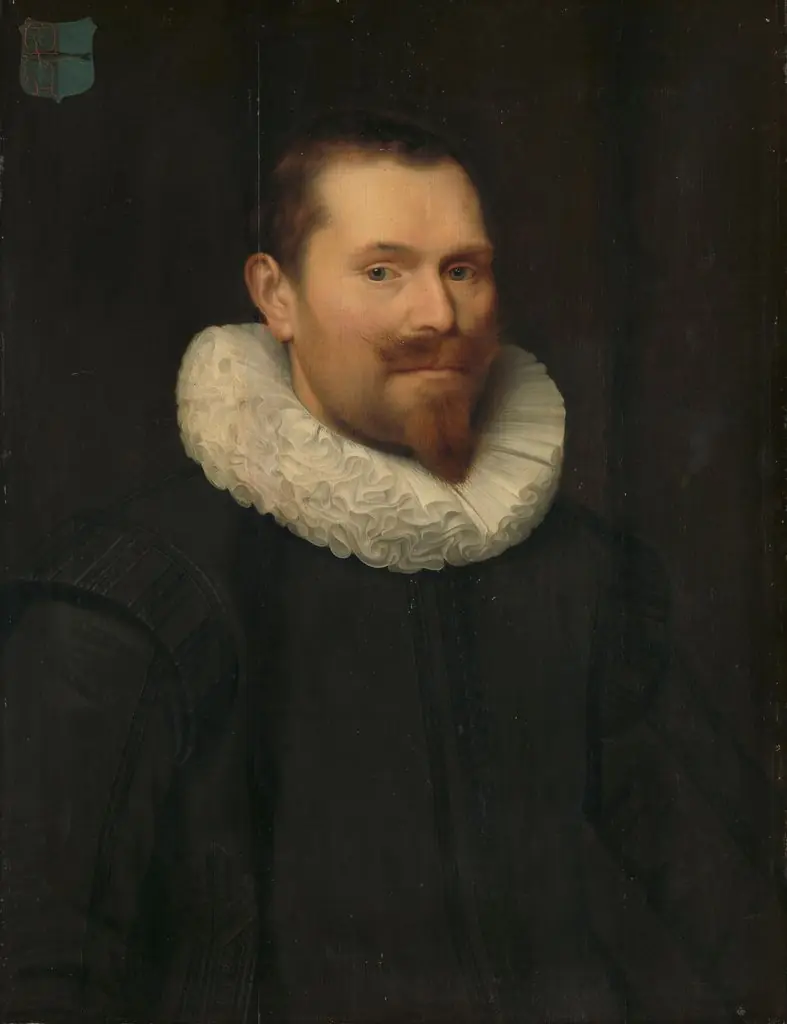 Portrait of a man
 Portrait of Jean de Montfort