Artwork
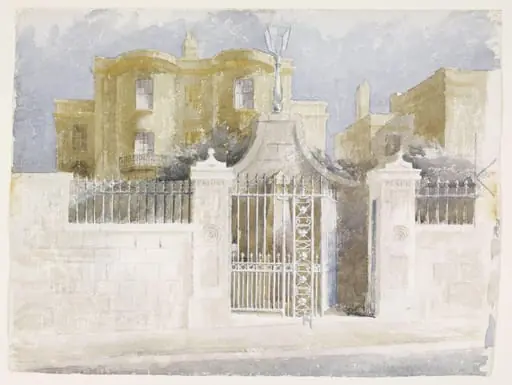
The Gateway, Boston Manor Park, Brentford.
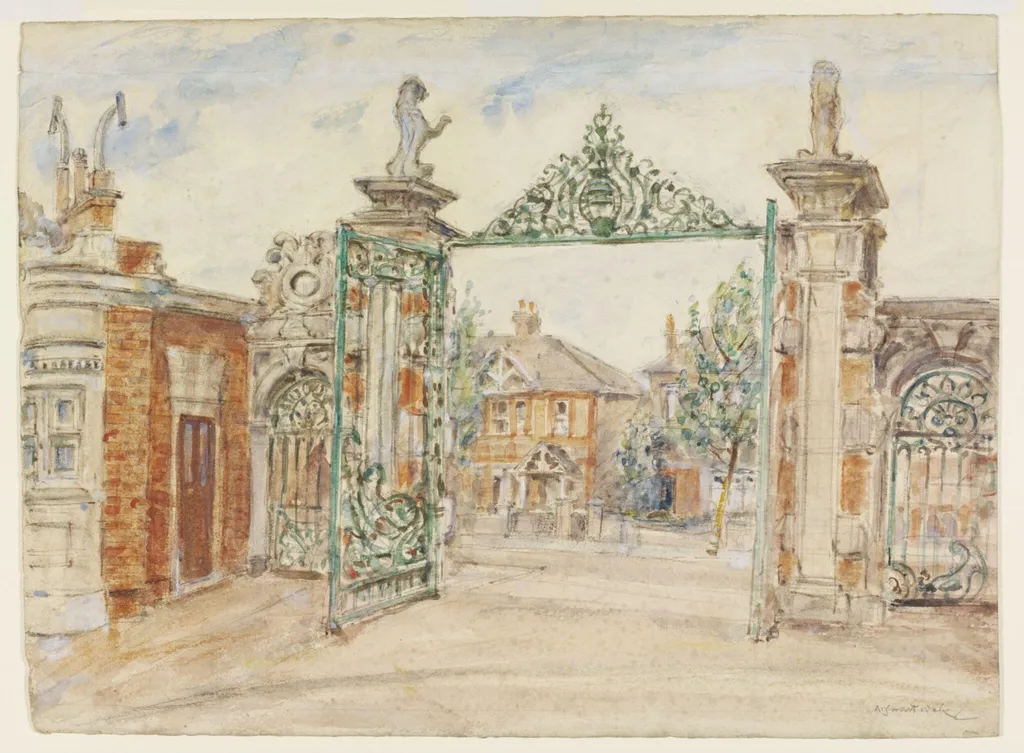
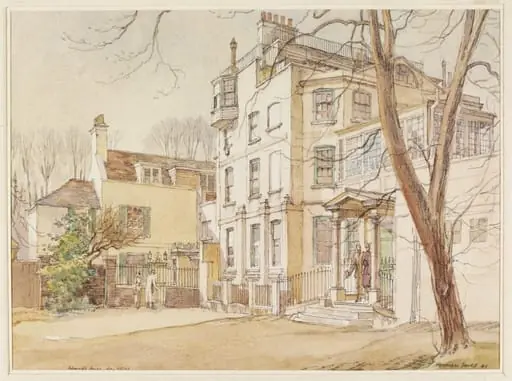
The Gateway, Boston Manor Park, Brentford. is a watercolor work on paper by the Impressionist artist Archibald Standish Hartrick. It dates from 1940 and is held in the collection of the Victoria and Albert Museum.
About this work
Overview
The piece captures a specific gate at Boston Manor Park in Brentford, chosen for its architectural character and symbolic presence within a community.
Created in 1940, this watercolour by Archibald Standish Hartrick is one of many works produced for the Recording Britain project, a wartime effort to visually document the nation’s changing landscape. The piece captures a specific gate at Boston Manor Park in Brentford, chosen for its architectural character and symbolic presence within a community. The project sought to preserve visual records of places perceived as vulnerable to wartime destruction or urban change.
Subject & Meaning
The painting centers on an ornate iron gate, its pillars crowned with statues, framing a quiet residential street lined with trees and houses. This threshold between private grounds and public space suggests a moment of pause, evoking the quiet endurance of everyday English environments. The gate, neither grand nor ruinous, represents the ordinary yet meaningful structures that defined local identity during a time of national uncertainty.
Technique & Style
Hartrick employed watercolour to render the scene with delicate transparency, allowing light to suggest atmosphere rather than define form. The gate’s intricate metalwork and stone statues are rendered with precise, controlled brushwork, contrasting with the softer, looser handling of the background foliage and buildings. The medium’s fluidity lends a sense of stillness, reinforcing the quiet dignity of the subject without romanticizing it.
History & Provenance
Commissioned under the Recording Britain initiative, funded by the Pilgrim Trust and directed by Sir Kenneth Clark, the work was part of a broader campaign to support artists and safeguard cultural memory during the Second World War. The painting entered the Victoria and Albert Museum’s collection as part of the project’s archive, where it remains as a record of civilian efforts to document the nation’s heritage amid disruption.
Context
During the early 1940s, Britain faced widespread anxiety over the loss of historic sites to bombing and modern development. The Recording Britain project responded by mobilizing artists to record vernacular architecture and rural scenes before they disappeared. Hartrick’s depiction of a modest urban gate reflects this mission: it elevates the unremarkable, affirming that cultural value resides in everyday places, not just monuments.
Legacy
The work endures as part of a significant visual archive that reshaped how Britain understood its own heritage during crisis. Unlike grand wartime propaganda, these watercolours offered quiet testimony to resilience through observation. Today, they serve as historical documents that reveal not only what was seen, but what was deemed worth preserving — ordinary thresholds that held collective memory.
Artist & collection
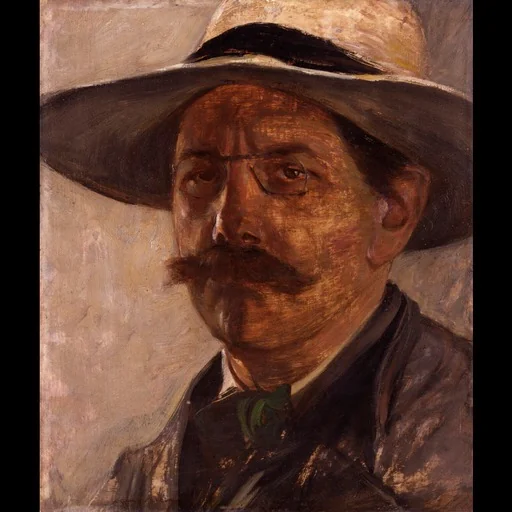
Artist
Archibald Standish Hartrick (7 August 1864 – 1 February 1950) was a Scottish painter known for the quality of his lithographic work.

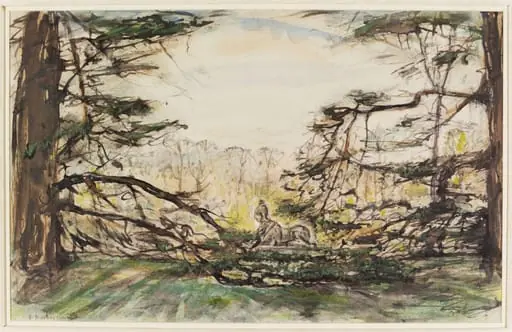 The Cedars, the Sphinx and the spring in the Grounds of Chiswick House
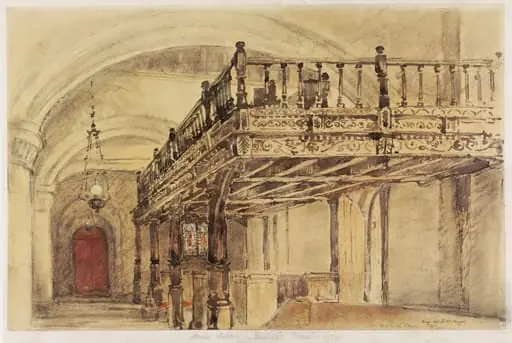 Music Gallery, St. Michael's Church, Bishop's Cleeve
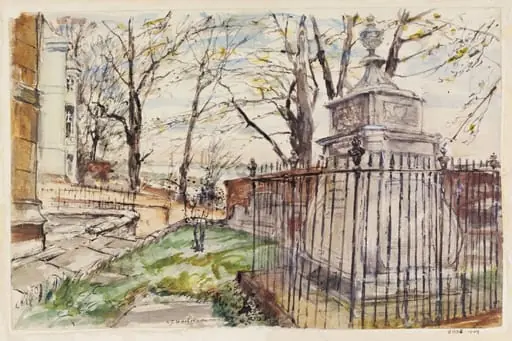 Hogarth's Tomb and Chiswick Reach
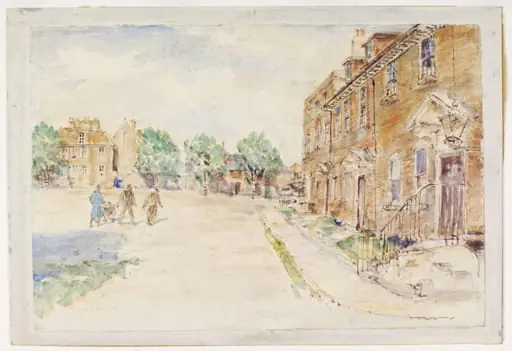 18th century houses at The Butts, Brentford
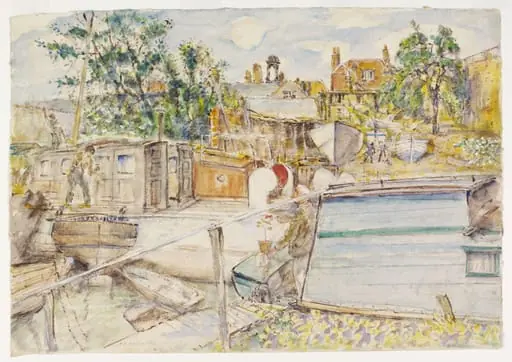 Dock of the Grand Union Canal Co., Brentford
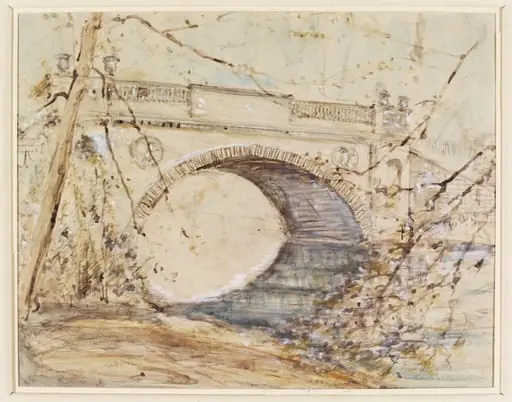 The Bridge in Chiswick House Grounds
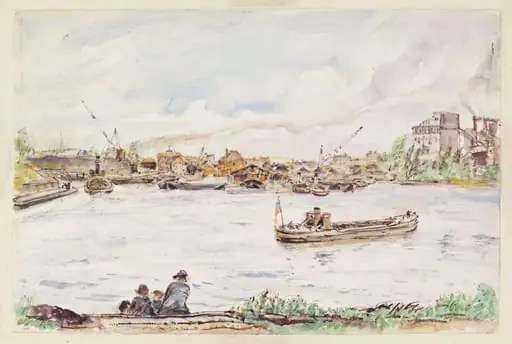 The Thames at Brentford
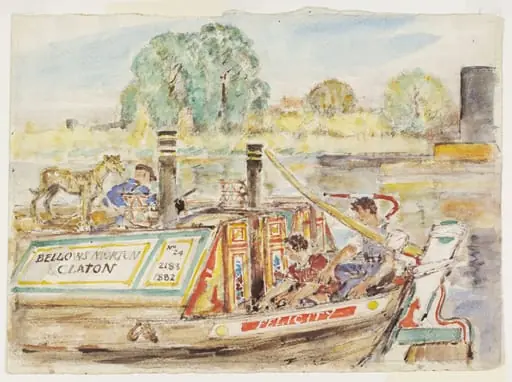 Canal Barge at Brentford
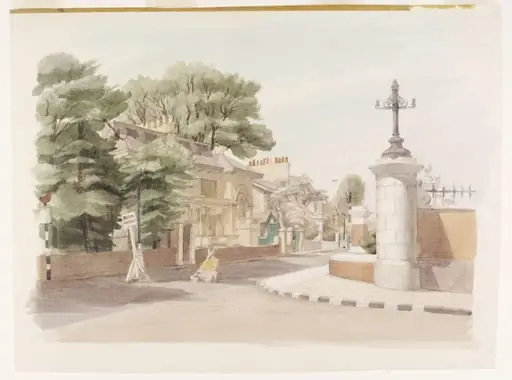 Park Village East, Albany Street. NW1
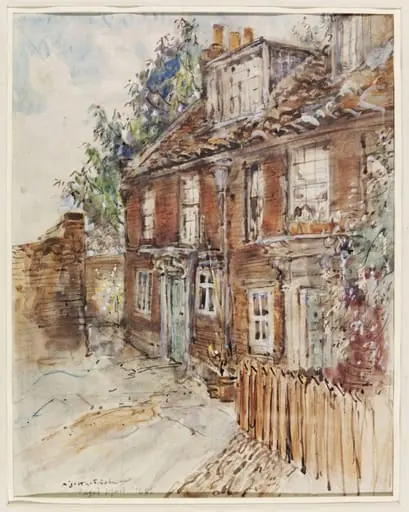 Page's Yard, Chiswick Mall
![North Gate [by Thomas Harrison], Chester, by Causer](https://artifactworldgallery.com/img/causer--north-gate-by-thomas-harrison-chester--aa1b0a0e4cef52c8-w320.webp) North Gate [by Thomas Harrison], Chester
North Gate [by Thomas Harrison], Chester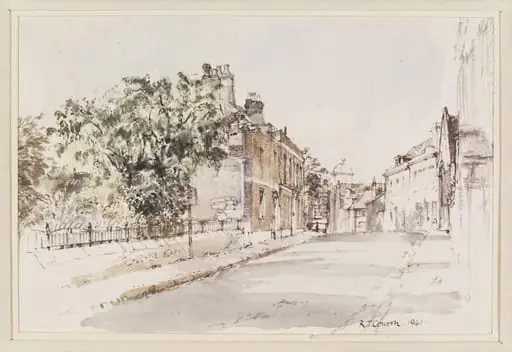 St. Thomas Street, Winchester
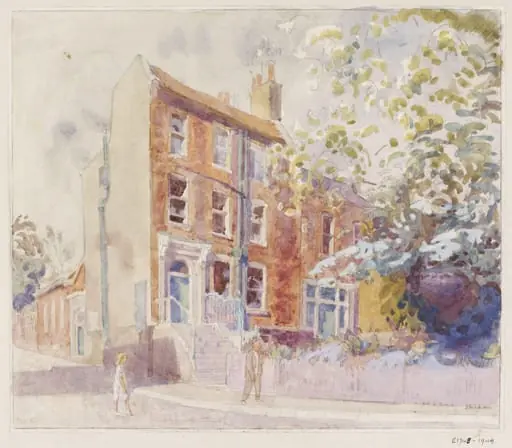 Stanfield House, Hampstead
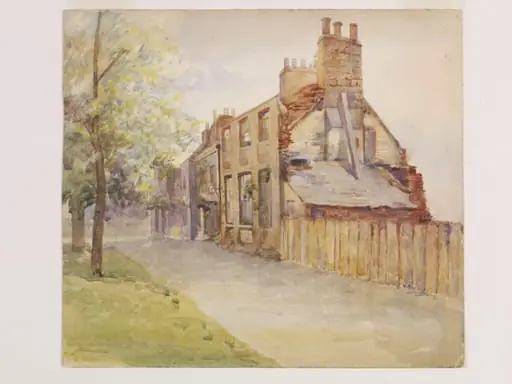 Old brick residences in the grounds of the South Kensington Museum (now the Victoria and Albert Museum)
 Priory Place, Lyncombe Hill, Bath
 Admiral's House, Hampstead