Artwork
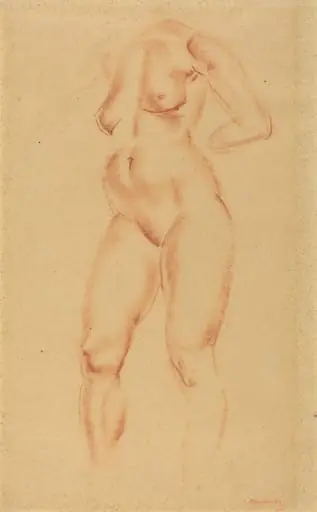
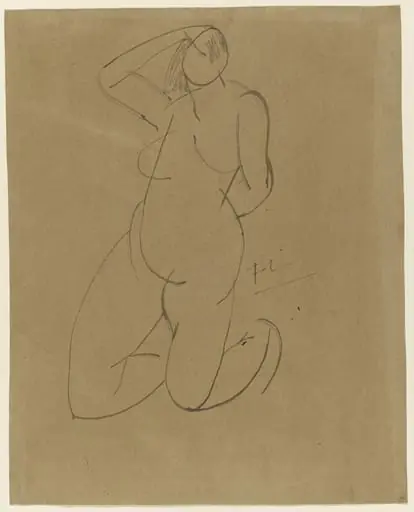
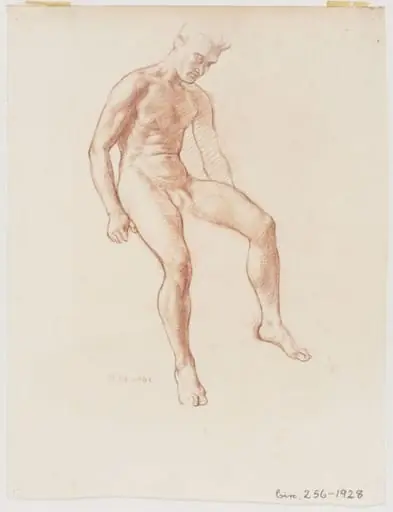
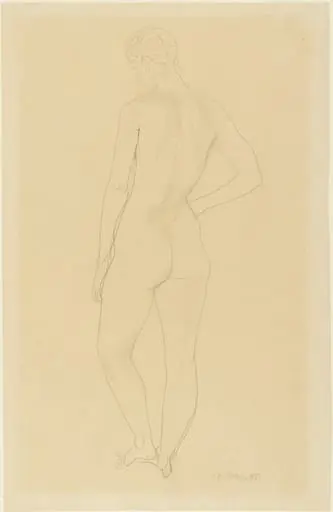
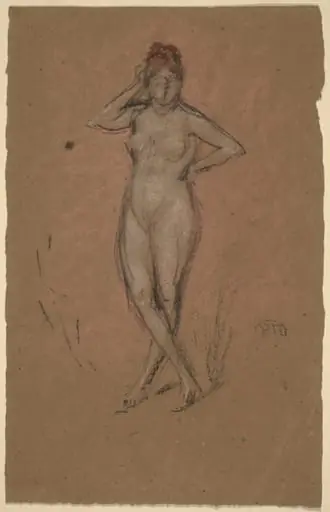
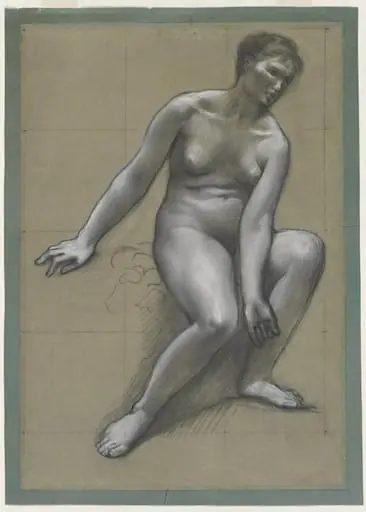
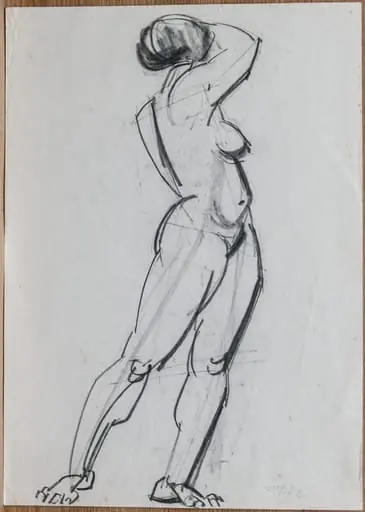
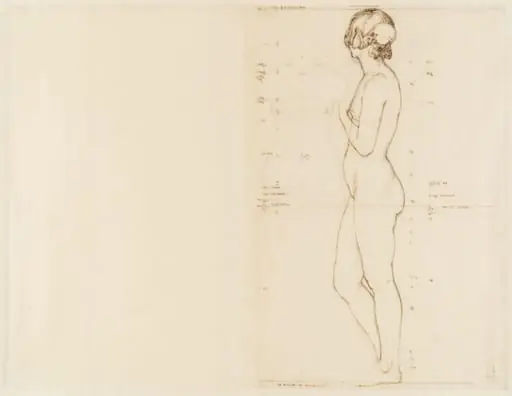
Study of the female nude
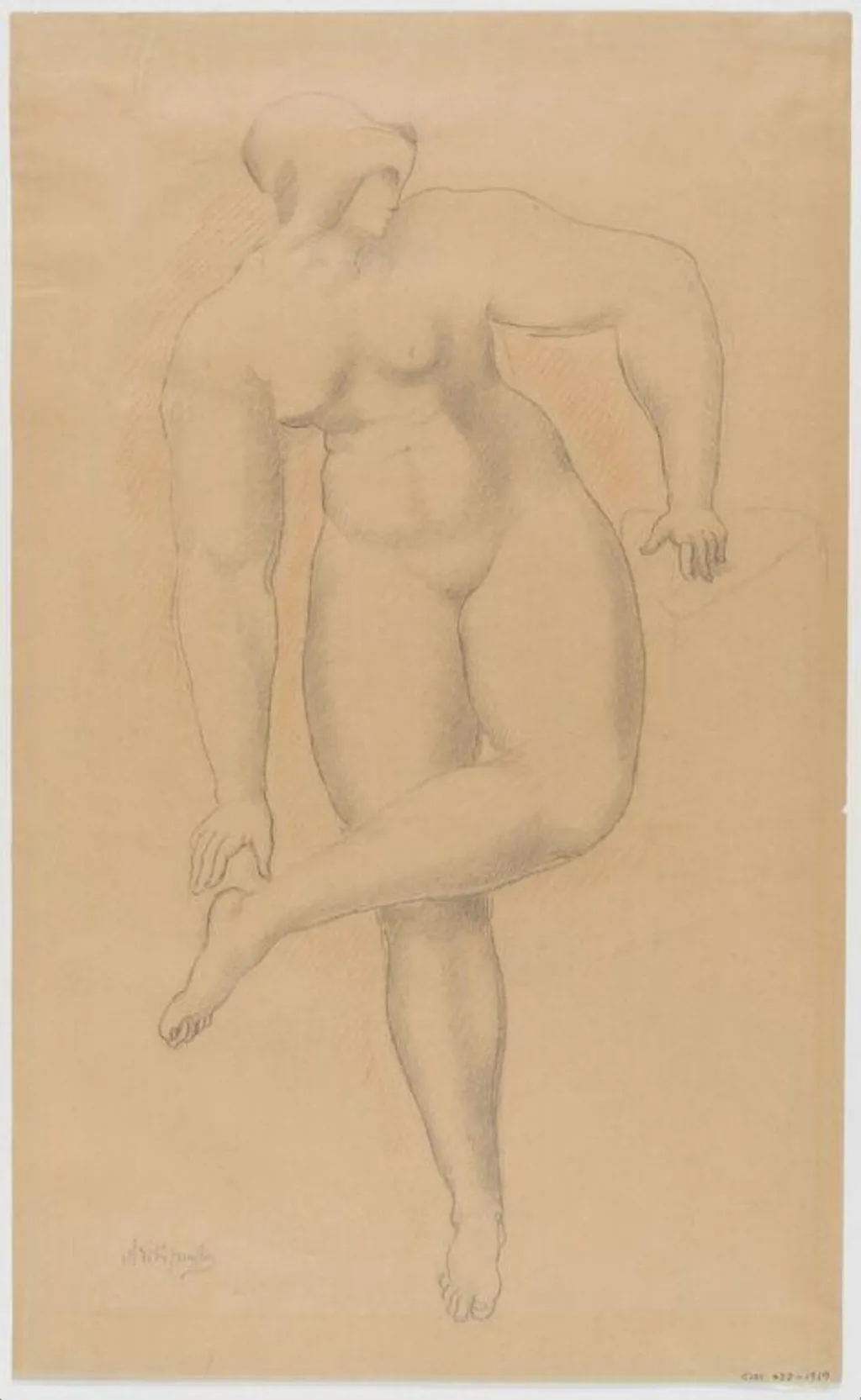
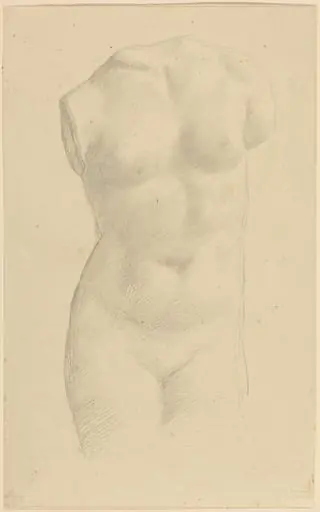
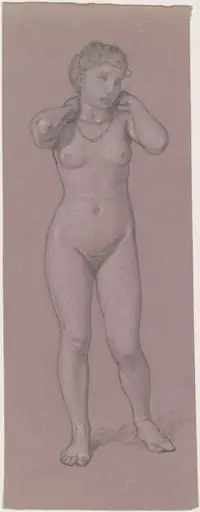
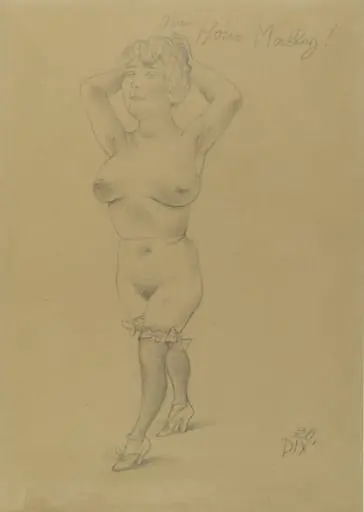
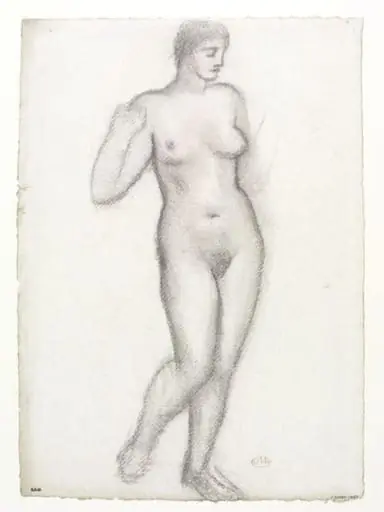
Study of the female nude is a drawing by Alexander Archipenko. It dates from 1921 and is held in the collection of the Victoria and Albert Museum.
About this work
Overview
Alexander Archipenko’s 1921 pencil drawing presents a solitary female figure in a poised stance. The composition captures the model from a side angle, her weight shifted onto the right leg while the left foot is lightly lifted. The work is executed on warm‑toned paper, its brevity of line suggesting a swift, gestural approach.
Subject & Meaning
The nude is rendered in a moment of balance, with the right hand reaching down to hold the left ankle, emphasizing the interplay of tension and support within the body. The turned back and the minimal gesture of the arms convey a quiet introspection, focusing attention on the anatomical form rather than narrative context.
Technique & Style
Executed in graphite, the drawing relies on soft, uncomplicated strokes that outline the silhouette without detailing skin texture or clothing. The artist’s emphasis on volumetric shape over surface treatment reflects an early modernist interest in abstracting the human figure to its essential geometry.
History & Provenance
Created in 1921, the piece belongs to Archipenko’s exploratory period when he was investigating sculptural principles through drawing. The work remains part of the artist’s documented output from the early twentieth century, illustrating his transition from traditional representation toward avant‑garde abstraction.
Artist & collection
Artist
Alexander Archipenko carved and drew human figures into clean, angular shapes. In 1921 he sketched a woman’s body with flat planes and sharp edges, tilting hips and shoulders as if the paper itself had been folded. His…