Artwork
Landscape with Ruth and Boaz
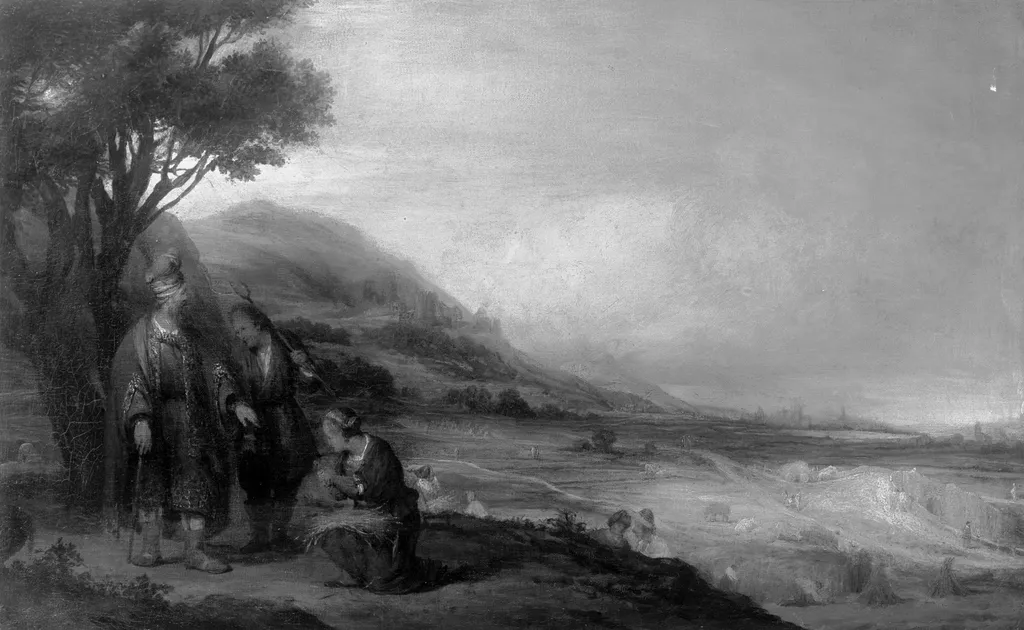
Landscape with Ruth and Boaz is an oil painting by Arent de Gelder. It dates from 1698 and is held in the collection of the Gemäldegalerie Berlin.
About this work
Overview
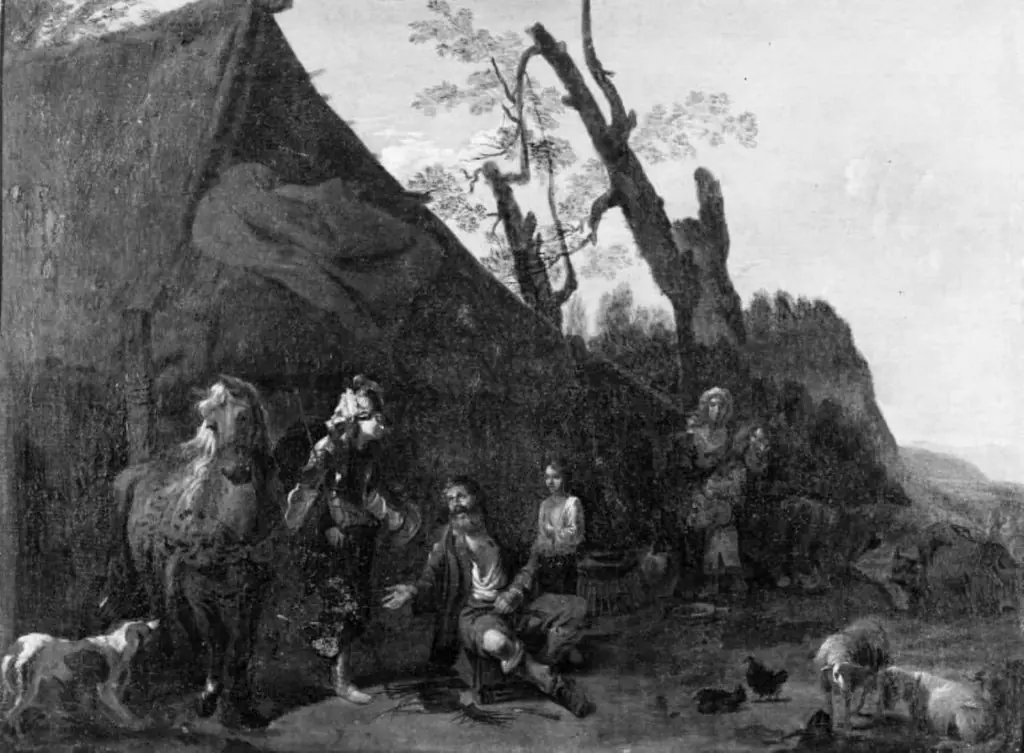
Created in 1698, this oil painting presents a pastoral scene in which two biblical characters, Boaz and Ruth, occupy the foreground of a gently rolling countryside. The composition balances the figures with a muted landscape of hills and sparse trees, emphasizing a quiet, everyday moment drawn from the Old Testament narrative.
Subject & Meaning
The work depicts Ruth, kneeling and engaged in field work, while Boboaz stands nearby, observing her. The interaction reflects the scriptural episode in which Ruth, a Moabite widow, meets the wealthy landowner Boaz, a moment that foreshadows her integration into the Israelite community and the lineage of David.
Technique & Style
Executed in a realistic manner, the painting employs a restrained palette of browns and greens, highlighting subtle tonal variations. Precise modeling of the figures and careful rendering of the terrain demonstrate the artist’s attention to naturalistic detail, characteristic of the late Dutch Baroque tradition.
History & Provenance
The canvas was painted by Arent de Gelder, the last Dutch artist to sustain Rembrandt’s late style into the eighteenth century. After remaining in private hands, it entered the collection of the Gemäldegalerie in Berlin, where it is currently displayed.
Context
De Gelder’s work reflects the continued influence of Rembrandt’s chiaroscuro and narrative focus, while also incorporating the genre‑painting tradition of depicting biblical scenes within everyday settings. This synthesis situates the piece within the transitional period between the Dutch Golden Age and the emerging Enlightenment aesthetic.
Own this work as a print
Artist & collection
Artist
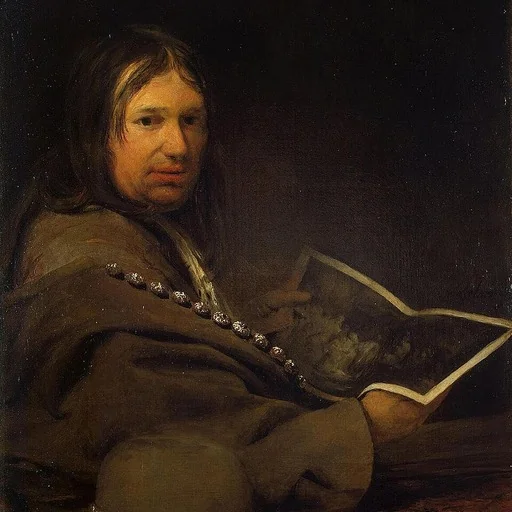
Aert de Gelder (Dutch: ; October 26, 1645 – August 27, 1727) was a Dutch painter, the only Dutch artist to paint in the tradition of Rembrandt's late style into the 18th century.

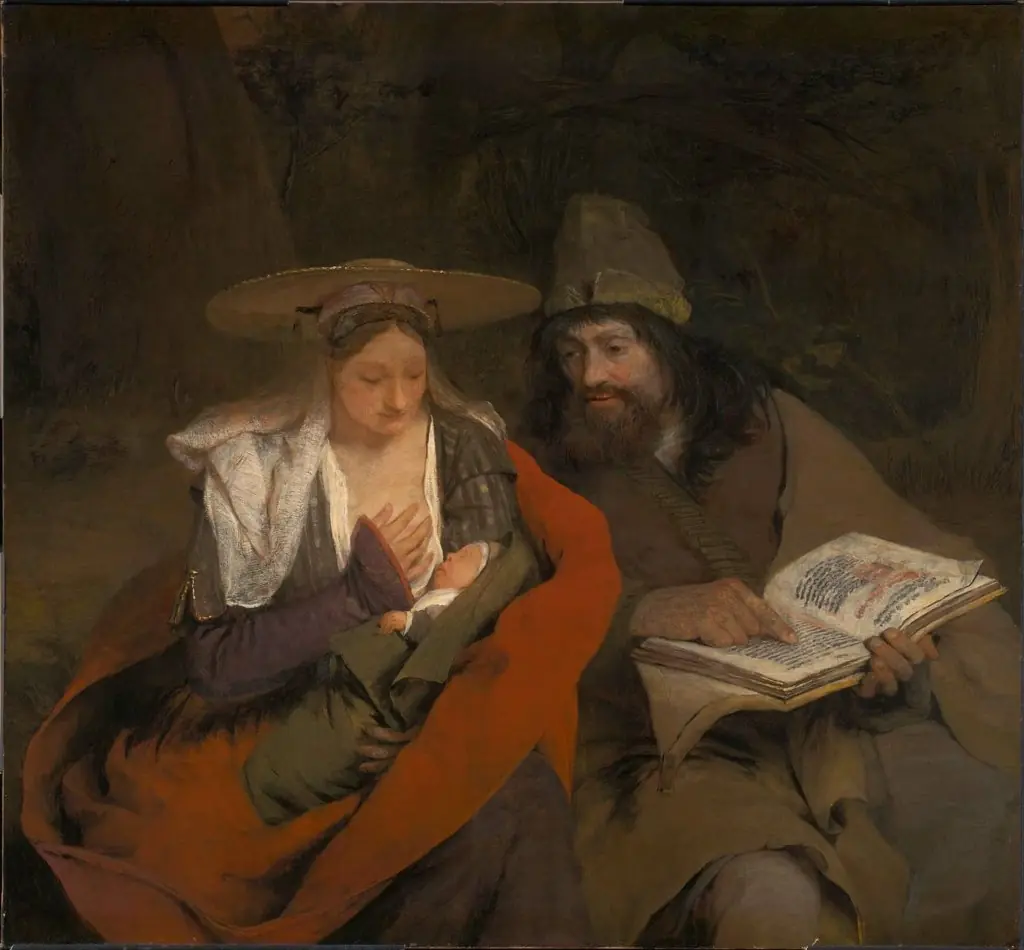 Rest on the Flight into Egypt
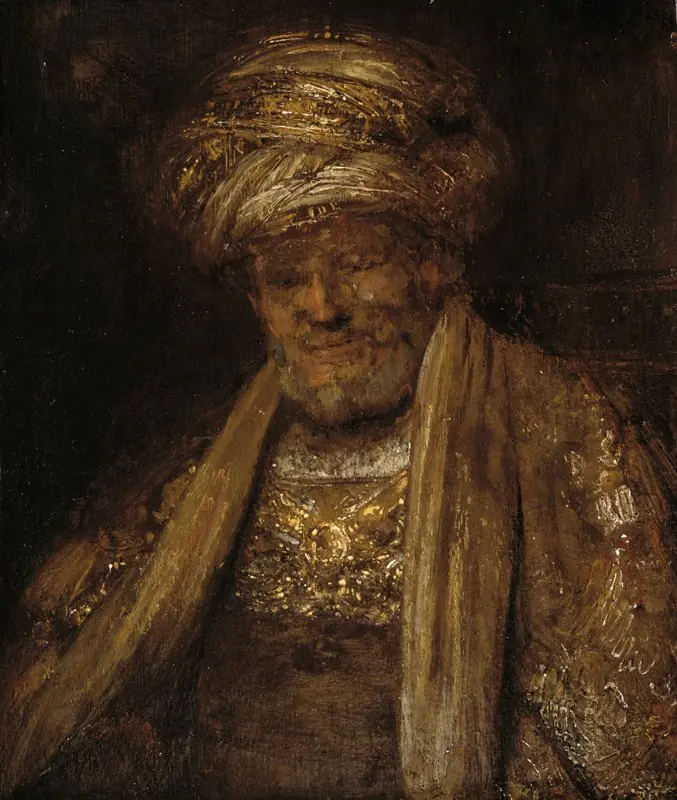 Portrait of an Oriental Man
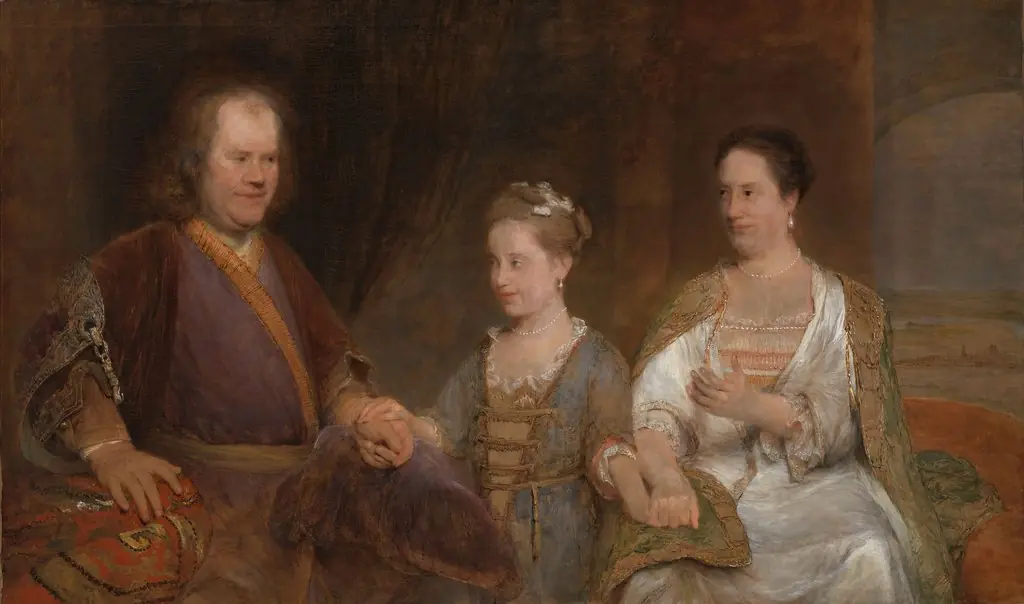 Portrait of Hermanus Boerhave (1668-1738), professor of medecine at the university of Leiden, with his wife Maria Drolenvaux (1686-1746) and their daughter Johanna Maria (1712-91)
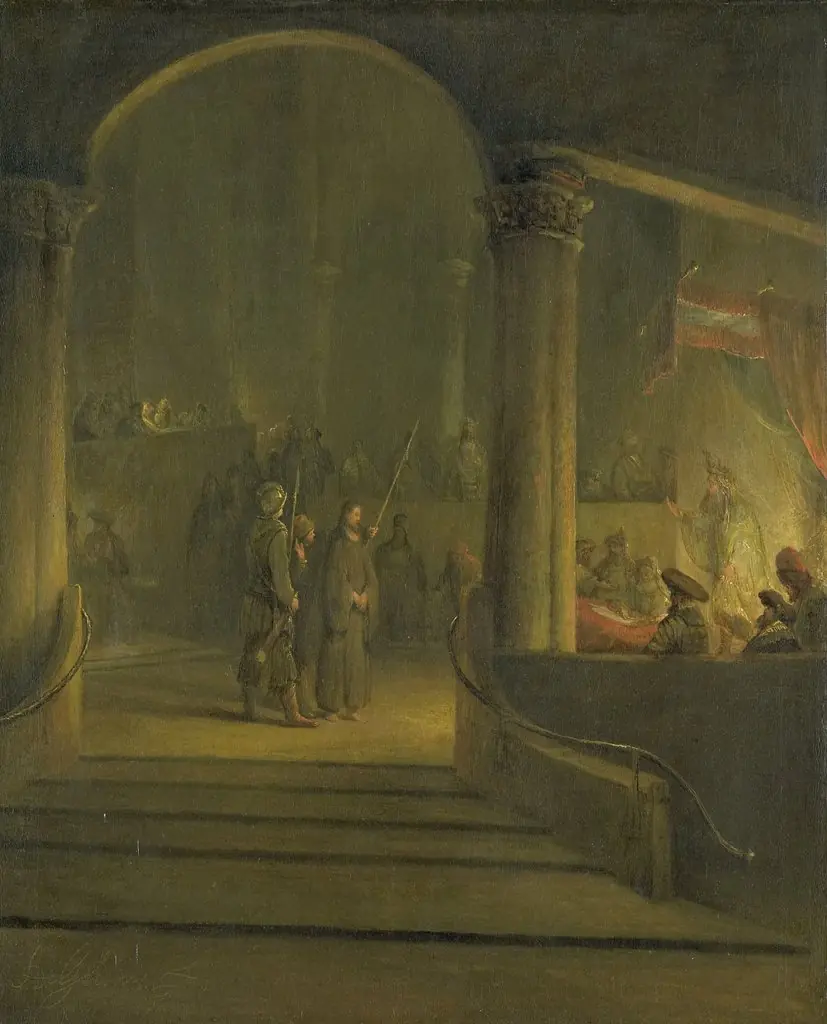 Christ before Caiphas
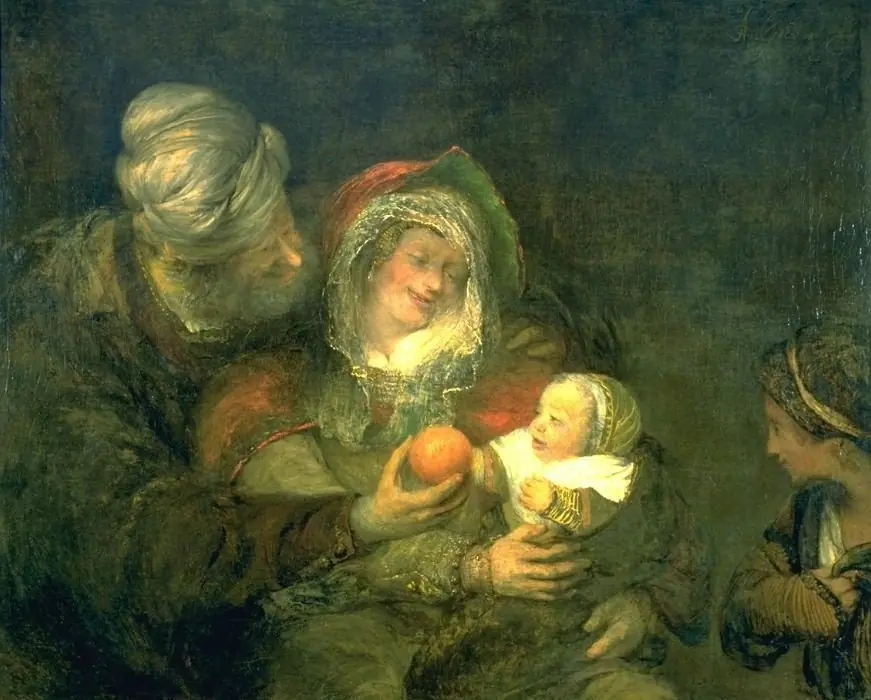 Holy Family
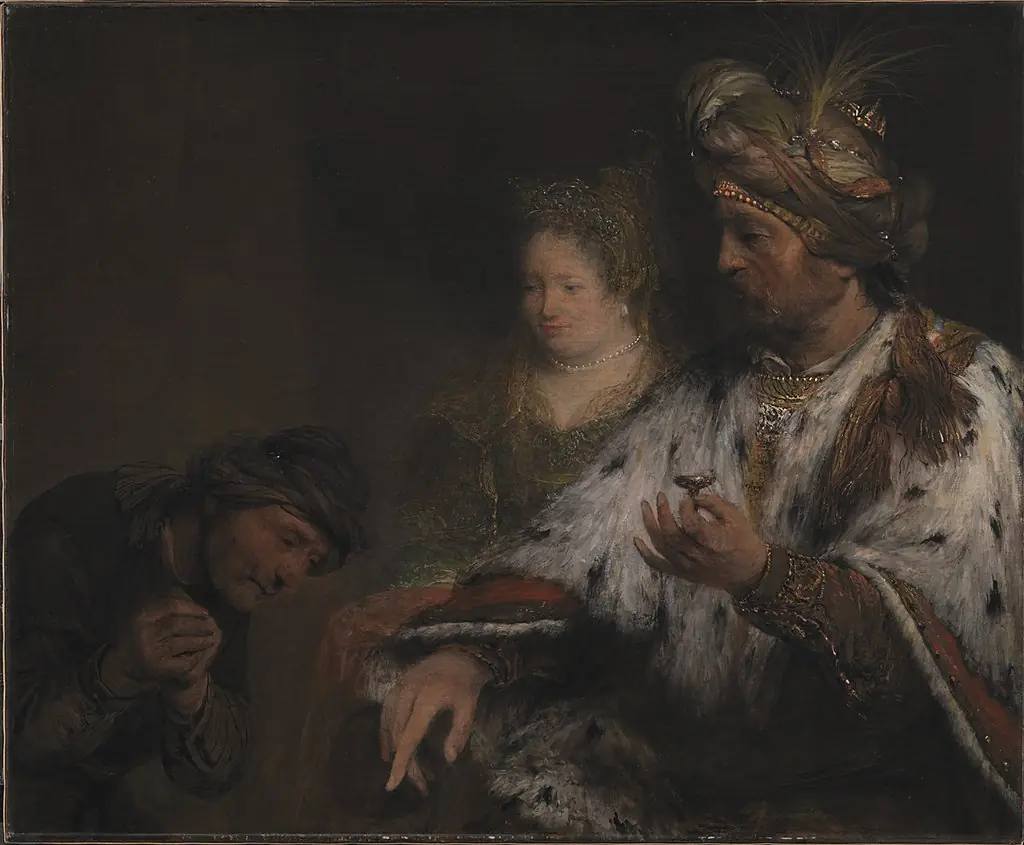 Den persiske kong Ahasverus giver Mordokaj ringen
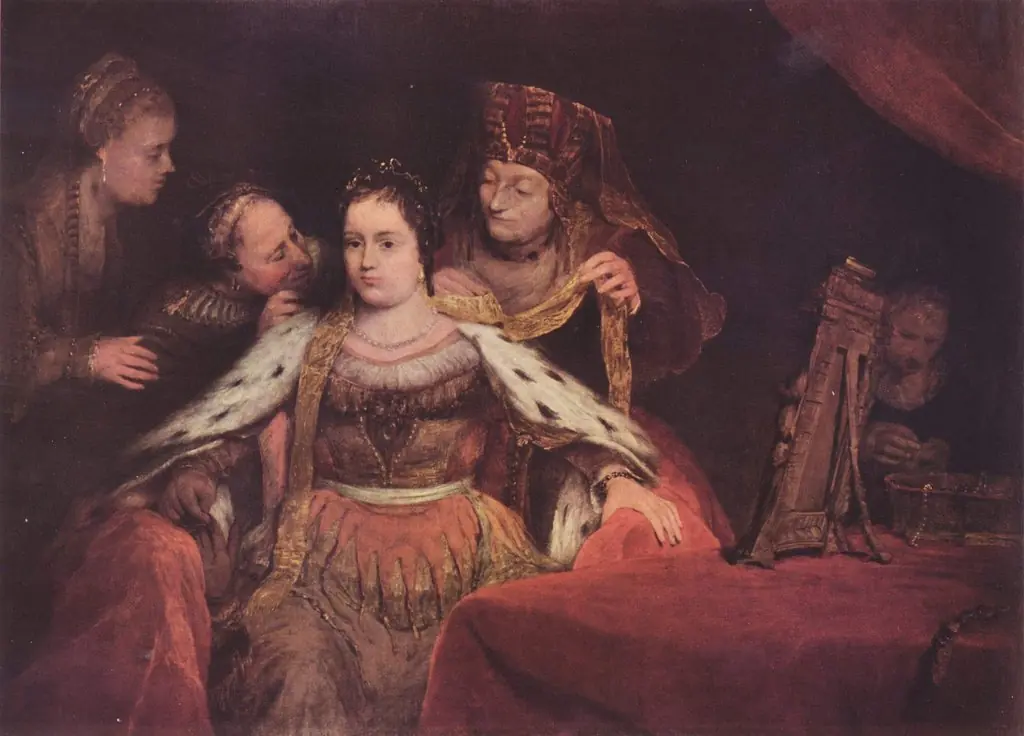 Esther's toilet
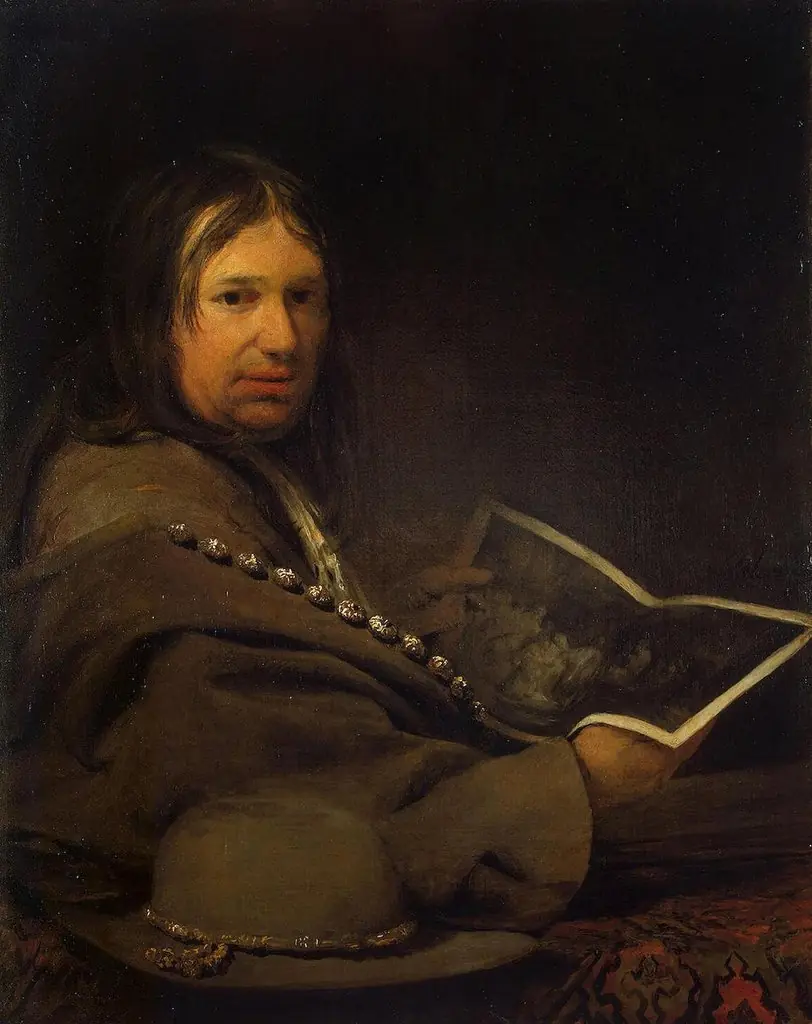 Portrait of a Collector
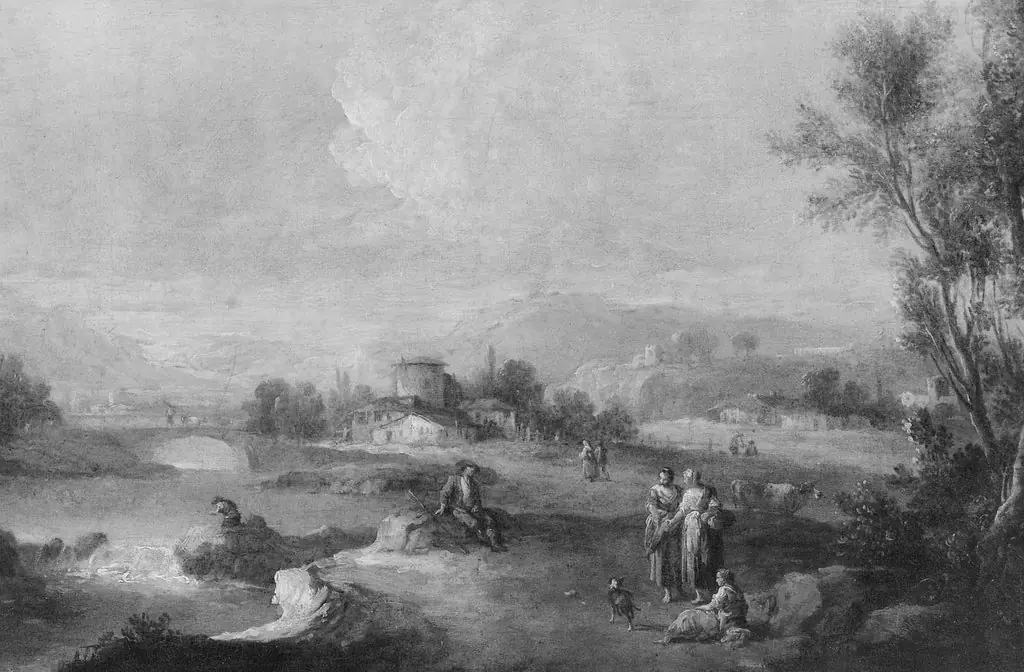 River Landscape with Figures
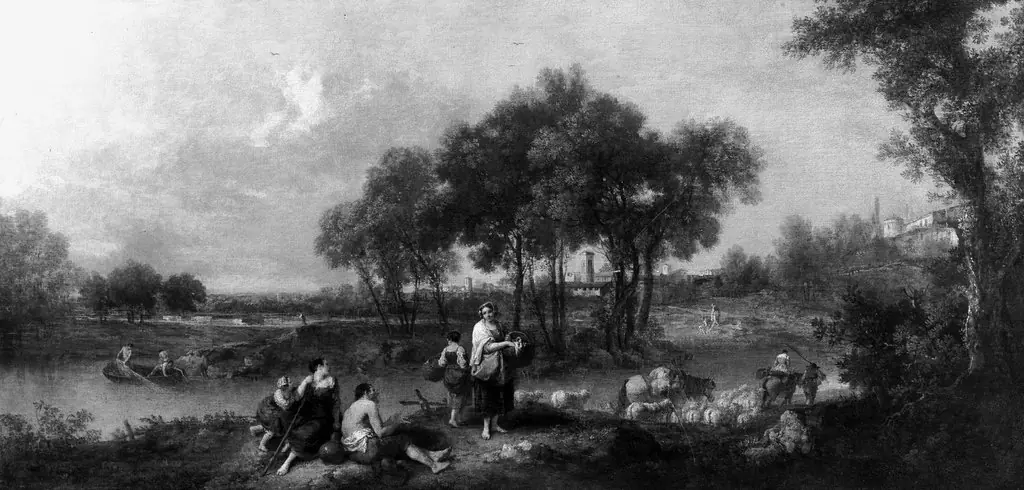 Wooded river landscape with shepherds
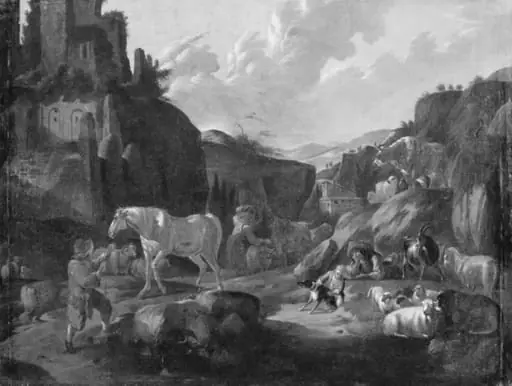 Italian Landscape with Shepherds
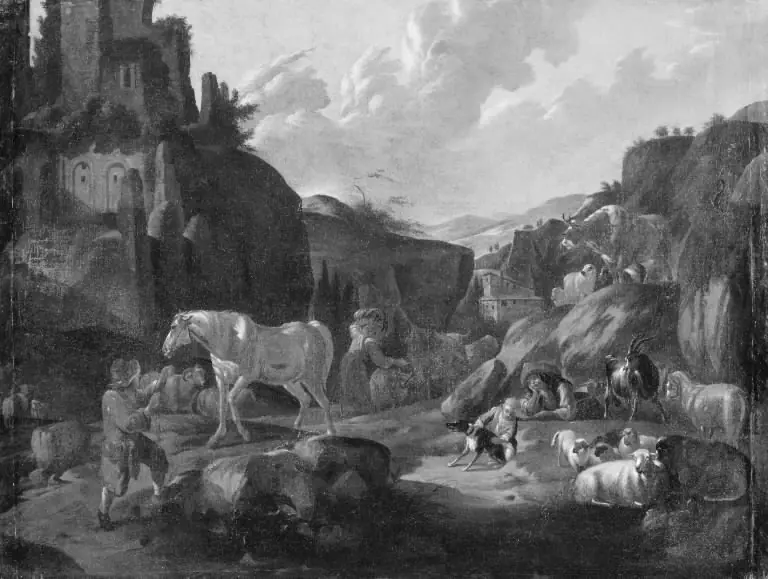 Italian Landscape with Shepherds
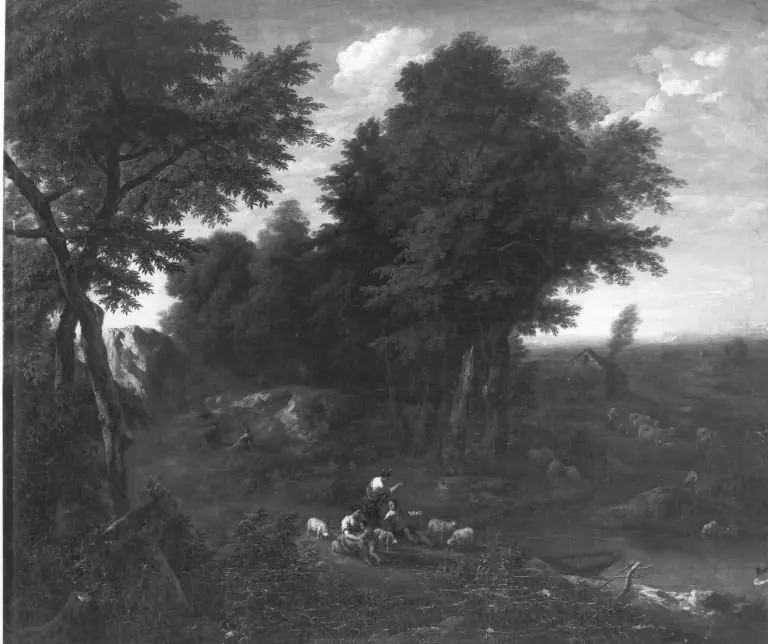 Waldlandschaft
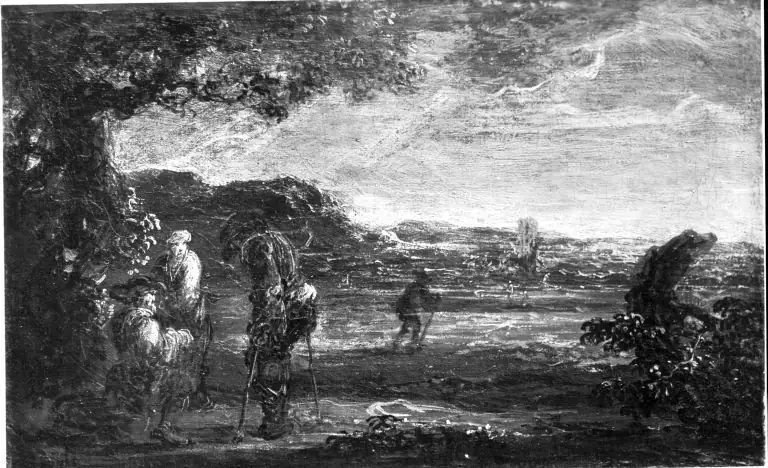 Bucht bei bewegter See
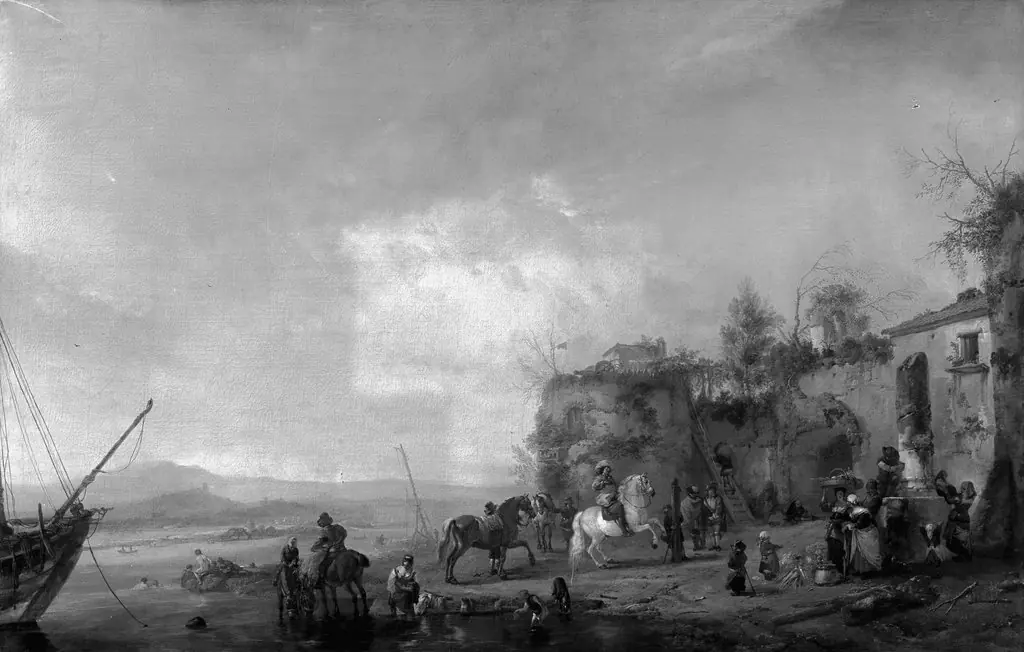 Riding school at the river bank
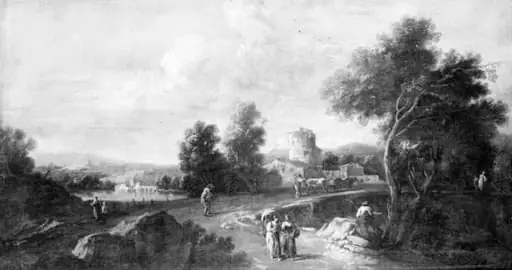 An Italian Landscape with Figures and Cattle
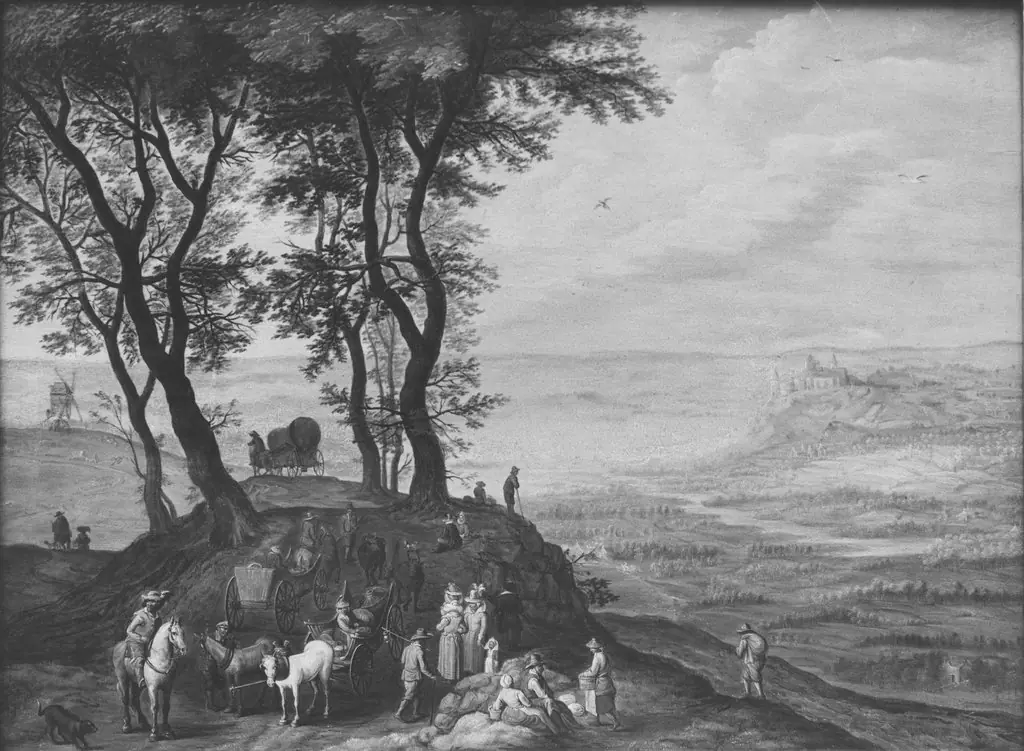 The Road to the Market
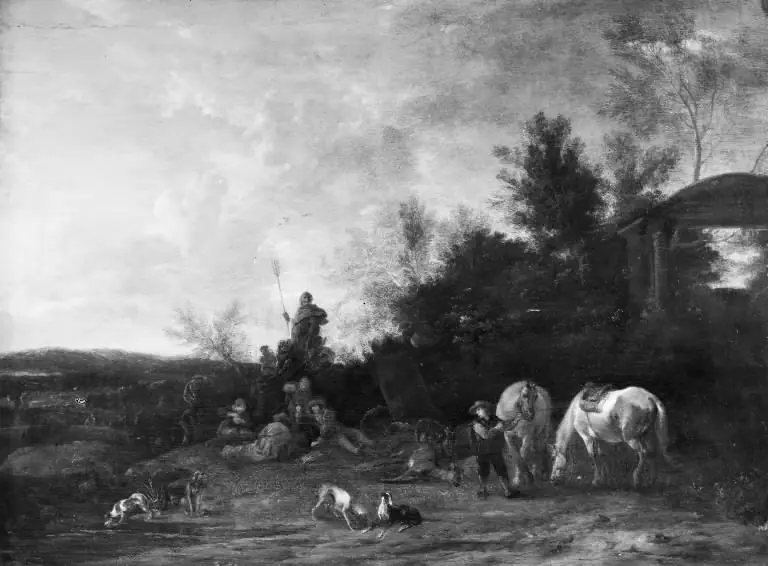 Evening Scenery with Resting Hunters
 Erminia blandt hyrderne
 The Flight into Egypt