Artwork
Portrait of Caspar van Kinschot, Poet
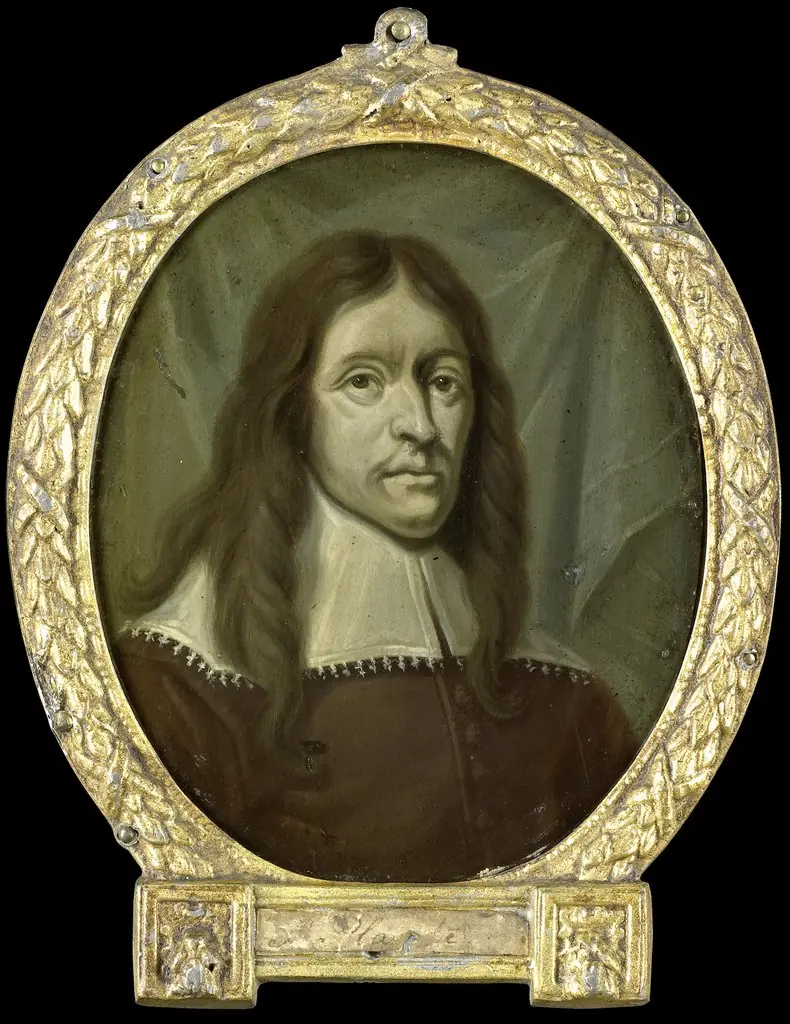
Portrait of Caspar van Kinschot, Poet is an oil painting by the Rococo painting artist Arnoud van Halen. It dates from 1716 and is held in the collection of the Rijksmuseum.
About this work
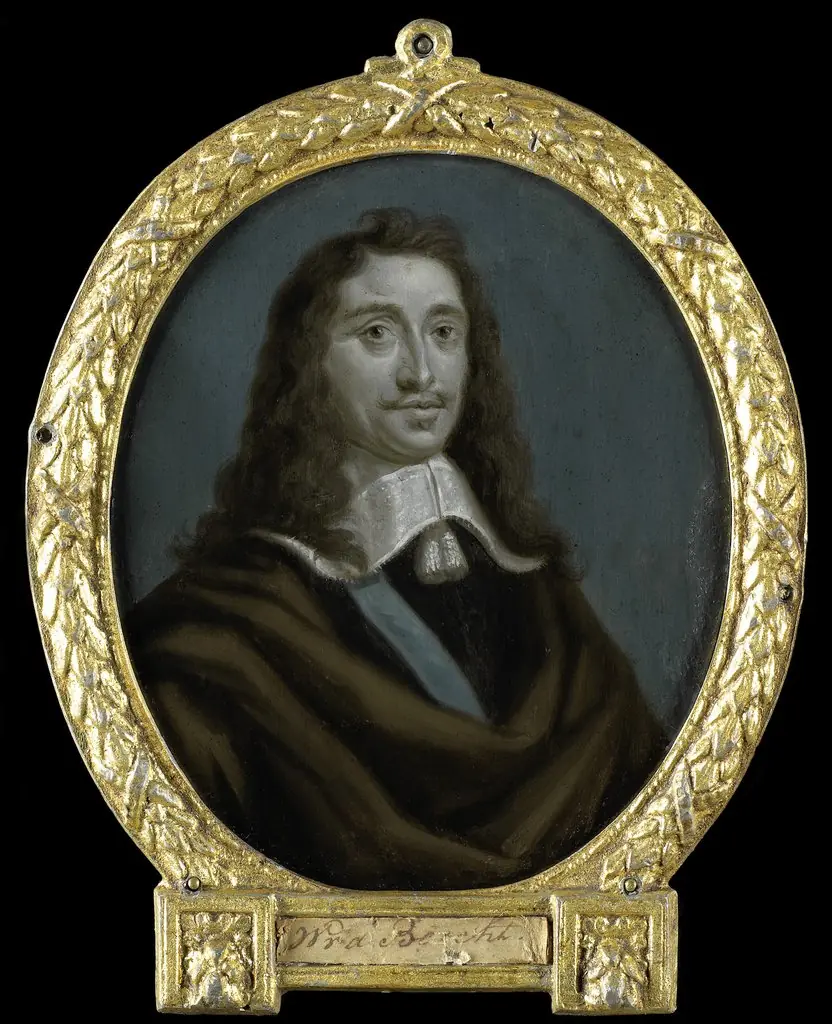
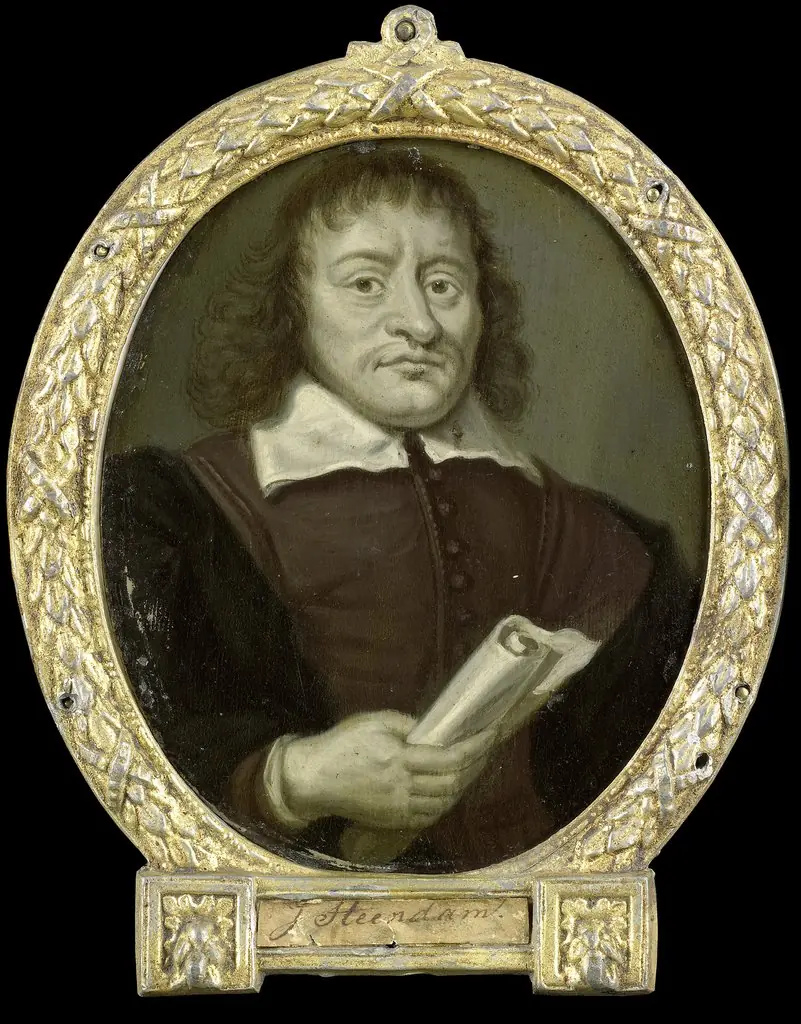
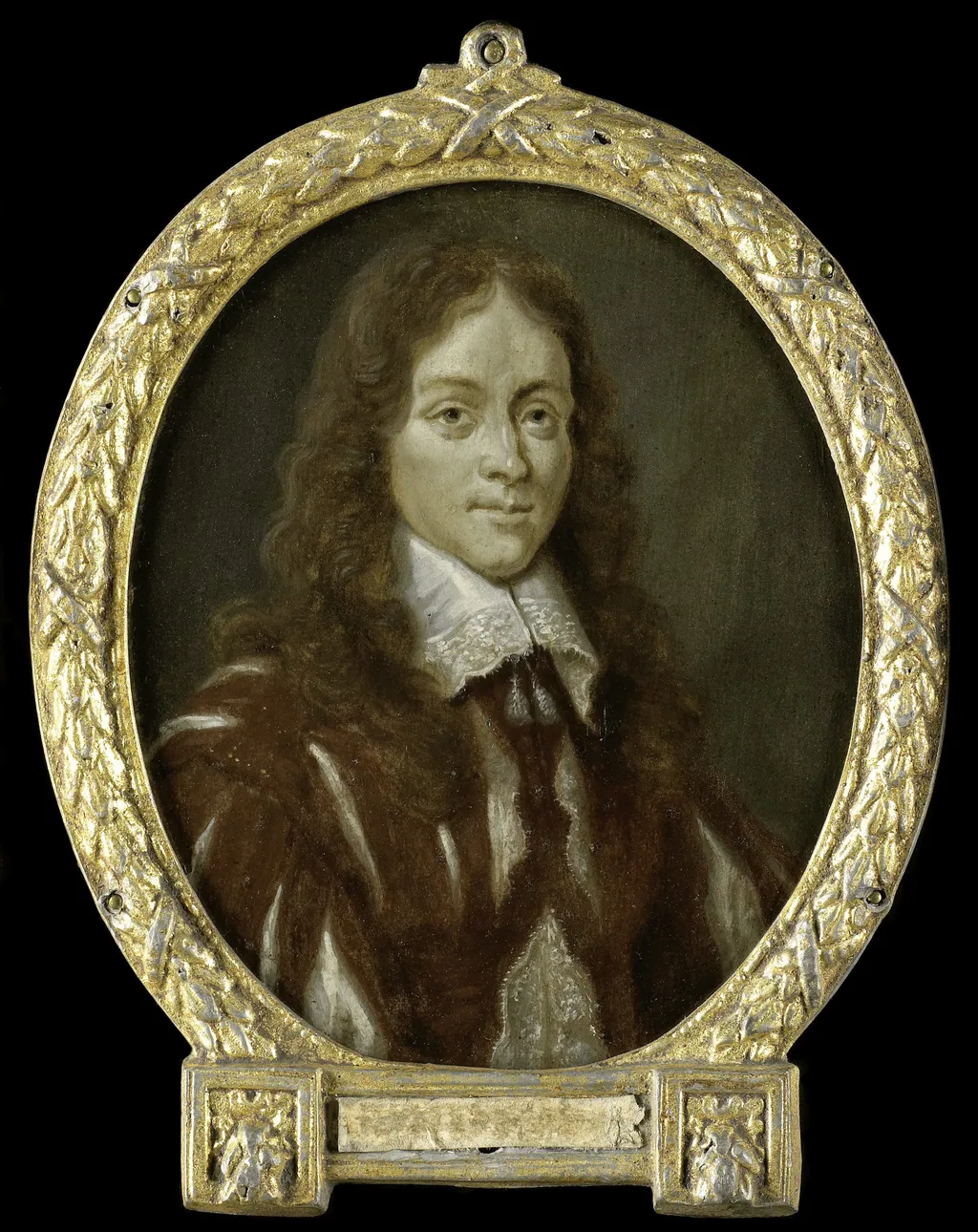
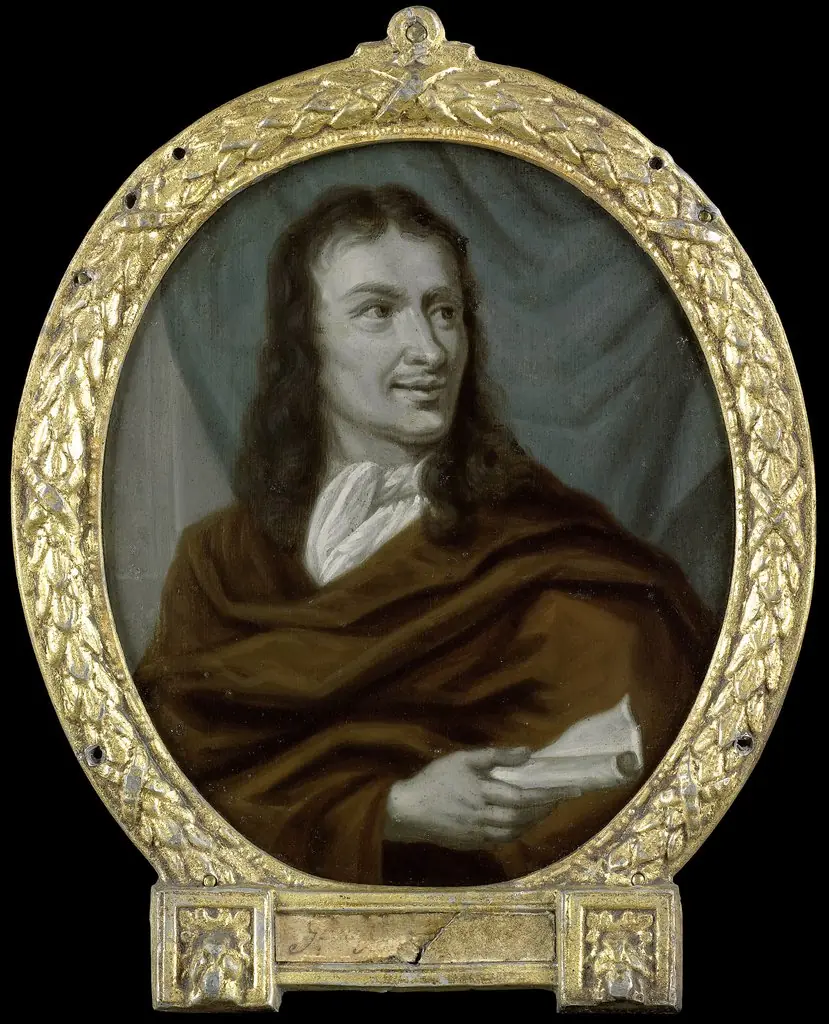
This painting features a portrait of a man with long, curly hair and a dark jacket over a white shirt with lace trim.
This painting features a portrait of a man with long, curly hair and a dark jacket over a white shirt with lace trim. The subject is depicted in an oval frame with a gold border, adorned with leaves and a bow at the top.
The man's attire suggests he may be from the 18th century, given the style of his clothing. His expression is neutral, and he appears to be looking directly at the viewer.
To learn more about the artist behind this work, look up Arnoud van Halen.
Overview
Arnoud van Halen’s 1716 portrait presents the Dutch poet Caspar van Kinschot within an ornamental oval frame. Executed on tin, the work measures a modest size and is now part of the Rijksmuseum’s collection. The composition centers on the sitter’s face, rendered with restrained detail and a calm, direct gaze toward the viewer.
Subject & Meaning
The figure portrayed is Caspar van Kinschot, a poet active in the early eighteenth century. His attire—a dark jacket over a white shirt trimmed with lace—signals a gentleman’s status, while his neutral expression and forward look suggest a dignified self‑presentation typical of portraiture intended to convey intellectual poise.
Technique & Style
Van Halen employed a tin substrate, a material occasionally used for small-scale portraits in the Dutch Republic. The paint is applied in thin, controlled layers, allowing the delicate lace and the gold‑leafed frame to stand out. The oval format, bordered with gilded foliage and a bow, reflects the decorative conventions of the period.
History & Provenance
Created in 1716, the portrait entered the Rijksmuseum’s holdings during the museum’s early acquisitions of Dutch seventeenth‑ and eighteenth‑century art. Documentation traces its ownership from the artist’s workshop to private collections before its eventual transfer to the national institution, where it remains on display.
Context
The early eighteenth century in the Netherlands saw a continued interest in individual portraiture, especially among literary and civic figures. Van Halen’s work aligns with this trend, combining a modest, realistic depiction of the sitter with the ornamental framing popular in portraiture intended for domestic or scholarly settings.
Artist & collection

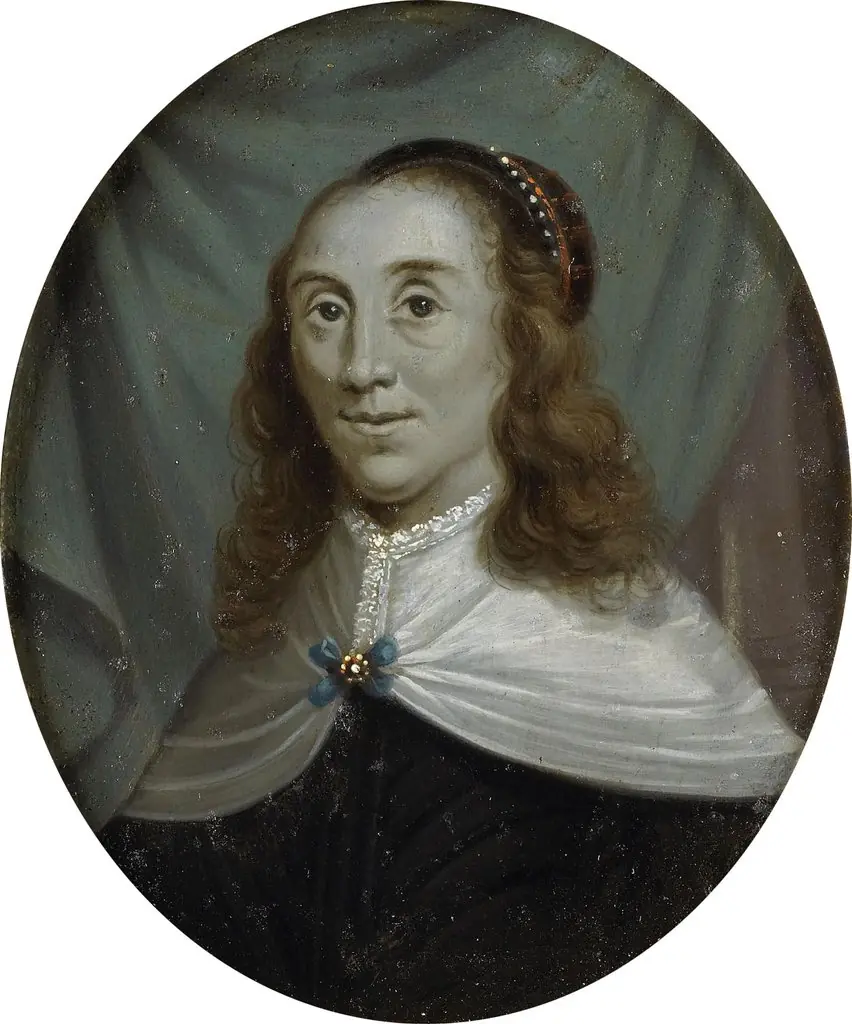 Portrait of Sibylle van Griethuysen (ca.1620-na 1662)
 Portrait of Pieter Verhoek (1633-1702)
 Portrait of Matthijs Gansneb, called Tengnagel, Poet in Amsterdam
 Portrait of the painter Bonaventura Peeters I (1614-52)
 Portrait of Theodorus Schrevelius (1572-1653)
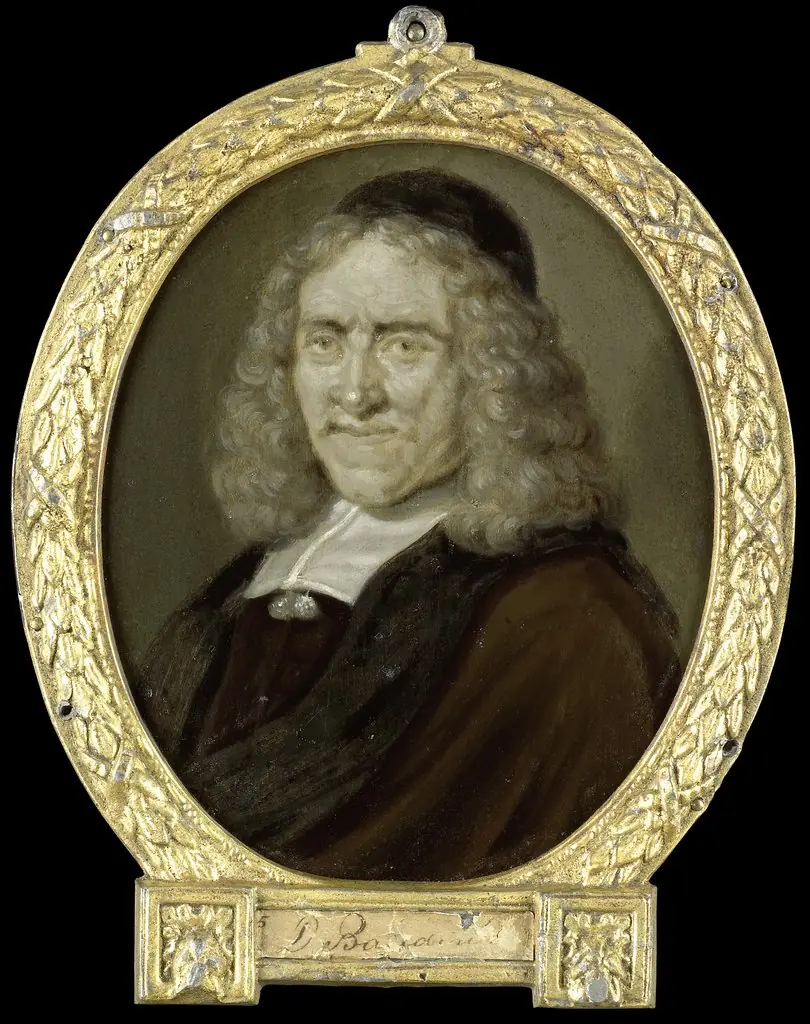 Portrait of Willem Jacobsz van Heemskerck, Poet and Engraver on Glass
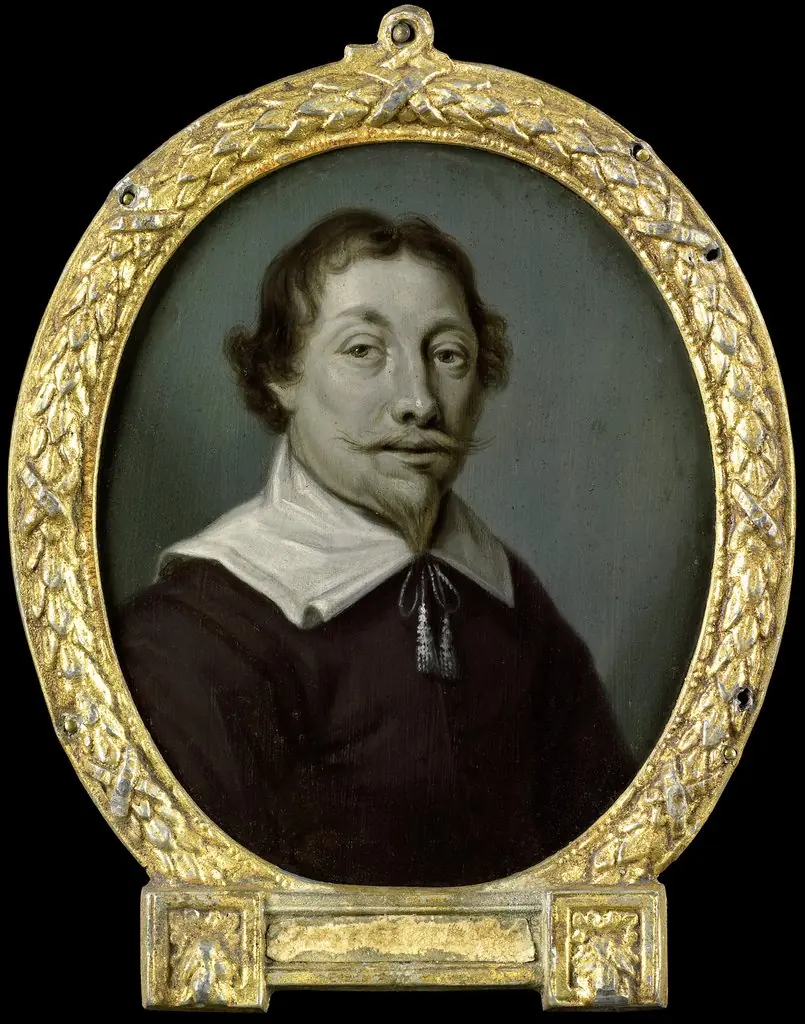 Portrait of Jan van der Veen, Pharmacist and Poet in Deventer
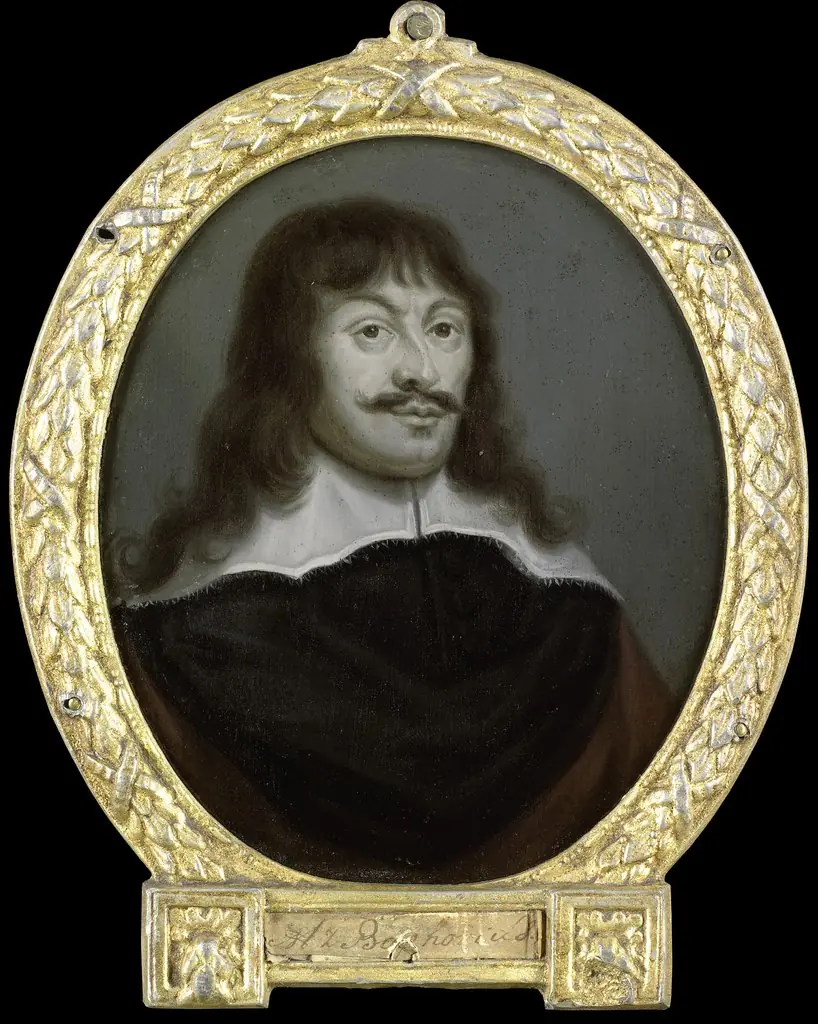 Portrait of Marcus Zuërius van Boxhorn, Historian and Professor at Leiden