Artwork
Portrait of Everard Meyster, Poet in Utrecht
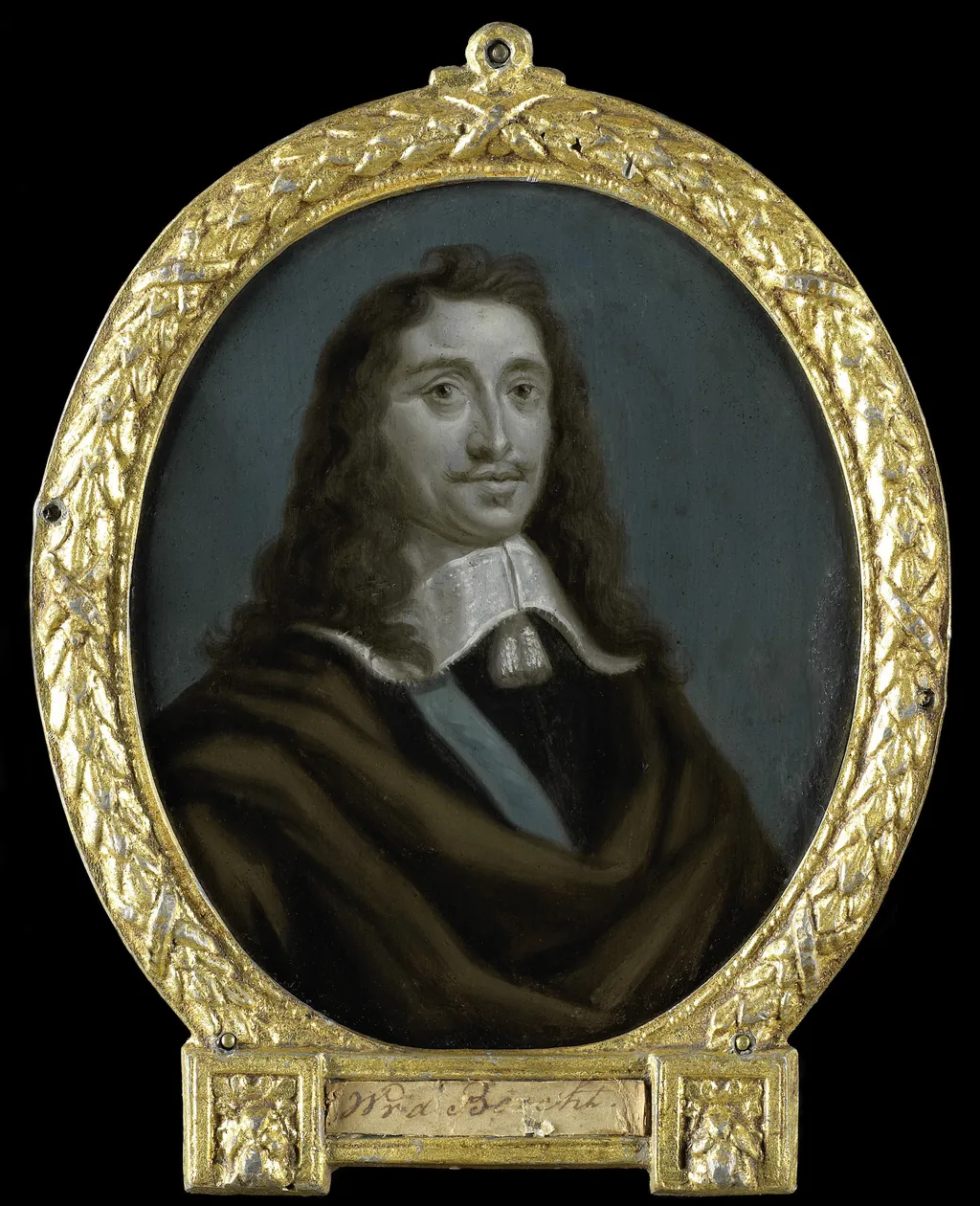
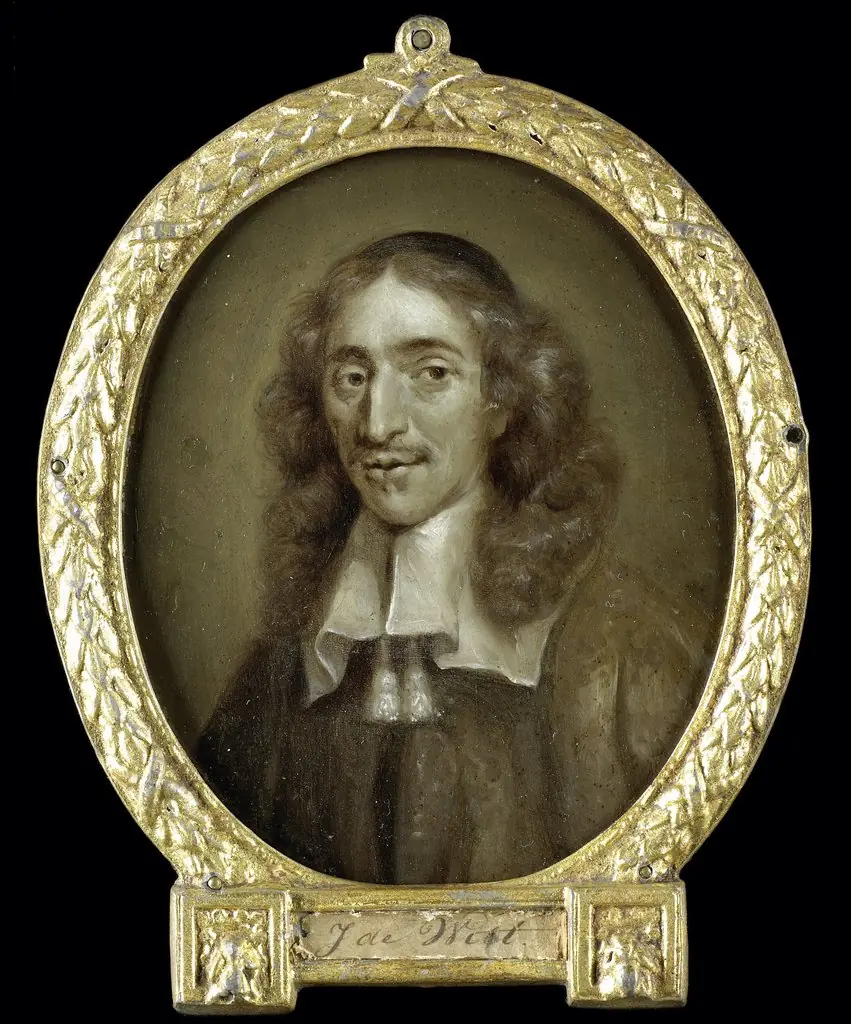
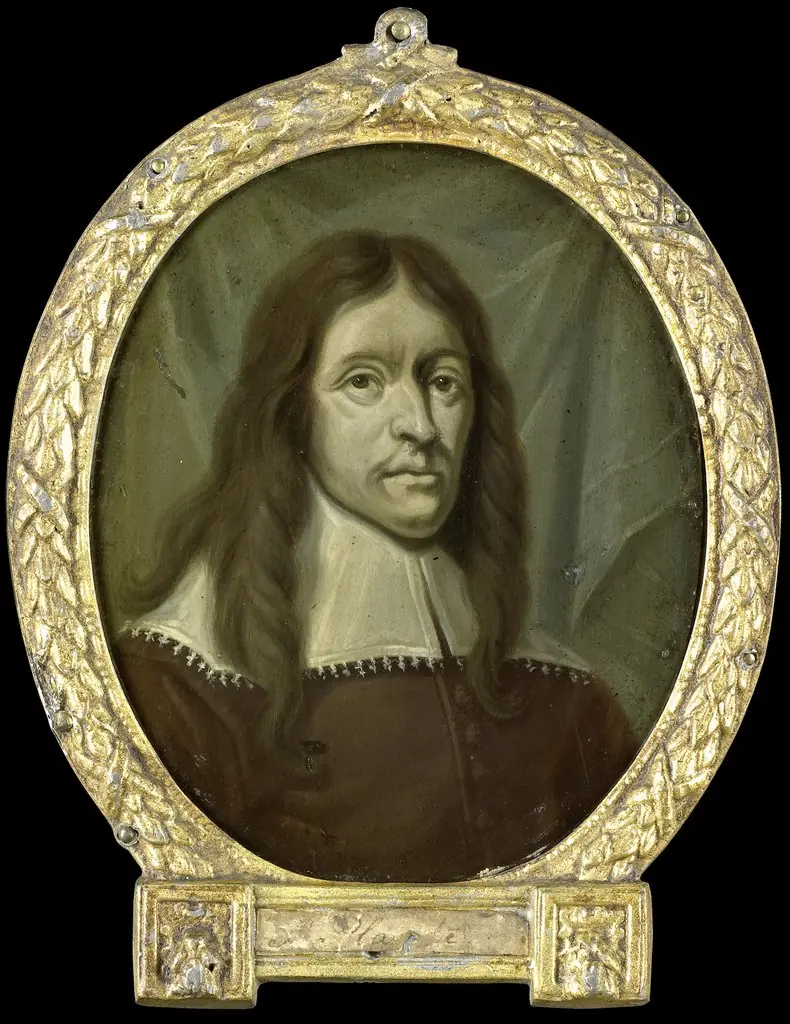
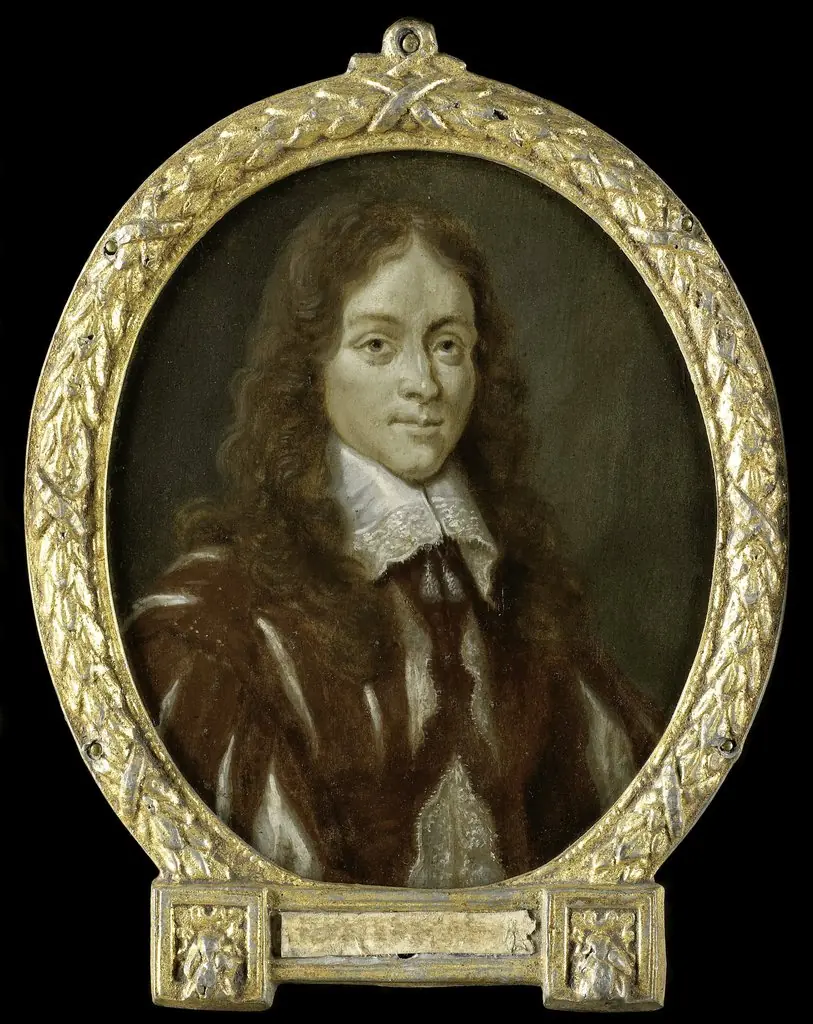
Portrait of Everard Meyster, Poet in Utrecht is an oil painting by the Rococo painting artist Arnoud van Halen. It dates from 1716 and is held in the collection of the Rijksmuseum.
About this work
If you're interested in learning more about this style of painting, you might want to look into the work of artist Arnoud van Halen.
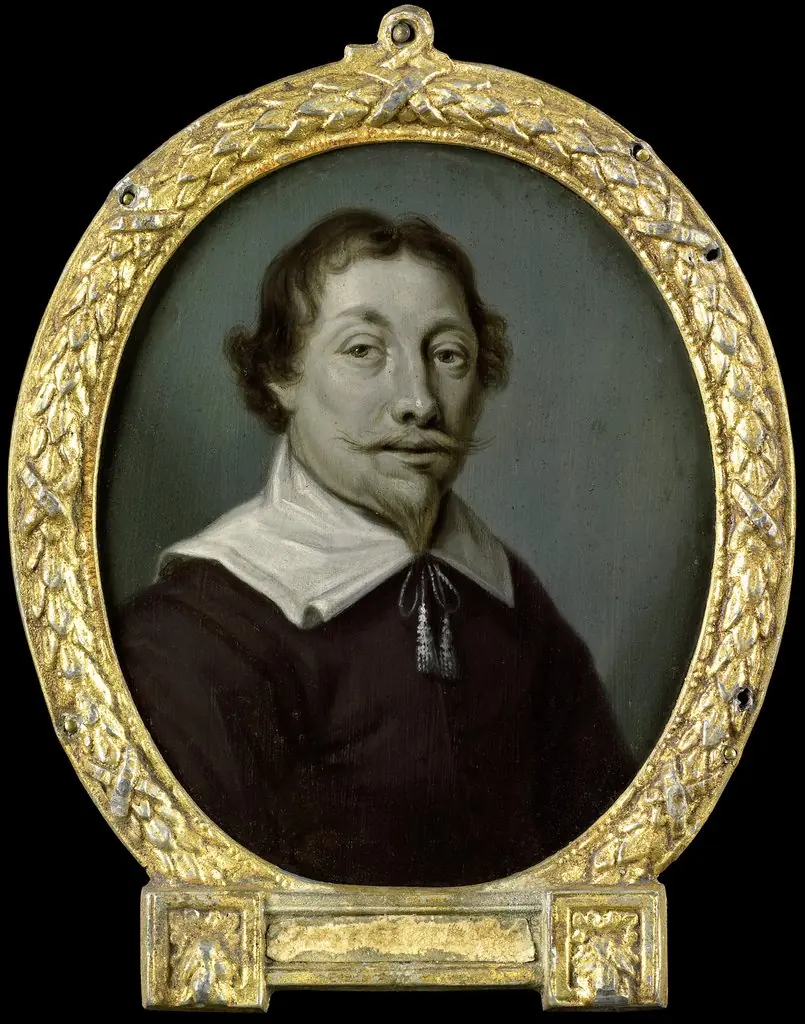
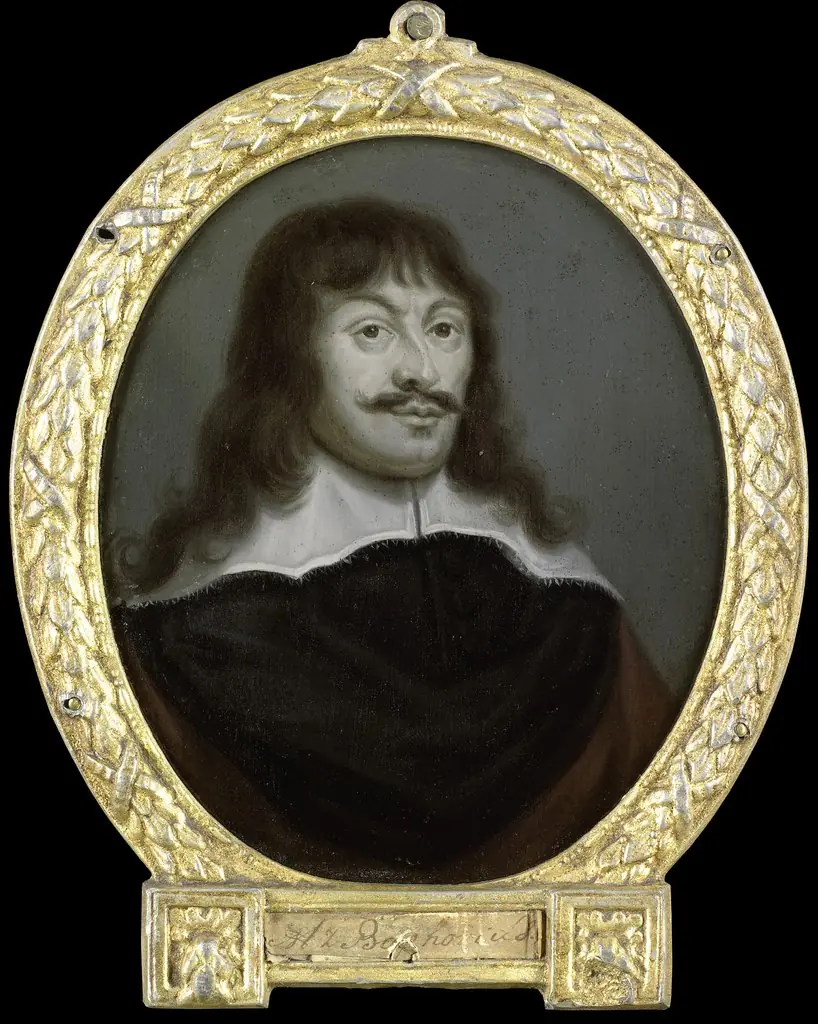
This portrait is painted on a tin plate and features a man with long, dark hair and a mustache. He is dressed in a dark robe with a white collar and a light blue sash. The background of the painting is a solid gray color.
The man's attire and the style of the painting suggest that it was created in the early 18th century. The use of tin as a medium is also notable, as it was not a common material for paintings during this time period.
If you're interested in learning more about this style of painting, you might want to look into the work of artist Arnoud van Halen.
Overview
Arnoud van Halen's Portrait of Everard Meyster, Poet in Utrecht, dated 1716, is a unique tin plate painting housed at the Rijksmuseum. It portrays a man identified as Everard Meyster, distinguished by his long, dark hair, mustache, and attire characteristic of the early 18th century.
Subject & Meaning
The subject, Everard Meyster, is depicted in a formal, contemplative pose, suggesting his profession as a poet. His dark robe, white collar, and light blue sash convey a sense of modest elegance, potentially reflecting the poetic circles of Utrecht during that era.
Technique & Style
Notably executed on tin, a rare medium for paintings of its time, the work showcases van Halen's adaptation of traditional techniques to an unconventional surface. The solid gray background focuses attention on the sitter, while the overall style aligns with the early 18th-century portrait conventions.
History & Provenance
Created in 1716 by Arnoud van Halen, the portrait is part of the Rijksmuseum's collection, providing a tangible link to Utrecht's literary scene of the period.
Context
The use of tin as a painting medium, though unusual, may indicate the artist's experimentation or the sitter's preferences. The portrait reflects the intersection of artistic and literary cultures in early 18th-century Utrecht.
Legacy
While specific impacts of the portrait on broader art historical trends are not widely documented, it remains a distinctive example of early 18th-century Dutch portraiture and the work of Arnoud van Halen, offering insights into the era's lesser-known artistic practices.
Artist & collection

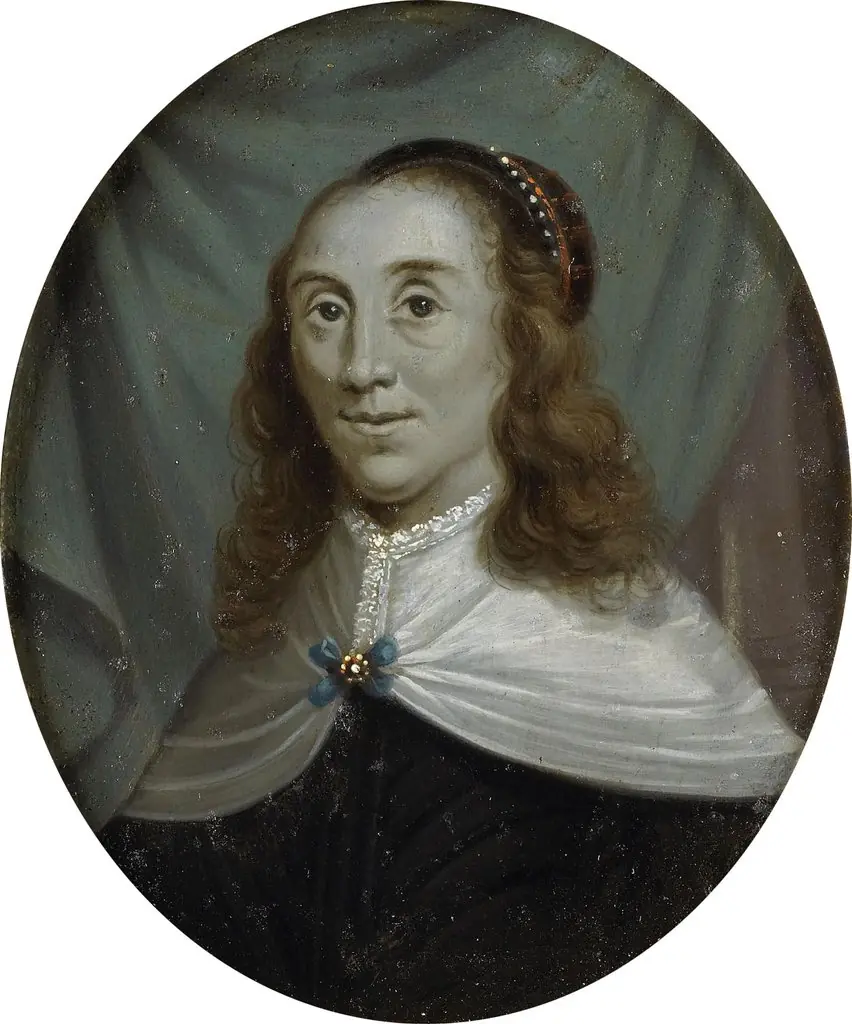 Portrait of Sibylle van Griethuysen (ca.1620-na 1662)
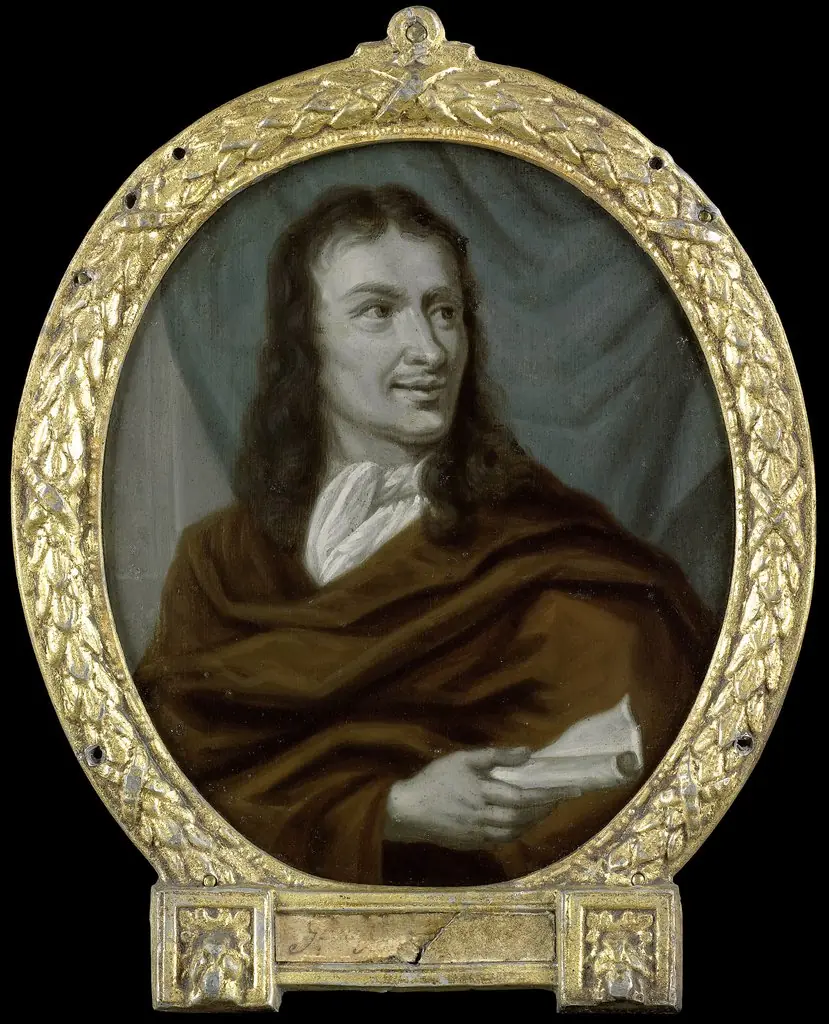 Portrait of Pieter Verhoek (1633-1702)
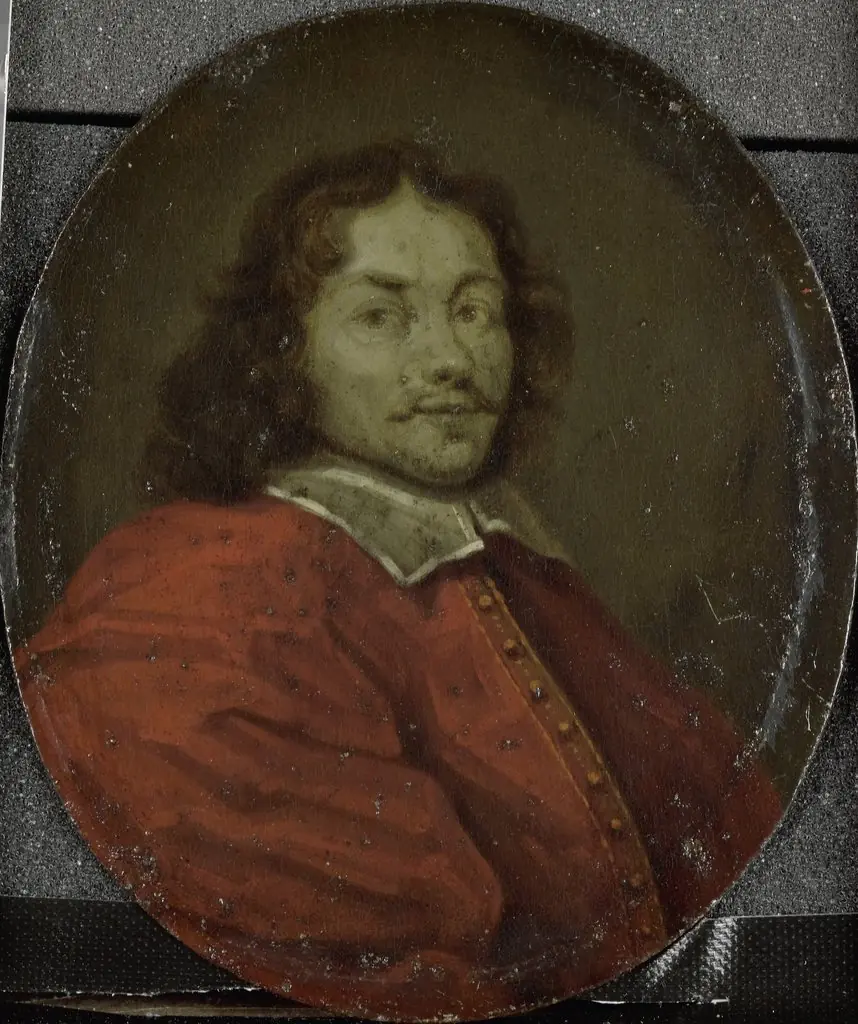 Portrait of Matthijs Gansneb, called Tengnagel, Poet in Amsterdam
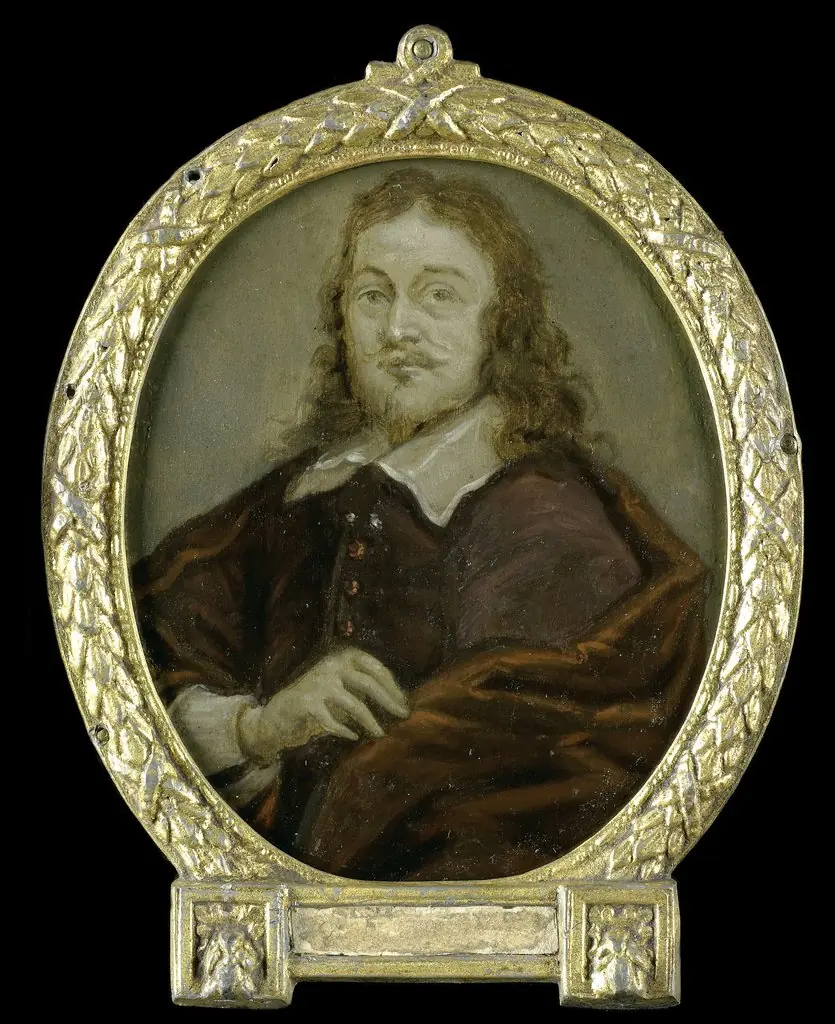 Portrait of the painter Bonaventura Peeters I (1614-52)
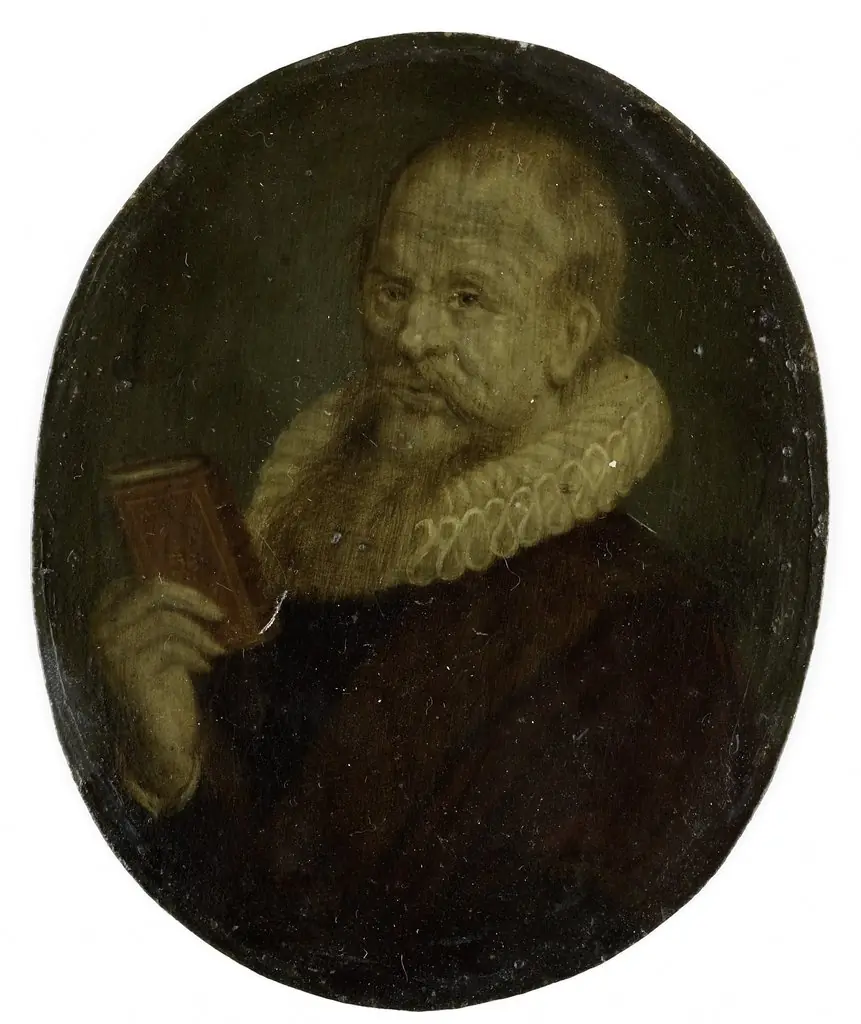 Portrait of Theodorus Schrevelius (1572-1653)
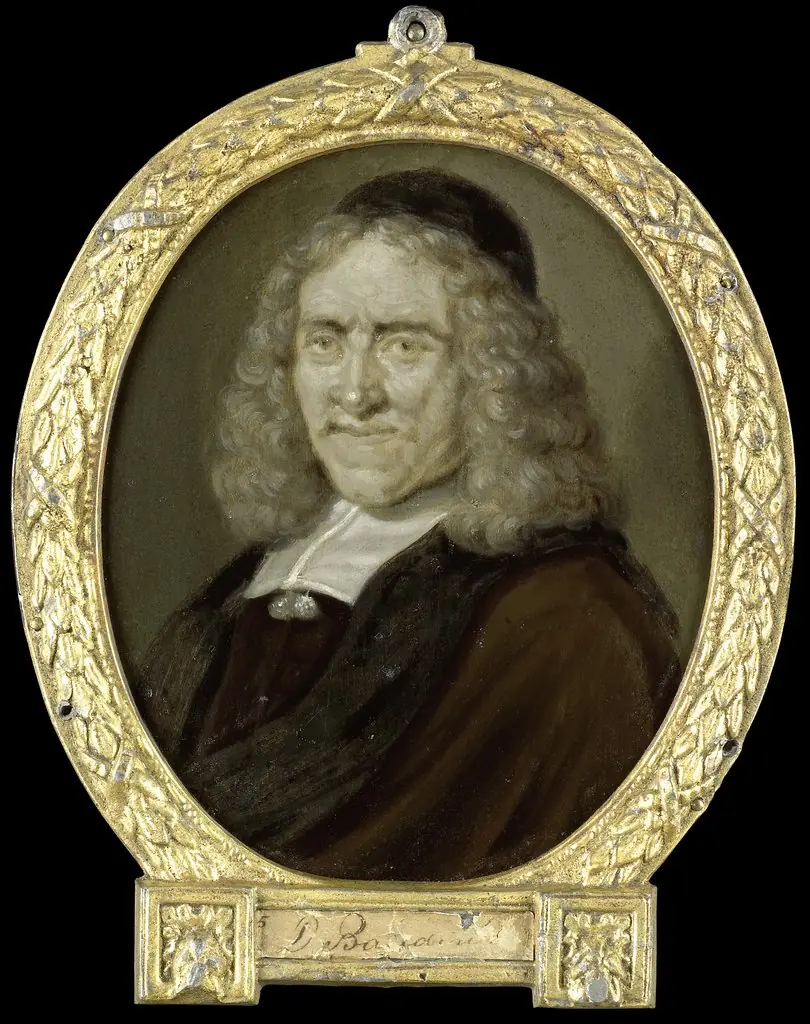 Portrait of Willem Jacobsz van Heemskerck, Poet and Engraver on Glass
 Portrait of Jan van der Veen, Pharmacist and Poet in Deventer
 Portrait of Marcus Zuërius van Boxhorn, Historian and Professor at Leiden