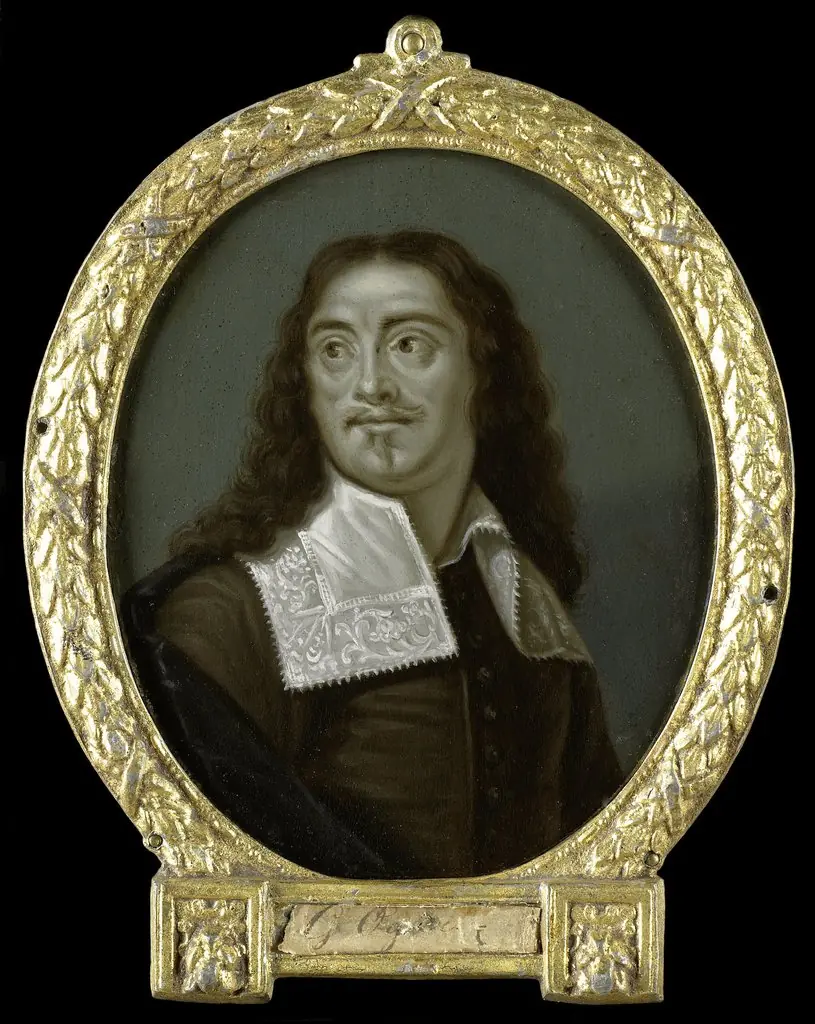
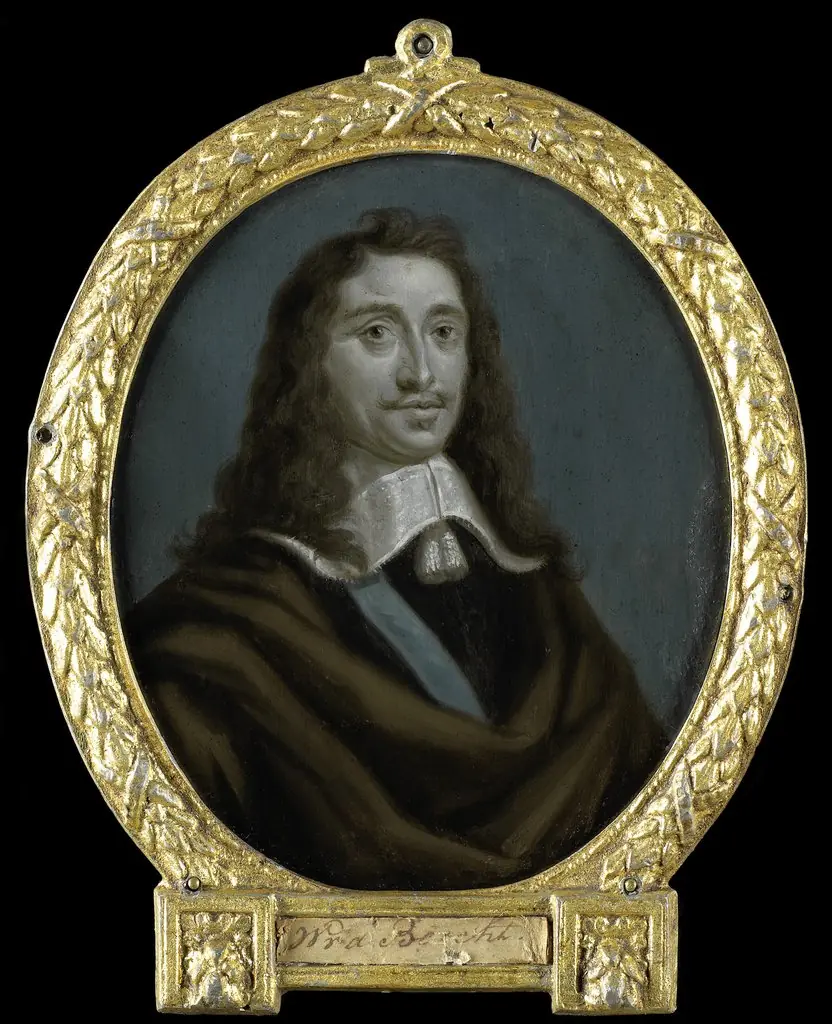
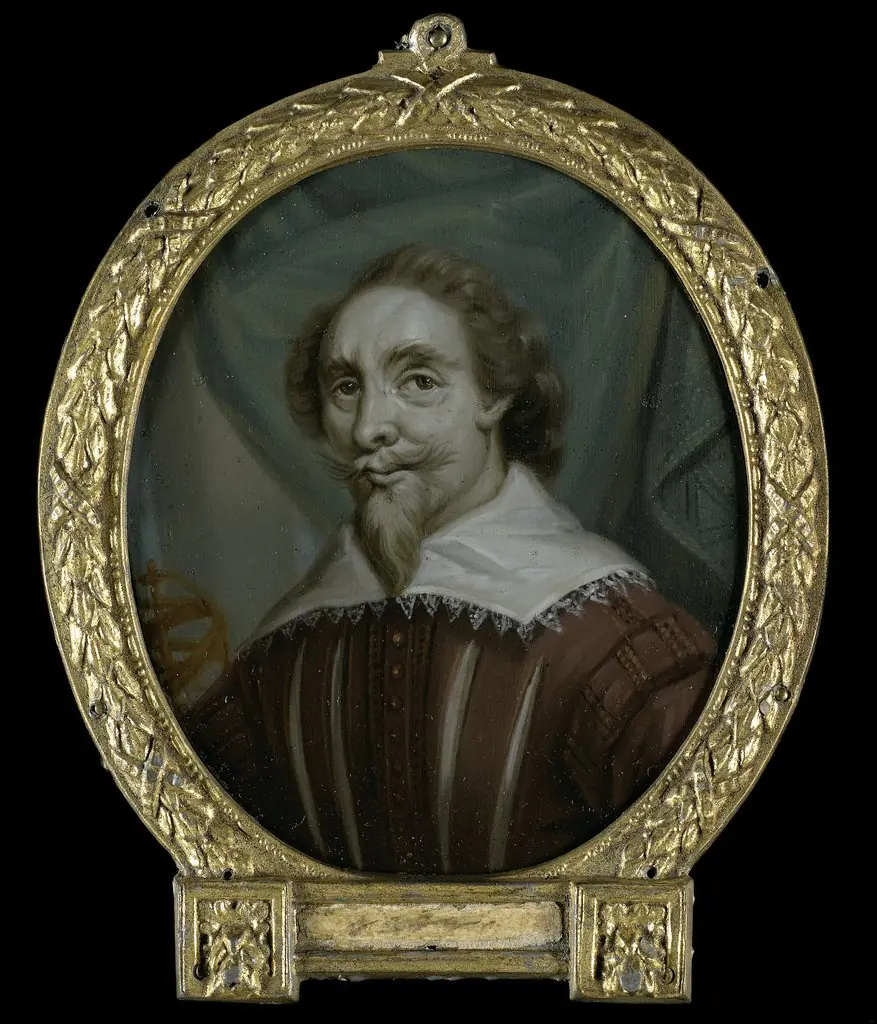
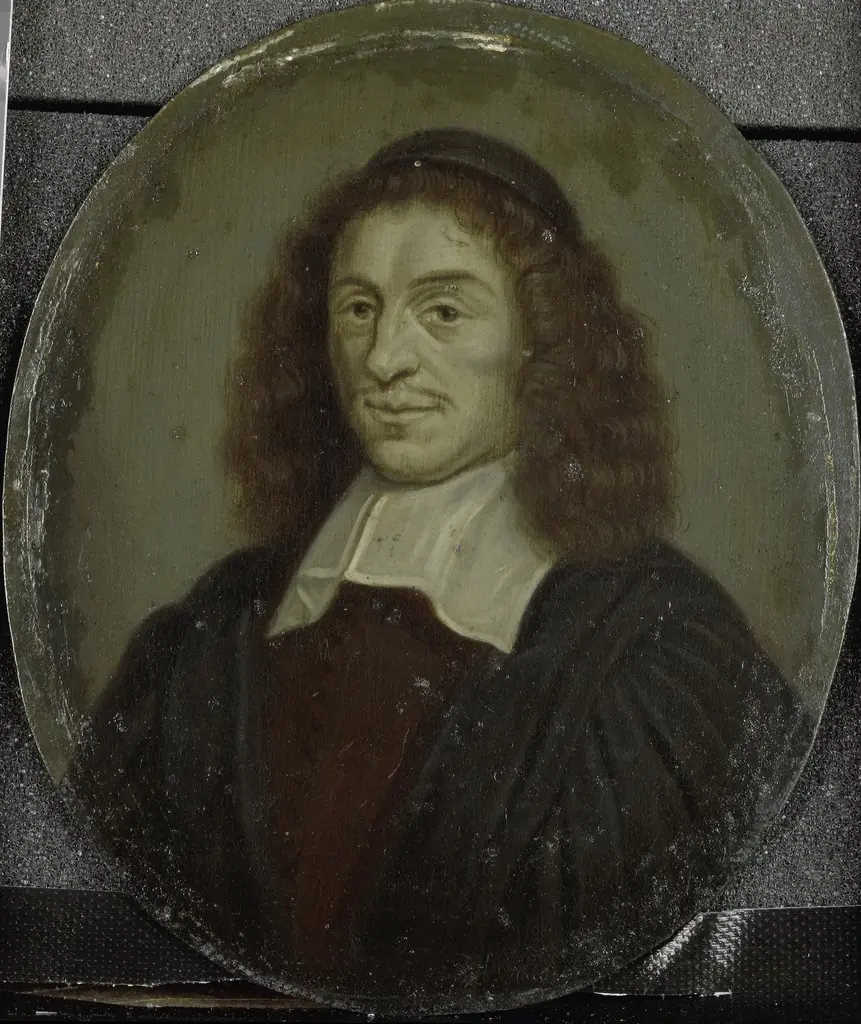
Artwork
Portrait of Hendrik Bruno, Poet and Co-Rector of the Latin School in Hoorn
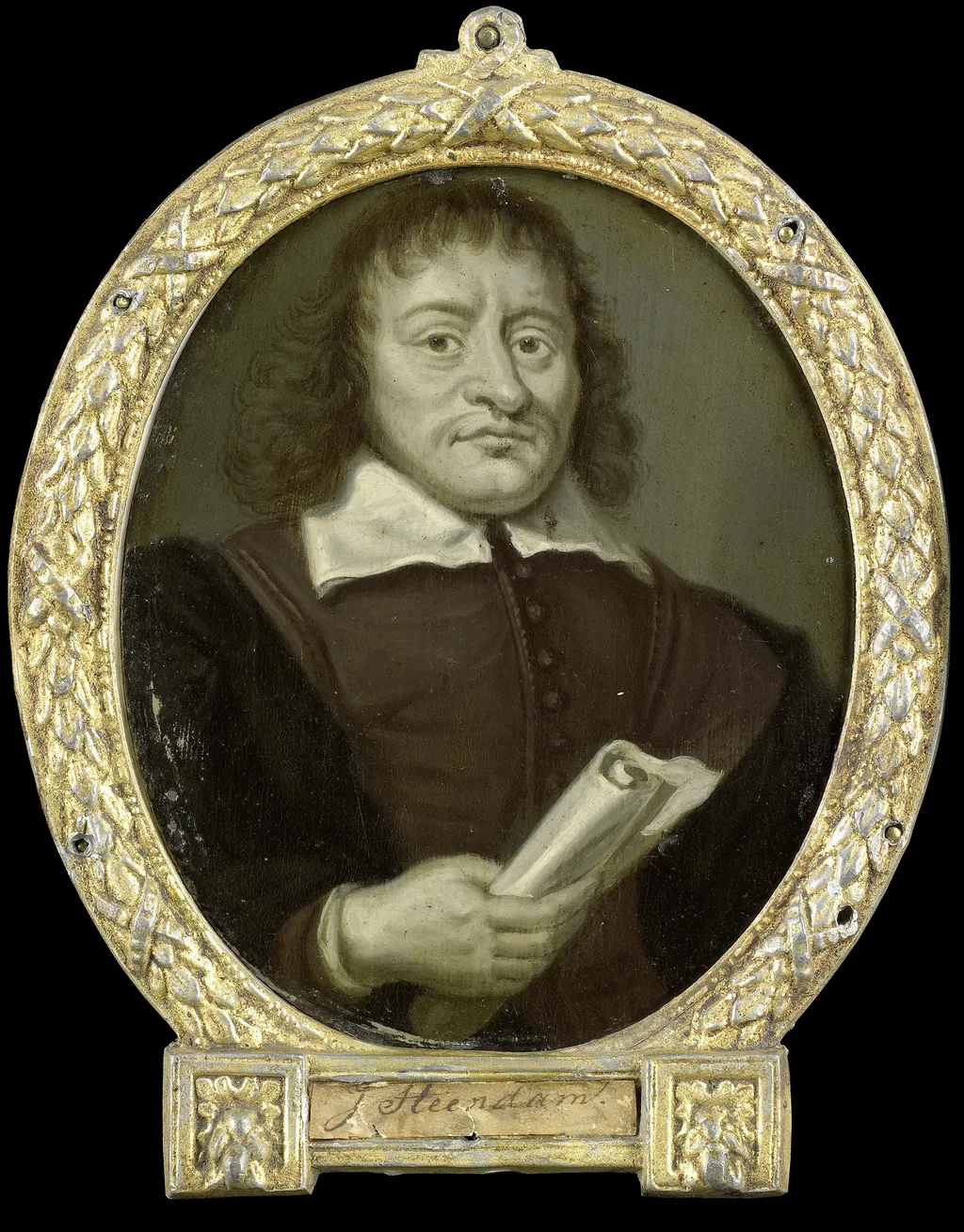
Portrait of Hendrik Bruno, Poet and Co-Rector of the Latin School in Hoorn is an oil painting by the Rococo painting artist Arnoud van Halen. It dates from 1716 and is held in the collection of the Rijksmuseum.
About this work
Overview
Portrait of Hendrik Bruno, Poet and Co-Rector of the Latin School in Hoorn is an oval portrait painted in 1716. It is attributed to Arnoud van Halen, though the signature 'J. Sleendam' on the work introduces ambiguity regarding its authorship. The painting is part of the Rijksmuseum's collection.
Subject & Meaning
The portrait depicts Hendrik Bruno, identified by his role as a poet and co-rector of the Latin School in Hoorn. His serious demeanor, pale face, slight beard, and curly hair are set against a plain background, emphasizing his individuality. The folded paper in his right hand suggests an association with literature or academia.
Technique & Style
The painting employs a straightforward, focused composition with a plain background to concentrate attention on the subject. The use of chiaroscuro is implied by the dramatic lighting effect, though not overly pronounced, adding depth to the figure. A decorative gold-patterned frame enhances the portrait's formality.
History & Provenance
Created in 1716, the portrait's early history is not detailed here. It is known to be part of the Rijksmuseum's holdings, indicating its recognition as a work of historical and artistic value. The attribution to Arnoud van Halen and the signature 'J. Sleendam' at the bottom introduce uncertainty about its creation.
Context
As a portrait of an educational and literary figure, the work reflects the value placed on scholarship and poetry in 18th-century Dutch society. The subject's role in the Latin School of Hoorn connects it to the era's emphasis on classical education.
Legacy
The portrait's legacy is tied to its presence in the Rijksmuseum, contributing to the historical record of Dutch educational and literary personalities of the time. Its artistic legacy is more nuanced due to the uncertain attribution, which may affect its prominence in the canon of Dutch Golden Age portraiture.
Artist & collection

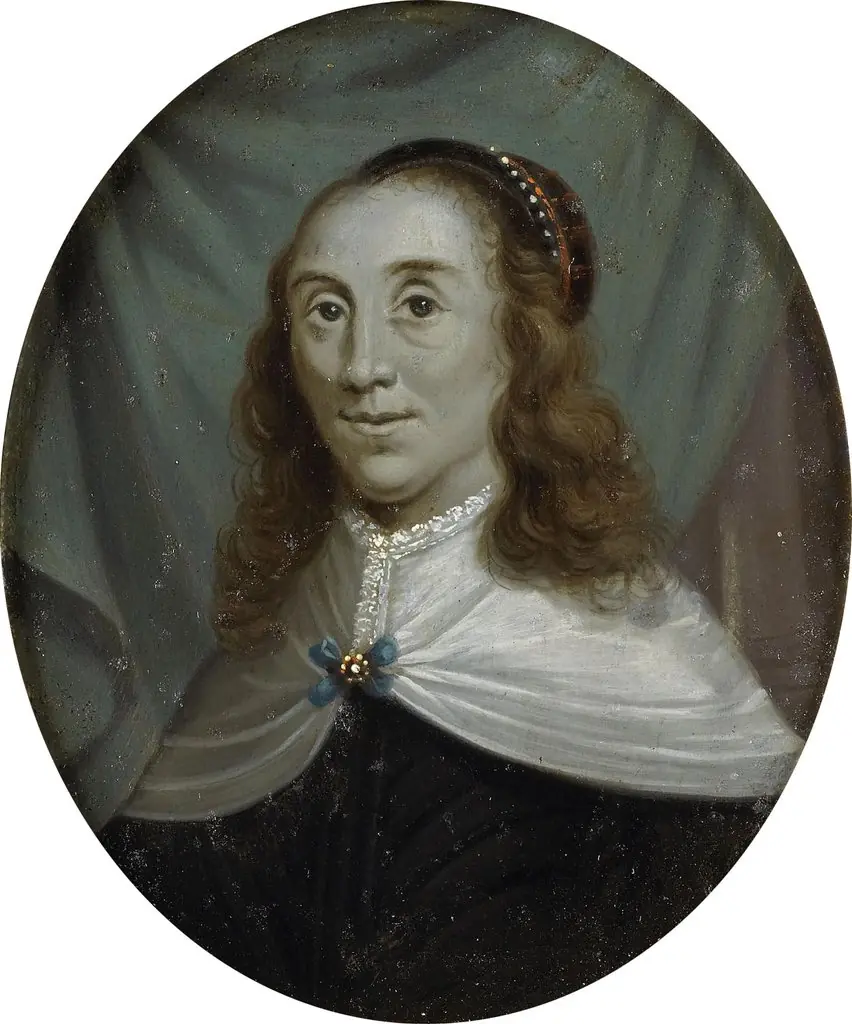 Portrait of Sibylle van Griethuysen (ca.1620-na 1662)
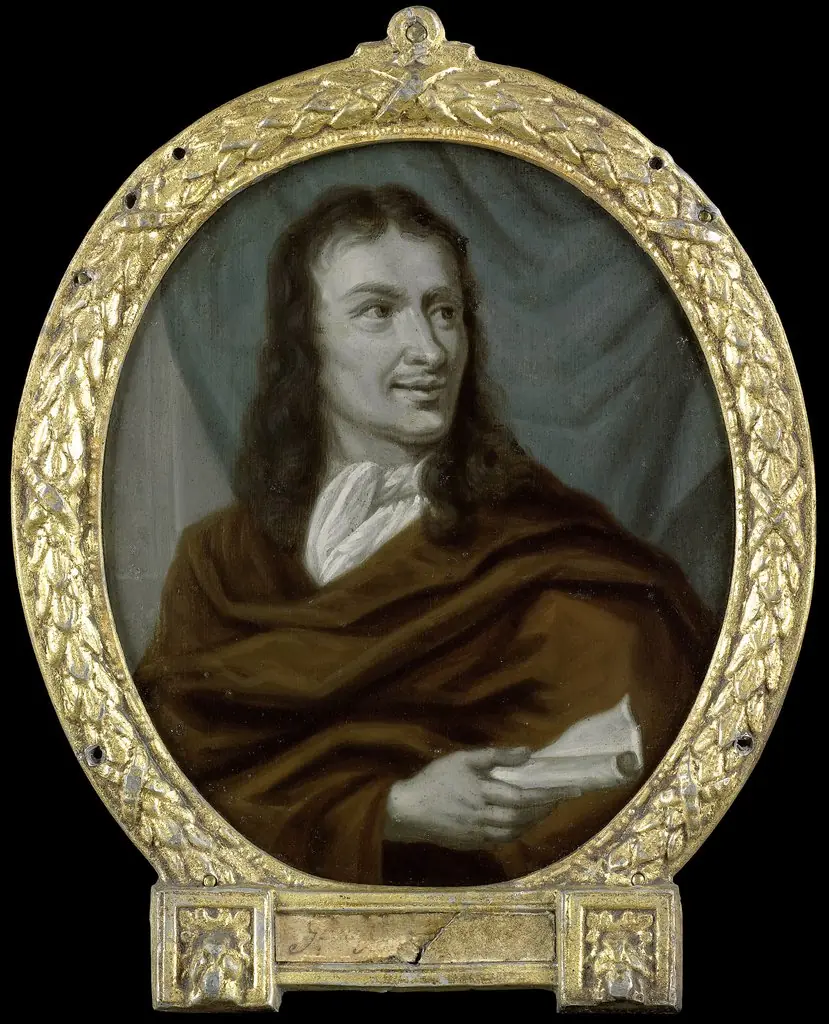 Portrait of Pieter Verhoek (1633-1702)
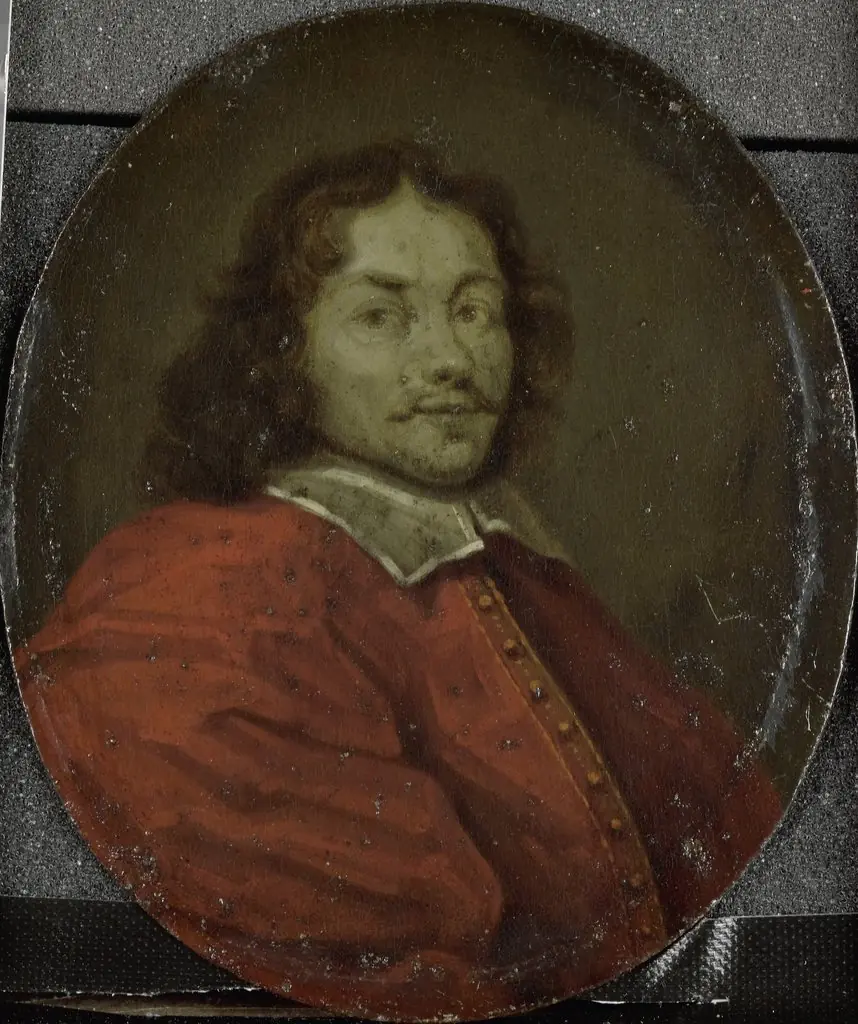 Portrait of Matthijs Gansneb, called Tengnagel, Poet in Amsterdam
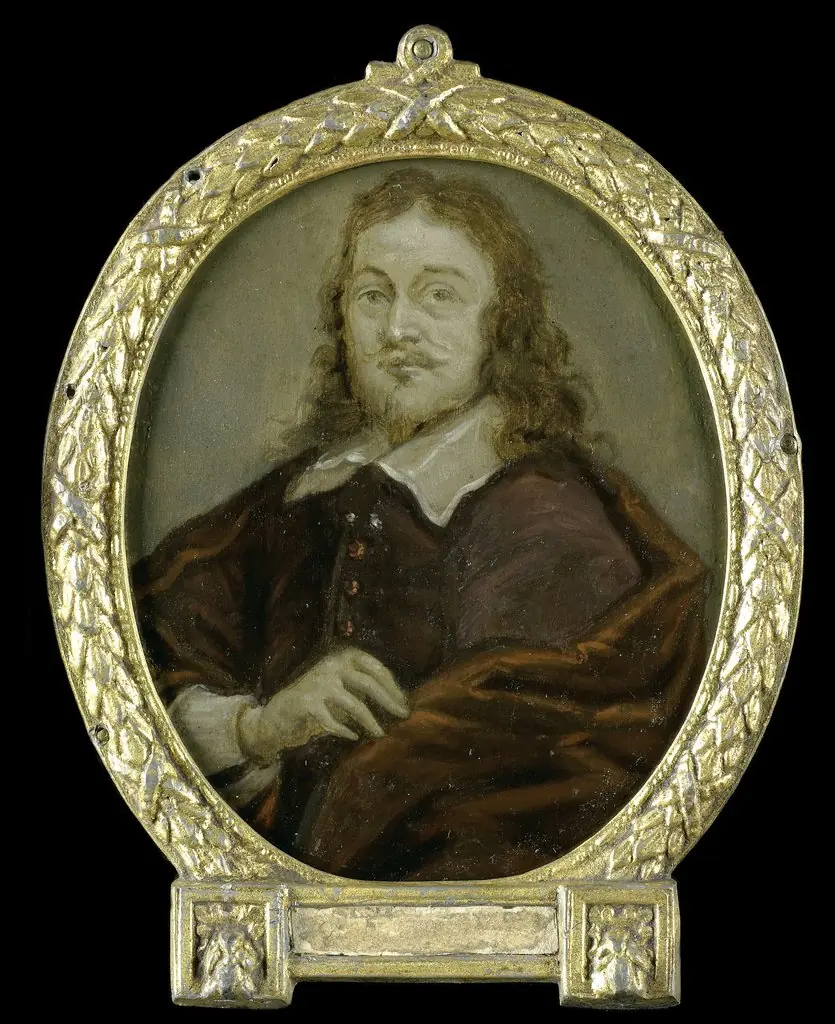 Portrait of the painter Bonaventura Peeters I (1614-52)
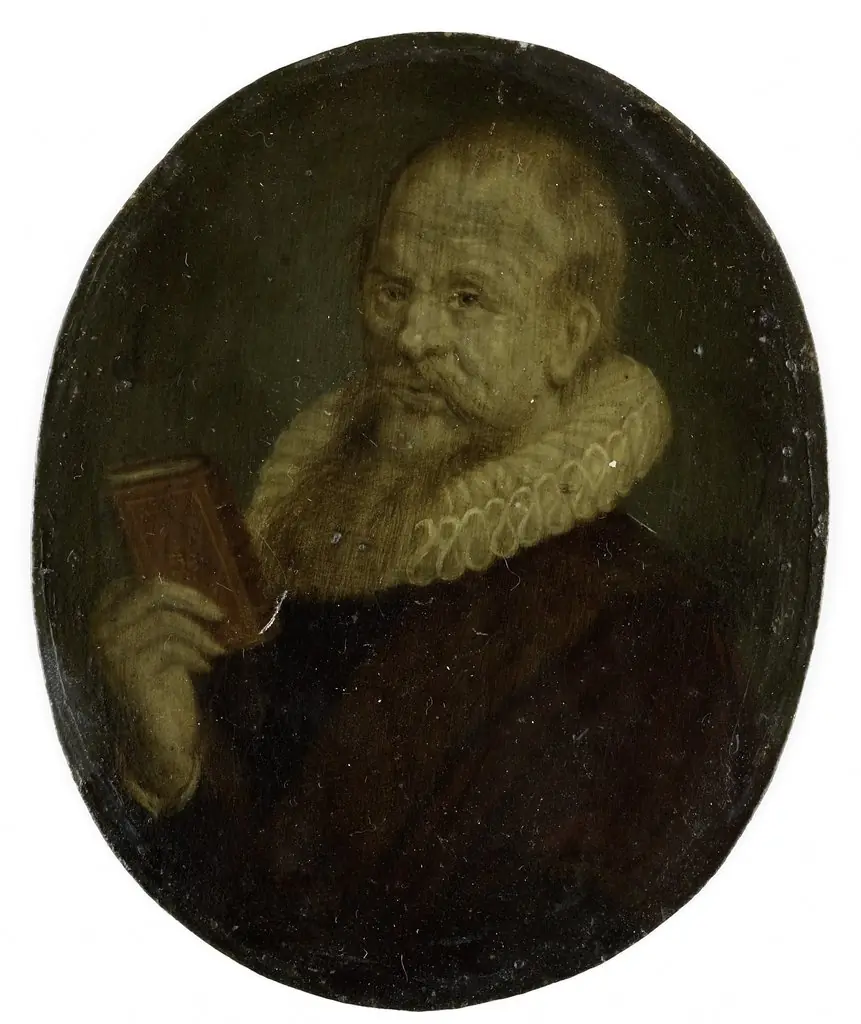 Portrait of Theodorus Schrevelius (1572-1653)
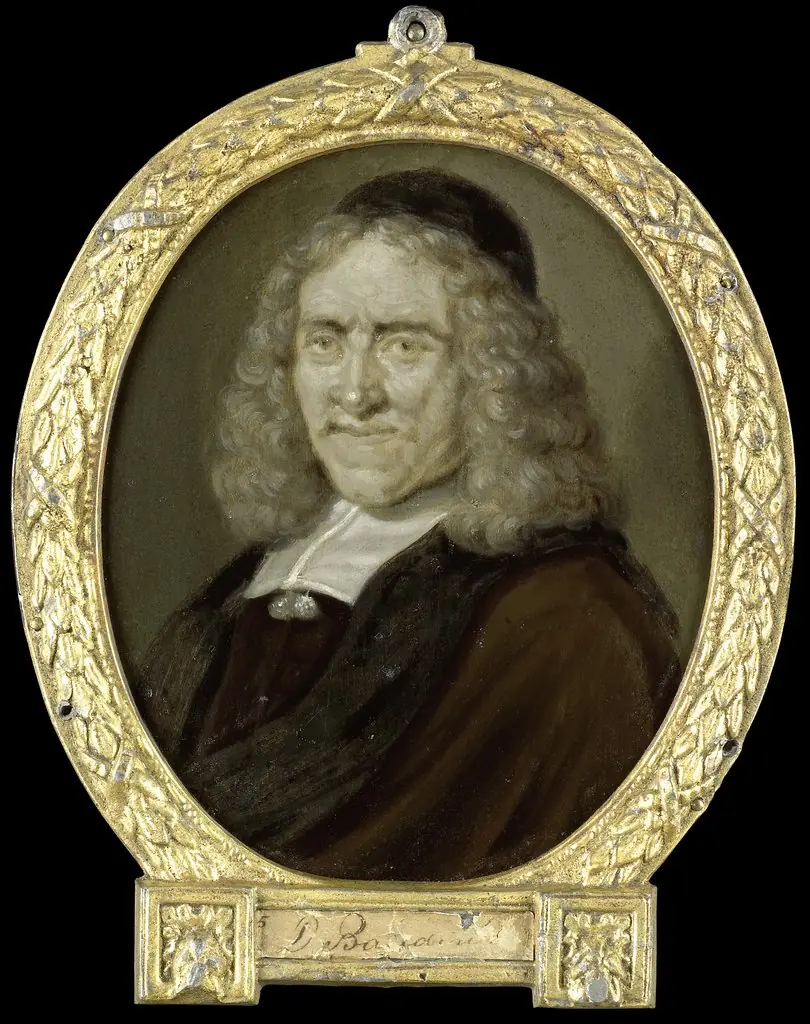 Portrait of Willem Jacobsz van Heemskerck, Poet and Engraver on Glass
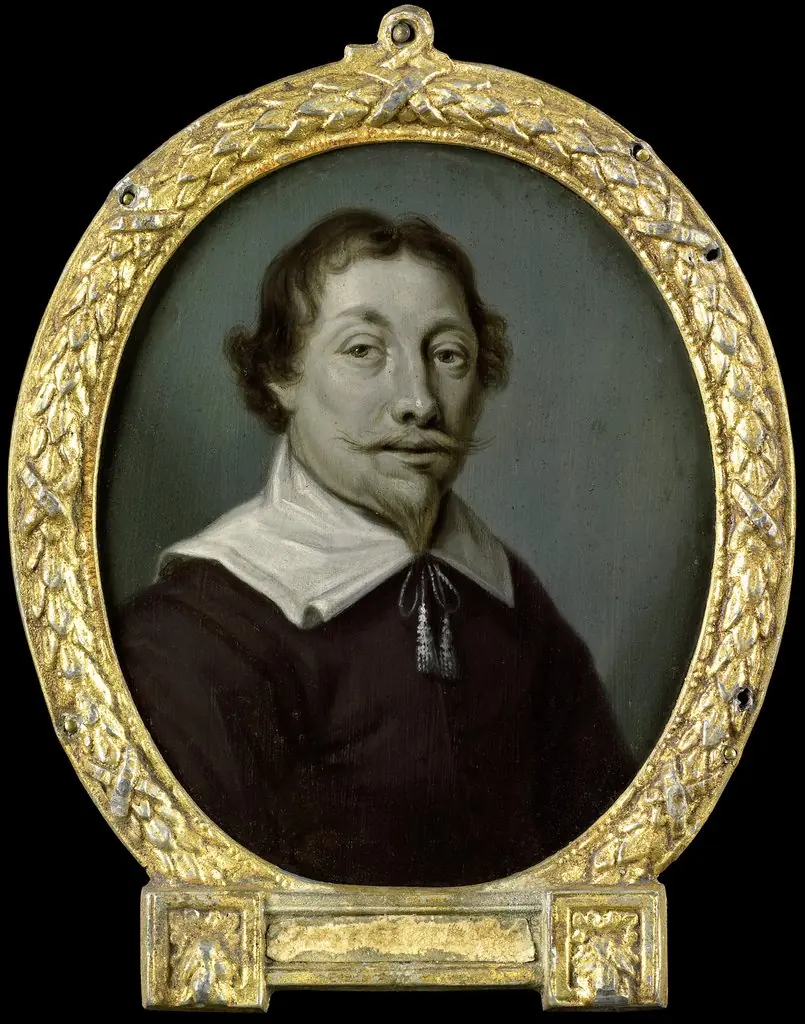 Portrait of Jan van der Veen, Pharmacist and Poet in Deventer
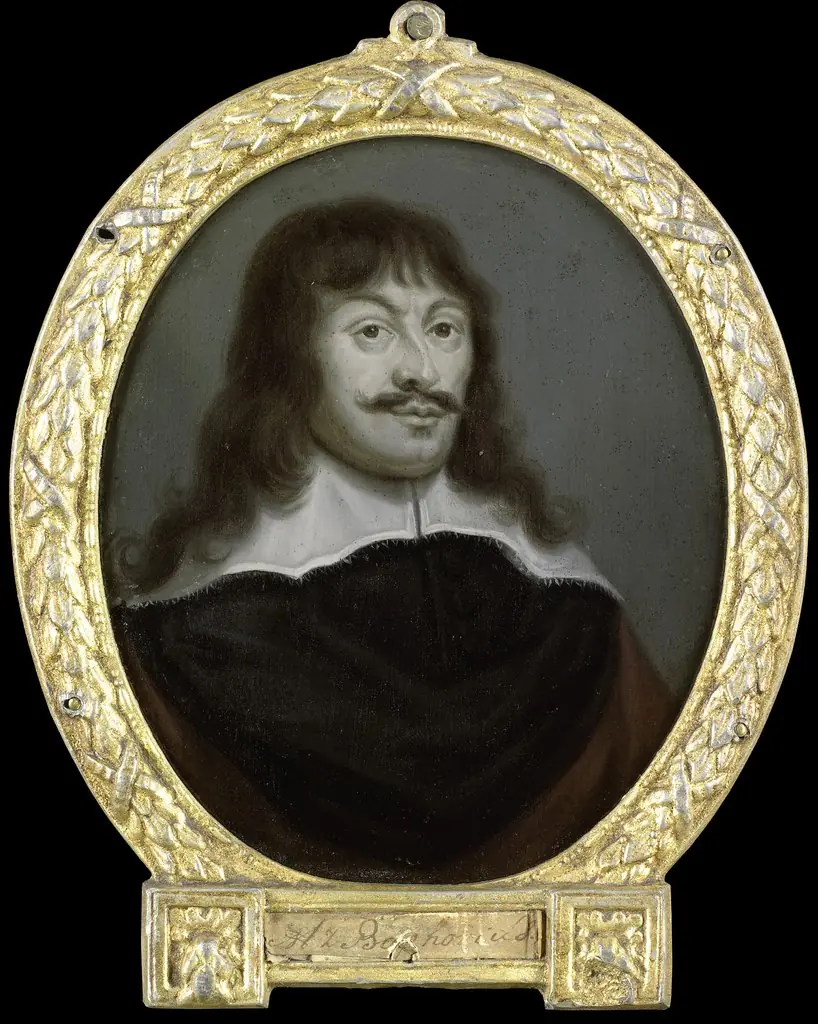 Portrait of Marcus Zuërius van Boxhorn, Historian and Professor at Leiden