Artwork
Portrait of Jacob van den Eynde, Governor of Woerden
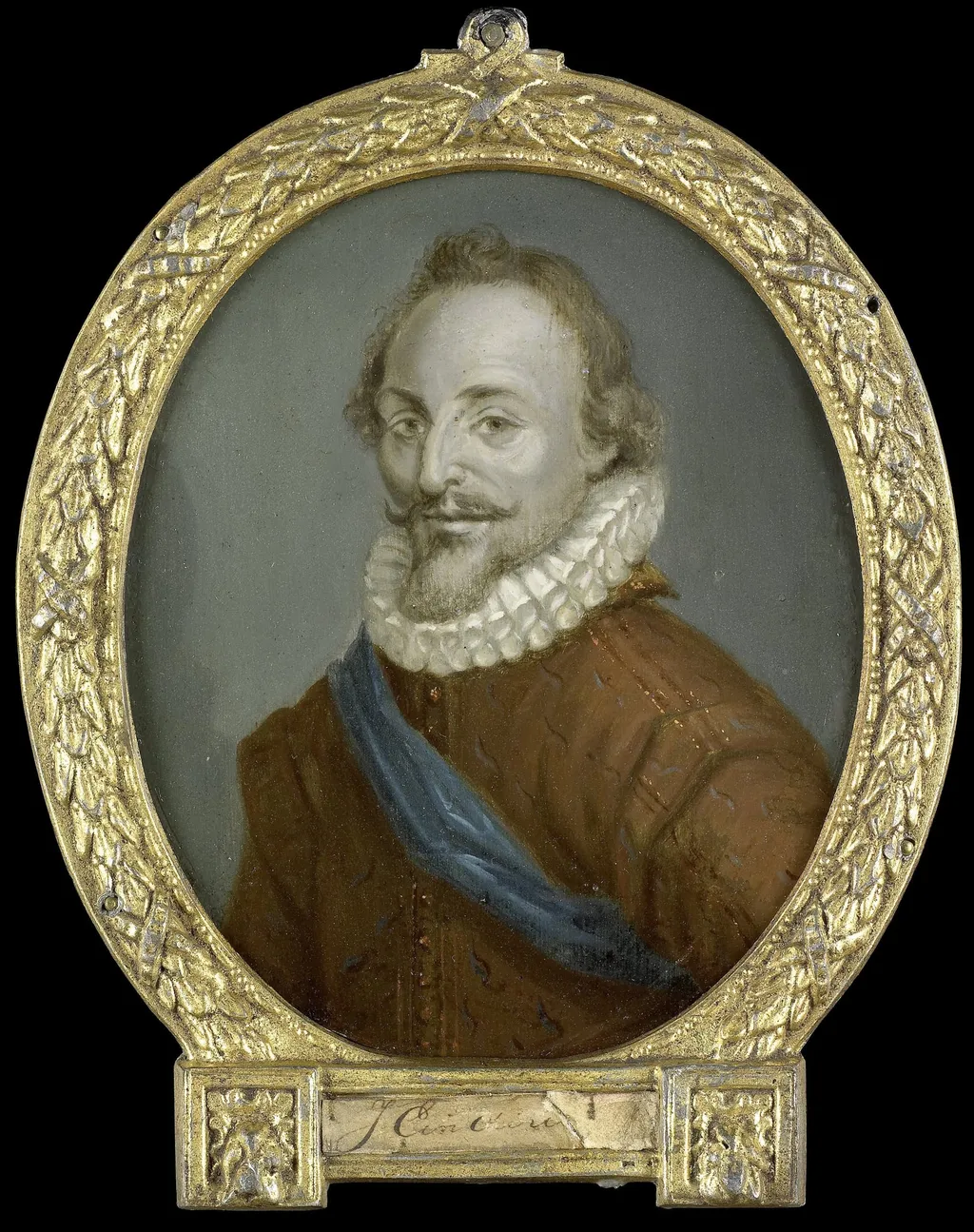
Portrait of Jacob van den Eynde, Governor of Woerden is an unspecified painting by the Rococo painting artist Arnoud van Halen. It dates from 1716 and is held in the collection of the Rijksmuseum. The work presents a half‑length likeness of Jacob van den Eynde, who served as governor of Woerden in the early seventeenth century.
About this work
It’s a copy of an older painting—Jacob van den Eynde died in 1614, but this version was made nearly a century later.
This is a portrait of a man in a dark coat, his face framed by a white collar. He looks serious, turned slightly to the side, with light shining on his cheek and forehead.
It’s a copy of an older painting—Jacob van den Eynde died in 1614, but this version was made nearly a century later. Someone wanted to keep his memory alive, even if the original artist is lost to time. The quiet detail of the light on his face makes him feel real, like he’s still here.
To see more portraits like this, look up the Rijksmuseum.
Overview
The work presents a half‑length likeness of Jacob van den Eynde, who served as governor of Woerden in the early seventeenth century. Rendered within an oval frame, the figure is turned slightly toward the viewer’s left, his dark coat contrasted by a crisp white collar. Subtle illumination catches his cheek and forehead, giving the portrait a restrained sense of presence.
Subject & Meaning
Jacob van den Eynde (1575–1614) is depicted as a dignified public official, his serious expression reflecting the responsibilities of provincial governance. The composition emphasizes his status through formal attire and a composed pose, while the limited background focuses attention on his individual character rather than any narrative scene.
Technique & Style
The painting is executed in oil on canvas, employing a muted palette of dark fabrics and light flesh tones. The oval format, a common device for portrait busts of the period, frames the sitter and directs the viewer’s eye to the illuminated facial features. The brushwork is smooth, with careful modeling of light that suggests a later, more restrained aesthetic.
History & Provenance
This image is a copy made roughly a century after van den Eynde’s death, based on an earlier, now‑lost original whose creator remains unidentified. The replica entered a collection of portraits of Dutch literary figures, indicating a later curatorial interest in preserving the memory of notable cultural personalities alongside poets.
Artist & collection

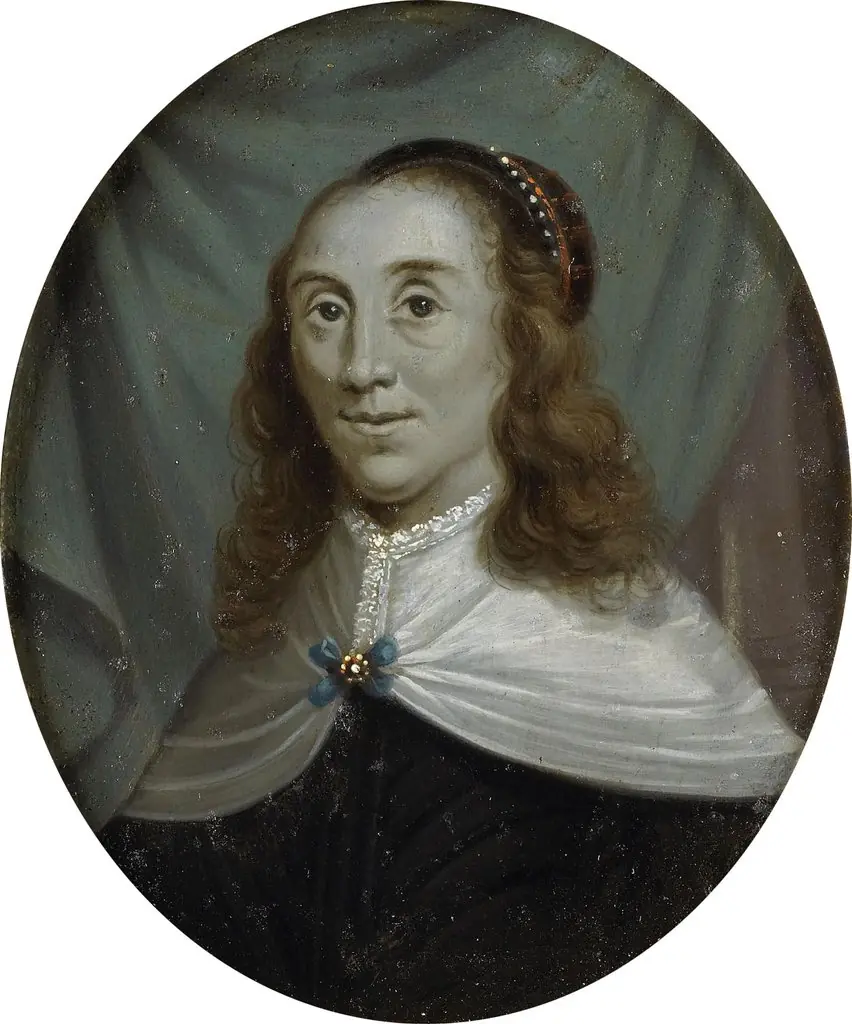 Portrait of Sibylle van Griethuysen (ca.1620-na 1662)
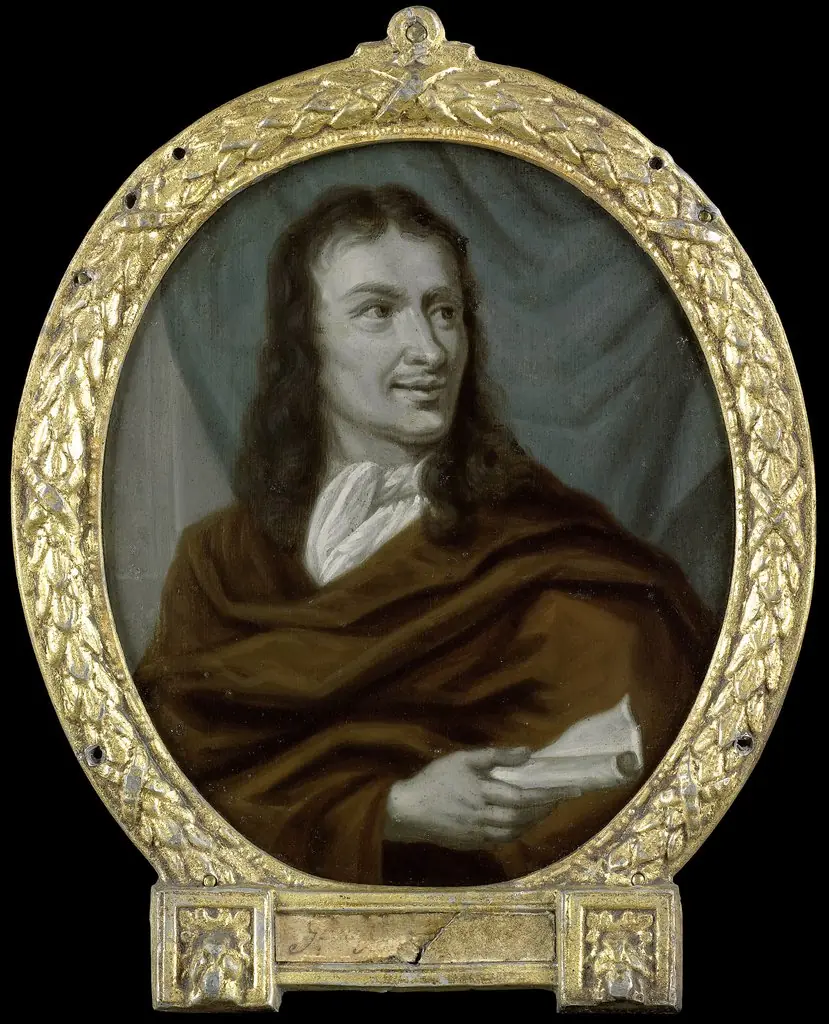 Portrait of Pieter Verhoek (1633-1702)
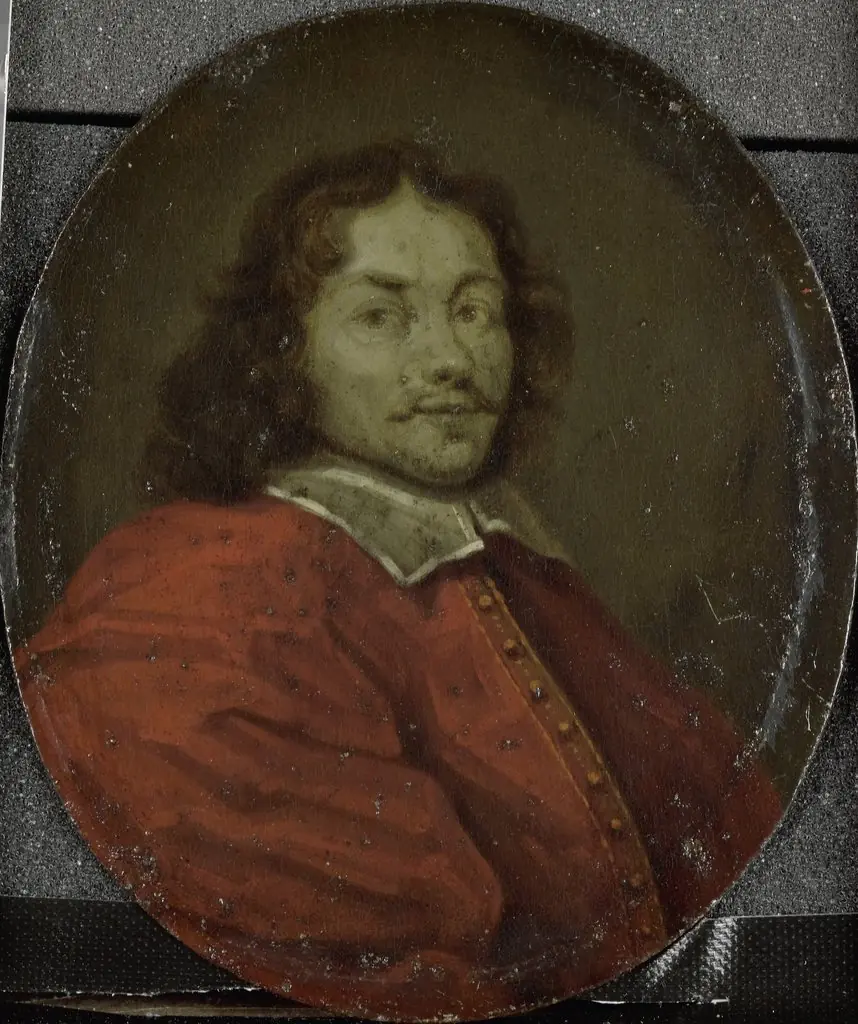 Portrait of Matthijs Gansneb, called Tengnagel, Poet in Amsterdam
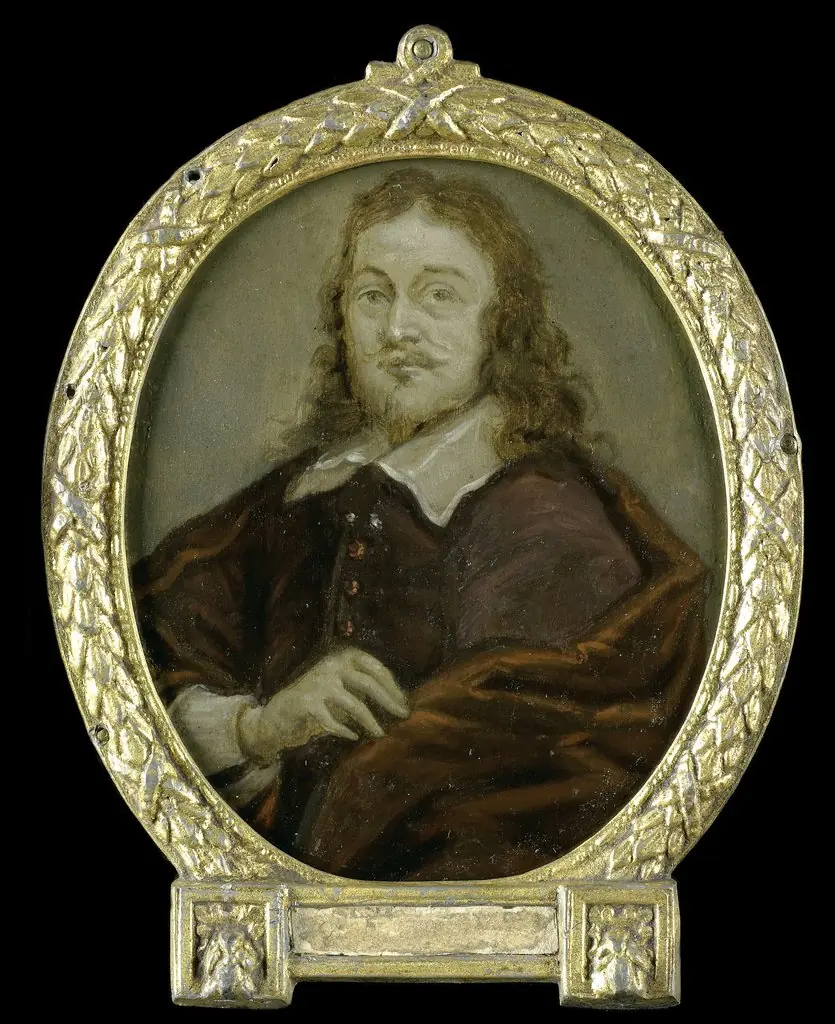 Portrait of the painter Bonaventura Peeters I (1614-52)
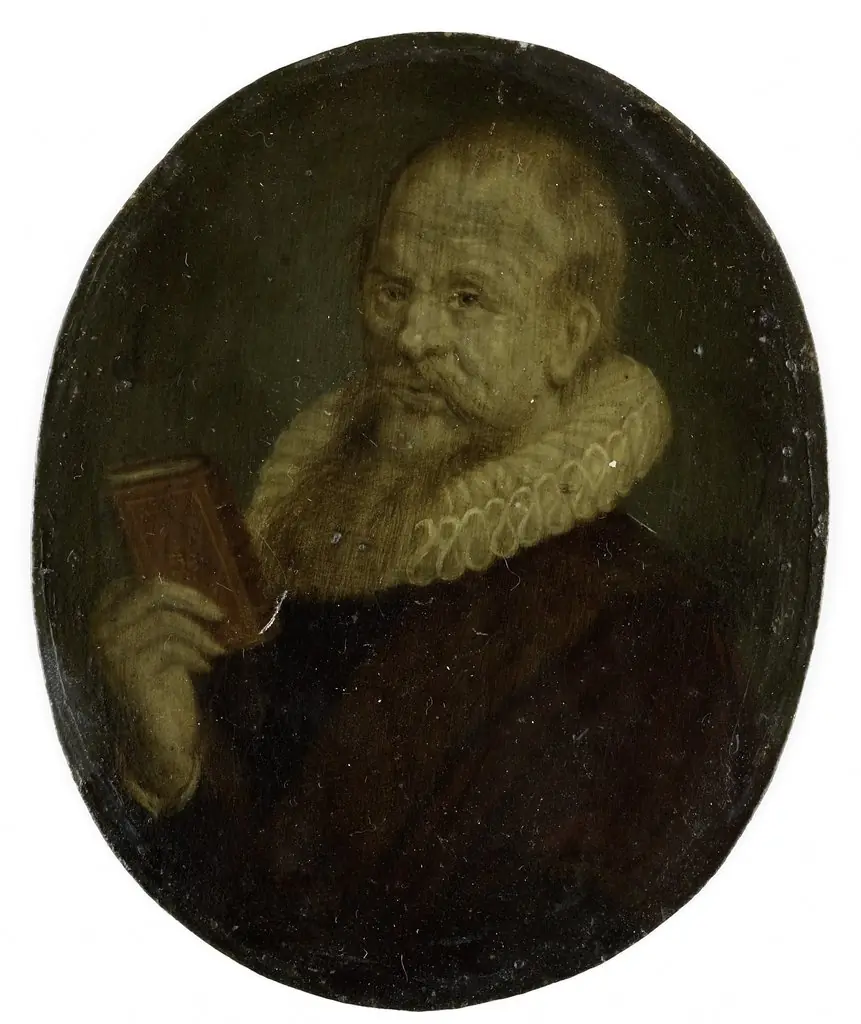 Portrait of Theodorus Schrevelius (1572-1653)
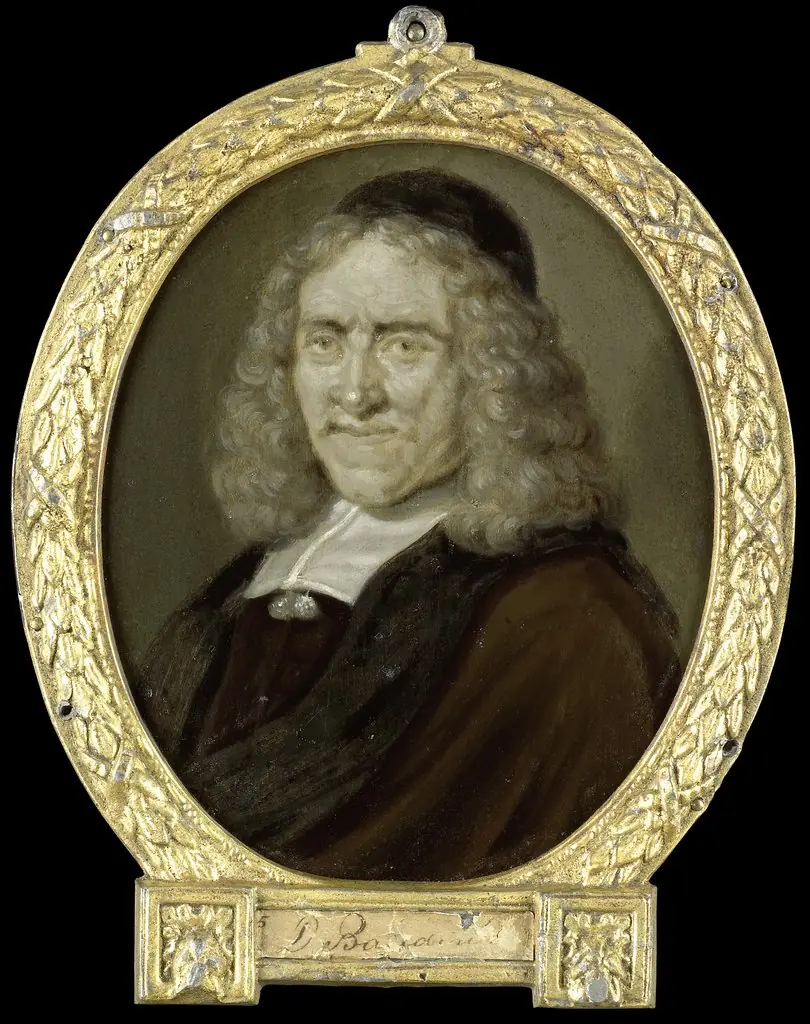 Portrait of Willem Jacobsz van Heemskerck, Poet and Engraver on Glass
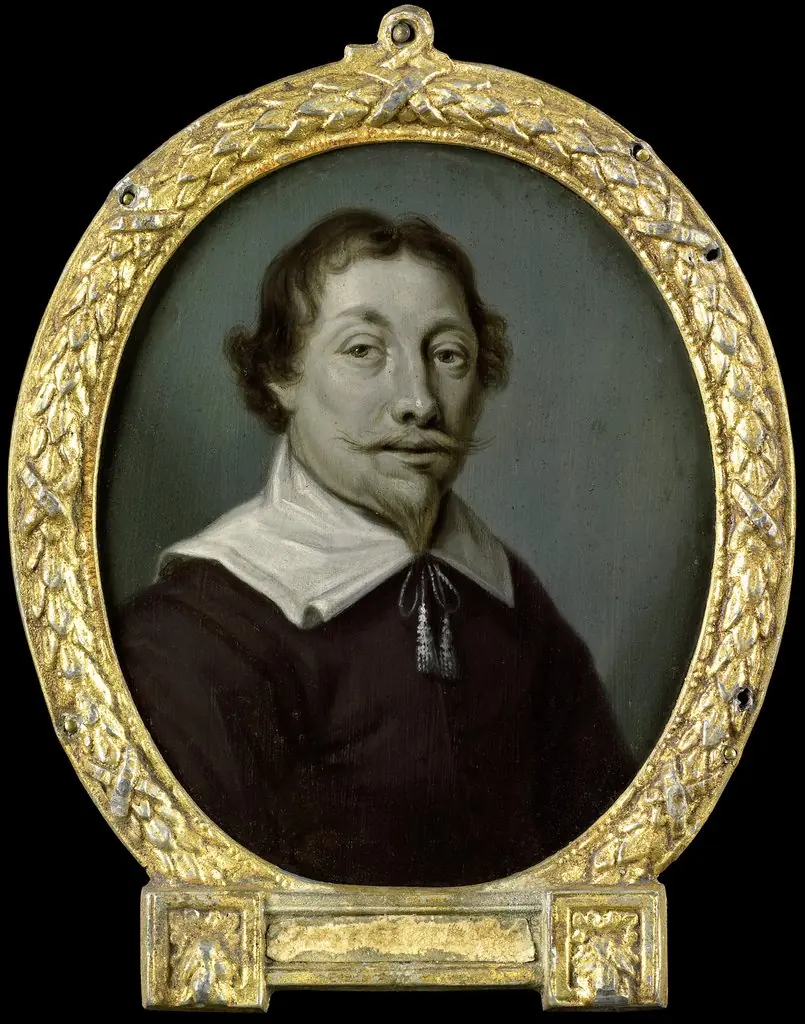 Portrait of Jan van der Veen, Pharmacist and Poet in Deventer
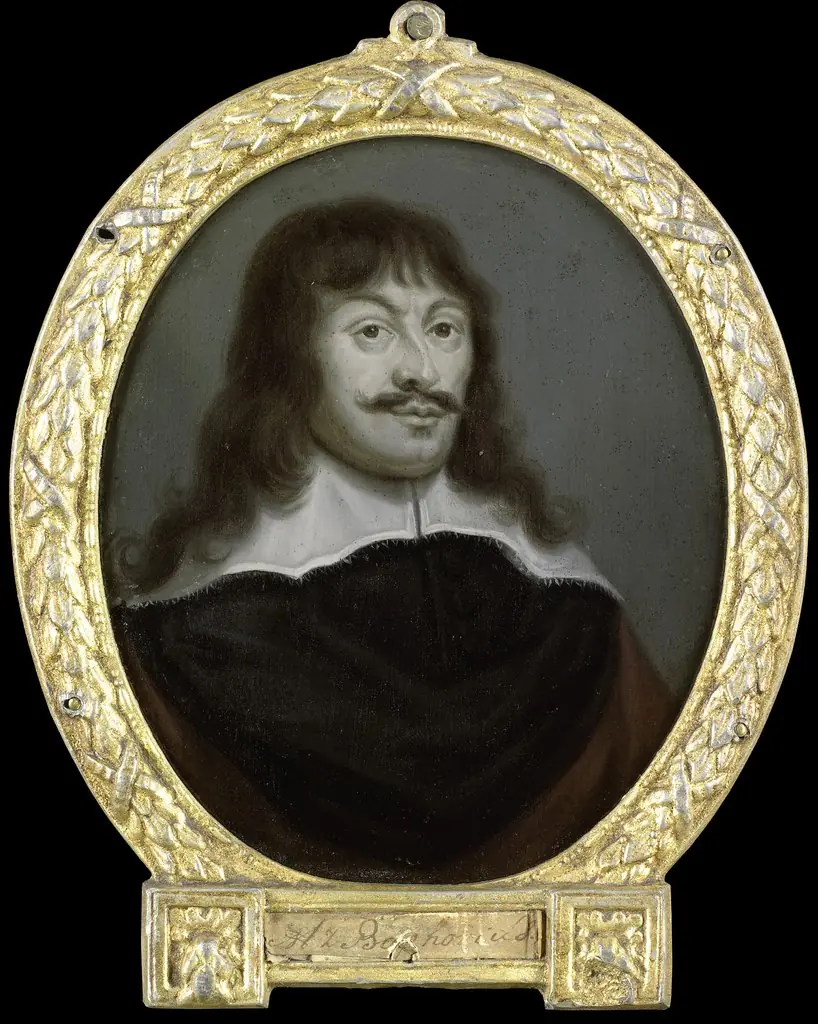 Portrait of Marcus Zuërius van Boxhorn, Historian and Professor at Leiden
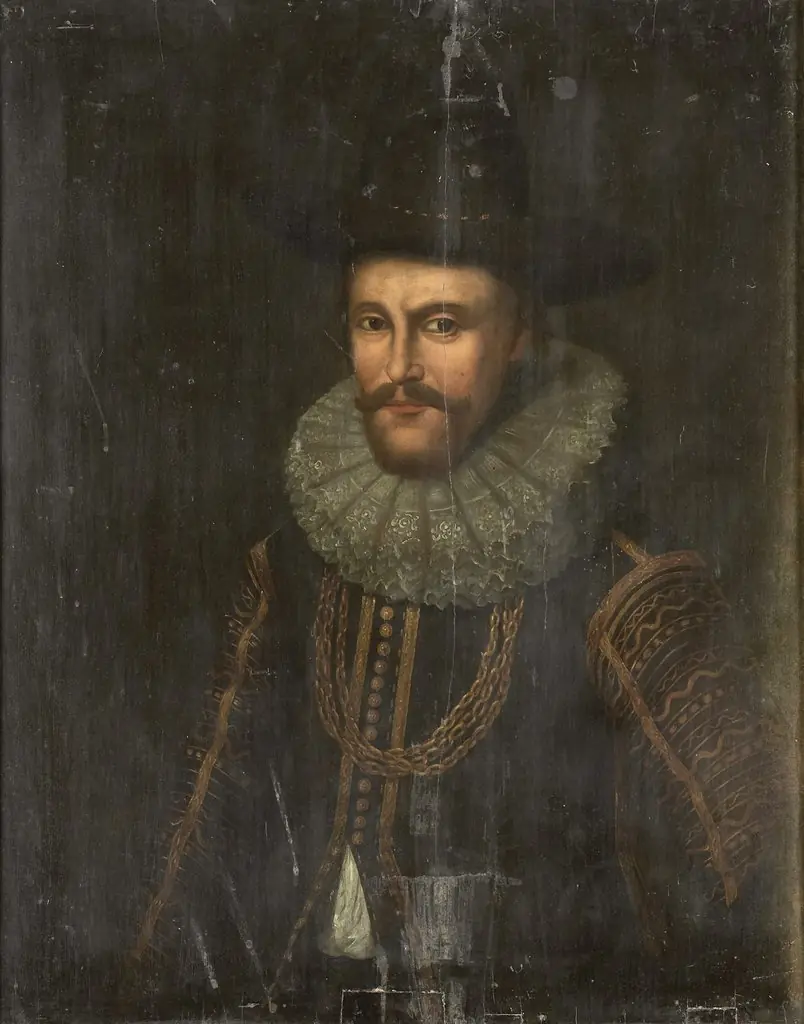 Portrait of Laurens Reael, Governor-General of the Dutch East Indies
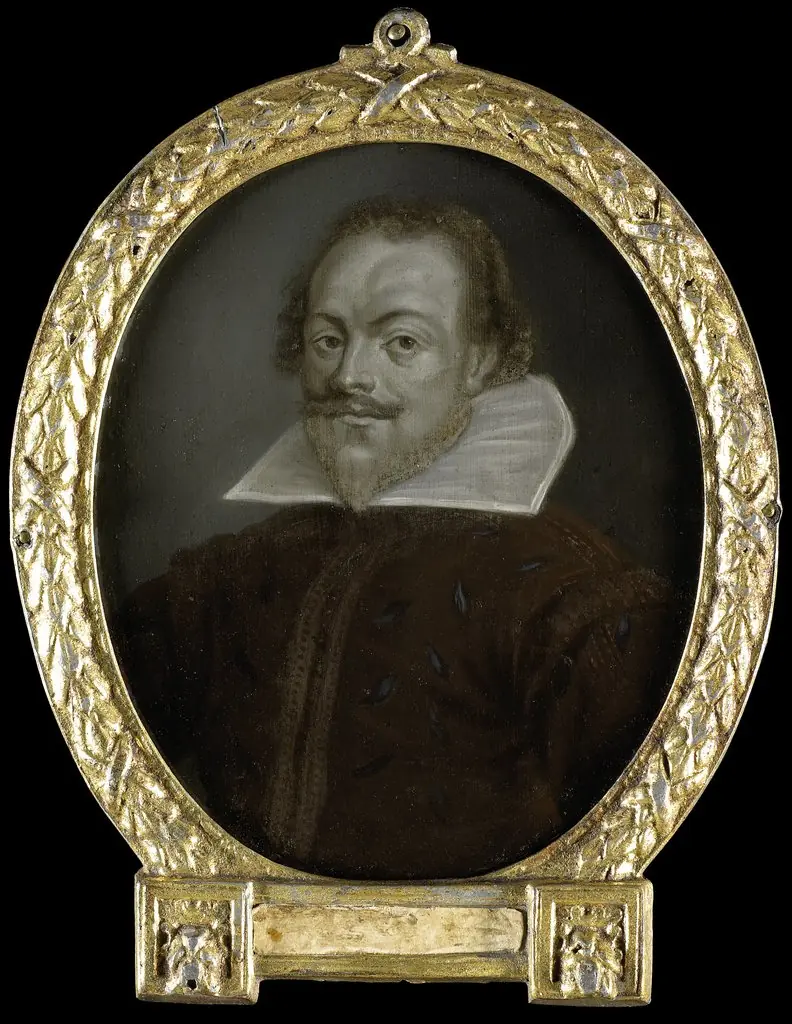 Portrait of Florentius Schoonhoven, Poet in Latin, Burgomaster of Gouda
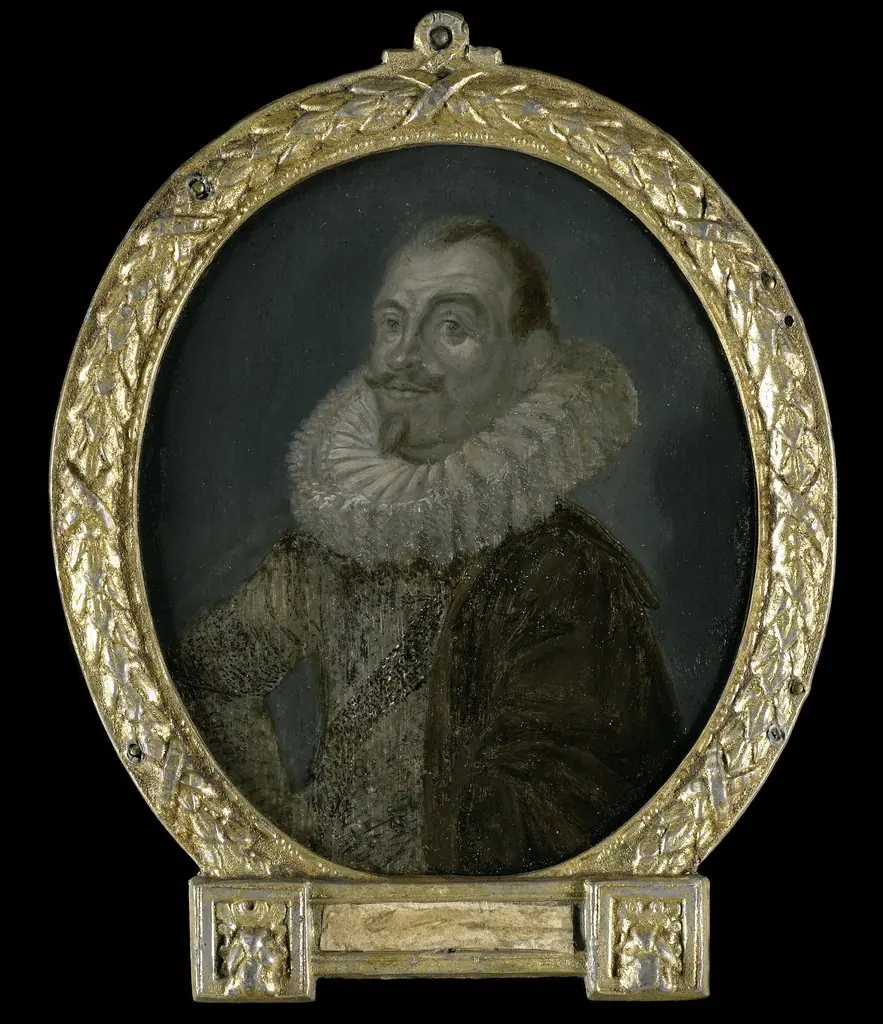 Portrait of Theodorus Rodenburgh, Diplomat and Dramatic Poet
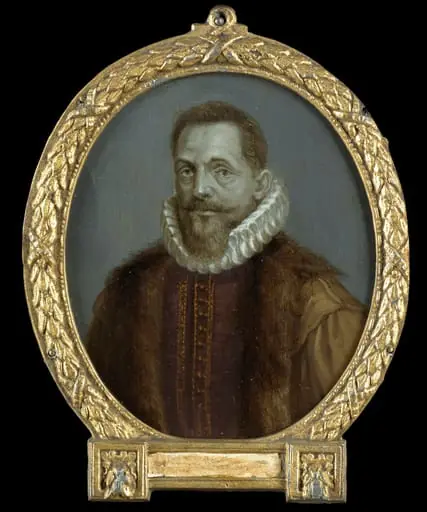 Portrait of Petrus Bertius, Professor at Leiden
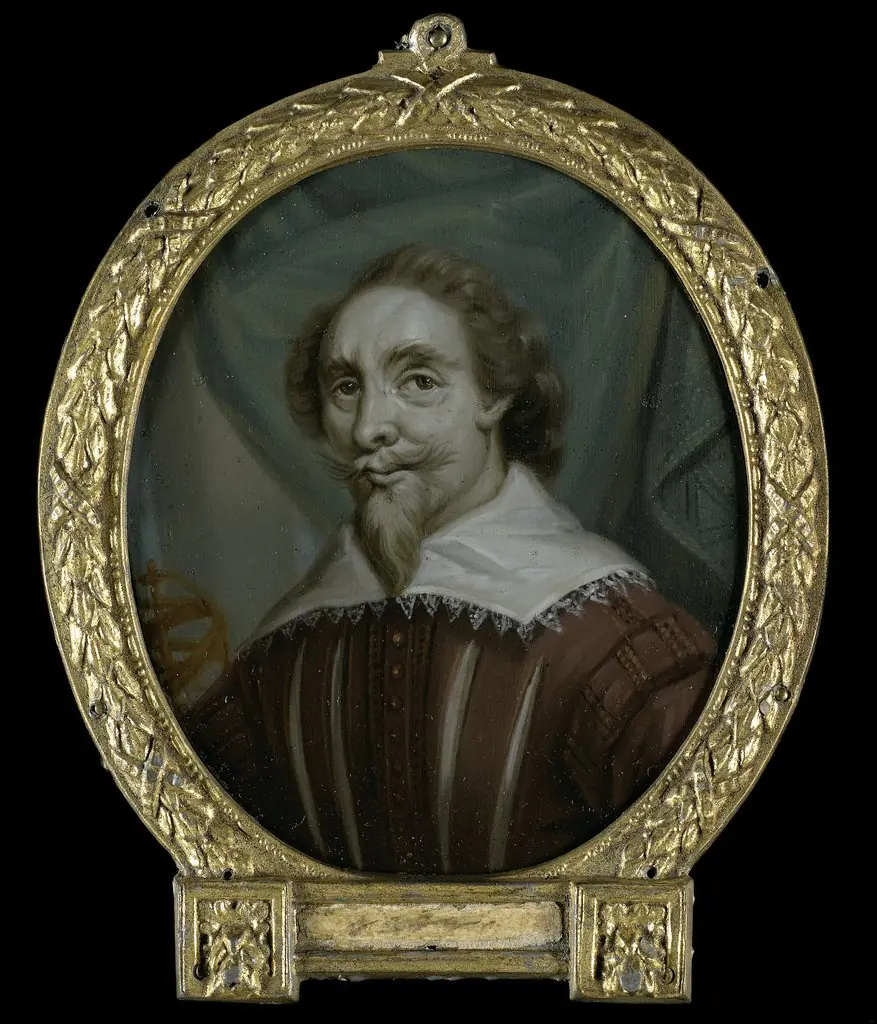 Portrait of Petrus Baard, Physician and Poet from Leeuwarden
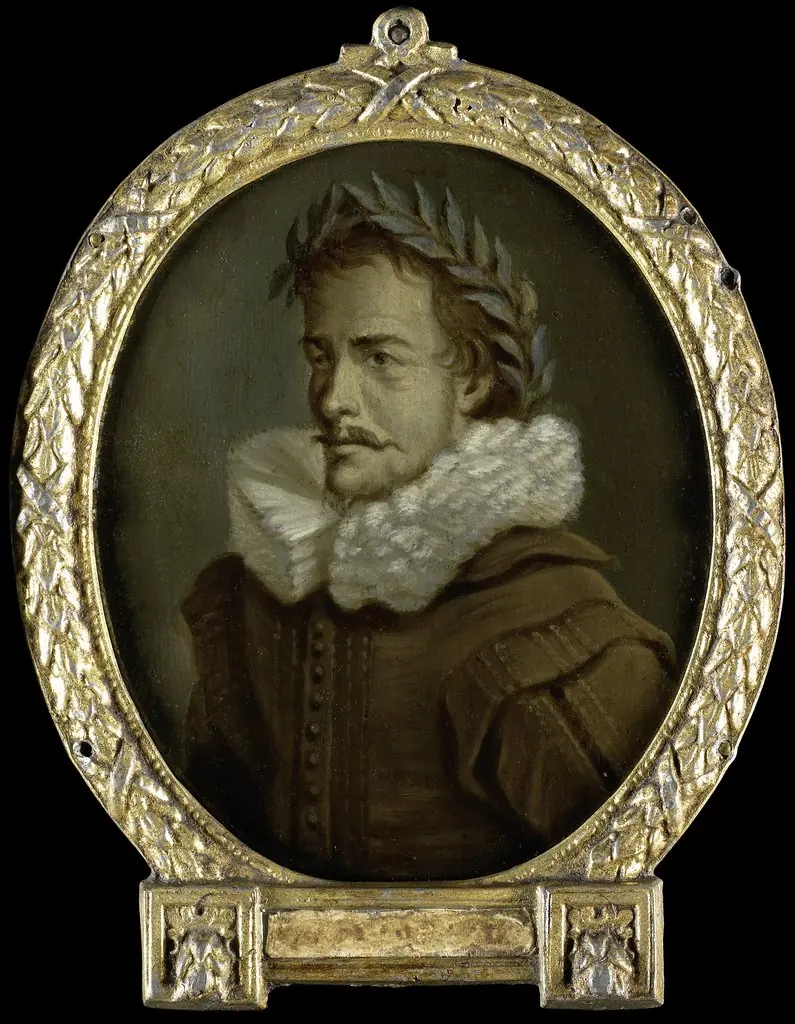 Portrait of Jan Jansz Starter (1594-1626)
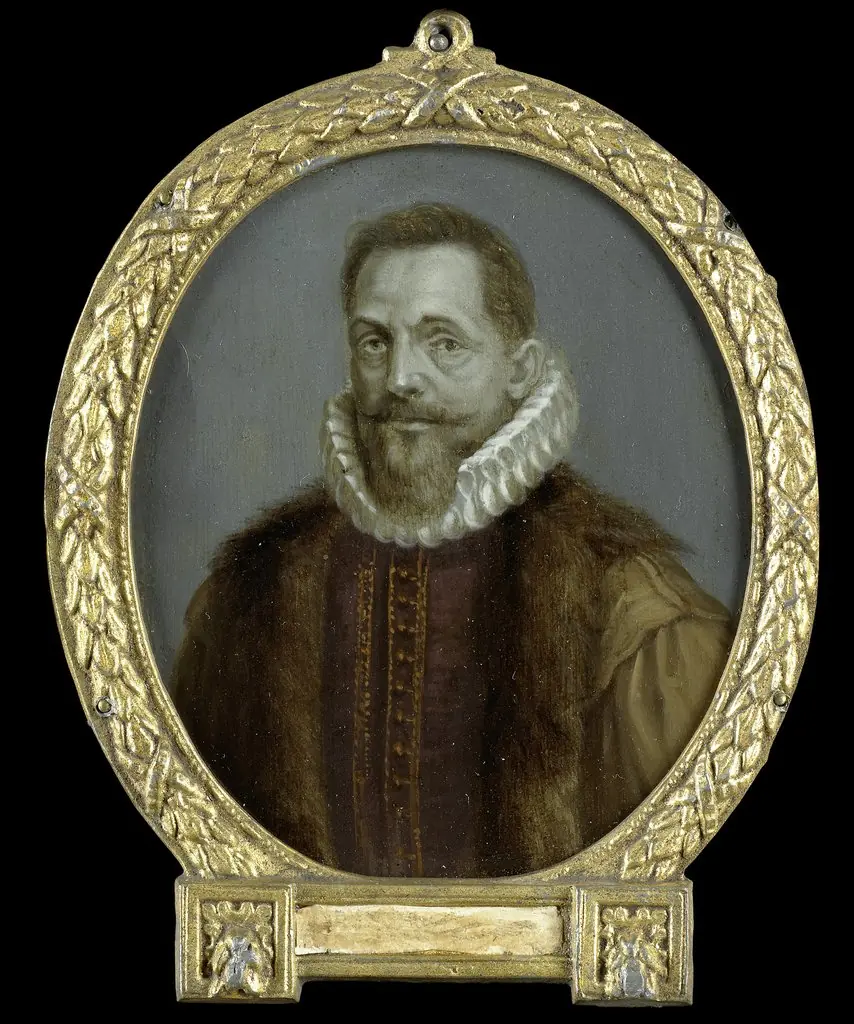 Portrait of Petrus Bertius, Professor at Leiden
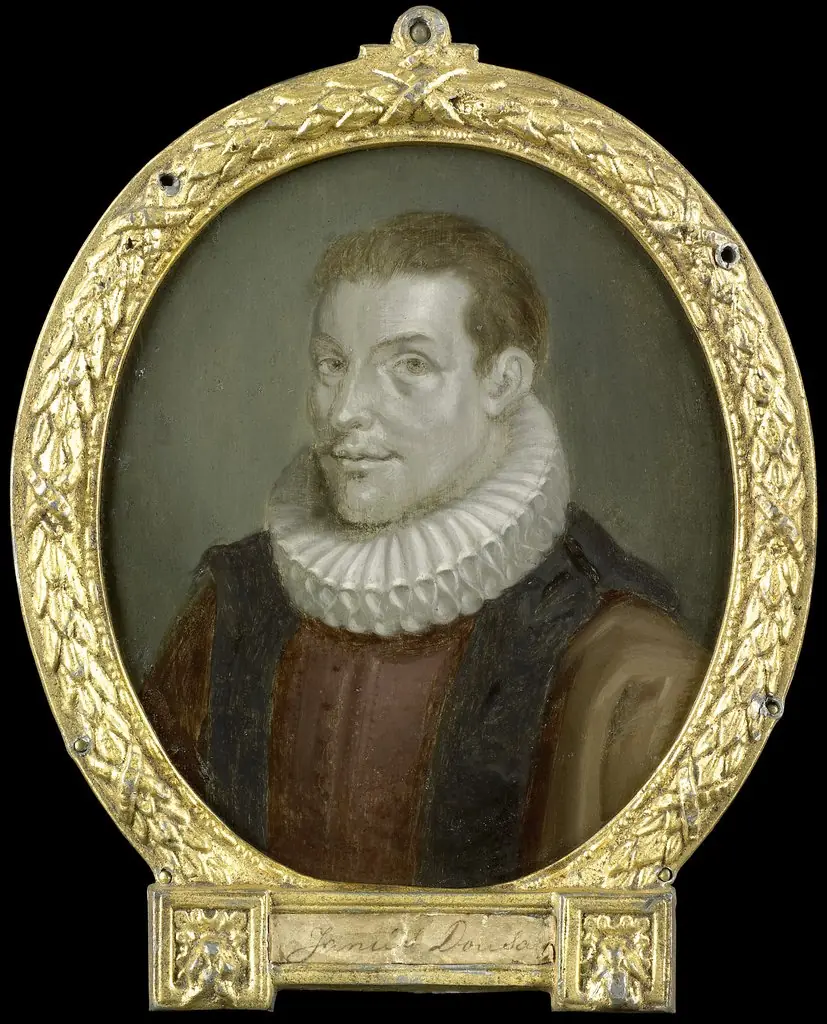 Portrait of Johan van der Does the Younger, Librarian in Leiden
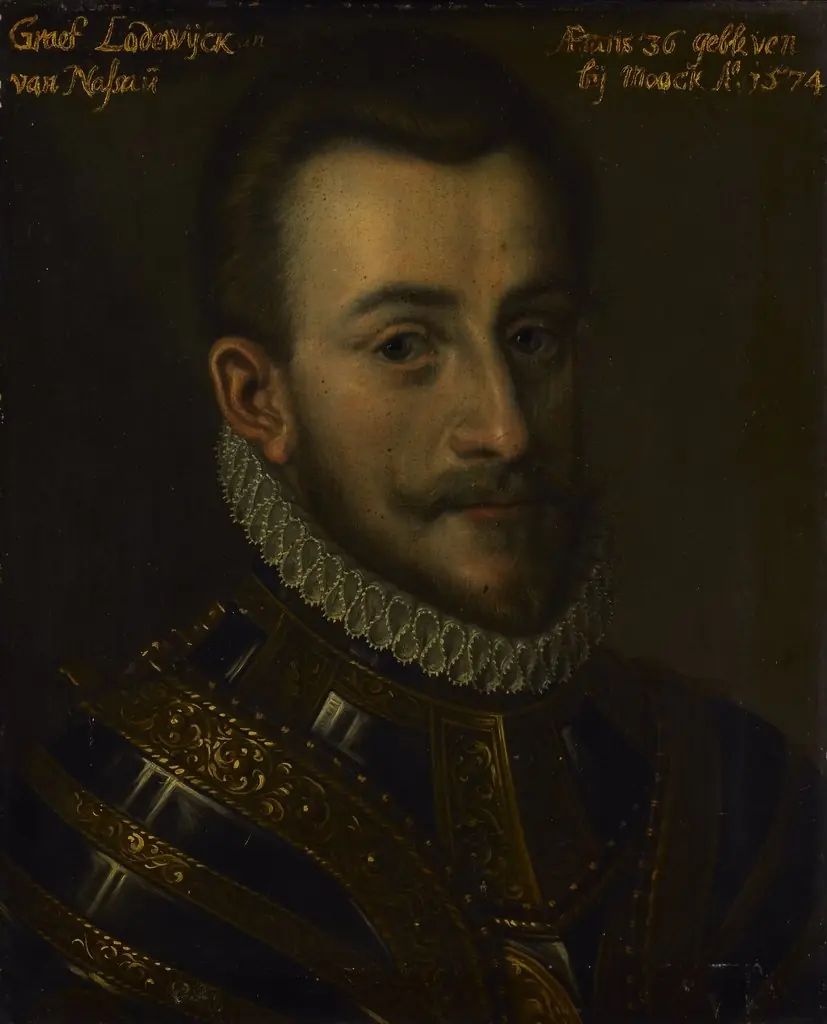 Portrait of Lodewijk (1538-74), Count of Nassau
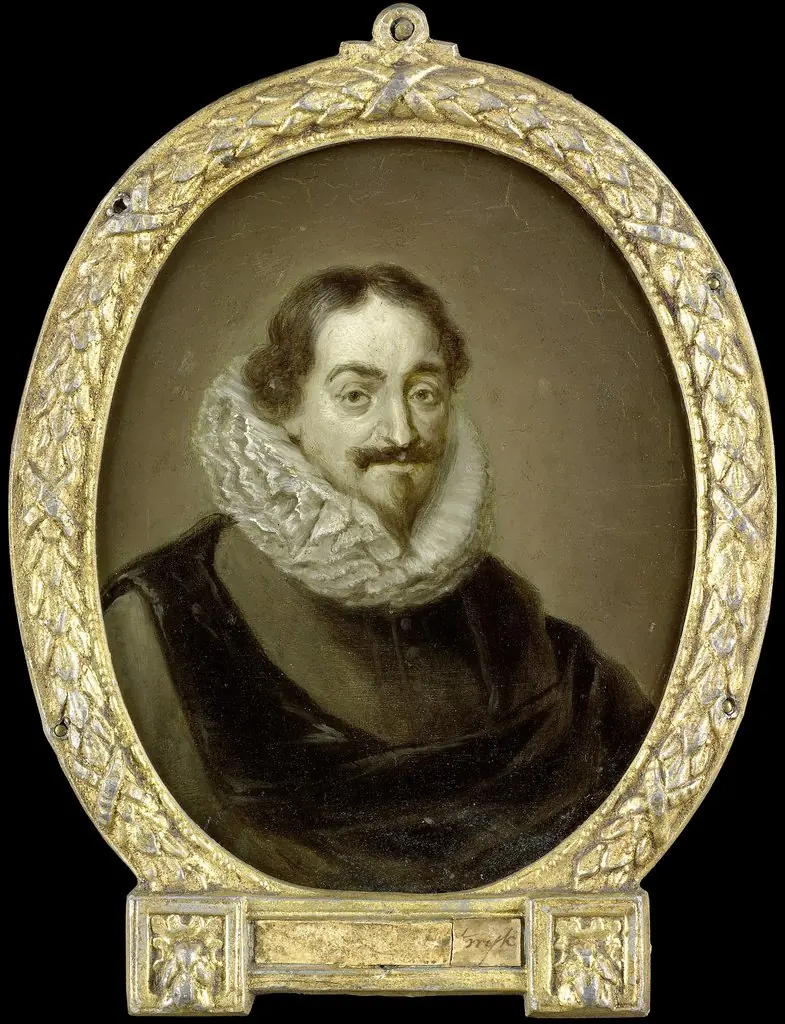 Portrait of Jacobus Schotte, Burgomaster of Middelburg
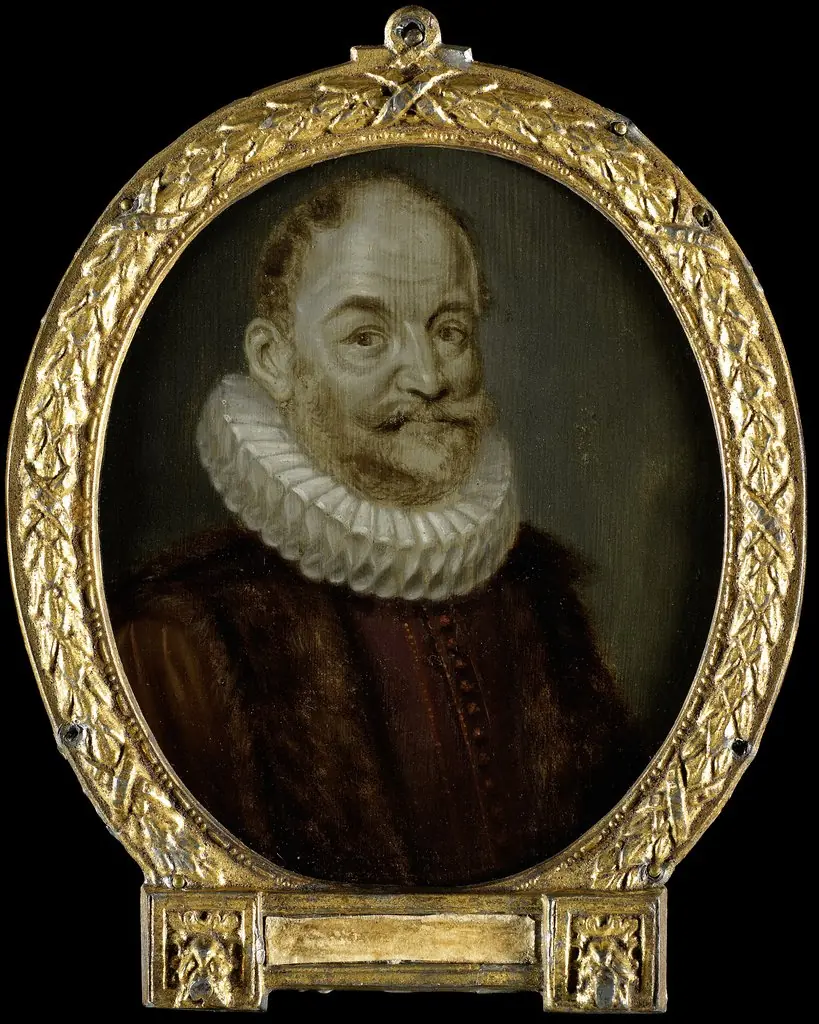 Portrait of Johannes Polyander à Kerckhoven, Professor of Theology in Leiden
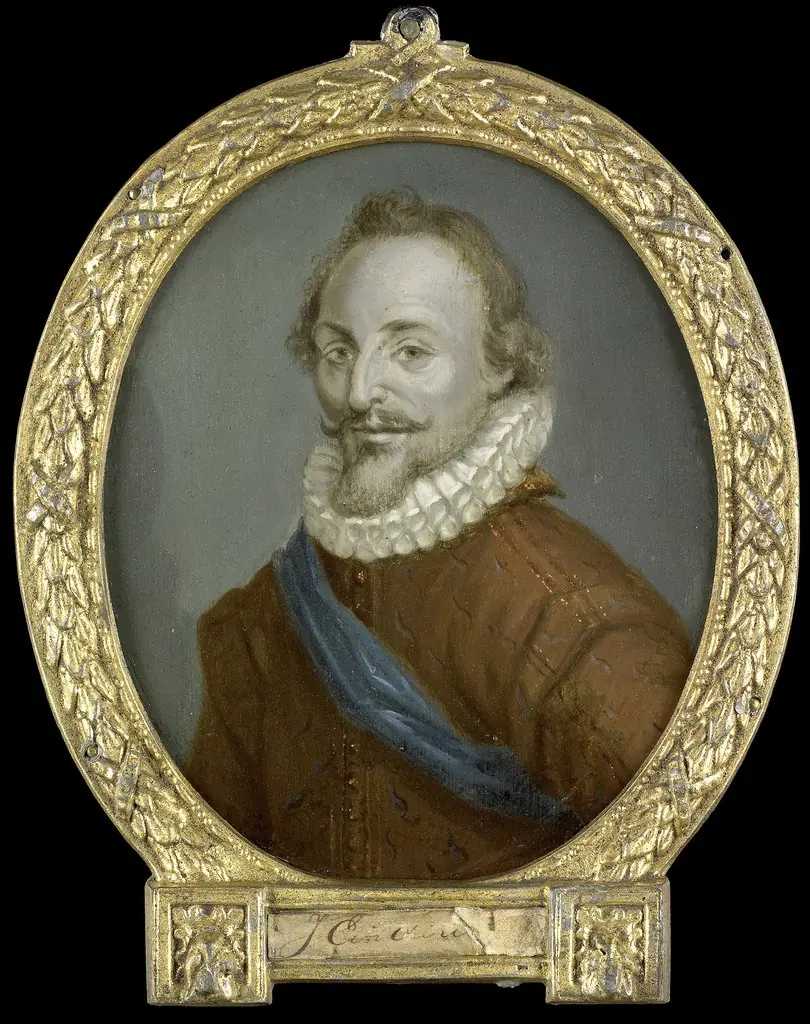 Portrait of Jacob van den Eynde, Governor of Woerden