Artwork
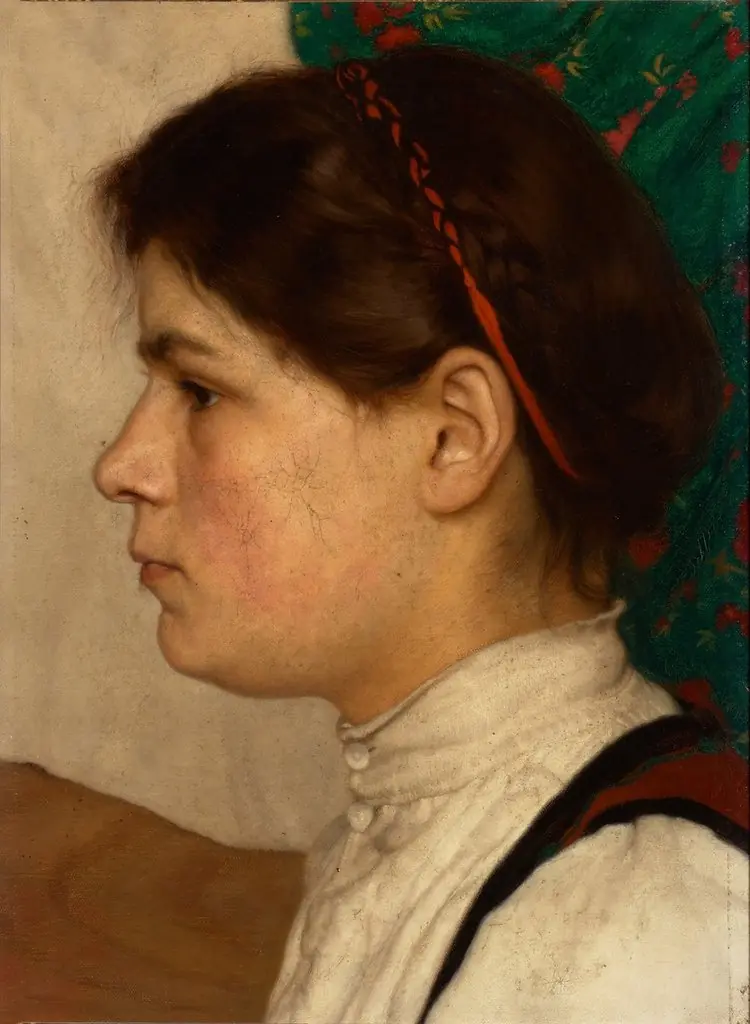
Portrait of a Woman
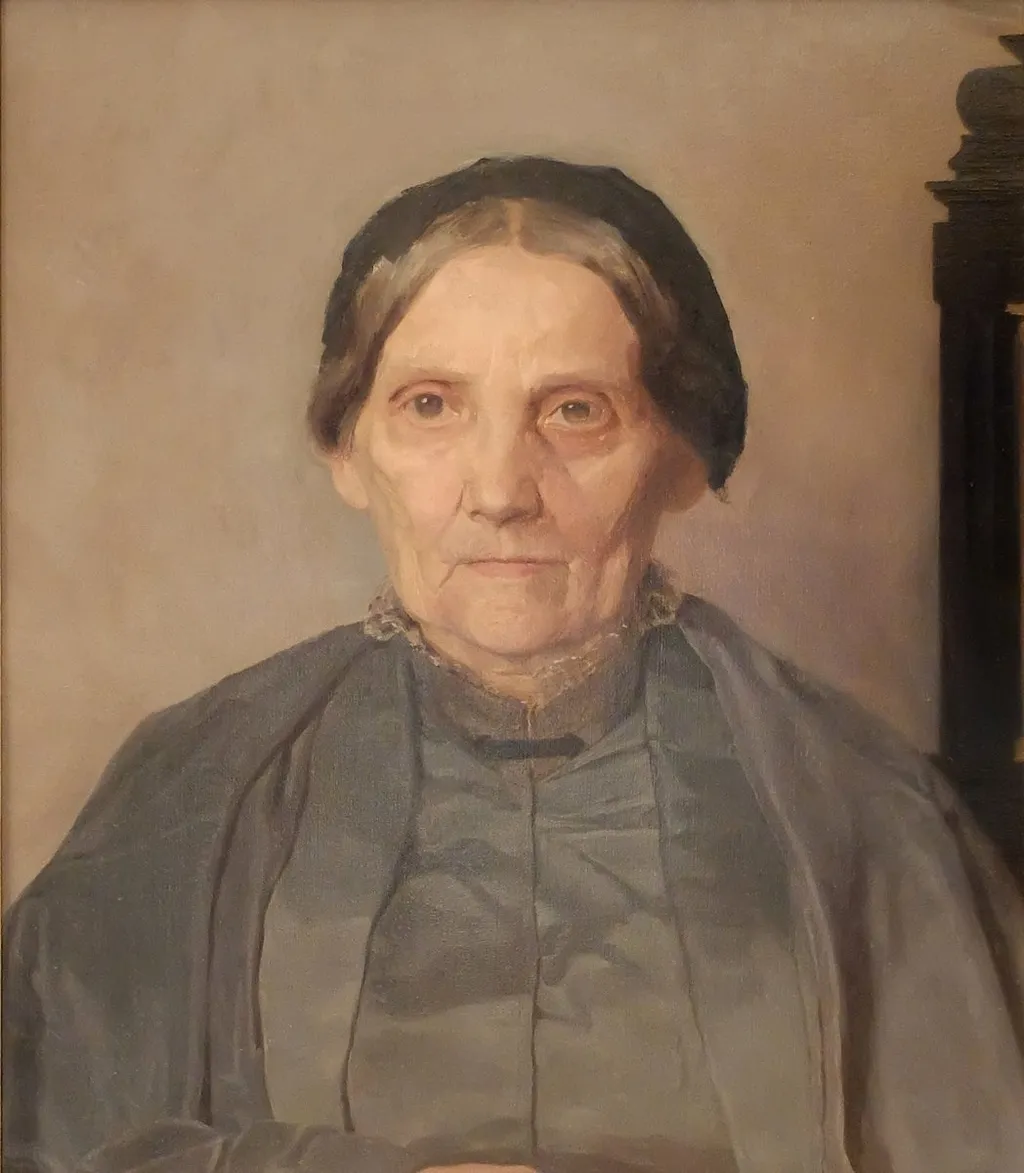
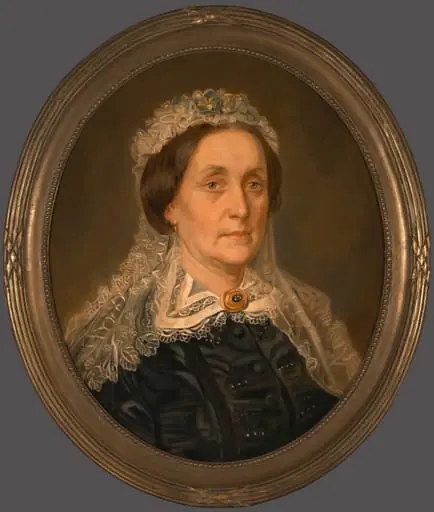
Portrait of a Woman is an oil painting by Arthur Coulin. It dates from 1900 and is held in the collection of the Hungarian National Gallery.
About this work
Overview
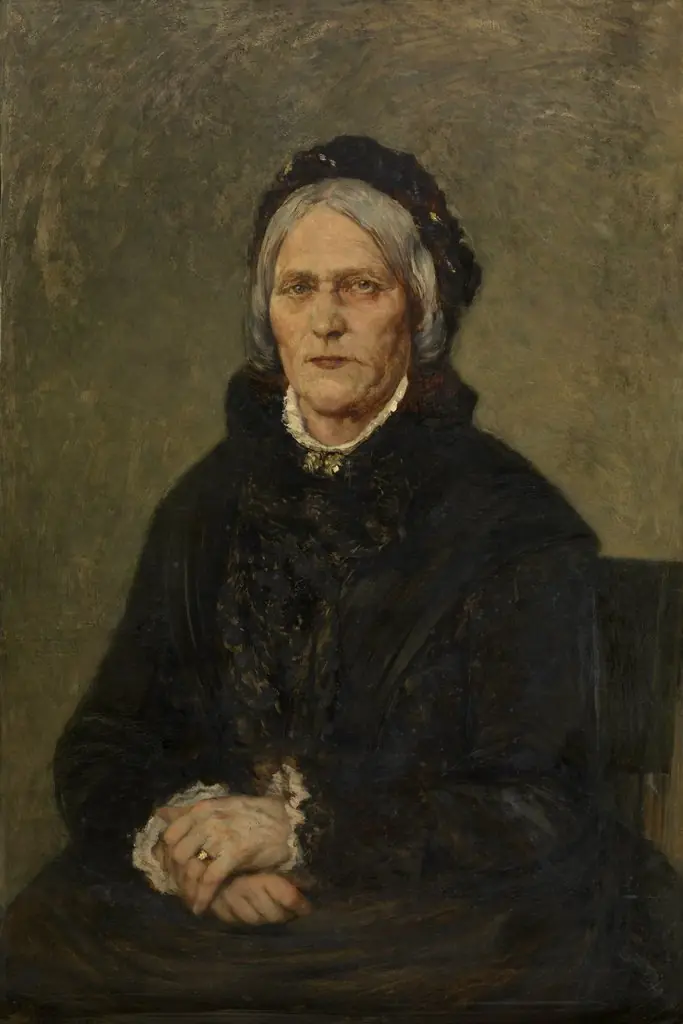
Painted around 1900, this oil portrait by Arthur Coulin depicts an elderly woman with quiet dignity. The work is part of the Hungarian National Gallery’s collection and exemplifies late 19th-century portraiture focused on psychological presence rather than ornamentation. The subject’s stillness and restrained attire suggest a life marked by gravity and introspection.
Subject & Meaning
The woman, dressed in dark, high-collared clothing and a head covering, conveys a sense of solemnity. Her direct gaze and unadorned expression invite contemplation without revealing personal narrative. The absence of symbolic objects or elaborate setting emphasizes her inner state, suggesting themes of endurance, solitude, or quiet resilience common in portraits of older women of the era.
Technique & Style
Coulin employed oil paint with a restrained palette and precise brushwork to render texture and form. The muted background isolates the figure, enhancing focus on her face and hands. Subtle shifts in tone model her features without dramatic lighting, resulting in a naturalistic yet emotionally restrained style that prioritizes authenticity over theatricality.
History & Provenance
The painting has been held by the Hungarian National Gallery since at least the early 20th century, though its acquisition details remain undocumented.
The painting has been held by the Hungarian National Gallery since at least the early 20th century, though its acquisition details remain undocumented. It was likely collected as part of broader efforts to preserve Hungarian artistic output, though Coulin, an Austrian-born painter active in the region, is not widely known. Its presence in the collection reflects institutional interest in regional portraiture.
Context
Created at the turn of the century, the portrait aligns with a European trend toward psychological realism in portraiture, moving away from aristocratic grandeur toward intimate, unidealized depictions. Coulin’s work reflects this shift, echoing contemporaries who sought to capture character through stillness and subtle expression rather than social status or embellishment.
Legacy
Though not widely exhibited or studied, the portrait endures as a quiet example of regional realism. Its preservation in a national collection underscores its value as a representative work of its time and place. It contributes to understanding how everyday individuals were rendered with dignity in an era of rapid social change.
Artist & collection

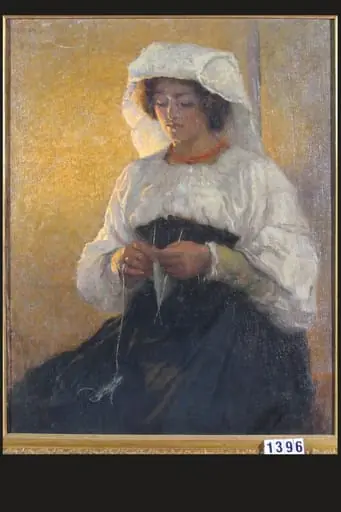
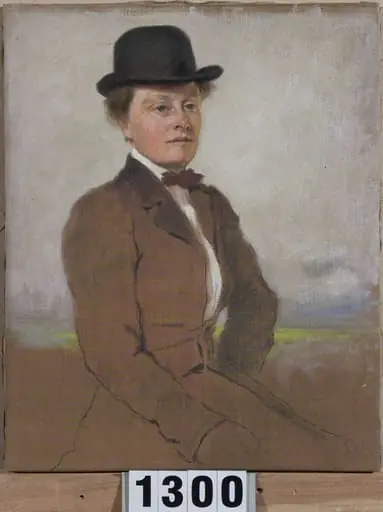
 Madame Van Camp, the Artist's Mother
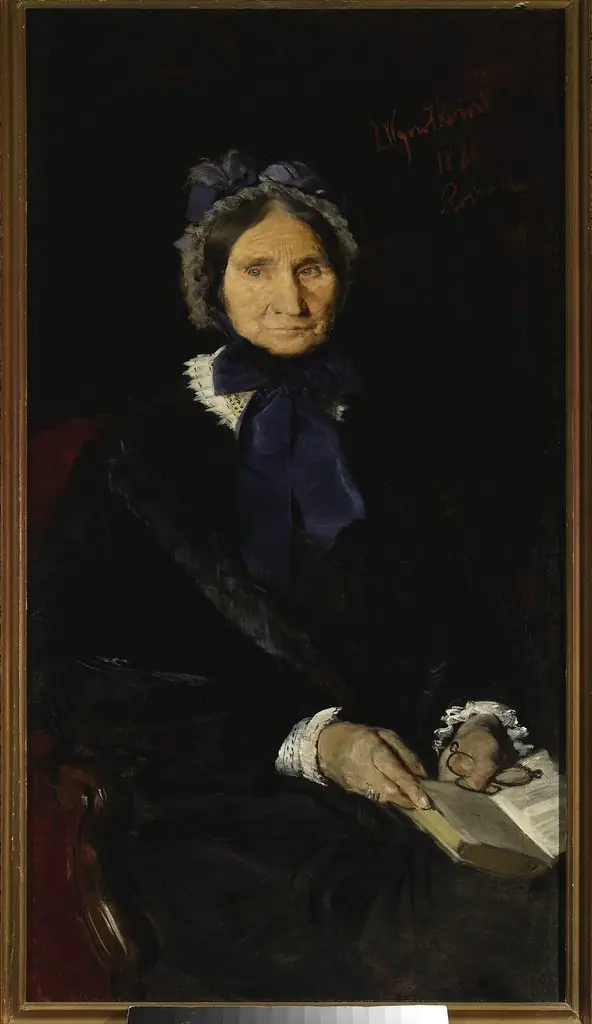 Portrait of Mrs. Falińska, artist's grandmother
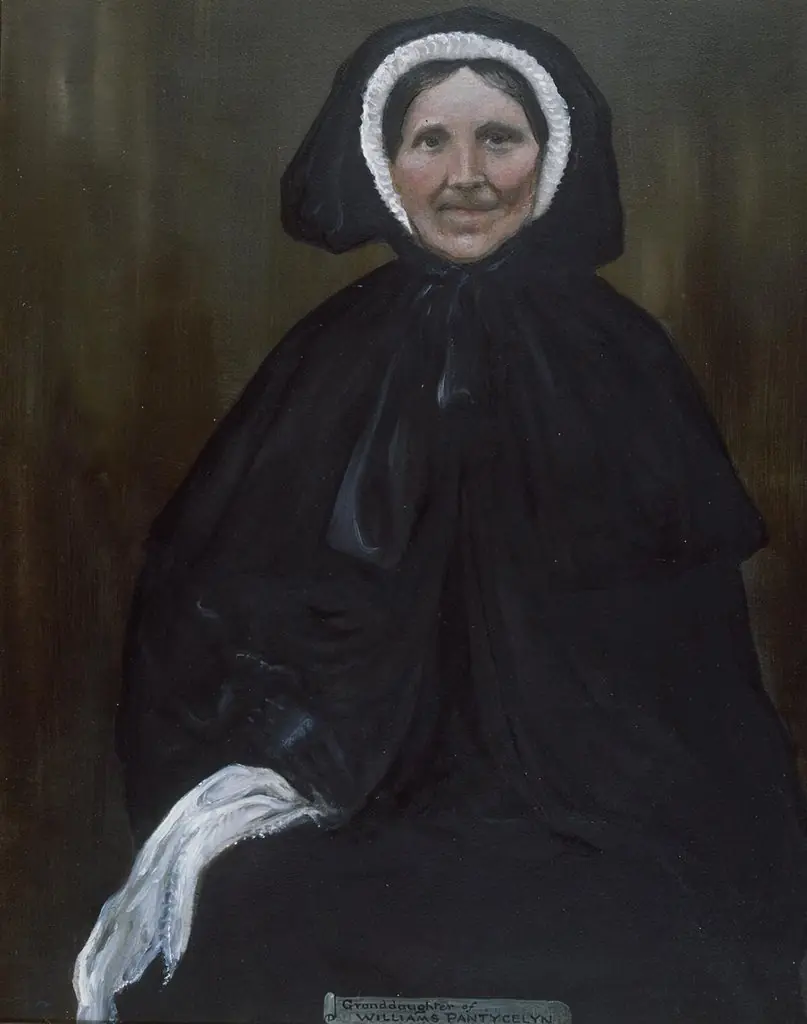 Mary Griffiths of Llandovery
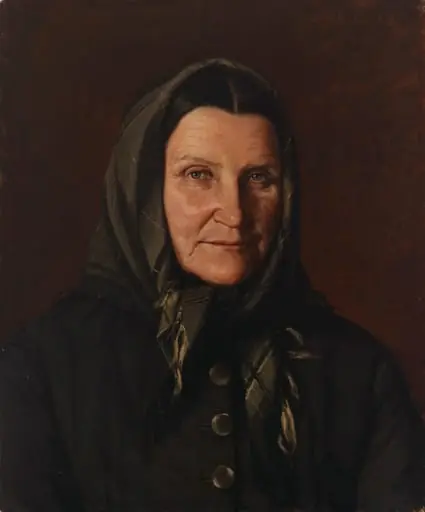 Naisen muotokuva
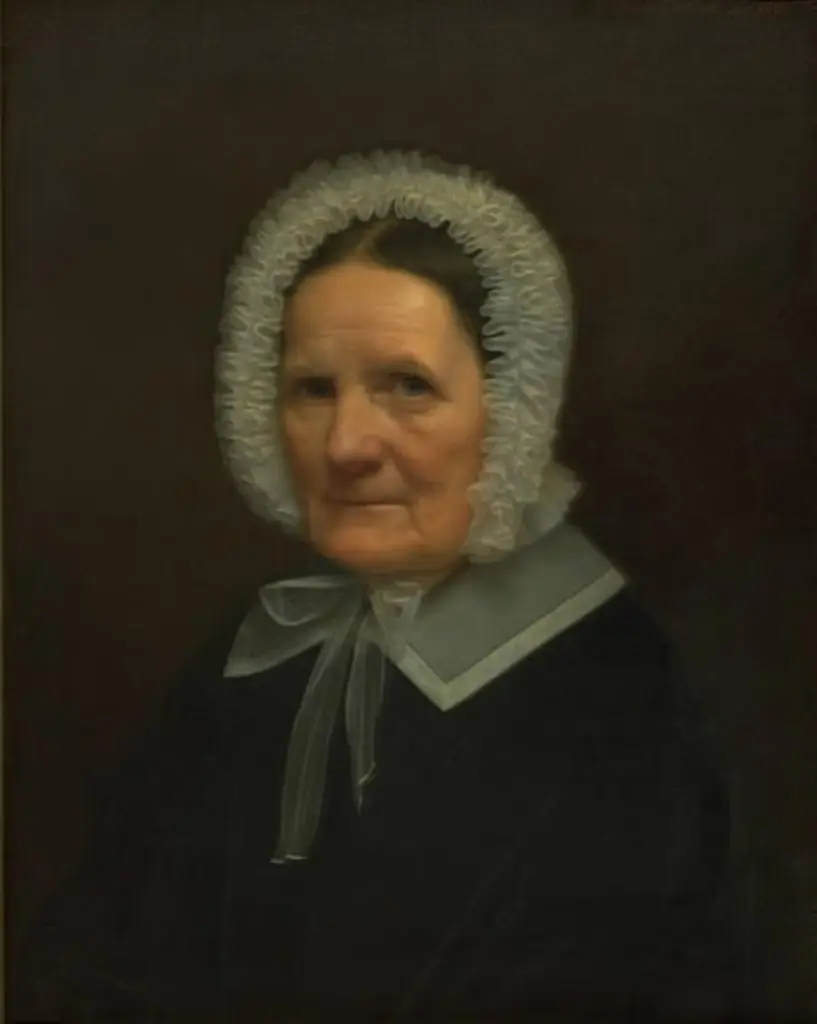 Johanne Marie Gertner, f. Lassen, kunstnerens moder
 Johanne Marie Gertner, f. Lassen, kunstnerens moder
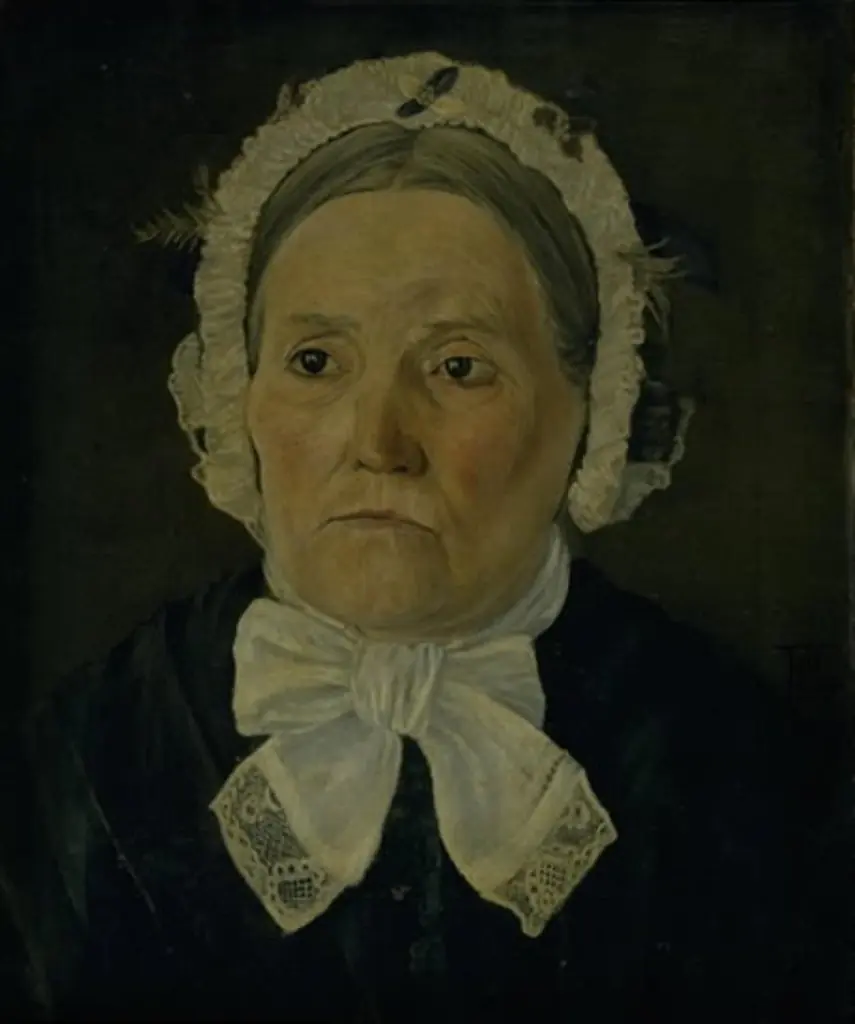 Maren Kirstine Poulsen, f. Johansdatter, kunstnerens moder
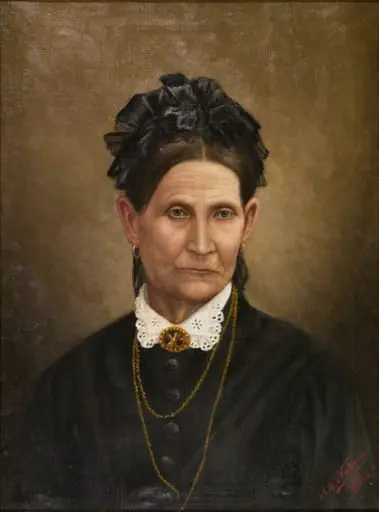 Carolina Holmberg, o.s. Wallenius (1814 - 1881)
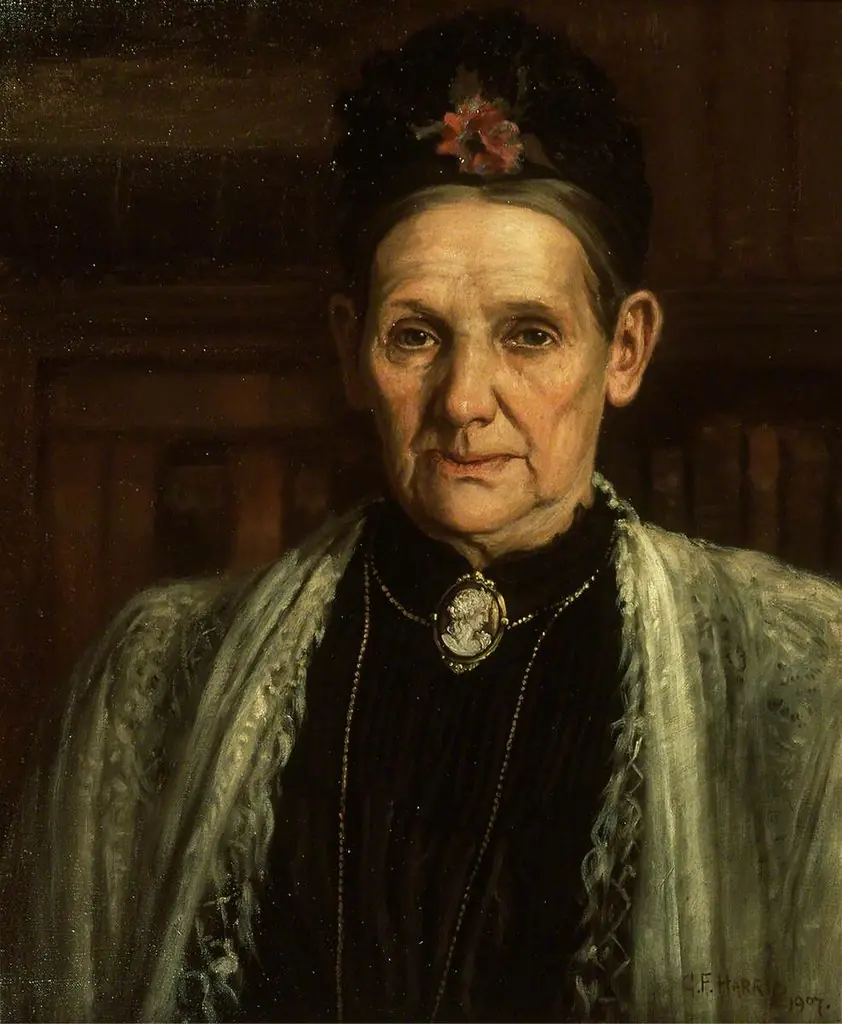 The Mother of Rosina Davies
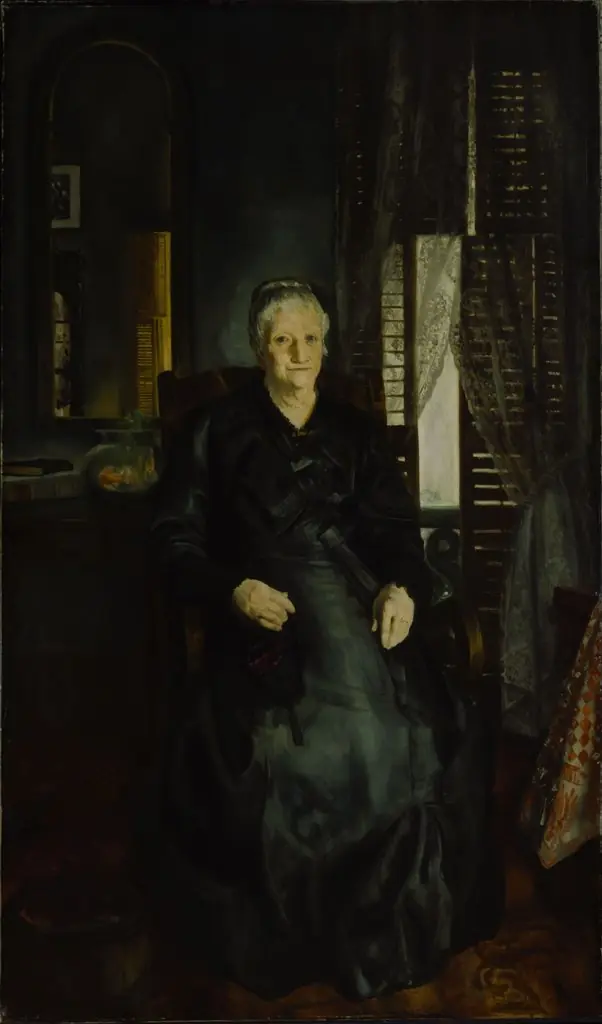 My Mother
 Cecilia Lindroos (os. Meyer) vanhana.
 Portrait of an unknown lady