Artwork
Cigana
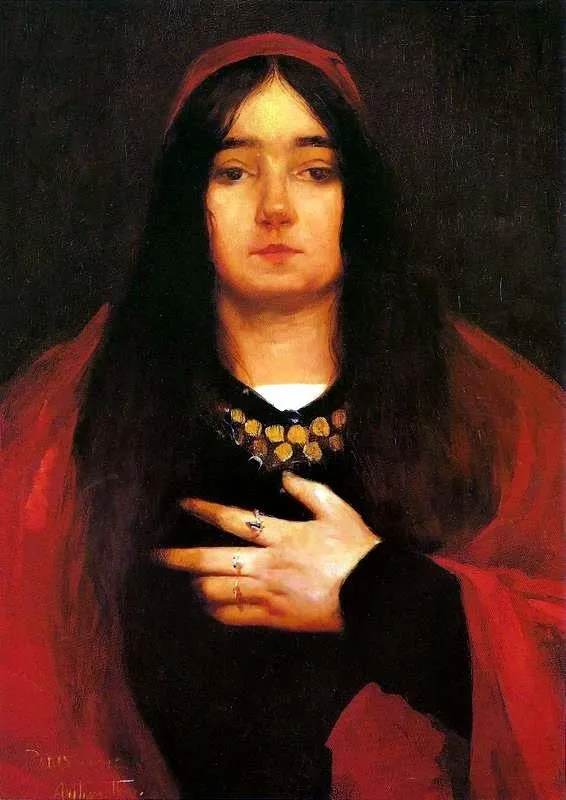
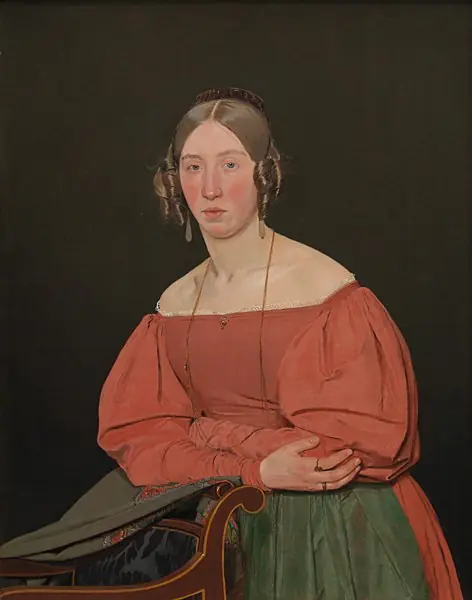
Cigana is an oil painting by the Post-Impressionist artist Artur Timóteo da Costa. It dates from 1910 and is held in the collection of the Pinacoteca de São Paulo.
About this work
Overview
The work resides in the Pinacoteca do Estado de São Paulo, where it is recognized for its restrained palette and quiet intensity.
Painted in 1910 by Artur Timóteo da Costa, 'Cigana' is an oil portrait of a woman whose identity remains unrecorded. The work resides in the Pinacoteca do Estado de São Paulo, where it is recognized for its restrained palette and quiet intensity. The subject’s direct gaze and composed posture suggest an inner stillness, anchoring the piece in a tradition of psychological portraiture rather than narrative storytelling.
Subject & Meaning
The woman depicted wears a red headscarf and cloak, a black shirt, and a gold necklace—elements that evoke cultural associations without specifying a particular origin. Her right hand rests over her chest, a gesture that conveys introspection or quiet resilience. The absence of contextual details invites interpretation rooted in emotion rather than biography, emphasizing dignity and solitude over external identity.
Technique & Style
Da Costa employs thick, deliberate brushwork to define the folds of the cloak and the texture of the scarf, while the face is rendered with softer transitions. The dark, unmodeled background isolates the figure, heightening focus on her form and expression. Color is used sparingly: the red and gold stand out against muted tones, creating a subtle chromatic tension that reinforces the painting’s somber tone.
History & Provenance
The painting entered the Pinacoteca do Estado de São Paulo’s collection in the early 20th century, likely acquired during a period of institutional expansion focused on Brazilian artists. Its provenance before that is undocumented. Unlike many works of the era, it was not exhibited widely or reproduced in major publications, contributing to its quiet presence in the museum’s holdings.
Context
Created during a time when Brazilian art was increasingly turning toward national themes, 'Cigana' reflects a shift from idealized academic portraiture toward more intimate, individualized subjects. Though not overtly political, its depiction of a marginalized figure aligns with broader cultural efforts to recognize diverse identities within the nation’s social fabric.
Legacy
While not widely known outside Brazil, 'Cigana' remains a significant example of early 20th-century Brazilian realism. Its understated power has influenced later artists interested in psychological depth over spectacle. The painting endures as a quiet testament to the dignity of ordinary lives, preserved through careful observation rather than dramatic flourish.
Artist & collection
Artist
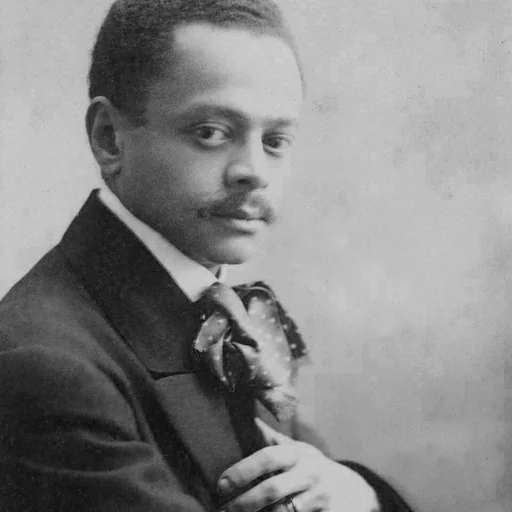
Artur Timóteo da Costa (1882–1923) was an artist, born in Rio de Janeiro.

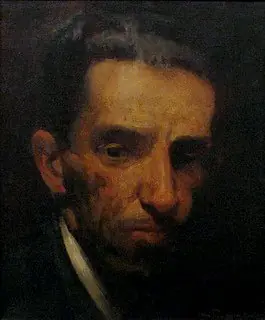
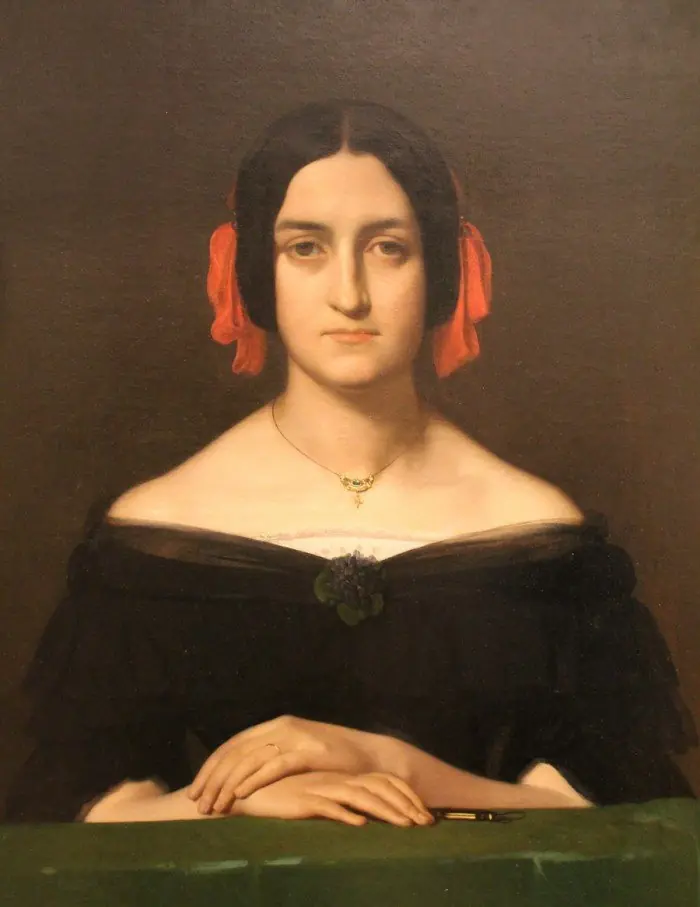 Portrait de Madame Oudiné
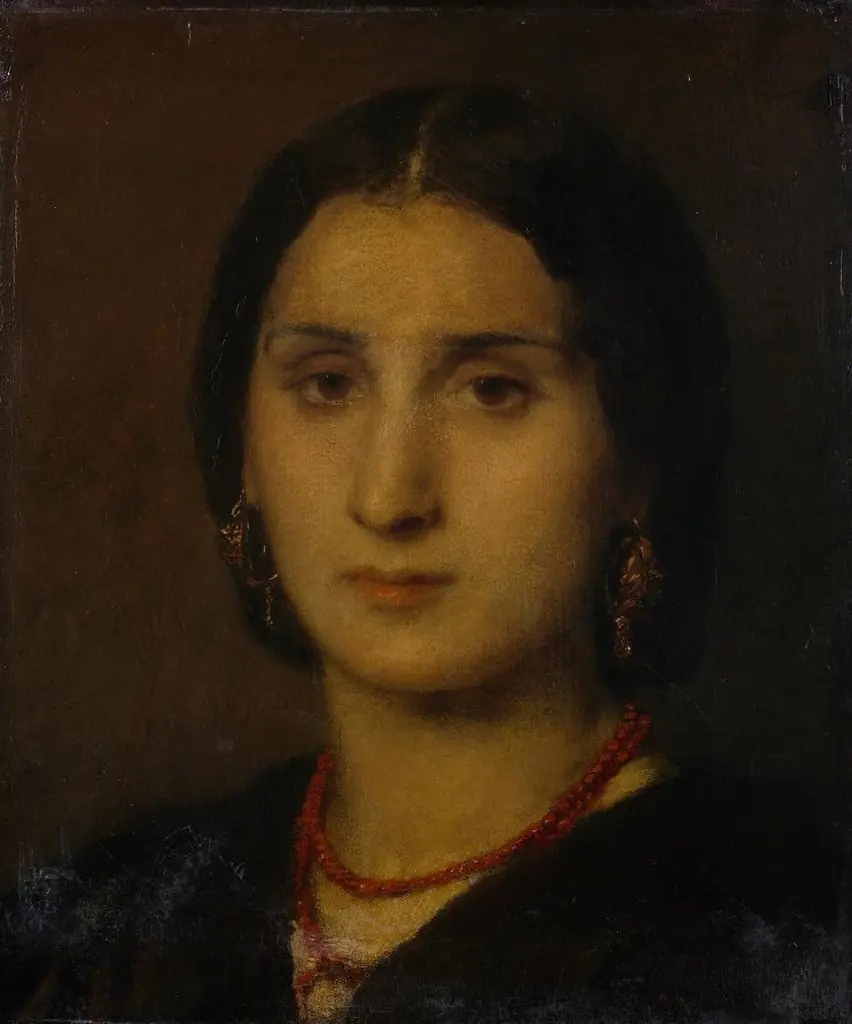 Römerin
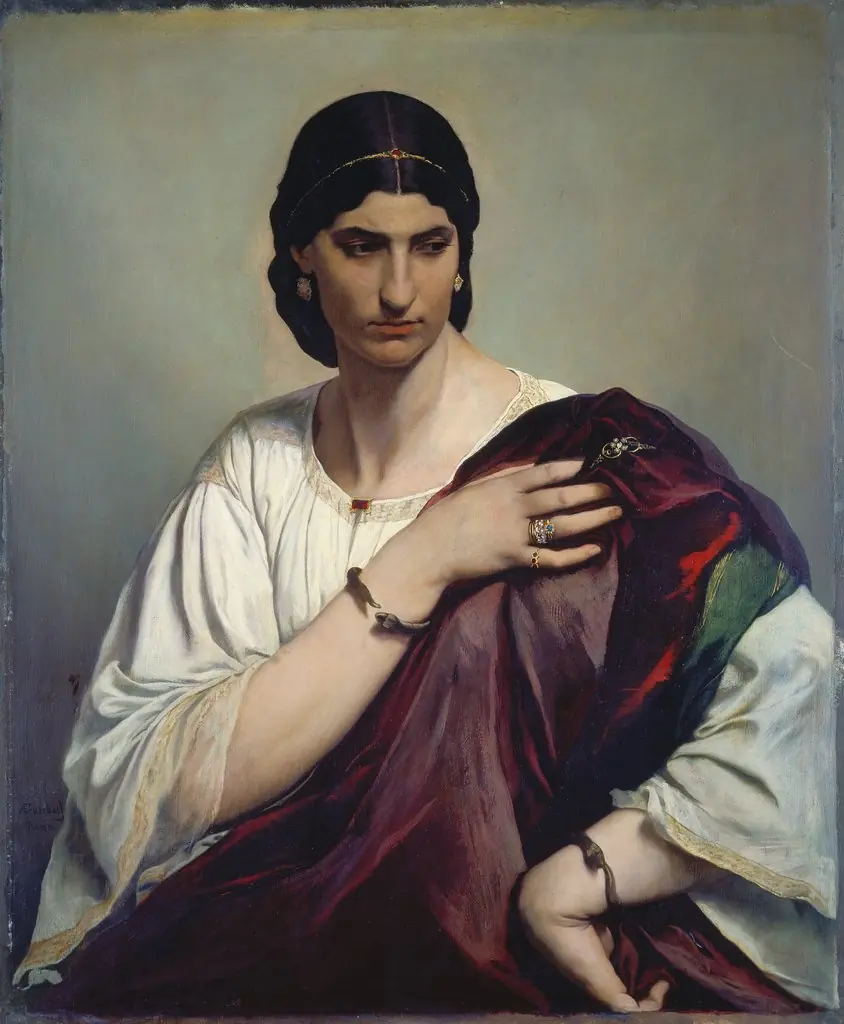 Lucrezia Borgia; Portrait of a Roman woman in white tunic and red robe
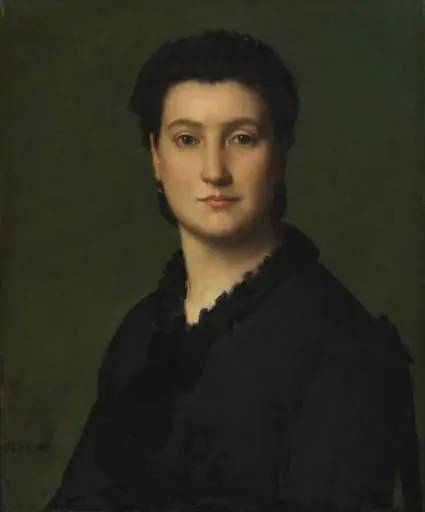 Portrait of a Woman
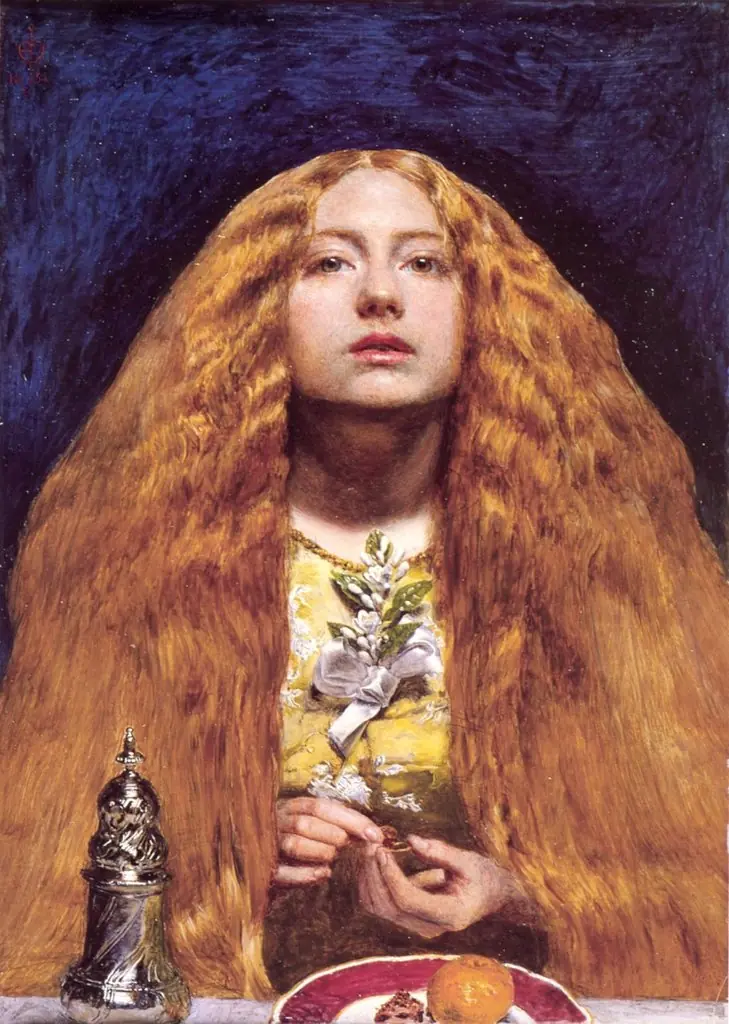 The Bridesmaid
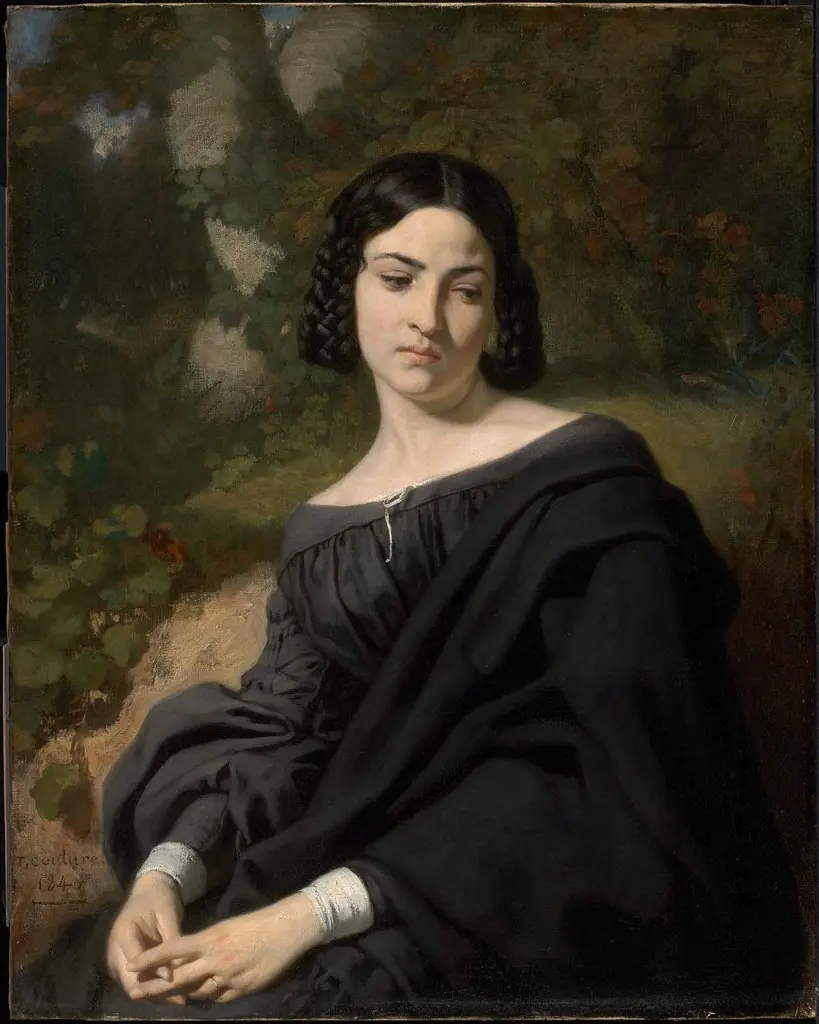 A Widow
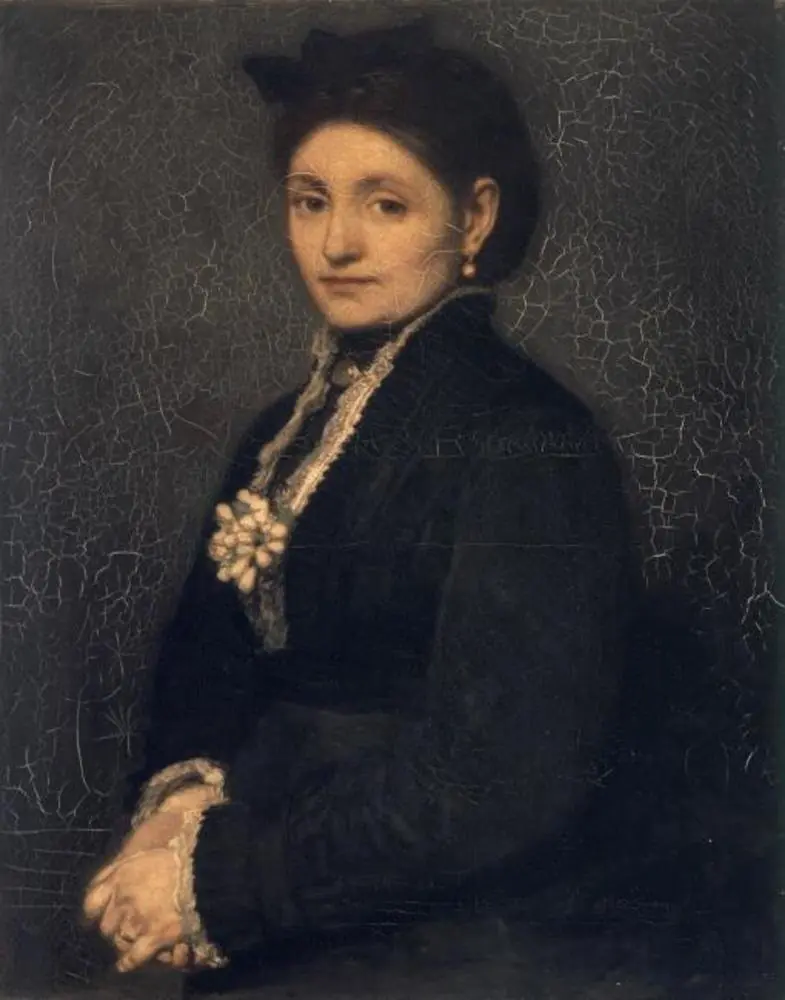 Portrait of Hendrika Troussard-Maris, sister of the painter
 Portrait of Margaretha Mertha (Merthen), the Wife of Heinrich Pilgram
 Portrait of a Roman Lady (La Nanna)
 Coeur Meurtri
 Little Rose of Lyme Regis
 Portrait of the Artist´s Sister, Cecilie Margrethe Petersen, née Købke