Artwork
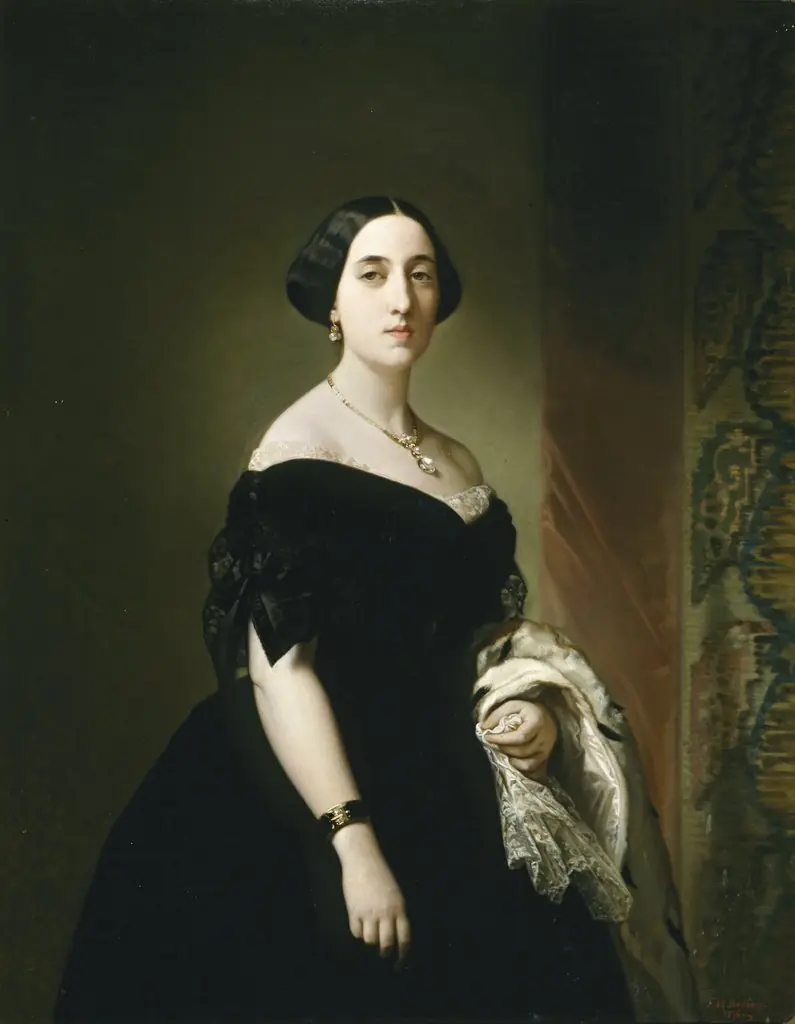
Portrait de Madame Oudiné
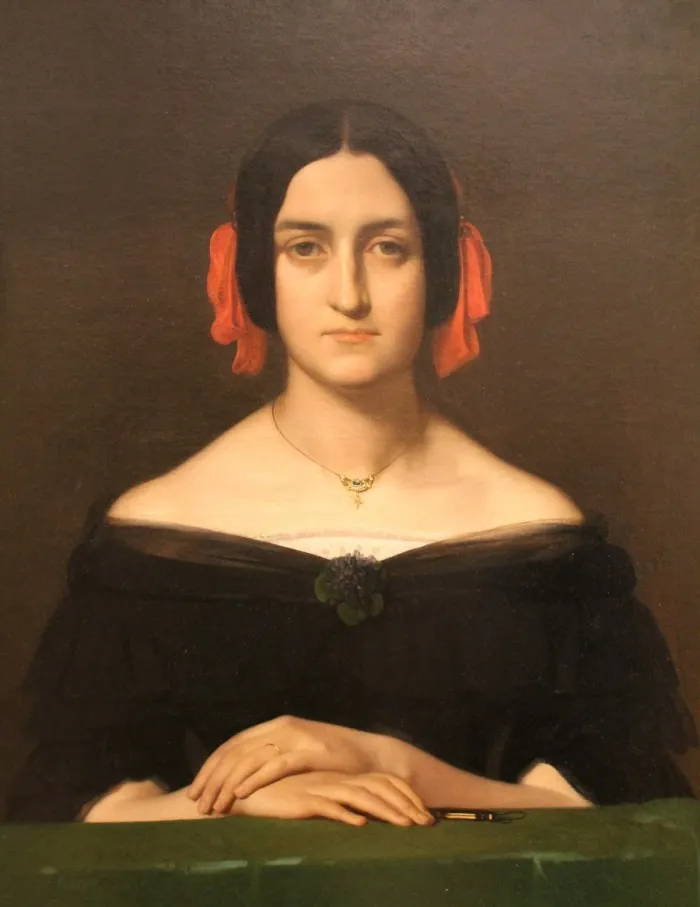
Portrait de Madame Oudiné is an oil painting by the French Classical Baroque artist Hippolyte Flandrin. It dates from 1840 and is held in the collection of the Museum of Fine Arts of Lyon.
About this work
Overview
Created in 1840, the portrait of Madame Oudiné is an oil painting on canvas by French artist Hippolyte Flandrin. The work measures a typical mid‑19th‑century size and depicts the sitter in a restrained, formal pose. It is part of the collection of the Musée des Beaux‑Arts de Lyon, where it is displayed among other works of the period.
Subject & Meaning
The canvas presents Madame Oudiné, whose identity is known only through the title. The composition emphasizes her presence through a calm demeanor and modest attire, reflecting the conventions of bourgeois portraiture in early‑Victorian France. The painting conveys a sense of personal dignity without overt symbolism, focusing on the sitter’s individuality.
Technique & Style
Flandrin employed a smooth, academic technique characteristic of his training under Ingres. The oil medium allows for subtle modeling of flesh and delicate rendering of fabrics, while the restrained palette underscores the sitter’s modesty. The brushwork is refined, with careful attention to light falling on the face, creating a quiet, realistic effect.
History & Provenance
After its completion in 1840, the portrait entered private ownership before being acquired by the Musée des Beaux‑Arts de Lyon, where it remains. The museum’s acquisition reflects its interest in representing regional artists of the 19th century, and the work has been included in several exhibitions exploring French academic portraiture.
Artist & collection
Artist
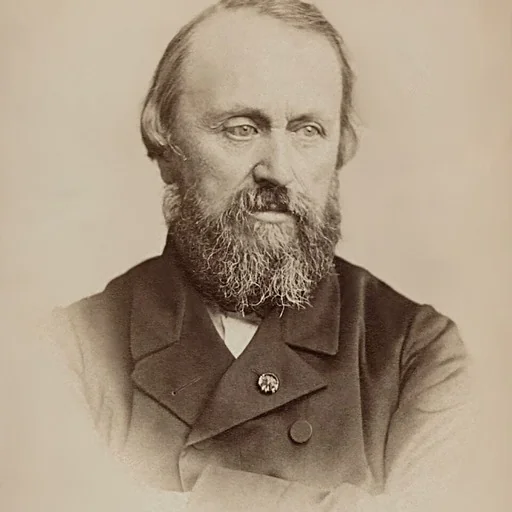
Jean-Hippolyte Flandrin (23 March 1809 – 21 March 1864) was a French Neoclassical painter. His most celebrated work, Jeune Homme Nu Assis au Bord de la Mer (1836) is held in the Louvre.

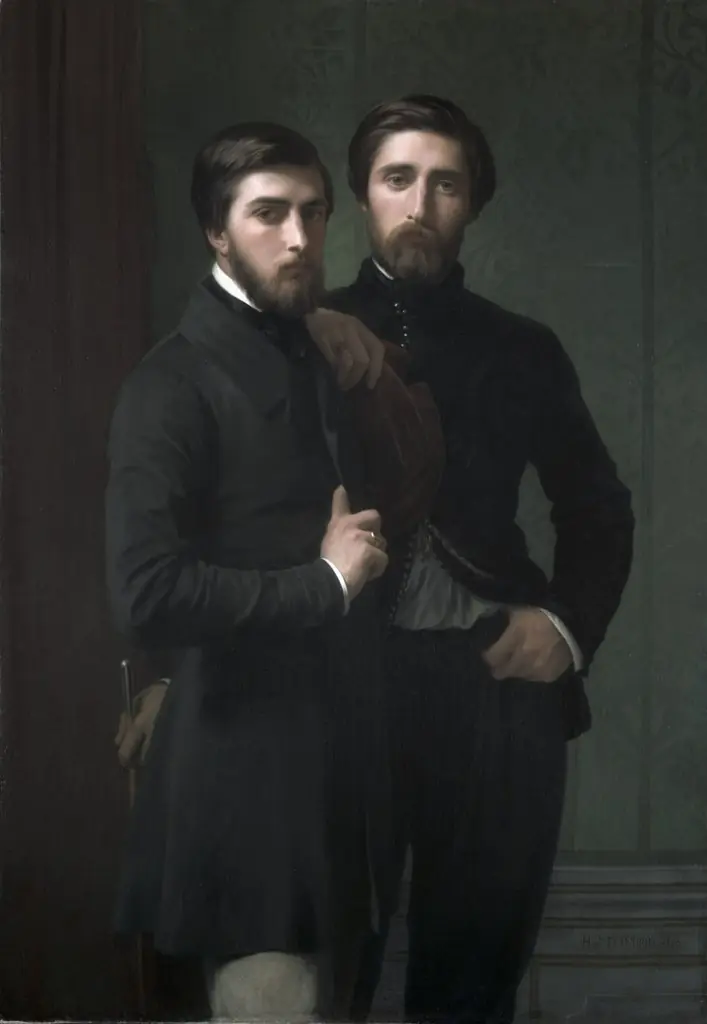 René-Charles Dassy and His Brother Jean-Baptiste-Claude-Amédé Dassy
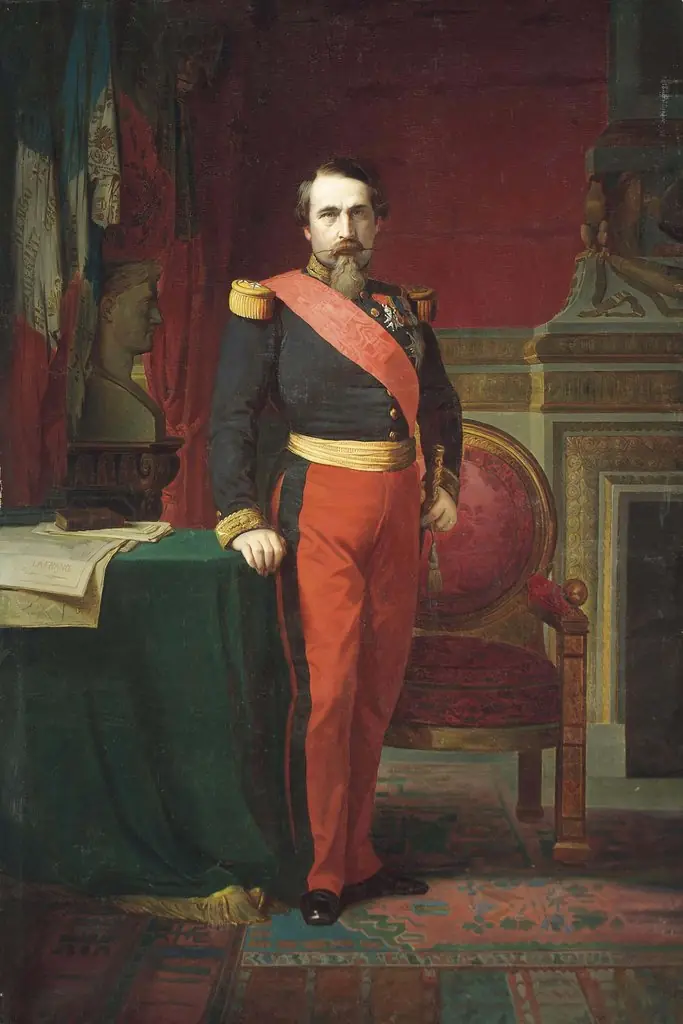 Portrait of Napoleon III
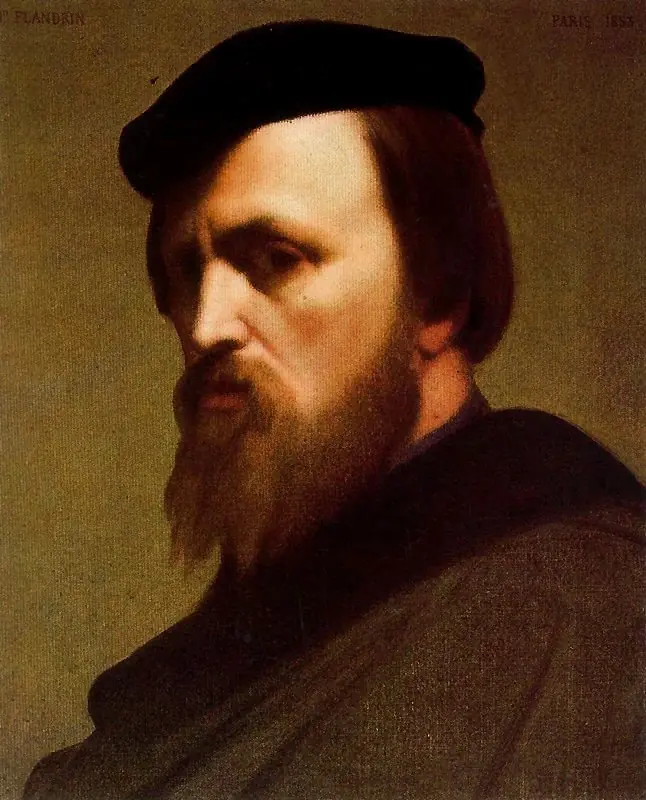 Self-portrait
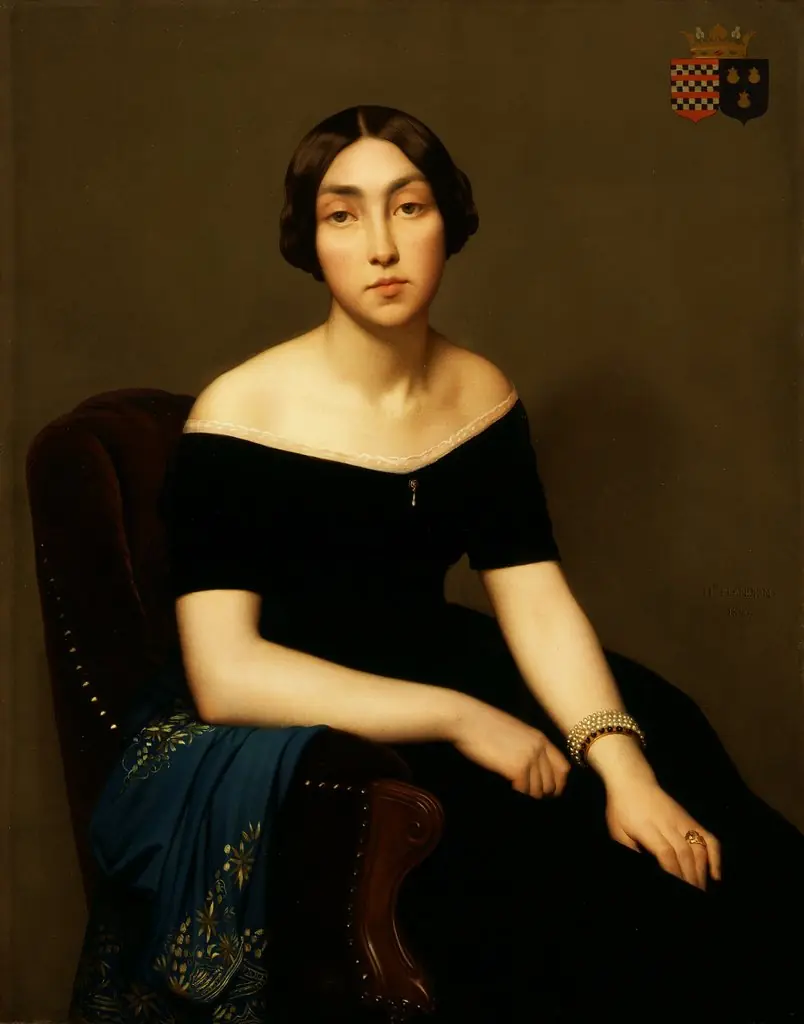 Madame Louis Antoine de Cambourg
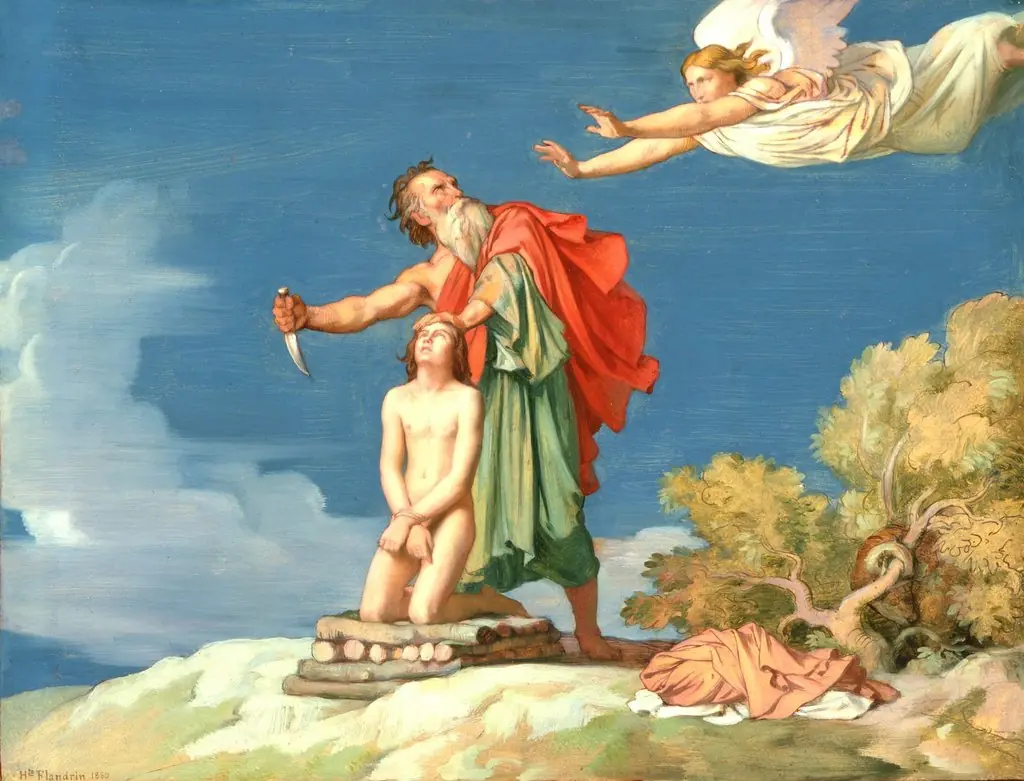 The Sacrifice of Isaac
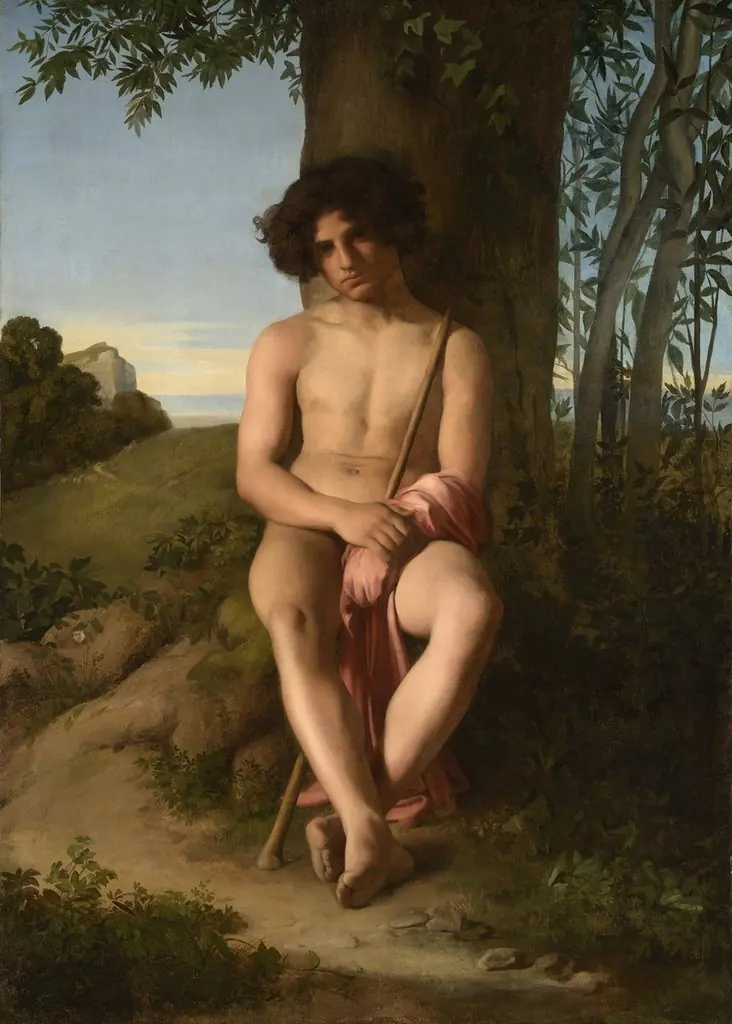 Seated Young Shepherd
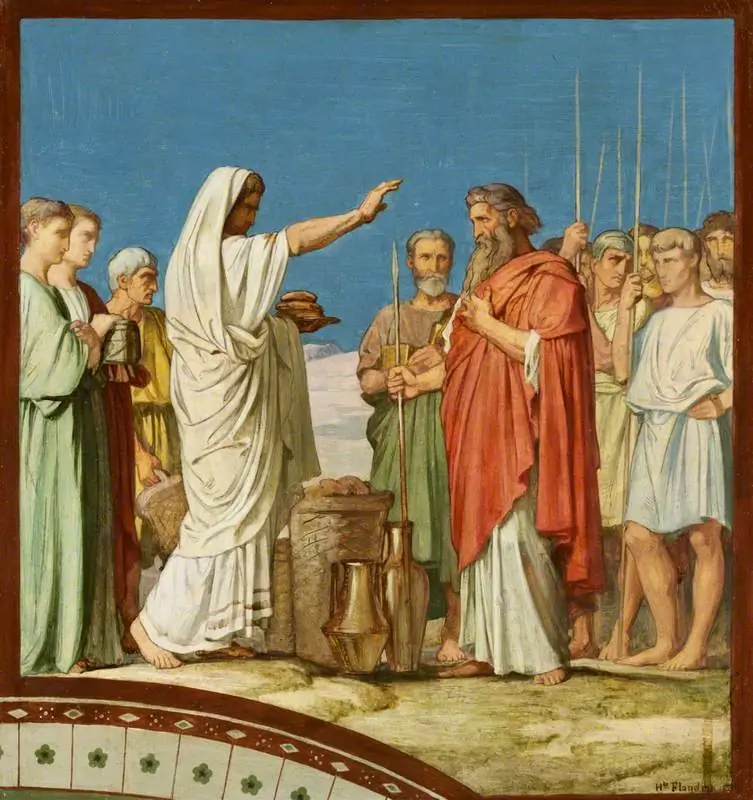 Melchisédech offrant du pain et du vin, bénit Abraham: Modello for the Fresco in the left nave of Saint-Germain-des-Prés, Paris, 1859 (Melchizedek Blesses Abraham and Offers Bread and Wine)
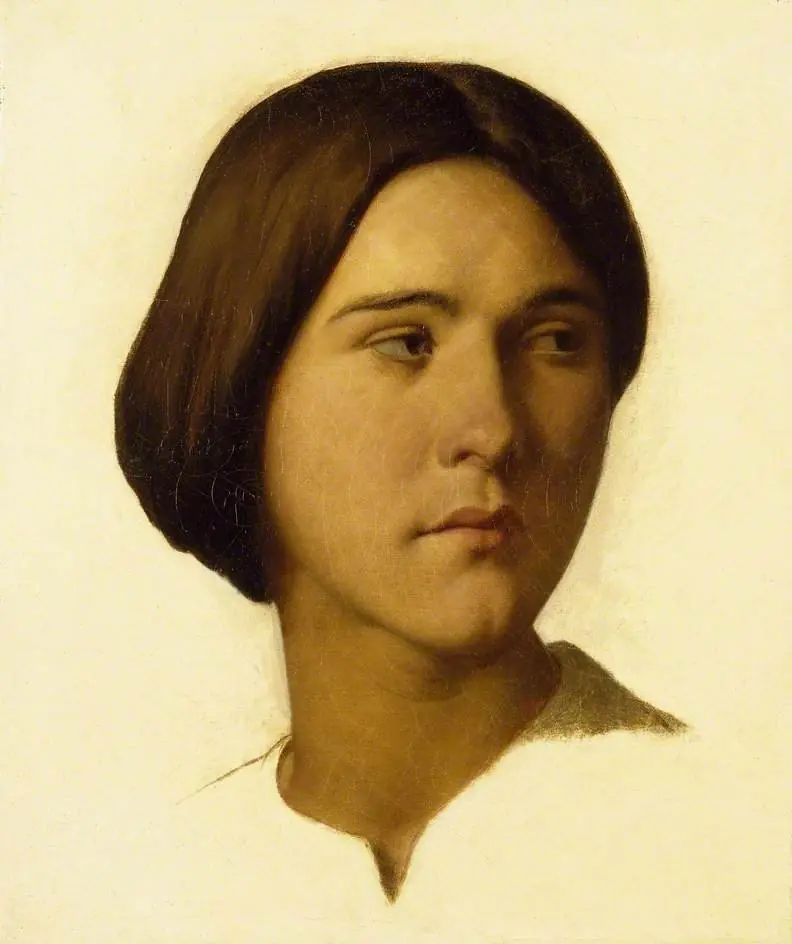 Head of a young Woman
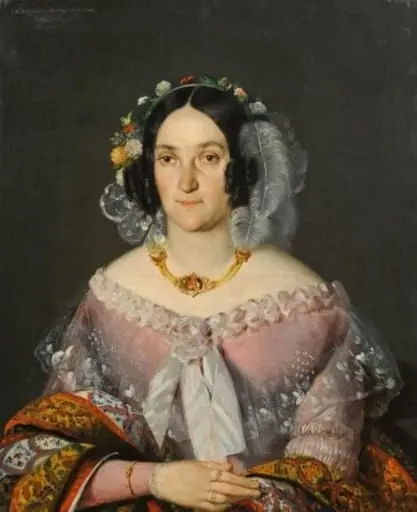 Vorniceasa Maria Burada
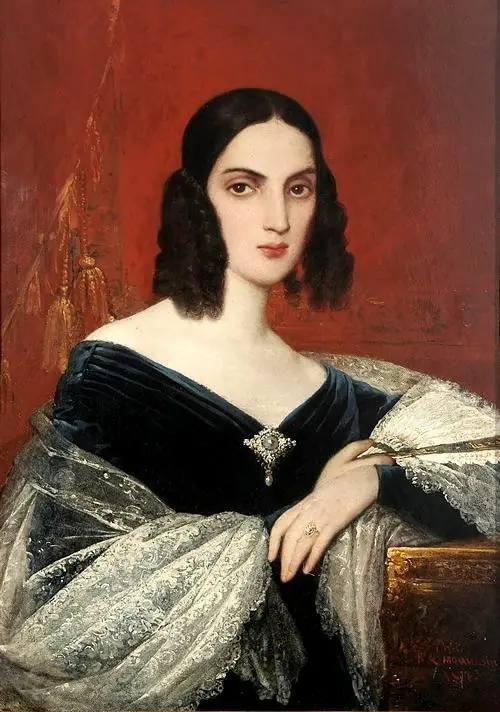 Doña Carmen Alcalde y Velasco de Cazotte
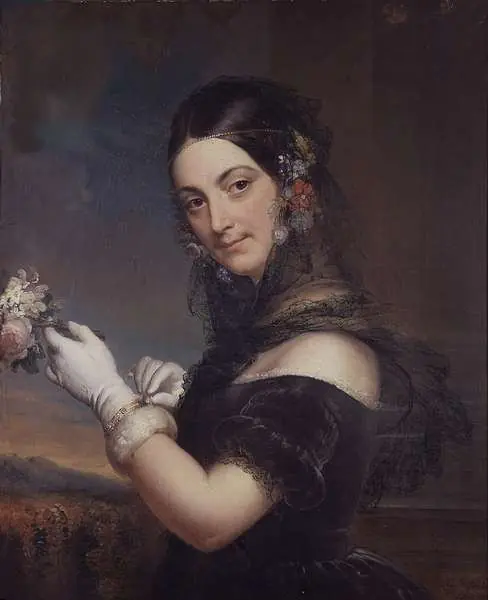 Portrait of Elena Viganò
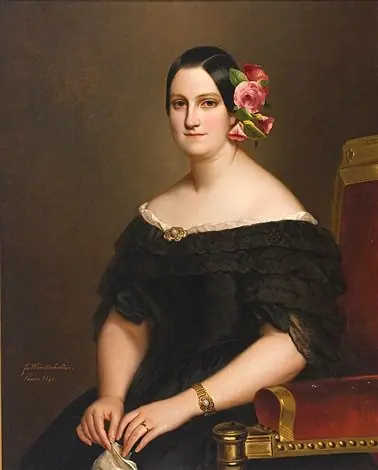 Maria Christina of the Two Sicilies (1806-1878), Spanish queen-consort
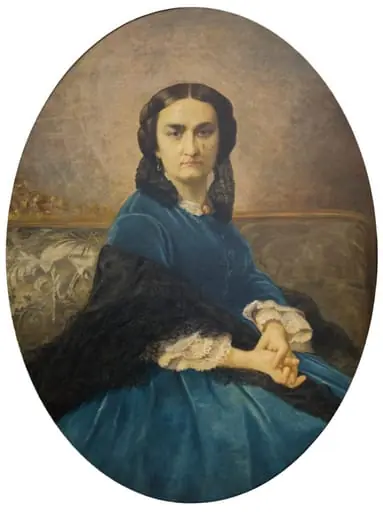 Portretul Mariei Davila
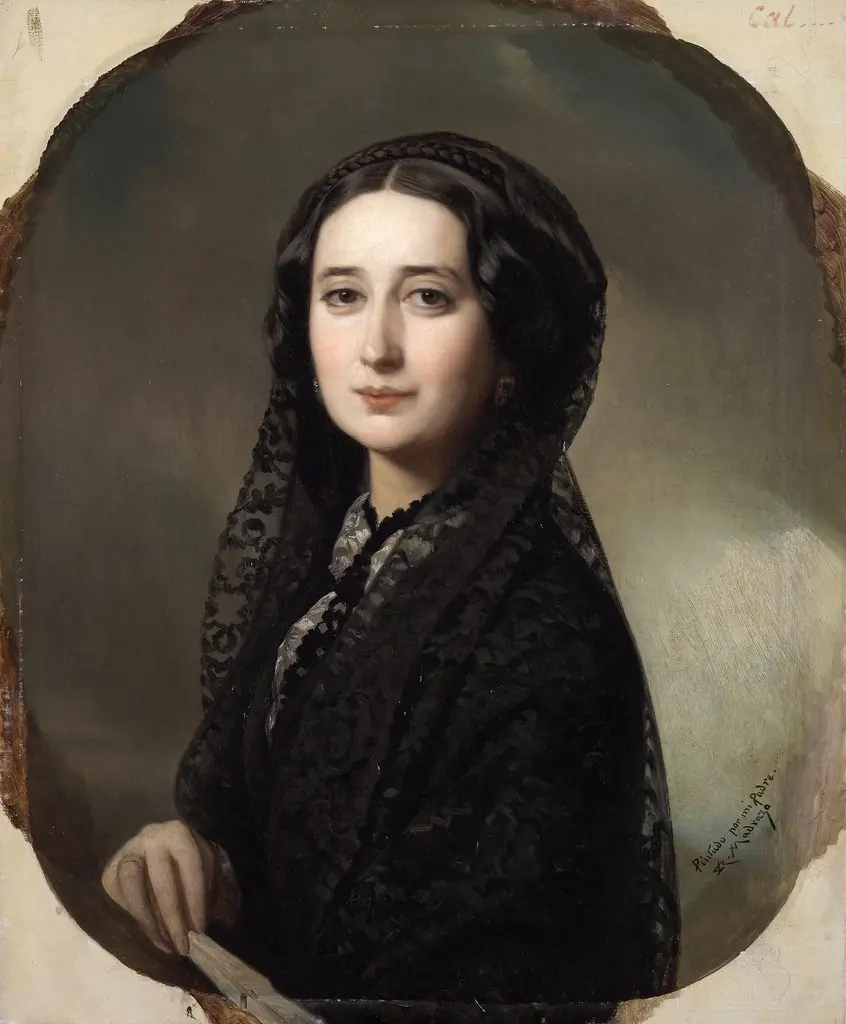 Carolina Coronado
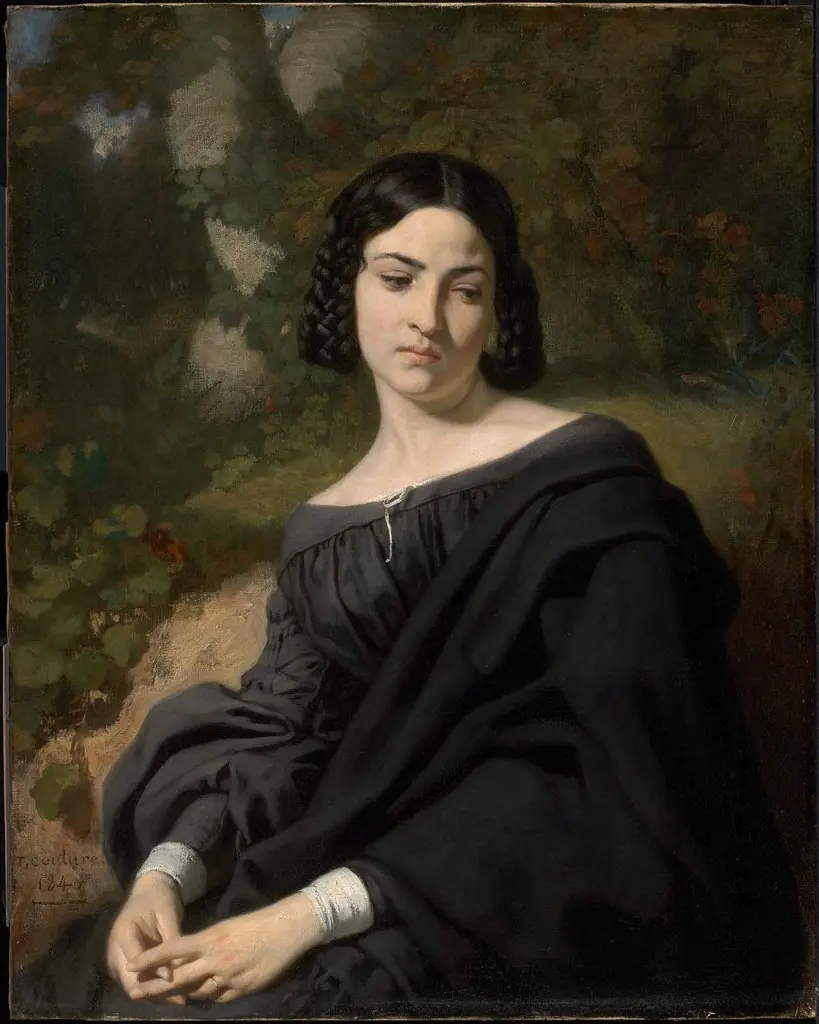 A Widow
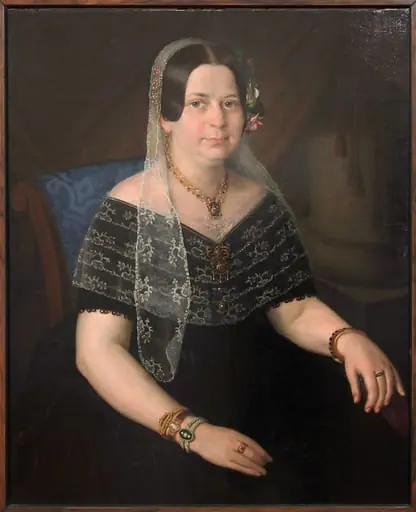 Portret de femeie
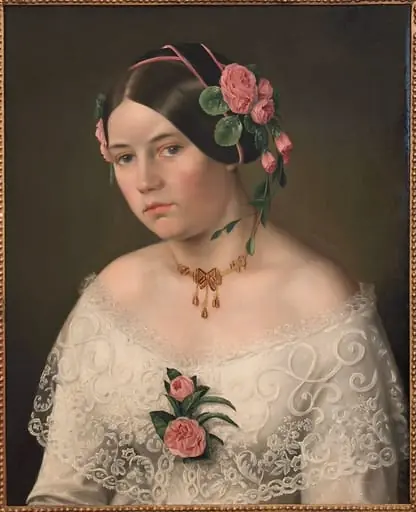 Theresa Soterius von Sachsenheim (în RI: Clara Soterus von Sachsenheim)
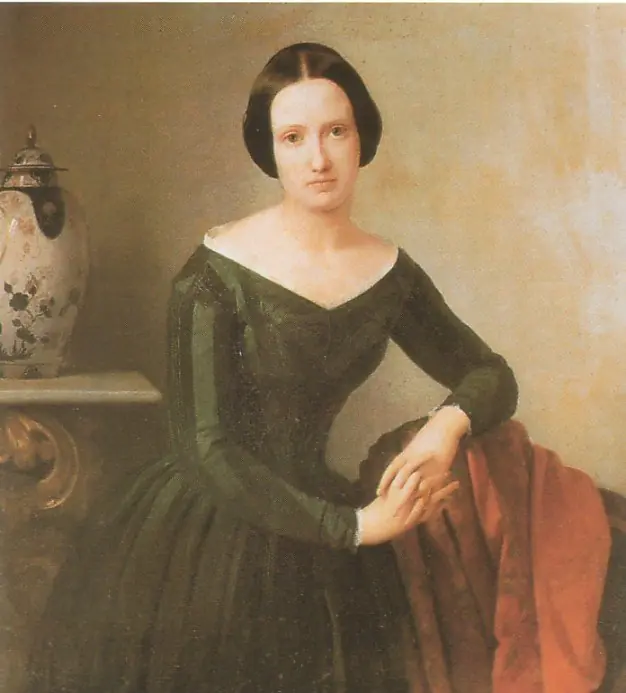 Portrait of Bice Presti Tasca
 Concepción Remisa
 Karen Margrethe Borch