Artwork
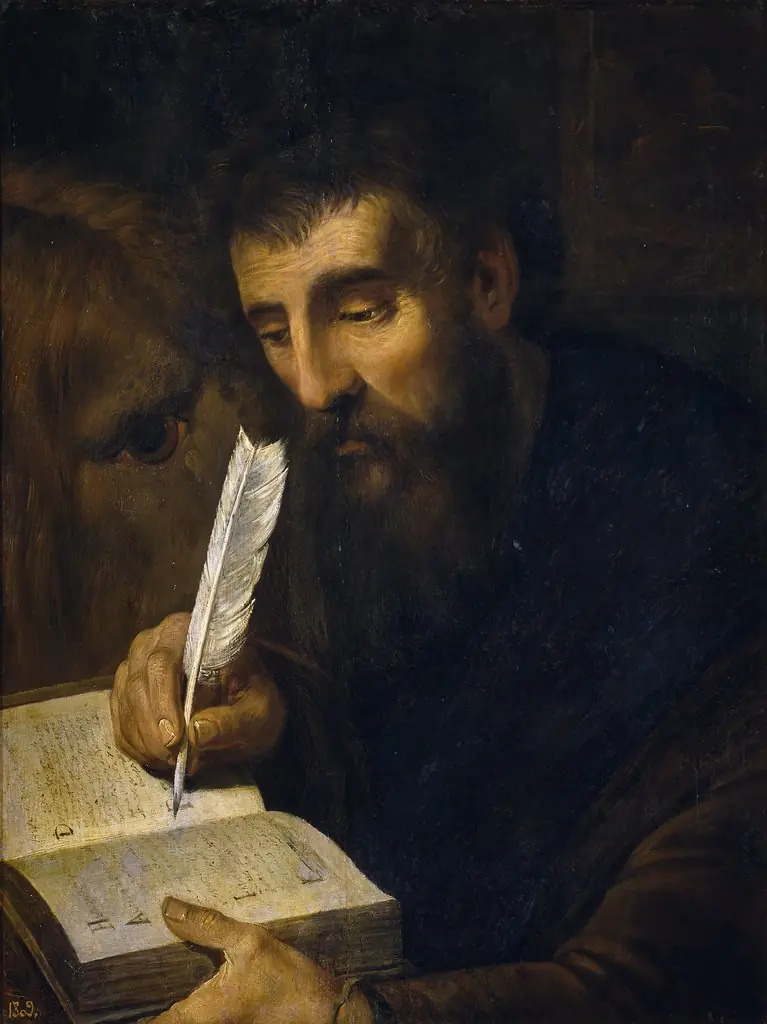
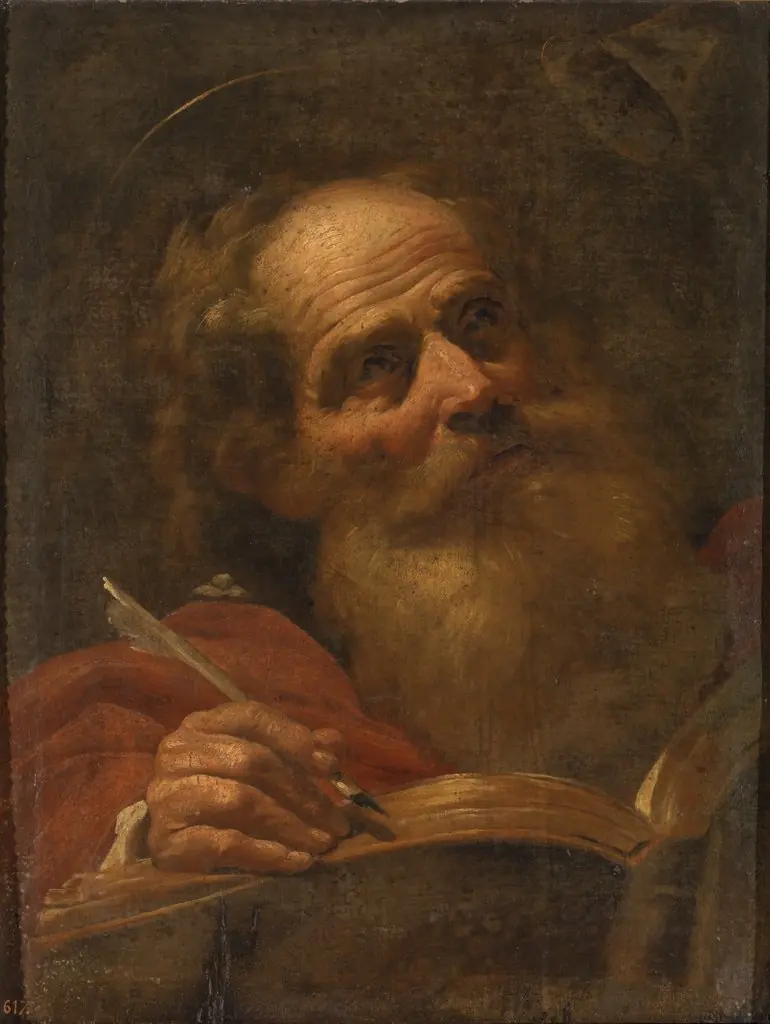
The evangelist Luke
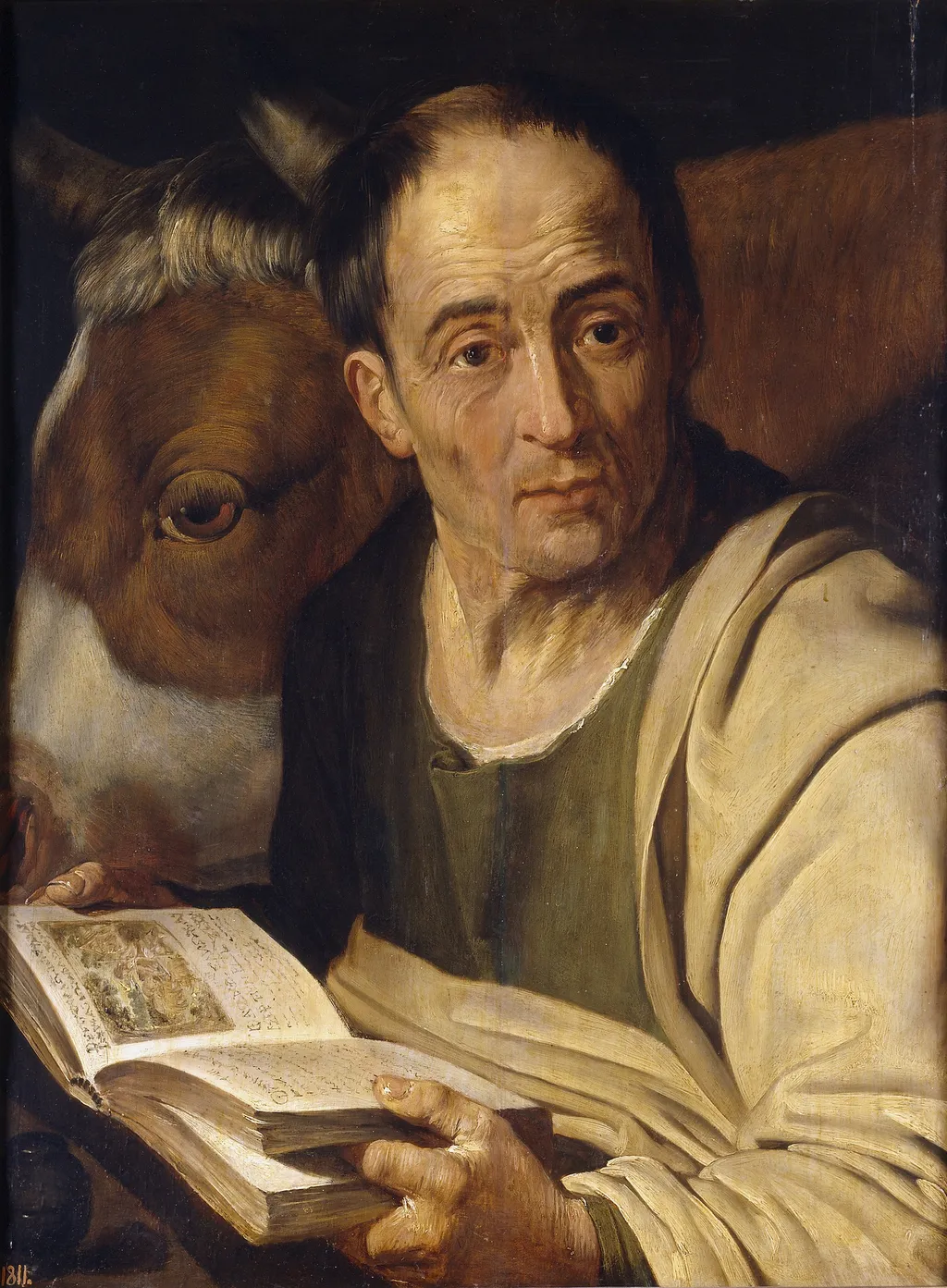
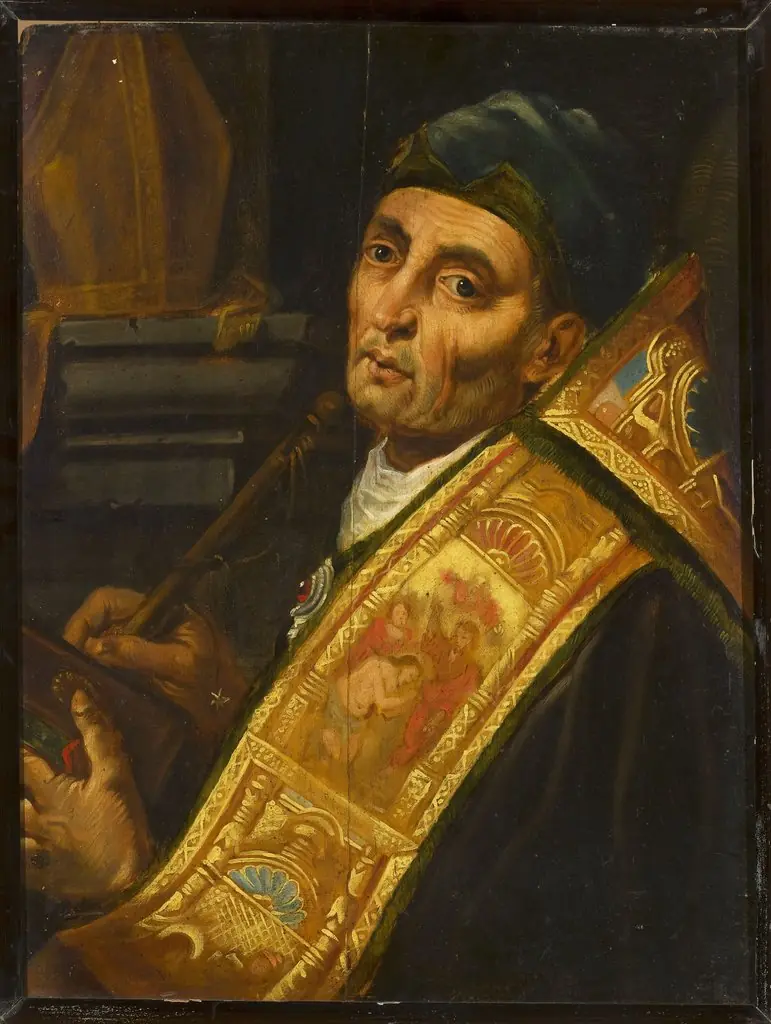
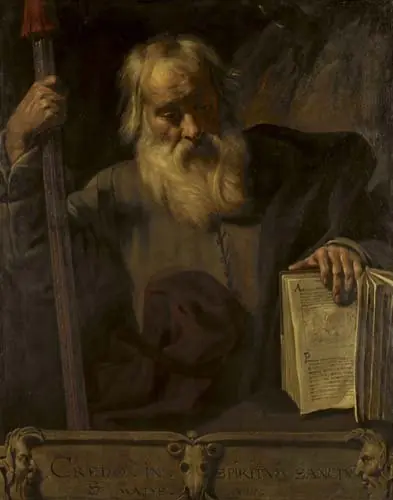
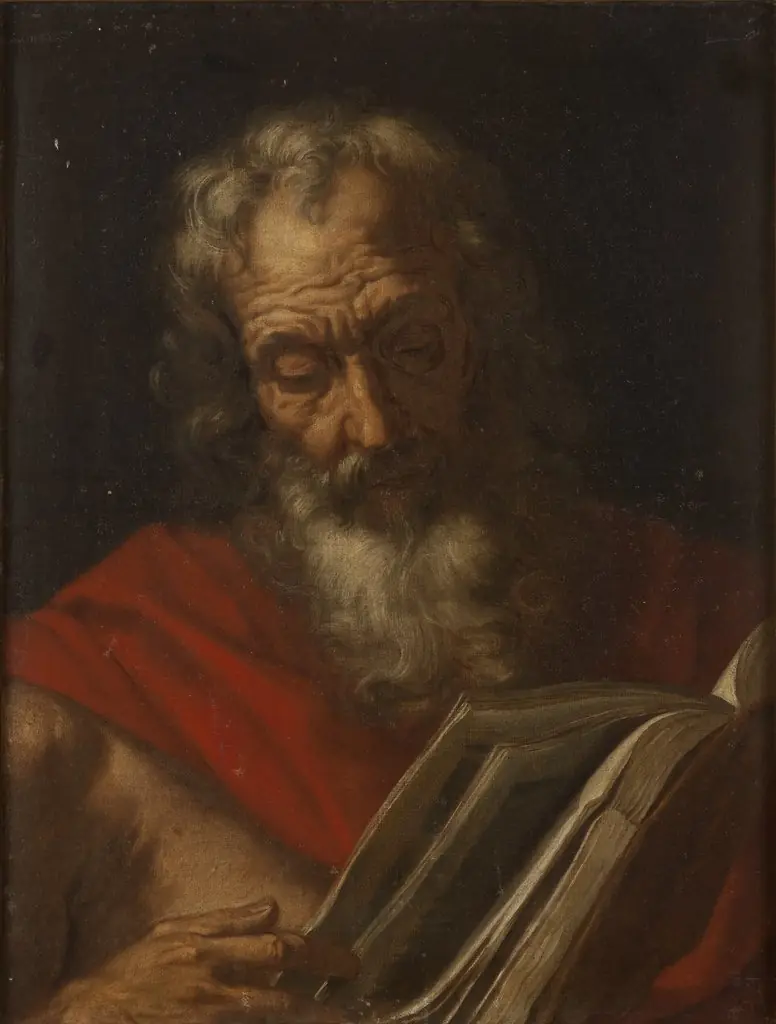
The evangelist Luke is an oil painting by the Early Baroque Italian artist Artus Wolffort. It dates from 1601 and is held in the collection of the Museo del Prado.
About this work
Overview
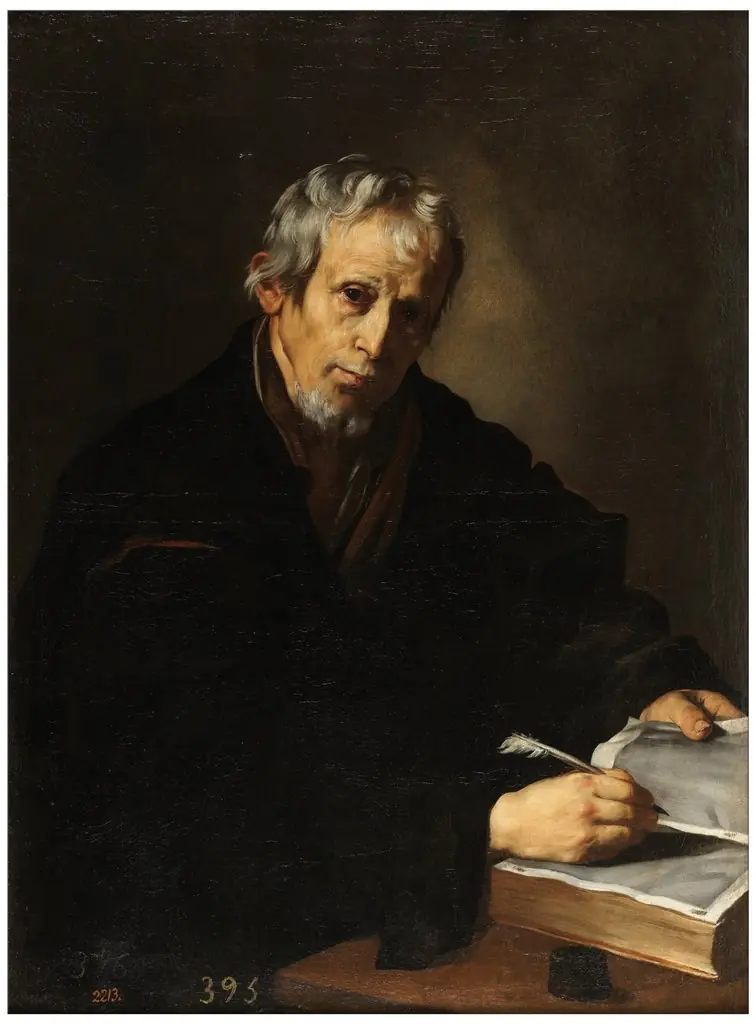
Artus Wolffort’s *The Evangelist Luke* (1601) is an oil painting that portrays the biblical author Luke holding an open book. The figure is set against a dark background, his gaze directed outward, while a horse’s head peeks from behind, adding a subtle narrative element.
Subject & Meaning
The work presents Luke as a learned scribe, emphasizing his role as a recorder of the Gospel. The open volume suggests active reading or writing, reinforcing the theme of divine revelation through scripture.
Technique & Style
Wolffort employs pronounced chiaroscuro, using strong contrasts of light and shadow to model the figure and give the composition a three‑dimensional presence. The dark backdrop isolates the illuminated forms, a hallmark of early Baroque influences.
History & Provenance
Created in the early seventeenth century, the painting reflects Wolffort’s focus on religious narratives. It entered the collection of the Museo del Prado in Madrid, where it remains part of the museum’s holdings of Flemish Baroque art.
Context
The piece aligns with Wolffort’s broader oeuvre of biblical and mythological subjects, executed in a style that merges Flemish detail with the dramatic lighting characteristic of Italian Baroque painting.
Own this work as a print
Artist & collection
Artist
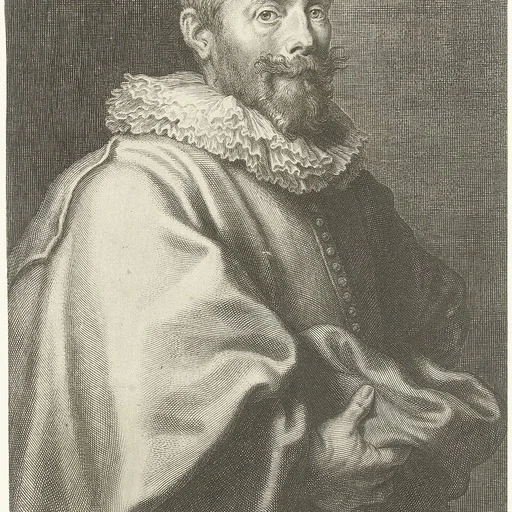
Artus Wolffort, Artus Wolffaert or Artus Wolffaerts (1581–1641) was a Flemish painter known mainly for his history paintings depicting religious and mythological scenes.