Artwork
Césarine de Houdetot, Baronne de Barante (1794-1877)
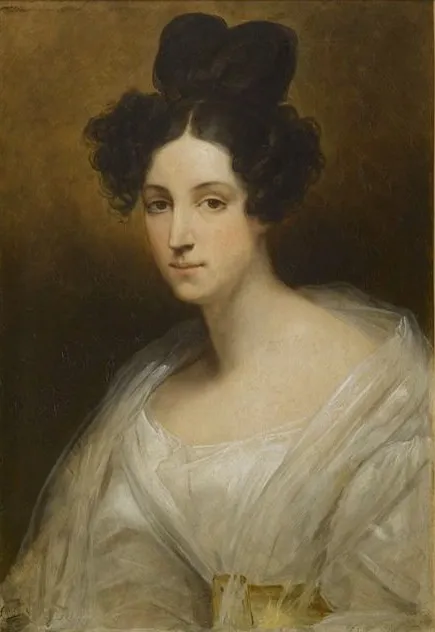
Césarine de Houdetot, Baronne de Barante (1794-1877) is an oil painting by Ary Scheffer. It dates from 1841 and is held in the collection of the Museum of the History of France.
About this work
Overview
Painted in 1841 by Ary Scheffer, this oil portrait depicts Césarine de Houdetot, Baronne de Barante, a French noblewoman of the July Monarchy era.
Painted in 1841 by Ary Scheffer, this oil portrait depicts Césarine de Houdetot, Baronne de Barante, a French noblewoman of the July Monarchy era. The work resides in the Palace of Versailles collection, reflecting its association with the French court. Scheffer, a Dutch-born artist active in Paris, was known for his refined portraiture and connections to the royal family under Louis Philippe I, whose reign ended in 1848.
Subject & Meaning
Césarine de Houdetot, wife of the historian and statesman Antoine de Barante, is portrayed with composure and restraint. Her direct gaze and unadorned expression suggest intellectual presence rather than theatrical display. The simplicity of her attire and the absence of symbolic props emphasize personal dignity over aristocratic display, aligning with the era’s shifting values toward private virtue and cultivated refinement.
Technique & Style
Scheffer employed soft, blended brushwork to render the texture of the white dress and the delicate folds of the shawl, creating a tactile sense of fabric. The muted brown background isolates the figure without distraction, enhancing the focus on her form and facial structure. Subtle tonal variations in skin and hair convey volume without dramatic lighting, reflecting a quiet Romanticism grounded in observation rather than sentiment.
History & Provenance
Commissioned during the height of Scheffer’s favor at the Orléans court, the portrait entered the Palace of Versailles collection shortly after its completion. Its preservation there reflects the subject’s social standing and the artist’s official status prior to the 1848 revolution, which diminished his influence. The painting remained in royal custody, avoiding dispersal or private sale.
Context
Painted during the July Monarchy, the portrait reflects a transitional moment in French elite culture. While aristocratic portraiture had traditionally emphasized grandeur, this work embraces restraint, mirroring the bourgeoisie-influenced tastes of Louis Philippe’s court. Scheffer’s style, blending Neoclassical precision with Romantic sensitivity, catered to patrons seeking dignity over spectacle.
Legacy
The portrait endures as a representative example of mid-19th-century French portraiture that prioritized psychological presence over ornamentation. Though Scheffer’s broader reputation has waned, this work remains a quiet testament to the evolving aesthetics of elite representation in post-revolutionary France, valued for its restraint and subtle emotional depth.
Artist & collection
Artist
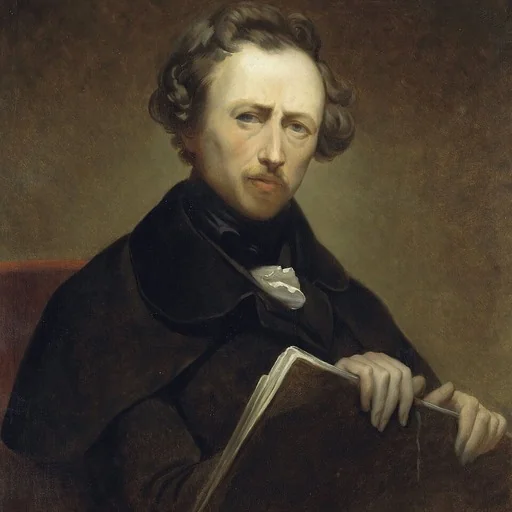
Ary Scheffer (10 February 1795 – 15 June 1858) was a Dutch-French Romantic painter.

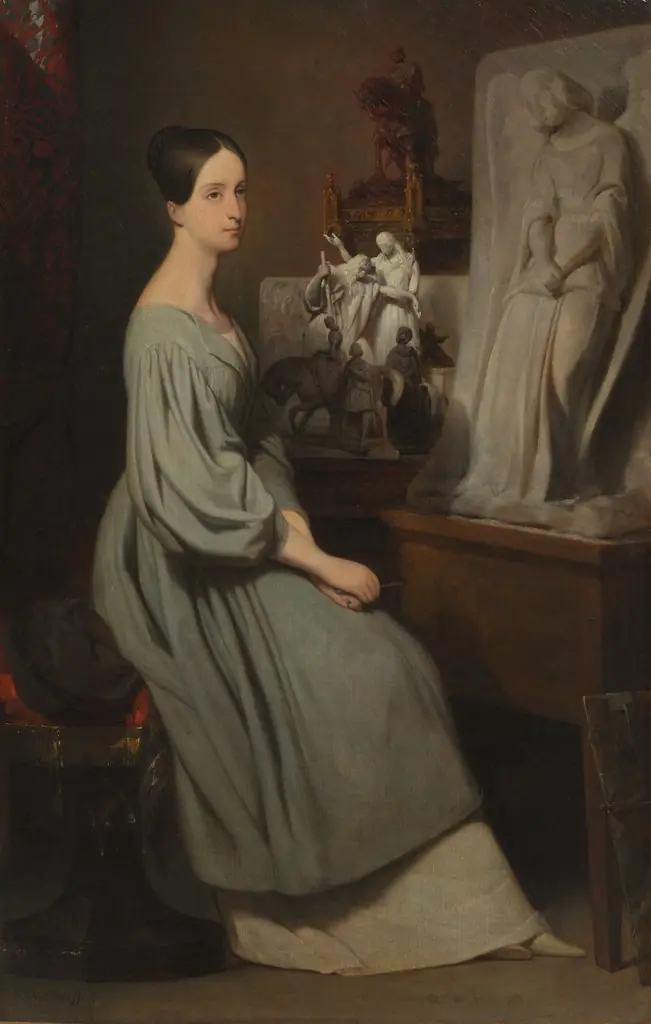 Princess Marie d'Orléans in Her Studio
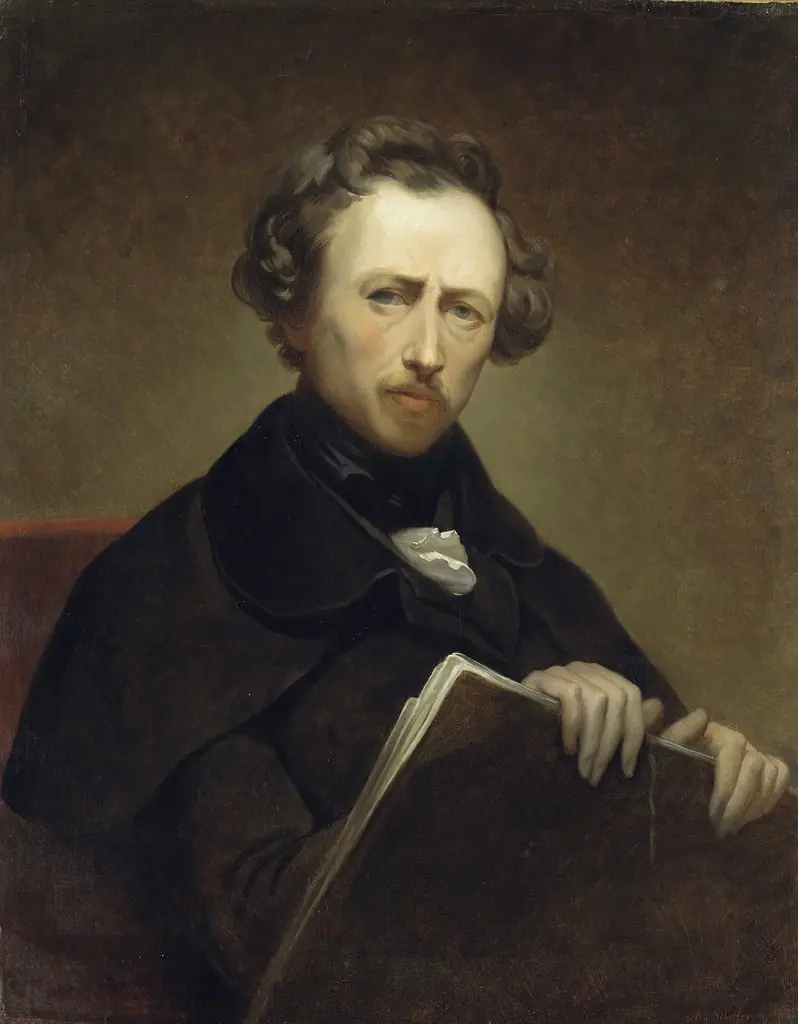 Self Portrait at age of 43
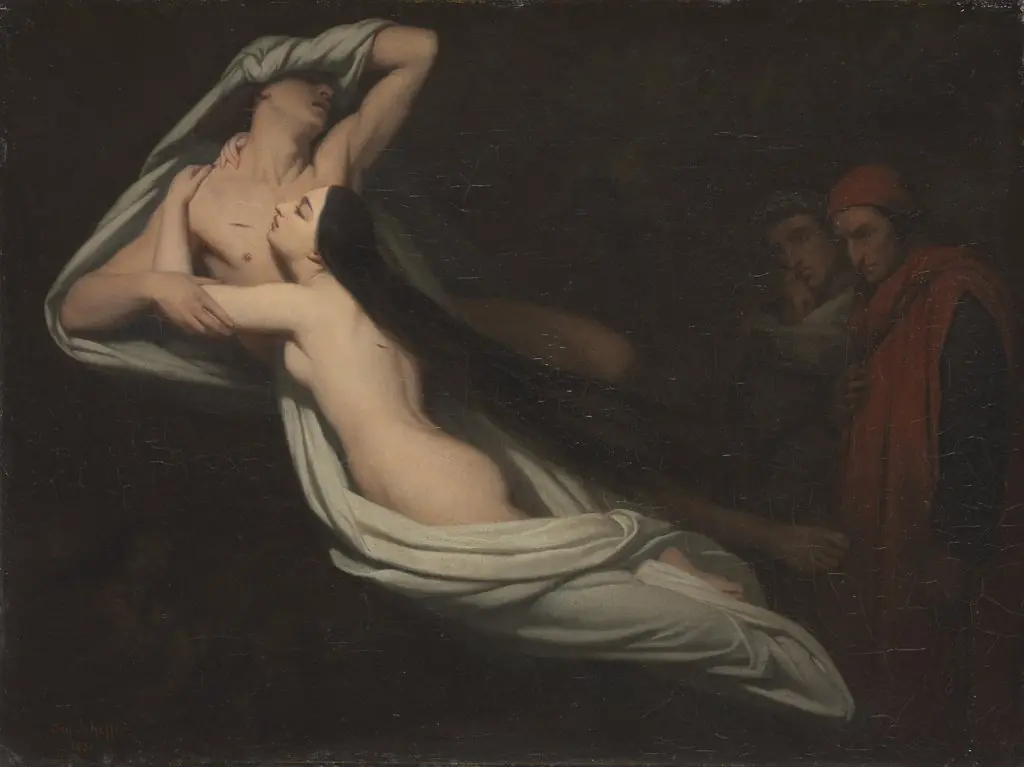 Dante and Virgil Meeting the Shades of Francesca da Rimini and Paolo
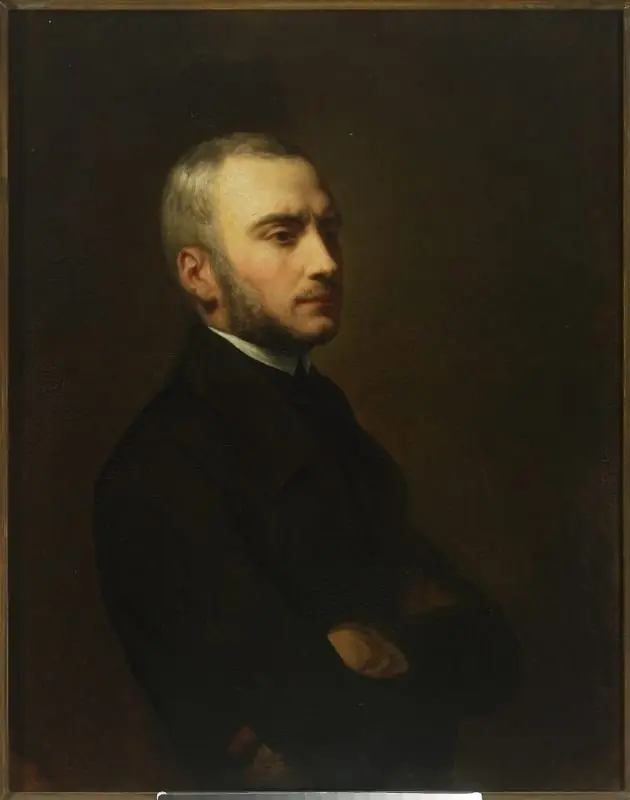 Portrait of Zygmunt Krasiński (1812–1859)
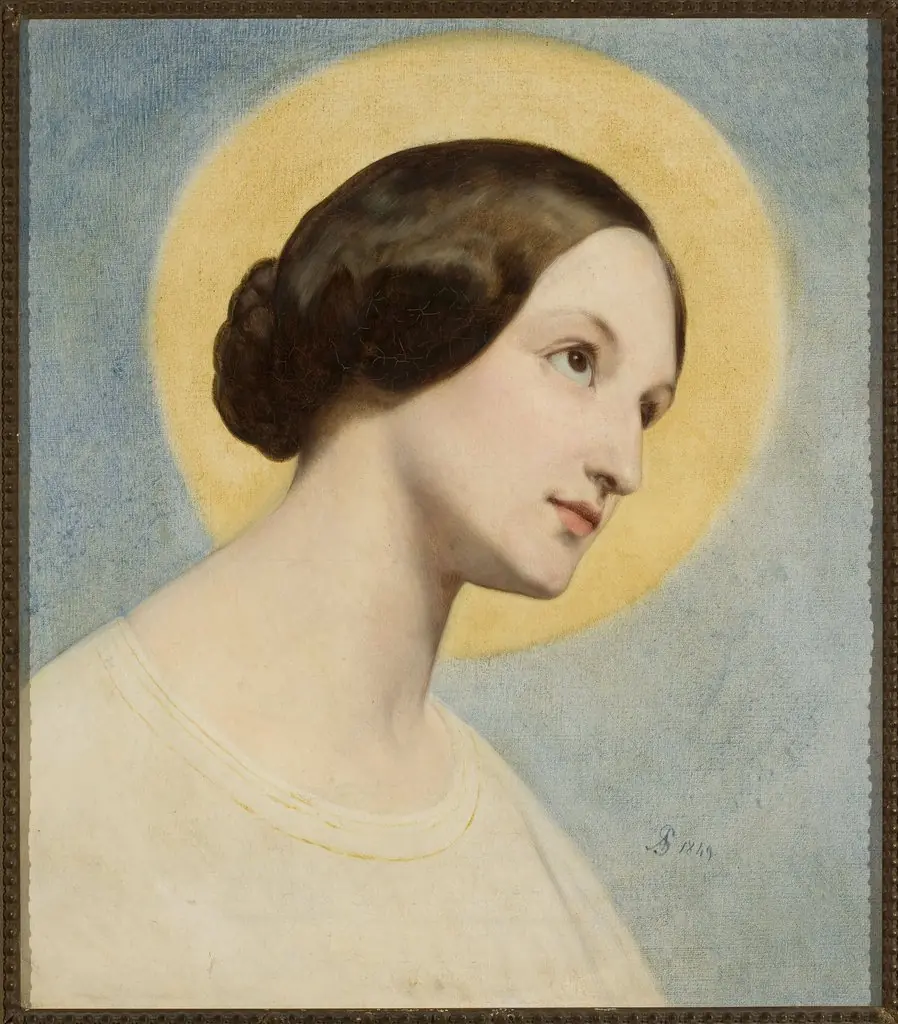 Portrait of Eliza Krasińska
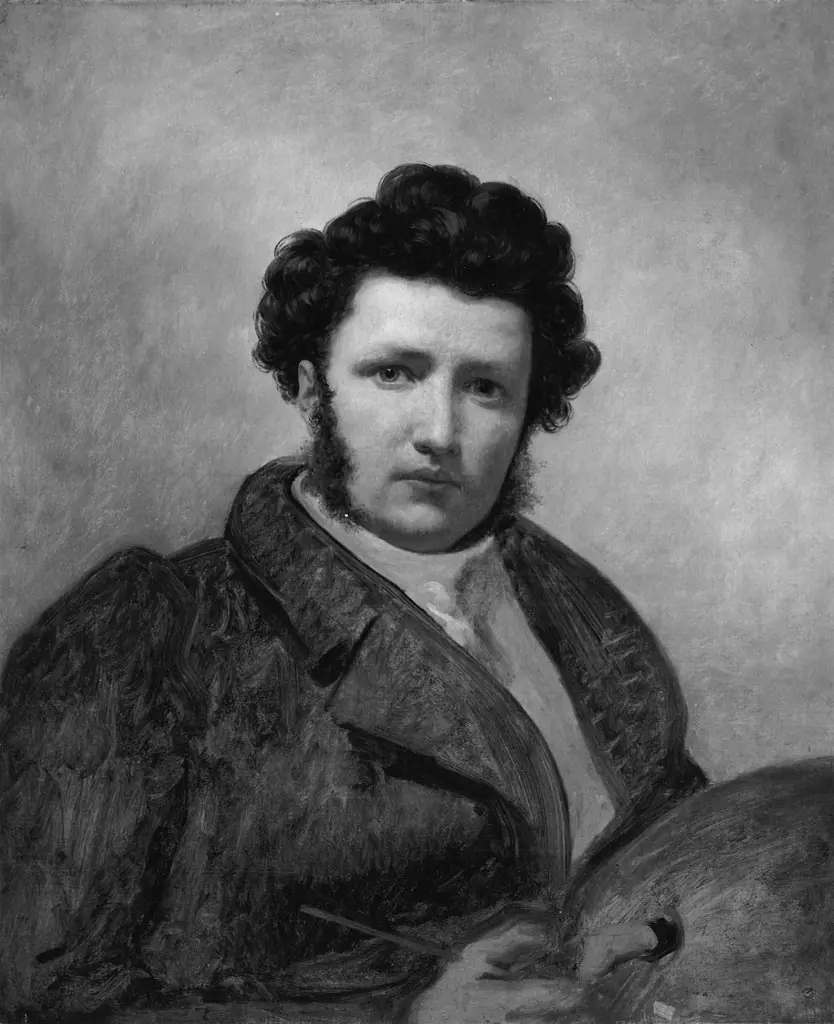 Portrait of an Artist
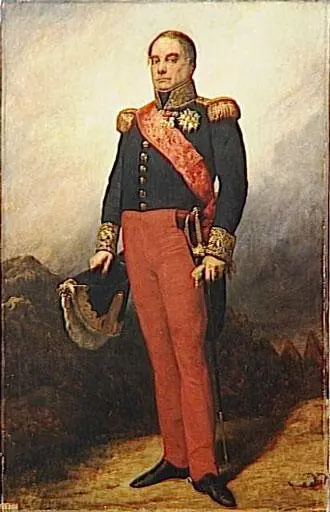 Georges Mouton, Count of Lobau
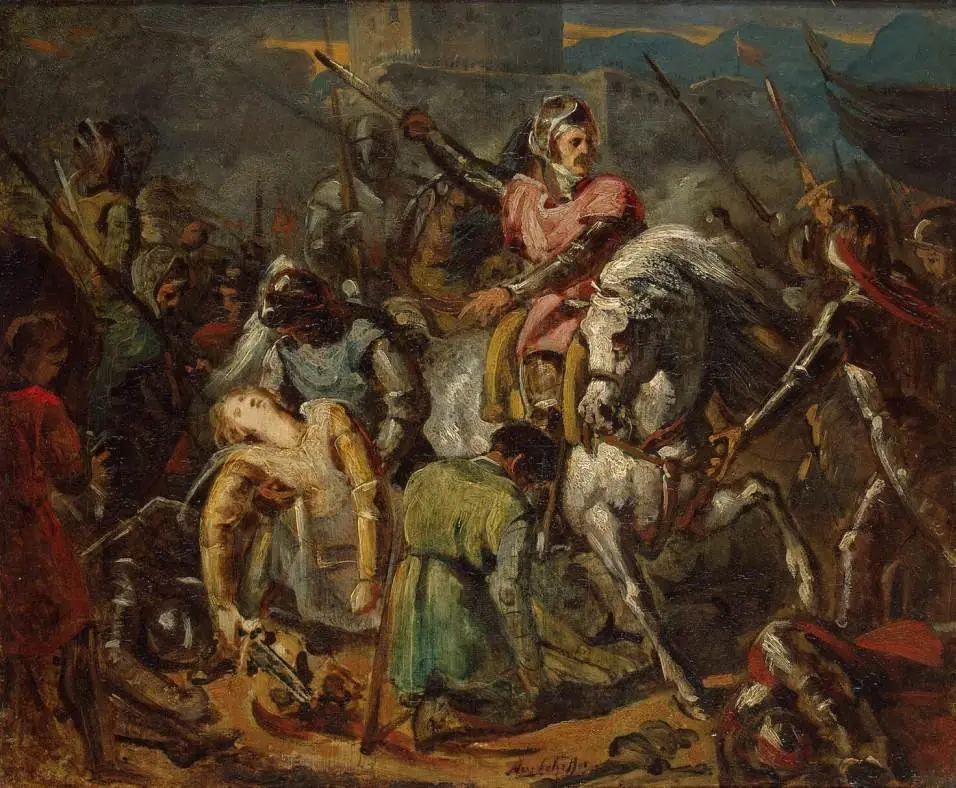 Death of Gaston de Foix in the Battle of Ravenna on 11 April 1512
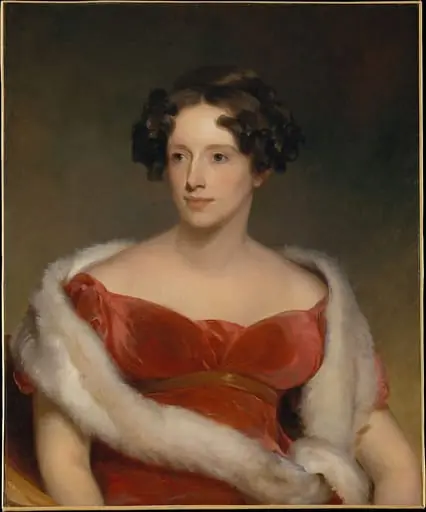 Mrs. John Biddle (Eliza Falconer Bradish)
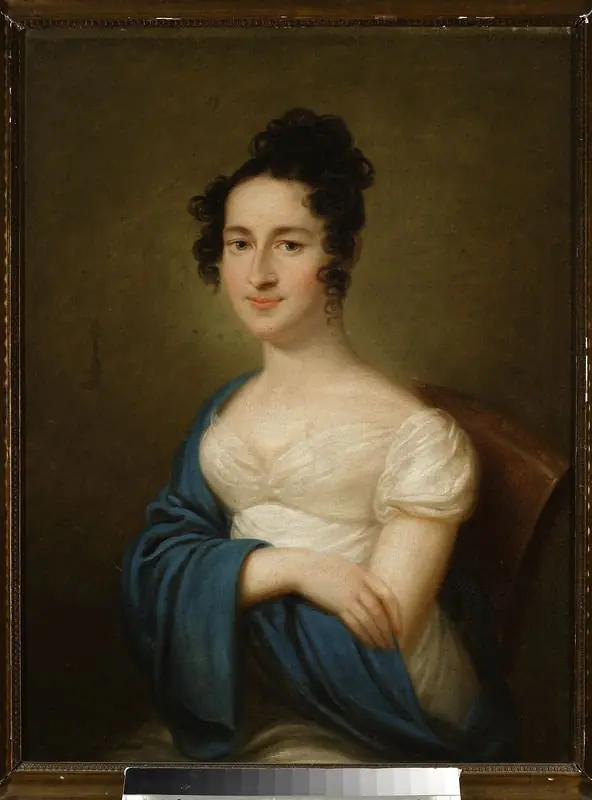 Portrait of Salomea Zawadzka née Mikołajewska
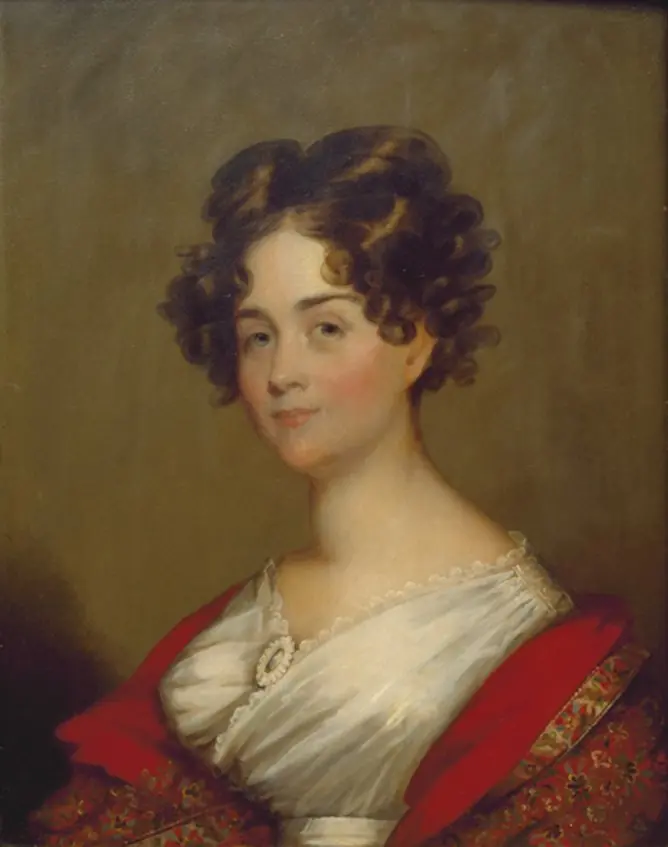 Portrait of Charlotte Story Forrester
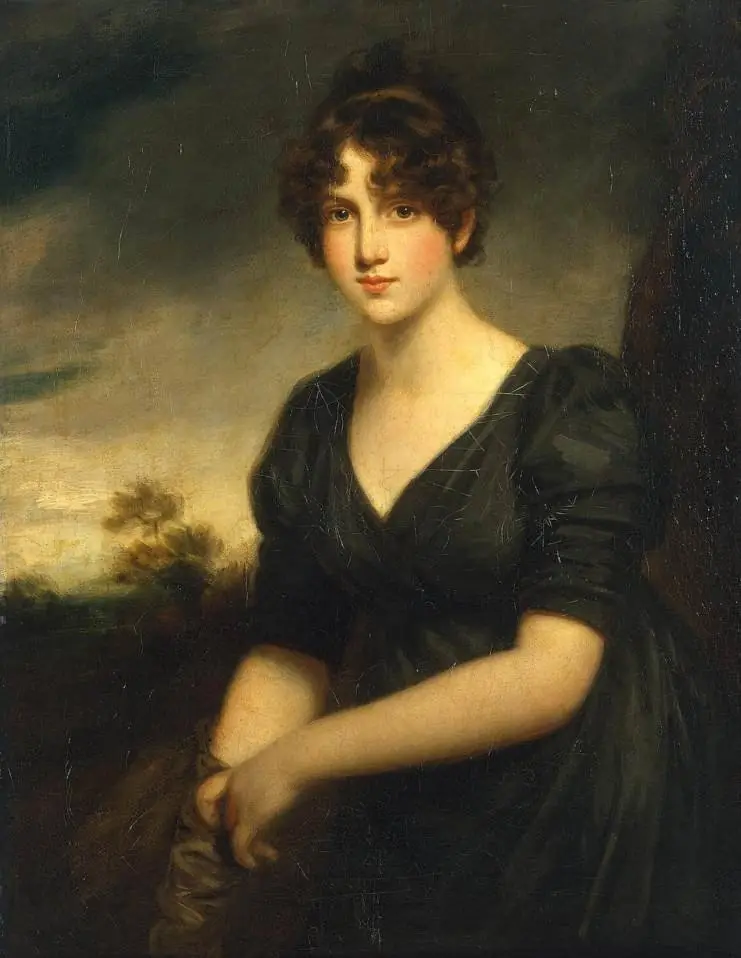 Portrait of a Woman (Miss Frances Winnicobe ?)
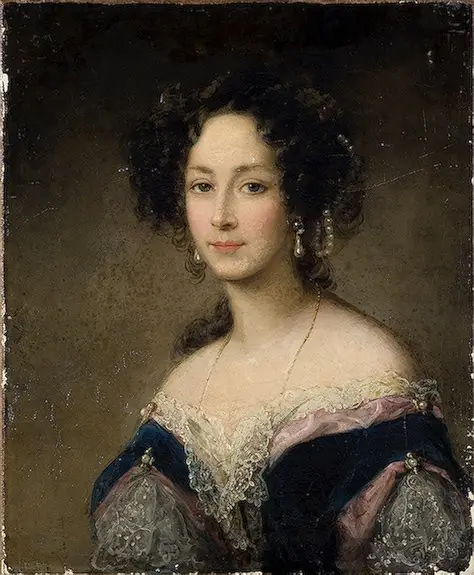 Portrait of Princess Zinaida Yusupova (1809/10-1893)(?)
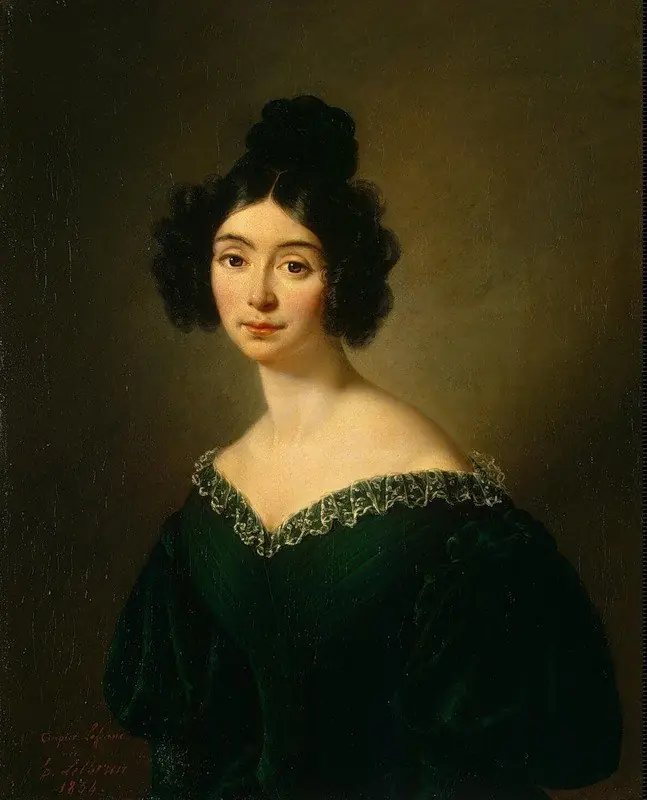 Portrait of Mademoiselle Riviere
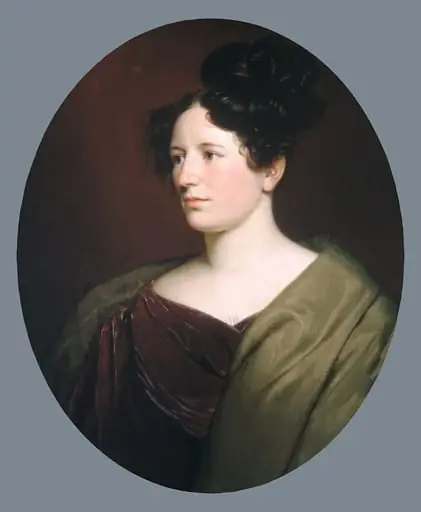 Mrs. David Cadwallader Colden
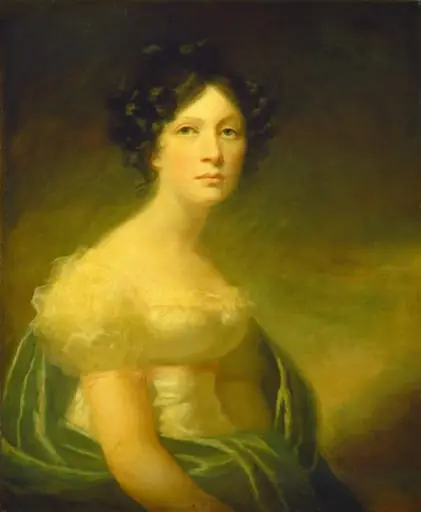 Miss Jean Christie
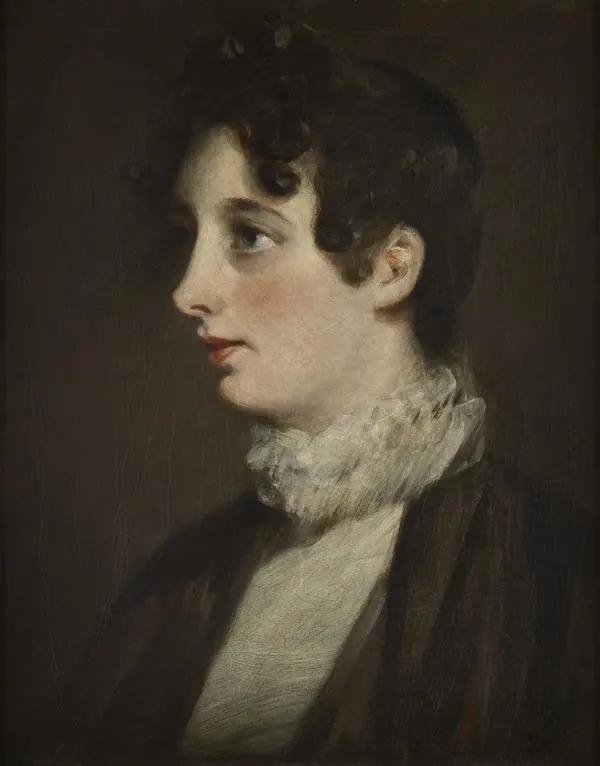 Laura Moubray, neé Hobson (born 1788)
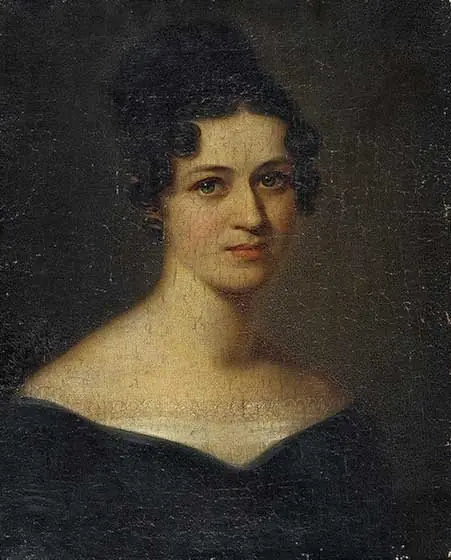 Portrait of Princess A.P. Golitsyna
 Portrait of Angelina Smith (1770-1808), Daughter of Michael Smith, future 1st Bt
 Portrait of Salomea Bécu