Artwork
Death of Gaston de Foix in the Battle of Ravenna on 11 April 1512
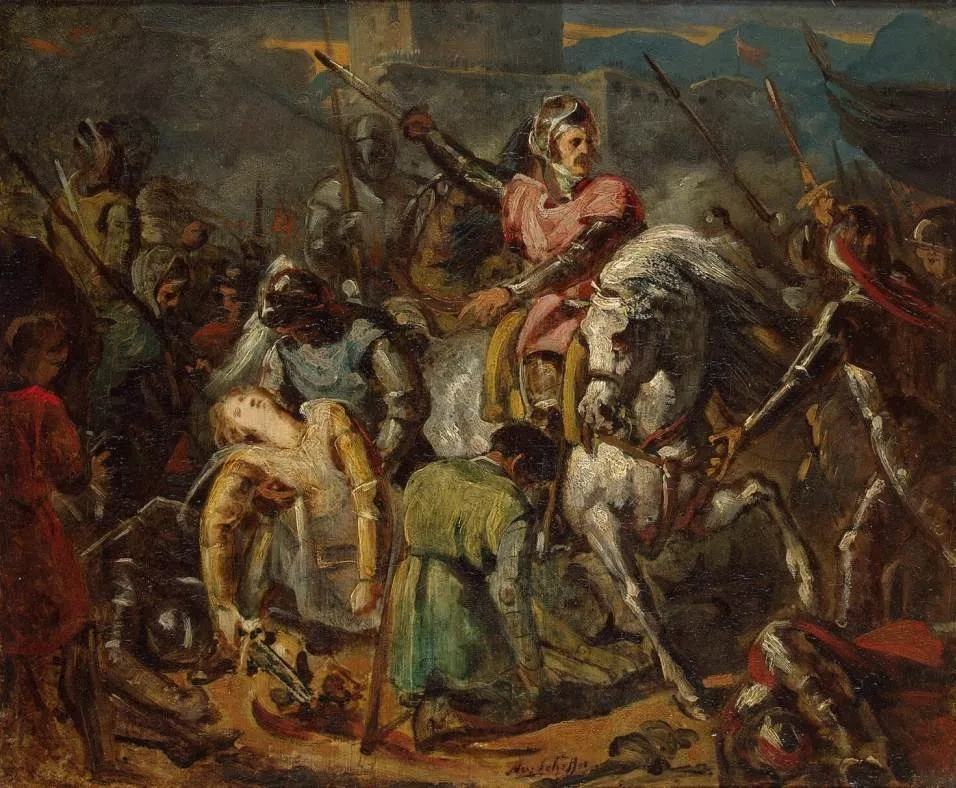
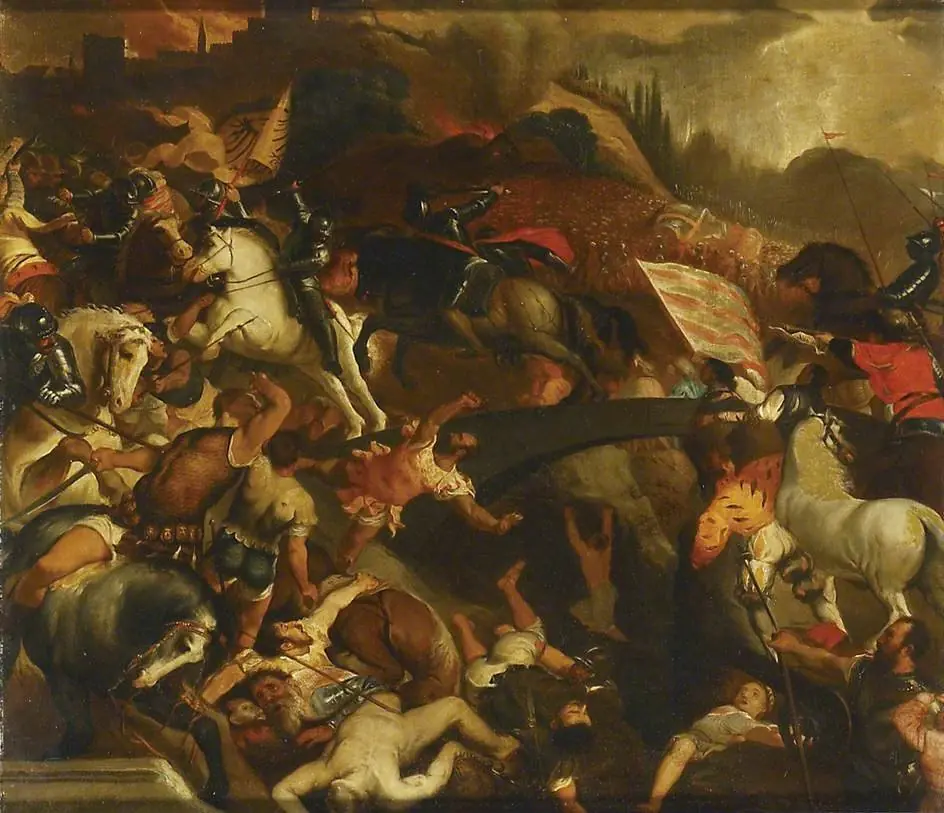
Death of Gaston de Foix in the Battle of Ravenna on 11 April 1512 is an oil painting by the French Romanticist artist Ary Scheffer. It dates from 1824 and is held in the collection of the Hermitage Museum.
About this work
Overview
Painted in 1824 by Ary Scheffer, this oil work captures the fatal moment of Gaston de Foix during the Battle of Ravenna.
Painted in 1824 by Ary Scheffer, this oil work captures the fatal moment of Gaston de Foix during the Battle of Ravenna. A French Romantic artist of Dutch origin, Scheffer specialized in dramatic historical and emotional scenes. The painting is part of the State Hermitage Museum’s collection and reflects the era’s fascination with heroic tragedy and national memory, rendered through the heightened emotion characteristic of Romanticism.
Subject & Meaning
The painting centers on Gaston de Foix, the young French commander, dying atop his white horse amid the chaos of battle. His red tunic and raised sword mark him as the focal point, symbolizing both martial valor and the fragility of leadership. At his feet, a kneeling figure in green tends to a fallen soldier, underscoring the human cost of war. The scene avoids glorification, instead emphasizing the abruptness of death and the collapse of momentum in conflict.
Technique & Style
Scheffer employs vigorous brushwork and stark contrasts to amplify the turmoil of the battlefield. The central figure’s vivid red and white attire stands out against a smoky, darkened background, guiding the viewer’s eye through compositional tension. Light falls selectively on the fallen and grieving, while distant figures blur into the haze, suggesting scale and disarray. The palette favors deep browns and muted greens, heightening the emotional gravity of the moment.
History & Provenance
Commissioned during the reign of Louis Philippe I, the painting reflects the French monarchy’s interest in reclaiming heroic narratives from its past. Scheffer, a favored artist of the court, aligned his work with state-sponsored historical memory. The piece entered the Hermitage’s collection in the 19th century, likely through diplomatic or royal acquisition, and has remained there since, preserved as an example of French Romantic historiography.
Context
Created during a period of renewed French interest in Renaissance military history, the painting responds to contemporary debates about national identity and leadership. The Battle of Ravenna, though a tactical French victory, was marked by the loss of its charismatic commander — a narrative that resonated with Romantic ideals of tragic heroism. Scheffer’s choice to depict the moment of death, not victory, reflects a broader cultural shift toward introspection over triumph.
Legacy
Though less widely known today than other Romantic battle scenes, Scheffer’s work contributed to the visual language of 19th-century historical painting. Its emphasis on emotional realism over patriotic spectacle influenced later depictions of war’s personal toll. The painting remains a quiet testament to the Romantic preoccupation with mortality and the fleeting nature of glory, preserved in one of Europe’s most significant public collections.
Artist & collection
Artist
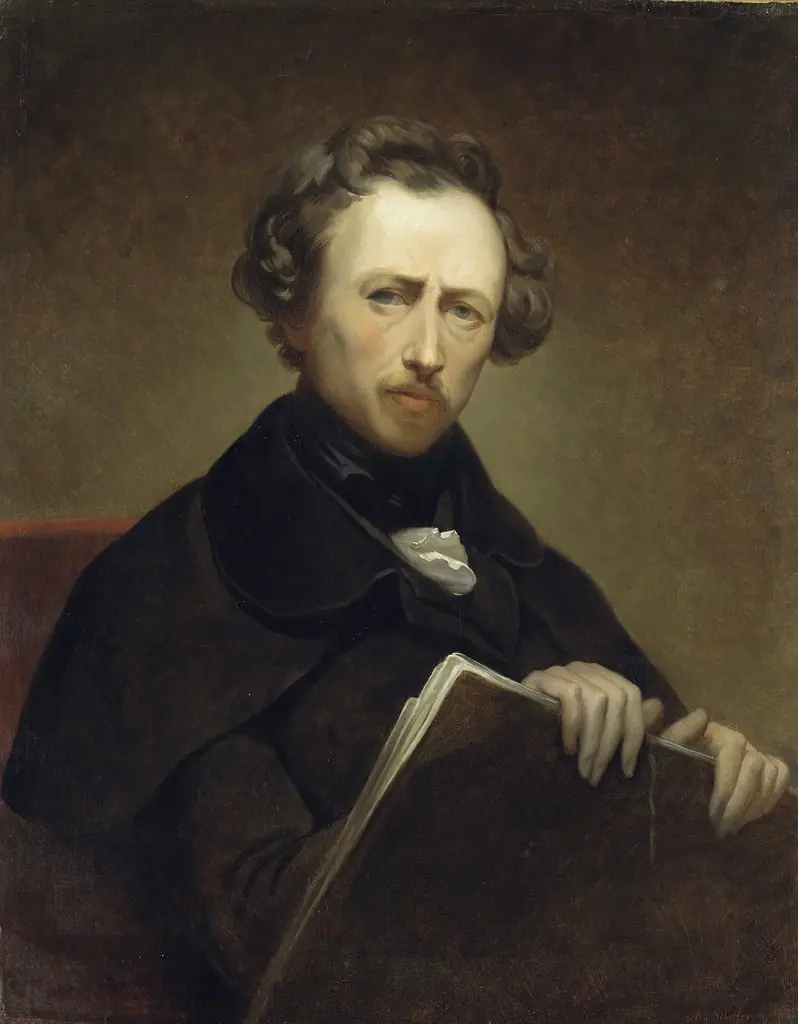
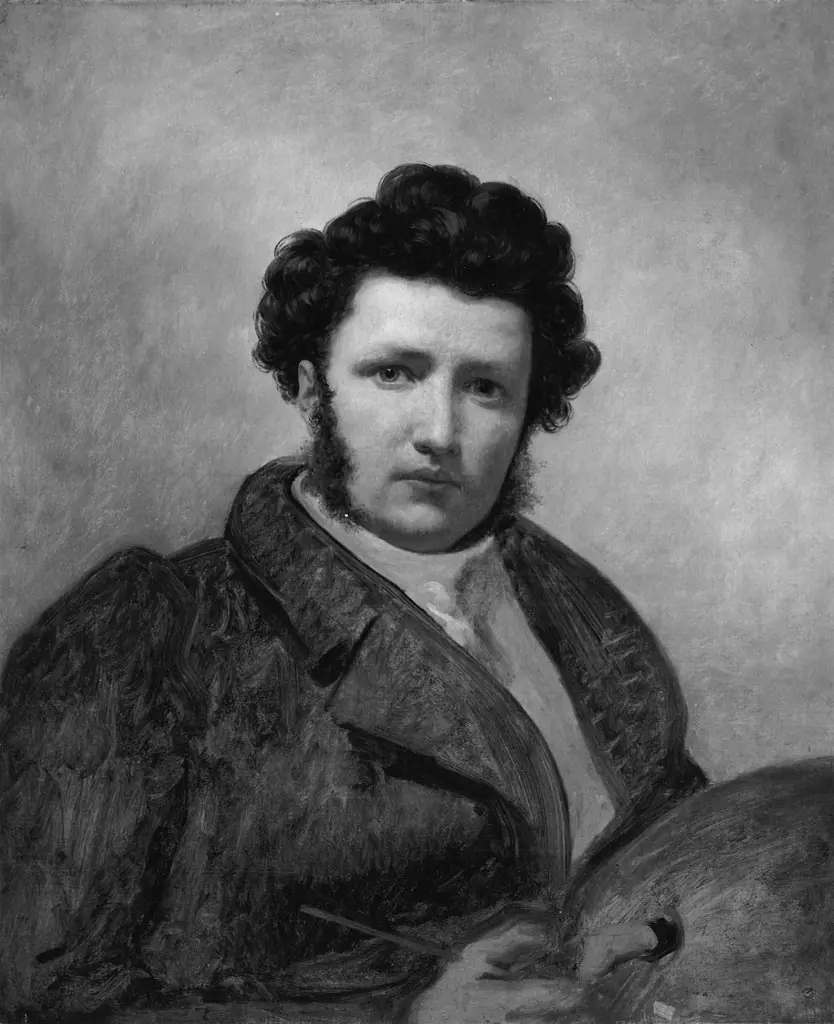
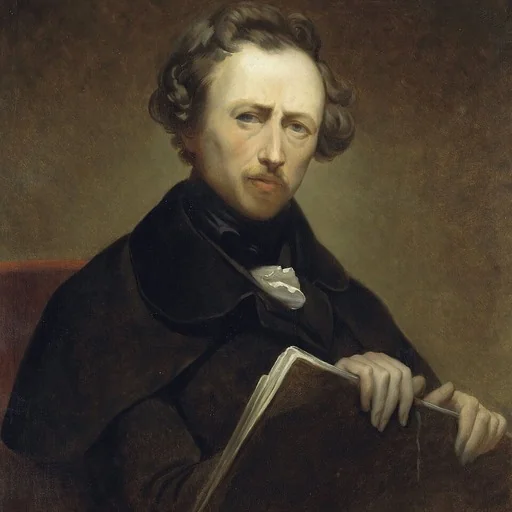
Ary Scheffer (10 February 1795 – 15 June 1858) was a Dutch-French Romantic painter.