Artwork
Defence of Częstochowa
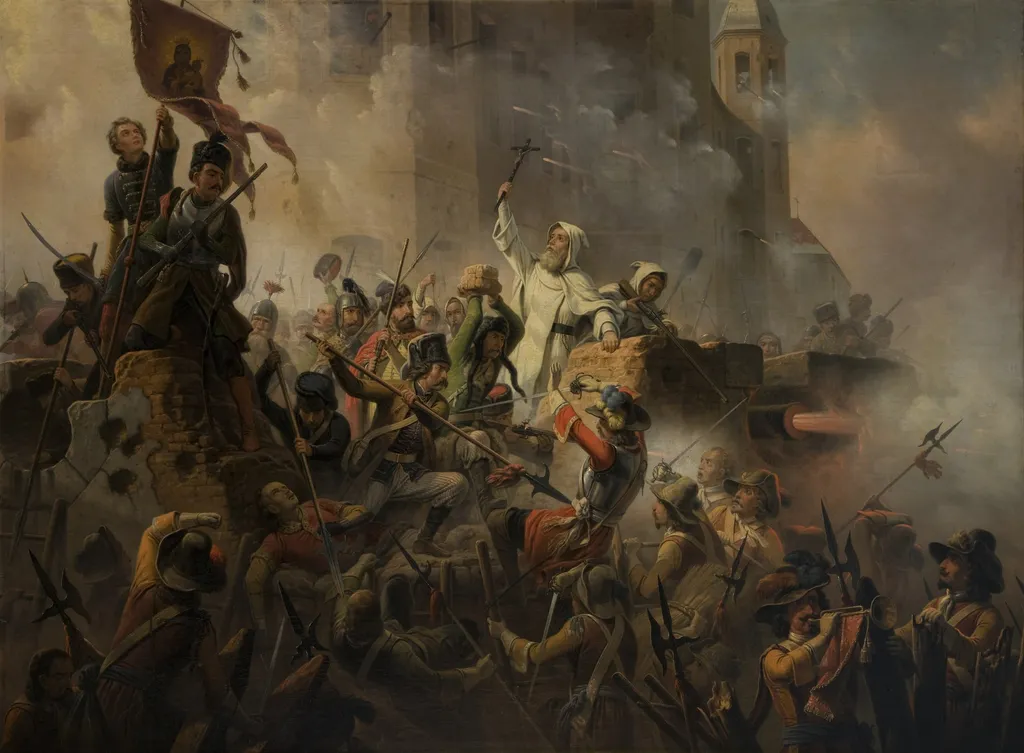
Defence of Częstochowa is an oil painting by January Suchodolski. It dates from 1846 and is held in the collection of the National Museum in Kraków.
About this work
Overview
Painted in 1846 by Polish artist and military officer January Suchodolski, this oil-on-canvas work portrays a pivotal moment in Polish history.
Painted in 1846 by Polish artist and military officer January Suchodolski, this oil-on-canvas work portrays a pivotal moment in Polish history. It was created during a period of national reflection following the partitions of Poland, and it remains part of the National Museum in Kraków’s permanent collection. The painting’s scale and detail reflect Suchodolski’s academic training and his commitment to historical narrative.
Subject & Meaning
The scene depicts the 1655 defense of the Jasna Góra Monastery in Częstochowa during the Swedish invasion. A monk in white robes raises a religious icon above the ramparts, symbolizing spiritual resistance. Surrounding him, monks and townspeople wield weapons against invading forces. The composition elevates faith and collective defense as central themes, transforming a military event into a moral allegory of endurance against foreign occupation.
Technique & Style
Suchodolski employed a dynamic, crowded composition typical of 19th-century academic history painting. Figures are rendered with precise anatomical detail, and drapery and armor are modeled with chiaroscuro to suggest depth. The smoke and chaotic movement of combat are suggested through loose brushwork in the background, contrasting with the sharper focus on the central group. The palette is muted, dominated by earth tones and grayish smoke, reinforcing the gravity of the moment.
History & Provenance
Commissioned during a time when Polish identity was suppressed under foreign rule, the painting was completed shortly after Suchodolski’s studies at the Imperial Academy of Arts in St. Petersburg. It entered the National Museum in Kraków’s collection in the late 19th century, where it has remained. Its preservation reflects its significance as a cultural artifact tied to national memory during periods of political fragmentation.
Context
Created during the aftermath of the November Uprising (1830–31), the painting resonated with Poles living under partition. Depictions of historical resistance, especially those involving religious symbols, served as quiet acts of cultural defiance. Suchodolski’s military background lent authenticity to his portrayal of battle, aligning the work with broader 19th-century European trends that fused patriotism with historical illustration.
Legacy
The painting continues to be referenced in Polish educational and cultural contexts as a visual representation of resilience. While not widely known internationally, it holds enduring importance within Poland as a symbol of collective resistance. Its presence in Kraków’s National Museum ensures its accessibility to new generations, reinforcing its role as a historical document as much as an artistic work.
Own this work as a print
Artist & collection
Artist
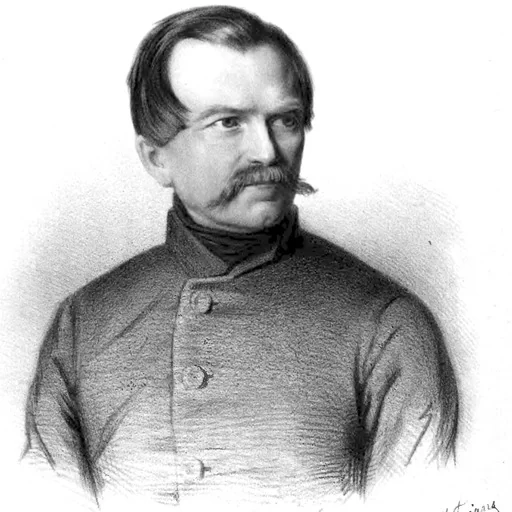
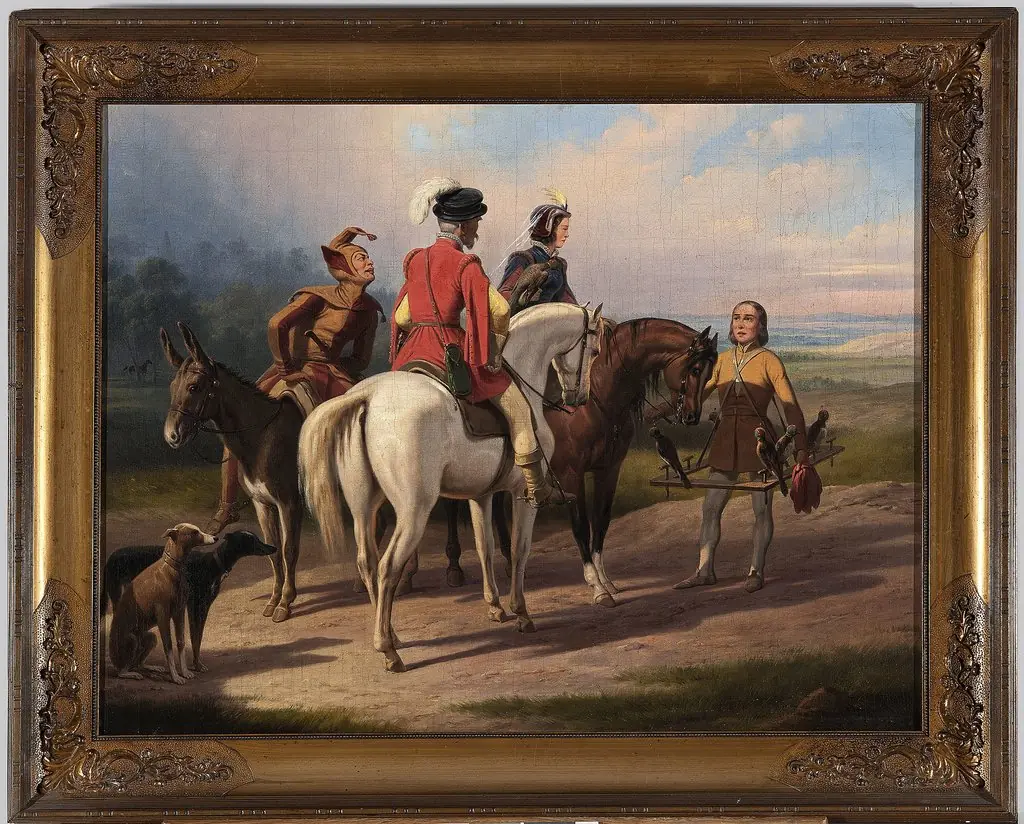
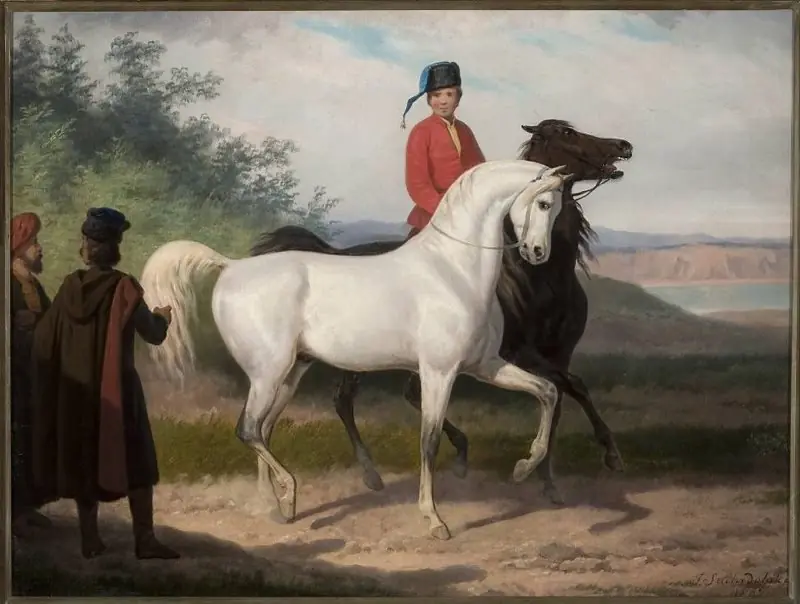
January Suchodolski (Polish: ; 19 September 1797 – 20 March 1875) was a Polish painter and Army officer, and a member of the Imperial Academy of Arts.

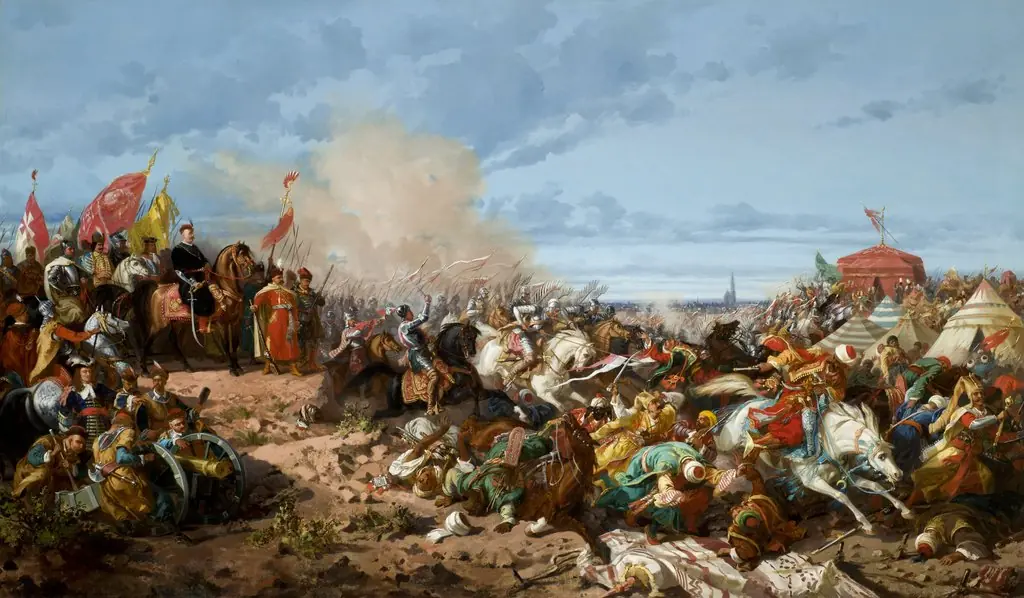 Sobieski at Vienna
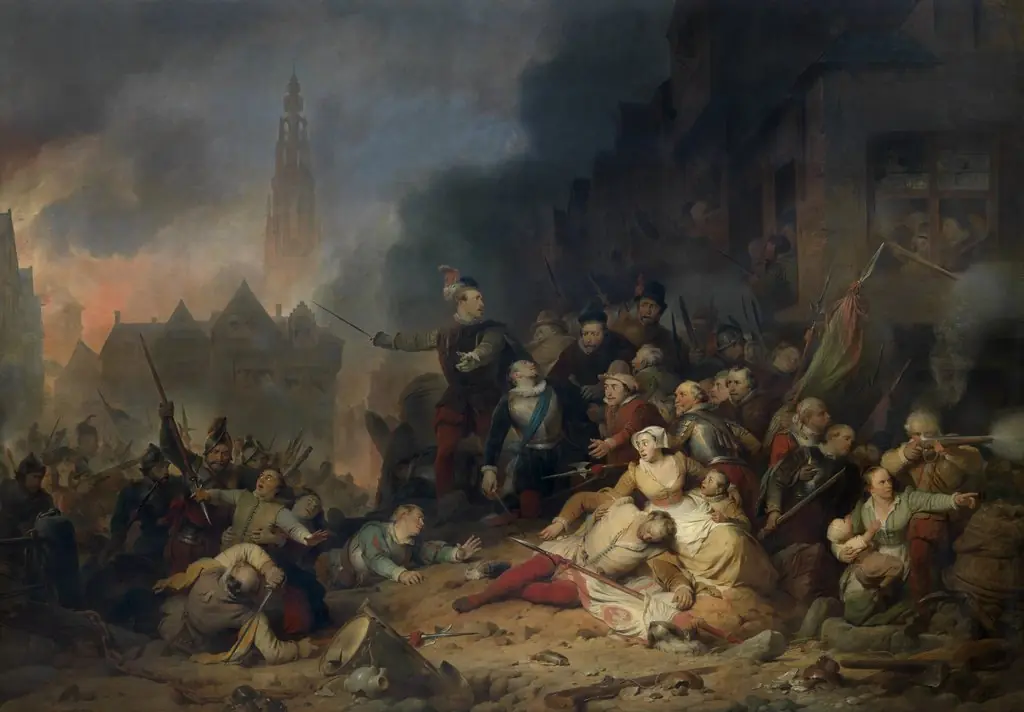 The Spanish Fury in Antwerp
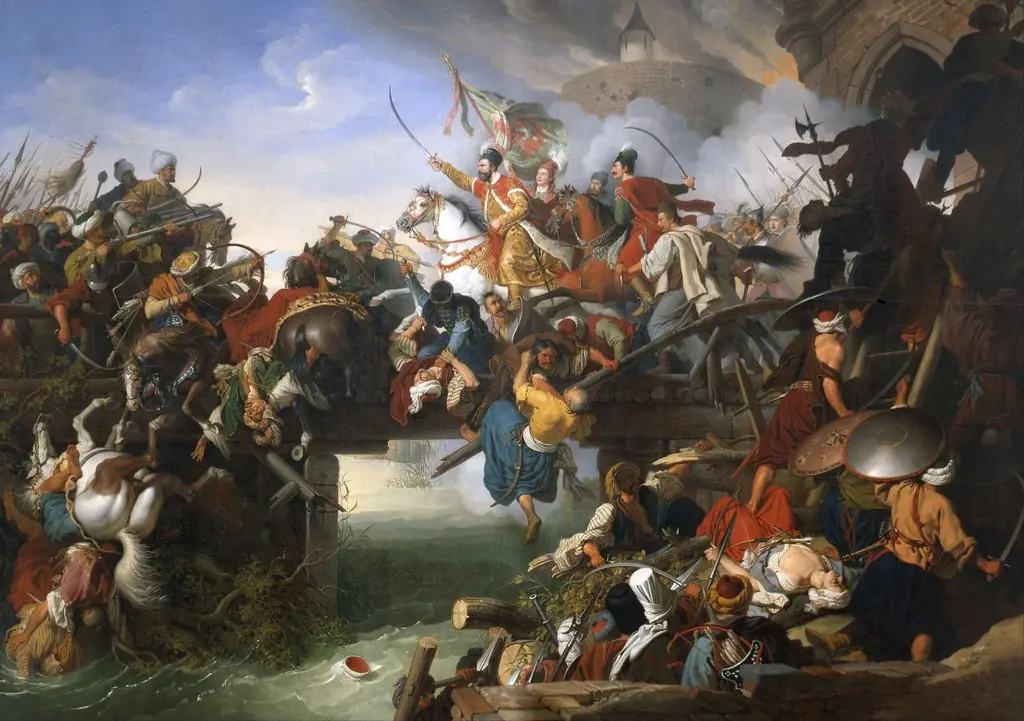 Zrínyi's Charge from the Fortress of Szigetvár
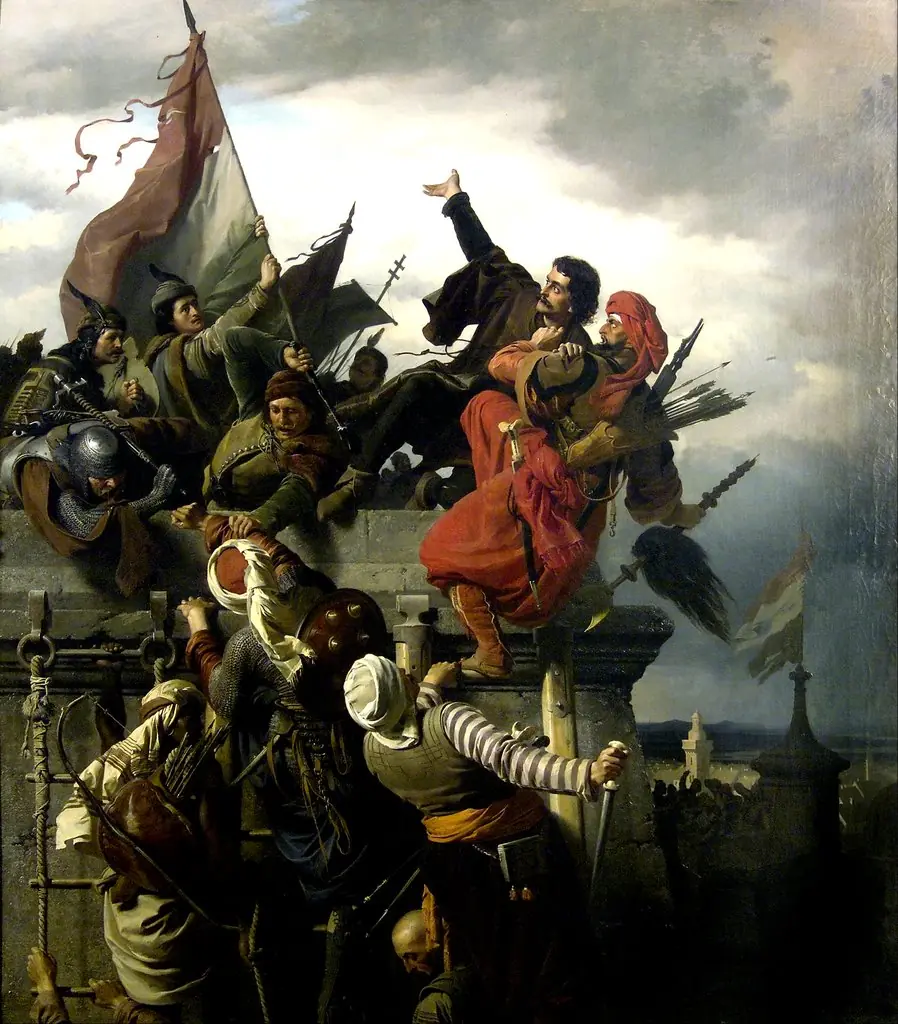 The Self- Sacrifice of Titusz Dugovics
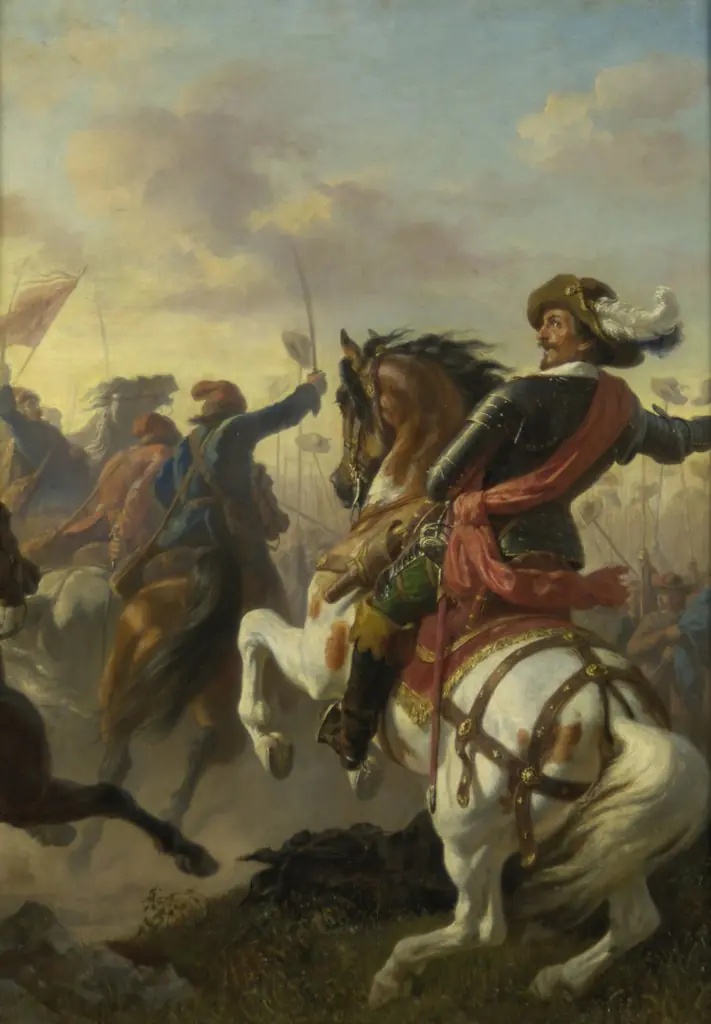 Boucquoi's victory at Zablat (Budweis) 1619
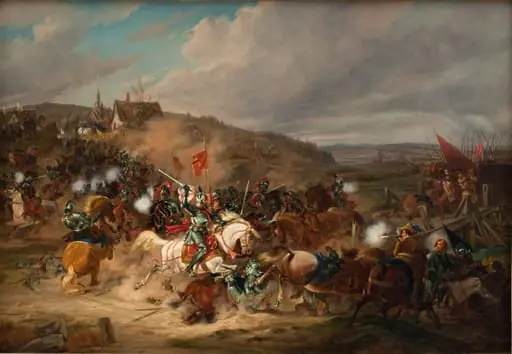 Daniel Rantzau bemægtiger sig Tureby Bro i Skåne under Syvårskrigen 1563-1570
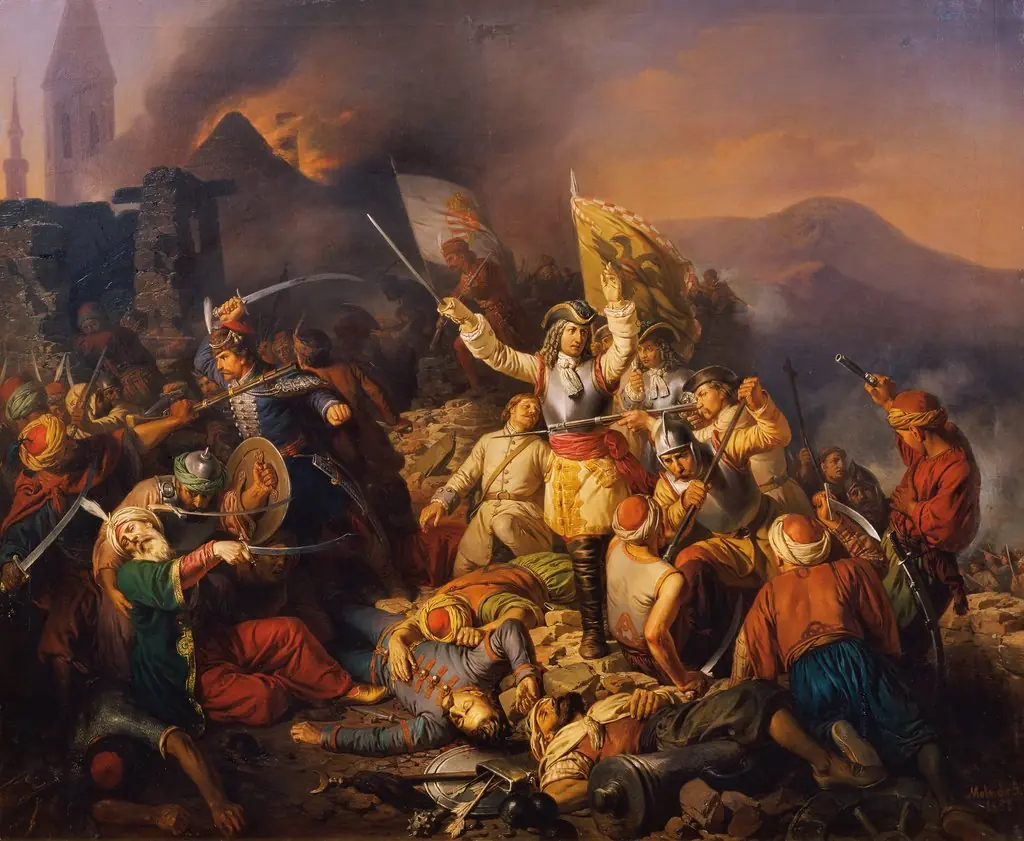 Die Rückeroberung Ofens aus der Hand der Türken im Jahr 1686
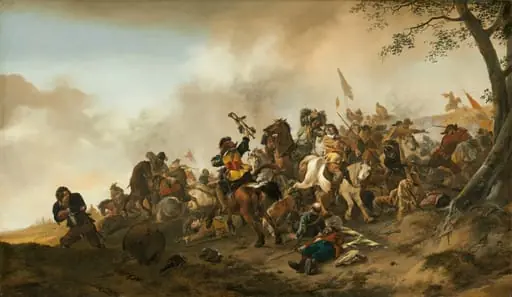 Battle Scene
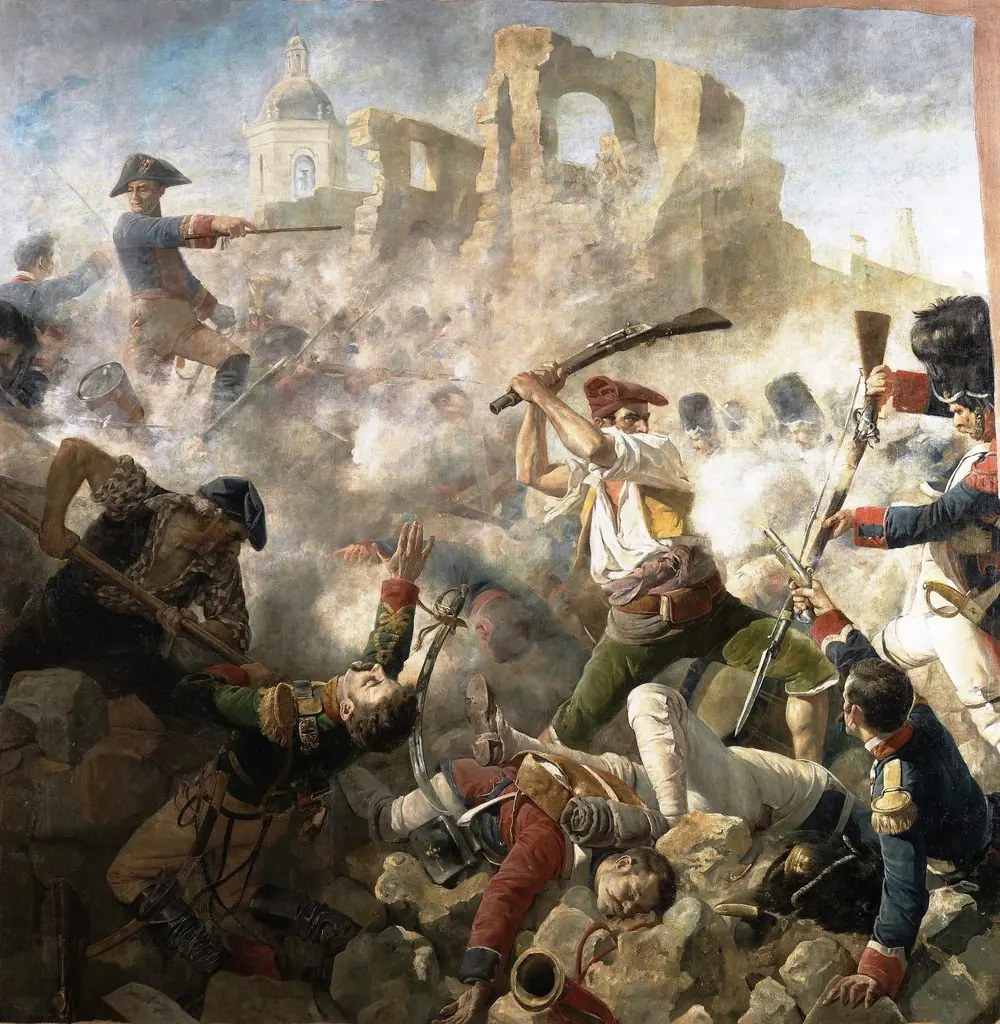 El gran día de Gerona (19 septiembre de 1809)
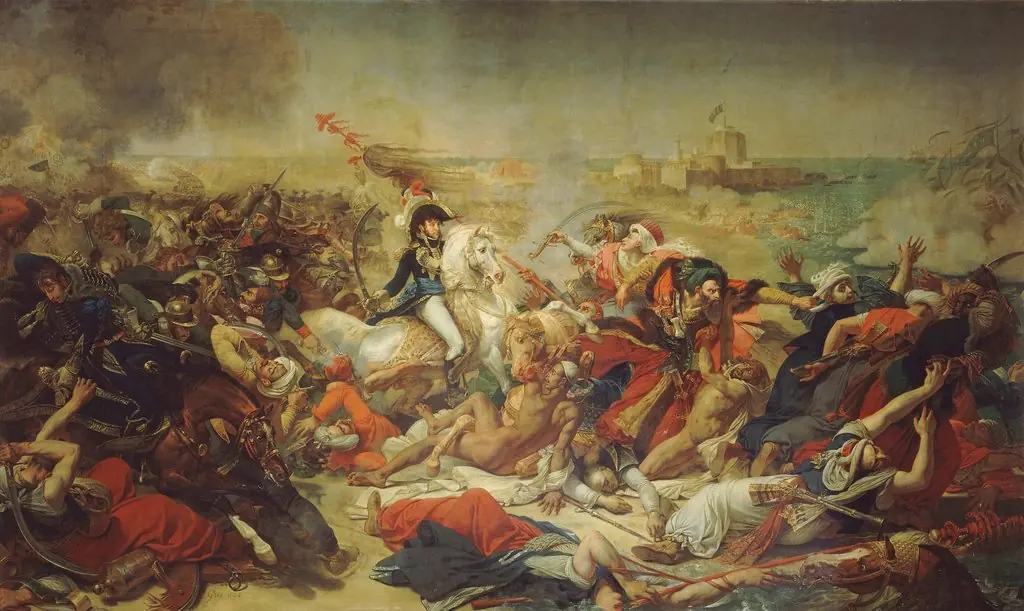 Bataille d'Aboukir, 25 Juillet 1799