Artwork
Life's Eventide
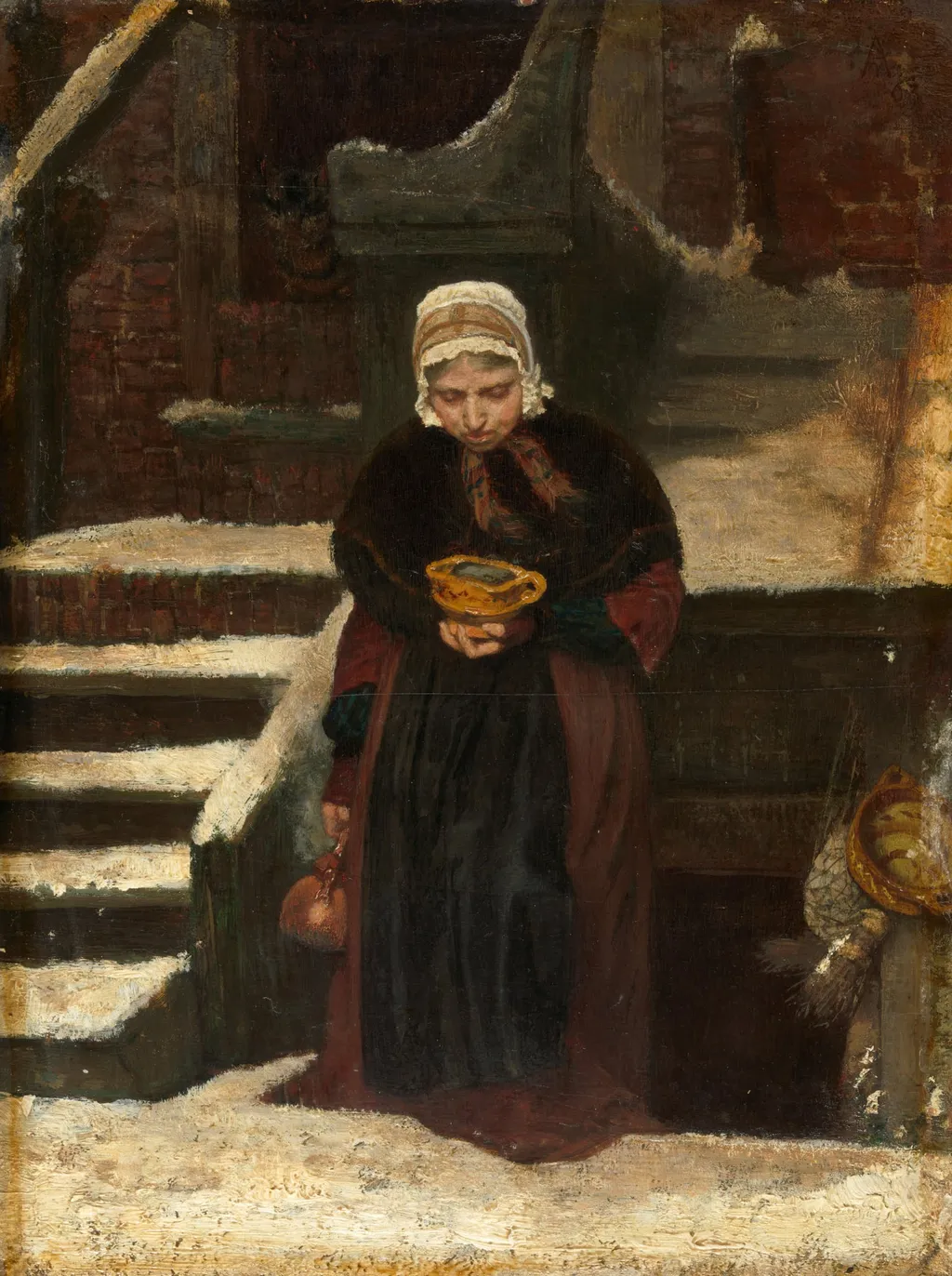
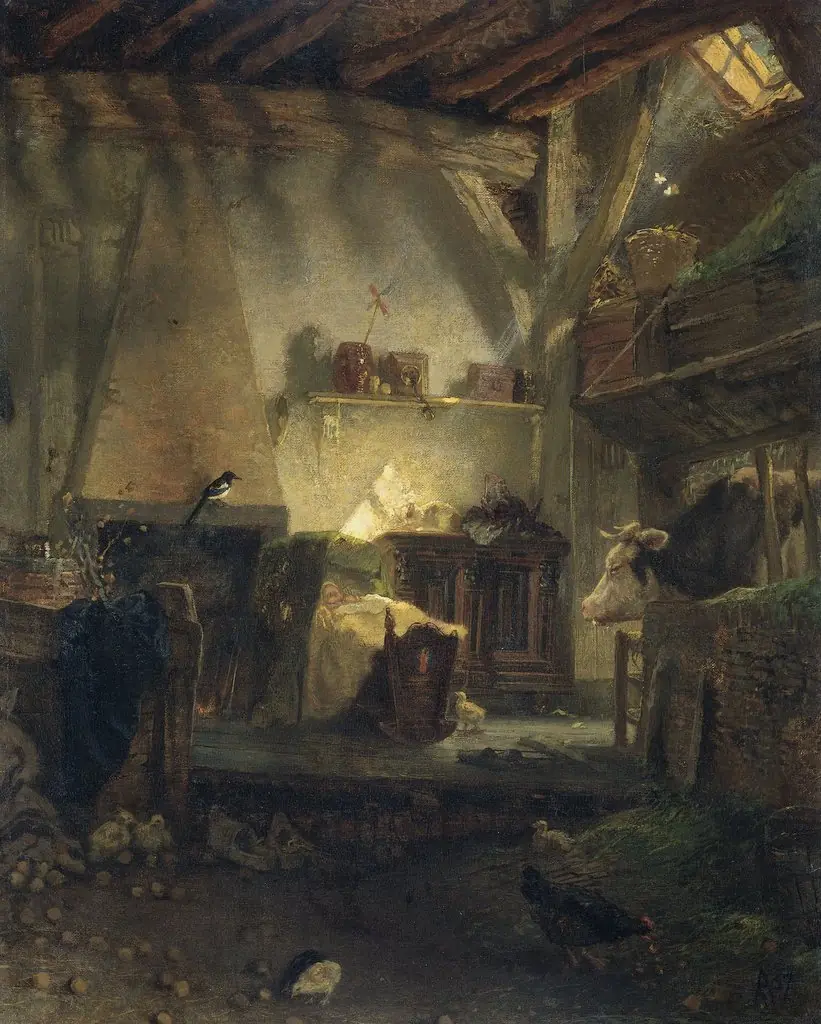
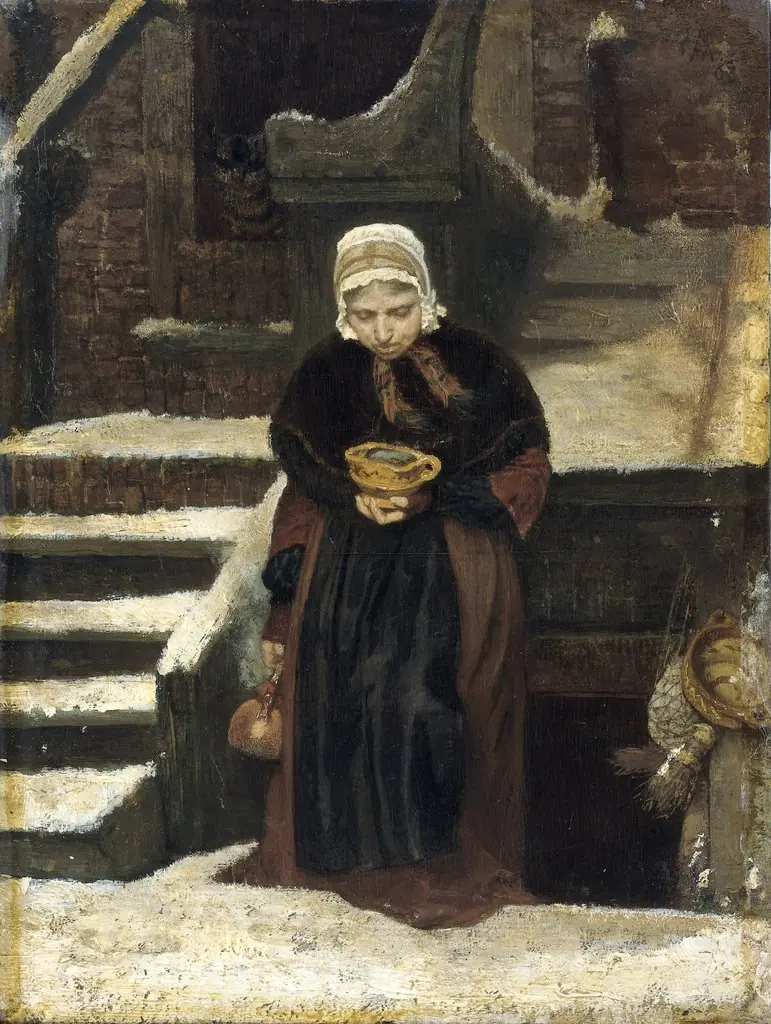
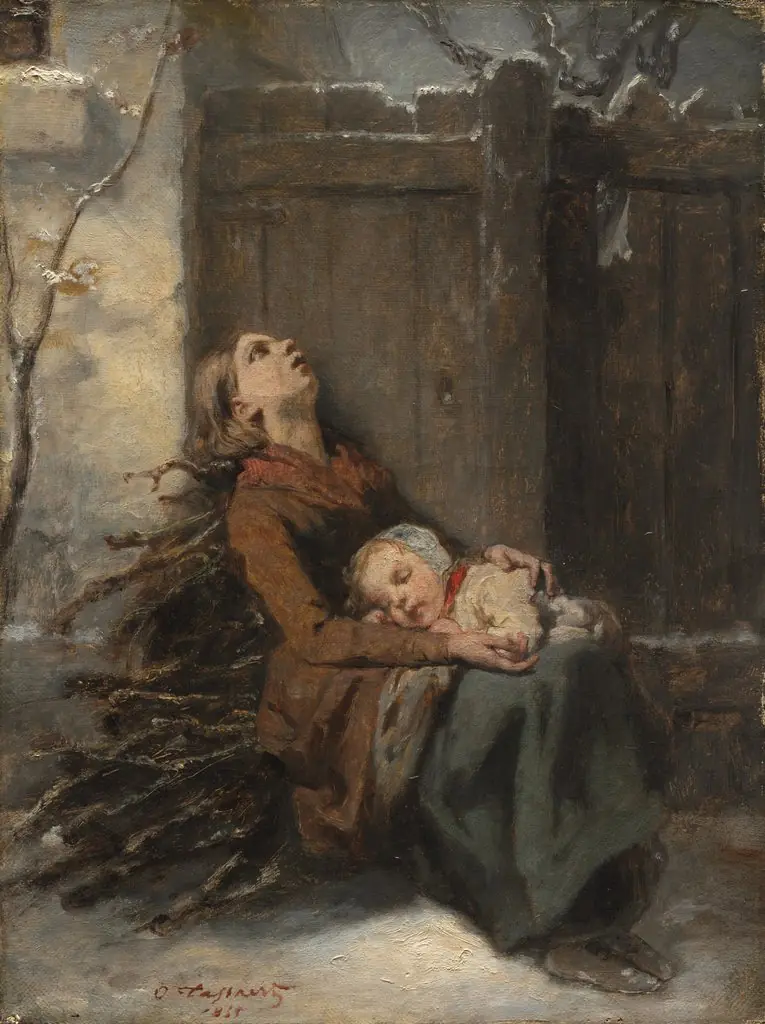
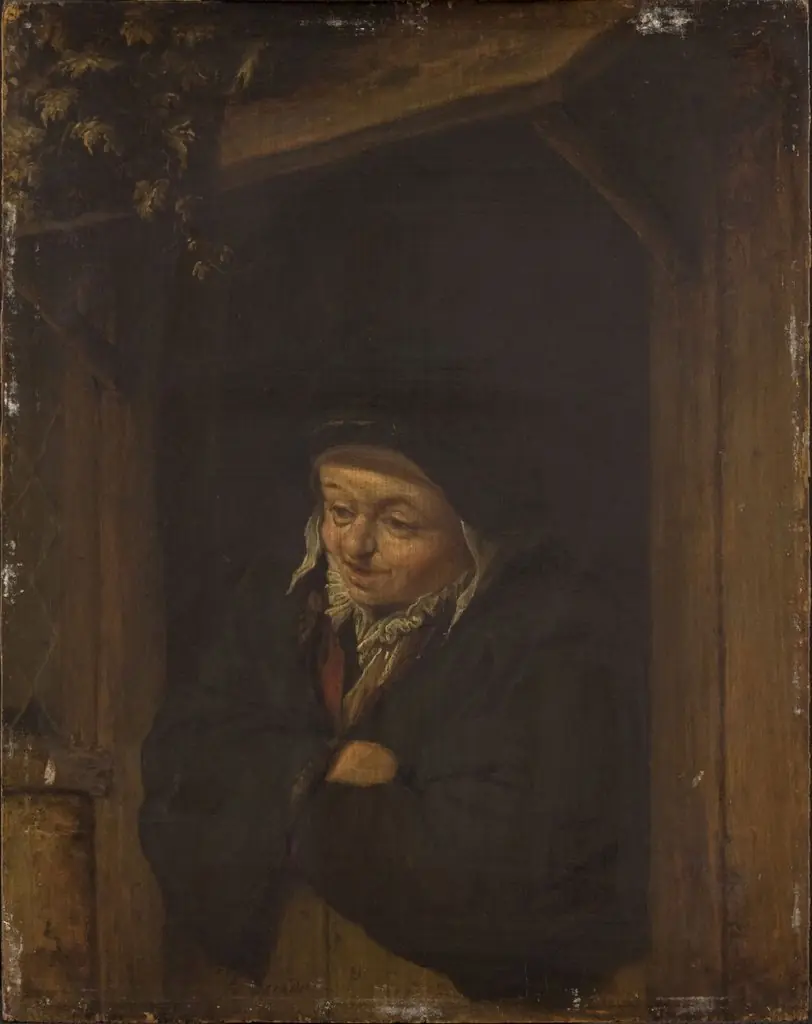
Life's Eventide is an unspecified painting by the Biedermeier artist August Allebé. It dates from 1863 and is held in the collection of the Rijksmuseum. Life’s Eventide is a small oil painting that captures a solitary figure in a dim interior.
About this work
Overview
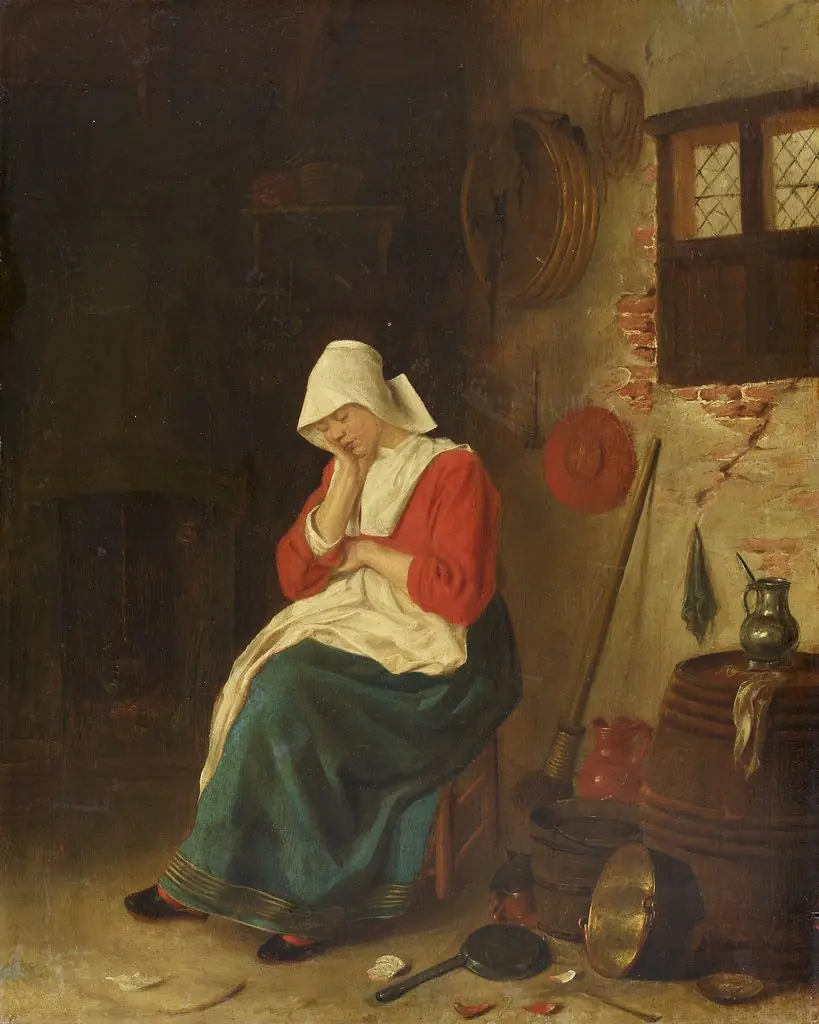
Life’s Eventide is a small oil painting that captures a solitary figure in a dim interior. An elderly woman emerges from a low, brick-lined cellar, pausing to warm her hands over a modest fire set in a metal basket. The flickering light illuminates her weathered face and the surrounding walls, creating a moment of quiet intimacy.
Subject & Meaning
The work presents a simple, everyday scene: an aged woman seeking warmth after time spent in darkness. The gesture of holding hands over the fire suggests both physical comfort and a subtle metaphor for resilience, as the light briefly dispels the surrounding gloom.
Technique & Style
The composition relies on strong contrasts of light and shadow, a hallmark of chiaroscuro. The artist renders the fire’s glow with delicate brushwork, allowing the illumination to soften the woman's wrinkles while deepening the surrounding shadows, thereby emphasizing the tactile quality of the brick and metal surfaces.
History & Provenance
No signature or documented commission accompanies the canvas, leaving the artist’s identity and original purpose unknown. The painting appears to have entered the collection through an anonymous donation, and its anonymity contributes to the sense of an unmediated glimpse into a private moment.
Own this work as a print
Artist & collection
Artist
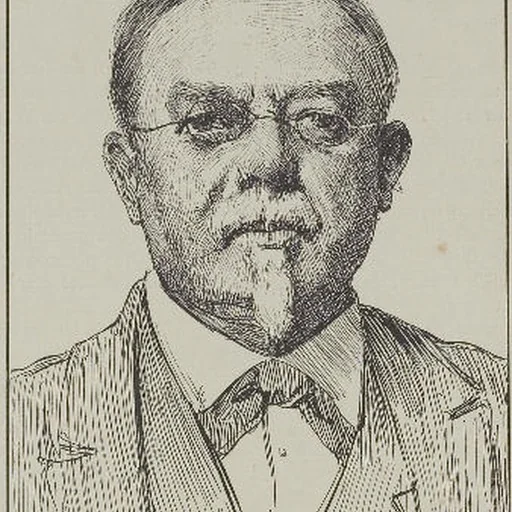
August Allebé was an artist and teacher from the Northern Netherlands. His early paintings were in a romantic style, but in his later work he was an exponent of realism and impressionism. He was a major initiator and…