Artwork
Portrait of Elżbieta de Vaux
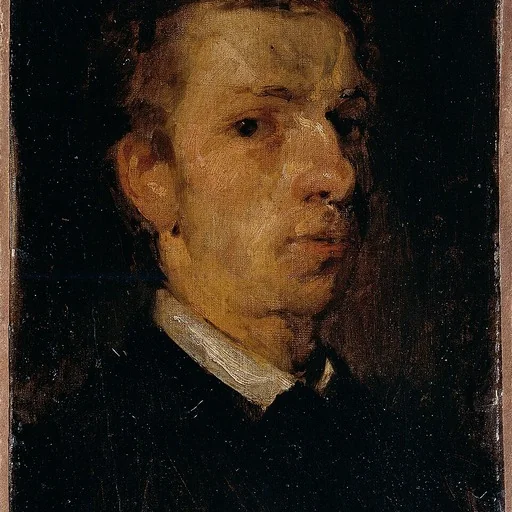
Portrait of Elżbieta de Vaux is an oil painting by August Cesar. It dates from 1882 and is held in the collection of the National Museum in Warsaw.
About this work
Overview
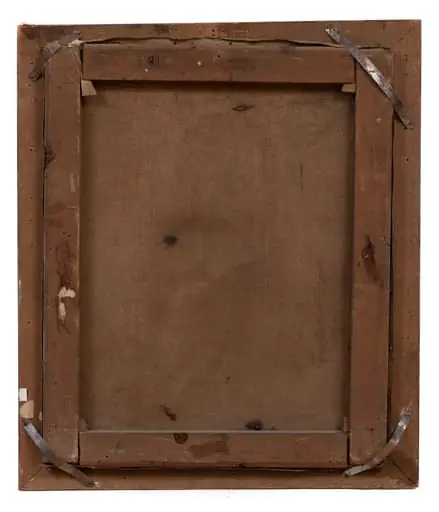
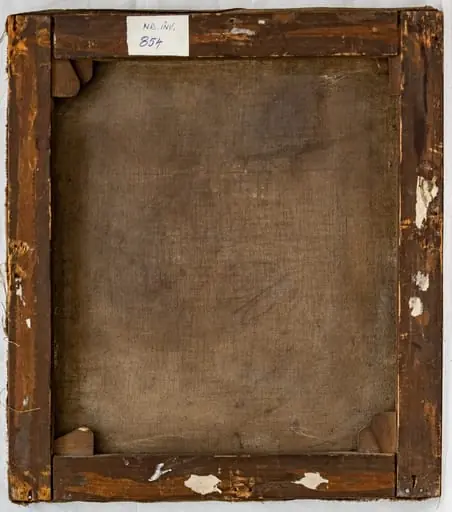
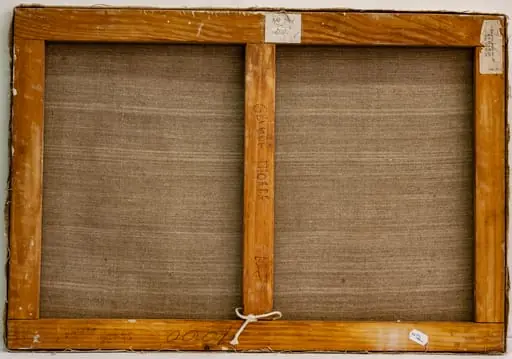
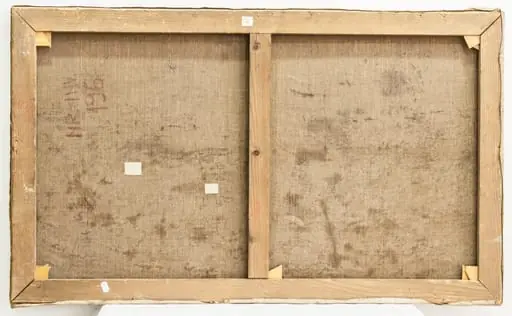
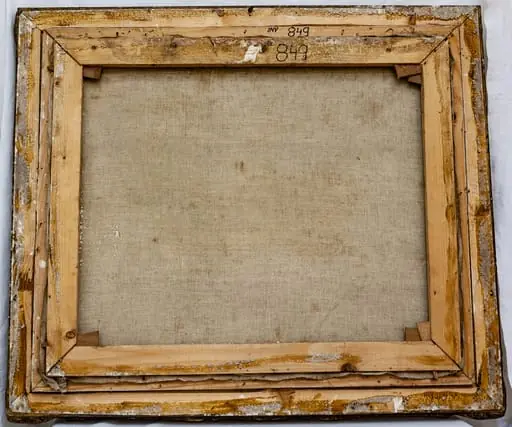
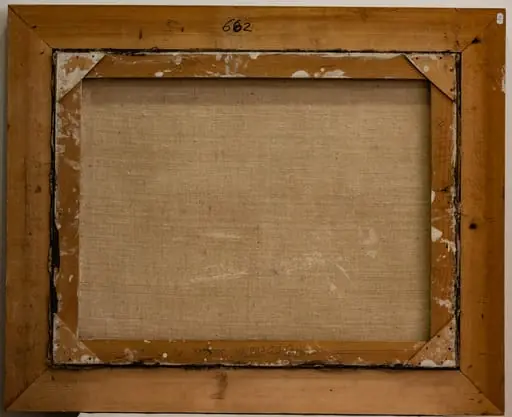
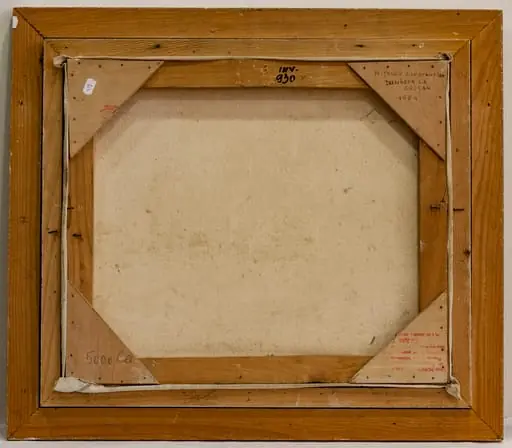
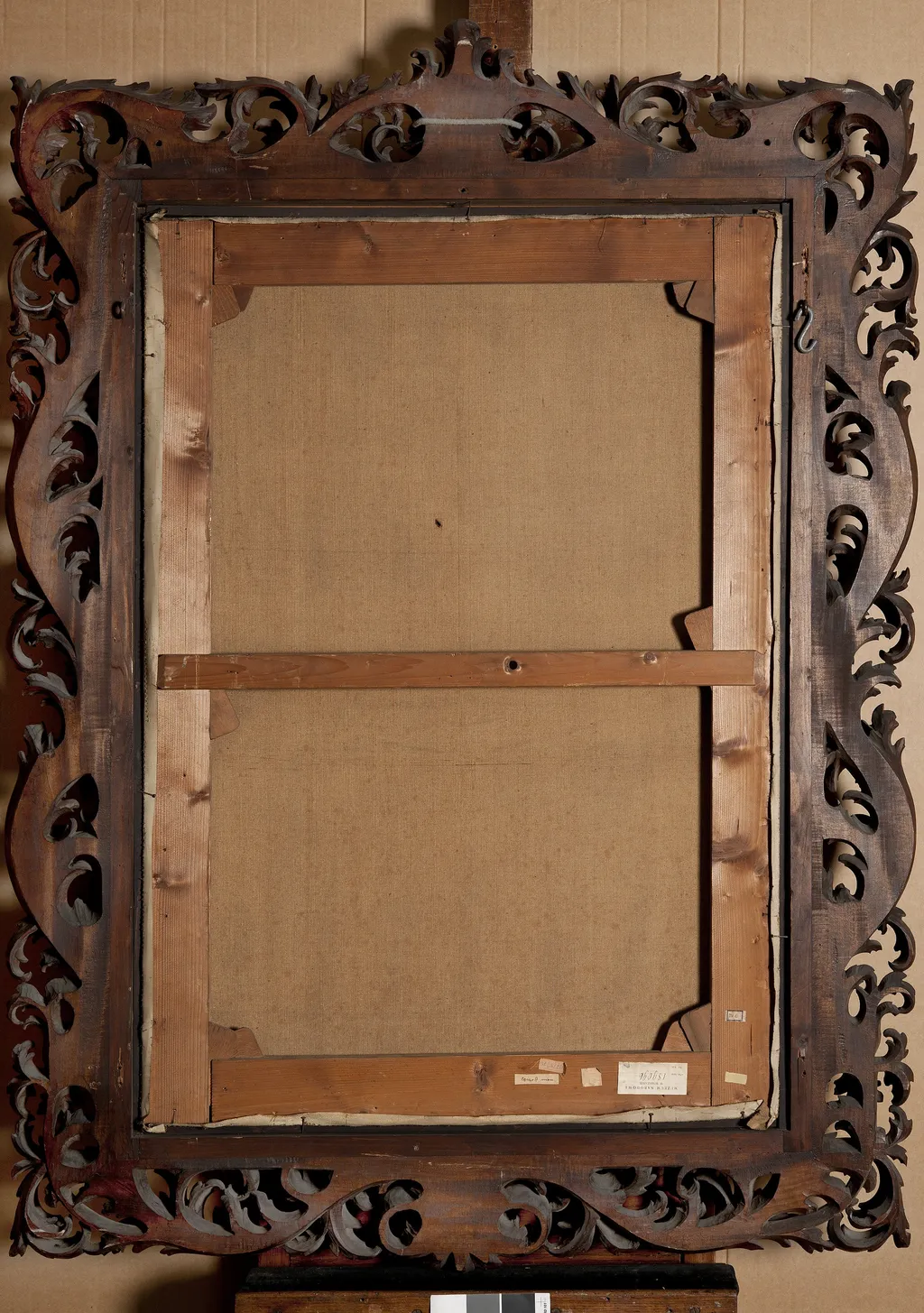
The painting’s frame, though not part of the artwork itself, reflects period craftsmanship with its carved floral motifs and solid wooden construction.
The Portrait of Elżbieta de Vaux is an oil painting attributed to August Cesar, dated around 1882. It is part of the collection at the National Museum in Warsaw. The work presents a formal depiction of its subject, rendered in the academic style common in late 19th-century Polish portraiture. The painting’s frame, though not part of the artwork itself, reflects period craftsmanship with its carved floral motifs and solid wooden construction.
Subject & Meaning
Elżbieta de Vaux was a member of the Polish nobility, and this portrait likely served to affirm her social standing. The composition emphasizes dignity and restraint, typical of aristocratic portraiture of the era. No overt symbolism is present, but the careful rendering of her attire and posture conveys quiet refinement. The painting functions as a record of personal identity within a class-conscious society.
Technique & Style
Cesar employed traditional oil painting methods, with smooth transitions between tones and precise brushwork in the rendering of fabric and facial features. The palette is muted, favoring earth tones and soft grays, which lend a somber elegance. The background is unadorned, directing focus to the figure. The style aligns with academic realism, prioritizing likeness and compositional balance over expressive flair.
History & Provenance
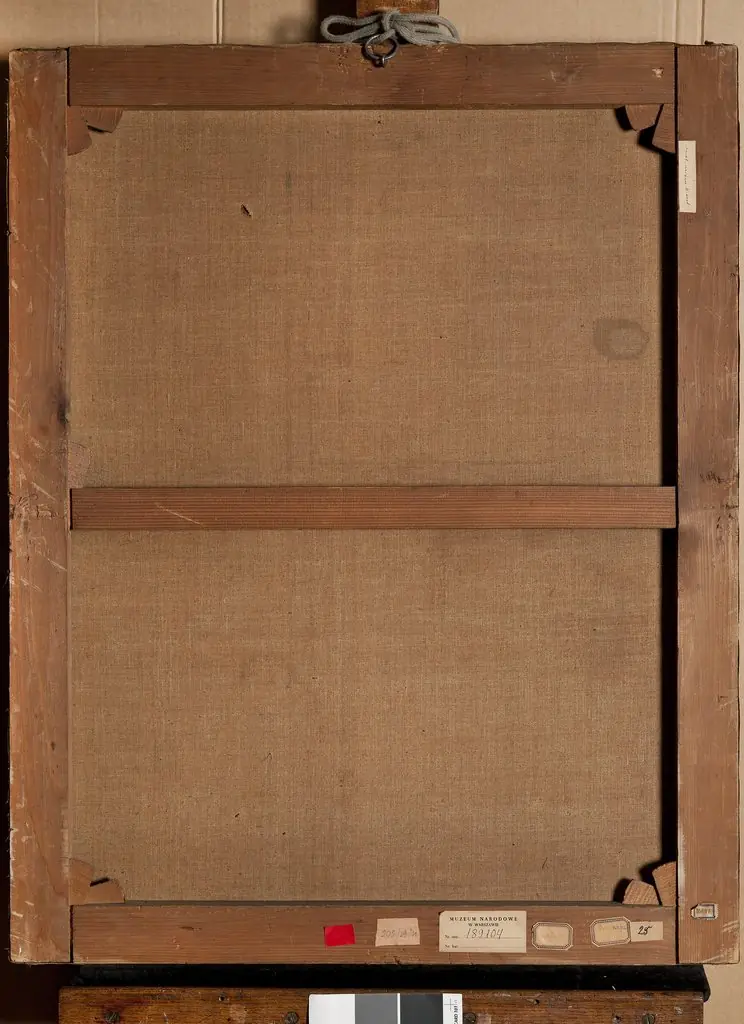
The painting entered the National Museum in Warsaw’s collection in the late 19th or early 20th century, likely through acquisition from a private Polish estate. Its provenance remains partially undocumented, though its presence in the museum’s holdings suggests early institutional recognition. The original frame, though later separated from the canvas, retains its period design and is preserved as part of the artwork’s historical context.
Context
Created during a period of Polish cultural revival under foreign partition, portraits like this one preserved aristocratic identity amid political fragmentation. Artists such as Cesar operated within state-supported academies, adhering to European conventions while subtly asserting national continuity. The portrait reflects a broader trend of using art to sustain social memory when political expression was constrained.
Legacy
Though not widely exhibited outside Poland, the portrait remains a representative example of late 19th-century Polish portraiture. It contributes to scholarly understanding of how elite women were visually represented during a time of national uncertainty. The work’s preservation in a national collection underscores its role as a cultural artifact rather than a celebrated individual achievement.
Artist & collection