Artwork
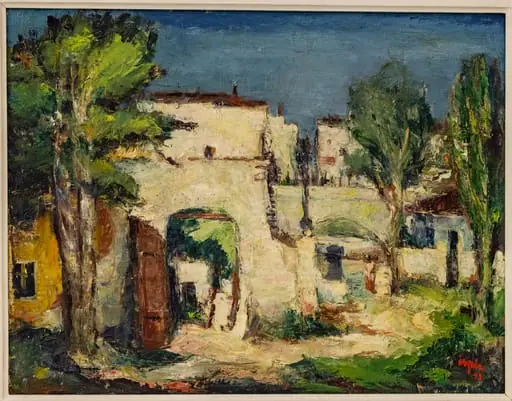
Peisaj cu flori galbene
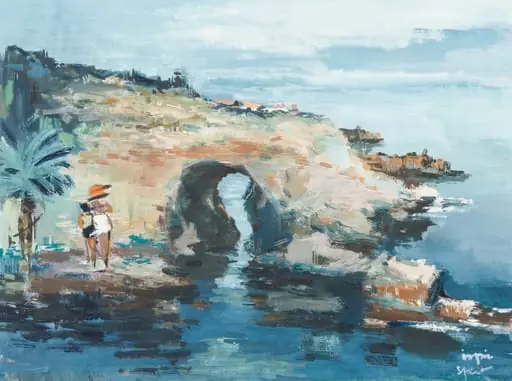
Peisaj cu flori galbene is an unspecified painting by Eugen Ispir. It is held in the collection of the Gavrila Simion Eco-Museum Research Institute Tulcea.
About this work
Overview
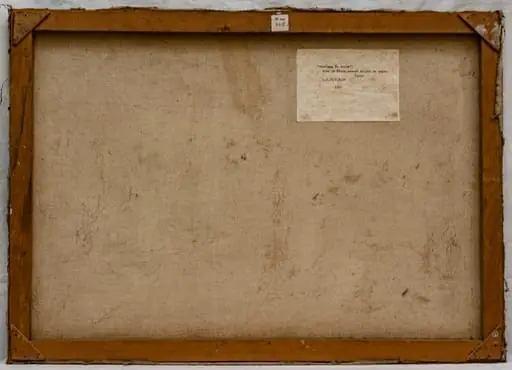
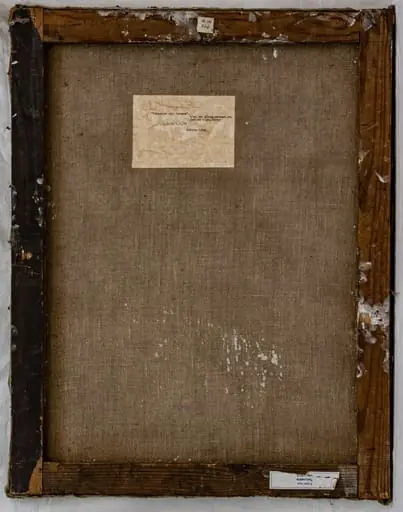
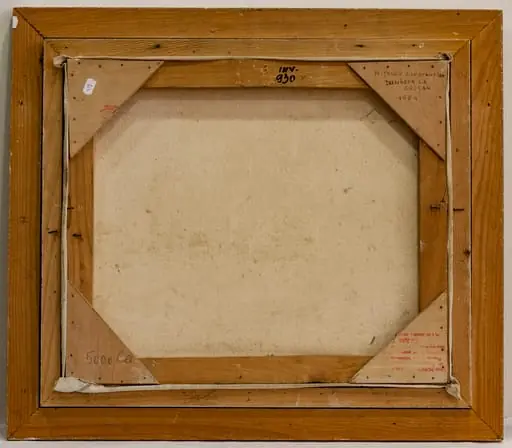
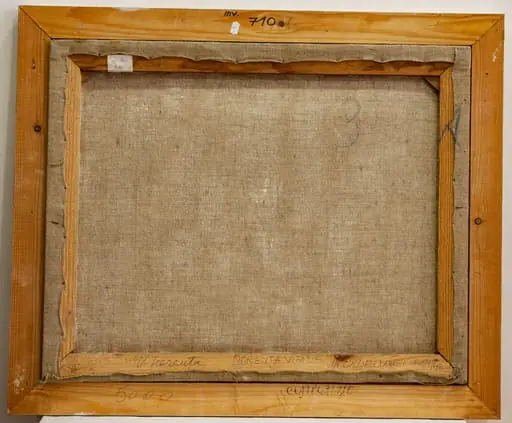
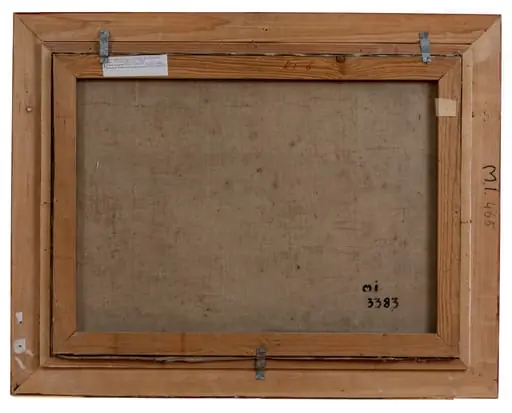
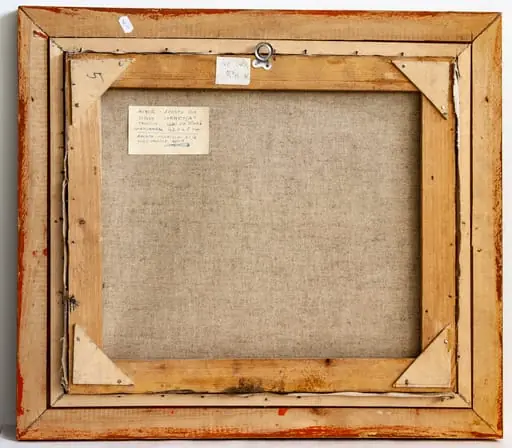
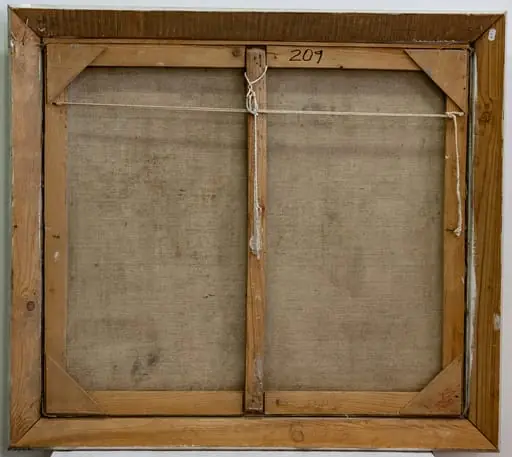
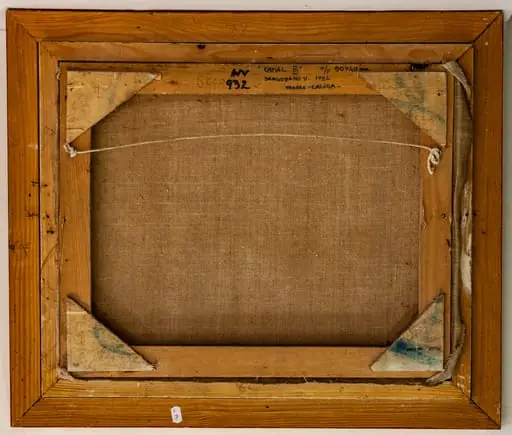
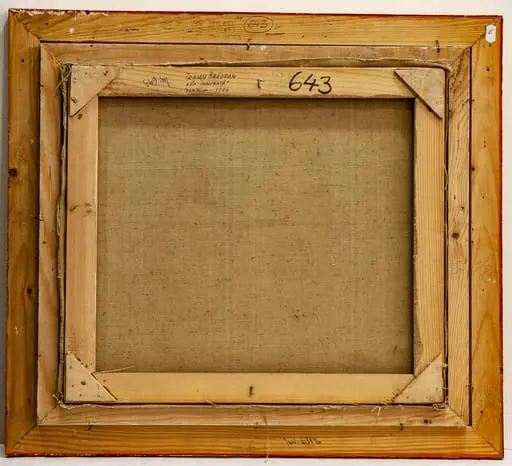
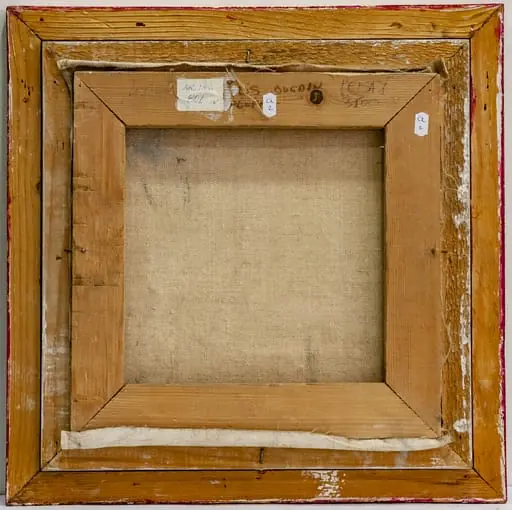
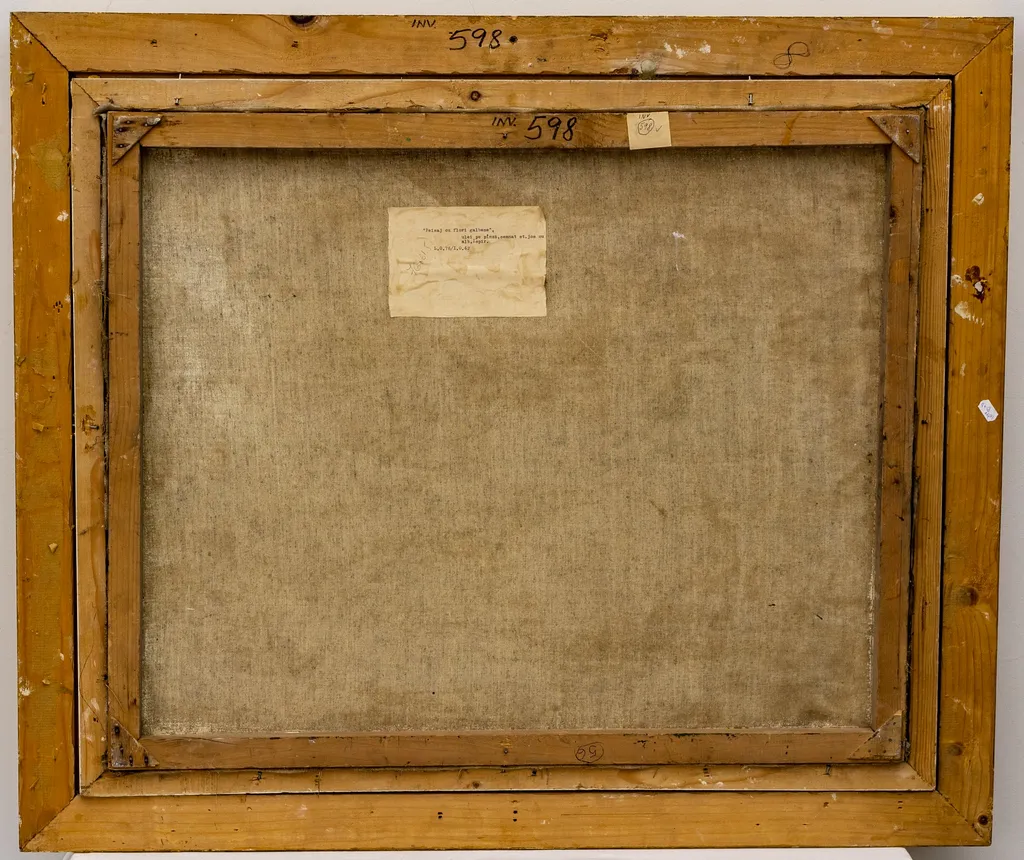
The object consists of an unstretched canvas mounted in a modest wooden frame that shows signs of age, including chipped paint and faint markings along its edges. A small paper label affixed near the centre bears the Romanian title “Peisaj cu flori galbene,” suggesting an intended depiction of a landscape with yellow blossoms, though the surface remains uniformly pale and unmarked.
Subject & Meaning
The title implies a scene populated by yellow flowers, a motif often associated with light and vitality in Romanian landscape painting. In the absence of any visual representation, the work invites speculation about the artist’s original concept and the narrative that might have been conveyed through color and form.
Technique & Style
No brushwork, pigment, or texture is evident on the canvas, indicating that the piece was either never begun or was abandoned before any material application. The plain, smooth ground suggests a preparatory stage typical of works that would later receive oil or acrylic layers.
History & Provenance
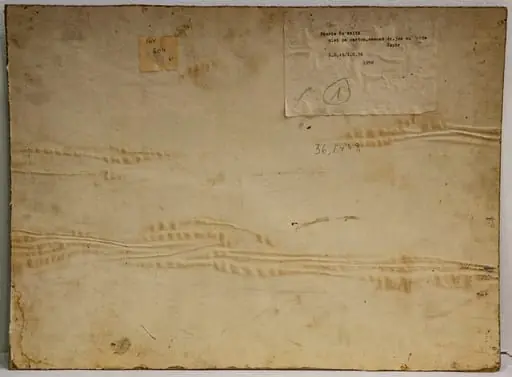
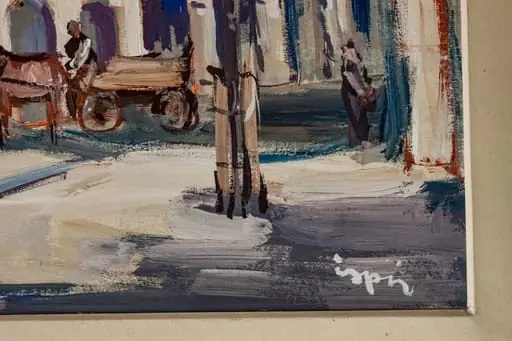
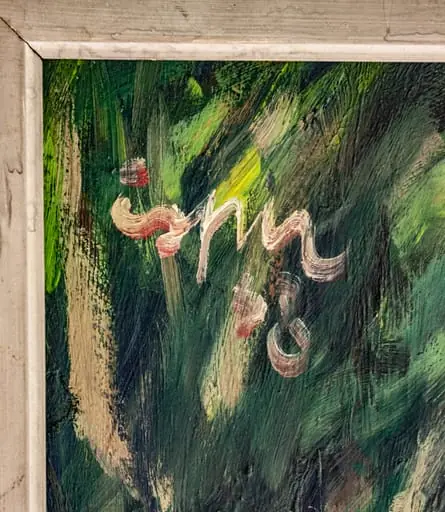
The frame’s weathered condition and the scrawled numbers along its perimeter point to an extended period of storage or handling. The label identifies Eugen Ispir as the creator, situating the object within his oeuvre, though documentation of its commission or intended exhibition remains lacking.
Context
Eugen Ispir, active in the Romanian art scene, frequently explored rural themes and floral motifs. A blank canvas bearing his name and a floral title reflects a practice of planning works in advance, sometimes leaving preparatory pieces uncompleted due to shifting artistic priorities or external circumstances.
Legacy
As an unfinished or lost work, the piece serves as a material reminder of the gaps in an artist’s production and the decisions that shape an oeuvre. Its presence prompts consideration of the creative process, the role of intention versus execution, and the archival value of seemingly empty artifacts.
Artist & collection
Artist
Eugen Ispir painted quiet scenes of places: orchards, riverbanks, Paris streets, and Split’s harbor.
Museum
Gavrila Simion Eco-Museum Research Institute Tulcea
Continue through works from the same source collection.