Artwork
Street in the Arab Quarter, Jerusalem
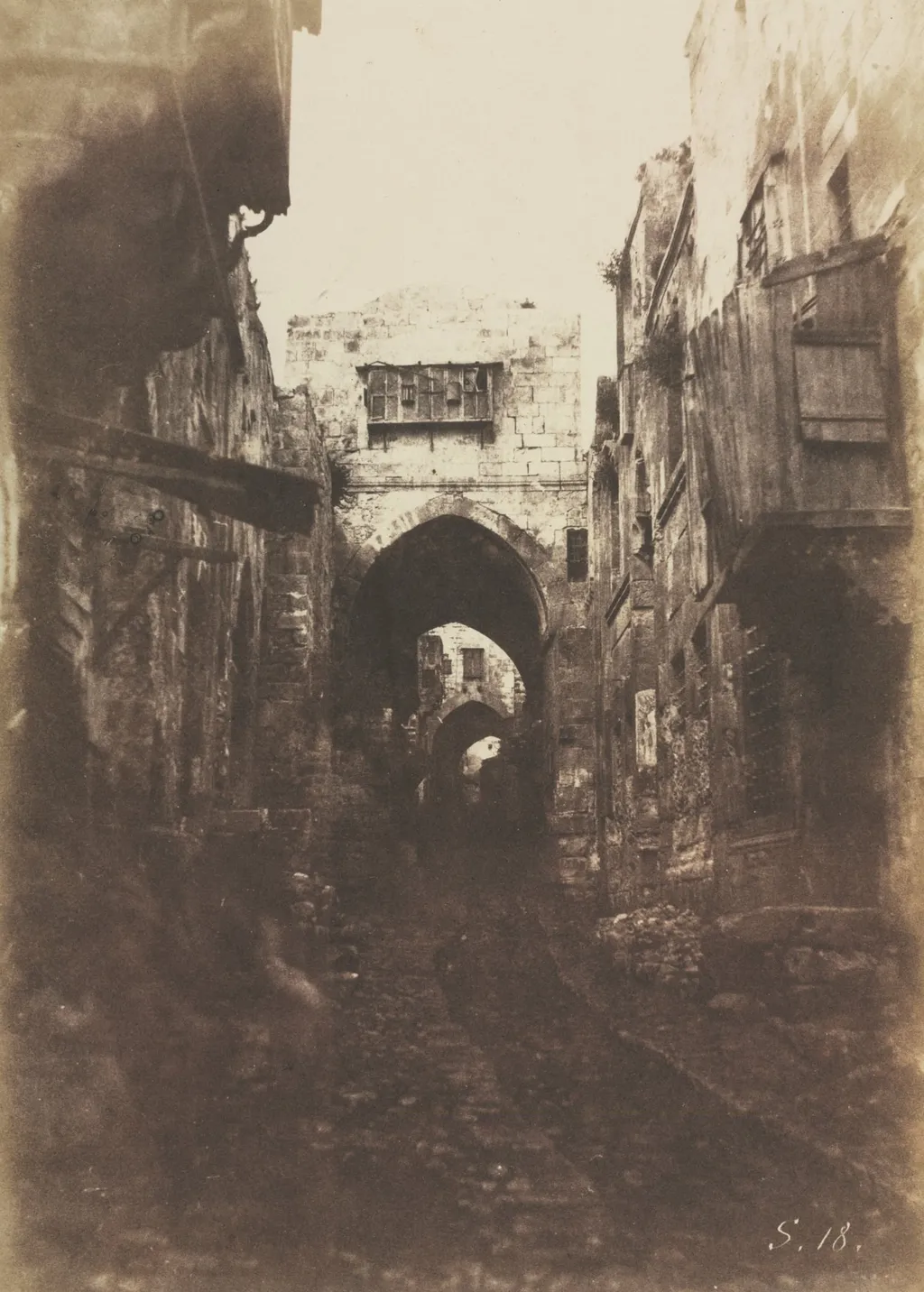
Street in the Arab Quarter, Jerusalem is a photography by the Impressionist artist Auguste Salzmann. It dates from 1854 and is held in the collection of the Cleveland Museum of Art.
About this work
Overview
Street in the Arab Quarter, Jerusalem is a photographic work by Auguste Salzmann, dating to 1854, currently part of The Cleveland Museum of Art's collection.
Subject & Meaning
The photograph captures a narrow, ancient alley in Jerusalem's Arab Quarter. The scene conveys a sense of age and neglect, with crumbling stone buildings, small barred windows, and partially open doors. The dominant archway suggests a passage to another area, while the overall atmosphere is one of quiet mystery, enhanced by interplay of shadows and dim lighting.
Technique & Style
Characterized by a grainy texture indicative of early photographic techniques, the image embodies a realistic approach, focusing on documenting the everyday, unposed aspect of the setting. The composition emphasizes the alley's depth, with light and shadow accentuating the architectural details and the sense of solitude.
History & Provenance
Created in 1854 by Auguste Salzmann, the photograph is now housed at The Cleveland Museum of Art, though specific details of its acquisition or previous ownership are not provided here.
Context
Part of the broader 19th-century interest in documenting the Middle East, this work reflects the era's photographic explorations of historical and cultural sites, often blending artistic expression with anthropological and architectural recording.
Legacy
As an early example of Middle Eastern urban documentation, it contributes to the historical record of Jerusalem's architecture and daily life in the mid-19th century, offering insights into the city's past for contemporary viewers and researchers.
Artist & collection
Artist
Auguste Salzmann (1824–1872) was a French archaeologist, painter, and pioneer in the field of archaeological photography.

 Behind the Troglodyte Farm
 Saint-Honorat, Prés d'Arles
 Gateway to Borwick Hall, Lancashire
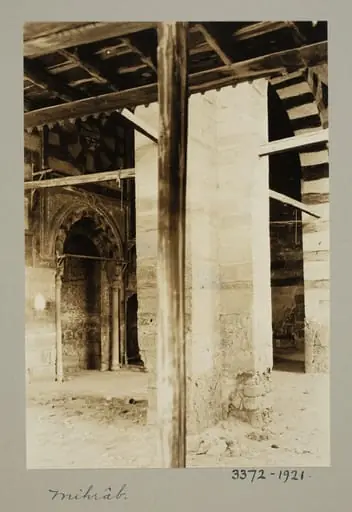 Mihrab of the mosque of Masih Pasha (Nur al-Din), Cairo
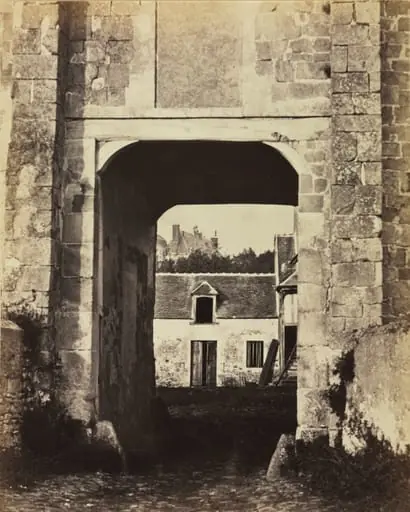 Rural Estate Seen Through Archway
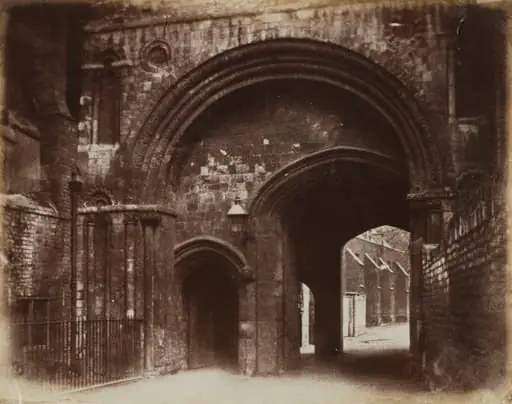 Canterbury
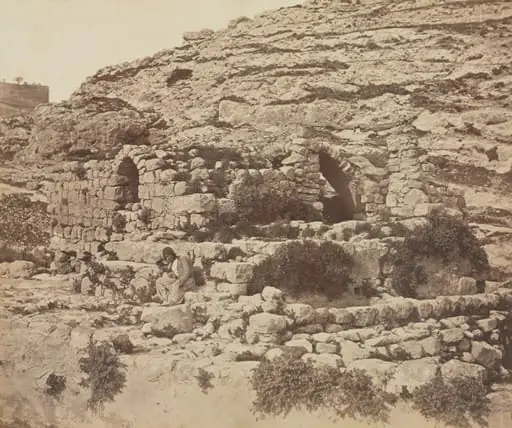 Well of Joab, Jerusalem
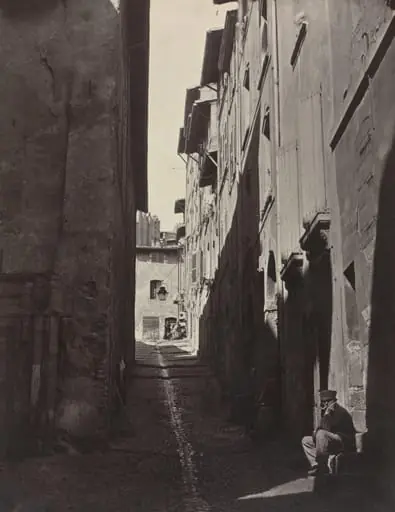 Renovation of the Old City of Marseille, Rue Caves de l'Oratoire
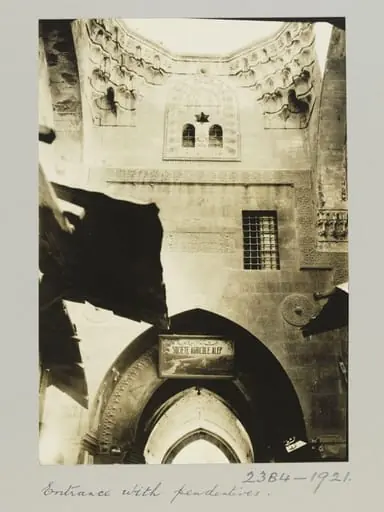 Entrance of Khan al-Jumruk, Aleppo
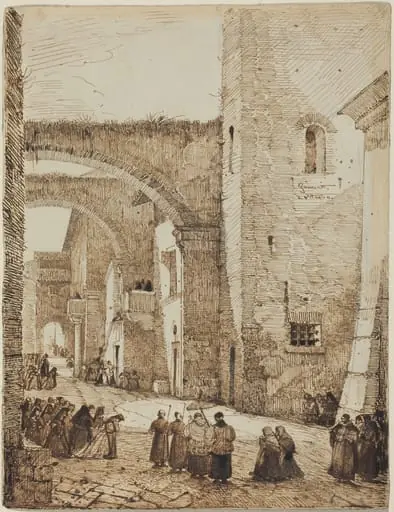 A Priest Processing through a Medieval Street in Viterbo
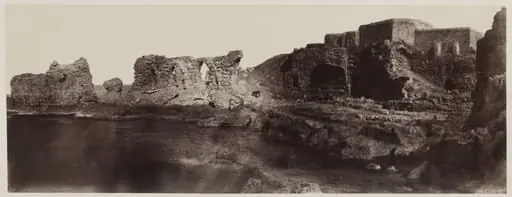 Kaalat el Athlit, Syria, View from the Seaside
 St. Andrews Castle, from the Southeast