Artwork
Well of Joab, Jerusalem
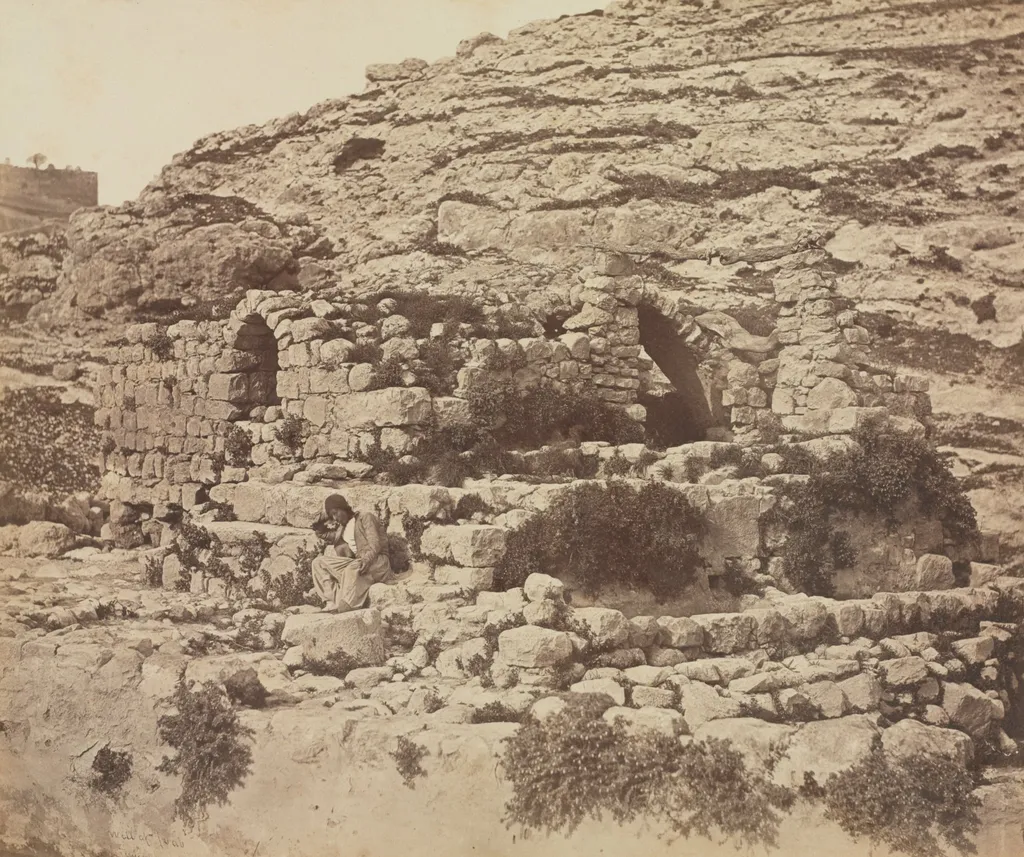
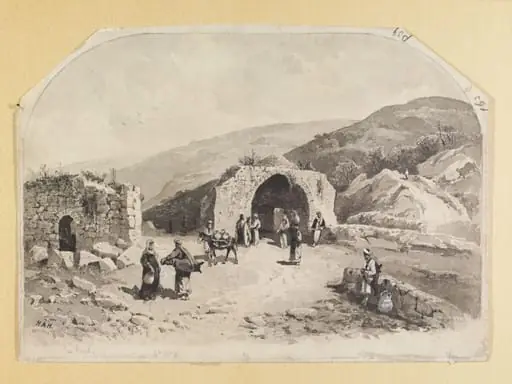
Well of Joab, Jerusalem is a photography by the Impressionist artist 1813 (?)-aft 1865) James Robertson (British. It dates from 1857 and is held in the collection of the Cleveland Museum of Art. The image presents a stone well near Jerusalem, captured in 1857 by British photographer James Robertson.
About this work
It’s shaded by lush greenery with a donkey and a few people nearby.
This painting shows a deep stone well in Jerusalem. It’s shaded by lush greenery with a donkey and a few people nearby. The light picks out the rough texture of the old stones.
It’s actually a photo, not a painting. James Robertson took it in 1857 using a new wet-collodion process. The photo captures a quiet moment at a historic spot.
This is one of the first high-quality photos of Jerusalem. Check out more photos by the same artist. artist: James Robertson (British, 1813 (?)-aft 1865)
Overview
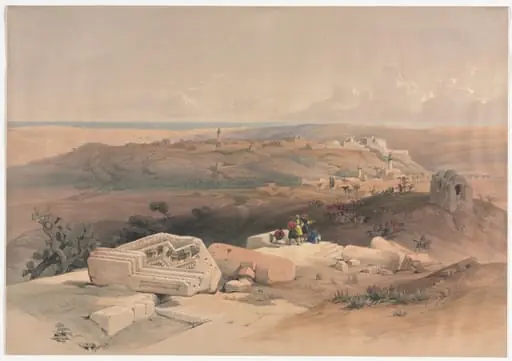
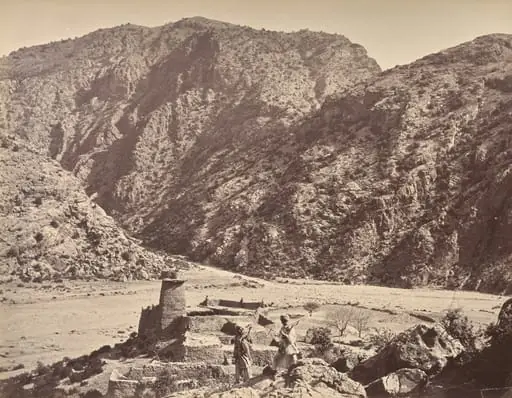
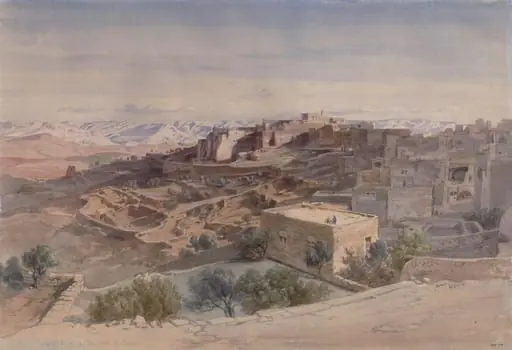
The image presents a stone well near Jerusalem, captured in 1857 by British photographer James Robertson. Executed with the wet‑collodion technique, the photograph offers a clear, large‑format view of the ruined well set against a rocky hillside, framed by surrounding vegetation and a modest human presence.
Subject & Meaning
The well, traditionally identified as the biblical Well of Joab, is shown from a low angle that emphasizes its depth and the texture of the ancient masonry. A seated figure in the foreground provides scale, suggesting the site's continued relevance to everyday life despite its historic aura.
Technique & Style
Robertson employed the wet‑collodion process, then a novel method for the region, allowing fine detail and tonal range in a single exposure. The composition balances architectural ruin with natural elements, using upward perspective to integrate the structure into the surrounding landscape.
History & Provenance
The photograph emerged from Robertson’s 1857 expedition to the Near East, undertaken with fellow photographer Felice Beato. Their collaboration marked the first documented use of wet‑collodion in the Holy Land, producing some of the earliest high‑quality visual records of Jerusalem’s sacred sites.
Context
During the mid‑19th century, Western interest in biblical geography spurred photographic documentation of the region. Robertson and Beato’s work stood out for incorporating human figures into the scene, a practice uncommon among contemporary Holy Land photographers, thereby adding narrative depth to their images.
Artist & collection
Artist
1813 (?)-aft 1865) James Robertson (British
James Robertson carted a camera into war zones and holy cities when most photographers stayed home.