Artwork
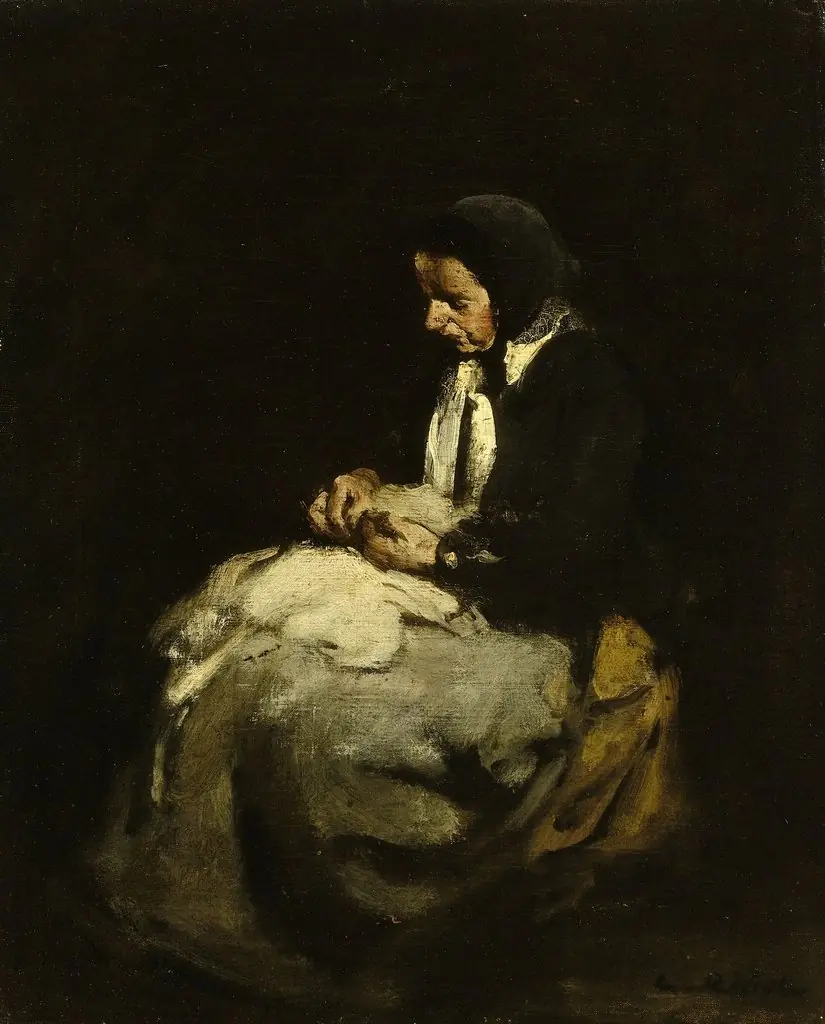
A Woman at the Piano
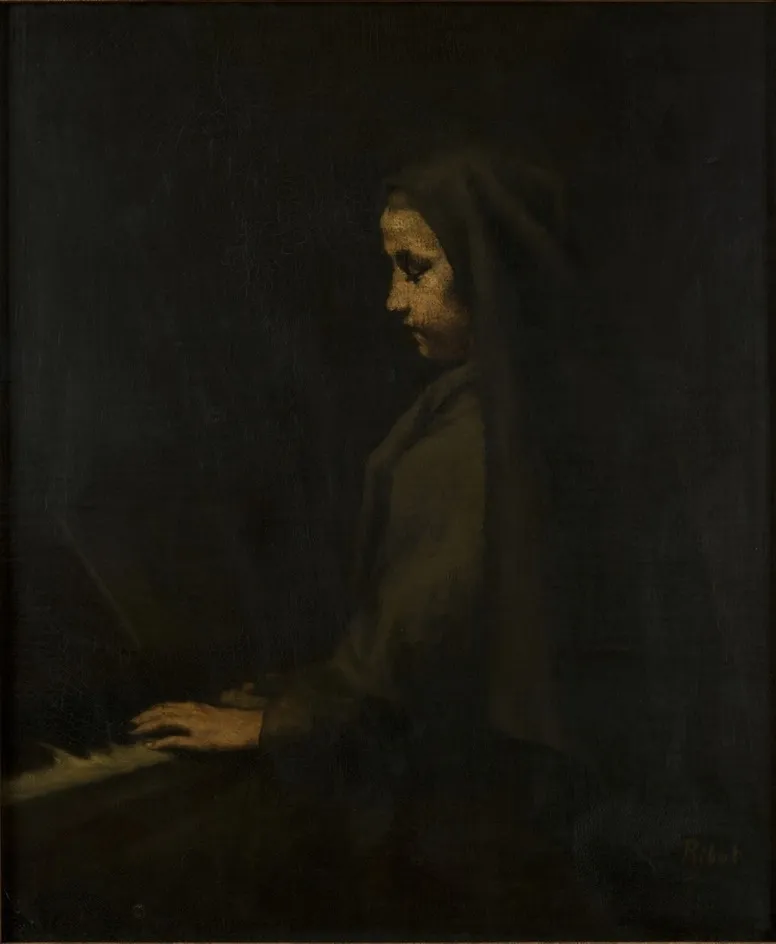
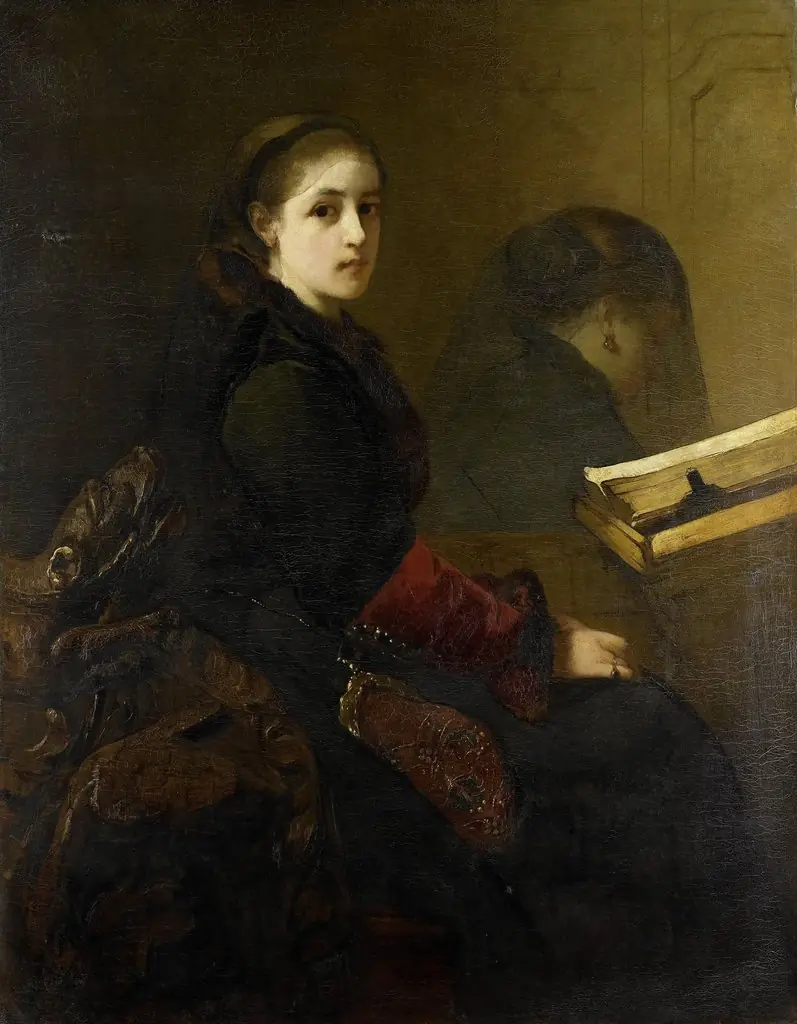
A Woman at the Piano is an oil painting by the Realist artist Augustin Théodule Ribot. It dates from 1867 and is held in the collection of the Ashmolean Museum.
About this work
Overview
Théodule‑Augustin Ribot painted *A Woman at the Piano* circa 1867. Executed in oil on canvas, the work portrays a solitary female figure seated before a piano in a dimly lit interior. The composition is anchored in the realist tradition, presenting an unembellished glimpse of everyday life.
Subject & Meaning
The central figure is a woman whose gaze is directed downward, her hands hovering over the keyboard as if poised to begin a piece. The subdued lighting and partial concealment of her face create an atmosphere of introspection, inviting viewers to contemplate the private moment of musical concentration.
Technique & Style
Ribot employs chiaroscuro to heighten the contrast between the faint illumination and surrounding shadows, directing attention to the woman's face and hands. The brushwork is restrained, emphasizing form and volume without decorative excess, consistent with the realist emphasis on truthful representation.
History & Provenance
Although largely self‑taught after a brief formal apprenticeship, Ribot began his career as a decorative artisan in Paris before turning to genre scenes and still lifes. *A Woman at the Piano* entered the collection of the Ashmolean Museum, where it remains part of the institution’s holdings of 19th‑century French painting.
Context
Created during the height of French realism, the painting reflects the movement’s focus on ordinary domestic settings rather than historical or mythological subjects. Ribot’s choice of a quiet interior scene aligns with his broader interest in everyday moments, a hallmark of his oeuvre.
Artist & collection
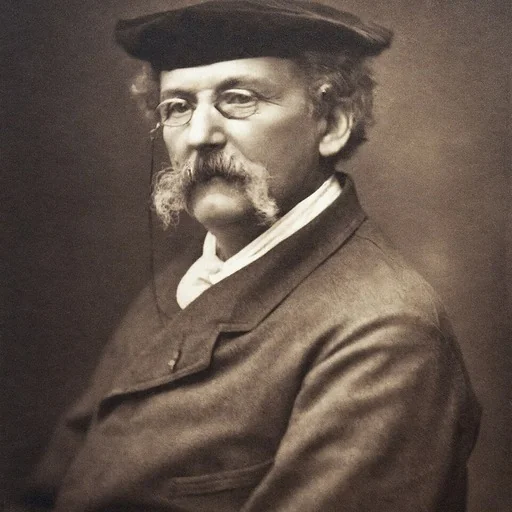
Artist
Théodule-Augustin Ribot (French: ; August 8, 1823 – September 11, 1891) was a French realist painter and printmaker.