Artwork
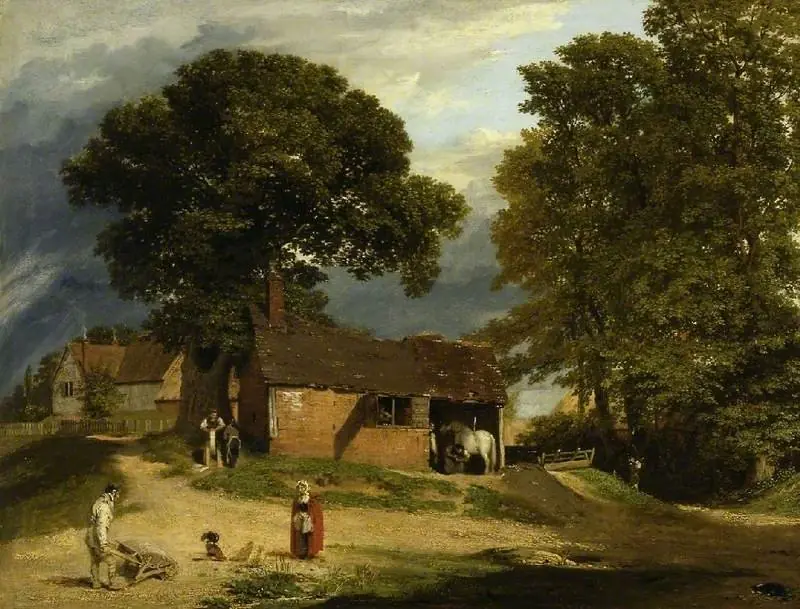
Near the Mall, Kensington Gravel Pits
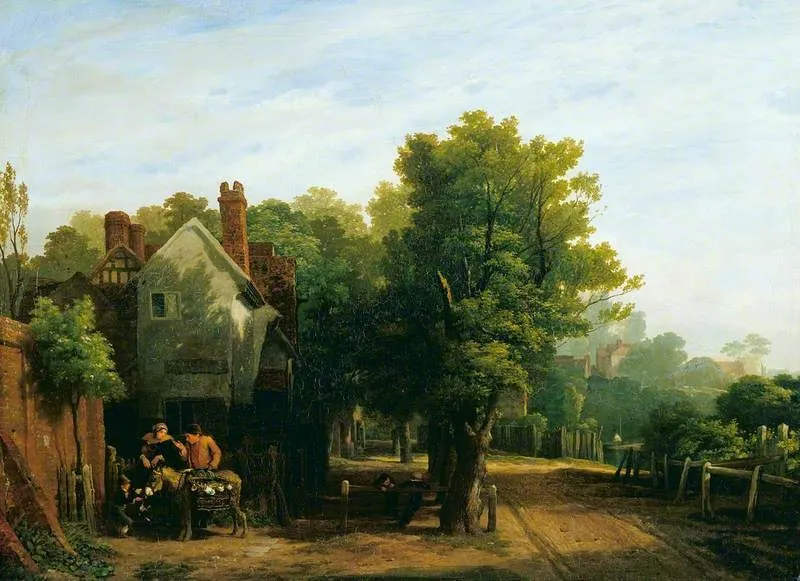
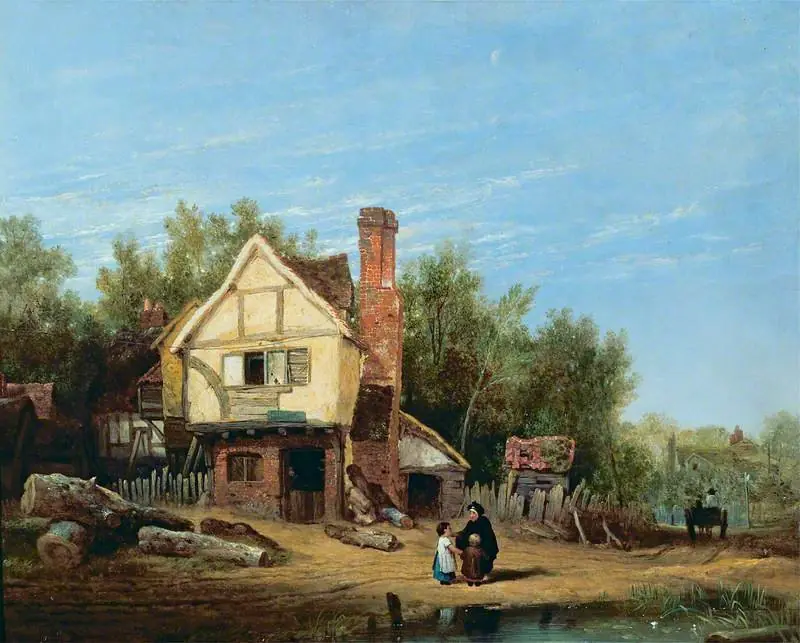
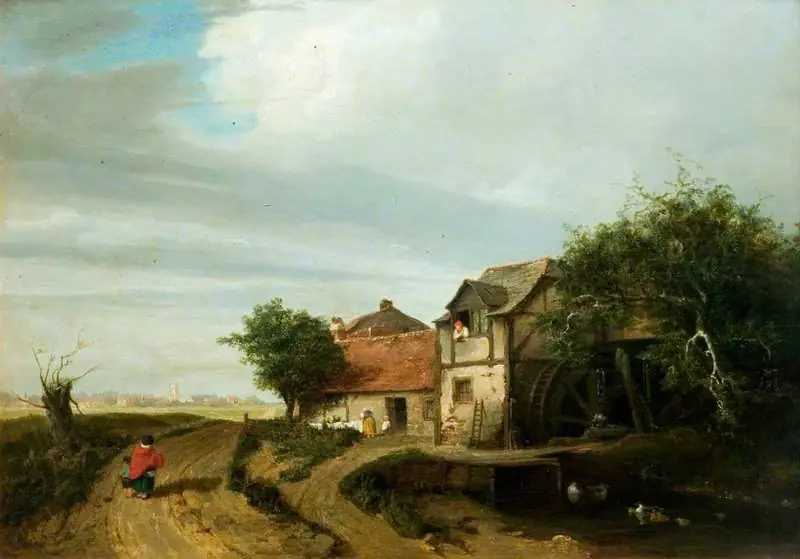
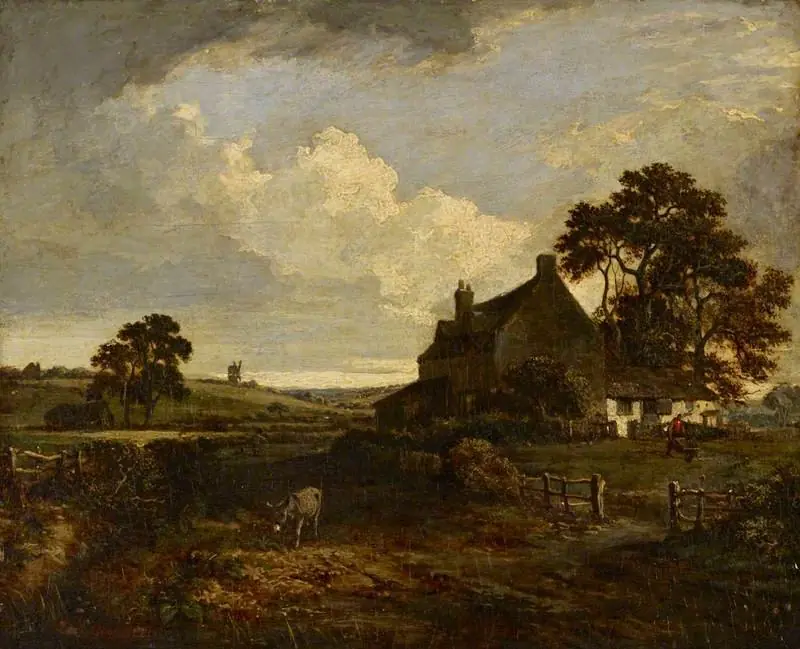
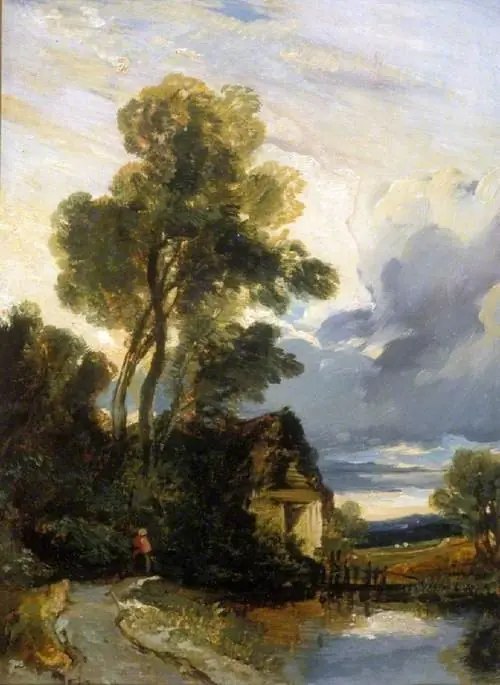
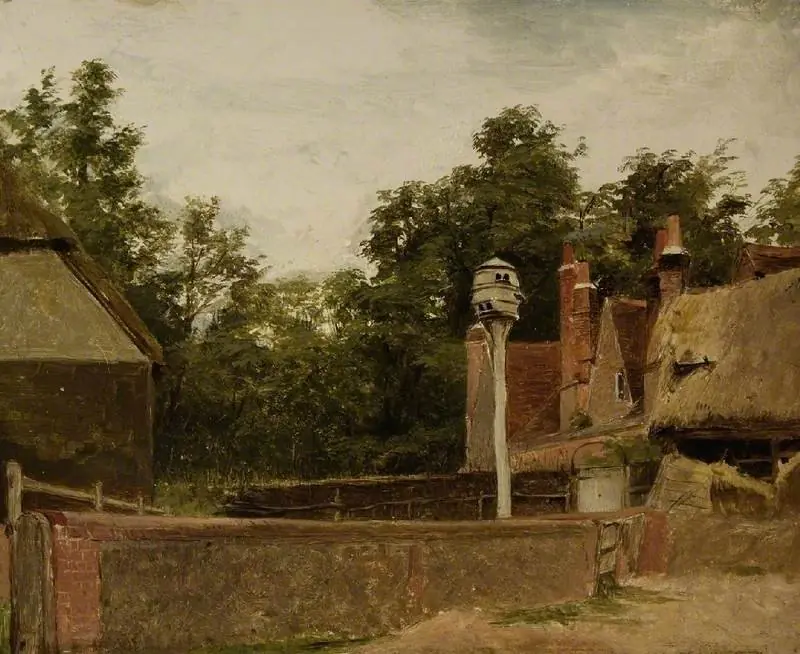
Near the Mall, Kensington Gravel Pits is an oil painting by William Mulready. It dates from 1812 and is held in the collection of the Victoria and Albert Museum.
About this work
Overview
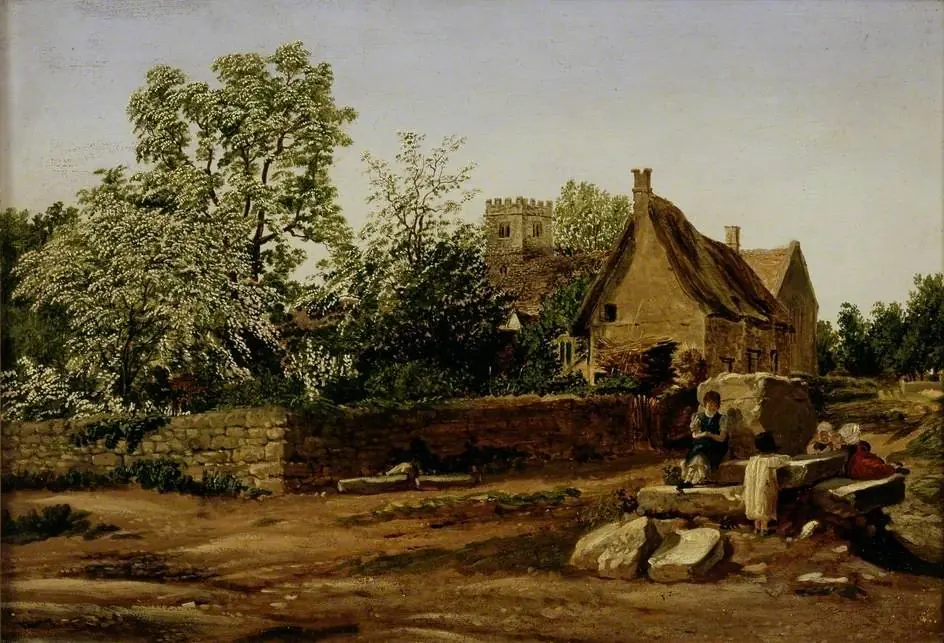
Painted in 1812 by William Mulready, this oil on canvas depicts a quiet urban lane in Kensington, near the gravel pits that once lined the area.
Painted in 1812 by William Mulready, this oil on canvas depicts a quiet urban lane in Kensington, near the gravel pits that once lined the area. The scene captures everyday life with unembellished observation, focusing on a modest stretch of road bordered by trees and low buildings. Its quiet composition reflects early 19th-century British genre painting, prioritizing naturalism over dramatic narrative.
Subject & Meaning
The painting portrays ordinary residents—among them a woman with a child—pausing near a dwelling, suggesting a moment of daily routine. No grand event is depicted; instead, the work conveys the dignity of common life in a developing suburb. The absence of theatricality underscores its documentary intent, offering a glimpse into the social fabric of London’s outskirts during the early Industrial era.
Technique & Style
Mulready employed fine brushwork to render textures of fabric, foliage, and brickwork with careful precision. The palette is restrained yet nuanced, using muted earth tones to suggest atmospheric depth and seasonal light. Shadows and spatial recession are subtly modeled, avoiding overt chiaroscuro in favor of a soft, observational realism that aligns with emerging trends in British genre painting of the period.
History & Provenance
The painting entered the Victoria and Albert Museum’s collection as part of the South Kensington Museum’s early acquisitions of British art. Its provenance traces back to the artist’s own holdings, likely acquired directly from Mulready or through a private collector in the mid-19th century. It has remained in public ownership since its accession, consistently cataloged as a representative example of early Victorian genre work.
Context
Kensington in 1812 was transitioning from rural village to suburban enclave, with gravel pits still active and new residential streets emerging. Mulready’s choice of subject reflects a growing interest in depicting local, non-elite life—a shift from aristocratic portraiture toward scenes of middle-class domesticity. This work aligns with contemporaneous efforts by artists like David Wilkie to elevate everyday moments into artistic subject matter.
Legacy
Though not widely exhibited today, the painting remains a quiet reference point in studies of early 19th-century British genre art. It exemplifies the transition from idealized composition to observational realism, influencing later artists who sought to document urban life without sentimentality. Its presence in the V&A underscores its role as a historical record of London’s evolving neighborhoods.
Artist & collection
Artist
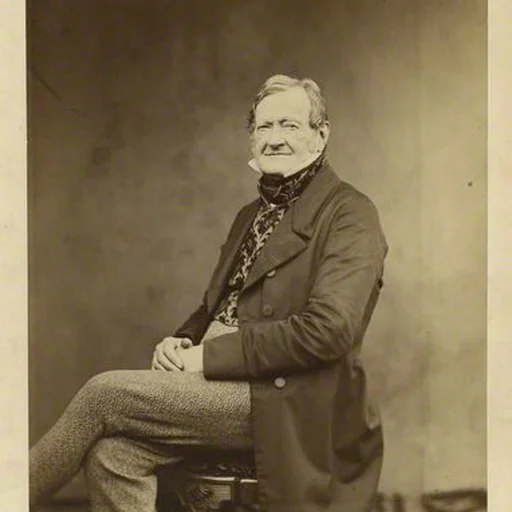
William Mulready was an Irish genre painter living in London. He is best known for his romanticising depictions of rural scenes, and for creating Mulready stationery letter sheets, issued at the same time as the Penny Black postage stamp.