Artwork
Chairing the Members
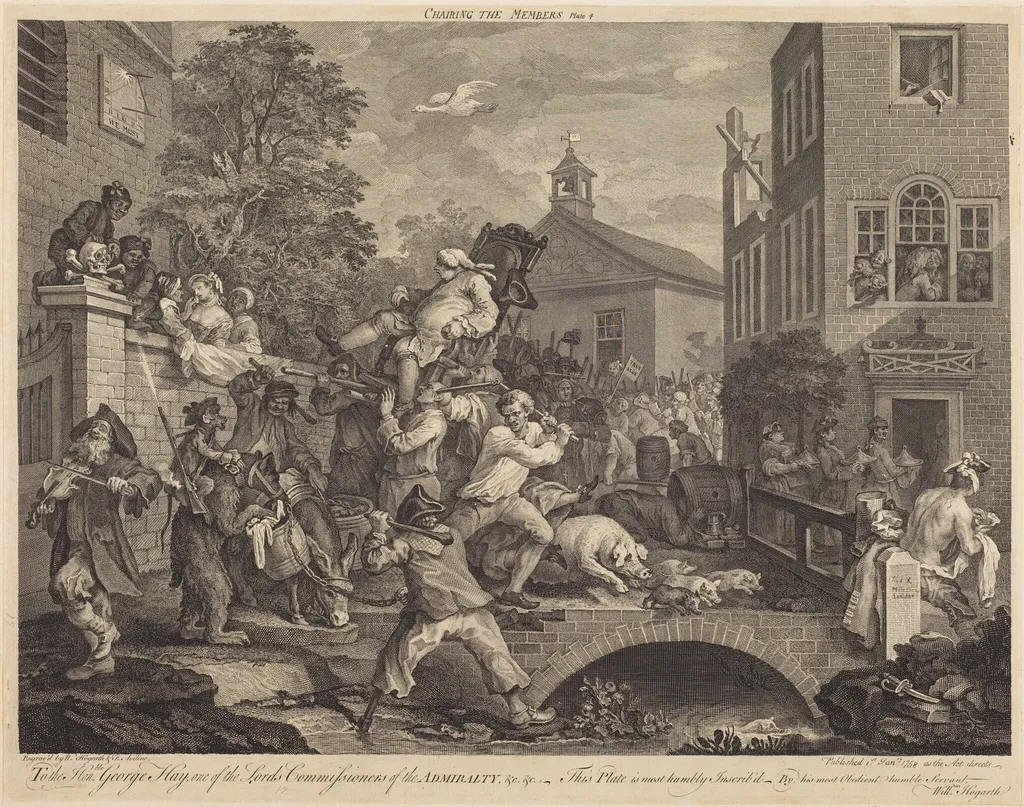
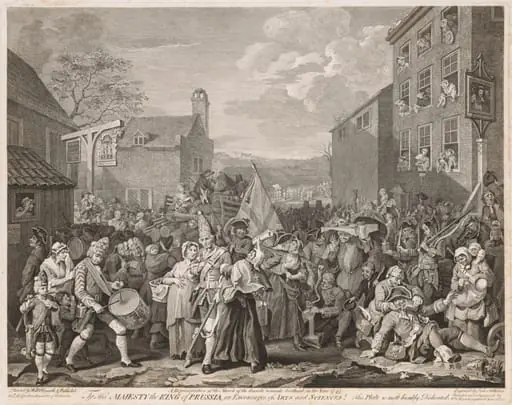
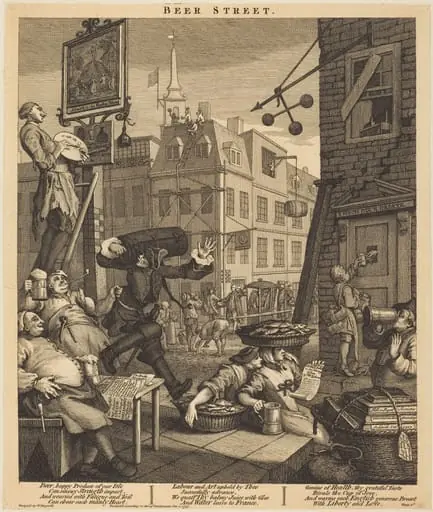
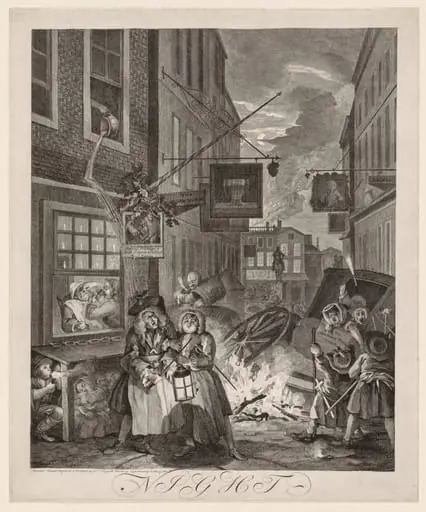
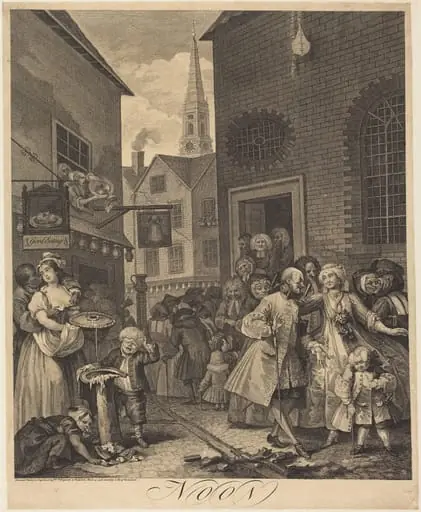
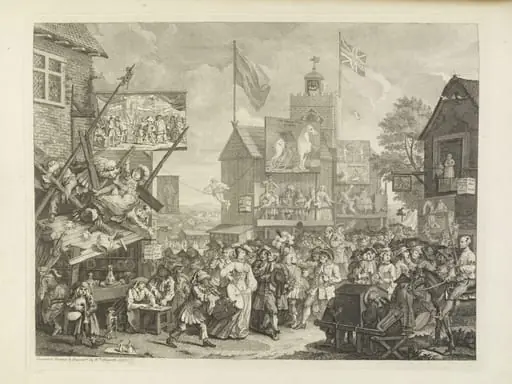
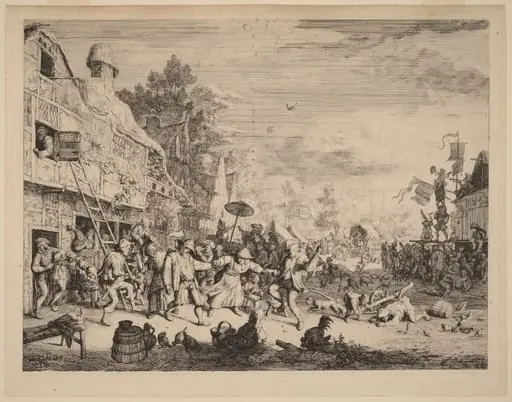
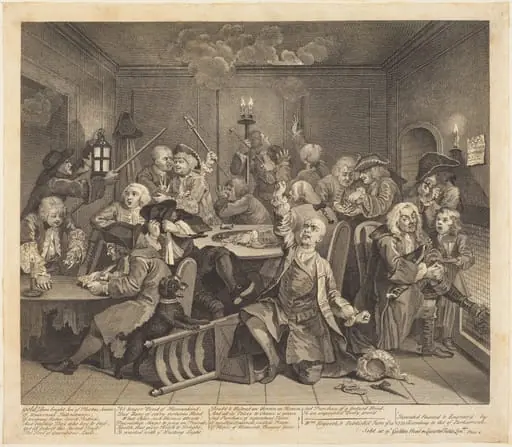
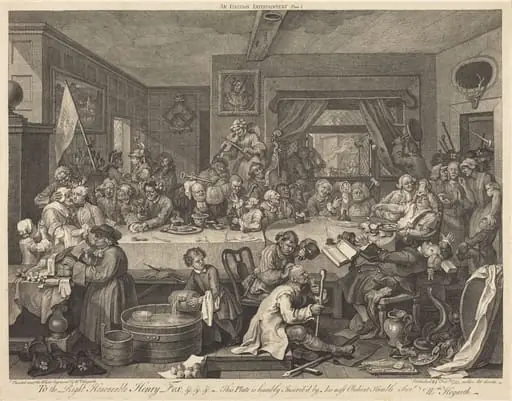
Chairing the Members is an ink print by the Romanticist artist Francois-Antoine Aveline. It dates from 1758 and is held in the collection of the National Gallery of Art. Francois‑Antoine Aveline’s print, dated 1758, presents a bustling street tableau rendered in etching and engraving.
About this work
Overview
The backdrop combines a church‑like structure, a brick building, trees, and a windmill, creating a densely populated urban scene.
Francois‑Antoine Aveline’s print, dated 1758, presents a bustling street tableau rendered in etching and engraving. A crowd in period dress hurls objects—stones, a pig, a barrel—toward a group of men seated on a cart. Spectators peer from windows, some conceal themselves, while a lone figure brandishes a placard. The backdrop combines a church‑like structure, a brick building, trees, and a windmill, creating a densely populated urban scene.
Subject & Meaning
The composition alludes to a public punishment, suggested by the title that references the act of “chairing” members of a council or assembly. By depicting the chaotic assault and the varied reactions of onlookers, Aveline captures the tension between authority and popular unrest, offering a visual commentary on civic discipline and collective sentiment in the eighteenth‑century French context.
Technique & Style
Executed through a combination of etching and engraving, the work demonstrates Aveline’s skill in manipulating line to convey texture and movement. Fine etched lines define the crowd’s attire and facial expressions, while deeper engraved strokes emphasize the weight of thrown objects and architectural forms. The dense arrangement of figures and details mirrors the informational density of contemporary newspaper illustrations.
History & Provenance
Created in 1758, the print belongs to Aveline’s series of socially charged images produced during his active period in Paris. Though specific ownership records are scarce, the work has been catalogued in several nineteenth‑century print collections, indicating its circulation among collectors interested in genre scenes that document public life and legal practices of the era.
Artist & collection