Artwork
Village Festival
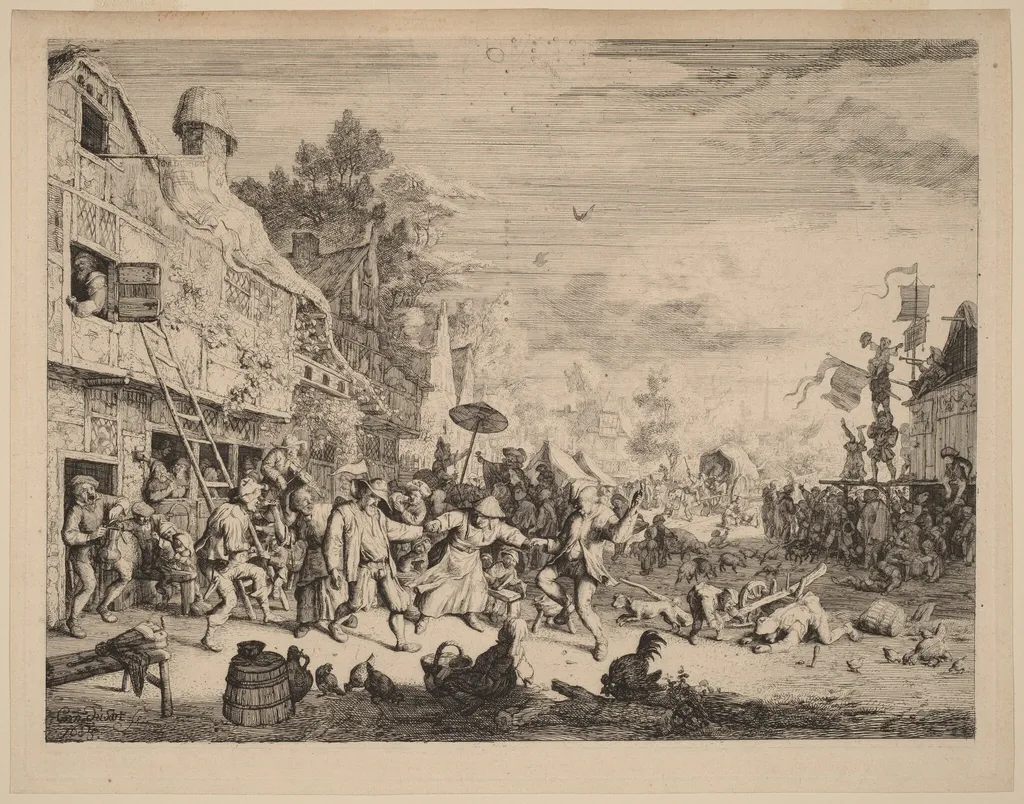
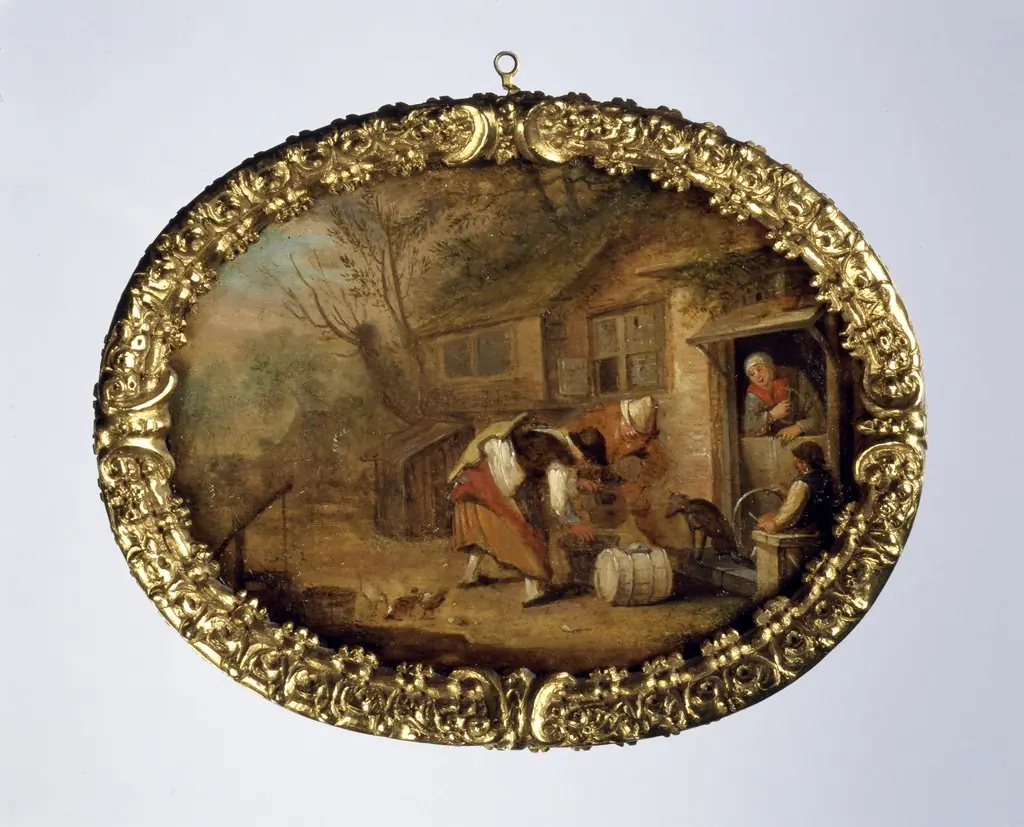
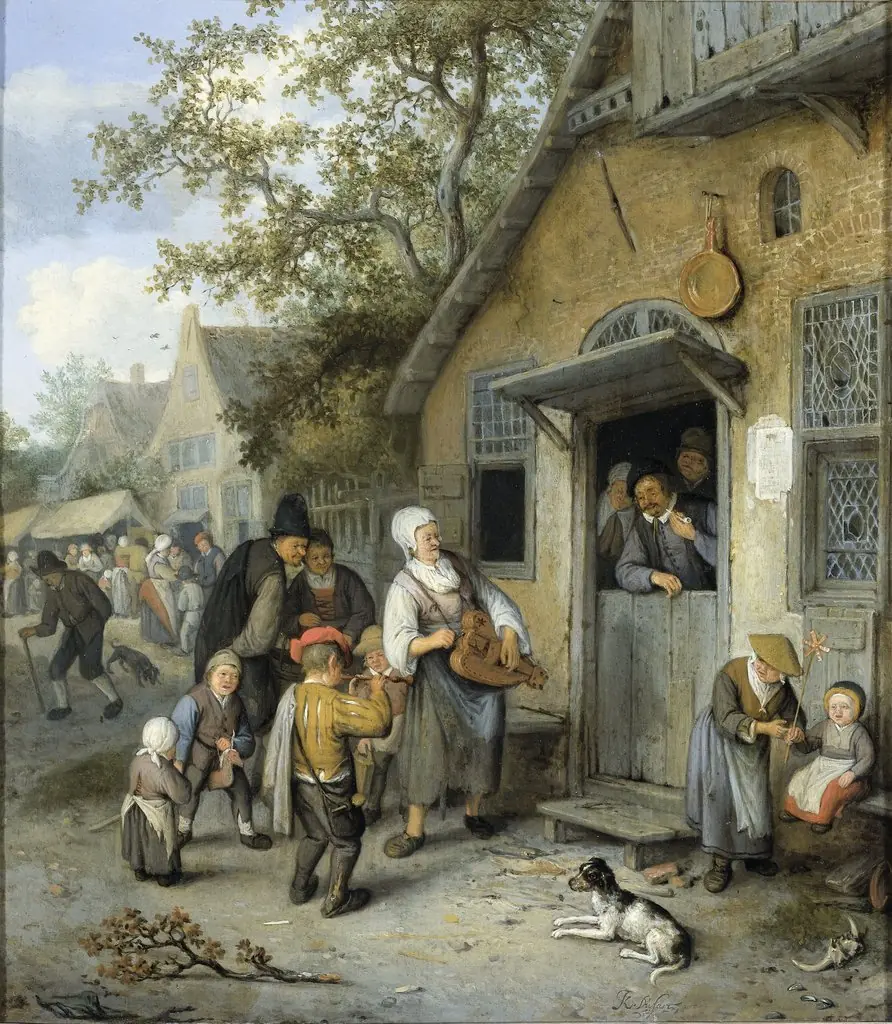
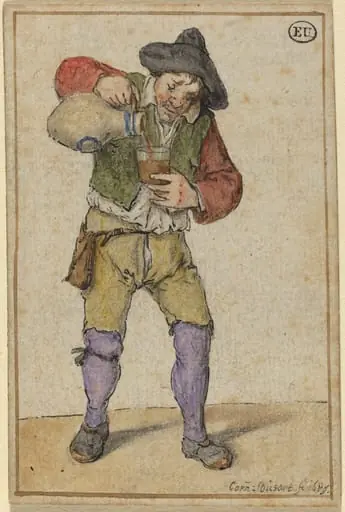
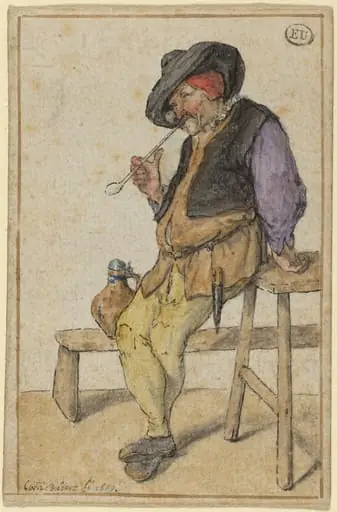
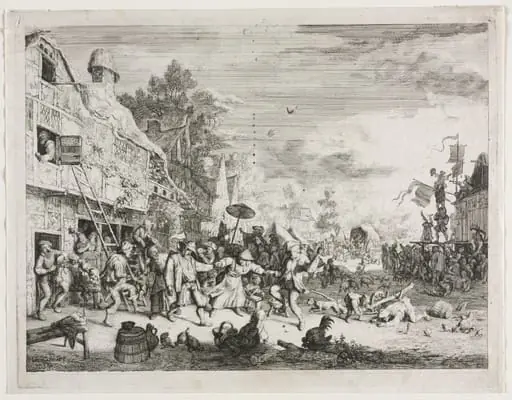
Village Festival is an ink print by the Baroque artist Cornelis Dusart. It dates from 1685 and is held in the collection of the National Gallery of Art.
About this work
Overview
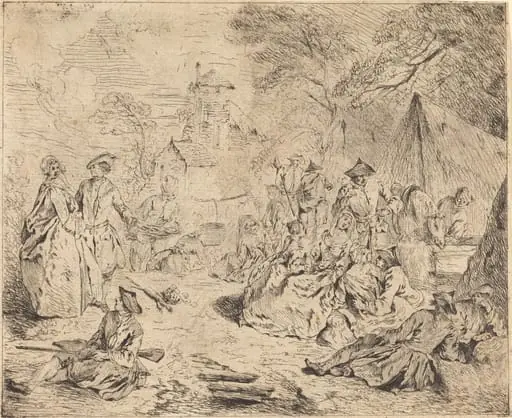
Created in 1685 by Dutch artist Cornelis Dusart, *Village Festival* is an etching that captures a nocturnal rural celebration.
Created in 1685 by Dutch artist Cornelis Dusart, *Village Festival* is an etching that captures a nocturnal rural celebration. Born in Haarlem in 1660 and trained under Adriaen van Ostade, Dusart specialized in scenes of everyday peasant life. This print, made using drypoint techniques, reflects his focus on communal gatherings and the textures of rural society, rendered with a tactile immediacy that distinguishes it from more polished contemporary works.
Subject & Meaning
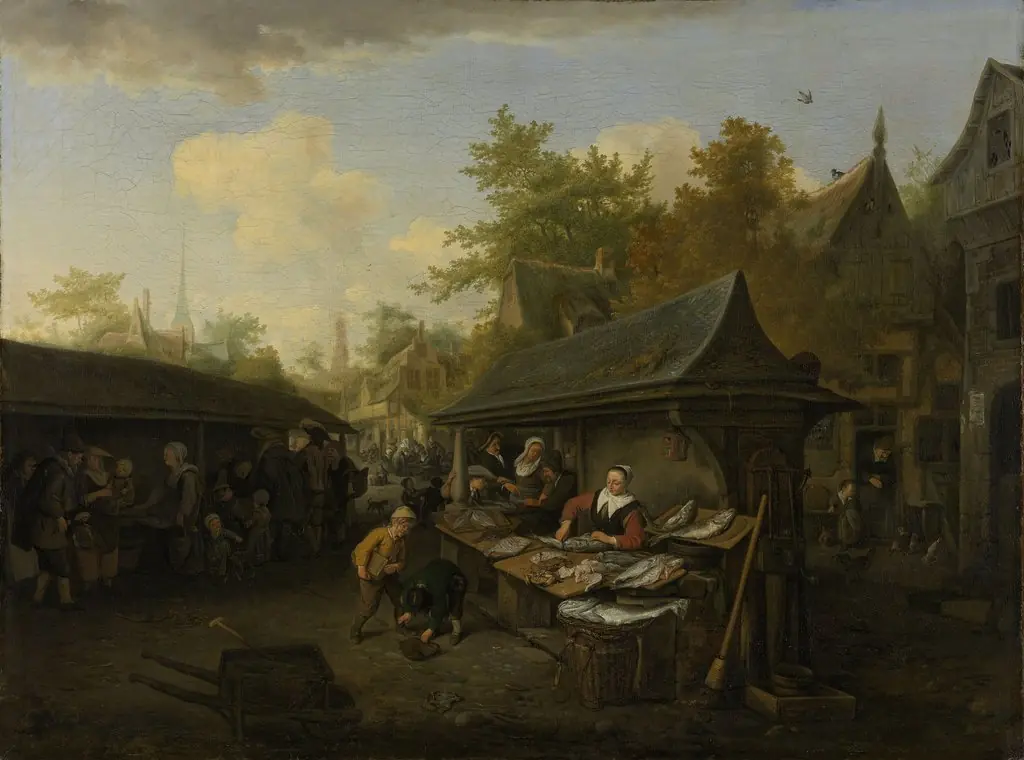
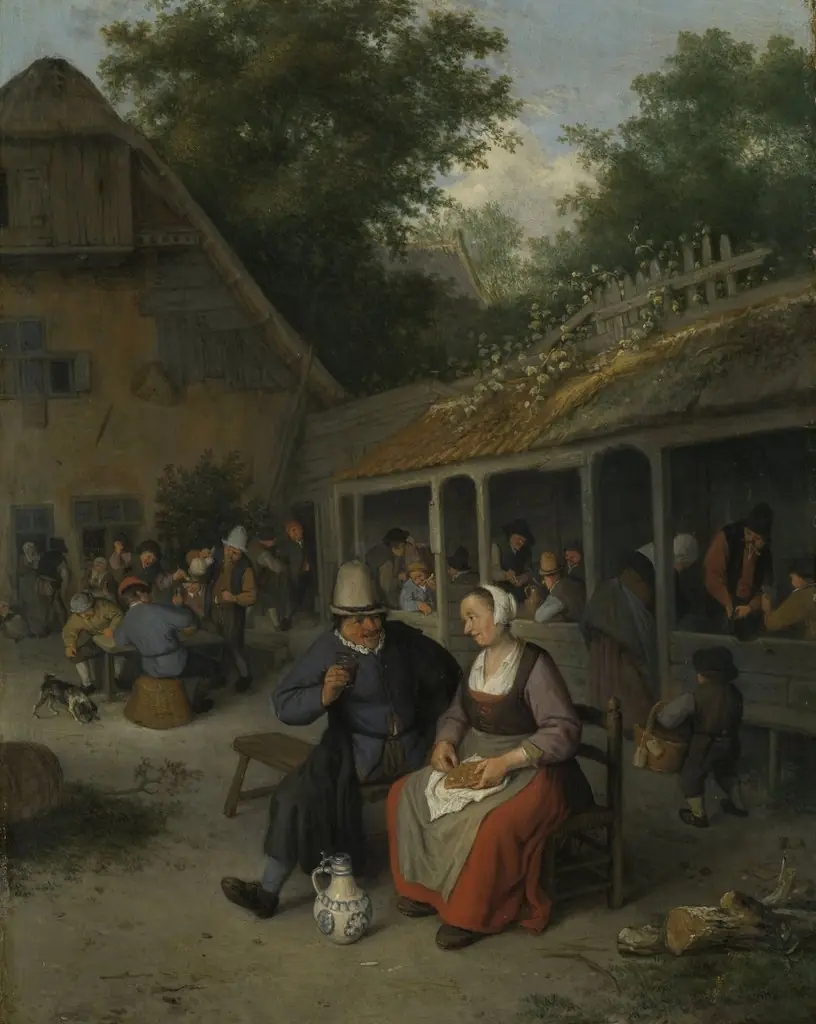
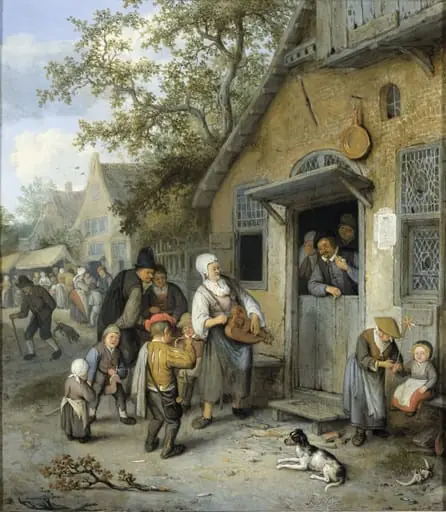
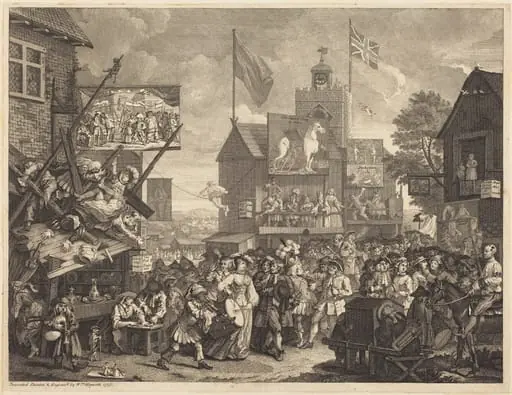
The scene depicts a village square at night, where figures gather in a circle, dancing to the music of a fiddler. Lanterns cast uneven light across cobblestones, illuminating gestures of connection—clasped hands, leaning postures, and animated conversation. The image conveys a quiet dignity in communal ritual, emphasizing shared joy rather than spectacle. There is no overt narrative, only the palpable presence of people engaged in a familiar, cyclical tradition.
Technique & Style
Dusart employed drypoint, scratching directly into a metal plate to create dense, irregular lines that hold ink unevenly. This method produces a rich, gritty texture, enhancing the sense of movement and atmosphere. The contrast between the glowing lanterns and deep shadows adds depth without relying on fine detail. The roughness of the marks mirrors the spontaneity of the scene, avoiding idealization in favor of sensory immediacy.
History & Provenance
Dusart, active in Haarlem throughout his life, produced this work during the height of Dutch genre printmaking. While few records detail the etching’s early ownership, it aligns with a broader market for images of peasant life among urban collectors. Dusart died in 1704, and his prints circulated widely in the Netherlands, though few were signed or dated precisely—making this 1685 attribution a key anchor in his oeuvre.
Context
In late 17th-century Holland, depictions of rural life were popular among middle-class audiences seeking relatable imagery. Though urban centers grew, artists like Dusart maintained interest in the countryside as a space of moral simplicity and communal harmony. *Village Festival* fits within this tradition, offering a quiet counterpoint to grand historical or religious subjects favored by academic circles.
Legacy
Dusart’s etchings, including *Village Festival*, influenced later genre printmakers through their emphasis on texture and informal composition. While not widely celebrated in his own time, his work contributed to the enduring appeal of Dutch peasant scenes. Today, his prints are valued for their unembellished observation and the quiet humanity captured in fleeting, everyday moments.
Artist & collection
Artist
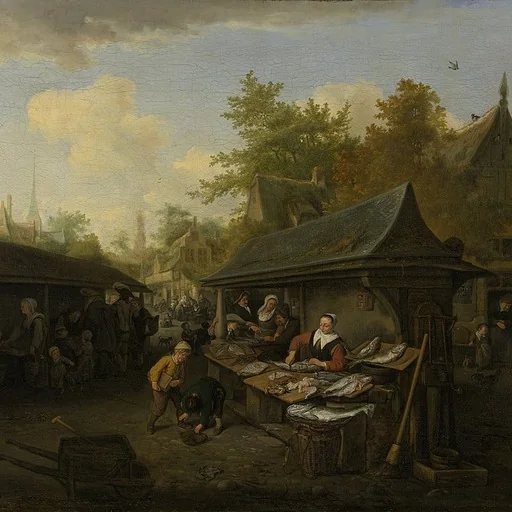
Cornelis Dusart (April 24, 1660 – October 1, 1704) was a Dutch genre painter, drawer (artists), and printmaker.