Artwork
The Second Stage of Cruelty
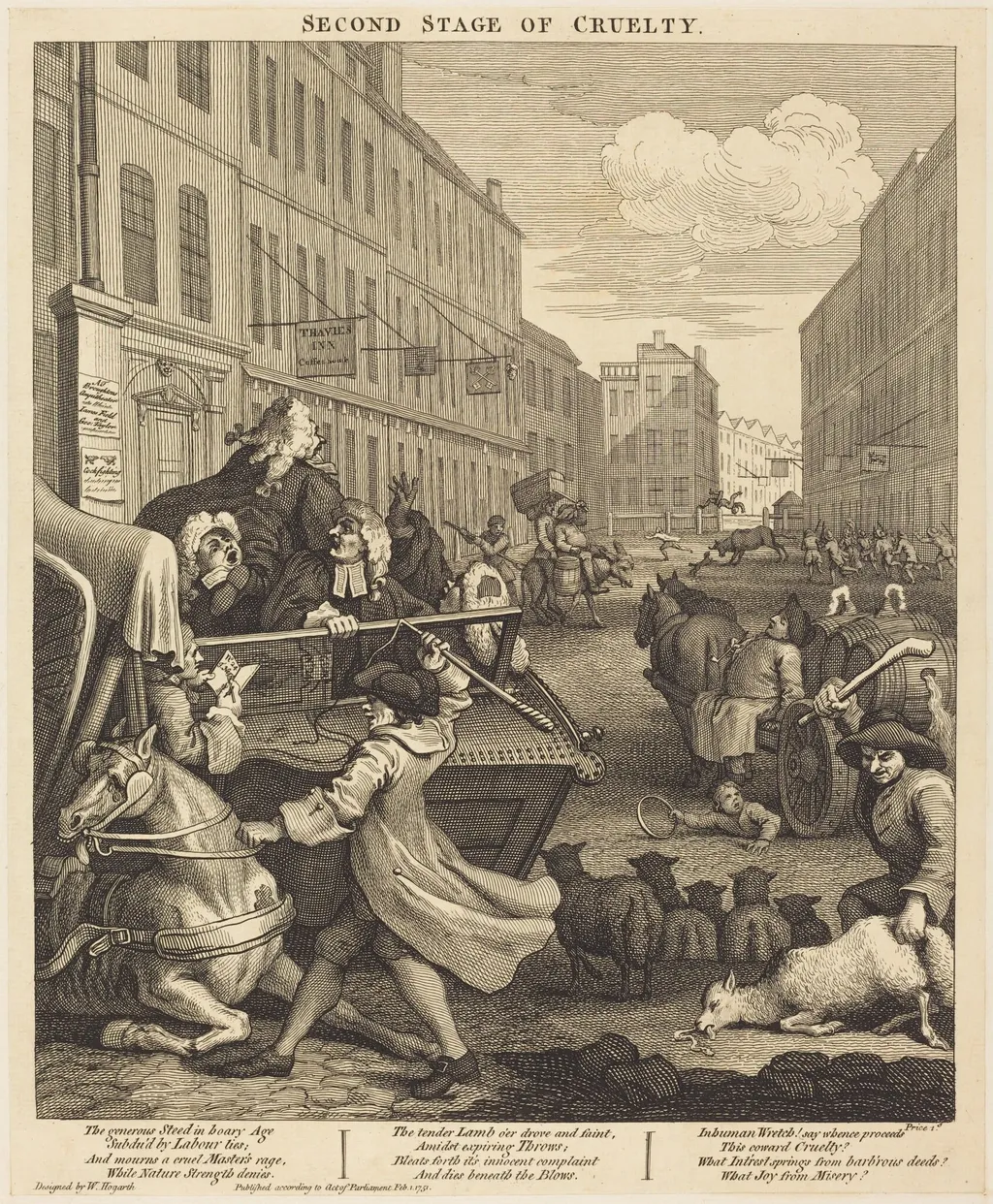
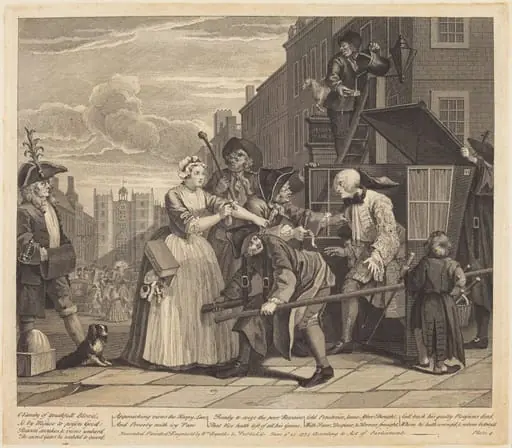
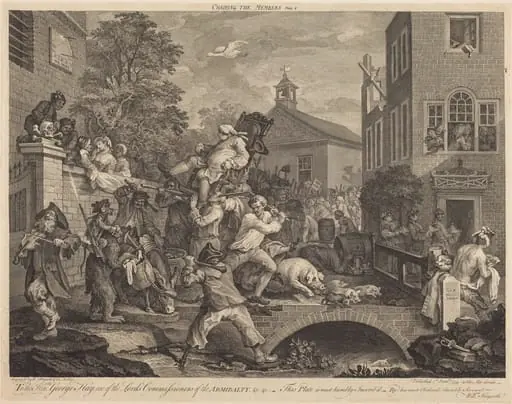
The Second Stage of Cruelty is an ink print by the Romanticist artist William Hogarth. It dates from 1751 and is held in the collection of the National Gallery of Art.
About this work
Overview
Executed in etching and engraving, the work belongs to Hogarth’s broader project of using sequential imagery to expose social decay.
Created in 1751, *The Second Stage of Cruelty* is the second in a sequence of four prints by William Hogarth that trace the moral decline of a man whose early cruelty toward animals escalates into violent crime. Executed in etching and engraving, the work belongs to Hogarth’s broader project of using sequential imagery to expose social decay. Unlike idealized art of the period, it presents unflinching scenes of urban brutality, aimed at provoking public conscience.
Subject & Meaning
The scene centers on a horse being beaten by a driver while bystanders observe with indifference or amusement. The animal’s exhaustion and suffering are rendered with precise detail, contrasting sharply with the casual attitudes of the crowd. Hogarth links this abuse to a larger societal failure: the normalization of violence as entertainment. The print suggests that cruelty to animals is not an isolated act but a symptom of moral erosion.
Technique & Style
Hogarth employed fine-line etching and engraving to achieve sharp detail and dramatic contrast. The dense cross-hatching defines textures—fur, fabric, cobblestones—while the composition directs the viewer’s eye toward the horse’s suffering. The crowded, claustrophobic arrangement amplifies the sense of moral chaos. His technique avoids romanticism, favoring documentary clarity to reinforce the work’s ethical message.
History & Provenance
The print was produced as part of Hogarth’s *The Four Stages of Cruelty*, published in 1751 and widely distributed as affordable prints. It was intended for public consumption, not private collectors, and circulated in London shops and printmakers’ stalls. The series was a direct response to rising public concern over animal abuse and the lack of legal protections for animals at the time.
Context
In mid-18th-century England, animal cruelty was common and largely unregulated. Hogarth’s series emerged alongside early reform movements, including those led by the Society for the Prevention of Cruelty to Animals, founded decades later. His work tapped into growing middle-class anxieties about urban disorder and moral decay, positioning art as a tool for civic education rather than decoration.
Legacy
*The Second Stage of Cruelty* helped shape public discourse on animal welfare and influenced later reformers. Its unvarnished realism and narrative structure set a precedent for socially engaged printmaking. Though not immediately transformative, the series contributed to a cultural shift that eventually led to legal protections for animals, cementing Hogarth’s role as a visual commentator on ethics in everyday life.
Artist & collection
Artist
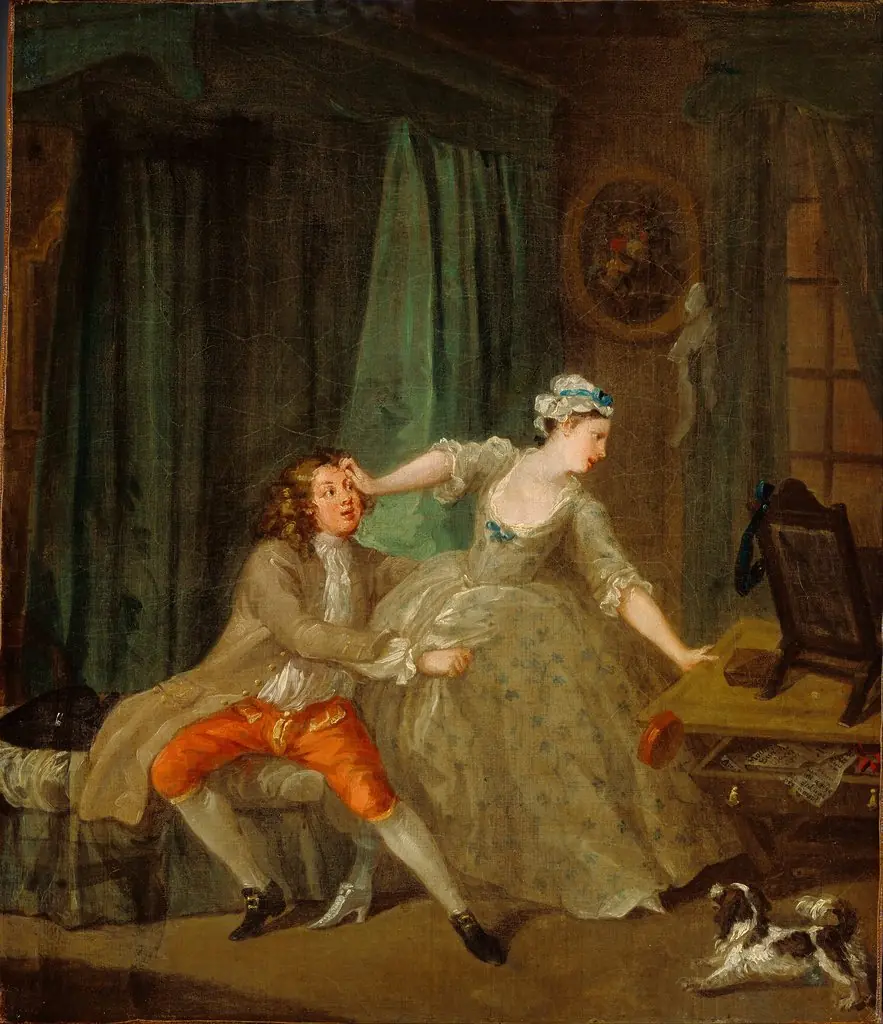
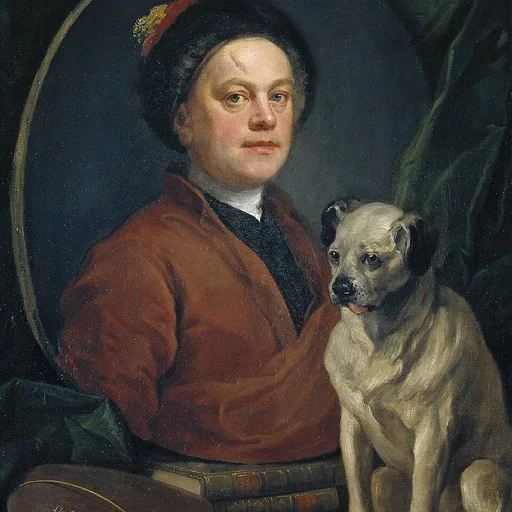
William Hogarth (; 10 November 1697 – 26 October 1764) was an English painter, engraver, satirist, cartoonist and writer.